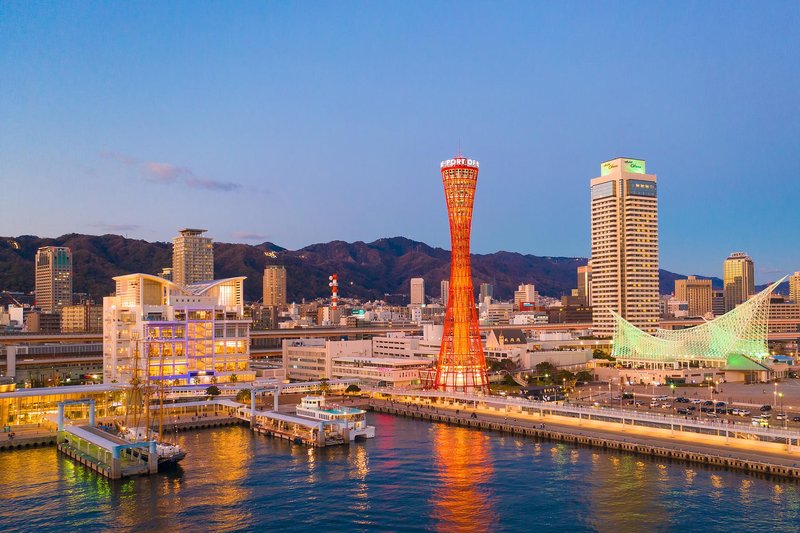
Hotels in Showa
Discover your perfect stay in Showa.
Showa(Japan) Travel 2026: Cheap Flights, Hotels & Top Attractions
Popular Landmarks in Showa
Discover the most iconic attractions in Showa
Recommended Hotels in Showa
Find the perfect place to stay in Showa
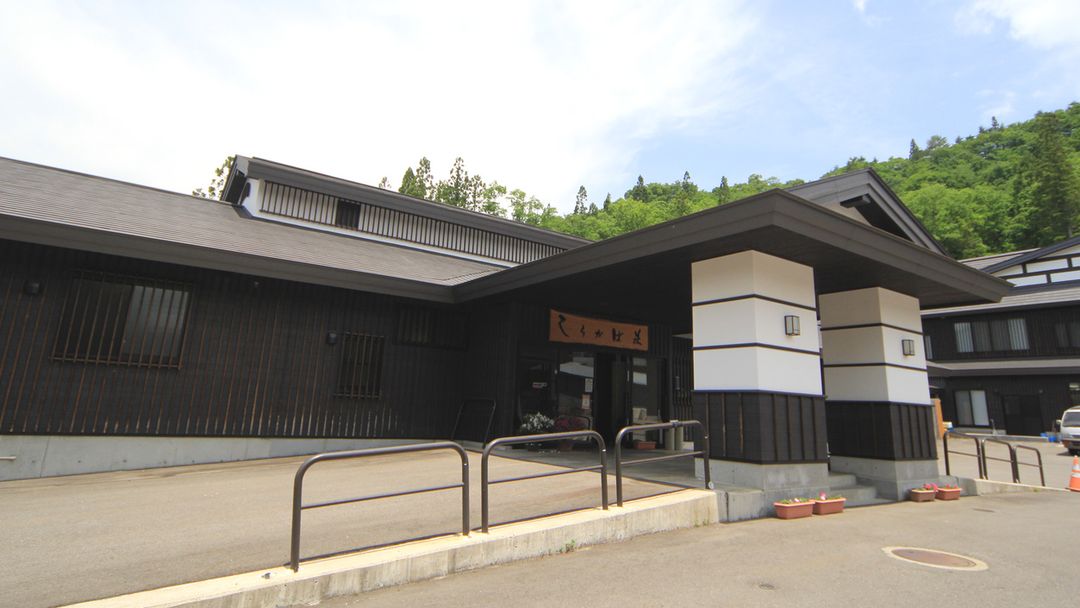
Onsen Shirakabaso
Best Hotels in Showa
Discover curated hotel collections in Showa
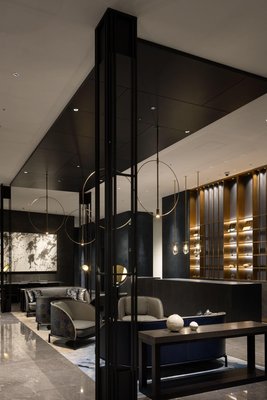
Bellustar Tokyo, A Pan Pacific Hotel
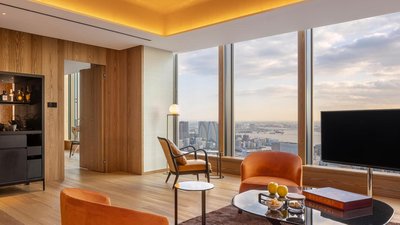
Bvlgari Hotel Tokyo
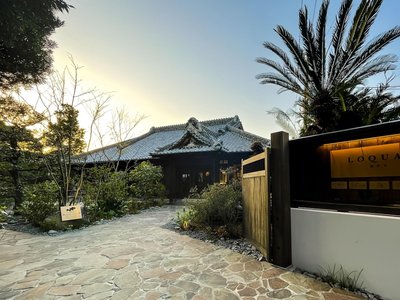
Loquat Nishiizu
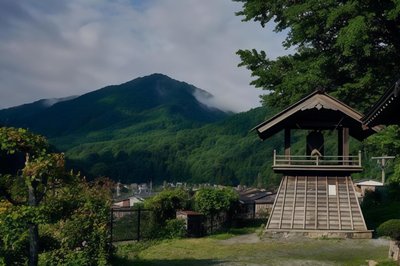
Byaku Narai
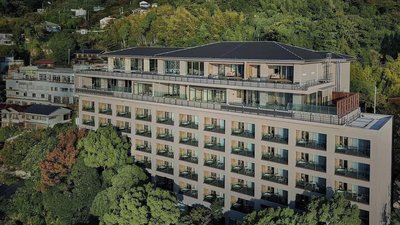
Atami Izusan Karaku
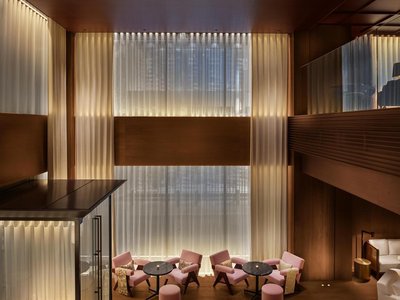
The Tokyo Edition, Ginza
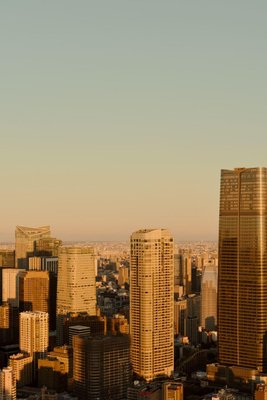
Janu Tokyo
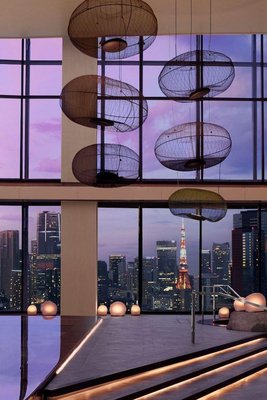
JW Marriott Hotel Tokyo
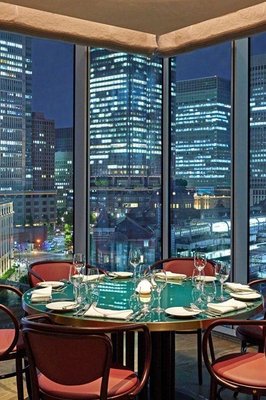
Four Seasons Hotel Tokyo at Marunouchi

Mandarin Oriental, Tokyo
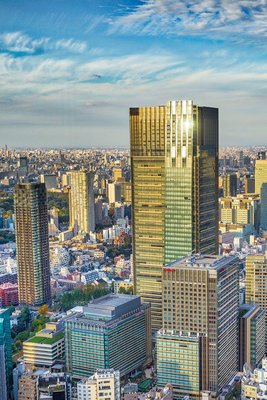
The Ritz-Carlton, Tokyo
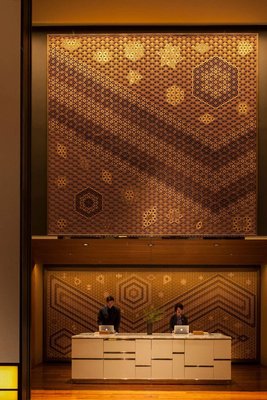
Andaz Tokyo Toranomon Hills- A Concept by Hyatt
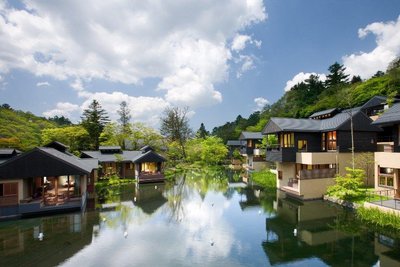
Hoshinoya Karuizawa
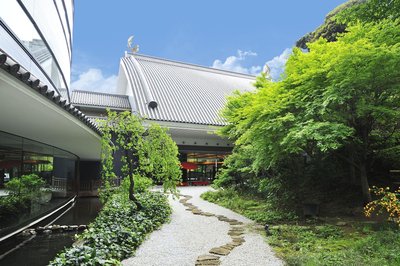
Hotel Gajoen Tokyo
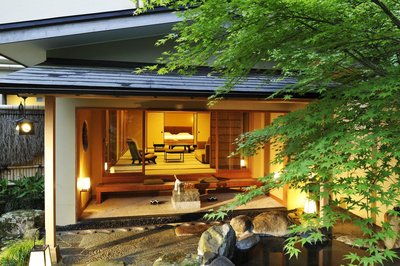
Gora Kadan
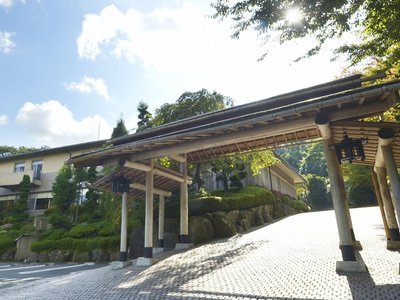
Gora Hanaougi
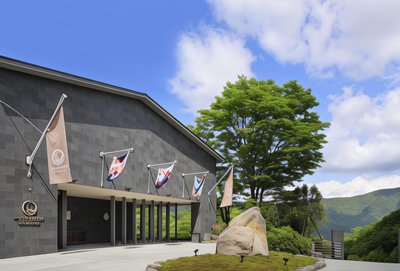
The Hiramatsu Hotels & Resorts Sengokuhara Hakone
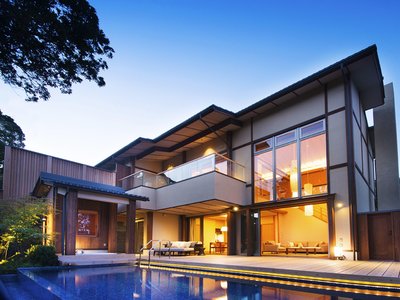
Abba Resorts Izu - Zagyosoh
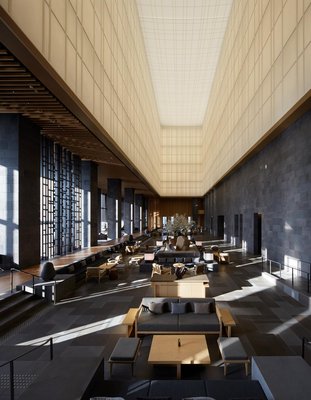
Aman Tokyo
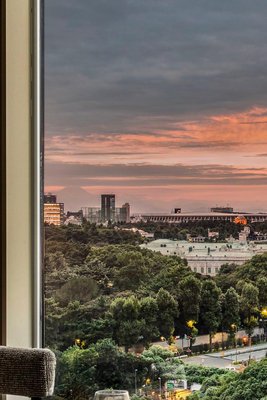
Hotel New Otani Tokyo, Executive House Zen
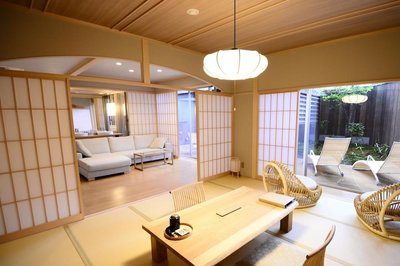
Hakone Gora Byakudan
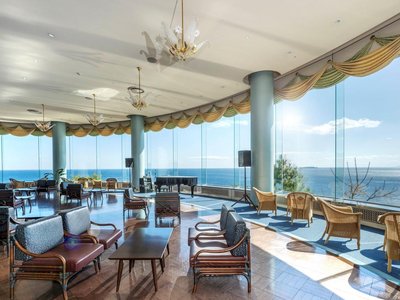
Hotel New Akao
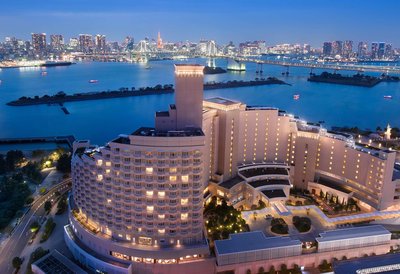
Hilton Tokyo Odaiba
JW Marriott Hotel Tokyo
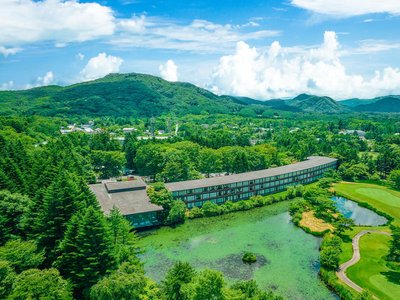
The Prince Karuizawa

The Kukuna
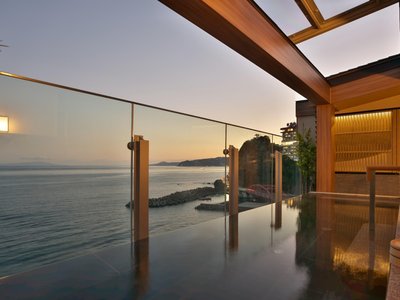
Hotel New Sagamiya
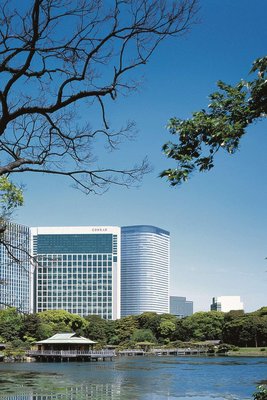
Conrad Tokyo
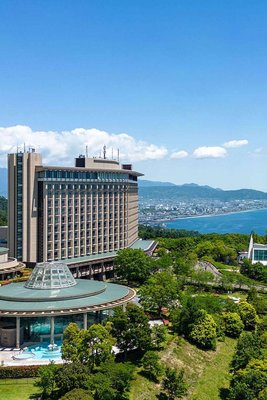
Hilton Odawara Resort & Spa
Hoshinoya Karuizawa
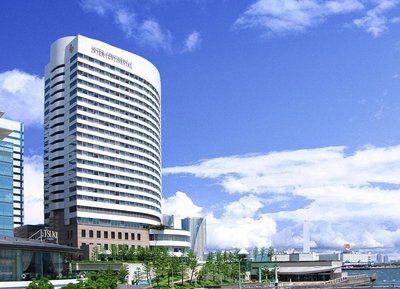
InterContinental Tokyo Bay
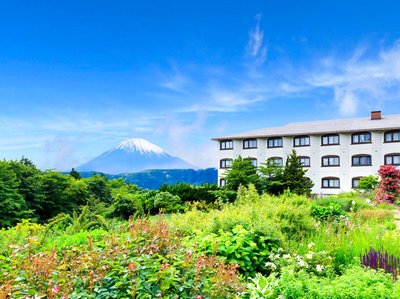
Hotel Green Plaza Hakone
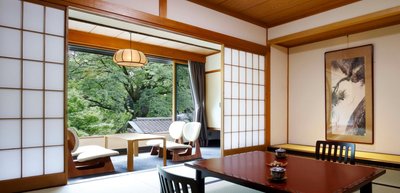
Yoshiike Ryokan
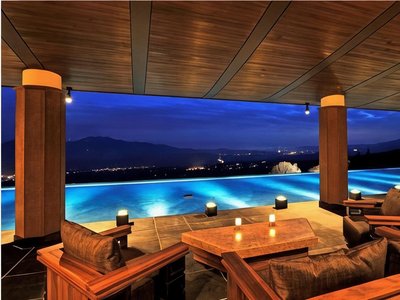
Akakura Kanko Hotel

Kawana Hotel
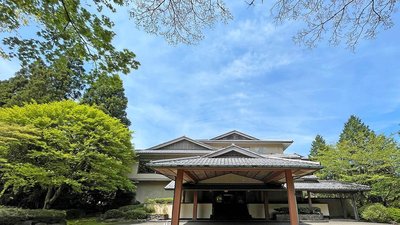
Ryuguden
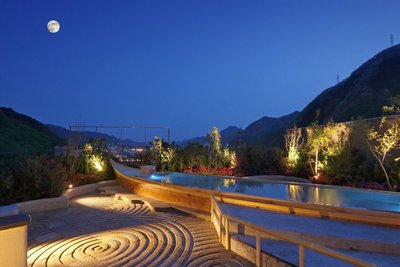
Asaya
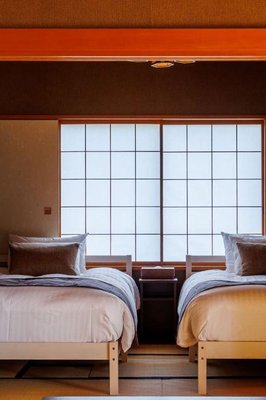
Sado Resort Hotel Azuma
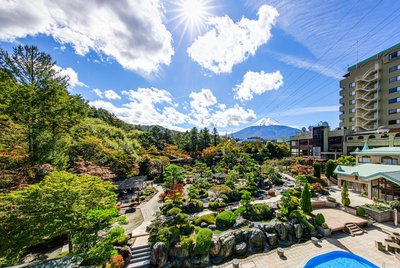
Kaneyamaen
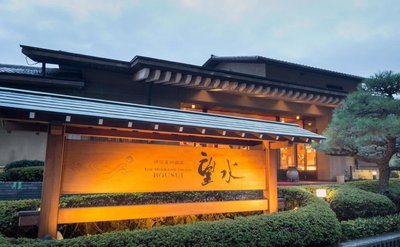
Bousui
Bvlgari Hotel Tokyo
Four Seasons Hotel Tokyo at Marunouchi
Mandarin Oriental, Tokyo
The Ritz-Carlton, Tokyo
Andaz Tokyo Toranomon Hills- A Concept by Hyatt
Gora Kadan
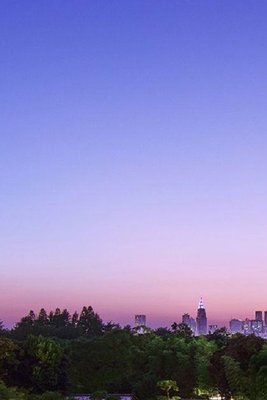
Hotel New Otani Tokyo the Main
Aman Tokyo
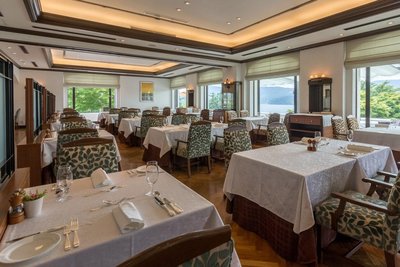
Odakyu Hotel de Yama
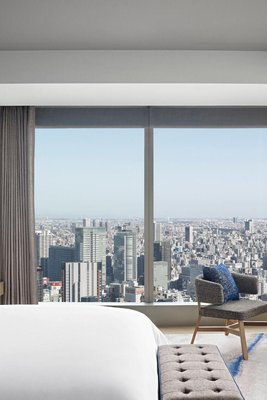
Four Seasons Hotel Tokyo at Otemachi
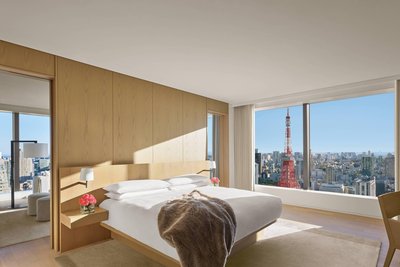
The Tokyo Edition, Toranomon

Hyatt Centric Kanazawa
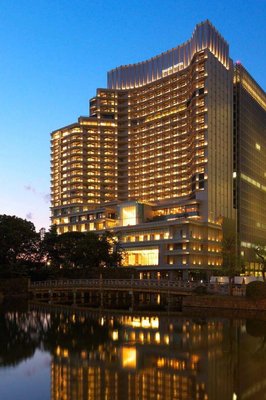
Palace Hotel Tokyo
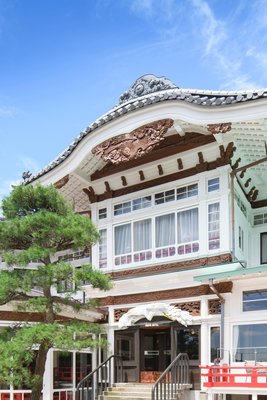
Fujiya Hotel
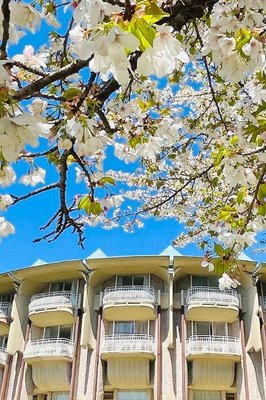
The Prince Hakone Lake Ashinoko
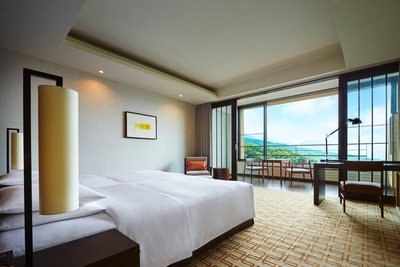
Hyatt Regency Hakone Resort and Spa
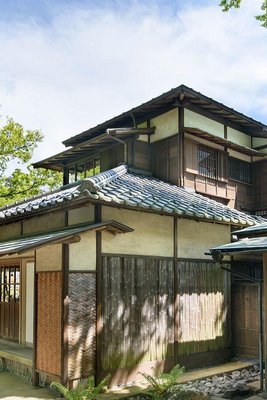
Hakone Suishoen
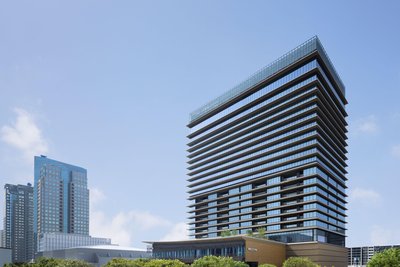
The Westin Yokohama
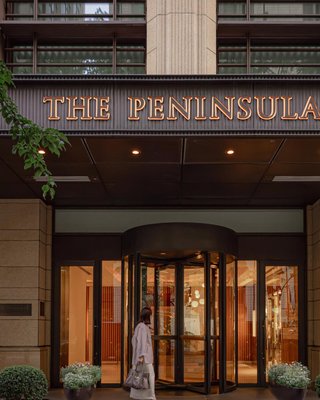
The Peninsula Tokyo

Imperial Hotel, Tokyo
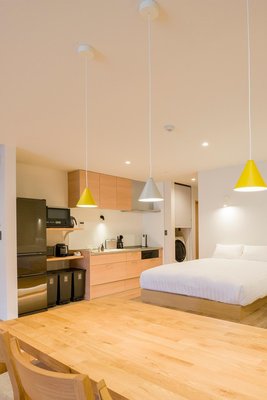
Rakuten STAY VILLA Nasu
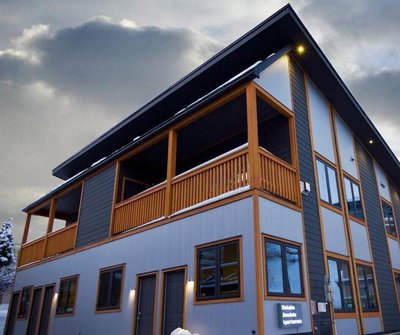
Hakuba Gondola Apartments
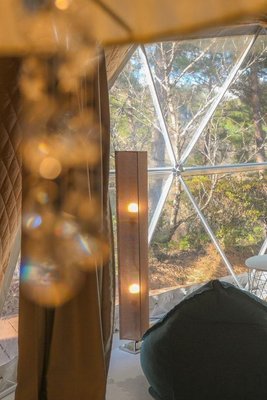
glampark Gekkabijin Nagano
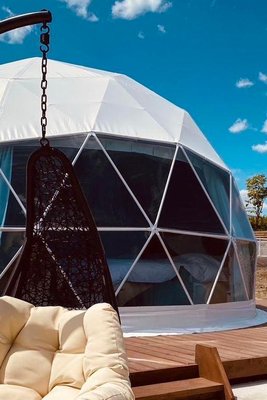
chillout glamping zao
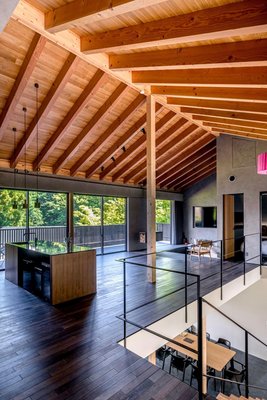
MONS GORA
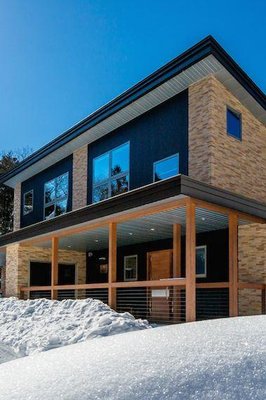
Phoenix Chalets by Hhg
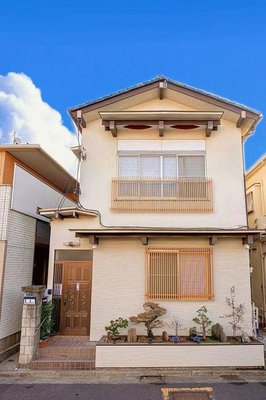
Tokyo Star House-Shinkoiwa
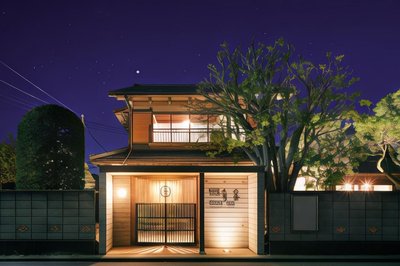
Machi-Jyu
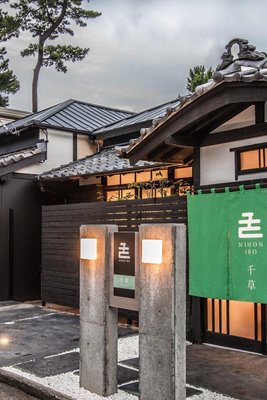
Nihon Iro
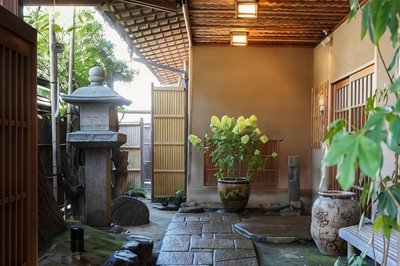
Ryokan Asadaya
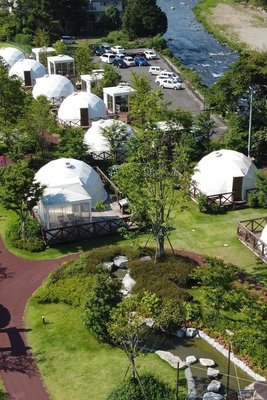
Ufufu Village
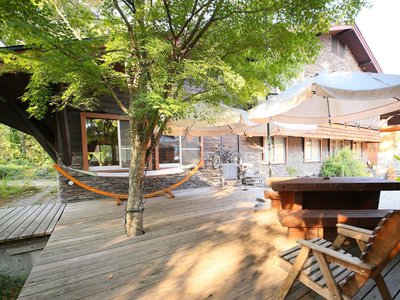
Kunugi Relaxation with 4 Modern Rooms
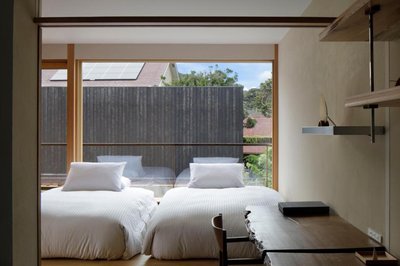
Modern Ryokan Kishi-ke

Petals Tokyo - Floating Hotel
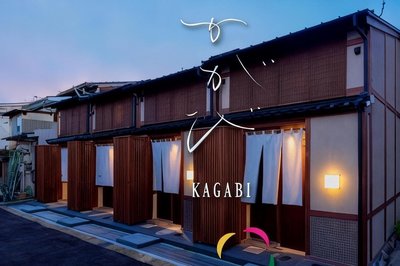
Kagabi Machiya House
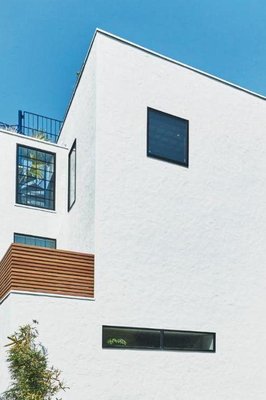
The Flow Kamakura
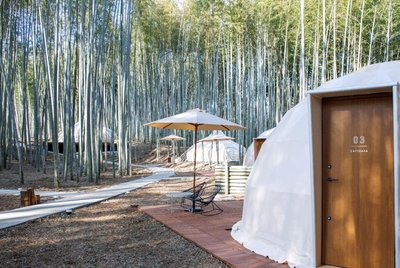
THE BAMBOO FOREST
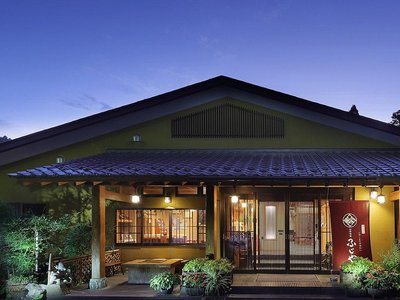
Shikimitei Fujiya
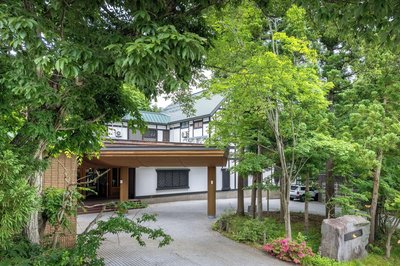
Forest Resort Yamanote Hotel
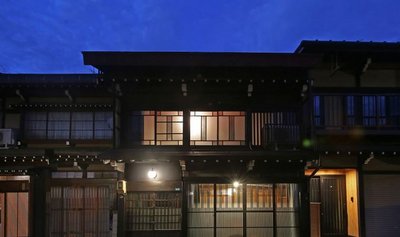
Iori Stay Hida
Bellustar Tokyo, A Pan Pacific Hotel

Hotel Barrière Fouquet's New York
Bvlgari Hotel Tokyo
Loquat Nishiizu
Byaku Narai
Atami Izusan Karaku
The Tokyo Edition, Ginza
Janu Tokyo
JW Marriott Hotel Tokyo
Four Seasons Hotel Tokyo at Marunouchi
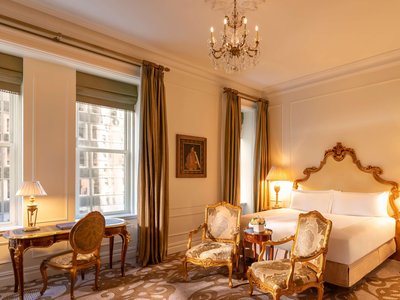
The Plaza - A Fairmont Managed Hotel
Mandarin Oriental, Tokyo
The Ritz-Carlton, Tokyo
Andaz Tokyo Toranomon Hills- A Concept by Hyatt
Hoshinoya Karuizawa
Hotel Gajoen Tokyo
Gora Kadan
Gora Hanaougi
The Hiramatsu Hotels & Resorts Sengokuhara Hakone
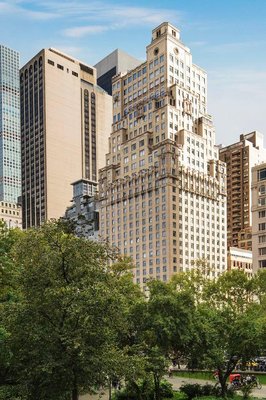
The Ritz-Carlton New York, Central Park
Frequently Asked Questions about Traveling to Showa
Questions You Might Need to Know About Traveling to Showa
In Shōwa Village, the top boutique stay is Tsukimi Mountain Lodge, a secluded hillside retreat offering private onsen baths and panoramic views of the Kiyu River valley. Built with traditional Japanese timber and minimalist design, each room features tatami mats, shoji screens, and floor heating. The lodge specializes in kaiseki-style local cuisine using organic ingredients from nearby farms. Guests can also book guided night walks through forest trails or participate in seasonal rituals like the Moon Viewing Ceremony. Its remote location ensures tranquility, making it ideal for couples and nature lovers seeking an immersive cultural escape.
The most authentic rural experience in Shōwa Village lies in the central village zone, particularly around the Old Farmhouse District and Kiyu River Path. This area preserves Edo-era architecture, with thatched-roof homes, stone walls, and wooden bridges. Staying here allows direct access to traditional crafts workshops, such as washi paper-making and bamboo weaving. Local residents often host informal tea gatherings, sharing stories of farming life and seasonal festivals. The absence of mass tourism means visitors can observe daily routines—like rice planting or livestock care—up close. It’s a living museum of Kōriyama’s rural heritage, where time slows down and connection to nature deepens.
Guests in Shōwa Village can engage in rare cultural experiences like Kōriyama Fire Rituals, where villagers light torches during autumn ceremonies to honor ancestral spirits. There’s also the Forest Whisper Workshop, teaching participants how to create natural ink from mountain plants and write poetry on handmade washi paper. For families, Child’s Harvest Festival includes rice-pounding contests and storytelling under the stars. Additionally, many lodges offer seasonal cooking classes, such as preparing mushroom miso stew or dried persimmon snacks, using ingredients sourced directly from the village. These activities emphasize sustainability and intergenerational knowledge transfer.
Most hotels in Shōwa Village do not provide free airport transfers, but many offer private shuttle HopeGoo services upon request. The nearest major stations are Fukushima Station and Kōriyama Station, both about 60–75 minutes away by car. Some premium lodges, like Kōgen House, include complimentary pickup for guests arriving via pre-arranged transport. For those traveling by public transit, the village has a free shuttle bus connecting to the regional rail hub. We recommend confirming pickup details at least 48 hours in advance, especially during peak seasons like cherry blossom and autumn foliage periods.
Yes, Shōwa Village is highly family-friendly. Several lodges, including Yūkan House, offer spacious family cabins with separate sleeping areas and outdoor play zones. Children can join nature scavenger hunts, learn to make simple pottery, or help gather wild vegetables for meals. Many properties have kid-sized bathrobes and safe indoor play areas. The surrounding countryside provides endless opportunities for hiking, birdwatching, and exploring small streams. With low noise levels and minimal traffic, it's perfect for kids to run freely. Seasonal events like Spring Planting Day and Autumn Bonfire Night are especially engaging for young travelers.
For couples seeking romance, Tsukimi Mountain Lodge stands out with its private open-air onsen, glass-walled rooms facing the valley, and candlelit dinners prepared by resident chefs. The lodge offers a **
Showa Overview
City Summary
Showa Village, located in Fukushima Prefecture, Japan, is a tranquil rural area known for its pristine natural environment and rich agricultural resources, particularly rice and flower cultivation. Visitors can experience traditional Japanese countryside life and enjoy a slower pace away from urban hustle.
Must-See Attractions
Key attractions include the Showa Village Historical Folklore Museum, showcasing local history and culture, and the stunning flower fields that change with the seasons. Don’t miss the traditional farming experiences where you can try making local handicrafts.
Food Guide
The village’s cuisine focuses on farm-to-table meals, featuring fresh local vegetables and handmade soba noodles. Small family-run restaurants offer homestyle dishes with a cozy rural charm.
Transportation Guide
To reach Showa Village, take a train to the nearest station and then transfer by bus or taxi. Within the village, walking or renting a bicycle is ideal for exploring the scenic countryside. Driving is also a convenient option for flexible travel.
Best Time to Visit
The best times to visit are spring and autumn, when the weather is pleasant and the flower fields or rice paddies are at their most beautiful. Summers can be hot, and winters may bring snow, so dress accordingly.
Travel Tips
- Respect local farmers and traditions to avoid disrupting daily life.
- Book farming experiences in advance to confirm availability.
- Village shops and restaurants have limited hours; consider bringing snacks and water.
- Preserve the environment by disposing of trash properly.
Useful Information
The primary language is Japanese, with limited English spoken. Internet coverage is decent, though some areas have weak signals. Cash is preferred, as credit cards are not widely accepted. Medical facilities are sparse, so bring basic medications and monitor your health.