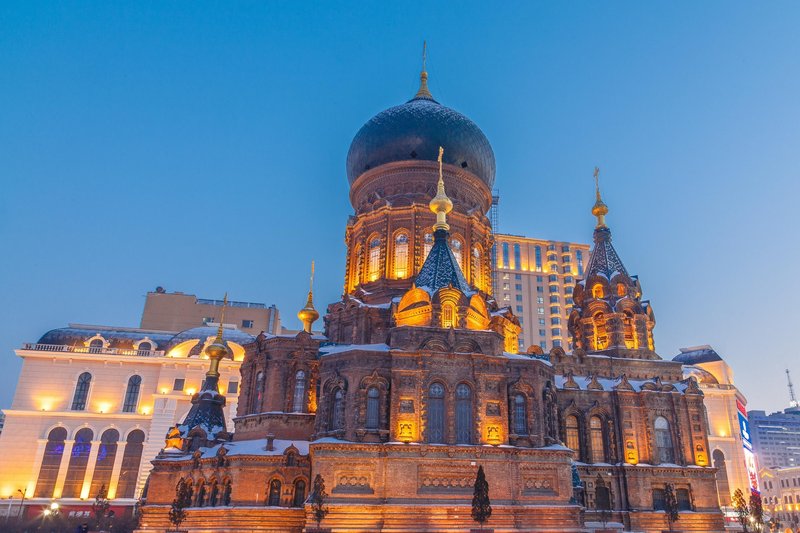
Hotels in Sittard
Discover your perfect stay in Sittard.
Sittard(Netherlands) Travel 2026: Cheap Flights, Hotels & Top Attractions
Popular Landmarks in Sittard
Discover the most iconic attractions in Sittard
Recommended Hotels in Sittard
Find the perfect place to stay in Sittard
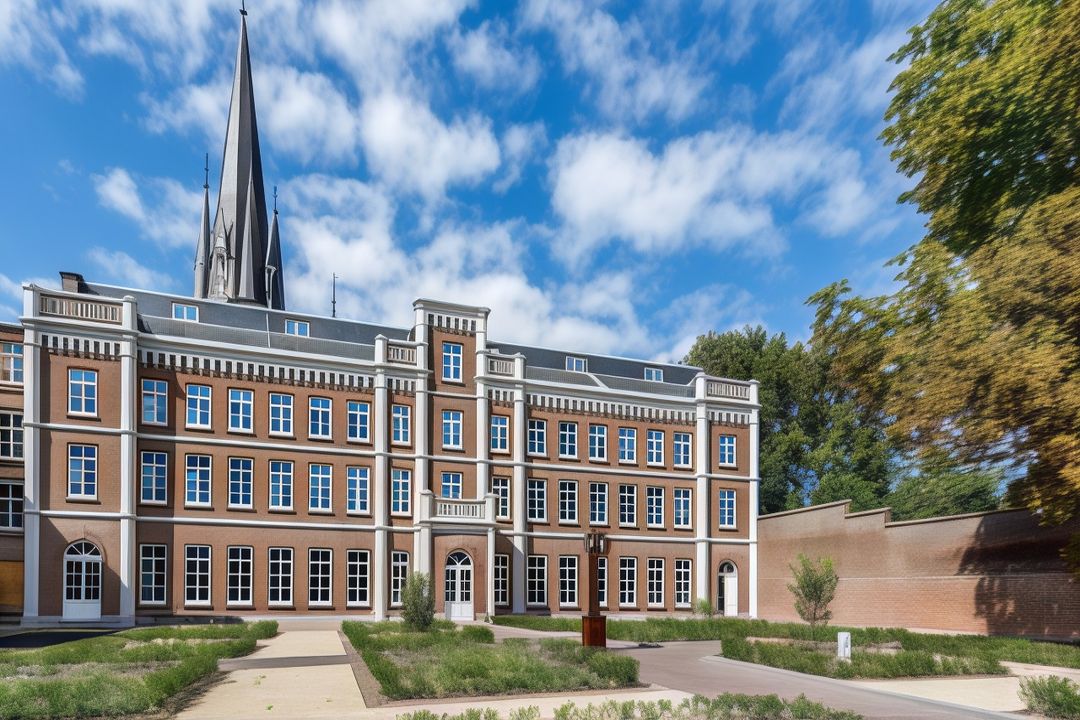
Merici Hotel Sittard
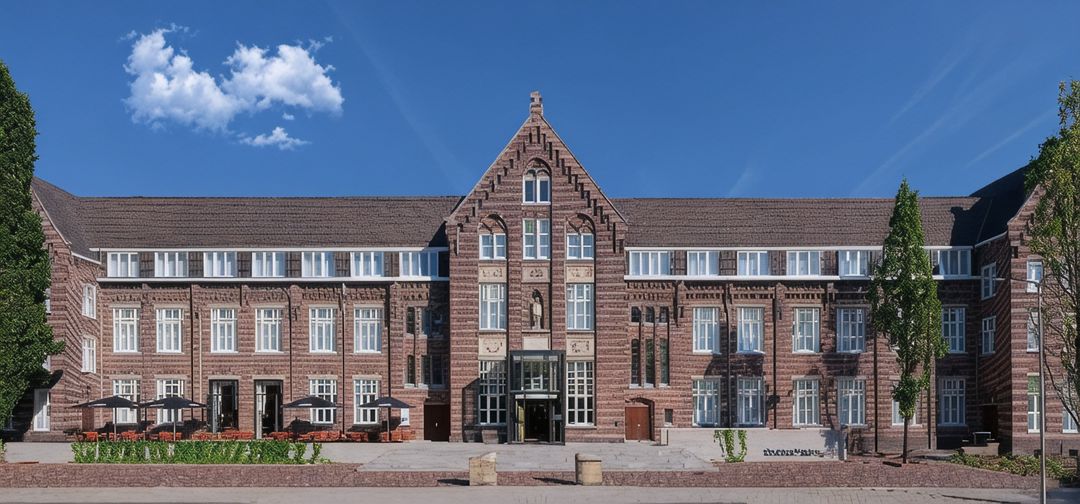
DoubleTree by Hilton Sittard
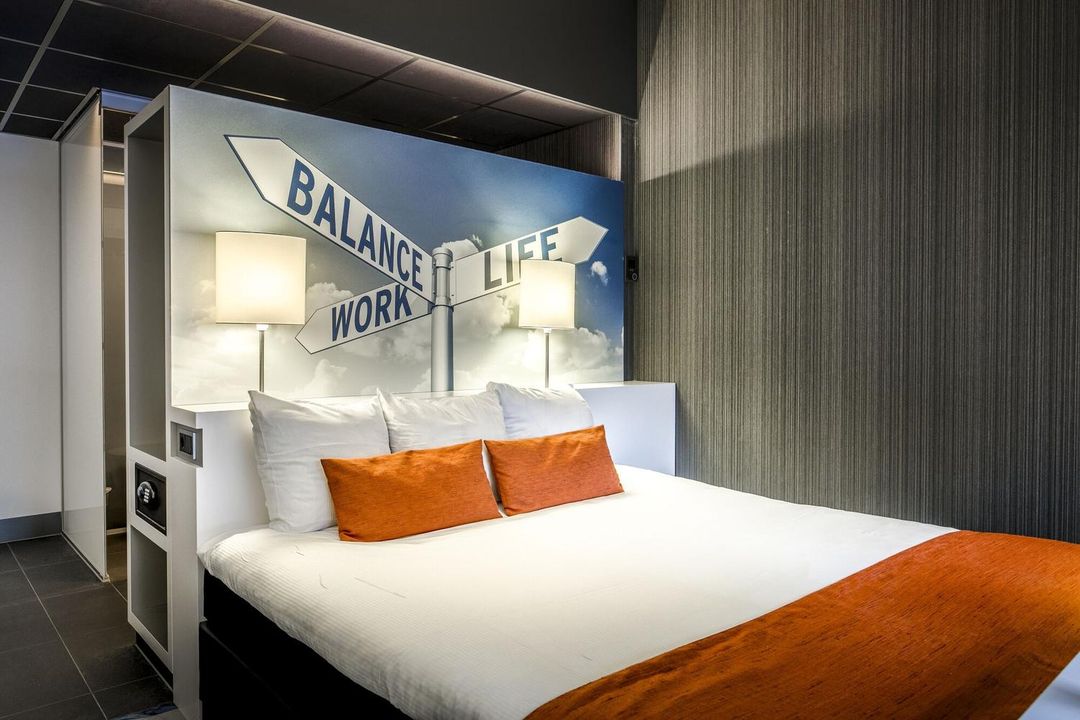
Fletcher Wellness-Hotel Sittard
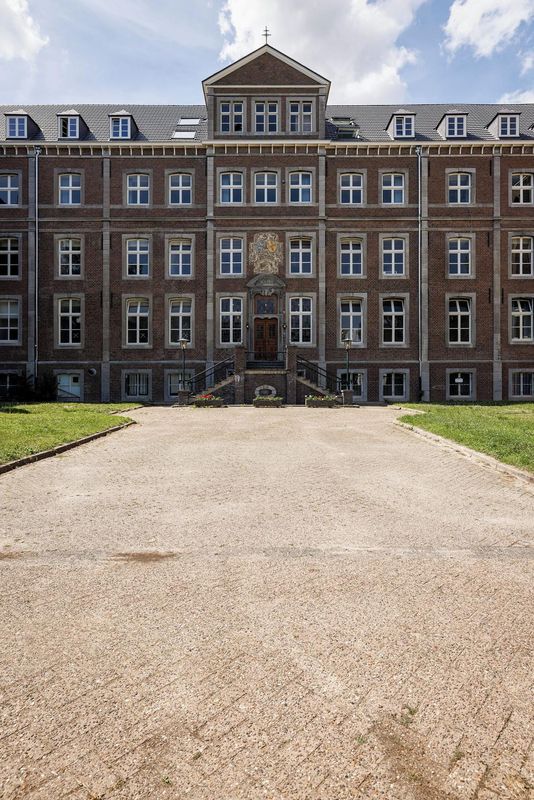
Sephs Hotel Sittard
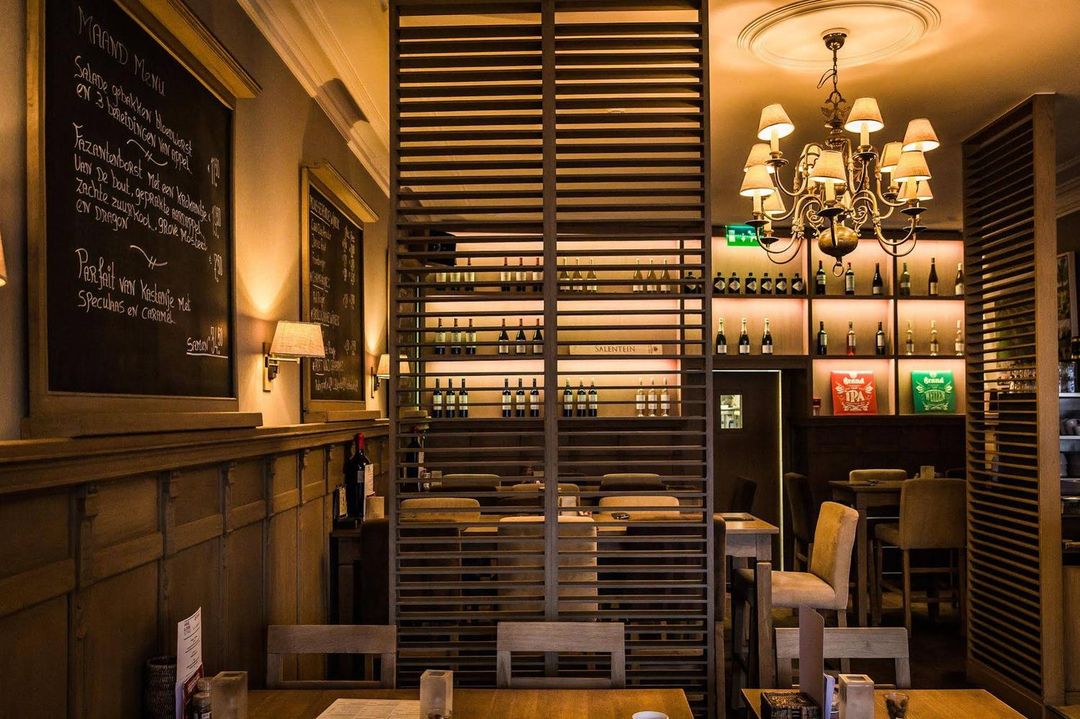
Hotel de Limbourg
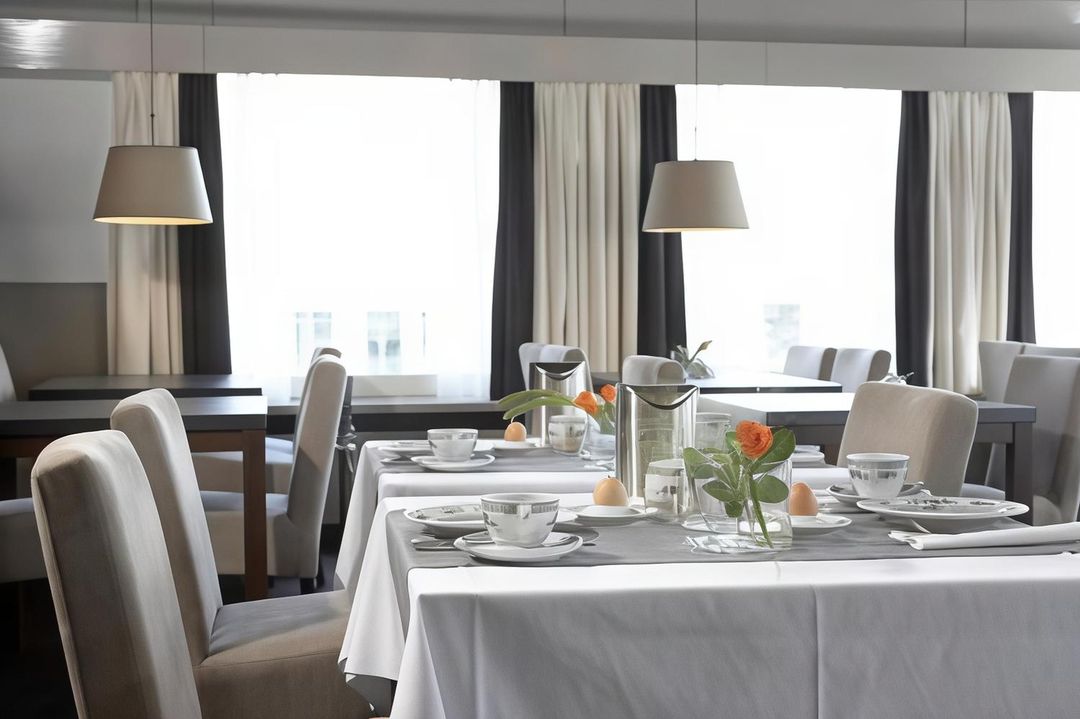
Hotel de Prins
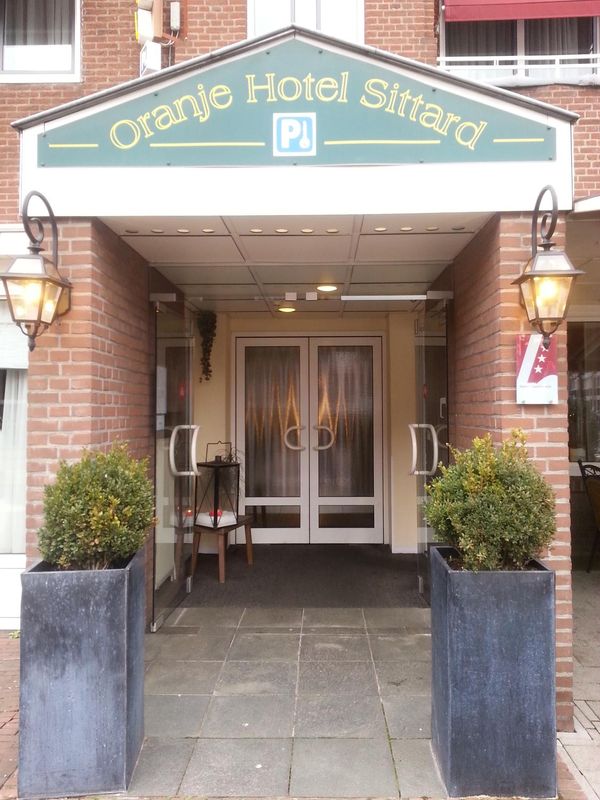
Oranje Hotel Sittard
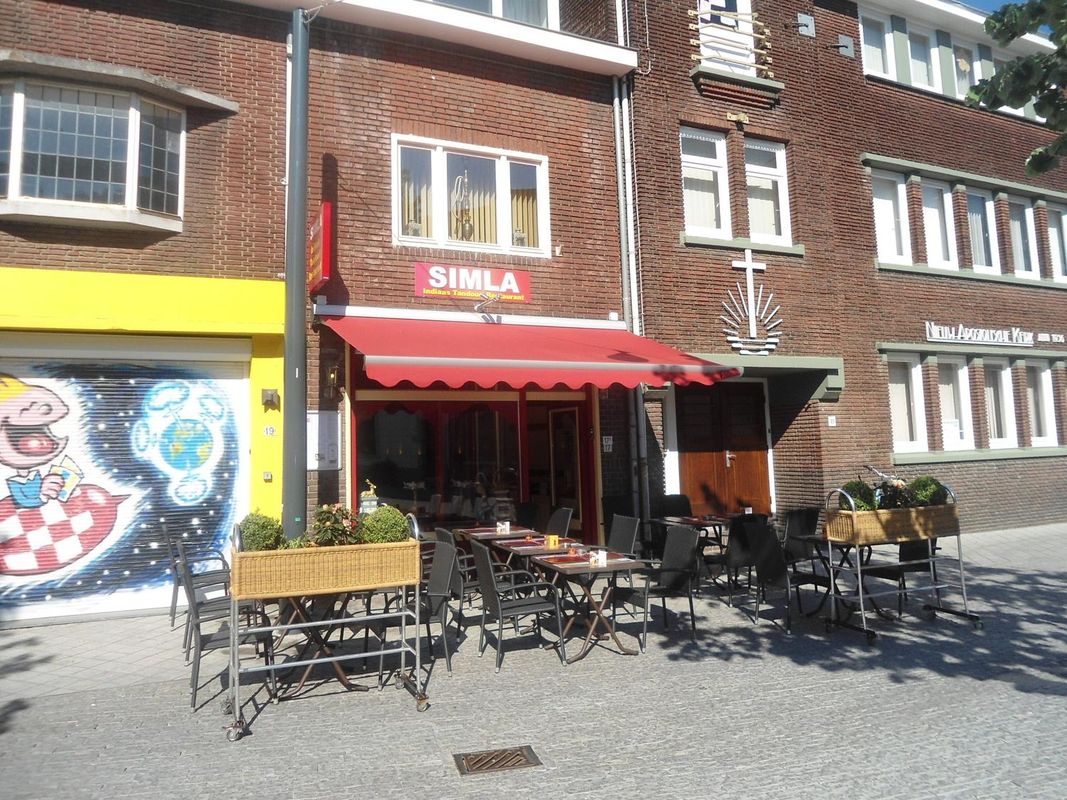
Simla Indiaas Restaurant Voor Kamer
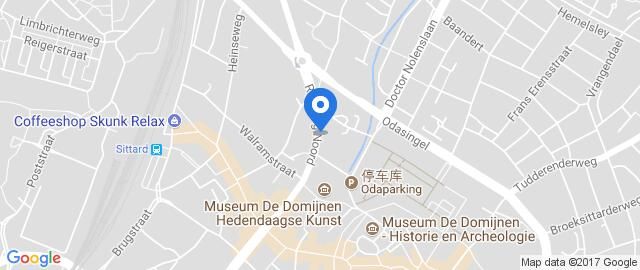
Casa Elisabeth
Best Hotels in Sittard
Discover curated hotel collections in Sittard
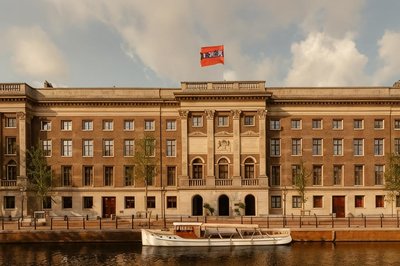
Rosewood Amsterdam
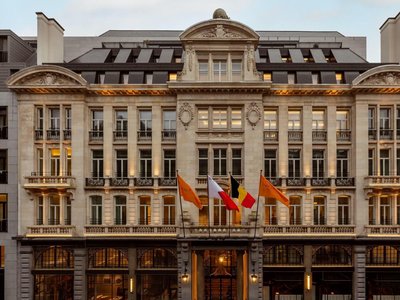
Corinthia Grand Hotel Astoria Brussels
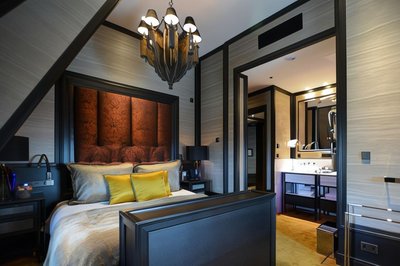
Hotel TwentySeven - Small Luxury Hotels of the World
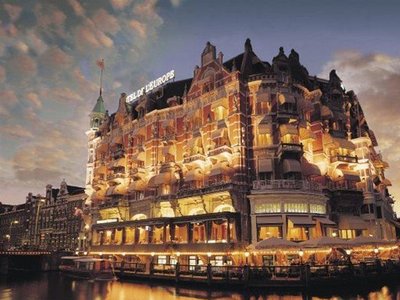
De L’Europe Amsterdam – the Leading Hotels of the World
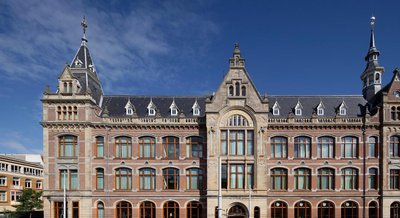
Conservatorium Hotel (Operated by Mandarin Oriental)
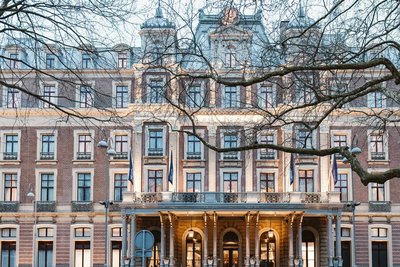
InterContinental Amstel Amsterdam
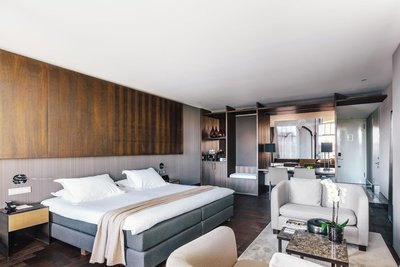
The Dylan Amsterdam
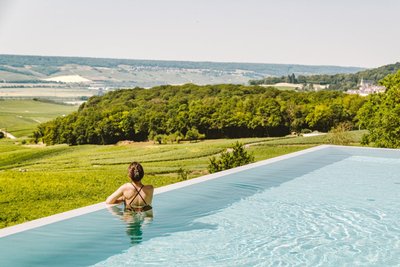
Royal Champagne Hotel & Spa
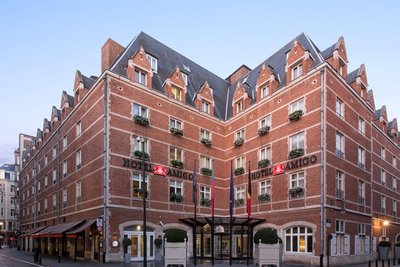
Rocco Forte Hotel Amigo
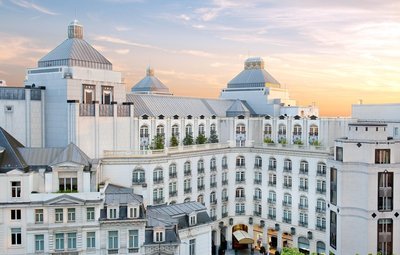
Steigenberger Icon Wiltcher's
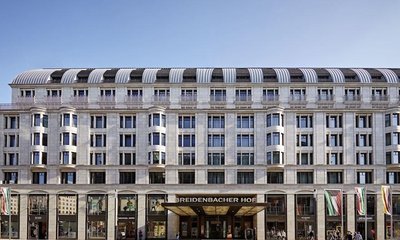
Small Luxury Hotels of the World - Breidenbacher Hof
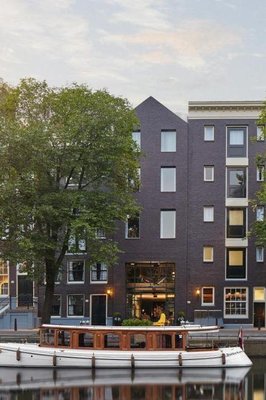
Pulitzer Amsterdam
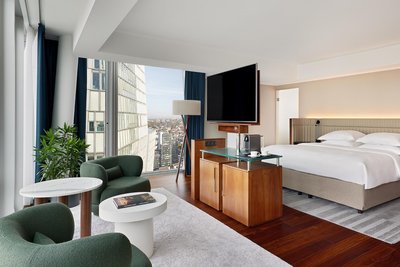
JW Marriott Hotel Frankfurt
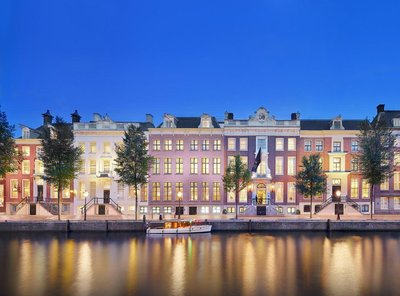
Waldorf Astoria Amsterdam
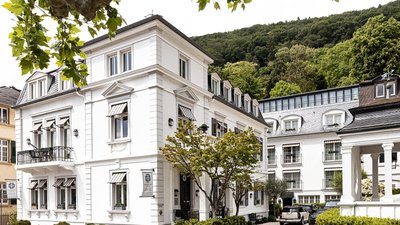
House of Hütter - Heidelberg Suites & Spa
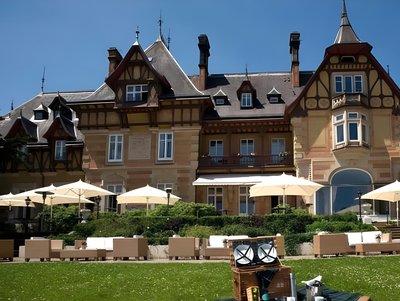
Villa Rothschild, Autograph Collection
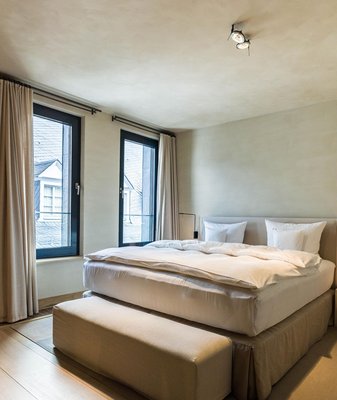
Hotel Purs
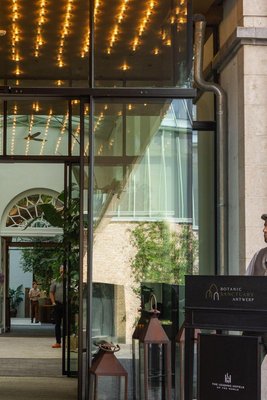
Botanic Sanctuary Antwerp
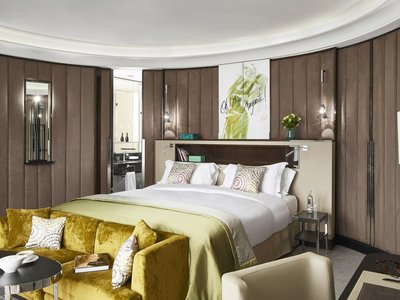
Sofitel Frankfurt Opera
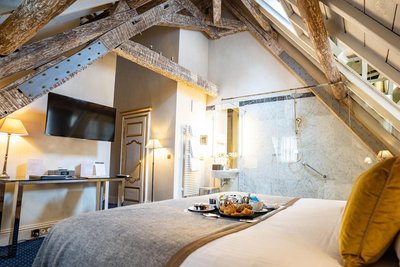
Hotel le Place d'Armes - Relais & Châteaux
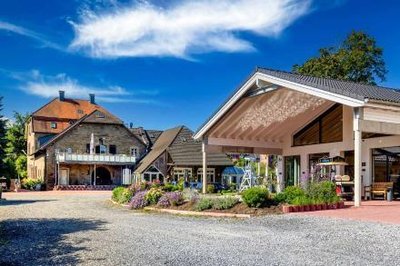
Landhaus Grum
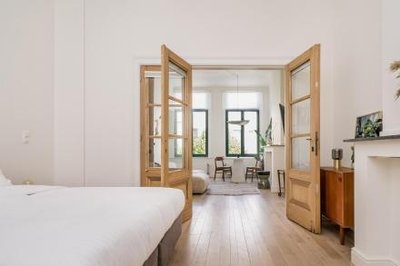
Quartier le Sud
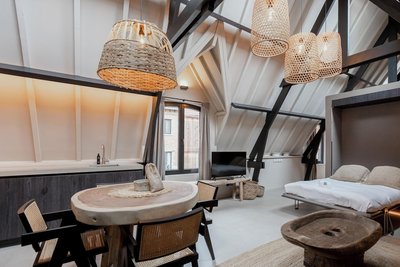
Btfl Living Antwerp, Zirkstraat
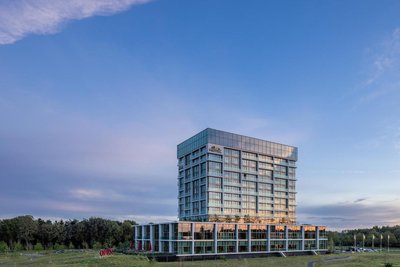
Van der Valk Hotel Eindhoven-Best
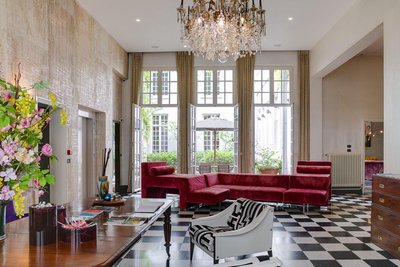
De Witte Lelie
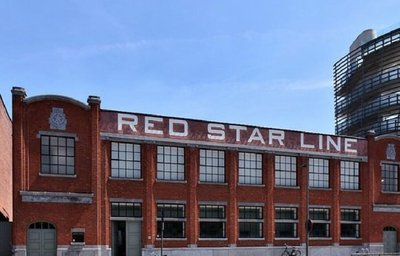
U Eat & Sleep Antwerp
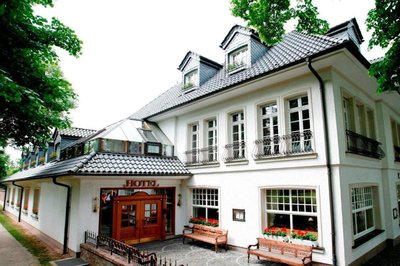
Hotel "Schloss Friedestrom"
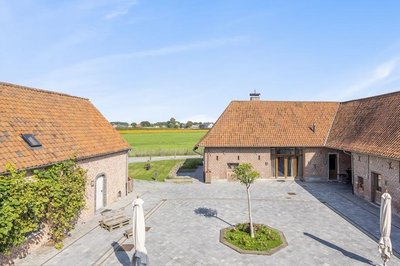
Burgemeestershof
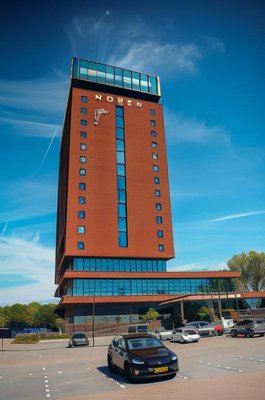
Van der Valk Hotel Schiedam
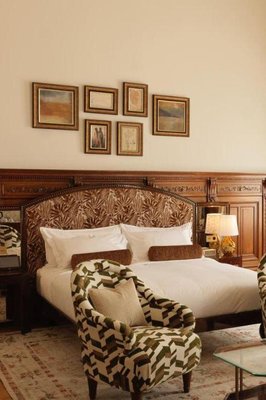
Hotel Fleur de Ville
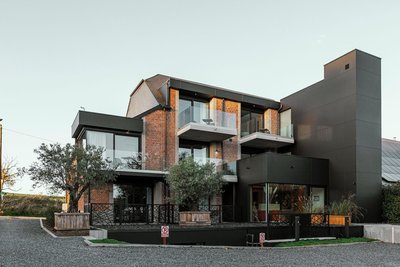
CC Nomie Hôtel Restaurant
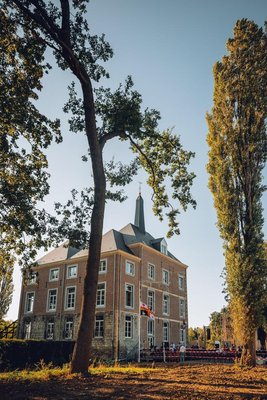
Van Oys Maastricht Retreat
Les Bains De Spa
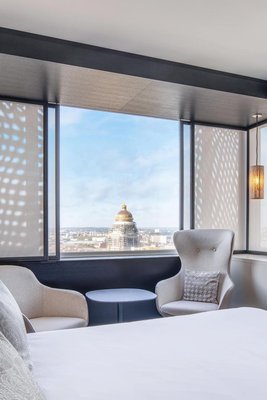
The Hotel Brussels
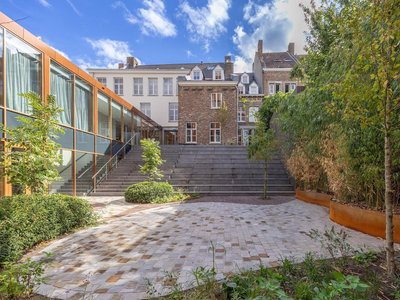
Hotel Maison Maastricht Centrum - Handwritten Collection
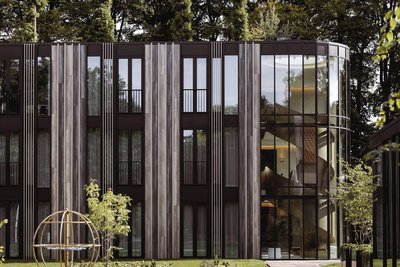
Kasteel Steenenburg
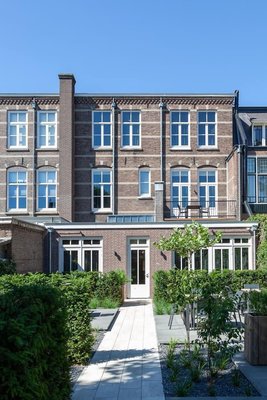
Hotel Julien
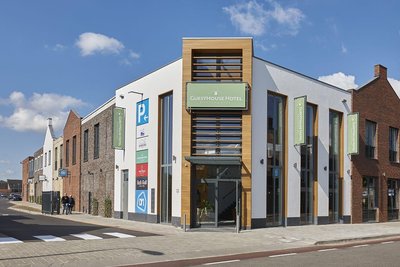
GuestHouse Hotel Kaatsheuvel-Waalwijk
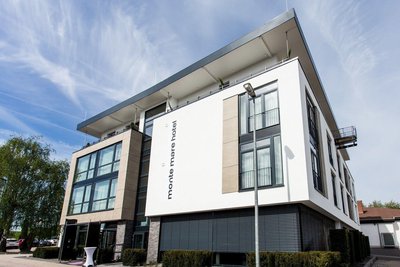
Monte Mare Sauna-Spa-Sports-Hotel
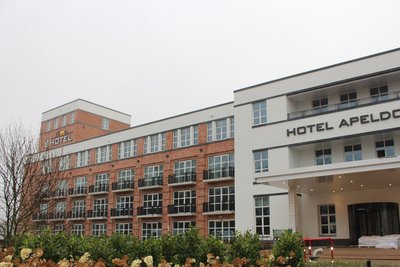
Van der Valk Hotel Apeldoorn
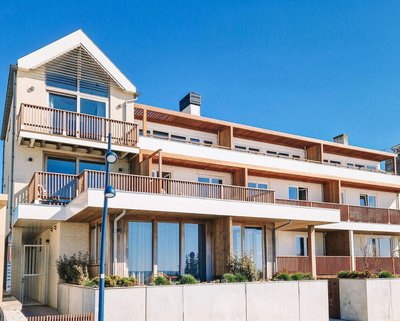
Boulevard 5
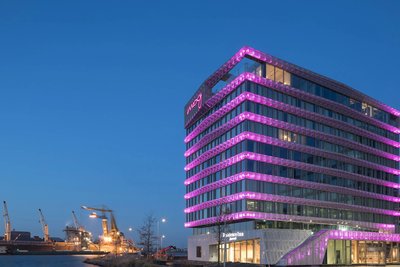
Residence Inn by Marriott Amsterdam Houthavens
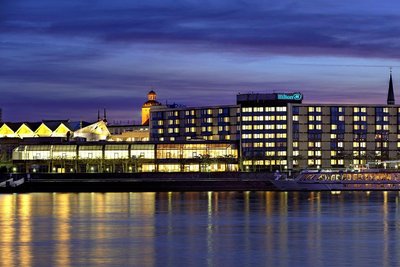
Hilton Mainz
De L’Europe Amsterdam – the Leading Hotels of the World
InterContinental Amstel Amsterdam
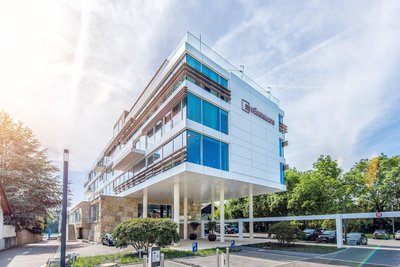
Fährhaus
The Flag Oskar M.
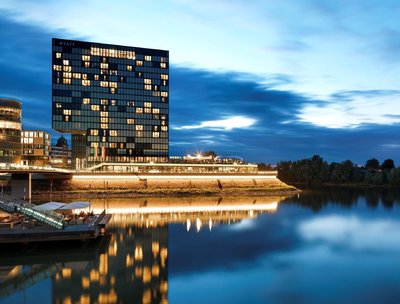
Hyatt Regency Dusseldorf
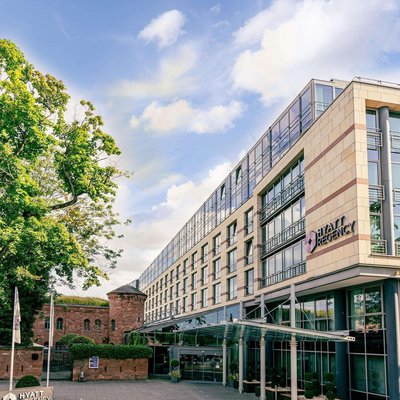
Hyatt Regency Mainz
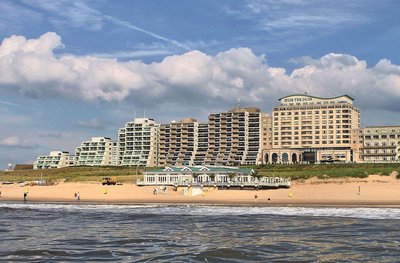
The Historic Huis Ter Duin
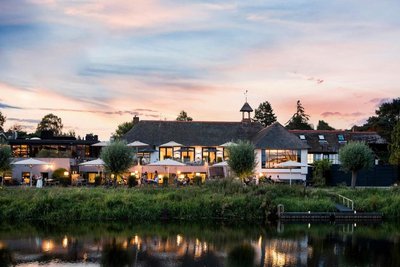
Mooirivier
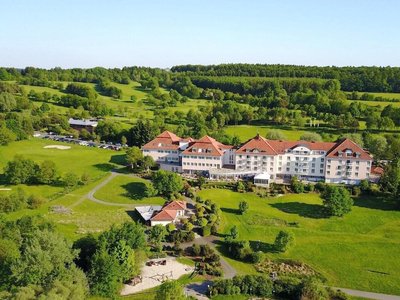
Golf- Und Sporthotel Wiesensee
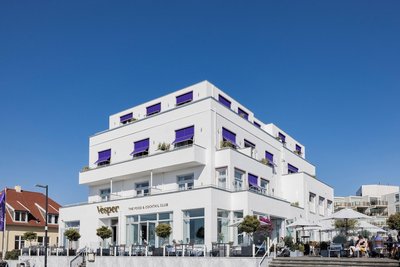
Vesper Hotel
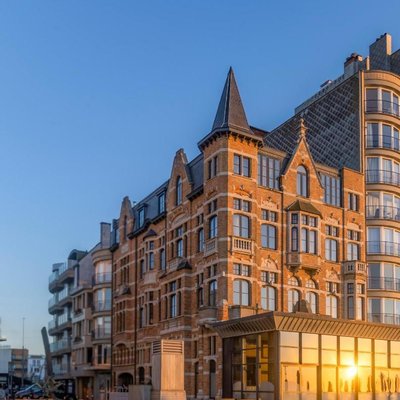
Hotel Villa Select

Inntel Hotels Den Haag Marina Beach
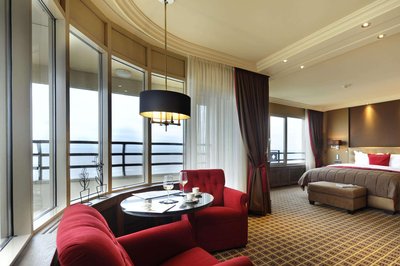
Grand Hotel Huis Ter Duin
Hotel de Schelde
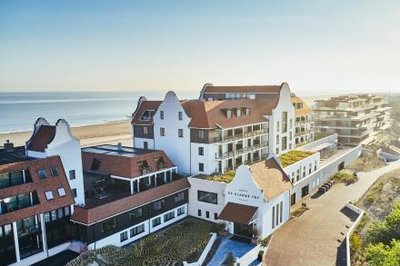
Hotel de Blanke Top

Hotel de Milliano
1898 the Post

Andaz Amsterdam Prinsengracht, by Hyatt
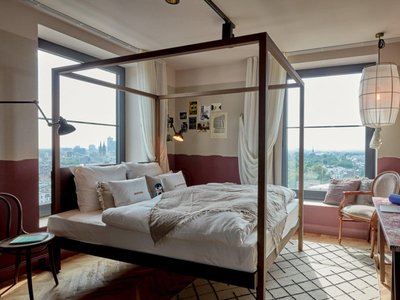
25Hours Hotel Duesseldorf Das Tour
Pulitzer Amsterdam
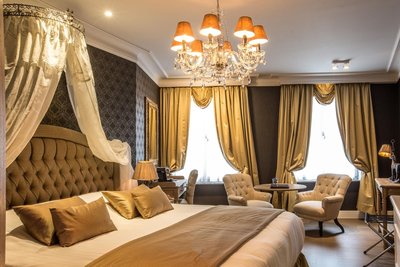
Luxury Boutique Hotel de Castillion
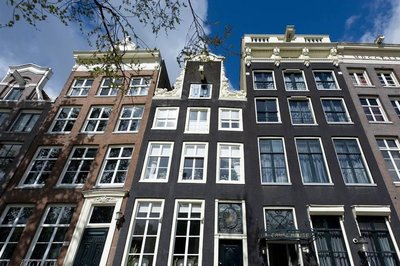
Small Luxury Hotels of the World - Canal House
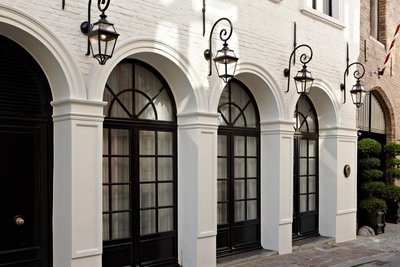
Hotel de Orangerie by CW Hotel Collection
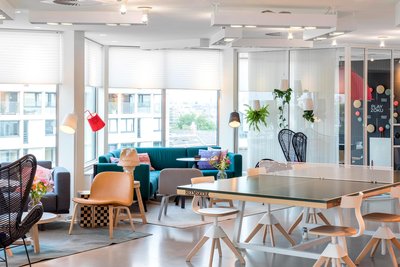
Zoku Amsterdam
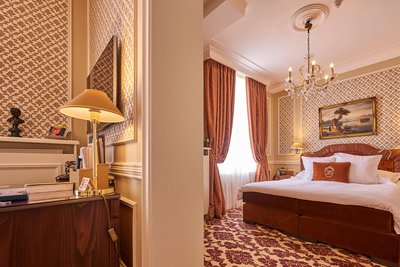
Relais & Châteaux Hotel Heritage
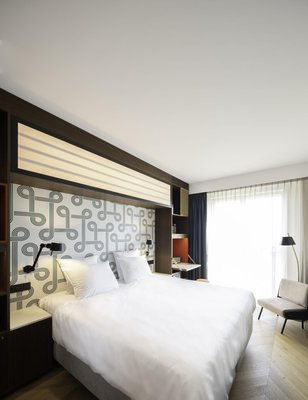
Yalo Urban Boutique Hotel Gent
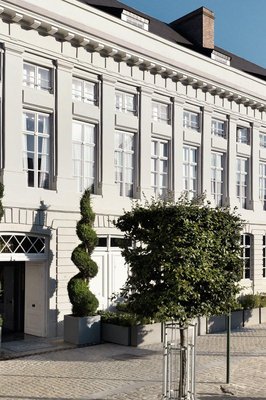
Juliana Hotel Brussels
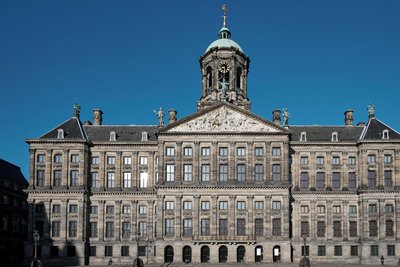
The Pavilions Amsterdam, The Toren
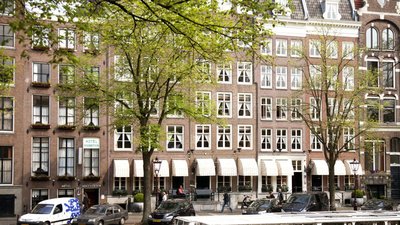
Hotel Estheréa
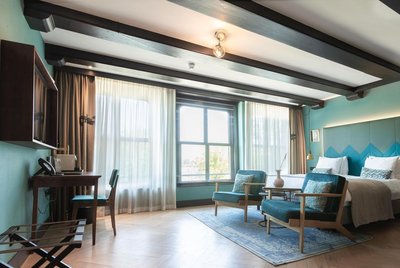
The Hendrick's Hotel
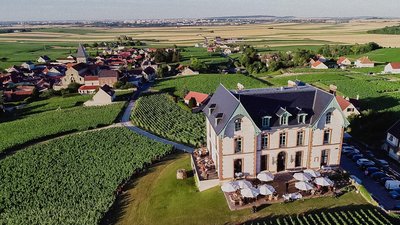
Chateau de Sacy
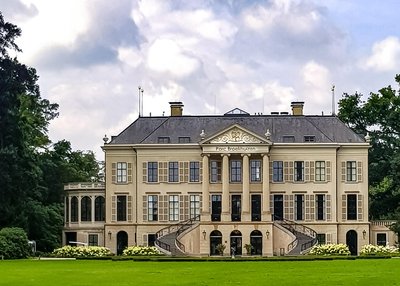
Parc Broekhuizen l Culinair Landgoed
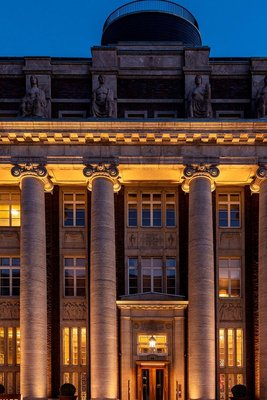
The Wellem Dusseldorf, Part of Hyatt
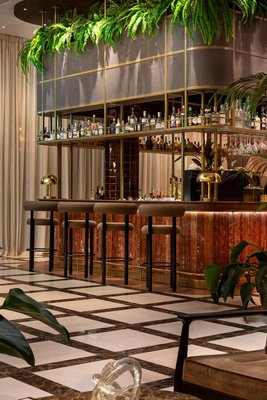
Brunfels Hotel, in the Unbound Collection by Hyatt
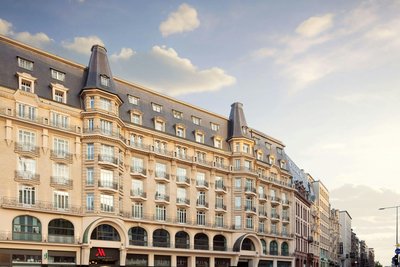
Luxembourg Marriott Hotel Alfa
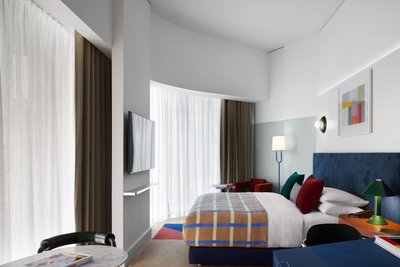
Kimpton Main Frankfurt
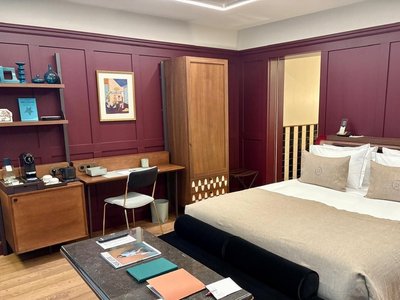
Faubourg 21
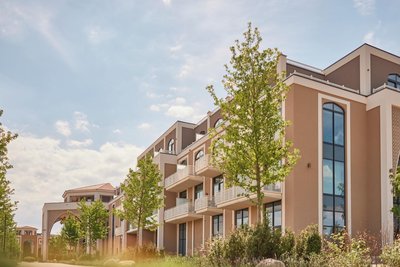
Hotel Thermen Berendonck
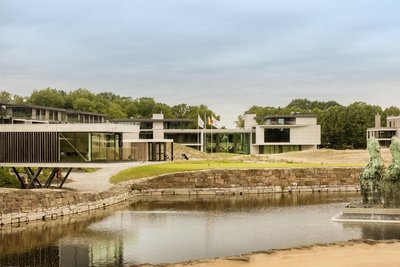
Radisson Collection Hotel, The National Brussels
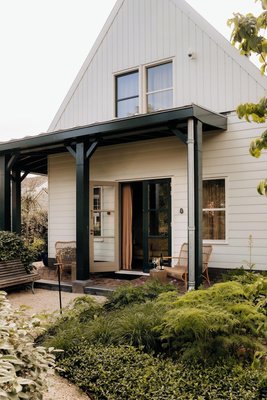
De Durgerdam, Amsterdam
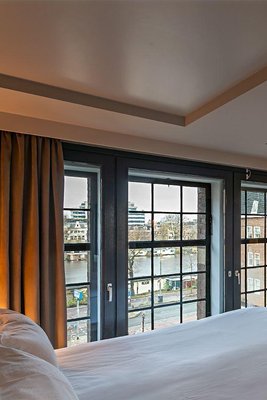
Pestana Amsterdam Riverside
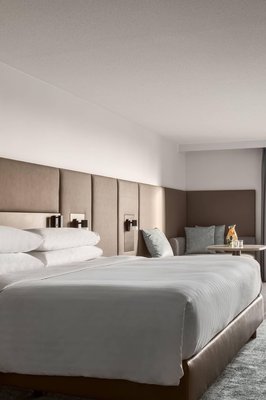
Amsterdam Marriott Hotel
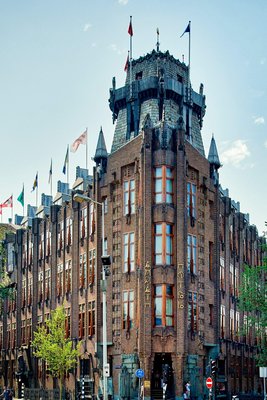
Grand Hotel Amrâth Amsterdam
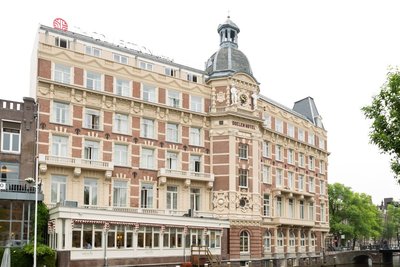
Tivoli Doelen Amsterdam Hotel
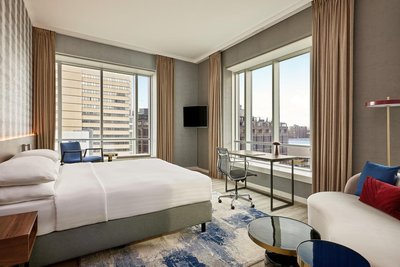
Rotterdam Marriott Hotel
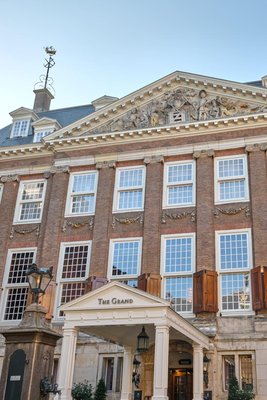
Sofitel Legend the Grand Amsterdam
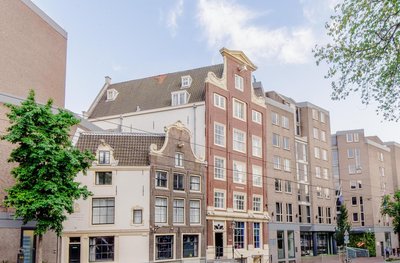
Kimpton de Witt Amsterdam
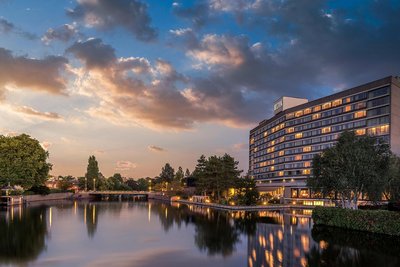
Hilton Amsterdam
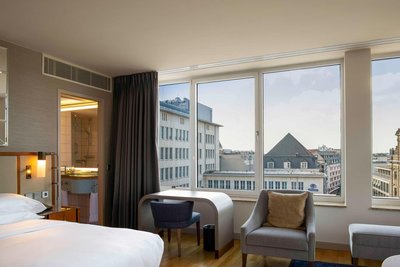
Hilton Cologne
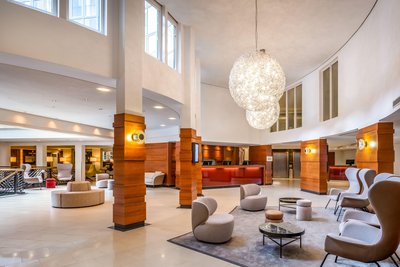
Cologne Marriott Hotel
Hotel TwentySeven - Small Luxury Hotels of the World
De L’Europe Amsterdam – the Leading Hotels of the World
The Dylan Amsterdam
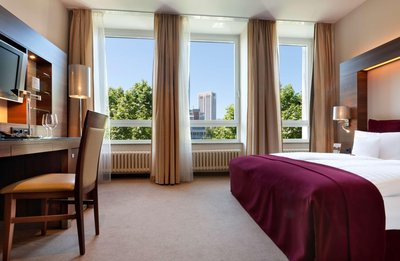
Flemings Selection Hotel Frankfurt-City
Waldorf Astoria Amsterdam
Hyatt Regency Dusseldorf
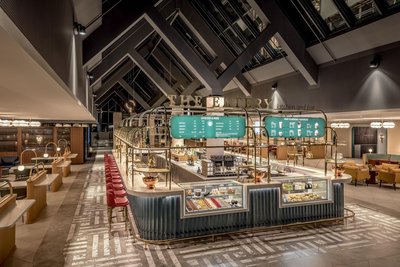
Frankfurt Airport Marriott Hotel
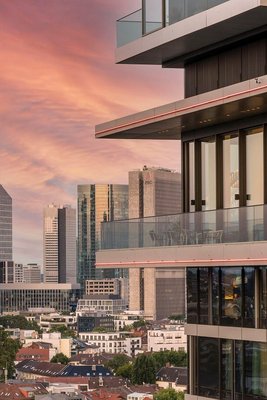
Melia Frankfurt City
Sofitel Frankfurt Opera
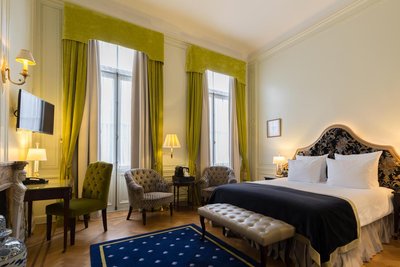
Stanhope Hotel Brussels by Thon Hotels
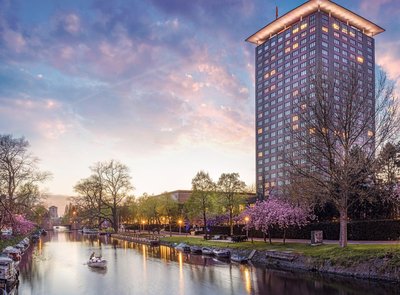
Hotel Okura Amsterdam – the Leading Hotels of the World
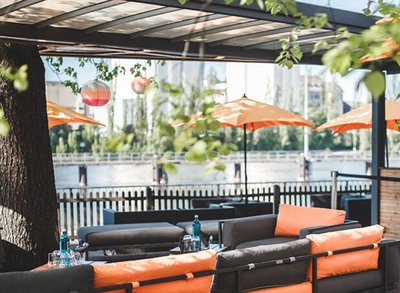
Hotel Gerbermühle
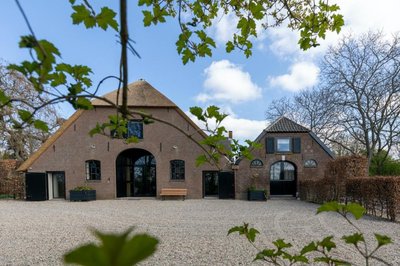
Het Rentmeestershuis
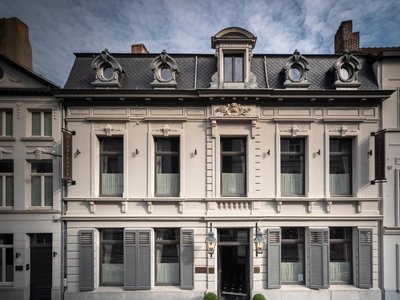
CH Longstay 2
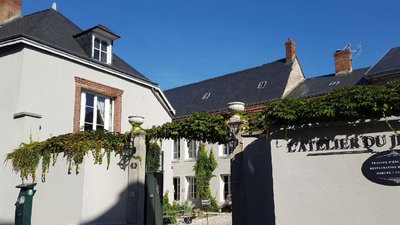
Au Jeu de Paume
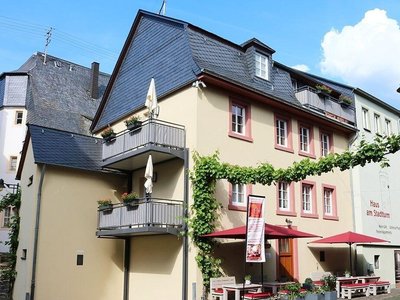
Haus am Stadtturm
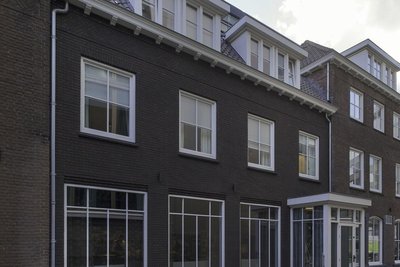
Little Grand
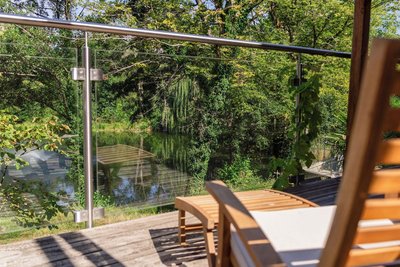
Domaine de la Résidence Hotel Spa & Restaurant
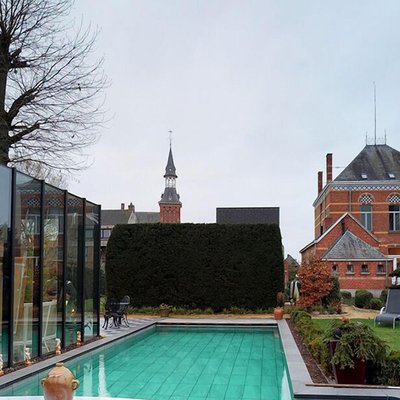
Art of Dreams Deluxe 4 Stars
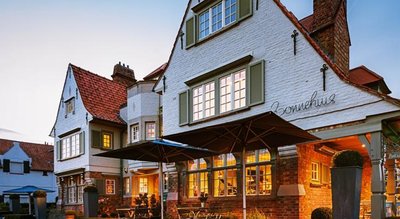
Romantik B&B Zonnehuis
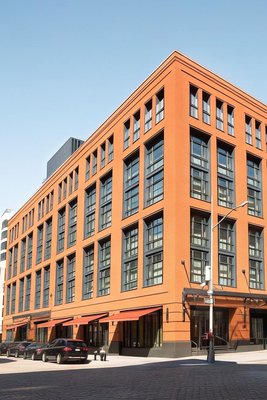
Hotel Barrière Fouquet's New York
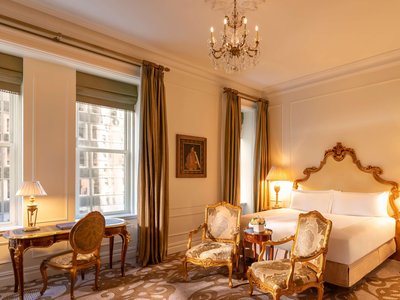
The Plaza - A Fairmont Managed Hotel
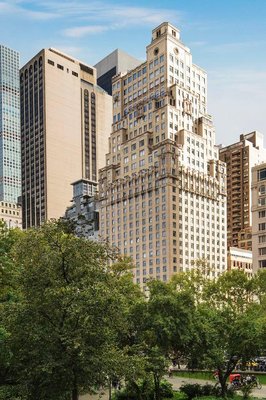
The Ritz-Carlton New York, Central Park
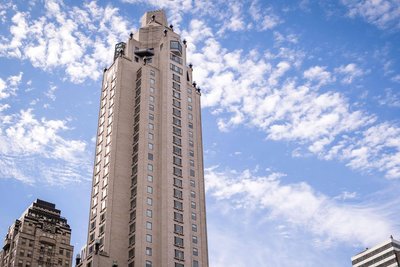
Four Seasons Hotel New York
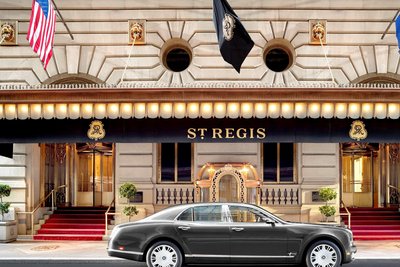
The St. Regis New York
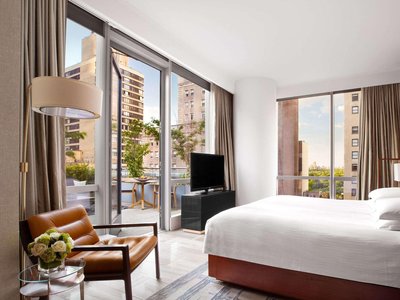
Park Hyatt New York
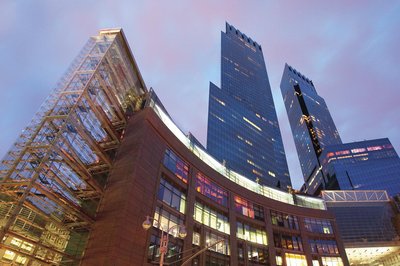
Mandarin Oriental New York
Times Square Edition New York
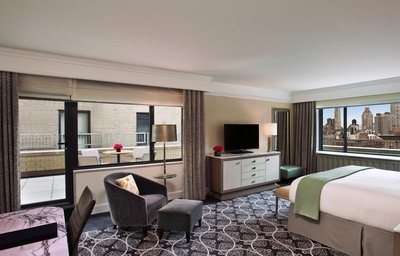
Loews Regency New York Hotel
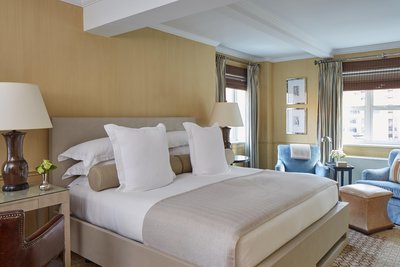
Lowell Hotel
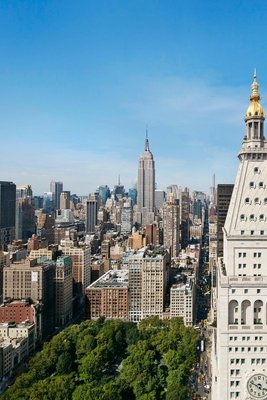
New York Edition
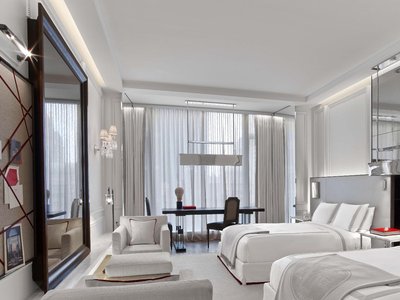
Baccarat Hotel New York
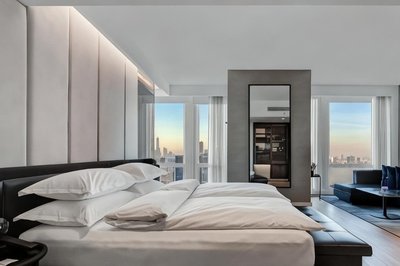
Equinox Hotel New York
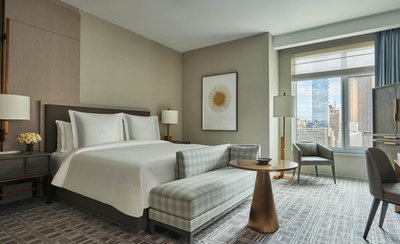
Four Seasons Hotel New York Downtown
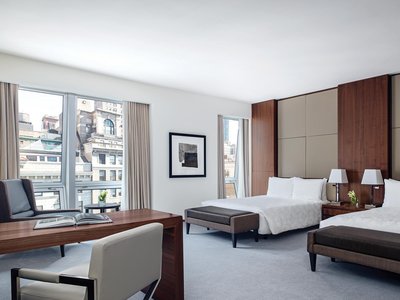
The Langham, New York, Fifth Avenue
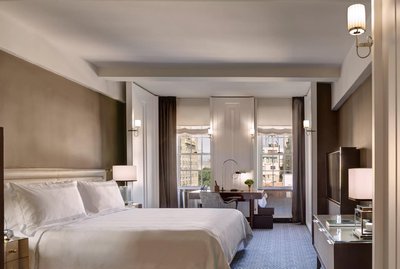
The Carlyle, A Rosewood Hotel

The Chatwal, in the Unbound Collection by Hyatt
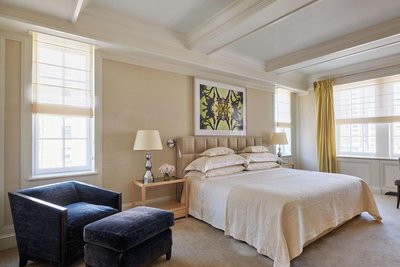
The Mark New York
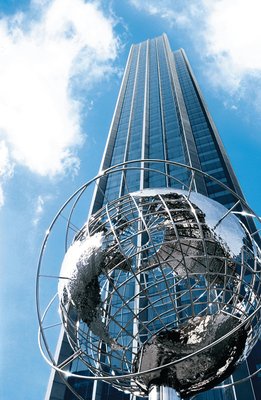
Trump International Hotel & Tower® New York
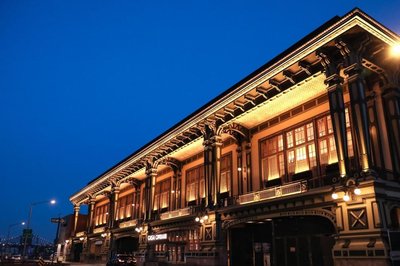
Casa Cipriani New York
Frequently Asked Questions about Traveling to Sittard
Questions You Might Need to Know About Traveling to Sittard
In Sittard, the top family-friendly hotel is Hotel De Bonte Koe, a charming boutique property located in the heart of the historic Sittardse Binnenstad. It offers spacious family rooms, kids’ welcome kits, and a cozy garden with play equipment. The hotel’s on-site restaurant serves authentic Limburgish cuisine, including hearty dishes like Stoofvlees and Poffertjes, perfect for children and adults alike.
Another excellent option is Hotel de Loo, nestled near the scenic Heuvel Nature Reserve, which features an indoor pool, wellness center, and eco-friendly accommodations. Families can enjoy guided nature walks, birdwatching, and even overnight camping experiences within the reserve. Both hotels emphasize sustainability and local culture, making them ideal for a relaxed, enriching stay that combines comfort with educational value for young travelers.
For first-time visitors, the Sittardse Binnenstad (city center) is the optimal area to stay. This historic district is packed with quality hotels, cozy cafés, and key attractions such as the Onze-Lieve-Vrouwekerk church and the Town Hall. Walking distance to the Museum Sittard, Boulevard van der Velden shopping street, and De Heuvel Nature Reserve, it offers unmatched convenience and charm.
The area retains its 19th-century Dutch architectural style, with cobblestone streets and colorful facades that evoke old-world ambiance. Nighttime lighting enhances the picturesque setting, while locals gather at outdoor terraces, creating a warm, welcoming atmosphere. Whether you're interested in history, food, or simply strolling through a living museum, the city center delivers the most complete experience—perfect for those exploring Sittard for the first time.
To experience authentic Limburg culture in Sittard, attend the annual Sittardse Feesten, a vibrant autumn festival featuring traditional music, craft stalls, and regional delicacies like Stoofvlees and Kroket. Visit Museum Sittard, where exhibits trace the region’s agricultural roots, industrial evolution, and folk traditions, including rare displays of Limburgish dialect manuscripts and wedding costumes.
Step into century-old cafés like De Bonte Koe or Het Huisje and order a locally brewed Limburgse bier paired with Poffertjes or Hollandse broodje. For deeper immersion, join a guided walk led by a local historian who shares stories of family legacies, hidden alleyways, and village legends. These experiences go beyond sightseeing—they connect you with the soul of Limburg through food, language, and living memory.
For couples seeking romance, Hotel De Loo stands out with its secluded location in the Heuvel Nature Reserve, offering private garden suites with panoramic forest views. Each room features a rooftop hot tub under the stars, ideal for intimate evenings. The hotel hosts weekly sunset concerts in its courtyard, where live jazz and classical music set a dreamy tone.
Alternatively, Hotel De Bonte Koe offers a “Love Suite” with vintage furnishings, soft lighting, and a custom Limburgish gourmet dinner crafted from local ingredients like wild game and artisan cheese. Both properties prioritize privacy, sustainability, and emotional connection, making them perfect for honeymoons, anniversaries, or quiet escapes. Their commitment to slow living ensures a deeply memorable couple’s retreat.
Must-try foods in Sittard include Stoofvlees—a rich, slow-cooked beef stew with onions and red wine, often served with mashed potatoes; Kroket, a crispy fried meat roll found at street vendors along Boulevard van der Velden; and Hollandse broodje, a long sandwich filled with ham, cheese, and pickles, a beloved local breakfast staple.
Don’t miss Limburgse bier, a dark ale brewed by local microbreweries like Brouwerij De Rode Dijk, with notes of caramel and nuts. Pair it with Poffertjes—tiny fluffy pancakes dusted with powdered sugar and lemon juice—for a sweet-savory treat. During seasonal markets, sample limited-edition honey mead or chestnut pudding, both rooted in centuries-old farming traditions. Every bite tells a story of land, labor, and lineage.
Sittard offers diverse outdoor activities across its lush landscapes. The De Heuvel Nature Reserve features well-marked trails like the Heuveldijk Route (6 km), perfect for hiking and cycling through rolling hills, oak forests, and wildflower meadows. In spring, the area bursts with hyacinths, drawing photographers and nature lovers.
During summer, visit Zandweg Lake for paddleboarding, kayaking, or fishing, with picnic areas and shaded benches nearby. For a more immersive experience, explore Grote Heide, a rare sandy heathland habitat home to endangered birds and insects. Guided eco-tours are available through local conservation groups, teaching sustainable practices. Many hotels also offer bike rentals and nature workshops, allowing guests to engage with the environment responsibly while enjoying breathtaking views of the Maas Valley.
Yes, Sittard is easily accessible via public transport. The main hub is Sittard Station, operated by NS (Nederlandse Spoorwegen), with direct trains to Amsterdam, Rotterdam, Tilburg, and Maastricht, taking just 30 to 70 minutes. The station is centrally located, steps away from the city center, making transfers seamless.
Local buses run by Arriva connect major sites like Museum Sittard, De Heuvel, and Boulevard van der Velden. While Sittard Airfield is a small general aviation airport used for private flights and training, it does not serve commercial passengers. For drivers, the A2 highway runs south of the city, linking Belgium and central Netherlands. With reliable rail, bus, and road networks, reaching and navigating Sittard is straightforward and efficient.
Top photo spots in Sittard include the Onze-Lieve-Vrouwekerk church, whose Gothic spire and stained-glass windows create dramatic morning light effects. The Stadhuisplein square, with its cobblestones, fountain, and ornate town hall, offers symmetrical compositions ideal for urban photography.
Boulevard van der Velden’s colorful facades and vintage signage make it a standout for street photography, especially during golden hour. The Heuveltoren observation tower atop De Heuvel provides sweeping panoramic views of the city and surrounding countryside—perfect for drone shots and wide-angle landscapes. Lastly, the modernist architecture of Museum Sittard, blending geometric lines with greenery, is a favorite among architectural photographers. Visit early morning or late afternoon for soft light and minimal crowds.
The best time to visit Sittard is during spring (April to June) and autumn (September to October). Spring brings blooming wildflowers, especially hyacinths in De Heuvel, creating a pastel-colored landscape ideal for photography and walking. Temperatures range from 15–20°C, perfect for outdoor exploration.
Autumn hosts the Sittardse Feesten festival and Limburgse Culturele Week, featuring music, food markets, and cultural performances. The mild weather and golden foliage enhance visual appeal. Winter is quieter but festive, with Christmas markets in the city center. However, spring and autumn offer the best balance of pleasant weather, vibrant events, and fewer tourists—making them ideal for a memorable, immersive visit.
Must-visit cultural heritage sites in Sittard include the Onze-Lieve-Vrouwekerk, a 15th-century Gothic church with stunning Renaissance frescoes and a historic pipe organ. The Town Hall, built in the 19th century, showcases neoclassical architecture and houses civic archives.
Museum Sittard is essential for understanding regional identity, housing artifacts from prehistoric times to the 20th century, including tools, textiles, and rare Limburgish dialect records. The Sittardse Binnenstad district itself is a living museum—its preserved 18th–19th-century brick buildings feature family crests and original doorways, reflecting the city’s artisanal past.
Each year, locals reenact historical scenes during the Historische Herdenking event, bringing the past to life. These sites aren’t just buildings—they’re portals into the heart of Limburg’s heritage, blending art, memory, and community spirit.