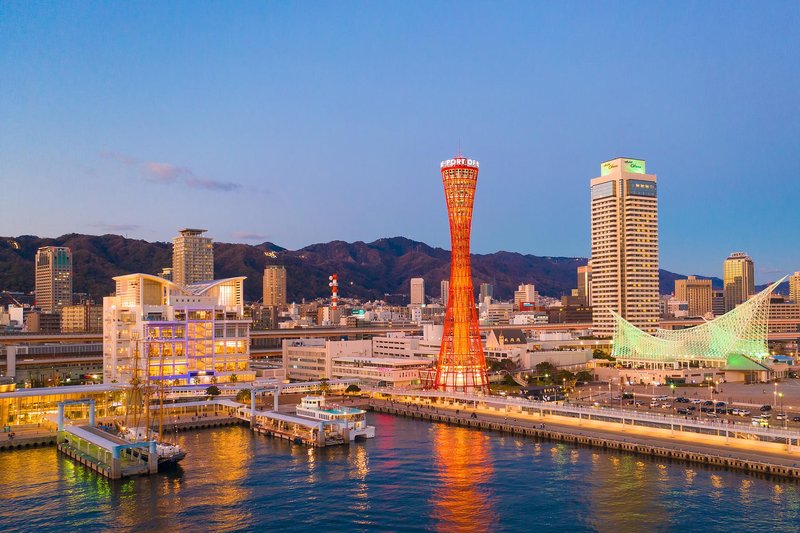
Hotels in Soeda
Discover your perfect stay in Soeda.
Soeda(Japan) Travel 2026: Cheap Flights, Hotels & Top Attractions
Popular Landmarks in Soeda
Discover the most iconic attractions in Soeda
Recommended Hotels in Soeda
Find the perfect place to stay in Soeda
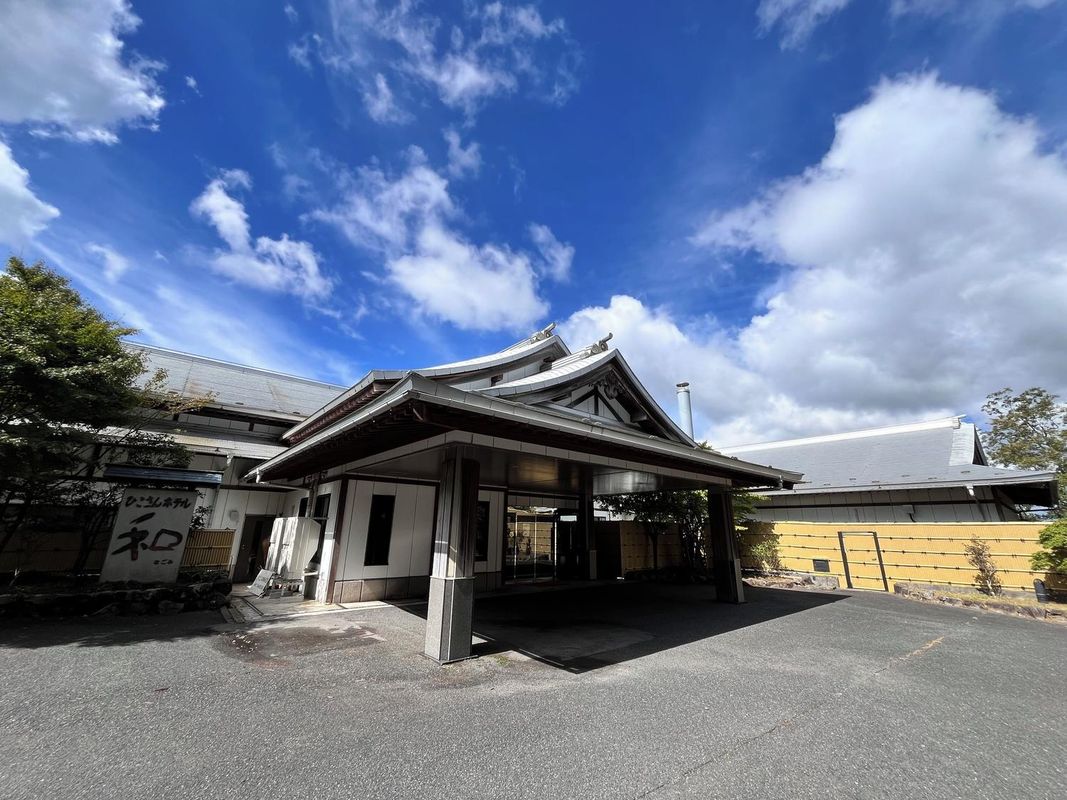
Hikosan Hotel Nagomi
Best Hotels in Soeda
Discover curated hotel collections in Soeda
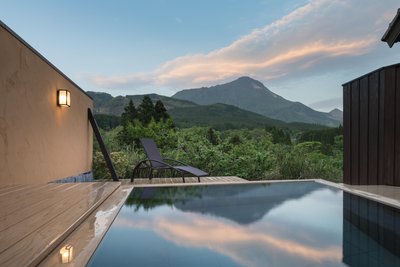
Ikkoten
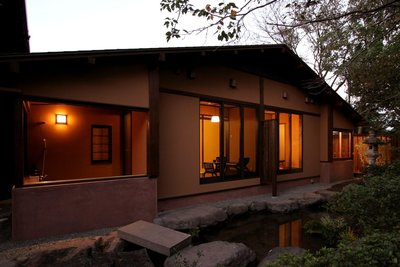
SEKIYA RESORT Bettei Haruki
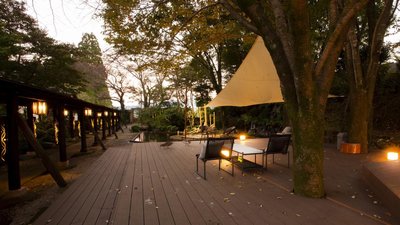
Chikurakutei
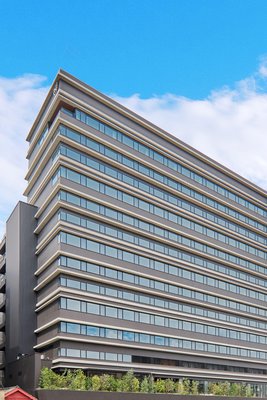
The Royal Park Canvas Fukuoka Nakasu
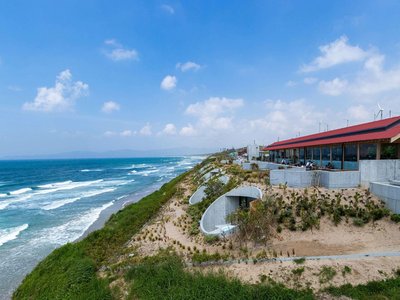
Izumo Hotel the Cliff
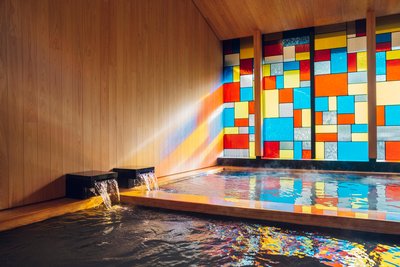
Hoshino Resorts Kai Unzen
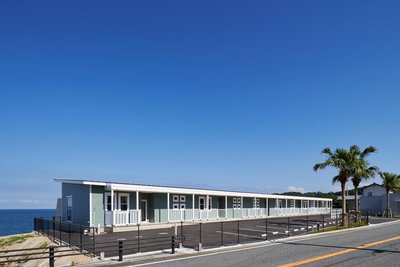
Alfacio Resort Stay Itoshima
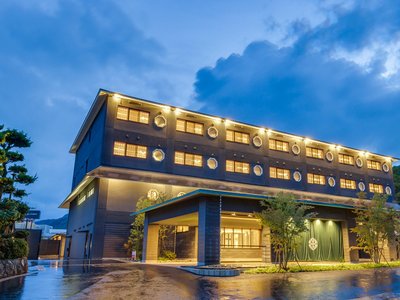
Ureshino Yadoya

seven x seven itoshima
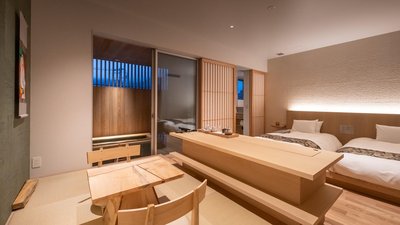
Japanese Auberge Kararako
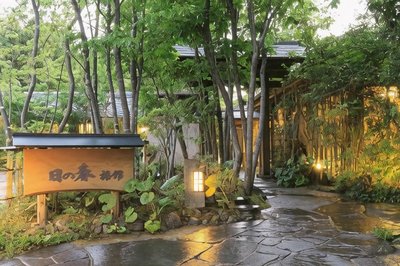
Yufuin Onsen Hinoharu Ryokan
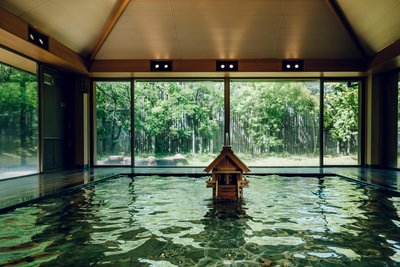
Hoshino Resorts KAI Tamatsukuri
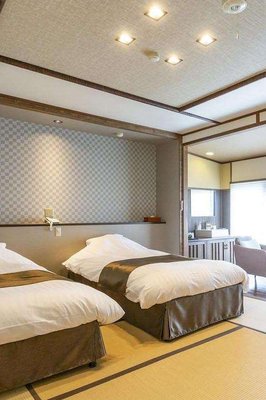
Sozankyo
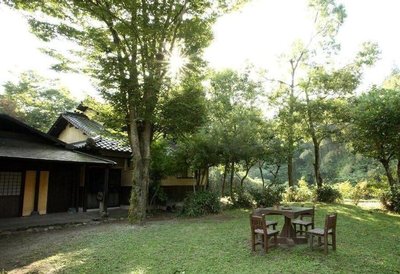
Yamashinobu
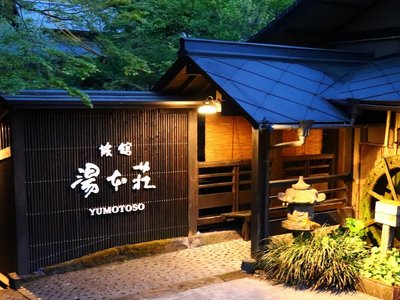
Ryokan Yumotosou
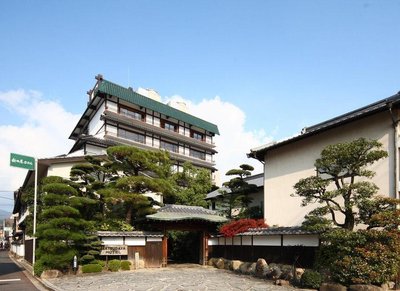
Matsudaya Hotel
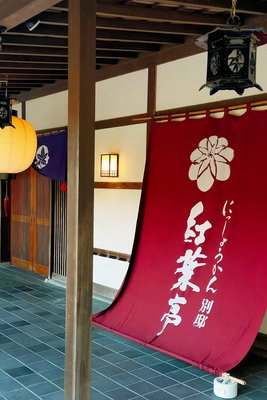
Nisshokan Bettei Koyotei
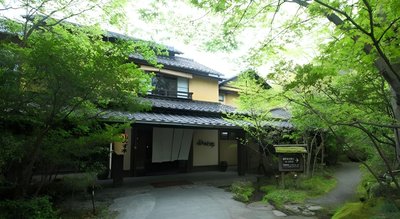
Kurokawaonsen Yamamizuki
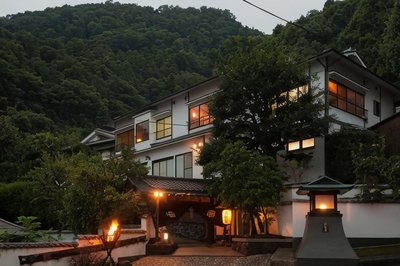
Beppu Showaen
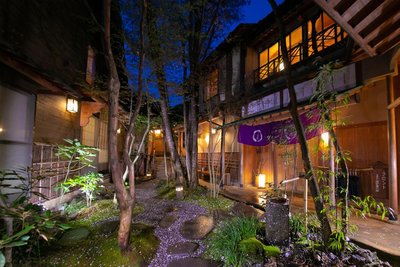
Oyado Ichizen
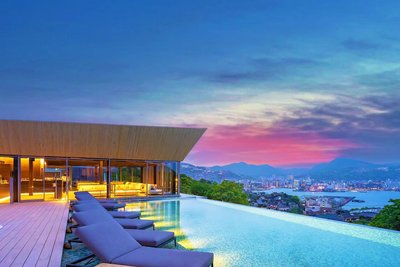
Garden Terrace Nagasaki Hotel & Resort
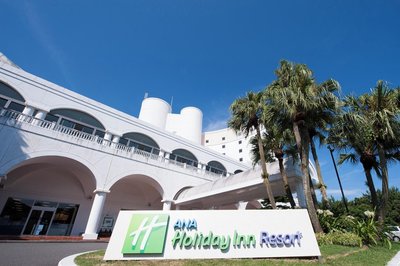
Holiday Inn Resort Miyazaki
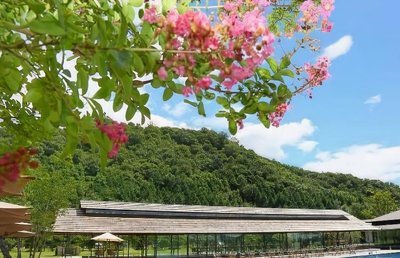
Bella Vista Spa and Marina Onomichi
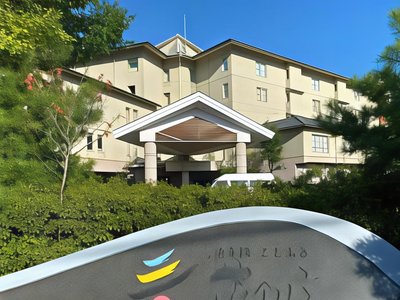
Yufuin Kotobuki Hananosho
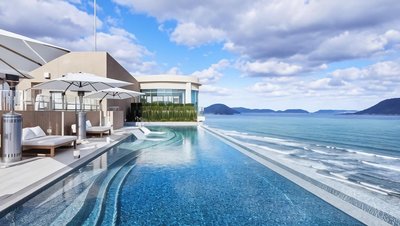
Karatsu Seaside Hotel
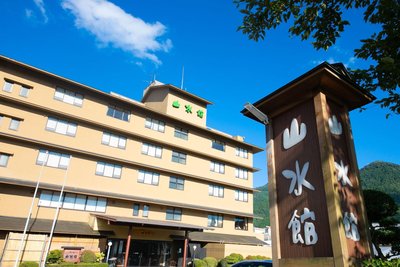
Yufuin Sansuikan
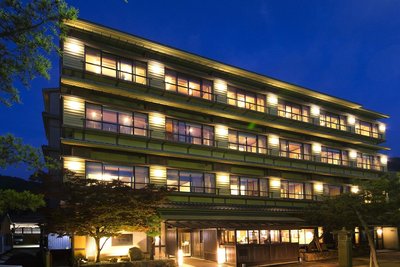
Kinsuikan
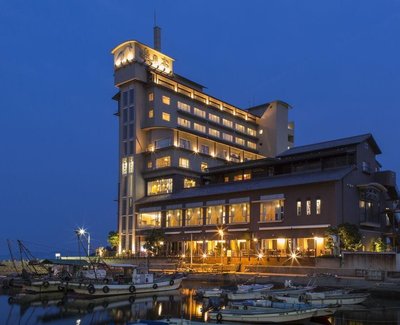
Hotel Ofutei
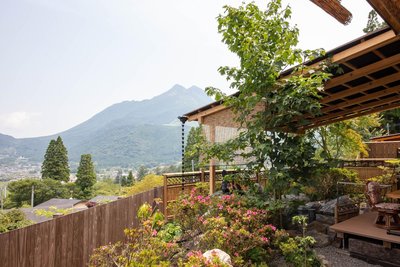
Yufuin-Sanso Waremokou
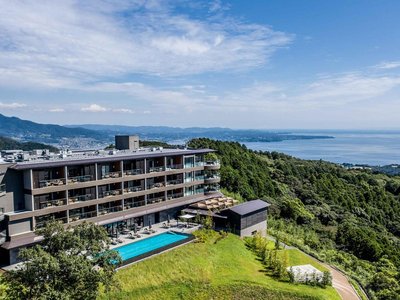
Ana InterContinental Beppu Resort & Spa
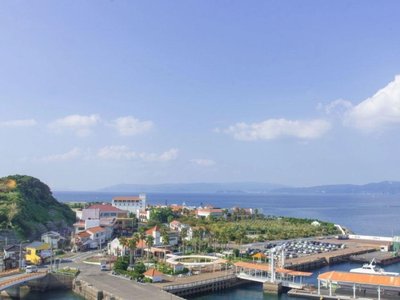
I+Land Nagasaki
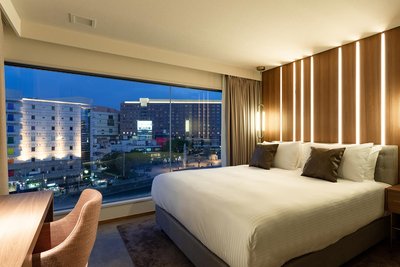
The OneFive Villa Fukuoka
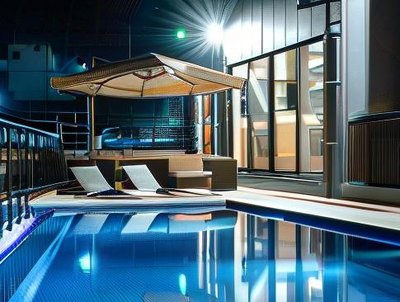
LiVEMAX RESORT MIYAHAMA ONSEN OCEAN
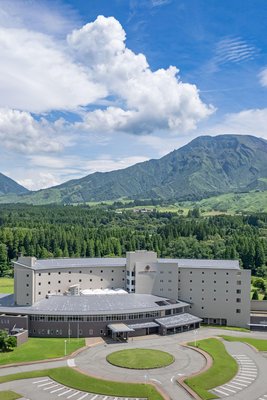
KAMENOI HOTEL ASO
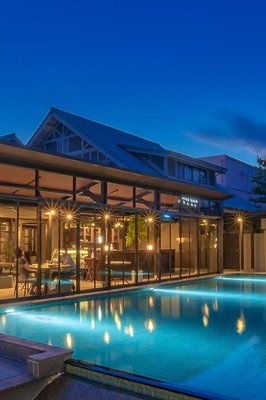
Amane Resort Gahama
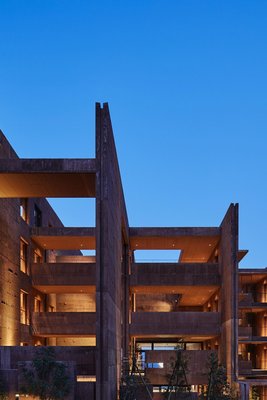
SEKIYA RESORT GALLERIA MIDOBARU
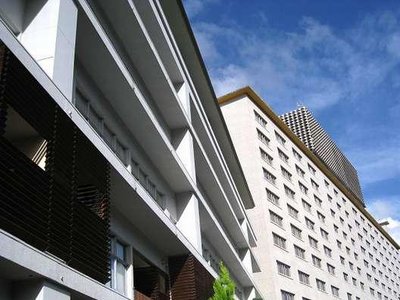
Beppu Suginoi Hotel

Phoenix Seagaia Ocean Tower
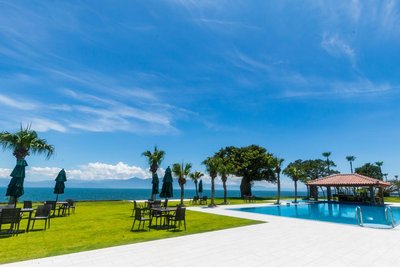
Kagoshima Sunamushi Onsen Ibusuki Hakusuikan
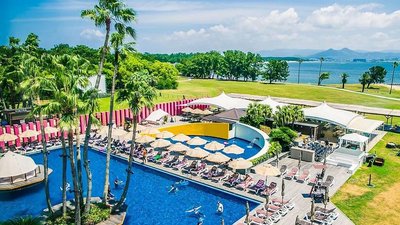
The Luigans Spa and Resort
Hoshino Resorts KAI Tamatsukuri
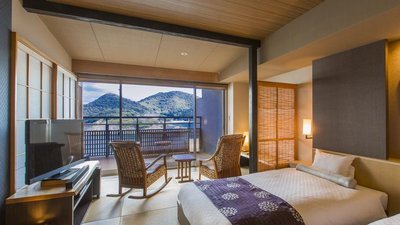
Migiwatei Ochi Kochi
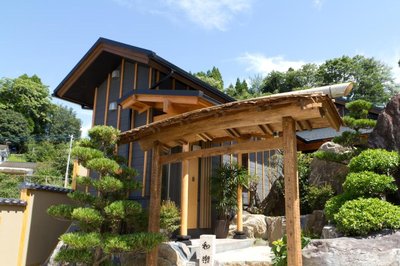
Ryokan Shinsen
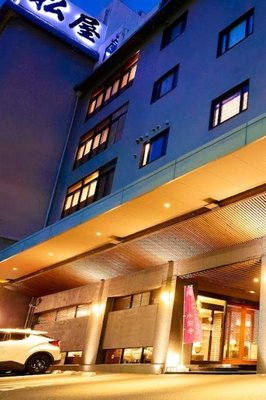
Ryotei Matsuya Honkan Suizenji
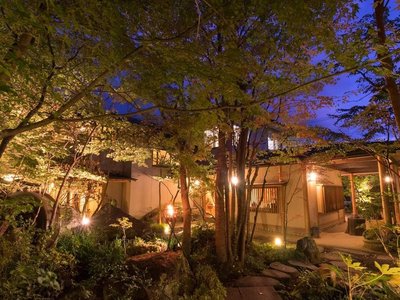
Ryoso Yufuin Yamadaya
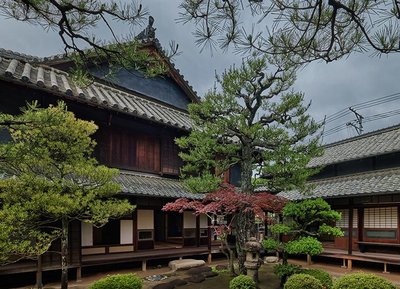
NIPPONIA HOTEL Takehara Saltworks Town
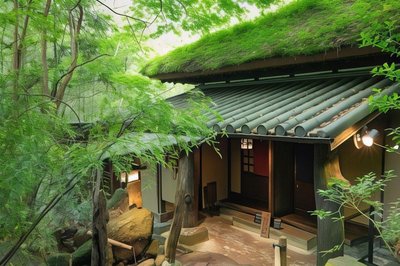
Sanso Tensui
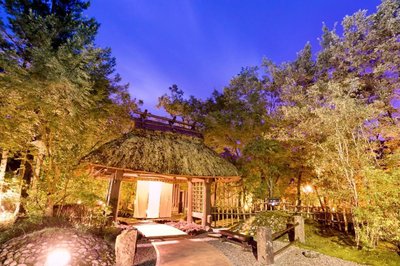
Satonoyu Waraku
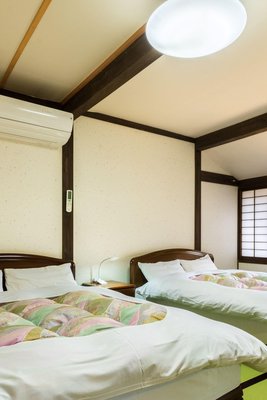
Tobise Onsen Tenga Sanso
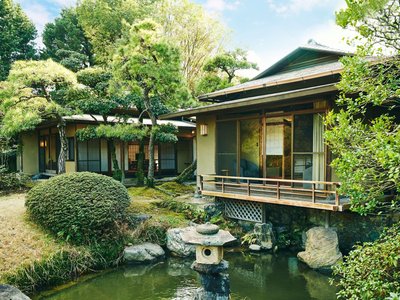
Suisui Garden Ryokan (in the Art Hotel Kokura New Tagawa)
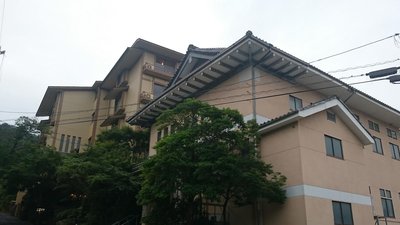
Miyajima Hotel Makoto
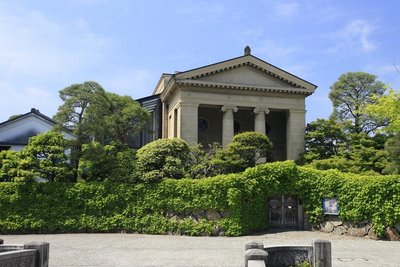
Ryori Ryokan Tsurugata
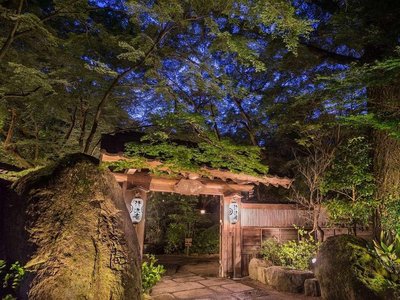
Akizuki Spa Ryokan Seiryuan
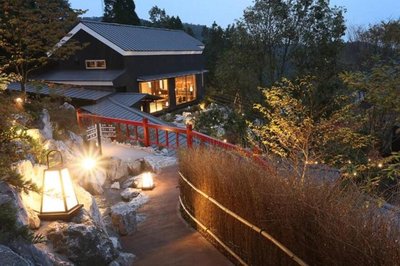
Gekkoju Kurokawa
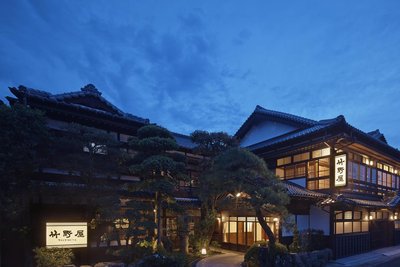
Takenoya
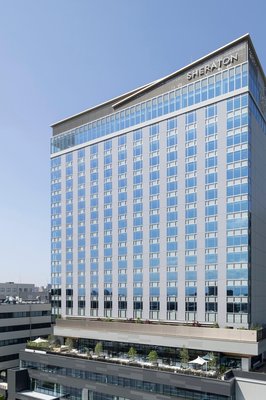
Sheraton Kagoshima
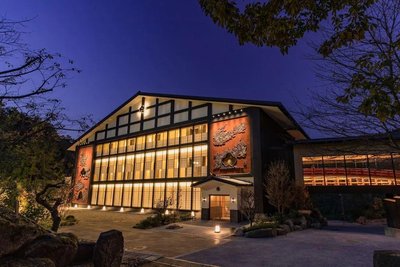
Okuhita Onsen Umehibiki
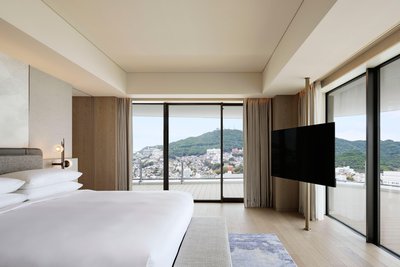
Nagasaki Marriott Hotel
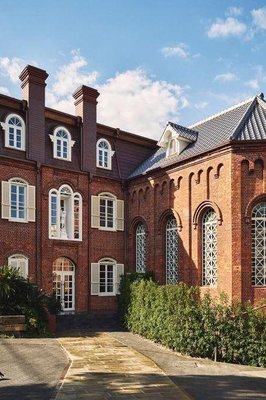
Hotel Indigo Nagasaki Glover Street by IHG
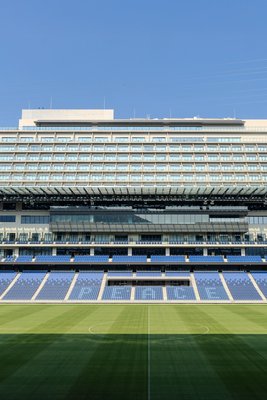
Stadium City Hotel Nagasaki
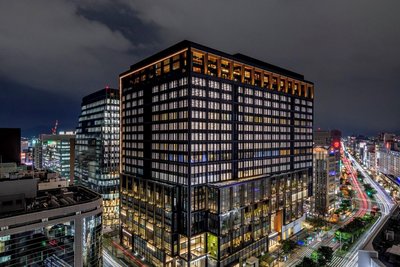
ONE FUKUOKA HOTEL
Ryokan Shinsen
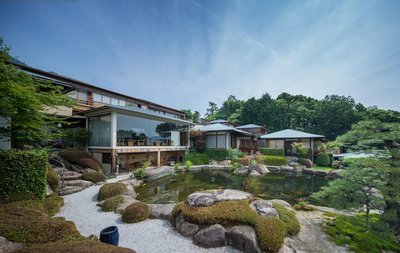
SEKITEI

Yamatoya Besso
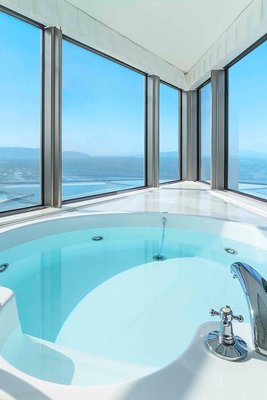
Hilton Fukuoka Sea Hawk

Olive Bay Hotel
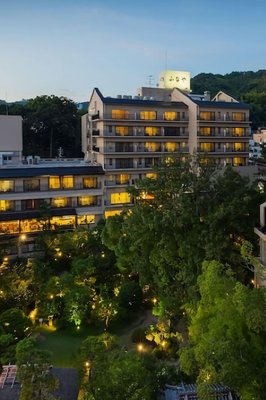
Funaya
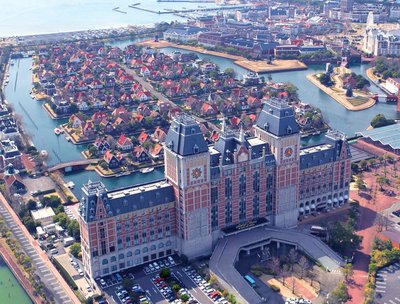
Hotel Okura Jr Huis Ten Bosch

Bettei Oborozukiyo
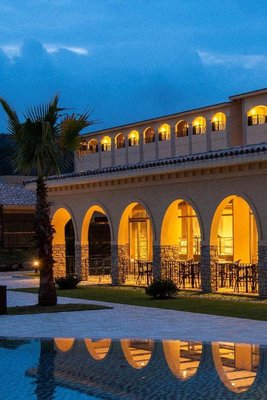
La Vista Kirishima Hills
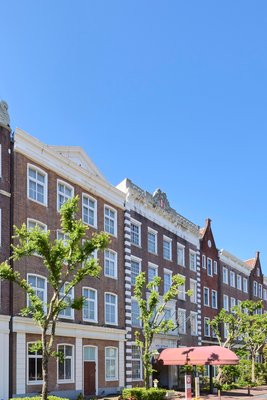
Hotel Amsterdam Huis Ten Bosch

Yumotoankiyohime
Ana InterContinental Beppu Resort & Spa
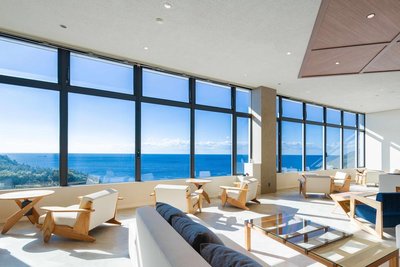
TheMana Village
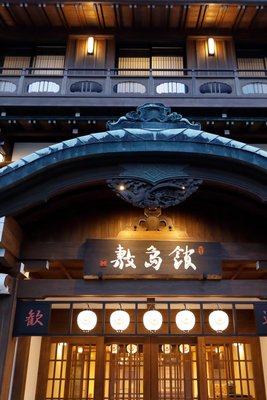
Onyado Shikishima-Kan

Hotel Barrière Fouquet's New York
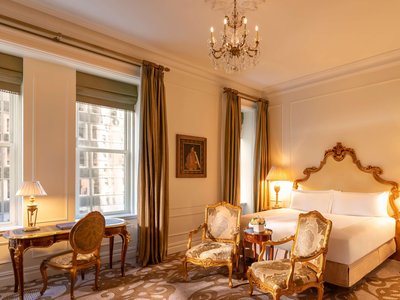
The Plaza - A Fairmont Managed Hotel
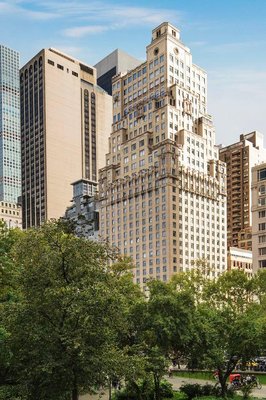
The Ritz-Carlton New York, Central Park
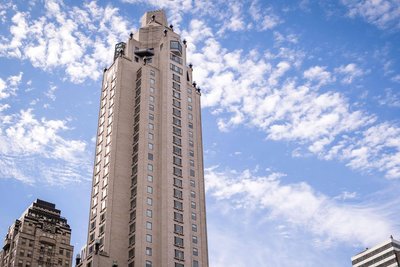
Four Seasons Hotel New York
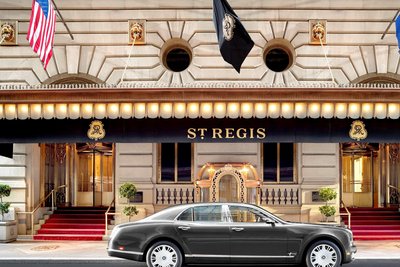
The St. Regis New York
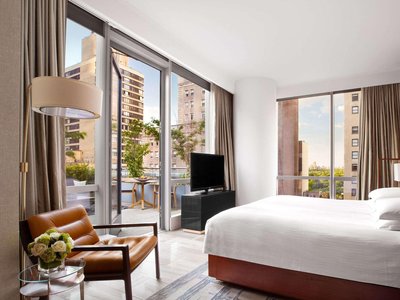
Park Hyatt New York
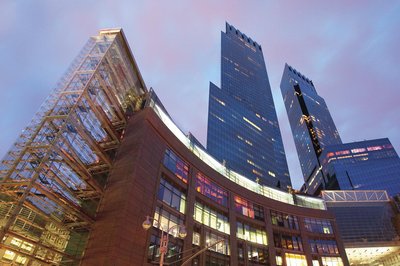
Mandarin Oriental New York

Times Square Edition New York

Loews Regency New York Hotel

Lowell Hotel
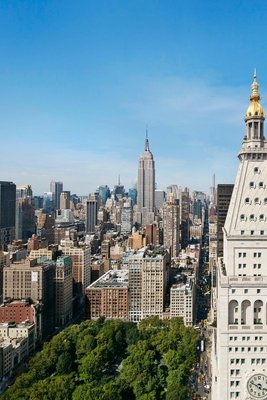
New York Edition

Baccarat Hotel New York

Equinox Hotel New York

Four Seasons Hotel New York Downtown
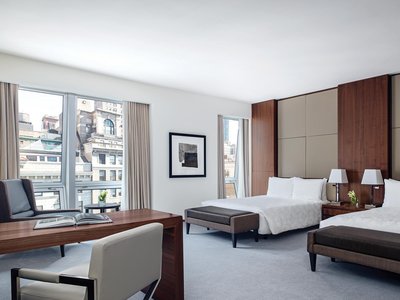
The Langham, New York, Fifth Avenue

The Carlyle, A Rosewood Hotel

The Chatwal, in the Unbound Collection by Hyatt

The Mark New York
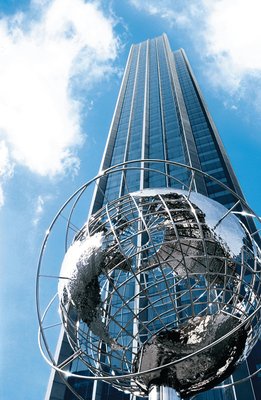
Trump International Hotel & Tower® New York
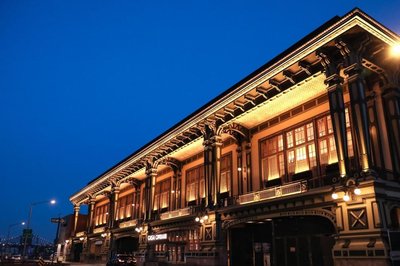
Casa Cipriani New York
Frequently Asked Questions about Traveling to Soeda
Questions You Might Need to Know About Traveling to Soeda
In Tensha Town, the top choice for traditional Japanese charm is Tensha Ryokan & Spa, a meticulously restored 100-year-old inn featuring tatami rooms, sliding shoji screens, and a private onsen heated by natural hot springs. Located near the Tensha River and Tensha Shrine, it offers serene views of cherry blossoms in spring and vibrant maple leaves in autumn.
Another excellent option is Mori no Ie, a family-run guesthouse where guests can participate in seasonal rituals like rice planting or making mochi. The owners share local stories and serve farm-to-table meals using ingredients from their own fields. Both properties emphasize sustainability and cultural authenticity, making them ideal for travelers seeking an immersive experience in rural Japan.
The most peaceful and scenic area in Tensha Town is the Western Residential Zone, nestled between rolling hills and rice paddies, far from main roads. This tranquil neighborhood features small, well-maintained lodges and homestays surrounded by greenery, offering panoramic views of dawn mist rising over the fields.
Staying here means easy access to the Tensha Forest Trail, perfect for morning walks or birdwatching, and the nearby Starlight Observation Deck, one of Japan’s designated dark sky sites. Many accommodations offer private gardens and evening stargazing sessions. For those seeking stillness, minimal noise, and deep connection with nature, this zone delivers an authentic rural retreat experience.
Visitors to Tensha Town can take part in several unique cultural experiences. The annual Tensha Festival features traditional lion dances, portable mikoshi processions, and taiko drum performances rooted in local Shinto beliefs.
A highlight is the Farm-to-Table Workshop, where guests join local farmers to harvest rice, make traditional rice cakes (mochi), and taste homemade sake. At night, participants may join a Night Sky Guided Tour, as the town’s low light pollution makes it ideal for stargazing—especially during the summer meteor shower season.
Additionally, the Ancient Pottery Ceremony honors the region’s Jomon-era heritage, where visitors can shape clay figurines under the guidance of master artisans, symbolizing the community’s enduring spiritual bond with the land.
Must-try dishes in Tensha Town include Black Pork Hotpot, made with premium Fukuoka black pork, slow-cooked in a rich dashi broth with local mountain vegetables. It’s often served with freshly grated wasabi for a bold kick.
Another local favorite is Tensha Rice Cake (Mochi), crafted from high-quality Saga rice, with a delicate chewy texture and served warm with red bean paste or matcha syrup. Don’t miss the Handmade Udon Noodles at local eateries—springy, handmade, and served in a savory broth made from fish stock and chicken bones.
For a sweet treat, try the Tensha Citrus Jam Sandwich, combining locally grown mandarin marmalade with buttered toast—a refreshing snack perfect for exploring the countryside.
Yes, Tensha Town is highly suitable for family travel. The town boasts safe, walkable streets and ample green spaces like the Tensha River Greenway, which features children’s playgrounds, picnic areas, and interactive nature trails.
Many inns and guesthouses offer family-friendly rooms, free childcare services, and activities such as pottery-making workshops, rice planting simulations, and farm animal feeding sessions. The weekly Family Farm Day invites kids to pick vegetables, milk goats, and learn about sustainable agriculture.
With low crowds, gentle pace, and strong emphasis on intergenerational bonding, Tensha Town provides a nurturing environment for parents and children alike to reconnect with nature and culture.
Tensha Town is well-connected via public transit. The Nishitetsu Tenjin-Omuta Line links directly from Fukuoka City, with trains running every 20–30 minutes—just a 30-minute ride from Tenjin Station.
Upon arrival at Tensha Station, travelers can use the free shuttle bus service to reach major attractions like the Tensha Shrine, Museum, and Weekly Market. For exploring farther afield, electric bike rentals are available throughout town, equipped with GPS navigation and route maps.
Travelers can also benefit from regional passes like the Fukuoka Area Pass, which covers train fares and discounts on local tours. With reliable schedules and multilingual signage, navigating Tensha Town is straightforward even for international visitors.
Tensha Town offers stunning photo opportunities. The Sunset Bridge over Tensha River is iconic—golden hour light reflects beautifully on the water, creating dreamlike reflections perfect for portraits and landscape shots.
The Red Torii Gate at Tensha Shrine, framed by centuries-old cherry trees, becomes a breathtaking scene during spring bloom. At night, paper lanterns glow softly along the old town alleys, evoking a timeless atmosphere.
Don’t miss the Golden Wheat Fields in late autumn, stretching across the countryside with distant mountains as a backdrop—ideal for wide-angle shots. For astrophotography, the Dark Sky Observation Deck offers crystal-clear skies, especially during meteor showers. Bring a tripod and polarizing filter for optimal results.
Tensha Town hosts vibrant seasonal events throughout the year. In spring, the Cherry Blossom Festival lights up the riverbanks with thousands of illuminated sakura trees, accompanied by food stalls and live folk music.
Summer brings the Nightscape Festival, featuring firefly displays, torchlight parades, and open-air concerts under the stars. During autumn, the Harvest Festival celebrates the rice harvest with exhibitions of homegrown crops, sake tastings, and traditional tug-of-war contests.
Winter sees the Snow Lantern Festival, where handcrafted ice sculptures and paper lanterns illuminate the central plaza, combined with prayer ceremonies for good fortune. These events reflect deep-rooted traditions and offer authentic cultural immersion for visitors.
Tensha Town enjoys a pristine natural environment, situated in the fertile Chikuzen Plain and surrounded by gentle hills and dense forests. The Tensha River flows through the town, supporting diverse aquatic life including carp and trout, and serving as a key habitat for migratory birds.
The area includes several protected wetlands and forest trails, such as the Tensha Nature Path, which features educational signs about native flora and fauna. In winter, the region becomes a haven for resident and visiting birds like herons and egrets.
With minimal light pollution, Tensha Town is recognized as a Dark Sky Preservation Site, making it one of Japan’s best locations for stargazing. Clear nights reveal countless stars and shooting stars—particularly during peak meteor shower seasons.
Tensha Town’s culture is defined by its deep respect for agriculture, ancestral tradition, and community harmony. Residents continue age-old farming practices, emphasizing crop rotation and organic cultivation passed down through generations.
Traditional wooden houses, some over 100 years old, still stand in the old quarter, and families gather annually for ancestral rites at the Clan Shrine. A unique custom, "Earth Doll Blessing," involves placing clay figurines at shrines during spring planting, believed to ensure bountiful harvests and protection from disasters.
Even daily life reflects simplicity: handwritten shop signs, elders chatting on porch benches, and seasonal festivals centered around gratitude. This preservation of rural values makes Tensha Town a rare living testament to Japan’s authentic village spirit.
Soeda Overview
City Summary
Soeda Town in Fukuoka Prefecture is a tranquil mountain-ringed destination famed for its hot springs and sacred Mt. Hiko spirituality. The town preserves Edo-period post-station charm and offers immersive rural experiences.
Must-See Attractions
Visit Hikosan Shrine, an ancient mountain worship site with spectacular autumn foliage. Explore well-preserved merchant houses like Yano Family Residence. Soeda Onsen features skin-beautifying alkaline waters, and the October Hikosan Shinkosai festival showcases UNESCO-listed float processions.
Food Guide
Try artisanal Hikosan tofu made with mountain spring water. Local specialty jidori-nabe (free-range chicken hotpot) has rich broth. Don't miss onsen-manju steamed buns filled with red bean paste. Weekend farmers markets offer fresh vegetables and handmade miso.
Transportation Guide
Take JR Kyudai Line from Fukuoka (80 mins to Soeda Station). Central areas are walkable; bicycle rentals (~500 yen/day) recommended. Buses to Mt. Hiko depart every 30 mins. Note mountain roads may ice over in winter. Many ryokan provide shuttle pickups.
Best Time to Visit
Prime seasons are April-May (cherry blossoms) and October-November (fall colors). Summer offers cool retreats but has afternoon thunderstorms. Winter provides atmospheric onsen visits, though some mountain facilities close.
Travel Tips
- Dress modestly at shrines - no shorts/sleeveless tops
- Onsen etiquette prohibits towels in bathing areas
- Confirm rural bus schedules in advance
- Carry offline maps due to spotty mountain signals
- Most small shops accept cash only
- Avoid photographing Shinto rituals without permission
Useful Information
Japanese is primary language; tourist centers have basic English info. ATMs at post offices accept international cards. Emergency English assistance: dial #7119. Free WiFi at stations/municipal offices. Voltage is 100V (Type A plugs). Tax-free shopping requires ¥5,000+ purchases at designated stores.