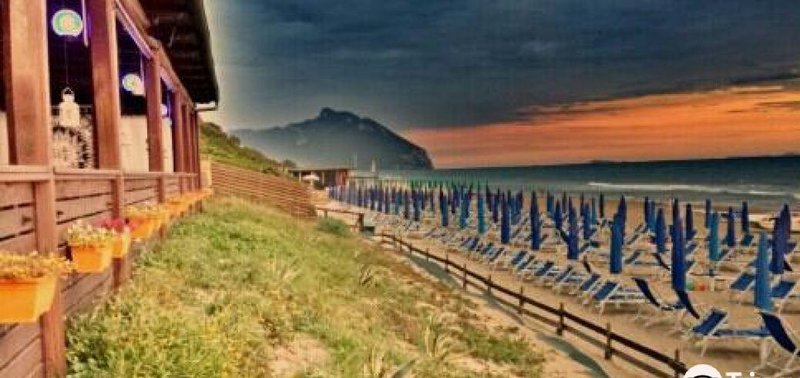
Hotels in Solofra
Discover your perfect stay in Solofra.
Solofra(Italy) Travel 2026: Cheap Flights, Hotels & Top Attractions
Popular Landmarks in Solofra
Discover the most iconic attractions in Solofra
Recommended Hotels in Solofra
Find the perfect place to stay in Solofra
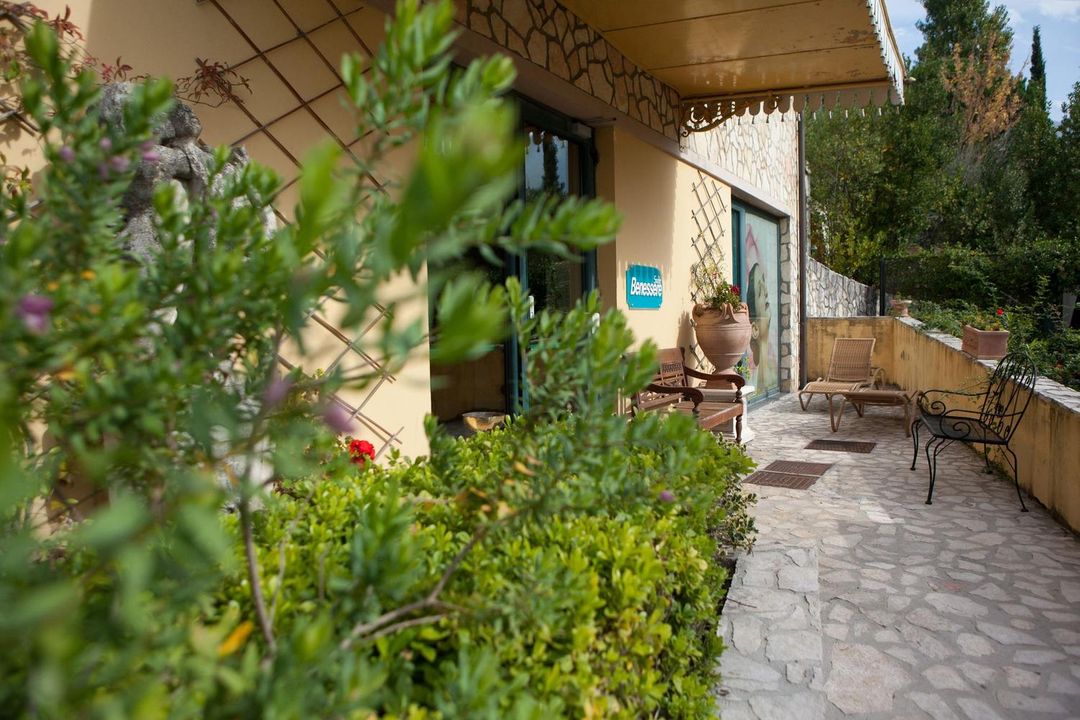
Solofra Palace Hotel & Resort
Frequently Asked Questions about Traveling to Solofra
Questions You Might Need to Know About Traveling to Solofra
In Solfatara, the top choice for families is Hotel Vesuvio, nestled at the foot of Mount Vesuvius. This historic hotel offers spacious family rooms, a private garden, and child-friendly amenities like supervised play areas and themed activities. Located just minutes from the town center, it’s ideal for exploring local attractions such as the Solfatara Volcano and nearby thermal baths. The hotel features traditional Mediterranean-style décor with modern comforts, including underfloor heating perfect for winter visits. Guests also enjoy complimentary breakfast and a dedicated concierge service to assist with family outings and excursions.
The historic city center of Solfatara is the prime area for lodging, located steps from the Church of the Assumption and the pedestrian-only streets of the old town. It offers easy access to authentic Italian cafes, gelaterias, and artisan markets. From here, you can walk to the Vesuvius hiking trailhead in 10 minutes or take a short drive to Naples and the Amalfi Coast. Staying in this district ensures a genuine taste of local life while maintaining excellent connectivity for day trips and sightseeing.
A must-do experience in Solfatara is the guided Vesuvius Geology Tour, led by local geologists who explain volcanic history and thermal phenomena from the crater’s edge. During summer, don’t miss the Festa della Terra, a vibrant festival featuring traditional dances, craft fairs, and wine tastings. You can also visit the Ancient Roman Pottery Workshop, where you’ll create your own Campanian-style ceramic piece using centuries-old techniques. These immersive experiences offer deep insight into the region’s rich heritage and craftsmanship.
Solfatara is known as Italy’s "Thermal Capital," boasting over 2,000 years of spa tradition. The most famous site is Terme di Solfatara, where natural geothermal vents release sulfur-rich steam, recognized as a UNESCO heritage site. The mineral-rich waters are renowned for treating arthritis and skin conditions. Luxury hotels like Hotel Santa Maria feature private thermal suites, allowing guests to soak under the stars. For the best experience, visit early in the morning to avoid crowds and enjoy the raw, therapeutic atmosphere.
Yes, Solfatara is highly suitable for road trips. Located at the heart of Campania Region, it connects seamlessly to Naples, the Amalfi Coast, and Pompeii via well-maintained roads. Renting a compact car is ideal due to narrow alleys in the old town. Use GPS navigation and plan ahead to avoid peak season traffic. Many hotels offer free valet parking, enhancing convenience. Exploring off-the-beaten-path trails around Mount Vesuvius is best done by car, giving travelers full control over their itinerary.
Must-try dishes in Solfatara include Sfogliatella Solofrana, a flaky, custard-filled pastry originating from 18th-century convents. Another highlight is Pasta alla Norma, featuring eggplant, tomato sauce, and fresh mozzarella. Visit Trattoria da Nino, a century-old restaurant serving authentic regional cuisine with locally sourced ingredients. Don’t miss the local red wine, Aglianico del Vulture, aged in volcanic soil—perfect with cured meats and cheeses. End your meal with a cup of Caffè Solofrana, a signature espresso that captures the soul of the region.
Top photo locations in Solfatara include the Church of the Assumption, with its striking Baroque façade and colorful mosaics. The Solfatara Crater offers surreal imagery with white sulfur rocks and steaming vents, ideal for dramatic shots. Winding cobblestone alleys like Via Roma and Vicolo dei Ciliegi are perfect for candid street photography, lined with ivy-covered buildings and wrought-iron balconies. At sunset, climb the Town Hall Bell Tower for panoramic views of the town and distant Mount Vesuvius, creating unforgettable skyline compositions.
Yes, Solfatara is enjoyable year-round thanks to its Mediterranean climate. The best times are spring (April–June) and autumn (September–October), when temperatures range between 18–25°C and rainfall is minimal—ideal for hiking and outdoor exploration. Summer months (July–August) are hot (up to 35°C), but perfect for thermal spa visits despite crowds. Winter (December–February) brings mild temperatures (8–12°C), making it ideal for quiet stays, museum visits, and cooking classes. Choose your season based on desired pace: adventure, relaxation, or cultural immersion.
Solfatara’s nightlife is relaxed and intimate. Enjoy an evening at Piazza del Plebiscito, where open-air cafés host live music and street performers. Enoteca del Sole is a top-rated wine bar offering dozens of local varietals paired with small bites. On weekends, some restaurants feature live folk music nights showcasing traditional Italian melodies. Many boutique hotels also host rooftop stargazing events, combining volcanic landscapes with celestial views. It’s a haven for those seeking tranquility and authentic cultural moments rather than party scenes.
Public transport in Solfatara is modest but functional. Local buses (Line 1 & 2) connect the train station, city center, and major sights every 30 minutes. For trips to Naples or the Amalfi Coast, take regional trains to Napoli Centrale, then transfer to metro or bus. Consider purchasing the Campania Arte Card, which grants free rides on public transit and discounts at attractions. For travelers with luggage or mobility needs, pre-booked taxis are affordable and available throughout the town. The local drivers know the area well, ensuring smooth transfers.
Solofra Overview
City Summary
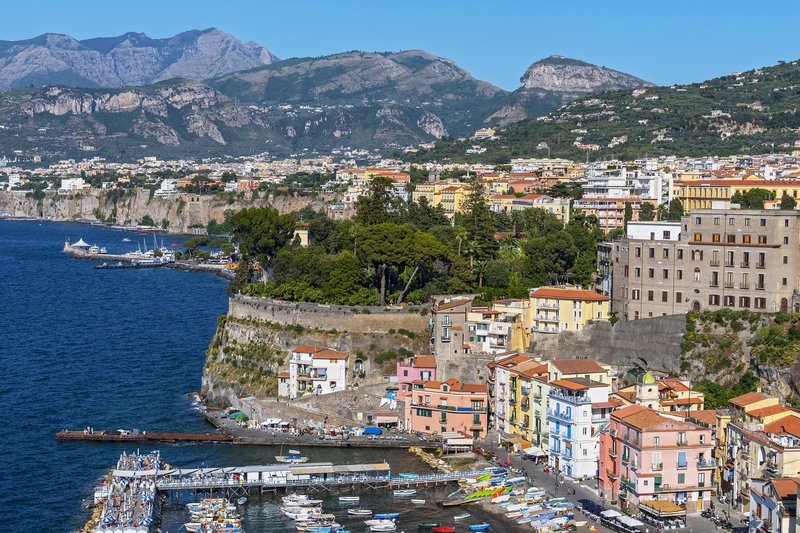
Sorrento, a charming coastal town in Italy's Campania region, is renowned for its breathtaking coastline, rich history, and lemon culture. Perched on cliffs overlooking the Bay of Naples, the town features Mediterranean-style architecture and narrow streets. Sorrento is an ideal base for exploring the Amalfi Coast and Capri, as well as savoring authentic Italian cuisine and handmade Limoncello.
Must-See Attractions
Must-see attractions in Sorrento include Piazza Tasso, the town's vibrant center surrounded by cafes and shops. The Basilica di Sant'Antonino showcases Baroque architecture, while Marina Grande is a picturesque fishing village perfect for fresh seafood. Don't miss the Correale di Terranova Museum, which houses an impressive collection of art and historical artifacts.
Food Guide
Sorrento is famous for its Mediterranean cuisine, especially seafood and lemon-flavored dishes. Try Gnocchi alla Sorrentina (potato dumplings with tomato sauce) and Scialatielli ai Frutti di Mare (handmade pasta with seafood). Street food like Arancini (fried rice balls) and Sfogliatella (pastry) are also must-tries. Be sure to sample the local specialty, Limoncello, a sweet lemon liqueur.
Transportation Guide
Transportation in Sorrento relies mainly on buses and walking. The town has an extensive bus network connecting major sights and nearby towns. Ferries to the Amalfi Coast or Capri depart from Marina Piccola. Renting a car is an option, but be mindful of narrow streets and limited parking. The Circumvesuviana train is recommended for trips to Naples or Pompeii.
Best Time to Visit
The best times to visit are spring (April to June) and autumn (September to October), when the weather is mild and crowds are smaller. Summer (July to August) is lively but crowded and expensive. Winter (November to March) is quieter, though some attractions may close.
Travel Tips
- Safety: Sorrento is generally safe, but keep an eye on belongings in crowded areas.
- Etiquette: Dress modestly when entering churches—avoid sleeveless tops and shorts.
- Tipping: Service charges are usually included, but leaving small change is appreciated.
- Language: Learning a few Italian phrases can make interactions more pleasant.
- Shopping: Local crafts like ceramics and Limoncello make great souvenirs.
- Transport: Buses may not always be punctual, so plan ahead.
Useful Information
Language: Italian is the main language, but English is widely spoken in tourist areas. Internet: Most hotels and cafes offer free Wi-Fi. Payment: Credit cards are widely accepted, but small shops may prefer cash. Emergency: Pharmacies (Farmacia) and hospitals (Ospedale) are available; dial 112 for emergencies. Voltage: 220V, plug type F (two round pins). Travel insurance is recommended for unexpected situations.