Hotels in Soni
Discover your perfect stay in Soni.
Soni(Japan) Travel 2026: Cheap Flights, Hotels & Top Attractions
Popular Landmarks in Soni
Discover the most iconic attractions in Soni
Recommended Hotels in Soni
Find the perfect place to stay in Soni
Best Hotels in Soni
Discover curated hotel collections in Soni





















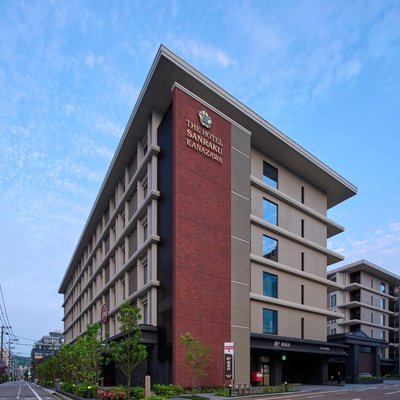
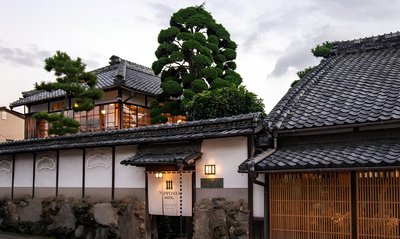
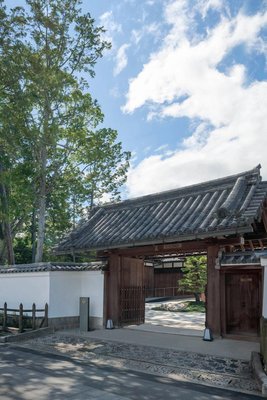

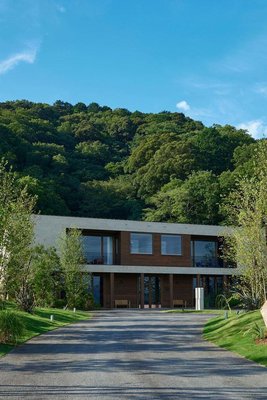

















Frequently Asked Questions about Traveling to Soni
Questions You Might Need to Know About Traveling to Soni
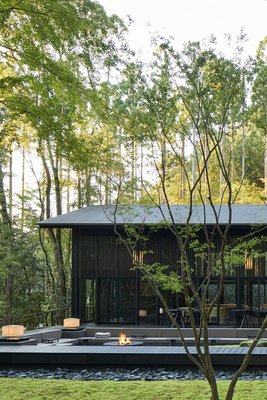
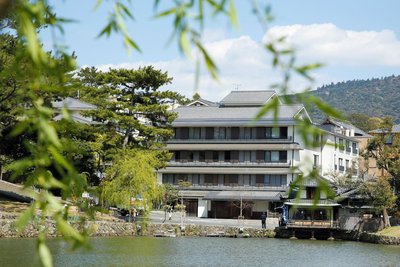
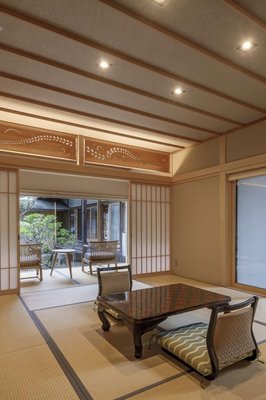
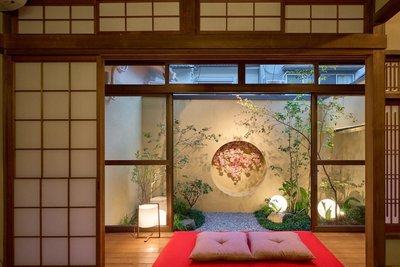
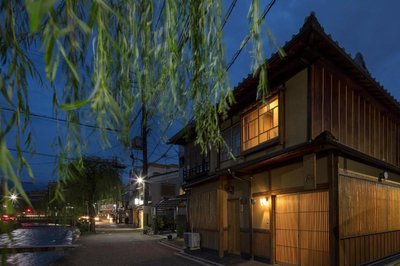
In Sōri Village, we recommend staying at Sōrō Highland Inn, a rustic wooden lodge nestled among forests with traditional tatami rooms and private garden patios overlooking the Sōri Plain. The hosts offer hands-on Nara-style tea ceremonies and serve meals made from locally harvested vegetables. Easily accessible by bus from Nara Station (40 minutes), it's an ideal base for exploring the village's natural wonders and quiet mountain life.
The best area for lodging in Sōri Village is the Sōrō Highlands, located at around 800 meters above sea level. With crisp air, starry night skies, and panoramic views of rolling hills, it’s perfect for stargazing and experiencing alpine serenity. Choose lodges near the entrance to Sōri Nature Park for easy access to hiking trails like Senbon Matsuri Pathway and the Cloud Sea Observation Deck. These low-impact cabins preserve the region’s untouched forest charm, ideal for nature lovers seeking tranquility.
Visitors to Sōri Village can participate in authentic traditional farming workshops, learning how to operate ancient waterwheel irrigation systems. Another highlight is the Sōri Textile Workshop, where guests weave fabric using local ramie fibers. Additionally, the annual Autumn Red Leaf Festival features Shinto shrine rituals and a local food market, offering deep insight into Nara Prefecture’s mountain-based spiritual traditions and strong community bonds.
Plan for 2 to 3 days to fully experience Sōri Village. On day one, explore Sōri Nature Park and the Senbon Matsuri Trail, then join a bonfire gathering in the evening. Day two includes visiting Sōri Highland Pasture for animal feeding and tasting fresh dairy products. On day three, tour Sōri Shrine and ancient burial mounds, with a relaxing stop at a local tea house. This itinerary covers nature, history, and culture seamlessly.
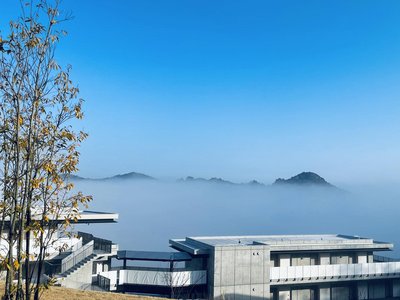
Yes, Sōri Village is a paradise for photographers. Visit the Sōri Cloud Sea Vista Point at dawn to capture mist rising over the valley like a dream. The Senbon Matsuri Trail offers dramatic dappled light through pine trees—especially stunning during autumn sunsets. Also, the frozen Sōri River reflects the sky perfectly on clear days, ideal for mirror-image shots. Bring a tripod and wide-angle lens to capture the majestic mountain vistas and night skies.
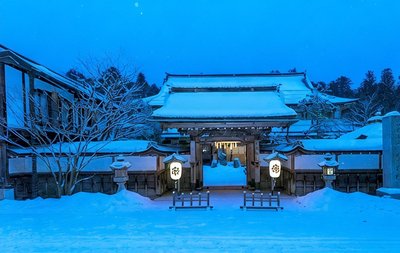
Winter in Sōri Village is magical—known as "Japan’s purest snow village" between December and February. Snow-covered paths lead through frozen streams and ice-laden trees along the Sōri River. Many inns feature open-air hot springs (onsen) where you can soak while gazing at snow-draped peaks. The annual Snow Lantern Festival in January lights up the village with handmade paper lanterns, creating a dreamlike atmosphere.
Access to Sōri Village is primarily by bus. Take the Kintetsu Nara Line from Nara Station to Yamato-Kōda Station, then transfer to a Nara Transportation Bus (approx. 45 minutes) to the Sōri Village Center Stop. Some lodges offer free shuttle services. There are no bike lanes within the village—walking or renting an electric-assist bicycle is recommended. For visits to Sōri Nature Park, use the dedicated circular bus, but check schedules in advance as frequencies are low.
Sōri Village is famous for its mountain flavors. Must-try dishes include Sōri buckwheat soba noodles (made from high-altitude buckwheat, with a slightly bitter, aromatic taste), wild mountain vegetable hot pots (featuring seasonal ingredients like ferns, dandelions, and bamboo shoots), and persimmon leaf sushi from Nara. Many inns serve homemade breakfasts using farm-fresh eggs and local produce. Don’t miss Sōri Food Hall, which sells artisanal honey jam and yam chips—perfect souvenirs.
Absolutely. Sōri Village has excellent hiking trails, especially the Sōri Nature Park Trail (6 km), passing through Senbon Matsuri Forest, waterfalls, and a star-viewing platform. The path is well-marked and gentle, suitable for all levels. For adventure seekers, climb Mount Sōri (1,120 m) for sweeping views and sightings of wild deer and alpine azaleas. Wear sturdy shoes and carry water and warm layers—especially during early morning treks.
Yes, most guesthouses in Sōri Village provide local-style breakfasts featuring freshly baked buckwheat bread, handcrafted cheese, local eggs, and seasonal mountain vegetables. Premium inns even offer kaiseki-style breakfasts with artistic presentation using seasonal ingredients. Special dietary needs (vegan, gluten-free) can be accommodated with prior notice. Breakfast is served daily between 7:30 and 9:00 in gardens or dining halls, allowing guests to enjoy sunrise views over the mountains.
Soni Overview
City Summary
Tsono Village, nestled in the mountainous eastern Nara Prefecture, is renowned as a hidden onsen retreat and traditional thatched-roof village. Preserving Edo-period rural landscapes, its Susuki Grass Plateau turns golden in autumn while serving as a firefly paradise in summer. The core allure lies in uncommercialized authenticity and Jigokudani steam vents, ideal for culturally immersive travelers.
Must-See Attractions
Must-see spots include the frost-covered Susuki Plateau in winter and the nationally designated "Okunobo" thatched house. Soak in Jigokudani's natural foot baths and visit the spiritual Kamenotaki Waterfall. The August Tsono Lantern Festival illuminates the valley with handmade lanterns. Book a stay in traditional farmhouses to experience irori hearth culture.
Food Guide
Culinary highlights feature mountain vegetables and river sweetfish. Don't miss Iwake Soba (black noodles made from lichen) and Hoba Miso grilled on magnolia leaves. Cafés serve onsen egg meals steamed by geothermal heat, while winter calls for sweetfish hotpot cooked with local sake. Most restaurants require reservations.
Transportation Guide
Transport: Accessible via Nara Kotsu buses from Kintetsu Nabuka Station (50min, sparse schedules). Explore on foot or rent bicycles (¥1,500/day). Driving via Route 368 is possible but winter closures occur. Critical note: Last bus departs 17:30; missed connections require taxis (¥8,000 to nearest station).
Best Time to Visit
Best visiting periods: October-November for pampas grass season or January-February for frost flowers. Summer (July-August) offers fireflies but 80% humidity. Avoid Golden Week and Obon festival crowds.
Travel Tips
- Cash-only: No ATMs, few lodgings accept cards
- Onsen etiquette: Bring towels for foot baths, no footwear allowed
- Photo rules: Obtain permission before shooting private thatched houses
- Winter gear: Mountains drop to -10°C at night
- Dining reservations: Book all meals 24hrs ahead
- Punctual buses: Rural buses adhere strictly to timetables
Useful Information
Essentials:
- Language: Villagers speak only Japanese; translation apps recommended
- Internet: Free Wi-Fi only at visitor center; SIM cards advised
- Currency: Exchange at post office (Mon-Fri 9:00-16:00)
- Healthcare: Nearest hospital in Uda City (40min drive)
- Emergency: 24hr tourism helpline at village office (0745-XX-XXXX)
- Sockets: Japan-standard 100V two-pin plugs
- Water: Mountain springs are potable; lodgings provide boiled water