Hotels in Soweto
Discover your perfect stay in Soweto.
Soweto(South Africa) Travel 2026: Cheap Flights, Hotels & Top Attractions
Popular Landmarks in Soweto
Discover the most iconic attractions in Soweto
Recommended Hotels in Soweto
Find the perfect place to stay in Soweto
Best Hotels in Soweto
Discover curated hotel collections in Soweto




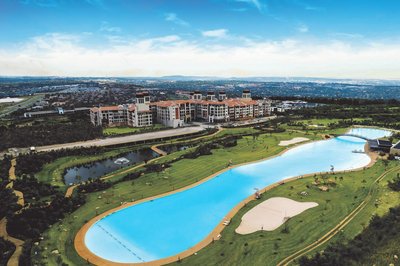

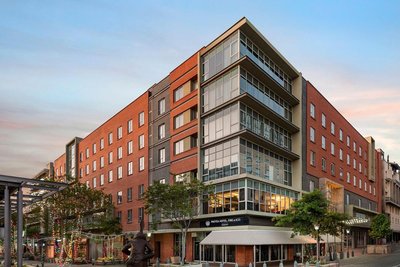
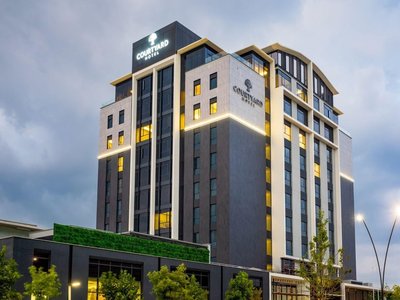

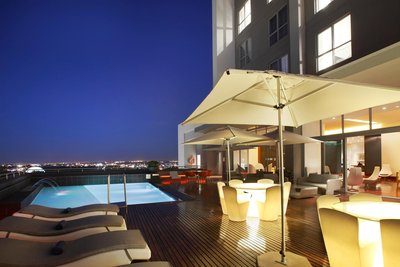







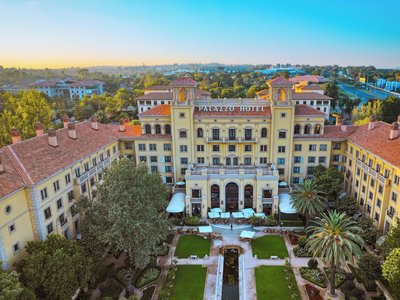

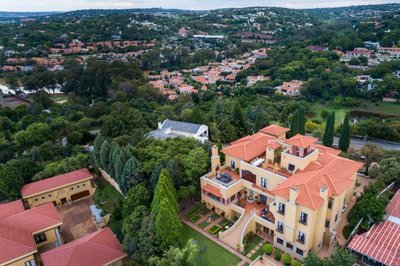
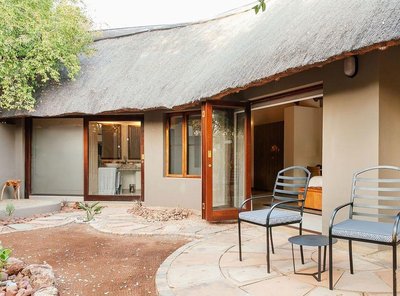

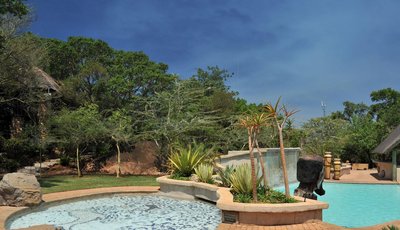




Frequently Asked Questions about Traveling to Soweto
Questions You Might Need to Know About Traveling to Soweto
In Soweto, top cultural hotels include Soweto Legacy House and Mandela’s Home Guesthouse. The former is a heritage property restored from a 1940s residential building, each room named after iconic figures like Steve Biko and Winnie Mandela, with original photos and personal letters on display. The latter is located steps from Mandela’s Former Residence, offering limited-edition suites featuring signed manuscript replicas and "Light of Freedom" murals. Both are locally operated, with profits reinvested into community education—making your stay part of a living history narrative.
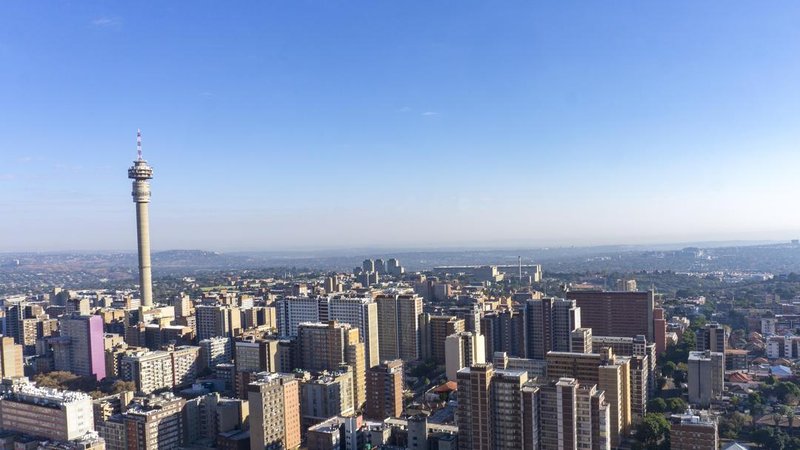
The safest and most convenient area for lodging in Soweto is West End and the Mandela Boulevard corridor. These neighborhoods offer easy access to key sites like Mandela’s Home, Soweto Museum, and Apollo Theatre. Stay at Soweto Sky Lodge, a boutique guesthouse near Sandton Park, which provides panoramic views of Johannesburg’s skyline and complimentary shuttle services to downtown. With reliable public transport links via the Gautrain station at Soweto, this zone balances historical immersion with modern convenience and security.
Yes, many Soweto hotels offer authentic South African culinary experiences. At Soweto Kitchen Inn, guests can enjoy the "Home-Style Dining" program, where local women prepare traditional dishes like Pap with Beef Stew, Succulent Lamb Curry, and Umqombothi beer. Some hotels also run market-to-kitchen workshops, where visitors shop at local street vendors, then cook using wood-fired stoves. These immersive experiences go beyond taste—they’re a window into African culinary wisdom and community resilience.
Soweto offers vibrant nighttime experiences such as the Soweto Night Lights Tour, where guided minibuses drive through illuminated graffiti alleys, showcasing dynamic street art under neon lights. Afterwards, visit The Soweto Theatre for live Gqom and Afrobeats performances, or enjoy a drink at Dumisani's Bar, sipping Klippies (South African lemonade). For a raw community feel, join a weekly bonfire storytelling session, where elders share tribal legends and anti-apartheid memories—an unforgettable way to connect with the soul of modern South Africa.
Absolutely. Most top hotels in Soweto are strategically located near major attractions. Mandela’s Home is just a 5-minute walk away, while Apollo Theatre and the Soweto Museum are within 10–15 minutes by car. Hotels like Soweto Heritage Suites provide private shuttles to Johannesburg CBD and Lamont Airport. Additionally, the Gautrain station at Soweto connects you directly to Sun City and Pretoria, making cross-city travel efficient. This central positioning ensures every stay feels like a seamless journey through history and culture.
Soweto is a must-visit for history lovers due to its role as the epicenter of the anti-apartheid struggle. Key sites include Mandela’s Former Residence, the Apartheid Museum, and the Hector Pieterson Memorial, where students were shot during the 1976 uprising. Guided tours often include visits to underground resistance hideouts and political mural zones, revealing stories of courage and resistance. The city’s grassroots activism continues today through community-led initiatives, making it not just a museum of memory, but a living testament to justice and transformation.
Yes, Soweto offers several family-friendly accommodations. Soweto Family Stay features private suites, child-safe gardens, and interactive programs like community walks with storytelling sessions. Nearby, the Soweto Children’s Museum and art workshops engage kids in hands-on learning about African heritage. Local hosts often organize family-friendly Braai BBQ nights, where children can help prepare traditional meals. With safety-focused design and culturally enriching activities, these lodgings make Soweto an ideal destination for intergenerational travel.
Yes, many Soweto hotels offer expertly guided cultural tours led by certified local guides. Facilities like Soweto Cultural Hostel and Heritage Inn provide customizable itineraries covering secret resistance tunnels, political murals, and community schools. Tours include conversations with former political prisoners and discussions on ANC history, apartheid policies, and post-1994 social change. Available in English, Zulu, and Mandarin, these immersive experiences turn stays into meaningful dialogues across generations and cultures.
When selecting a hotel in Soweto, consider the semi-arid climate: summer (October–March) brings temperatures above 35°C, so choose properties with air conditioning and shaded balconies, like Soweto Green Retreat, which uses solar-powered cooling. Winter (April–September) has cold mornings and evenings—opt for accommodations with heaters and thick rugs. During the rainy season (November–February), prioritize hotels with elevated floors and moisture-resistant interiors to avoid dampness. Smart choices ensure comfort year-round.
To truly experience authentic Soweto culture, participate in community-driven initiatives. Join a Sunday village market tour to meet artisans selling handmade beads and textiles. Attend a traditional Isicathamiya choir workshop at Soweto Cultural Village, where you’ll learn harmonized singing rooted in protest songs. Volunteer at a local school outreach program or take part in a story circle around a campfire—where elders pass down oral histories. These intimate, respectful interactions deepen understanding far beyond standard tours.
Soweto Overview
City Summary
Soweto, located in Gauteng Province of South Africa, stands as one of the continent's most historically significant urban areas. Renowned as Nelson Mandela's hometown and a crucible of anti-apartheid resistance, this vibrant township showcases African resilience through its thriving jazz scene, football culture and poignant memorials. The dynamic street life and UNESCO-recognized heritage sites offer authentic insights into post-apartheid South Africa.
Must-See Attractions
Top attractions include the Mandela House Museum on Vilakazi Street (the only road worldwide that housed two Nobel laureates). Lesedi Cultural Village demonstrates Zulu and Ndebele tribal traditions. Football City Stadium, venue for 2010 World Cup final, hosts immersive tours. Don't miss the Hector Pieterson Memorial honoring 1976 student uprising victims. Evening shebeen (speakeasy) crawls reveal Soweto's legendary jazz heritage.
Food Guide
Soweto's food scene blends rustic flavors with urban innovation. Must-try dishes include pap (maize porridge) with spicy chakalaka relish, and kota (township sandwich stuffed with fries and sausage). Sakhumzi Restaurant's buffet showcases regional specialties like mogodu (tripe stew). Street vendors sell freshly grilled boerewors sausages. For dessert, try malva pudding or vetkoek (fried dough) with apricot jam. Local favorites include umqombothi (traditional beer) and rooibos tea.
Transportation Guide
Minibus taxis (shared vans) are the authentic but chaotic local transport - confirm routes with drivers first. Guided bicycle tours (like Lebo's Backpackers) provide safe exploration. Uber operates reliably from Johannesburg (40-minute ride). Self-driving requires caution due to irregular signage; avoid night travel. Major sites are 5-15 minutes apart by car. Rea Vaya bus system serves main tourist routes with dedicated lanes.
Best Time to Visit
Ideal visiting months are May-September (Southern Hemisphere winter) with mild 15-25°C days and minimal rain. Summer (Oct-April) brings thunderstorms but vibrant festivals like Soweto Wine. December sees peak domestic tourism. Weekends offer cultural events, while weekdays provide quieter museum visits. Morning tours avoid afternoon heat.
Travel Tips
- Always hire accredited local guides for township tours - enhances safety and insight
- Ask permission before photographing residents or homes
- Carry small bills - most vendors don't accept cards
- Use anti-theft bags and avoid flashy jewelry
- Learn basic Zulu greetings ("Sawubona") for warmer interactions
- For shebeen visits, opt for daytime sessions
- Some museums close Mondays - check schedules
- Dress modestly when visiting memorial sites
Useful Information
Language: English works, but Zulu/Sesotho prevail locally. Internet: 4G coverage in tourist areas, Vodacom SIM cards most economical. Currency: Cash dominant (rands), few places accept foreign cards. Health: Private hospitals like Netcare are well-equipped; travel insurance advised. Voltage: 220V with unique 3-prong plugs. Safety: Stick to guided daytime activities in tourist zones. Emergency: 10111 (police), 10177 (ambulance). Visas: Required for most nationals; Chinese passport holders with valid Schengen/US visa get 90-day visa-free entry.
Other Cities You Might Like
Explore more amazing destinations