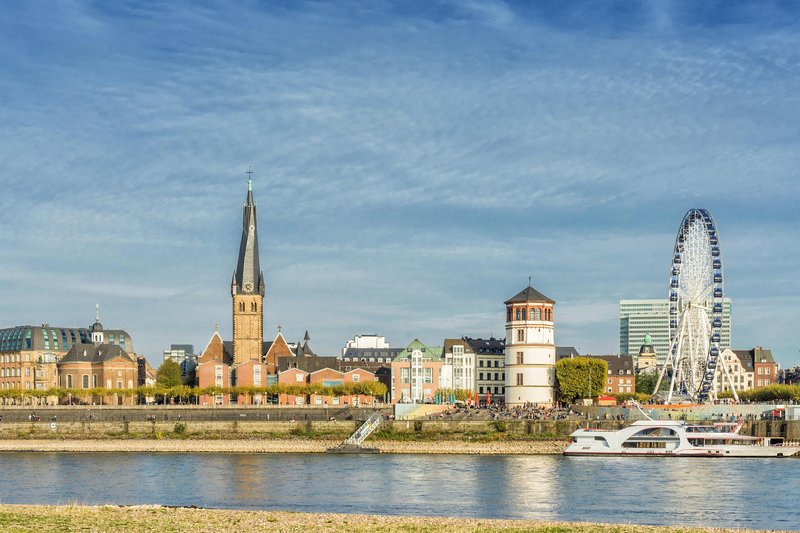
Hotels in Stade
Discover your perfect stay in Stade.
Stade(Germany) Travel 2026: Cheap Flights, Hotels & Top Attractions
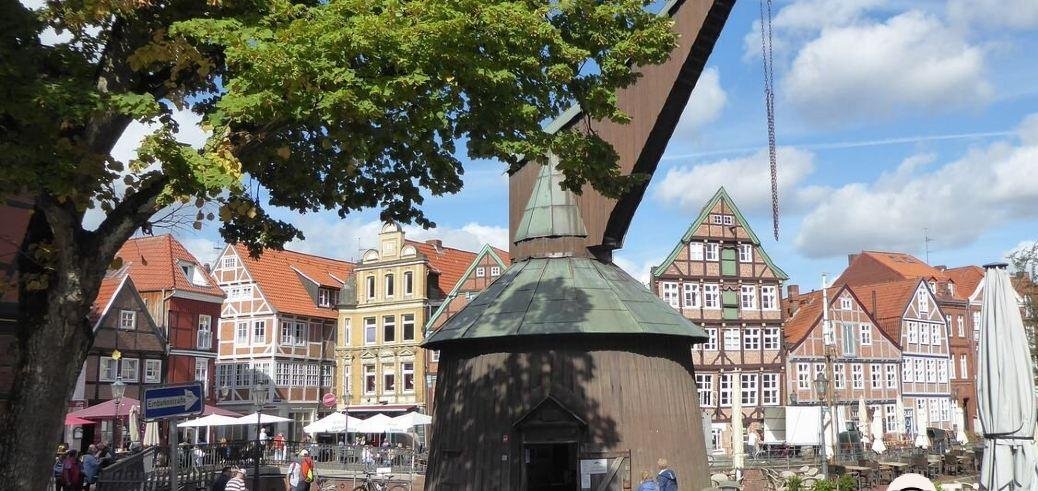
Popular Landmarks in Stade
Discover the most iconic attractions in Stade
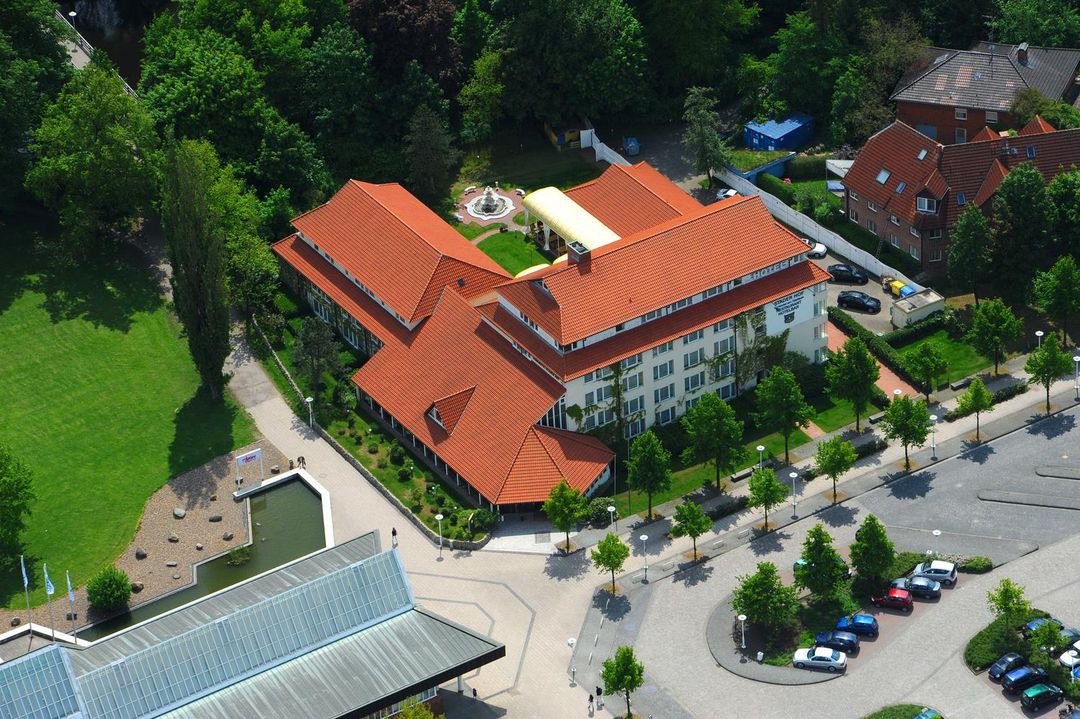
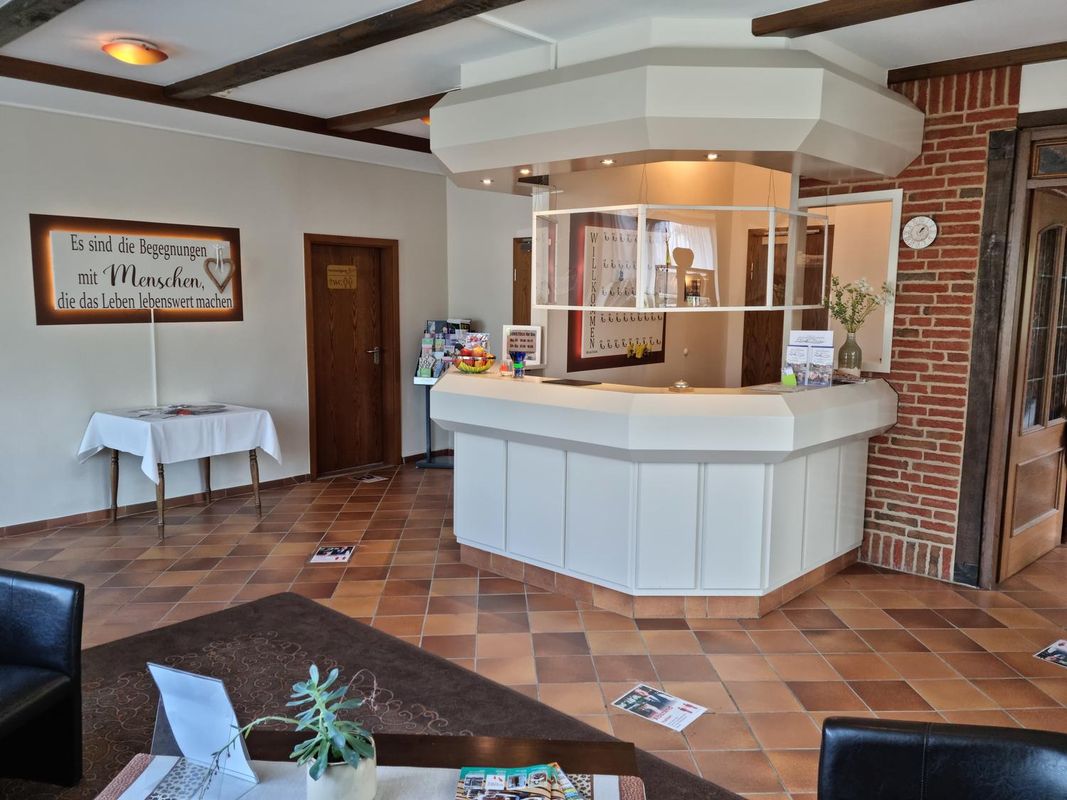
Recommended Hotels in Stade
Find the perfect place to stay in Stade

Frequently Asked Questions about Traveling to Stade
Questions You Might Need to Know About Traveling to Stade
Stade Overview
City Summary
Stade is a historic city in Lower Saxony, Germany, located on the banks of the Elbe River. Known for its well-preserved half-timbered houses, ancient harbor, and rich Hanseatic history, Stade offers a unique blend of tradition and modernity. The city's charm lies in its medieval atmosphere and vibrant cultural heritage, making it a hidden gem in northern Germany.
Must-See Attractions
Key attractions in Stade include the picturesque Old Town (Altstadt), featuring stunning half-timbered buildings like the Town Hall (Rathaus) and St. Cosmae et Damiani Church. The historic Stade Harbor (Stader Hafen), once a vital trading hub of the Hanseatic League, is now a lively leisure area. The Schwedenspeicher Museum provides insights into the city's history and culture.
Food Guide
Stade's culinary scene is influenced by northern German traditions. Must-try dishes include smoked eel (Räucheraal) and North Sea shrimp (Nordseekrabben). Local beers and apple wine (Apfelwein) are also popular. Many restaurants and cafés in the Old Town offer authentic German cuisine in a cozy setting.
Transportation Guide
Stade's public transport primarily consists of buses, covering major attractions and surrounding areas. Walking is the best way to explore the compact Old Town. For trips to nearby cities, regional trains and long-distance buses are available. Renting a car is convenient, but be aware of parking restrictions in the city center.
Best Time to Visit
The best time to visit Stade is during spring (April to June) and autumn (September to October), when the weather is mild and crowds are smaller. Summer (July to August) is warm but busy with tourists. Winter (November to March) can be chilly, but the Christmas markets add a festive touch.
Travel Tips
- Wear comfortable shoes for exploring Stade's narrow Old Town streets.
- Most shops in Germany are closed on Sundays, so plan shopping accordingly.
- Tipping in restaurants is customary, usually 5%-10% of the bill.
- Stade is generally safe, but keep an eye on belongings in tourist areas.
- Learning basic German phrases like "Guten Tag" (Hello) and "Danke" (Thank you) is appreciated.
- Many museums and attractions offer discounts for students and seniors—bring relevant ID.
Useful Information
The official language is German, but English is widely understood in tourist areas and among younger people. The city has good network coverage, with free Wi-Fi in many cafés and hotels. Payment methods include cash and credit cards, though small shops may only accept cash. In emergencies, dial 112. Medical facilities are well-equipped, and pharmacies (Apotheke) are common, but check opening hours. Travel insurance is recommended for medical or unexpected incidents.