Hotels in Stockholm
Discover your perfect stay in Stockholm.
Stockholm(Sweden) Travel 2026: Cheap Flights, Hotels & Top Attractions
Popular Landmarks in Stockholm
Discover the most iconic attractions in Stockholm
Recommended Hotels in Stockholm
Find the perfect place to stay in Stockholm
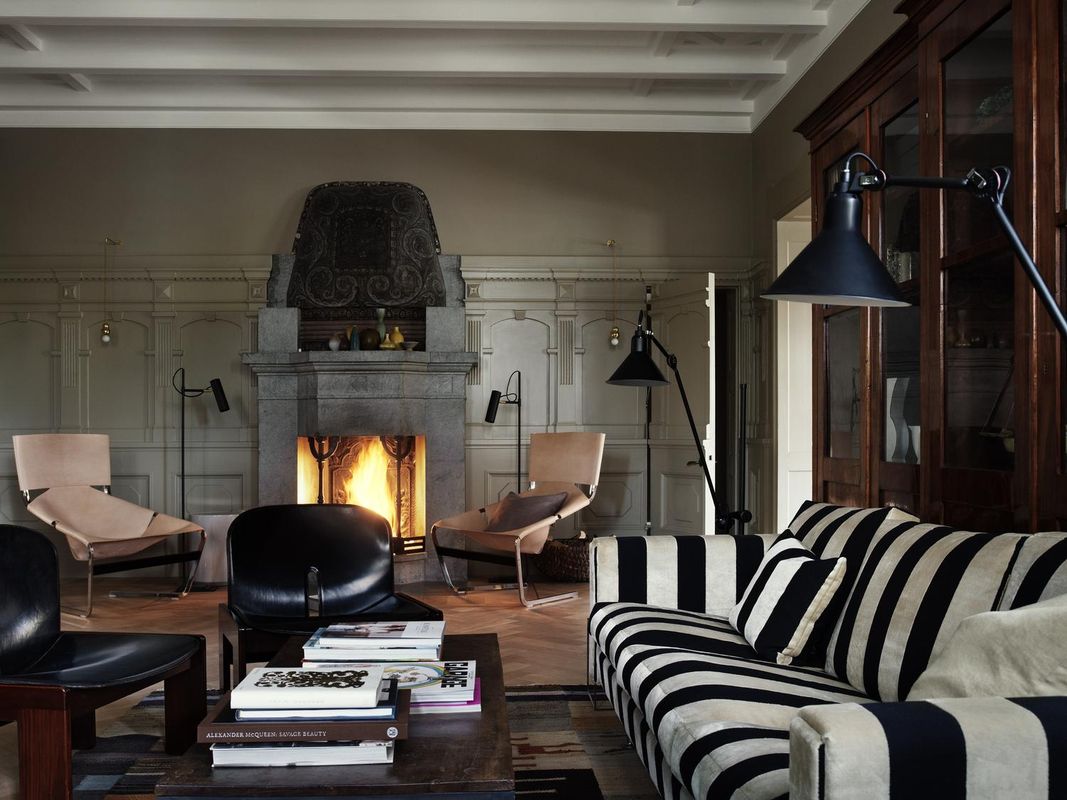
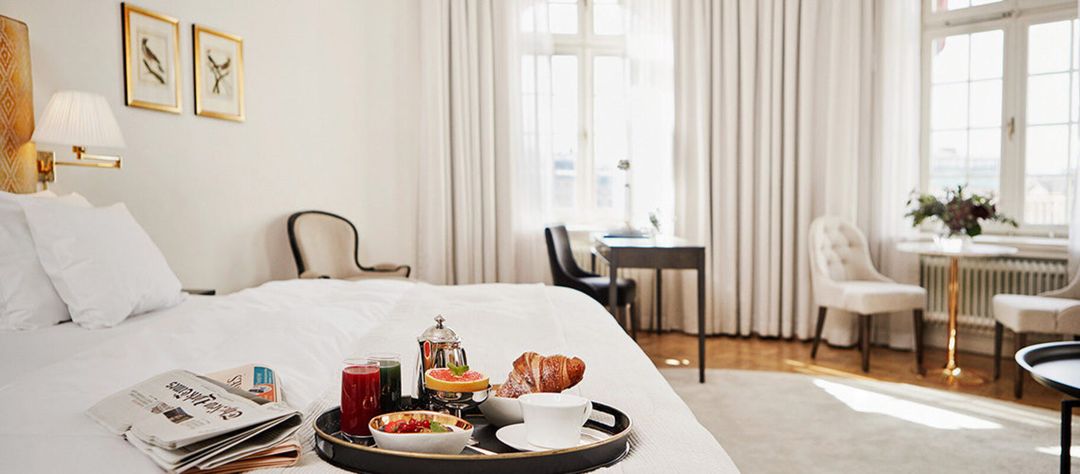
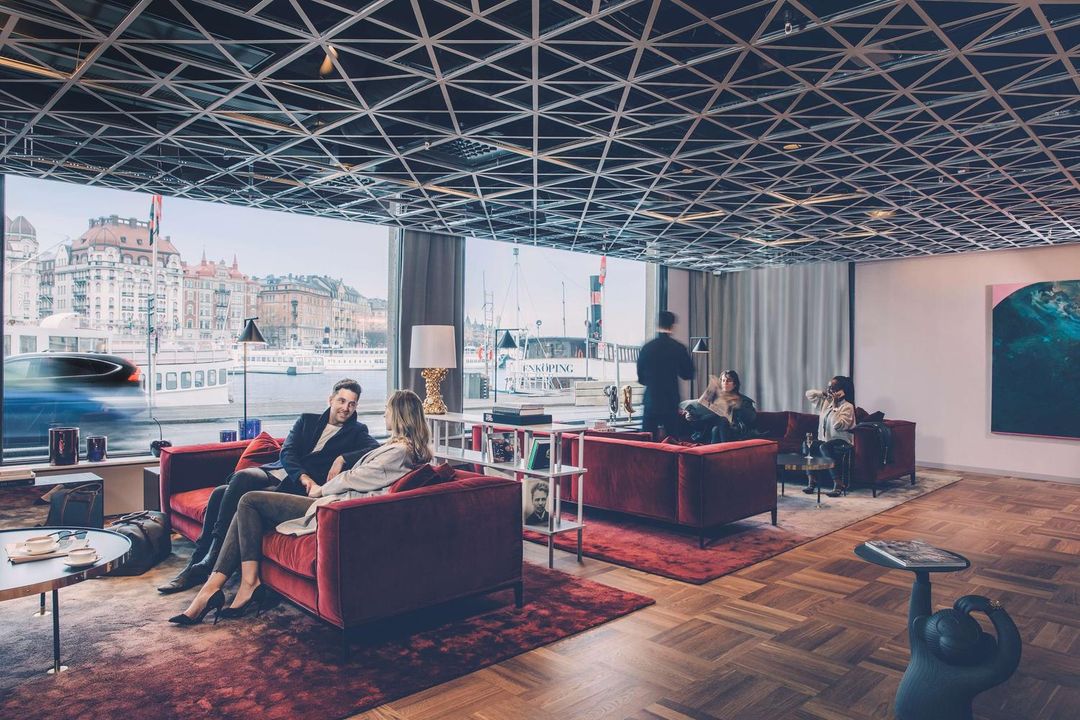
Best Hotels in Stockholm
Discover curated hotel collections in Stockholm

Frequently Asked Questions about Traveling to Stockholm
Questions You Might Need to Know About Traveling to Stockholm
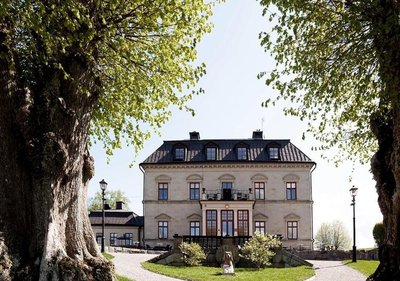
For first-time visitors, Hotel Royal Stockholm offers unbeatable location near Stockholm Palace and Gamla Stan, blending classic Swedish elegance with modern comfort. Another top choice is Scandic Hotel Stockholm City, known for its central access to metro lines and budget-friendly yet stylish rooms. Both hotels provide free Wi-Fi, breakfast with local specialties like rye bread and smoked salmon, and helpful multilingual staff. For a unique experience, consider Aqvist Hotel in the Archipelago, accessible by boat, offering serene lake views and eco-conscious design. All are within walking distance of major attractions like the Vasa Museum and ABBA Museum.
The Archipelago region offers the most breathtaking views, especially at Aqvist Hotel, where rooms face the tranquil waters and surrounding islands. For city-center views, stay at Hotel Gamla Stan, which overlooks the historic Old Town and Stockholm Sound. Alternatively, Södermalm provides panoramic rooftops and skyline vistas from boutique hotels like Södermalm Hotel, ideal for sunset photography. Many hotels offer balconies or terraces, and some even feature floor-to-ceiling windows. Whether you prefer calm water landscapes or urban skylines, these areas deliver unforgettable visual experiences.
Yes, Nordic Hotel Royal stands out as a leader in sustainability, using solar panels, organic linens, and zero single-use plastics. Aqvist Hotel in the Archipelago runs entirely on renewable energy and features composting toilets and locally sourced food. Both hotels partner with Green Key certification programs and promote low-impact travel through bike rentals and carbon-offset options. Guests can also participate in tree-planting initiatives or waste-reduction challenges. These eco-conscious hotels reflect Sweden’s national commitment to environmental responsibility while ensuring high comfort and authenticity.
Gamla Stan (Old Town) is Stockholm’s most iconic district, featuring cobblestone streets, red wooden houses, and centuries-old architecture. Staying here means being steps away from Stockholm Palace, Storkyrkan Cathedral, and countless cafés and galleries. Hotels like Hotel Gamla Stan and Bergslags Hotel offer historical charm with modern amenities, including private balconies overlooking the water. The area buzzes with life year-round, hosting festivals, markets, and evening concerts. Its walkability and charm make it ideal for travelers seeking an authentic Nordic atmosphere and romantic ambiance.
Absolutely. Scandic Stockholm City and Hotel Royal Stockholm both offer spacious family suites, baby cots, and kids’ menus. Many host weekend events like LEGO workshops, storytelling sessions, and outdoor scavenger hunts. Aqvist Hotel in the Archipelago provides guided nature trails and children’s kayaking lessons. Some hotels also collaborate with Stockholm City Museum to offer interactive history games for kids. With stroller-friendly sidewalks and nearby playgrounds, these hotels ensure a stress-free family trip. HopeGoo early is recommended due to high demand during school holidays.
Yes, Culture House Hotel hosts nightly art workshops—such as hand-weaving, ceramic painting, and traditional Nordic embroidery—using local materials. Värmdö Hotel organizes seasonal events like Midsummer celebrations, complete with flower crowns and bonfires. Guests can also join guided tours to hidden folk museums or participate in cooking classes featuring traditional Swedish dishes like meatballs and lingonberry jam. These immersive experiences go beyond accommodation, turning stays into meaningful cultural exchanges with locals and heritage.
Definitely. Södermalm Hotel has cozy single rooms and a vibrant shared lounge where solo travelers can join free coffee mornings or group walks. Aqvist Hotel encourages interaction through communal dining and evening storytelling circles. Many hotels offer “Solo Explorer Packages” with curated maps, audio guides, and meet-up events for like-minded guests. With excellent public transport and safe neighborhoods, Stockholm is one of Europe’s most welcoming cities for solo trips. Staff often act as informal tour guides, helping newcomers feel connected.
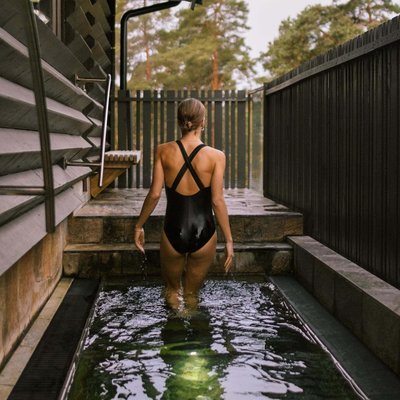
Yes, all major hotels in Stockholm feature underfloor heating and double-glazed windows to maintain warmth even during sub-zero temperatures. Hotel Royal Stockholm and Nordic Hotel Royal include electric blankets, heated bathroom floors, and plush robes. Aqvist Hotel goes further with indoor saunas and hot tubs, perfect for snowy evenings. Most hotels also provide hair dryers, towel warmers, and luggage drying racks. With efficient district heating powered by renewable sources, indoor temperatures remain consistently comfortable—typically around 22°C—even when outside temperatures drop below -10°C.
Boutique hotels in Stockholm, such as Södermalm Hotel and Bergslags Hotel, offer personalized service, unique interior designs inspired by Swedish minimalism, and intimate atmospheres. They often feature locally curated art, handmade furniture, and rooftop terraces with city views. Guests enjoy tailored recommendations—from hidden jazz bars to off-the-beaten-path cafes—and many provide free welcome drinks. Unlike chain hotels, they prioritize authenticity, sustainability, and guest engagement, making each stay feel bespoke and memorable.
Yes, Aqvist Hotel in the Archipelago has direct dock access, allowing guests to step onto boats right from their terrace. Hotel Gamla Stan offers rooms with private balconies overlooking the Stockholm Sound, ideal for morning coffee with harbor views. Some newer properties near Slussen Canal also provide water taxi connections to central districts. Additionally, many hotels partner with local ferry services for easy island hopping. This proximity to water enhances relaxation and offers unique perspectives of the city’s layered geography, from historic bridges to floating homes.
Stockholm Overview
City Summary
Stockholm, known as the "Venice of the North", is the capital and largest city of Sweden, spread across 14 islands connected by over 70 bridges. The city is famed for its Scandinavian design, historic architecture, and natural beauty. The Old Town (Gamla Stan) is one of Europe's best-preserved medieval city centers, with narrow cobblestone streets and colorful buildings. The Vasa Museum, housing the 17th-century warship "Vasa", is a must-visit. Additionally, the Stockholm Metro stations, dubbed "the world's longest art gallery", are bursting with creativity and color. The surrounding archipelago and eco-friendly initiatives also make it a model for sustainable tourism.
Must-See Attractions
Stockholm, known as the "Venice of the North," is Sweden's capital and largest city, spread across 14 islands connected by bridges and canals. It blends the cobblestone alleys of Gamla Stan (Old Town) with Nordic modern design. The Vasa Museum houses a 17th-century warship wreck, while the Stockholm City Hall hosts the Nobel Prize banquet. In summer, explore the archipelago by boat; in winter, experience ice hotels and the Northern Lights. Don’t miss the ABBA Museum and Fika (Swedish coffee culture) to embrace local rhythms.
Food Guide
Stockholm, the capital of Sweden, boasts a rich culinary culture that blends traditional Nordic flavors with modern innovation. The city is famous for its seafood, particularly surströmming (fermented herring), which, despite its strong odor, is a local favorite. Another classic dish is meatballs (Köttbullar) served with lingonberry sauce, found in almost every restaurant. Stockholm also has a vibrant coffee culture, with Fika (coffee break) being an essential part of Swedish daily life, often accompanied by a cinnamon bun (Kanelbulle). For an authentic food experience, visit Östermalmshallen market, where you can find fresh local ingredients and traditional snacks.
Transportation Guide
Stockholm, the capital of Sweden, is often called the "Venice of the North" due to its location across 14 islands connected by charming waterways and bridges. The city is renowned for its efficient public transportation system, which includes the metro (Tunnelbana), buses, and ferries. The Stockholm Metro is dubbed the "world’s longest art exhibition," with many stations featuring unique artworks, making it a must-see.
For visitors, purchasing an SL travel card is the most convenient option, offering unlimited rides on all public transport. The city also has a well-developed bike rental system, perfect for cyclists who want to explore. Central areas like Gamla Stan (Old Town) are best explored on foot, though it’s advisable to avoid peak hours to escape crowds.
For trips to nearby islands (such as Djurgården), ferries are an ideal choice, combining scenic views with easy access. In summary, Stockholm’s transportation system is both eco-friendly and user-friendly, providing travelers with diverse options for getting around.
Best Time to Visit
Stockholm, the capital of Sweden, is often called the "Venice of the North" due to its stunning archipelago of 14 islands connected by bridges and waterways. The best time to visit Stockholm is during the summer months (June to August), when the weather is pleasantly warm, with temperatures ranging between 18°C and 22°C. This season is perfect for outdoor activities and coincides with vibrant festivals like Midsummer and the Stockholm Culture Festival, offering a deep dive into local traditions. Additionally, the extended daylight hours (up to 18 hours) allow ample time to explore iconic sites such as Gamla Stan (Old Town), the Vasa Museum, and the Stockholm Archipelago.
While summer is the peak tourist season, Stockholm remains relatively uncrowded compared to other European capitals. For a quieter experience, consider visiting in late spring (May) or early autumn (September), when the weather is still mild, and the tourist crowds have thinned.
Travel Tips
-
Weather Prep: Stockholm has distinct seasons—summers are mild (~20°C), winters cold (down to -5°C). Pack a waterproof jacket or thermal layers; winter requires anti-slip shoes.
-
Transport Tips: Efficient public transit (metro/buses) covers the city. An SL travel card offers unlimited rides (single ticket: ~38 SEK).
-
Cultural Etiquette: Swedes value personal space—keep distance in queues and avoid loud talk. Say "Tack för maten" (Thanks for the meal) after dining.
-
Safety Note: Low crime, but watch for pickpockets at tourist spots. Use a waist pouch for valuables.
-
Currency: Cards work widely, but small vendors/cafés may only take cash. Carry some SEK as backup.
-
Eco-Friendly: Recycle properly; public water fountains support reusable bottles.
-
Attraction HopeGoo: Popular sites like Vasa Museum or City Hall recommend online tickets to skip lines. Winter hours may shorten.
-
Dining: Try classics like meatballs with lingonberry jam. Look for "Vegetarisk" (vegetarian) labels for plant-based options.
Useful Information
Stockholm Travel Essentials
Stockholm, the capital of Sweden, is known as the "Venice of the North," comprising 14 islands with rich history and stunning natural scenery.
Language: Swedish is the official language, but English is widely spoken, and most locals are fluent in English.
Internet & Communication: Free Wi-Fi hotspots are available throughout the city. For more reliable service, consider purchasing a local prepaid SIM card (e.g., Telia or Telenor).
Currency & Payments: Sweden uses the Swedish Krona (SEK), but credit cards are widely accepted, even at small vendors. It’s advisable to carry some cash for emergencies.
Emergency Handling: In case of emergencies, dial 112 for police, ambulance, or fire services. EU citizens can access healthcare with the European Health Insurance Card (EHIC).
Transportation: Stockholm’s public transport is efficient and eco-friendly. The SL travel card allows unlimited rides on metro, buses, and ferries.
Cultural Etiquette: Swedes value personal space and sustainability. Avoid loud noises and follow recycling rules.
Traveler Reviews
See what other travelers say about Stockholm

Grand Hôtel Stockholm
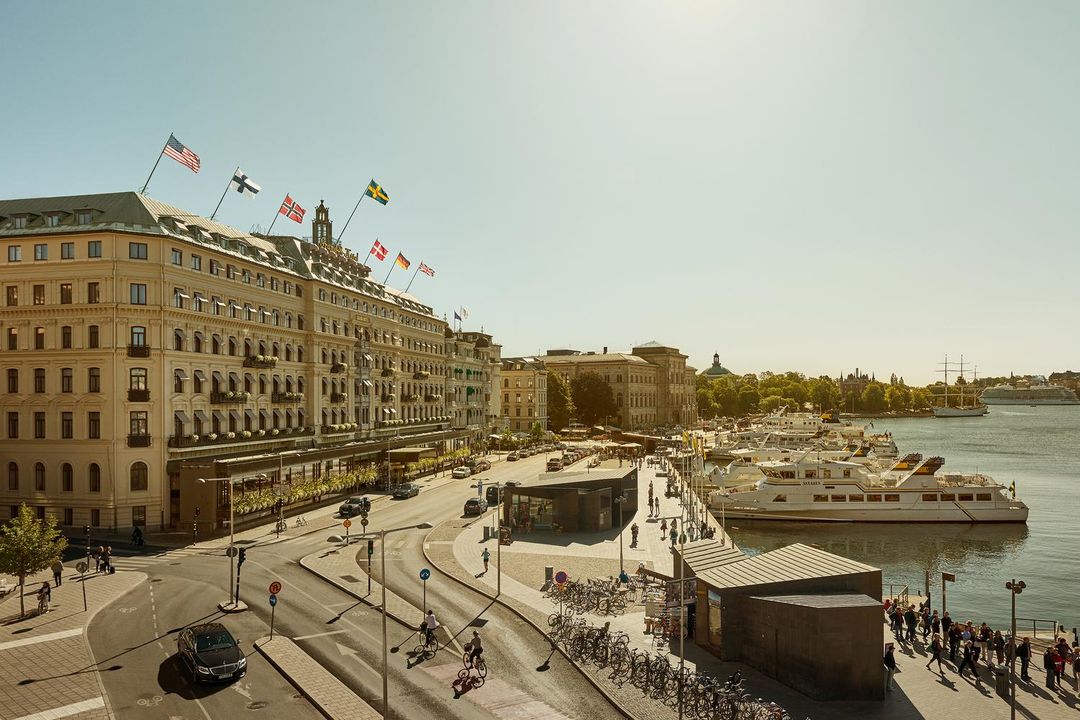
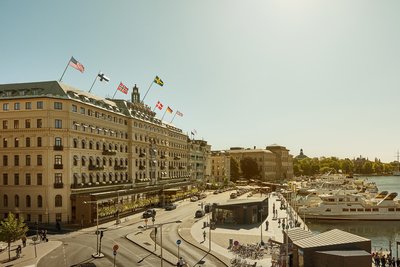
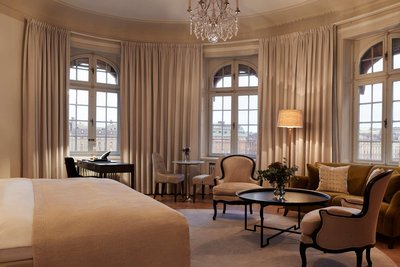
Staying at Grand Hôtel Stockholm was an absolute highlight of my trip to Stockholm. The location is unbeatable—my room faced the bay with a direct view of the Royal Palace, and every morning I woke up to breathtaking views of the water sparkling in the sunlight. The hotel itself has a rich history, but it’s been beautifully maintained with elegant decor that blends classic charm with modern comfort. Everything was spotless—from the spacious, well-appointed rooms to the pristine bathrooms. The staff went above and beyond with their warm, attentive service; they made me feel truly welcome throughout my stay. Whether you're here for business or leisure, this is one of those rare places where luxury meets authenticity. I’d definitely come back without hesitation.

Sheraton Stockholm Hotel
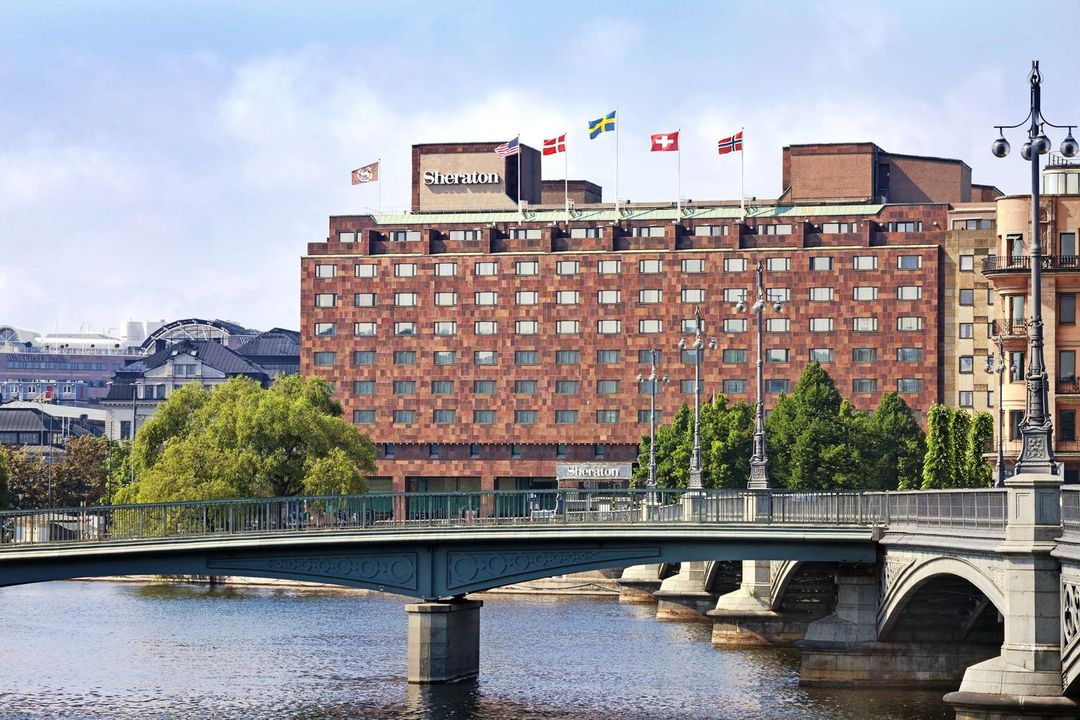
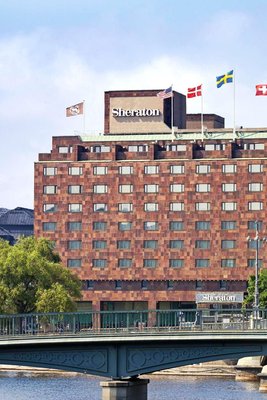
Staying at the Sheraton Stockholm Hotel was an absolutely delightful experience. From the moment we arrived, everything felt premium and well thought out. The room was spacious, impeccably clean, and filled with thoughtful touches—comfortable beds, modern amenities, and excellent lighting. Breakfast was a highlight: a wide variety of fresh, high-quality options including hot dishes, pastries, and local specialties. The location is fantastic—just a short walk from the train station, making it super convenient for exploring the city or heading to the airport. Every detail, from staff service to room design, lived up to the 5-star standard. I’d highly recommend this hotel to anyone visiting Stockholm—it’s a perfect blend of comfort, convenience, and quality.

At Six
This was my second visit to Stockholm and, once again, I chose to stay at At Six – and it didn’t disappoint. The location is unbeatable: right next to the train station, making getting around the city super easy. We loved how convenient everything was, especially with luggage or early departures. The staff were friendly and helpful throughout our stay, adding a nice touch to the experience. Breakfast was excellent – a generous spread with lots of variety, perfect for starting the day. That said, there’s room for improvement in terms of cleanliness. We noticed quite a bit of dust in the room, which triggered my child’s hay fever symptoms. It’s something that could definitely be addressed with better maintenance. Still, overall, the hotel offers great value, especially considering the central location and warm service. I’d definitely recommend it for travelers looking for comfort and convenience in the heart of Stockholm.

Hotel Reisen, in the Unbound Collection by Hyatt
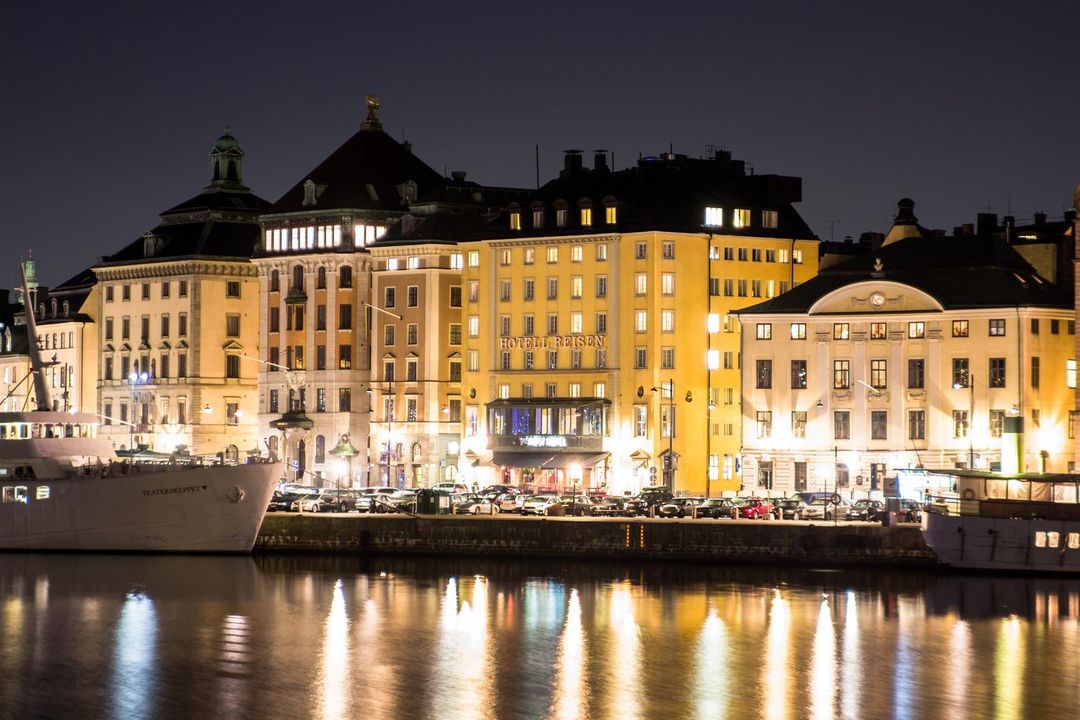
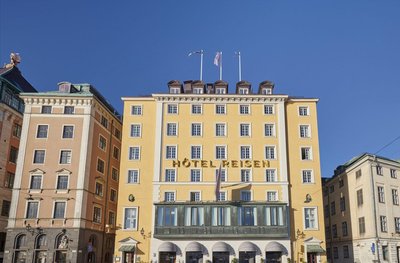
Staying at Hotel Reisen in the heart of Old Town was an absolute delight. Right in the middle of historic Stockholm, every major attraction is within a 5-10 minute walk—perfect for exploring on foot. The hotel is part of Hyatt’s Unbound Collection, and it shows: attentive service, thoughtful touches, and a warm, authentic vibe. From check-in to checkout, everything felt seamless. The room was spacious, beautifully designed, and quiet despite being in such a central location. I appreciated how easy it was to access everything—restaurants, museums, cobblestone streets—all just steps away. For my first visit to Stockholm, this was the ideal base. It’s not just a place to sleep—it’s part of the experience.

Bank Hotel, a Member of Small Luxury Hotels of the World
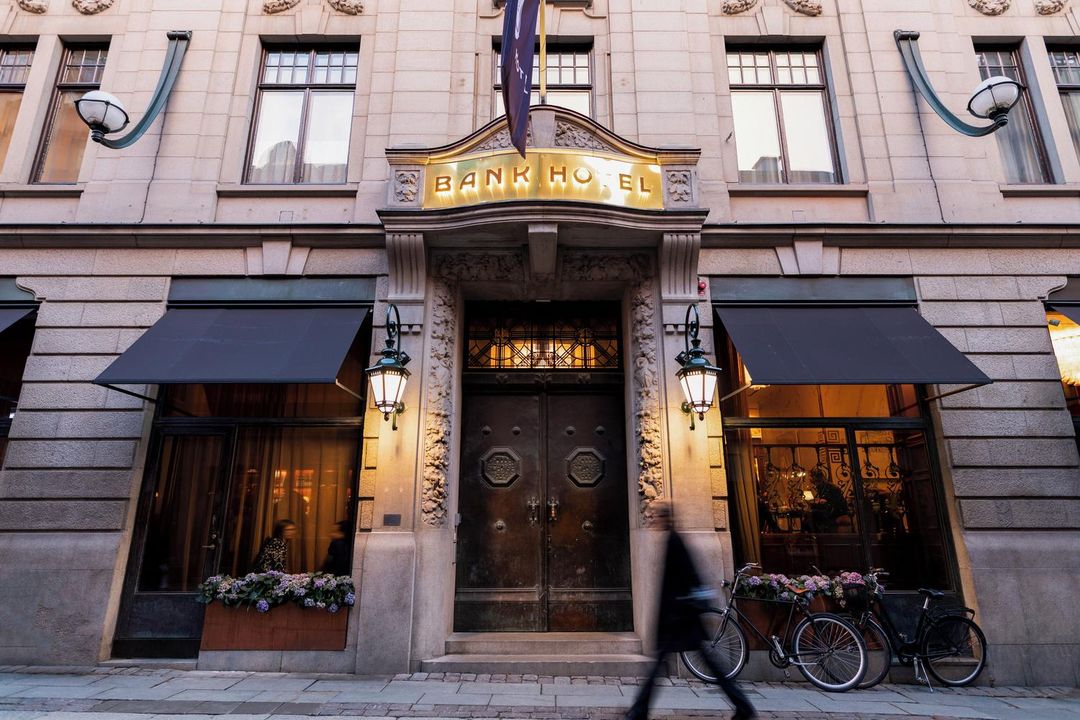
Staying at Bank Hotel in Stockholm was an absolute delight. The location is perfect—everything from shopping to top tourist attractions is just a short walk away, making exploration effortless. The room design is thoughtful and refined, with little details like a delicate hydroponic flower on the bedside table adding a personal touch. The bath amenities were Diptyque—luxurious and fragrant, turning every shower into a mini spa moment. Breakfast was beautifully presented, offering a sophisticated yet timeless European experience. Despite the high-end feel, the hotel doesn’t feel outdated at all—it’s modern, elegant, and full of character. A truly memorable stay that exceeded expectations. I’d return in a heartbeat.

Villa Dagmar
Our stay at Villa Dagmar was absolutely wonderful! The location couldn’t be better—right in the heart of Stockholm, just steps away from the vibrant Ostermalms Food Hall. Everything about the hotel felt fresh and spotless, and the bed was incredibly comfortable—perfect for a good night’s sleep. Our room had a window facing the atrium breakfast area, which added such a cozy, homely touch. We enjoyed our morning meals there, surrounded by natural light and greenery—so peaceful and inviting. The staff were friendly, the atmosphere warm, and the whole experience felt like coming home. I’d 100% book here again next time I’m in Stockholm!

Nobis Hotel Stockholm, a Member of Design Hotels™
I absolutely loved this hotel — it’s hard to put into words just how much I enjoyed my stay. From the moment I walked in, the design was stunning: clean, stylish, and thoughtfully curated. It’s easy to see why it’s part of Design Hotels™. The room is on the smaller side, but honestly, that’s totally fair given its unbeatable location — right next to boutique shops and just steps from everything. What really stood out? The attention to detail. Everything from the plush bedding and soft towels to the slippers felt luxurious. And the toiletries? All Byredo — the scent was subtle yet elegant. But the real game-changer? A proper bidet. In Europe, that’s still a rarity, so it made a big difference for me. Staff were incredibly kind and always available — even at 1 a.m., when I called about a forgotten tote bag, someone brought it up to my room without hesitation. That kind of service goes beyond expectations. Breakfast was simple but excellent: fresh ingredients, delicious pastries, and homemade jam that tasted like heaven. Honestly, the value was outstanding for the quality. If I ever return to Stockholm, this will be my first choice. I genuinely fell in love with the place.

Ett HEM
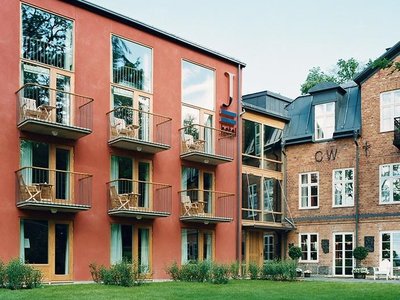
Staying at Ett HEM in Stockholm was an absolute highlight of my trip—truly one of the best boutique hotels I’ve ever experienced. Nestled in a quiet, upscale residential neighborhood, the hotel feels like a hidden gem. The property consists of two older but beautifully maintained buildings, each with its own shared spaces. The first building houses the front desk, a cozy lounge area, and a charming restaurant. The second building has communal areas on floors one through three, including another dining space on the ground floor. Every common area is thoughtfully designed with warmth and comfort in mind—there’s a real sense of personality and style throughout. Each day, fresh pastries and water are offered in the lounge, and guests can help themselves to alcoholic drinks (paid for by self-registration in a notebook). The restaurants are exceptional and require reservations—unfortunately we missed out on the 7-course tasting menu during a local festival, but the 5-course option we enjoyed over two nights was outstanding. The food was fresh, creative, and beautifully presented—around 1,000 RMB per person, which felt completely justified. Breakfast was simple but high-quality, all made fresh daily without options—just pure freshness and care in every bite. Staff are naturally reserved, typical of Swedish hospitality, but genuinely kind and helpful when approached. Free snacks are available in-room, though drinks aren’t complimentary. No kettle provided, but they’ll happily lend you one upon request. We couldn’t book a larger room—the bigger ones sell out fast—but even the standard room was well-appointed, with everything we needed, including full-sized organic skincare products. Honestly, this place exceeded every expectation. I left with several bottles of their signature bath and body products in my suitcase—proof of how much I loved it. If you’re looking for a refined, intimate, and thoughtfully curated stay in Stockholm, Ett HEM should be top of your list.

Hotel Diplomat
The location is fantastic—especially if you're traveling light, as the train station is just a short walk away. It's incredibly close to Gamla Stan, and both Djurgården and the City Hall Train Station are within easy walking distance. Staying in the diplomatic district adds a quiet, upscale vibe to the experience. I stayed in a single room, and was pleasantly surprised by how spacious it felt—more than expected for Sweden. The room had modern amenities, and best of all, it had windows that open for fresh air, which made the space feel airy and comfortable. In a country where single rooms can often feel cramped, this one stood out for its size and quality. I’d absolutely consider staying here again on my next visit to Stockholm—it’s a top pick for convenience, comfort, and charm.

Radisson Collection Strand Hotel, Stockholm
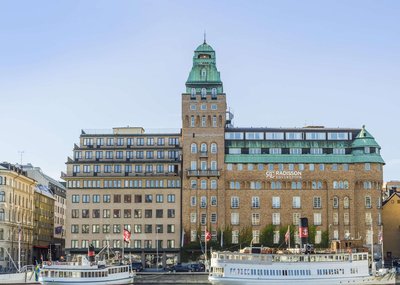
Staying at the Radisson Collection Strand Hotel in Stockholm was an absolute delight. The moment you step into the room, you're greeted with a stunning view of the lake—peaceful and breathtaking, especially in the morning light. The hotel strikes the perfect balance between modern elegance and cozy comfort. The staff are friendly and attentive without being intrusive, and the location is ideal for exploring the city on foot. You can easily walk to local cafes, boutiques, and parks, all within minutes. It’s also just a short stroll from public transit if you want to venture further. The attention to detail, from the thoughtful decor to the well-appointed rooms, makes this place feel like a true retreat. Highly recommend for travelers who value both tranquility and convenience.

Radisson Blu Royal Viking Hotel, Stockholm
Just a short walk from the Arlanda Express, this hotel is perfect for travelers looking to make the most of their time in Stockholm. The location couldn’t be better—easy access to the city center and all its attractions. The room was spacious, spotlessly clean, and offered a peaceful retreat after a full day of exploring. Breakfast was outstanding—fresh, well-served, and with a great variety. The staff went above and beyond to ensure everything was perfect, always smiling and ready to help. It’s clear they truly care about guest comfort. A top-tier stay with excellent value, highly recommended.

Hotel Hasselbacken
Staying at Hotel Hasselbacken was an absolute delight. The location is unbeatable—just a short walk from the city center and perfect for exploring Stockholm on foot. The breakfast buffet was exceptional, with fresh, high-quality options that kept us energized throughout the day. The staff went above and beyond to make us feel welcome, offering helpful tips and warm smiles all around. Whether you're here for business or leisure, this hotel delivers comfort, convenience, and great value. I highly recommend it—this stay truly exceeded my expectations.