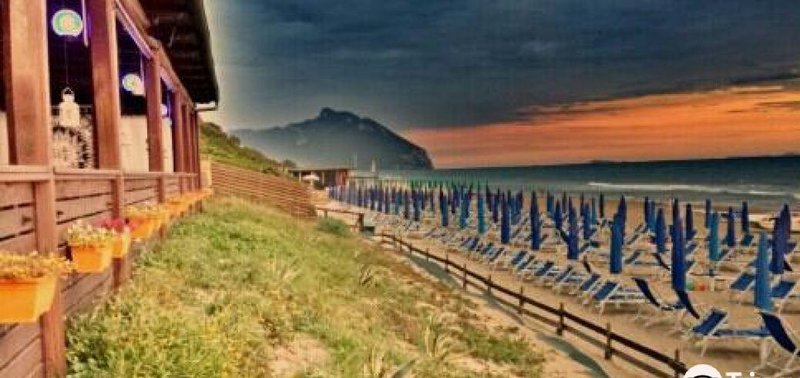
Hotels in Subbiano
Discover your perfect stay in Subbiano.
Subbiano(Italy) Travel 2026: Cheap Flights, Hotels & Top Attractions
Popular Landmarks in Subbiano
Discover the most iconic attractions in Subbiano
Recommended Hotels in Subbiano
Find the perfect place to stay in Subbiano
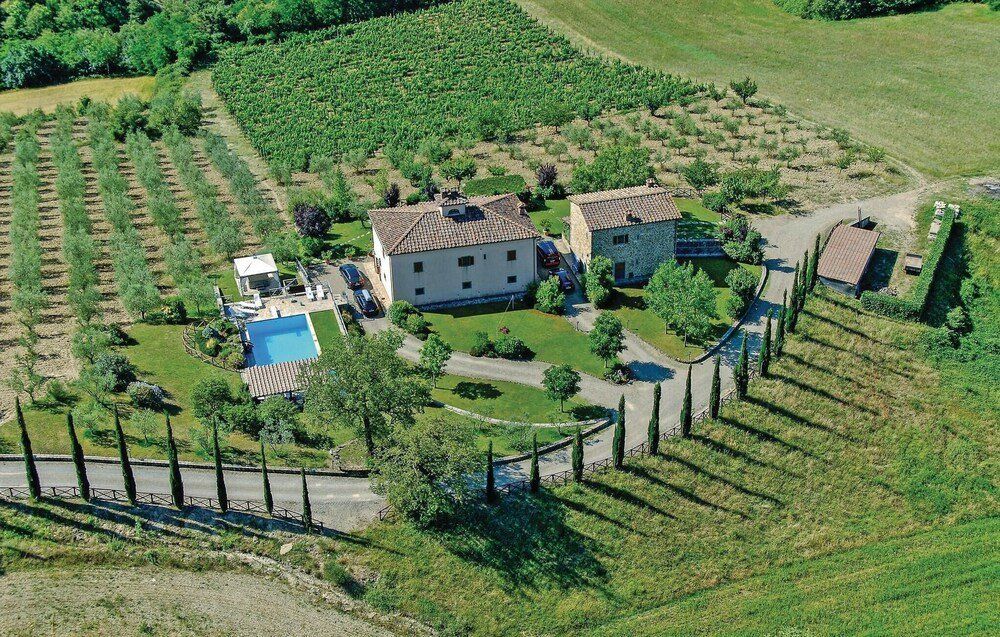
Villa Castelluccio
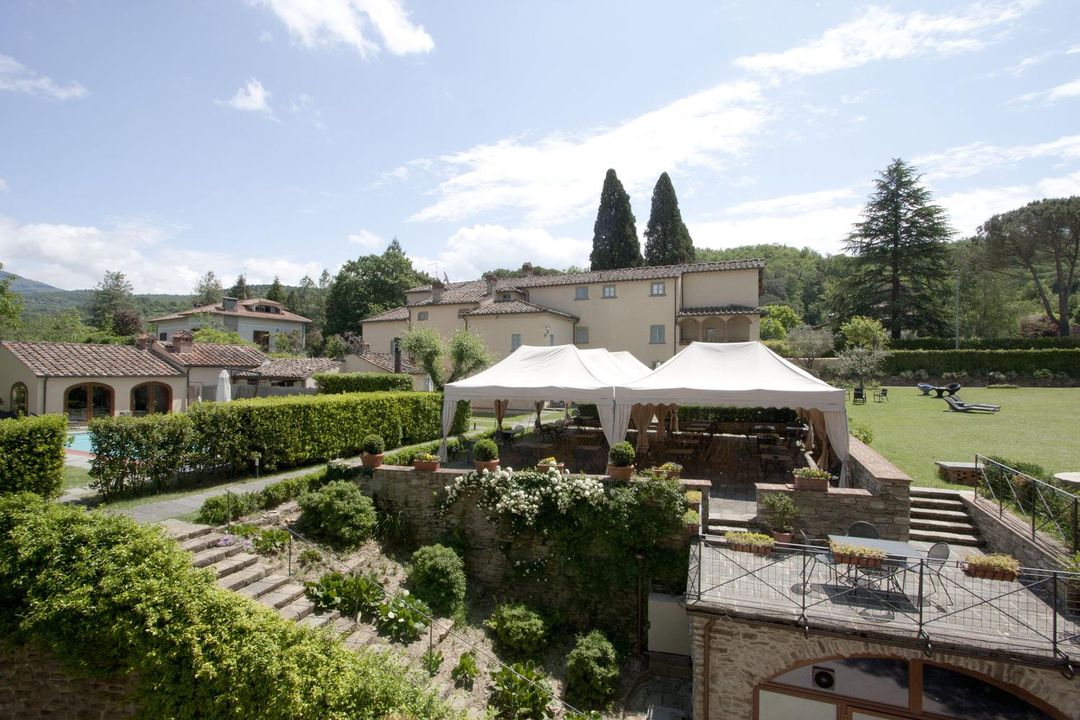
Torre Santa Flora Hotel Relais
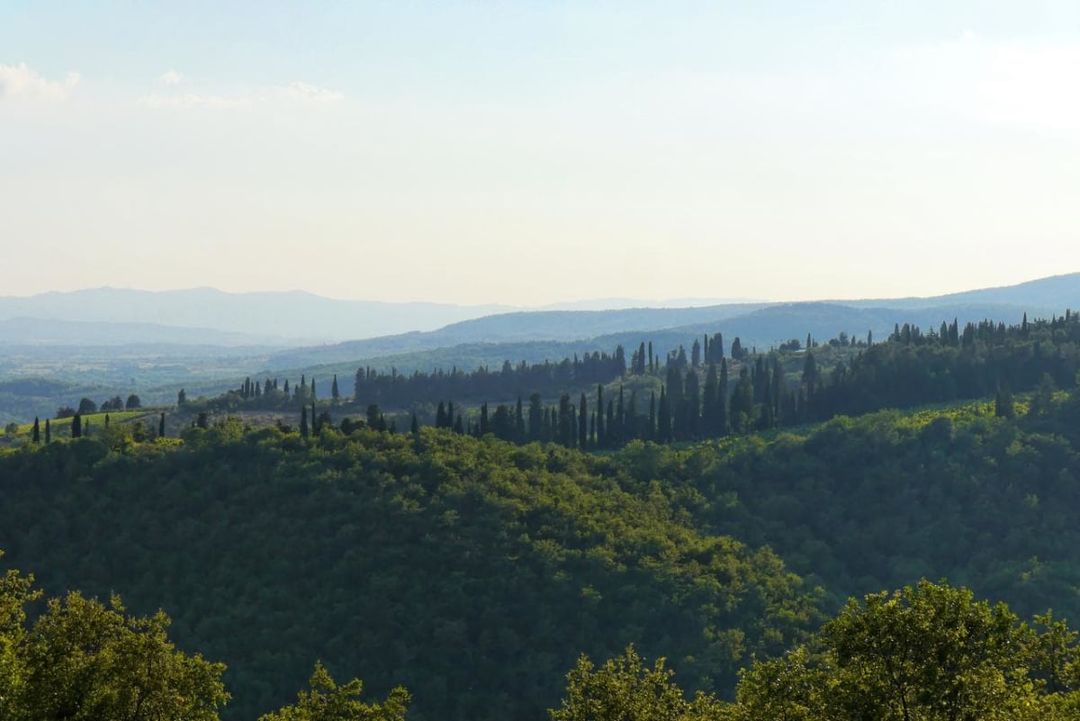
Il Crinale
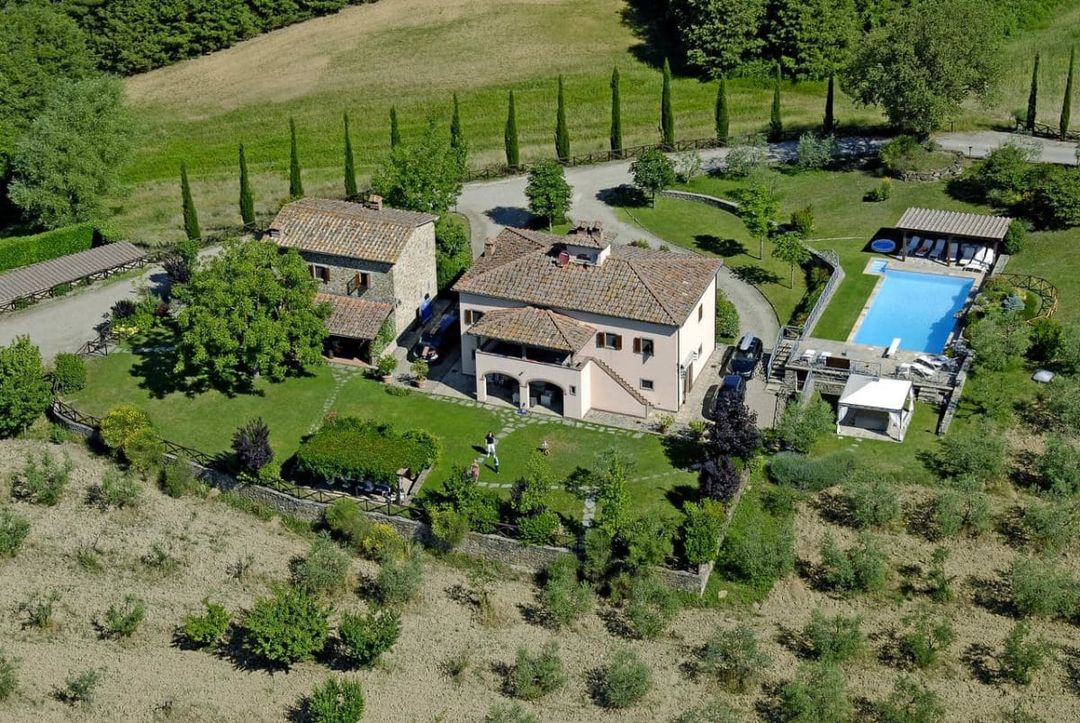
Agriturismo Il Castelluccio
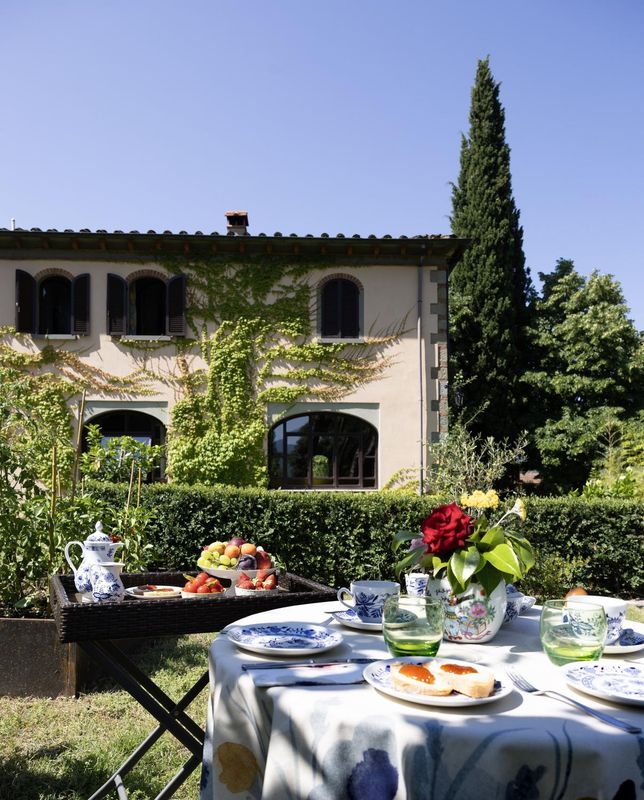
Villa la Ginestra - Charming Country Home
Best Hotels in Subbiano
Discover curated hotel collections in Subbiano
Portrait Milano - Lungarno Collection
Casa Cipriani Milano
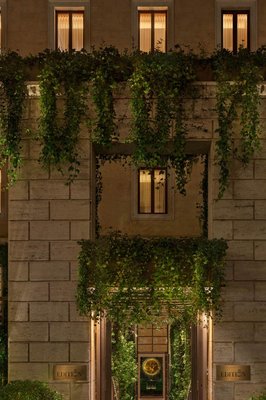
The Rome Edition
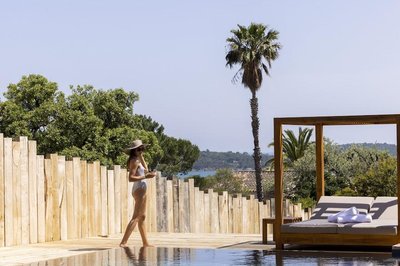
Les Regalia Hôtel & Spa
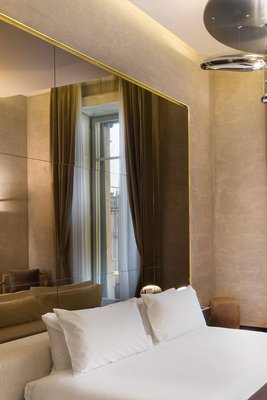
The Glamore Milano Duomo
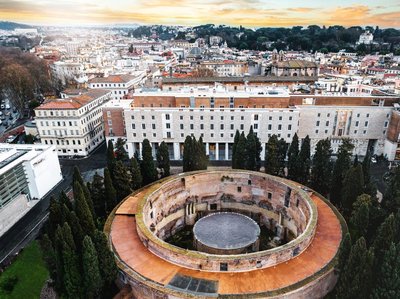
Bulgari Hotel Roma
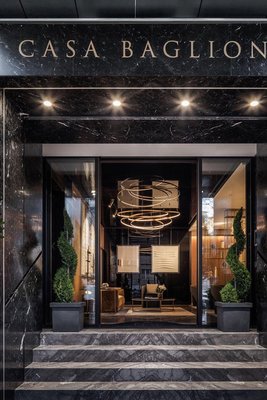
Casa Baglioni Milan - the Leading Hotels of the World
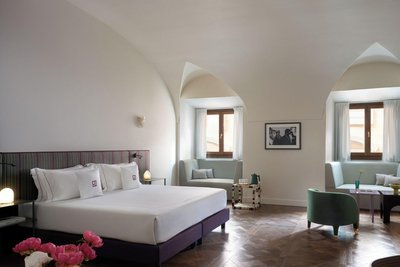
Palazzo Talìa - Small Luxury Hotels of the World
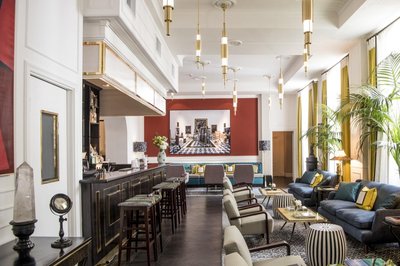
Hotel Vilòn
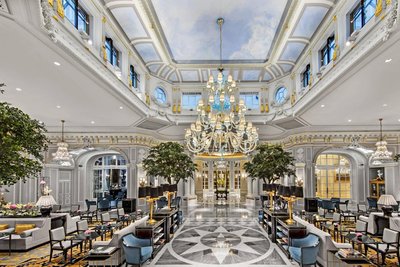
The St. Regis Rome
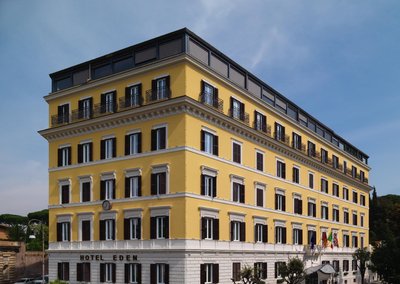
Hotel Eden - Dorchester Collection
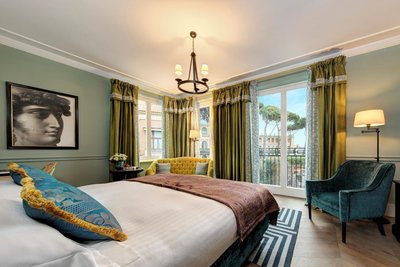
Rocco Forte Hotel de La Ville
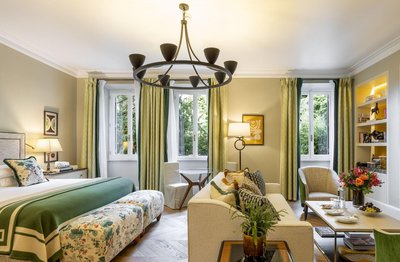
Rocco Forte Hotel De Russie
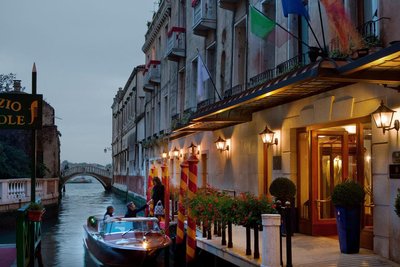
Baglioni Hotel Luna
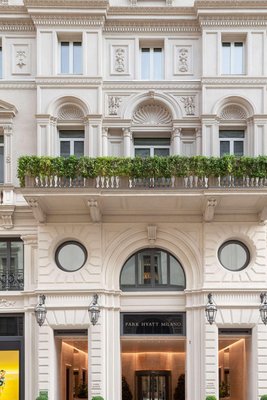
Park Hyatt Milan
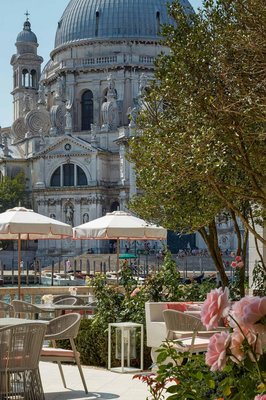
The St. Regis Venice
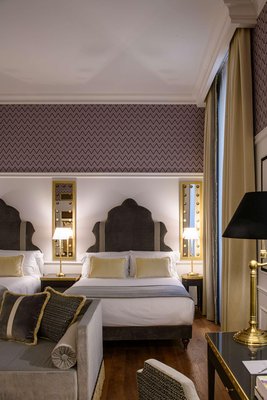
Il Tornabuoni Unbound
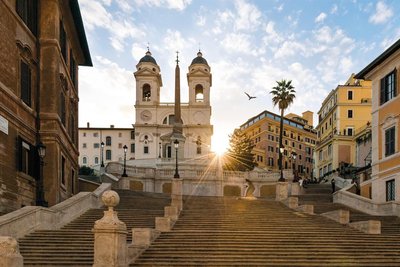
Hassler Roma
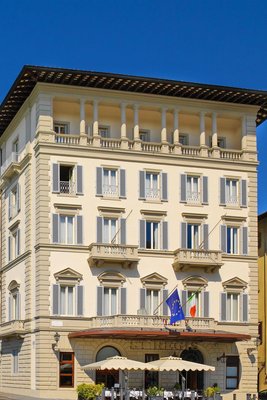
The St. Regis Florence
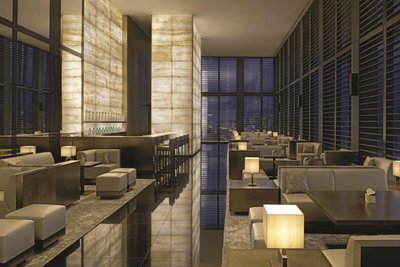
Armani Hotel Milano
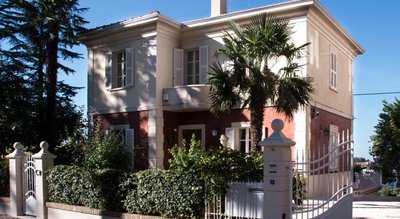
Residenza Ambrogi
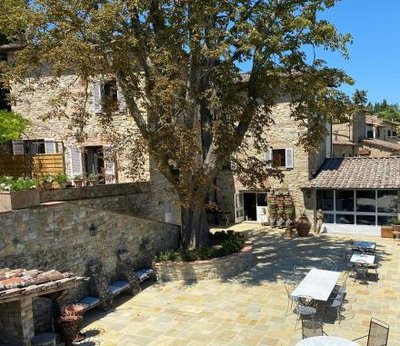
Villa la Petraia
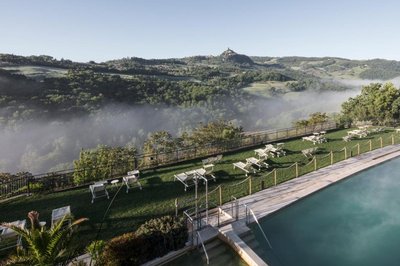
La Posta Hotel & Thermal Spa
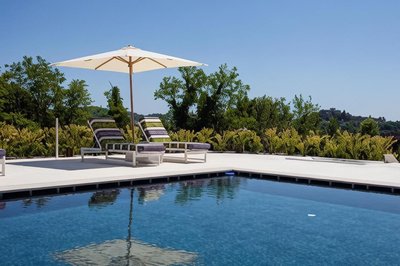
Villa Francesca Relais

Castello di Pandora
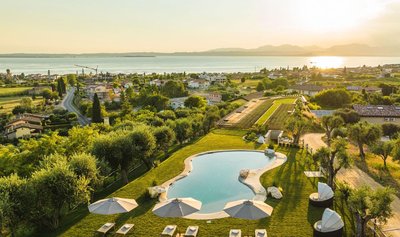
Privilegium Lazise
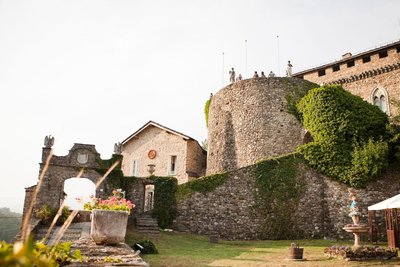
Castello di Compiano Hotel Relais Museum

Vigna Caio Relais & Spa
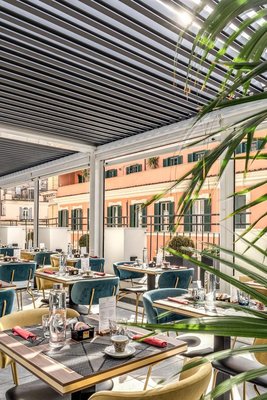
CC Palace Hotel
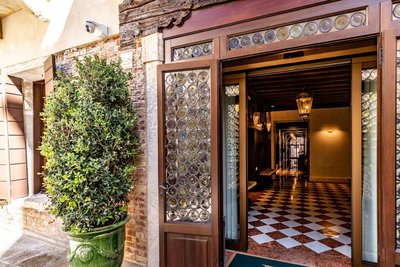
Palazzo Keller
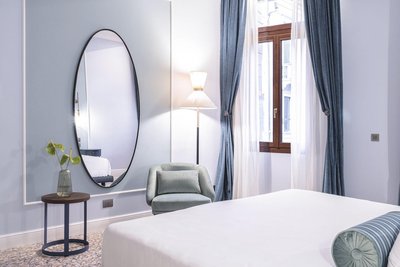
Be Mate Ponte di Rialto
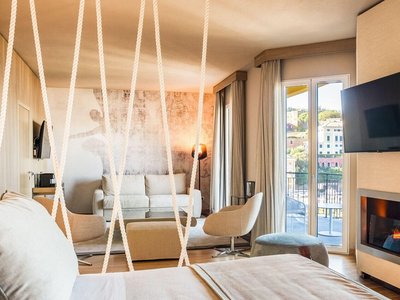
Miramare Suites
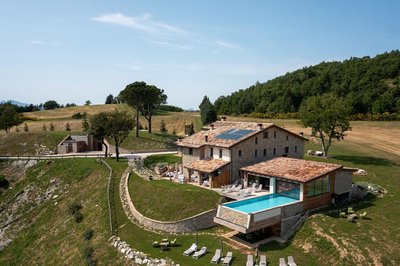
Aura Relais
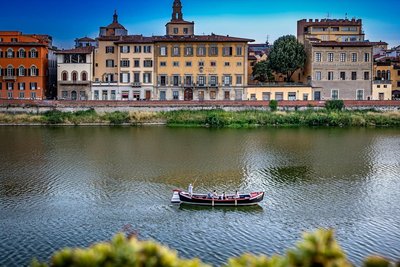
Il Rivalta
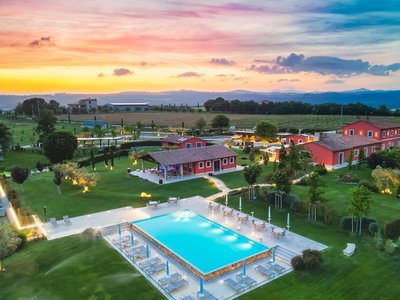
Tenuta Fogliani Resort & Natural Spa
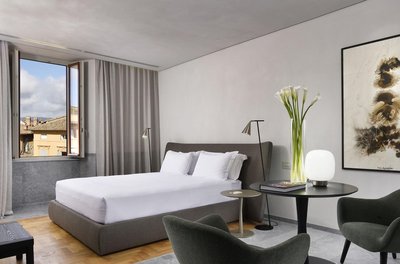
The Bank - Locanda Della Posta Dependance

Visionair Suites
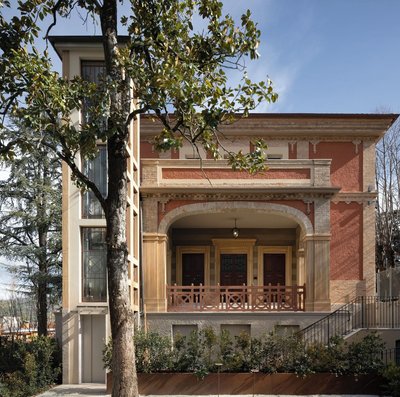
Interno Marche Design Experience Hotel
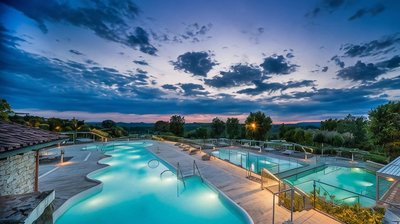
San Giovanni Terme Rapolano
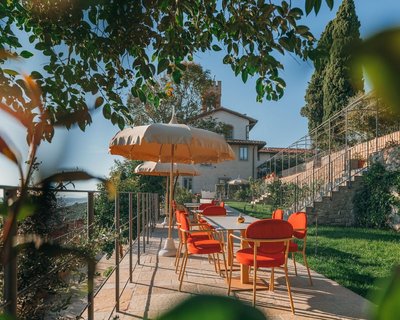
La Monastica Resort & Spa
Castello di Compiano Hotel Relais Museum
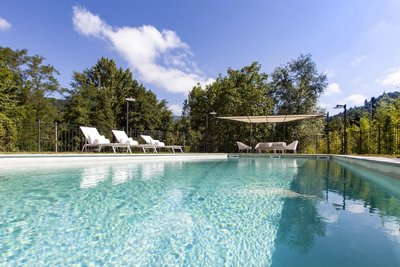
Castello di Pontebosio Luxury Resort
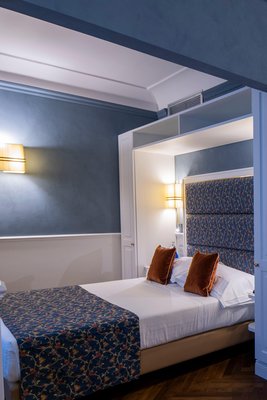
Rivoli Boutique Hotel
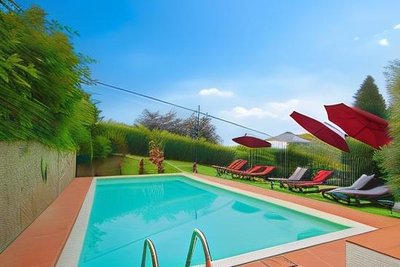
Hotel Villa Sermolli
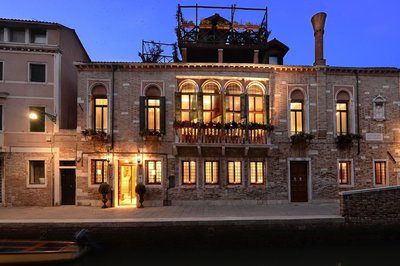
Palazzetto Madonna
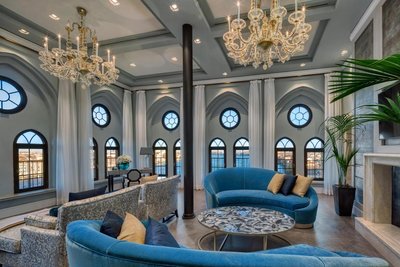
Hilton Molino Stucky Venice
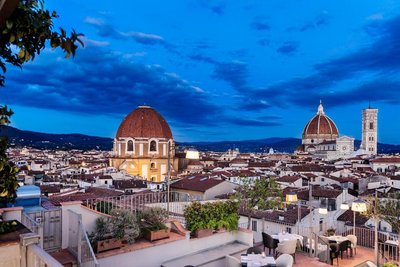
Grand Hotel Baglioni
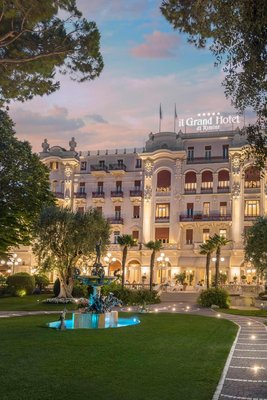
Grand Hotel Rimini

Palazzetto Pisani Grand Canal
The St. Regis Rome
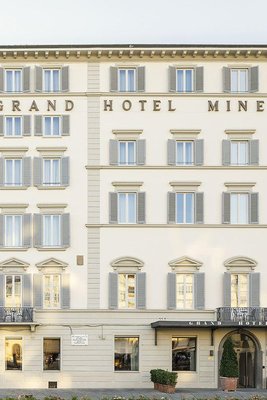
Grand Hotel Minerva
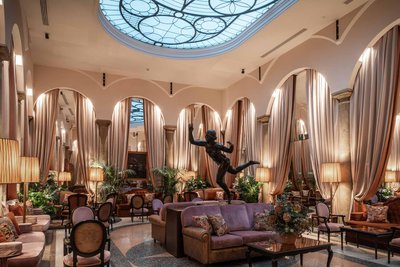
Grand Hotel et de Milan - the Leading Hotels of the World
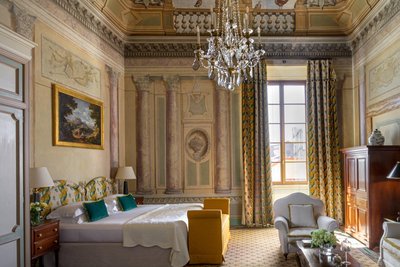
Grand Hotel Continental Siena - Starhotels Collezione
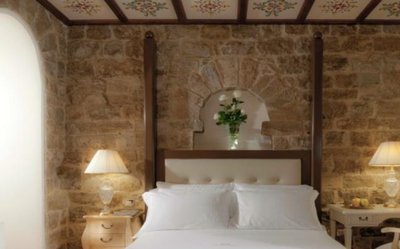
Golden Tower Hotel & Spa
Baglioni Hotel Luna
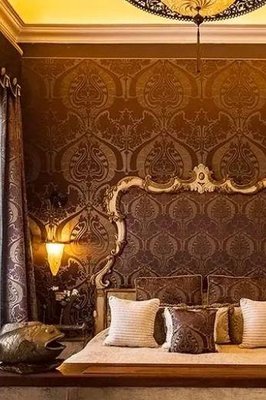
Hotel Metropole Venezia
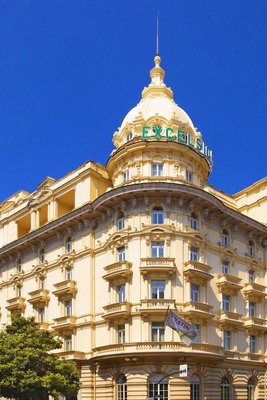
The Westin Excelsior, Rome
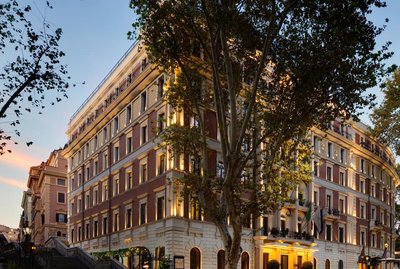
InterContinental Rome Ambasciatori Palace
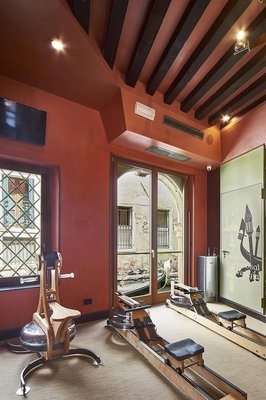
Hotel Saturnia & International
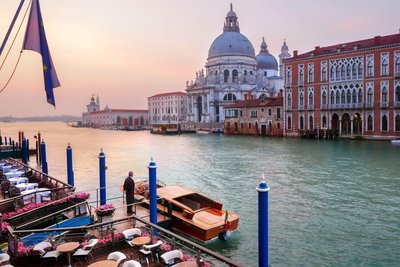
The Gritti Palace, a Luxury Collection Hotel, Venice
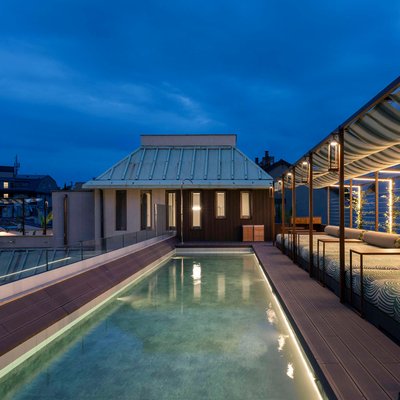
Radisson Collection Hotel Santa Sofia Milan
Bulgari Hotel Roma
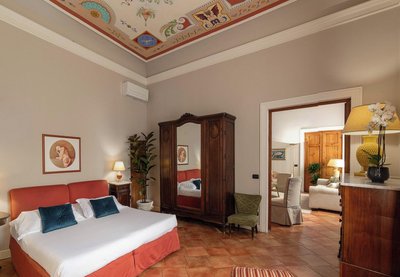
Palazzo Alfani - Residenza d'Epoca
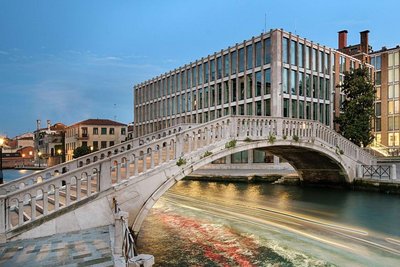
Avani Rio Novo Venice Hotel
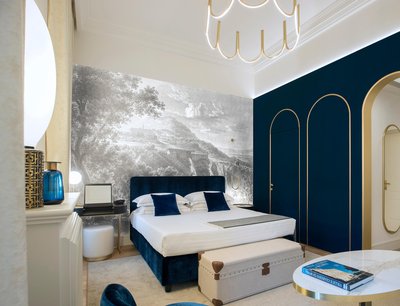
Elizabeth Unique Hotel Rome By Design Hotels
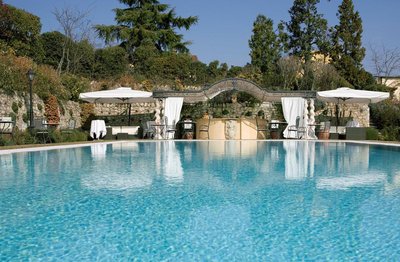
Byblos Art Hotel Villa Amista
Grand Hotel Minerva
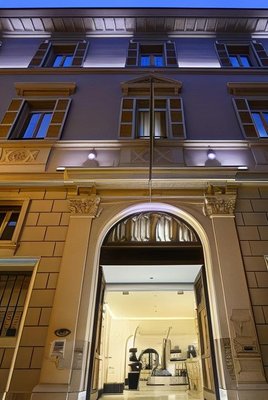
The First Arte - Preferred Hotels & Resorts
Il Tornabuoni Unbound
Hassler Roma
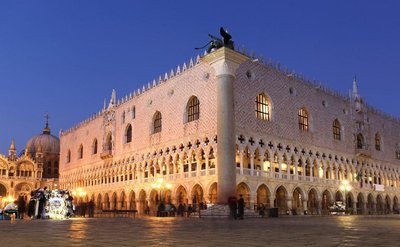
Ai Mori d'Oriente
Hotel Saturnia & International
The Gritti Palace, a Luxury Collection Hotel, Venice
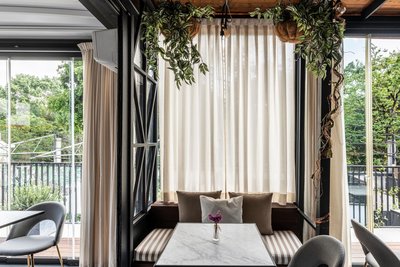
Horti 14 Borgo Trastevere Hotel
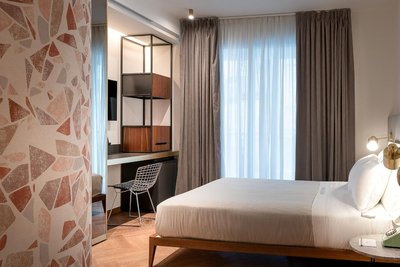
The Box Riccione - Adults Only
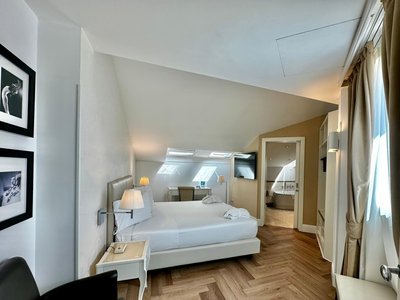
Maison Milano | UNA Esperienze
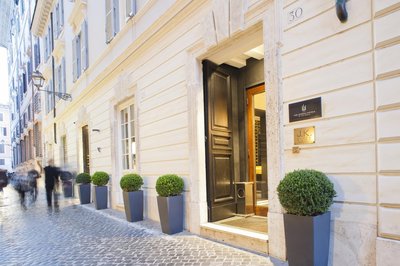
J.K. Place Roma - the Leading Hotels of the World
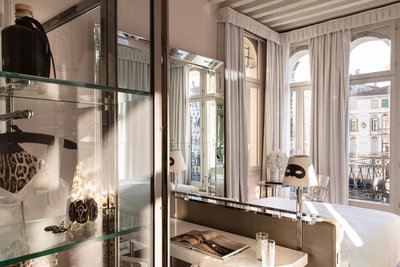
Palazzina Grassi
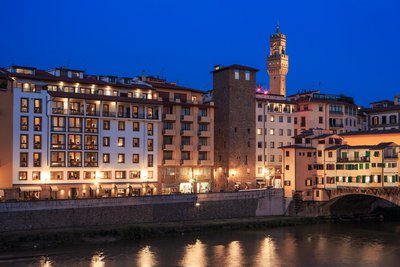
Portrait Firenze - Lungarno Collection
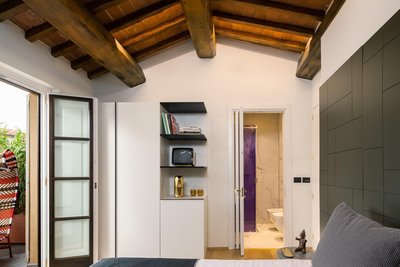
Hotel Milu Florence
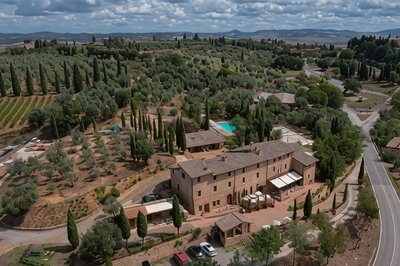
Il Miraggio in Val d'Orcia Relais & Spa
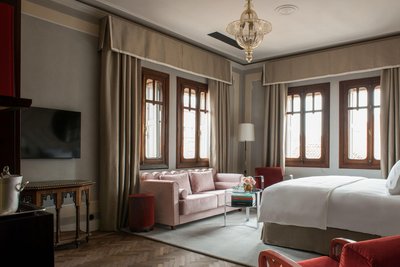
Nolinski Venezia - Evok Collection
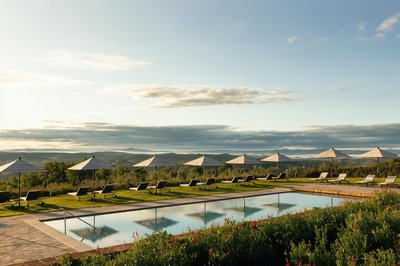
The Club House
Radisson Collection Hotel Santa Sofia Milan
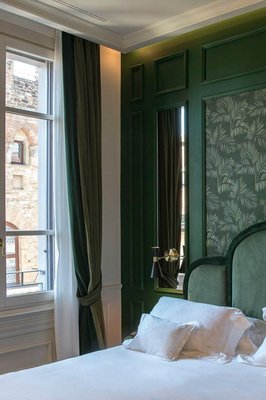
Hotel la Gemma
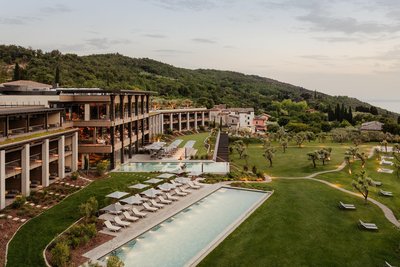
Cape of Senses
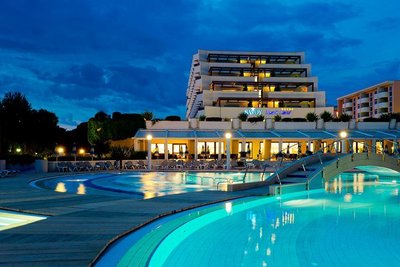
Savoy Beach Hotel & Thermal Spa
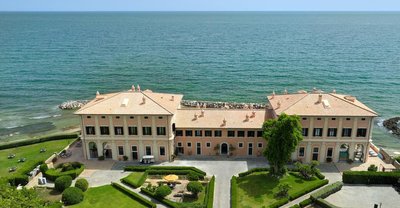
La Posta Vecchia Hotel
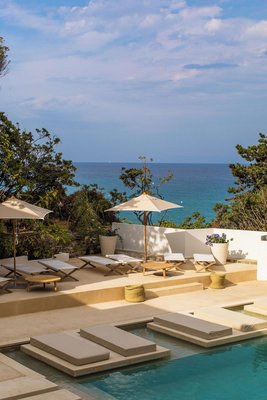
Misincu
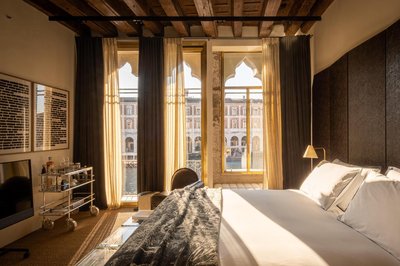
The Venice Venice Hotel
Gardea SoulFamily Resort
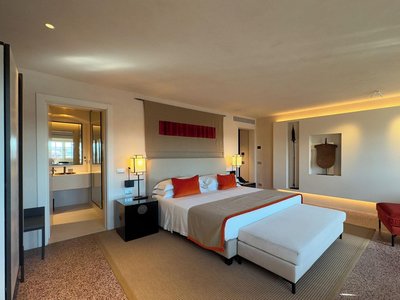
Hotel Palazzo Durazzo Suites
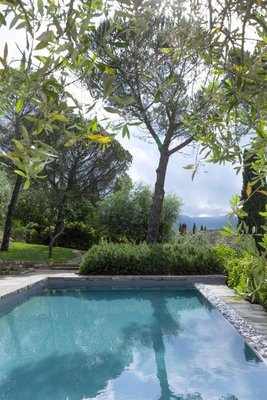
Pieve Aldina Relais & Châteaux
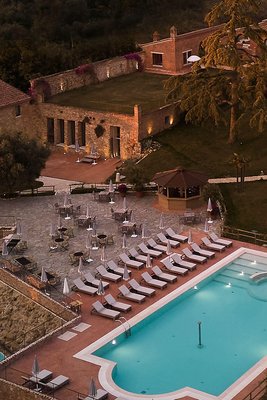
Precise Tale Poggio Alla Sala
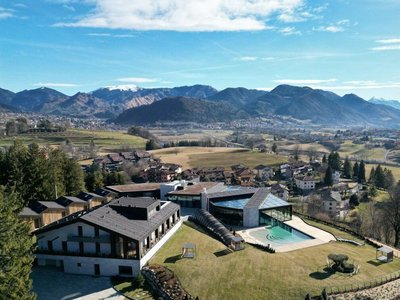
Collina Luxury Relais
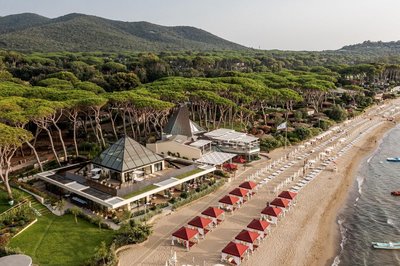
Cala Beach Resort
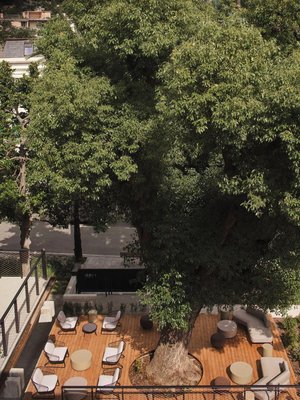
Capitolo Riviera

Palazzo Roma
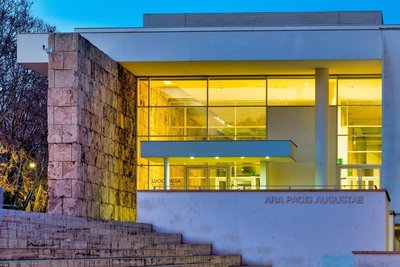
Palazzo Shedir - the Leading Hotels of the World
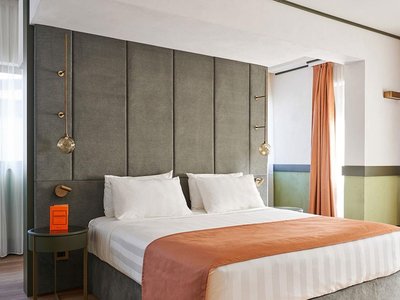
NEMI Hotel
Casa Baglioni Milan - the Leading Hotels of the World
Grand Hotel Baglioni
Hotel Eden - Dorchester Collection
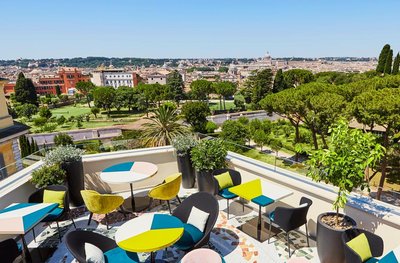
Sofitel Roma Villa Borghese
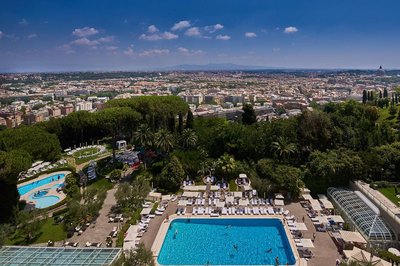
Rome Cavalieri, A Waldorf Astoria Hotel
The First Arte - Preferred Hotels & Resorts
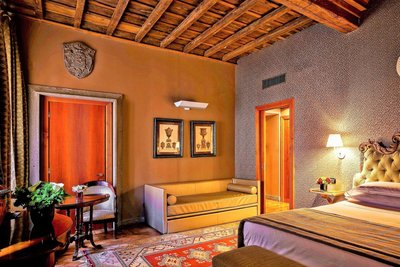
Hotel Valadier
Baglioni Hotel Luna
The St. Regis Venice
Hassler Roma
The St. Regis Florence
Armani Hotel Milano
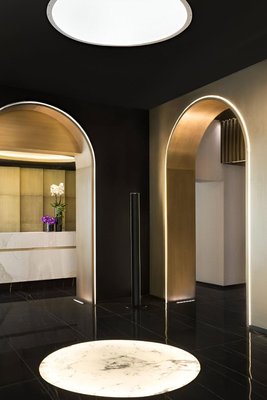
The Pantheon Iconic Rome Hotel, Autograph Collection
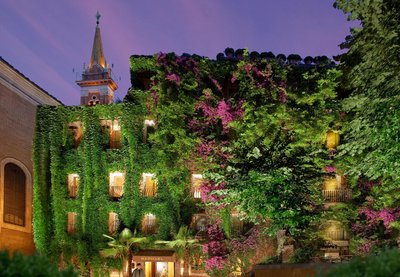
Bio Hotel Raphael - Relais & Châteaux
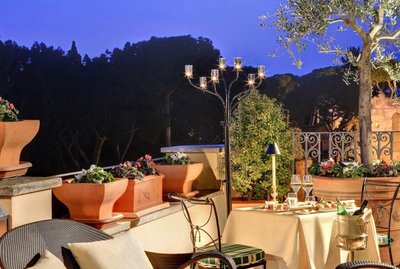
Hotel Splendide Royal - the Leading Hotels of the World
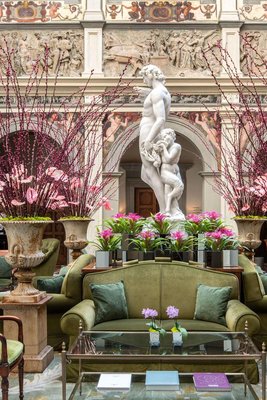
Four Seasons Hotel Firenze
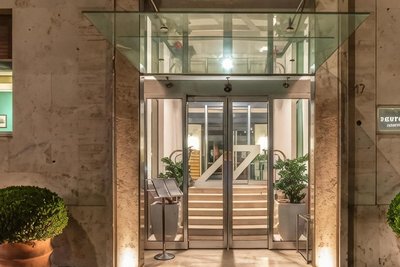
47 Boutique Hotel
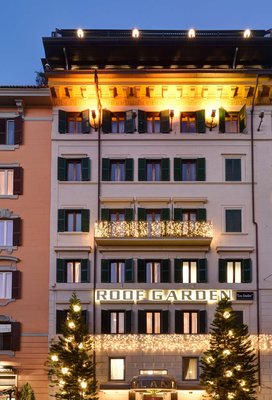
Atlante Star Hotel
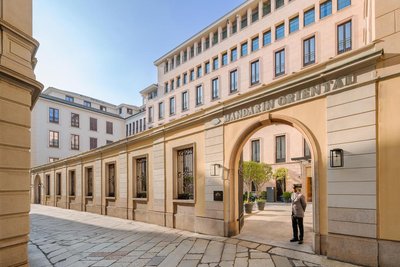
Mandarin Oriental, Milan
Portrait Firenze - Lungarno Collection
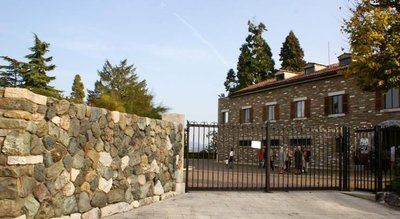
Villa Ottolenghi Wedekind
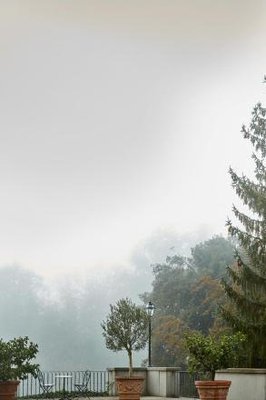
Villa la Commenda Concordia
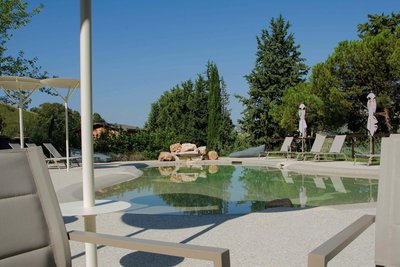
Colle Serrano Relais & Spa
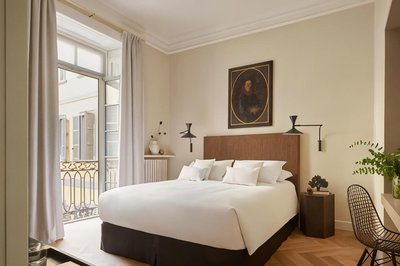
Crossing Manzoni
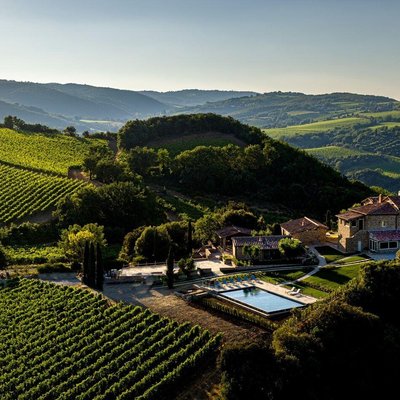
Mastrojanni Relais
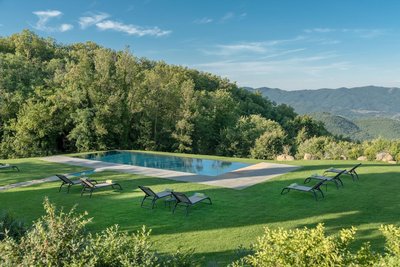
Badia di Pomaio
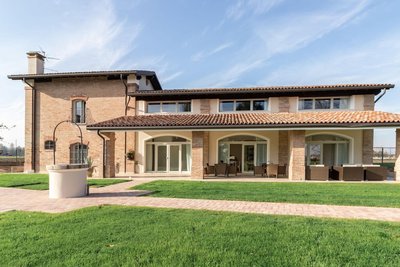
Monteborre
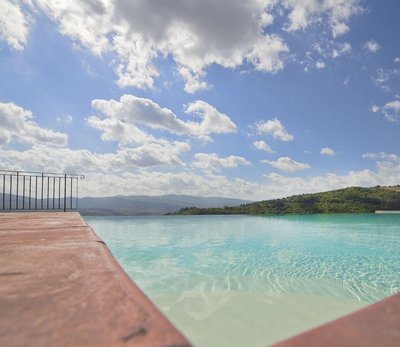
Castello Vicchiomaggio
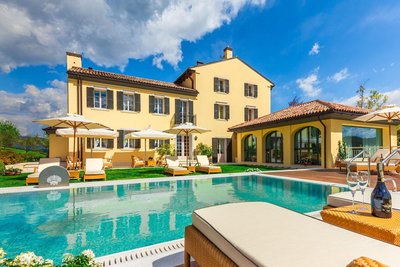
Romantik Relais d'Arfanta
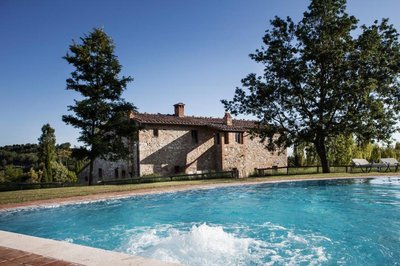
B&B - Podere Monti
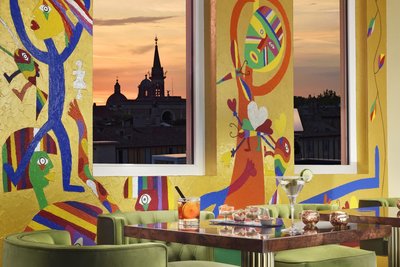
Lifestyle Suites Rome
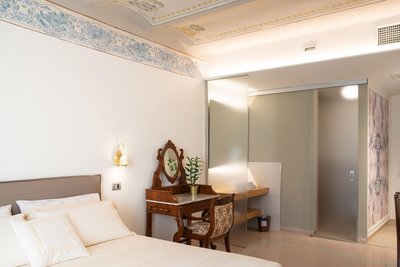
Portica10
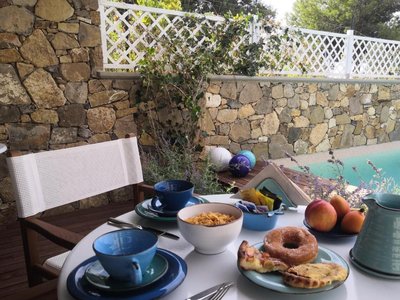
Stile Libero b&b
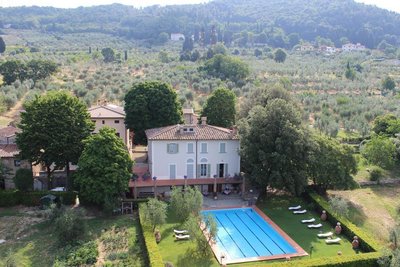
Borgo I Vicelli
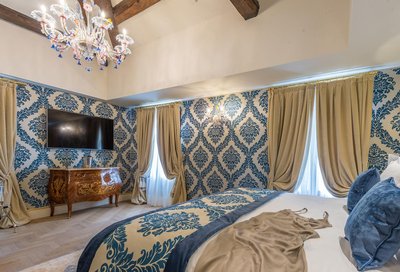
Ai Patrizi di Venezia
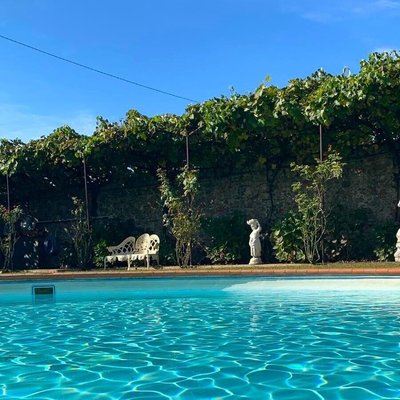
Villa la Preziosa
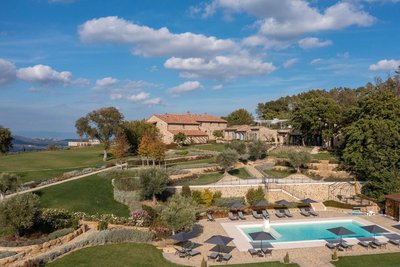
I Borghi Dell'Eremo
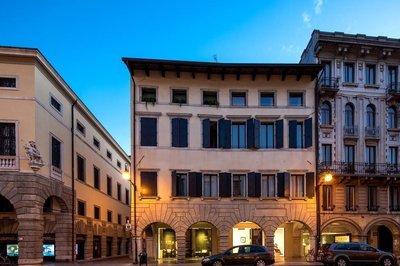
Mercatovecchio Luxury Suites
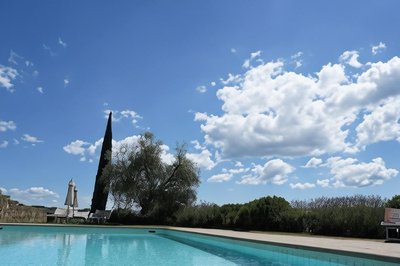
Wine Resort Dievole
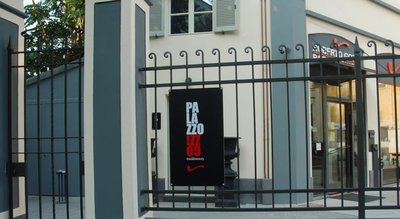
Palazzo Gozzi Bed & Beauty
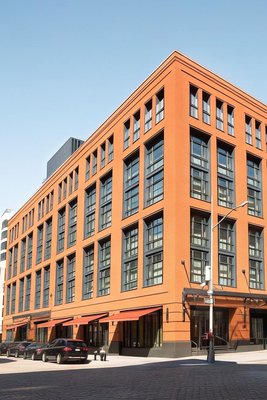
Hotel Barrière Fouquet's New York
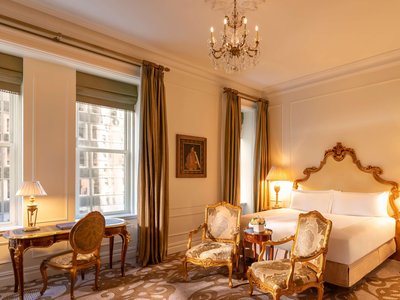
The Plaza - A Fairmont Managed Hotel
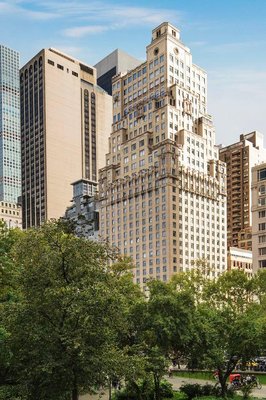
The Ritz-Carlton New York, Central Park
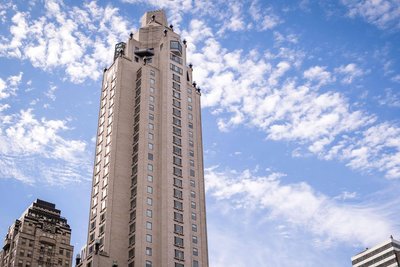
Four Seasons Hotel New York
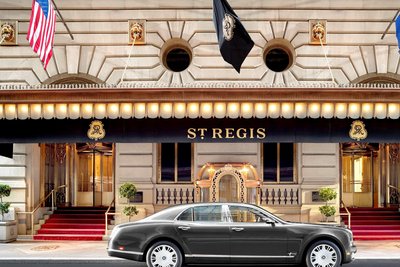
The St. Regis New York
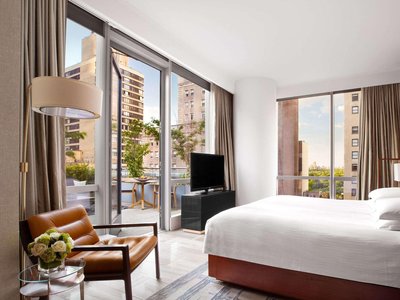
Park Hyatt New York
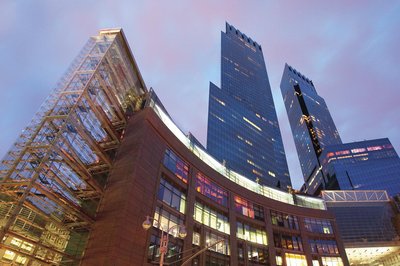
Mandarin Oriental New York
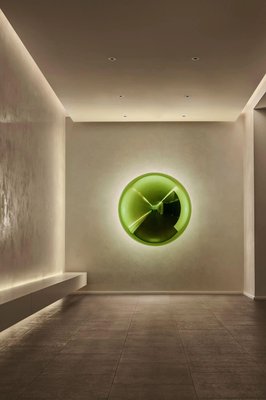
Times Square Edition New York
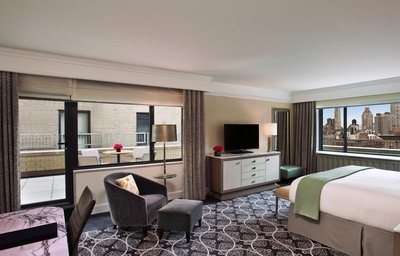
Loews Regency New York Hotel
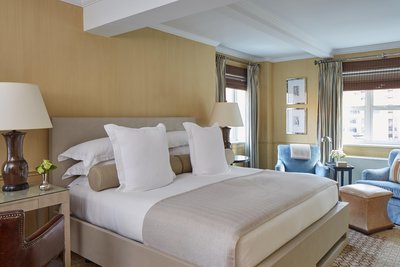
Lowell Hotel
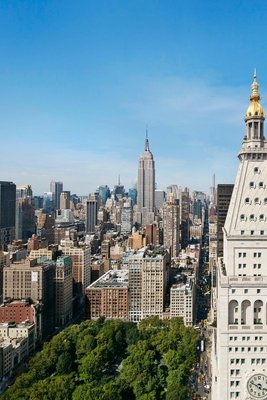
New York Edition
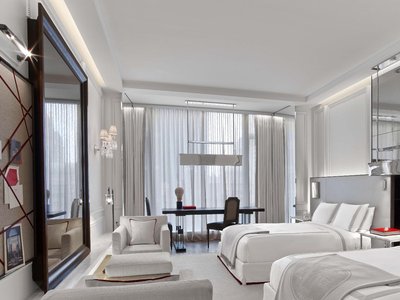
Baccarat Hotel New York
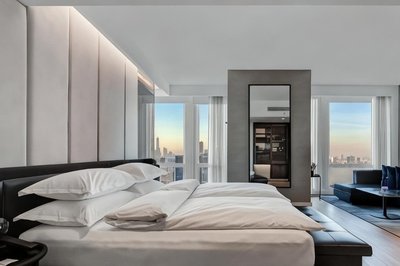
Equinox Hotel New York
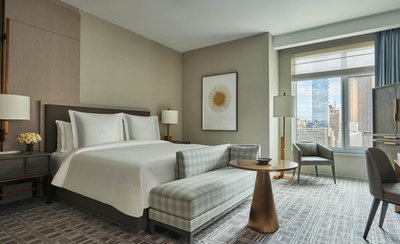
Four Seasons Hotel New York Downtown
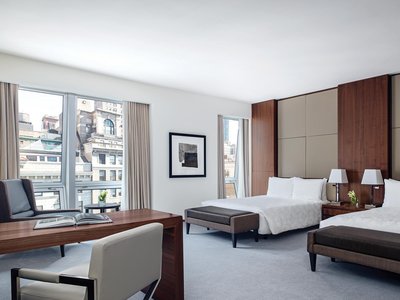
The Langham, New York, Fifth Avenue
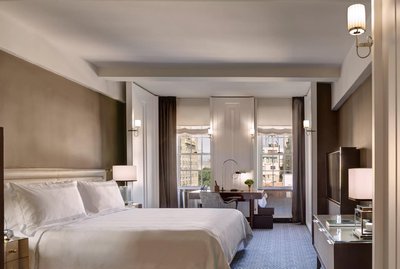
The Carlyle, A Rosewood Hotel

The Chatwal, in the Unbound Collection by Hyatt
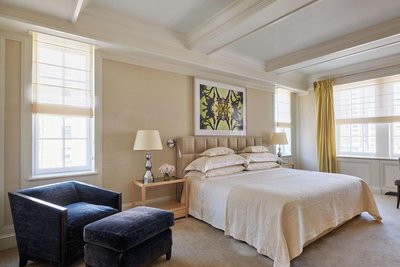
The Mark New York
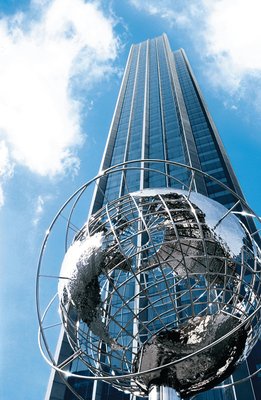
Trump International Hotel & Tower® New York
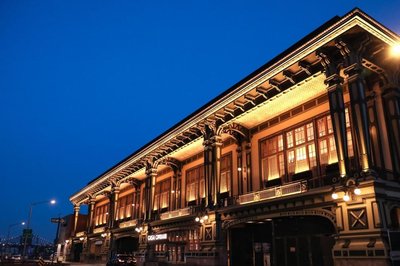
Casa Cipriani New York
Frequently Asked Questions about Traveling to Subbiano
Questions You Might Need to Know About Traveling to Subbiano
In Subiaco, the top choice for scenic views is Hotel Villa Montebello, nestled on a hillside overlooking the lush valley and ancient ruins. This historic mansion offers elegant rooms with private balconies, perfect for sunrise views over the Tiber River gorge. Another excellent option is Agriturismo La Selva, a restored farmhouse with panoramic terraces and organic gardens. Both properties emphasize sustainability and local craftsmanship, offering guests guided walks through olive groves and wine tastings from their own vineyards. The serene atmosphere and breathtaking vistas make them ideal for those seeking tranquility and natural beauty.
The historic center (Centro Storico) is the prime area for staying in Subiaco, as it places you within walking distance of key landmarks like the Abbey of Saint Benedict, the Roman Amphitheater, and the Ancient Aqueducts. Many boutique guesthouses and family-run pensions line the cobbled streets, preserving medieval charm. Additionally, the area hosts seasonal cultural events such as reenactments of monastic life and open-air concerts. Its central location also ensures convenient access to hiking trails leading to the Grotto of St. Benedict, making it perfect for history lovers and nature enthusiasts alike.
Visitors to Subiaco can participate in monastic workshops at the Benedictine Abbey, where they learn traditional manuscript illumination and Latin chanting. Another highlight is the ‘Mystery of the Grotto’ evening tour, a dramatic storytelling event held in the cave where St. Benedict once meditated. You can also join a local food tour featuring handmade pasta, pecorino cheese, and herbal liqueurs produced by nearby farms. These immersive experiences offer deep insight into the spiritual and culinary heritage of this ancient town nestled in the Sabine Hills.
Yes, Subiaco is highly suitable for families. The town features safe, pedestrian-friendly streets and numerous green spaces, including the Parco della Caffarella, which has playgrounds and picnic areas. Many guesthouses offer family suites and child-friendly activities like treasure hunts around the abbey grounds and guided nature walks. Nearby, the Rocca di Subiaco fortress provides interactive exhibits on medieval life. With minimal traffic and a calm atmosphere, Subiaco offers a peaceful retreat where children can explore history and nature safely.
Must-try dishes in Subiaco include Pasta alla Gricia – made with guanciale, black pepper, and Pecorino cheese – and Carciofi alla Giudia (Jewish-style artichokes), often served during seasonal festivals. Don’t miss the wild boar stew (Cinghiale in Umido), slow-cooked with herbs from the surrounding hills. Local wineries produce exceptional Montepulciano d'Abruzzo, perfect with meals. Many restaurants source ingredients directly from nearby farms, ensuring freshness. A visit to the weekly farmers' market is recommended for tasting homemade jams, honey, and artisanal bread.
From Rome, take the FL1 regional train from Termini Station to Subiaco station, a journey of about 1 hour. Trains run every 30 minutes during peak times. Alternatively, rent a car and drive via the SS611 highway, which takes roughly 50 minutes through scenic countryside. Taxis and shuttle services are available at the station but should be booked in advance. For those preferring guided tours, several companies offer day trips from Rome that include round-trip transport and an audio guide to the abbey and ruins.
The Sentiero delle Rovine trail offers stunning panoramic views of the Tiber Valley and the Roman aqueduct ruins, winding through pine forests and rocky outcrops. Another popular route is the Via Sacra, a steep but rewarding path leading to the Grotto of St. Benedict, where you can see ancient frescoes and meditation chambers. Both trails are well-marked and take 2–3 hours each. Bring sturdy footwear and water, and consider joining a local guide for historical insights. Early morning hikes are ideal to avoid midday heat and enjoy golden light across the hills.
Subiaco has a very quiet nightlife, centered around intimate gatherings rather than clubs or bars. Most evenings feature small cafés serving wine and local snacks until around 9 PM. On weekends, the abbey courtyard hosts open-air concerts, poetry readings, and candlelit dinners. Some guesthouses organize themed evenings like “Monk’s Supper” with period music and storytelling. While not a party destination, the peaceful ambiance makes it ideal for stargazing, reading under the stars, or enjoying a glass of wine on a terrace overlooking the valley.
Top photo spots in Subiaco include the Arch of the Roman Gate (Arco Romano), especially at golden hour when sunlight bathes the ancient stone arch. The terrace of the Benedictine Abbey offers a sweeping view of the Tiber River canyon and surrounding hills – perfect for wide-angle shots. The stone steps leading to the Grotto of St. Benedict provide dramatic foreground elements, while the medieval bridge over the river frames the town beautifully. Spring brings wildflowers and cherry blossoms, creating soft pastel backdrops ideal for portrait photography.
Subiaco hosts several seasonal events: in spring, the Festival of the Ancient City features reenactments of Roman life and traditional crafts. During summer, the Stars Over Subiaco event includes astronomy lectures and telescope viewing on the hilltop. In autumn, the Harvest Festival celebrates local wines and cheeses with tastings and farm tours. And in December, the Christmas Lights & Carols ceremony lights up the town square with nativity scenes and live caroling. These events reflect the town’s rich heritage and strong community spirit.
Subbiano Overview
City Summary
Subbiano is a charming town in Tuscany, Italy, renowned for its medieval architecture, tranquil countryside, and excellent wines. With well-preserved stone houses and narrow cobblestone streets, it embodies the traditional Tuscan lifestyle. Subbiano is a paradise for history lovers and a perfect destination for food and wine enthusiasts.
Must-See Attractions
Castello di Subbiano is a must-visit, offering stunning views of the town. Chiesa di Santa Maria features Renaissance art. The walking paths along the Arno River are ideal for leisurely strolls amidst Tuscan scenery.
Food Guide
Subbiano is famous for traditional Tuscan cuisine. Try Bistecca alla Fiorentina, Pappardelle al Cinghiale, and local truffle dishes. The wines, especially Chianti and Vino Nobile di Montepulciano, are exceptional.
Transportation Guide
Driving is the most convenient way to explore Subbiano. It's about an hour from Florence or Arezzo. The town is walkable, but renting a car is recommended for exploring the countryside. The train station is farther from the center but connects to other Tuscan cities.
Best Time to Visit
Spring (April-June) and autumn (September-October) are the best times to visit, with mild weather and fewer tourists. Summer is hot but great for wine festivals. Winter is quiet, perfect for a peaceful retreat.
Travel Tips
- Wear comfortable shoes as Subbiano's streets are cobbled.\n2. Book restaurants in advance, especially in peak season.\n3. Respect local customs; Italians dine late.\n4. Learn basic Italian like "Grazie" (thank you).\n5. Carry cash; some small shops don’t accept cards.\n6. Avoid midday sun in summer.
Useful Information
The official language is Italian, but English is spoken in tourist areas. Wi-Fi is widely available in cafes and hotels. Italy uses the euro; cards are accepted, but cash is handy for small purchases. In emergencies, dial 112. The nearest hospital is in Arezzo.