Hotels in Sukagawa
Discover your perfect stay in Sukagawa.
Sukagawa(Japan) Travel 2026: Cheap Flights, Hotels & Top Attractions
Popular Landmarks in Sukagawa
Discover the most iconic attractions in Sukagawa
Recommended Hotels in Sukagawa
Find the perfect place to stay in Sukagawa
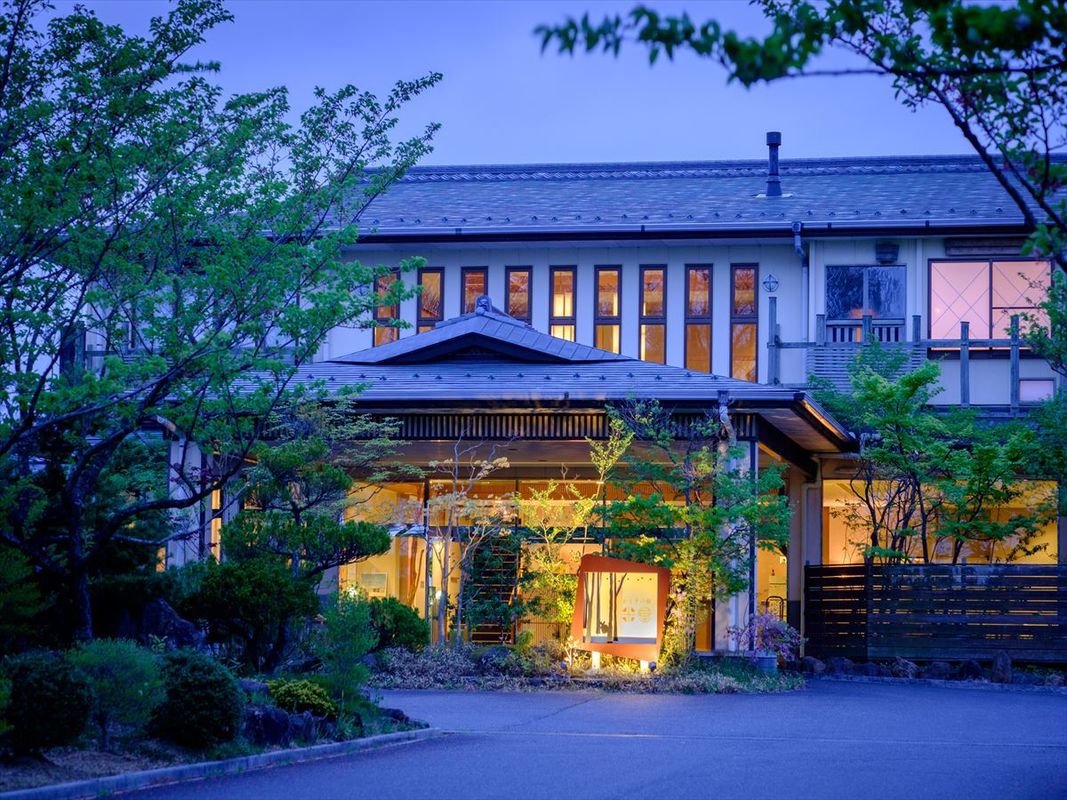
Otogi No Yado, Yoneya
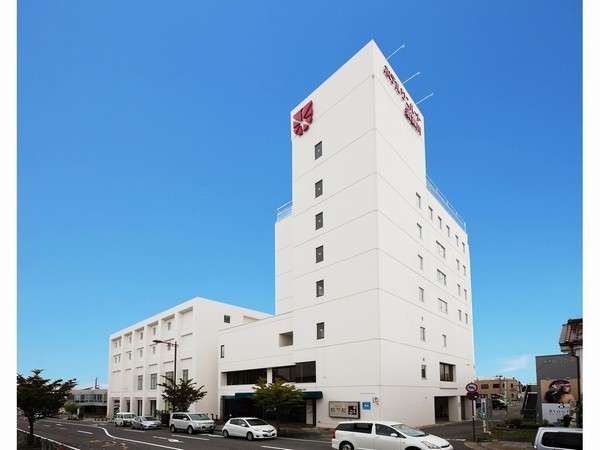
Hotel Sunroute Sukagawa
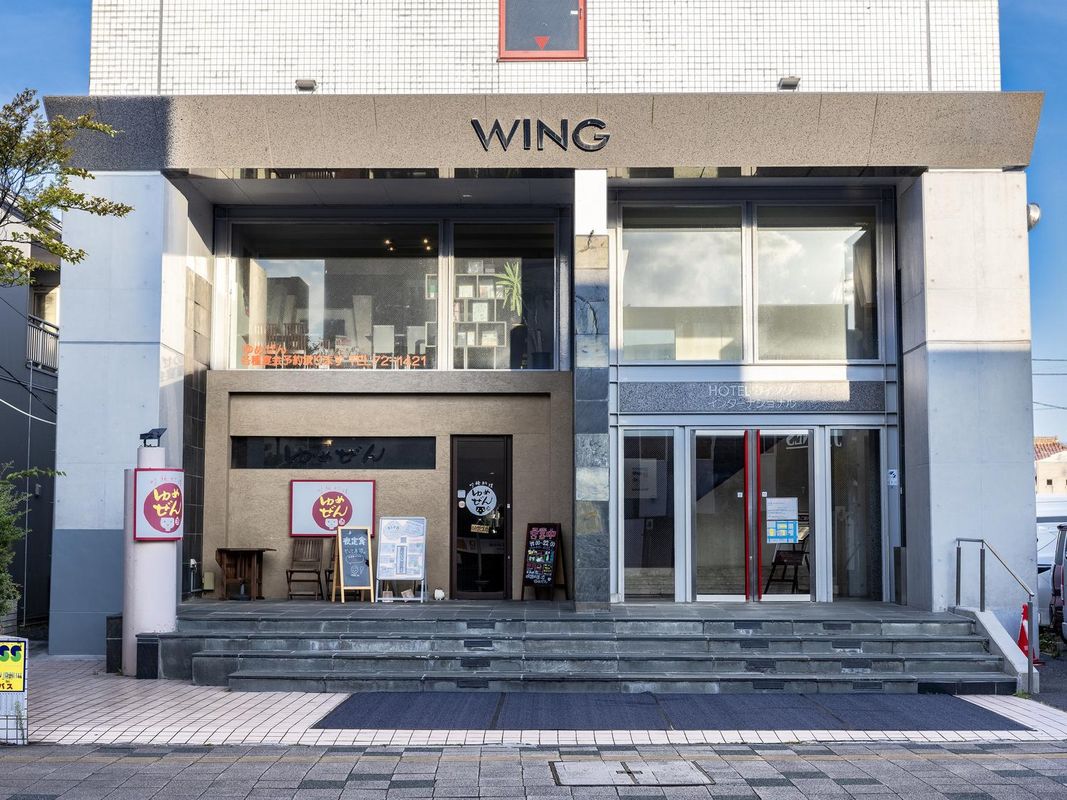
Hotel Wing International Sukagawa
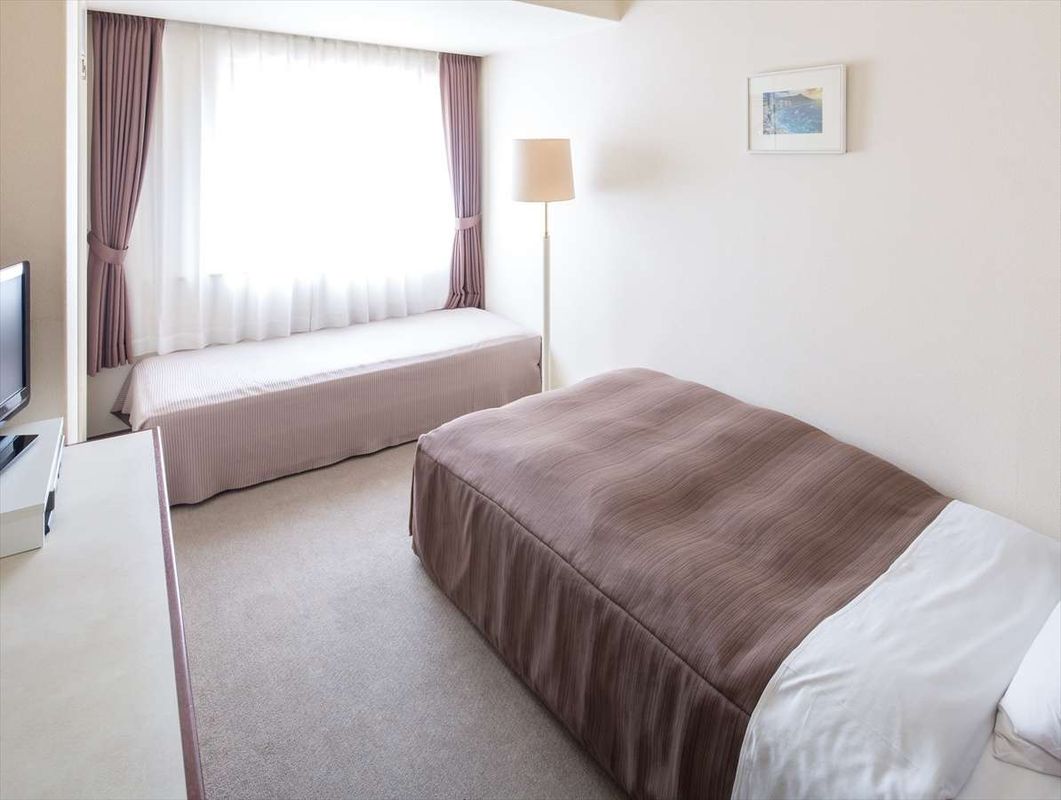
Hotel Toraya (Sukagawa)

Family Lodge Hatagoya Sukagawa
Best Hotels in Sukagawa
Discover curated hotel collections in Sukagawa
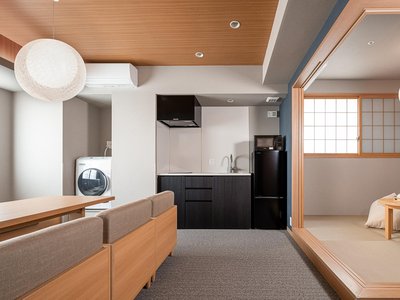
MIMARU SUITES Tokyo Asakusa
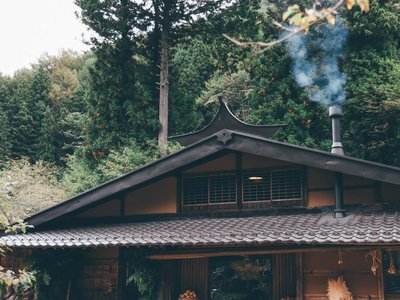
La Terra Resort
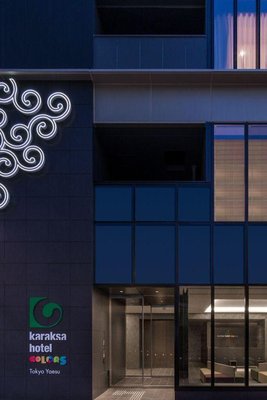
karaksa hotel colors Tokyo Yaesu
HOTEL GROOVE SHINJUKU, A PARKROYAL Hotel

EN Resort Grandeco Hotel
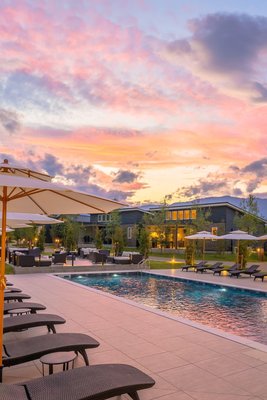
Awaumi Fujikawaguchiko Resort
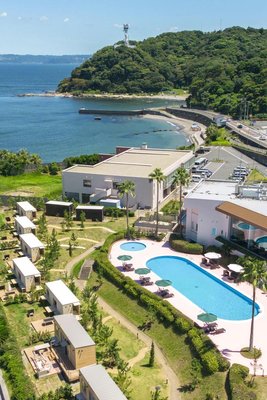
La vista Yokosuka Kannonzaki Terrace
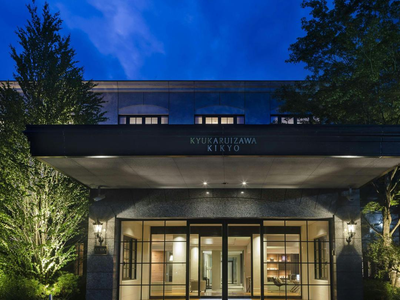
Fufu Karuizawa Wind of Sunshine
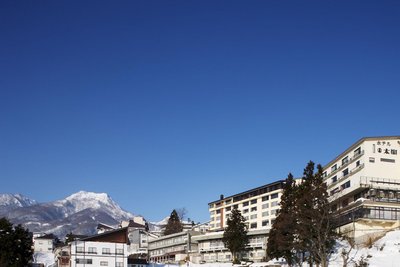
Hotel Taiko, Akakura Onsen
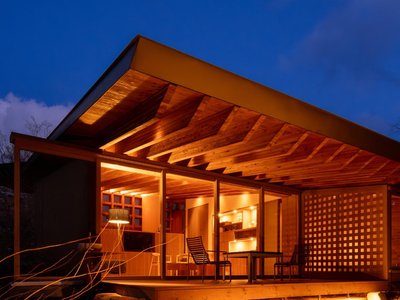
Nasu Mukunone
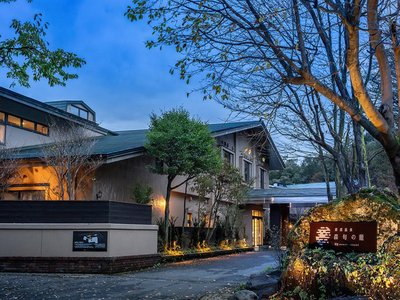
Nasu Onsen Shinshun no Kago Hewitt Resort

Scapes the Suite
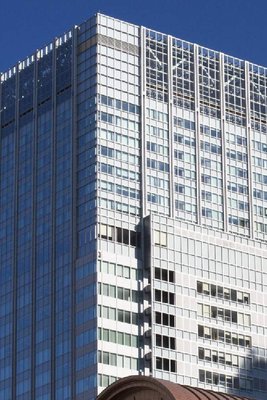
Hotel Metropolitan Tokyo Marunouchi
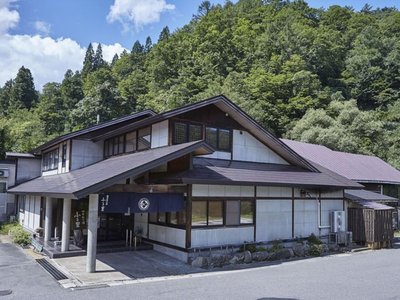
Fulsato
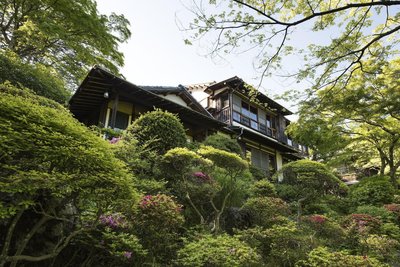
Gora Kansuiro
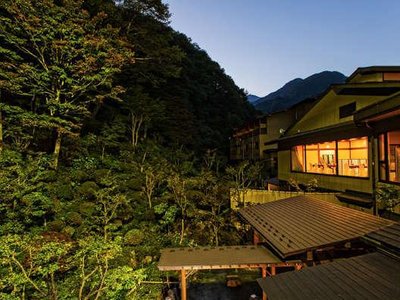
Futari Shizuka
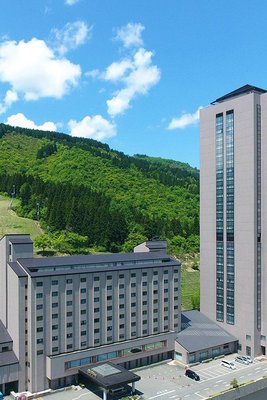
Naspa New Otani
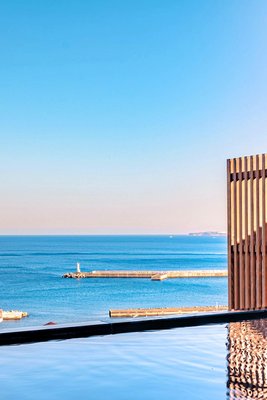
HOTEL KANICHI
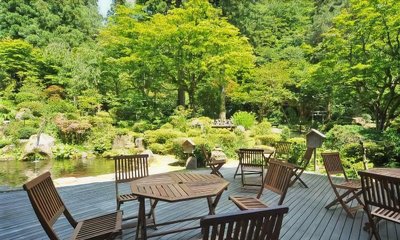
Choseikan
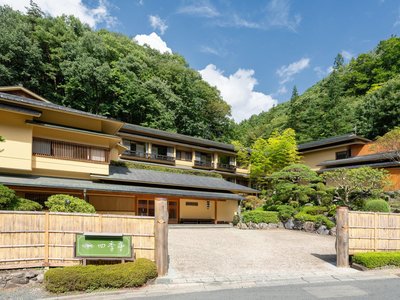
Shikitei Morioka TsunagiOnsen
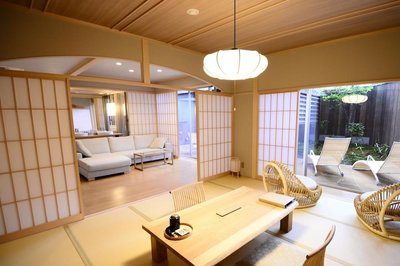
Hakone Gora Byakudan
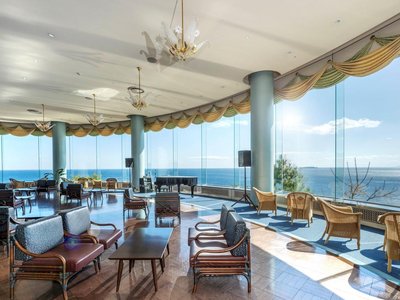
Hotel New Akao
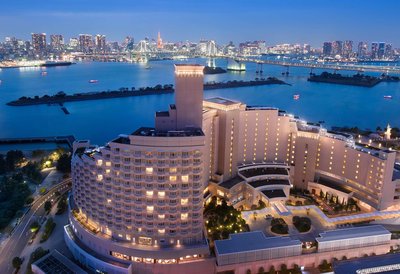
Hilton Tokyo Odaiba
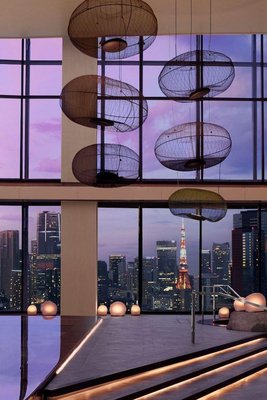
JW Marriott Hotel Tokyo
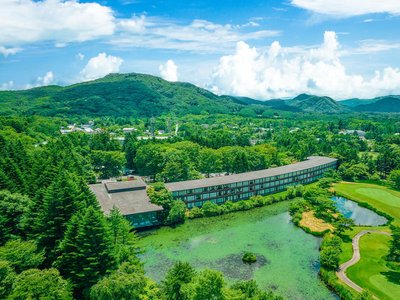
The Prince Karuizawa
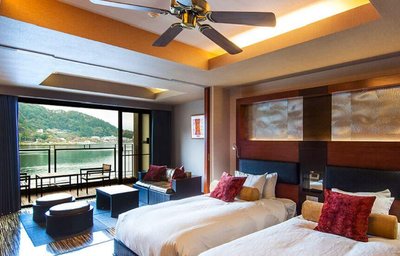
The Kukuna
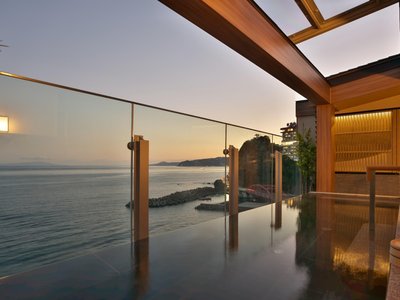
Hotel New Sagamiya
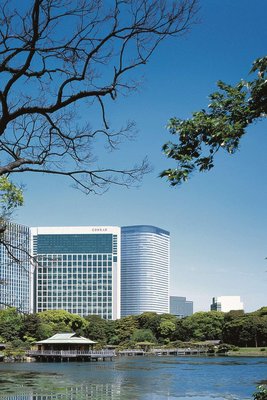
Conrad Tokyo
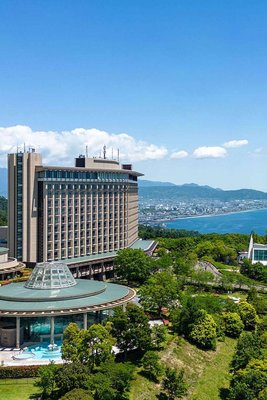
Hilton Odawara Resort & Spa
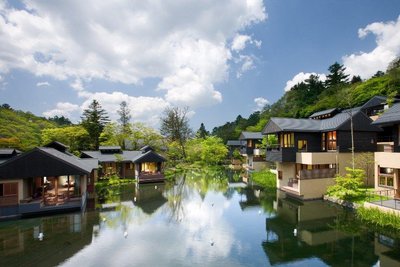
Hoshinoya Karuizawa
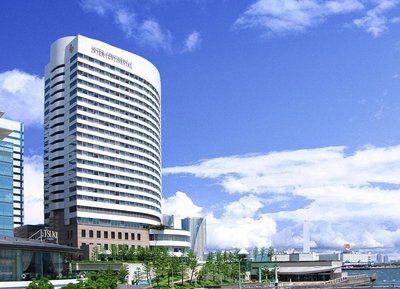
InterContinental Tokyo Bay
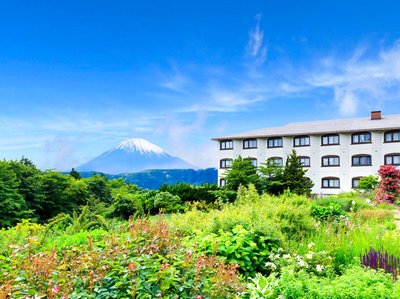
Hotel Green Plaza Hakone
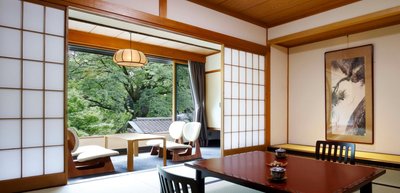
Yoshiike Ryokan
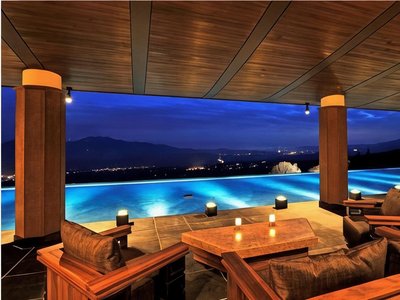
Akakura Kanko Hotel
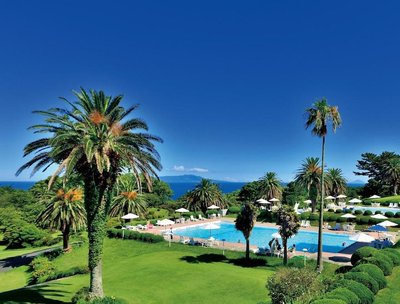
Kawana Hotel
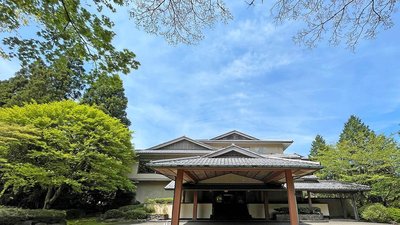
Ryuguden
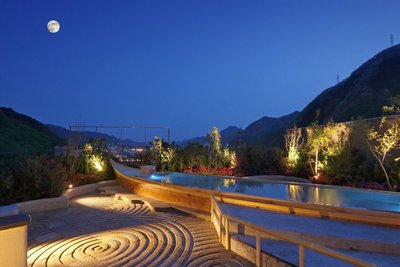
Asaya
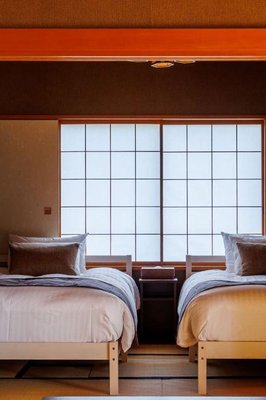
Sado Resort Hotel Azuma
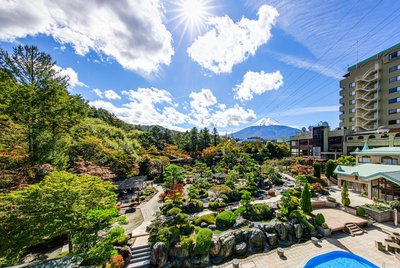
Kaneyamaen
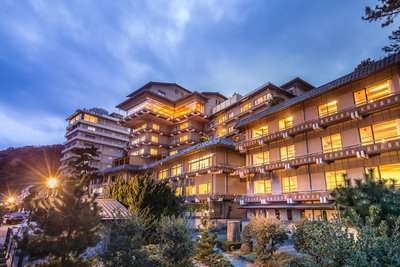
Bousui
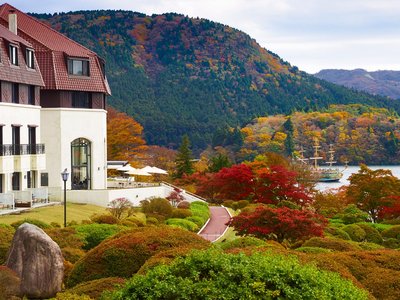
Hotakajyo
Auberge Suzukane

Onyado Nono Asakusa Bettei Hot Spring
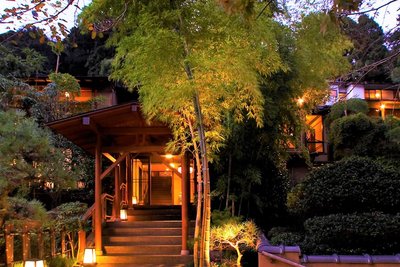
Shiki wo Ajiwau Yado Yamano Chaya
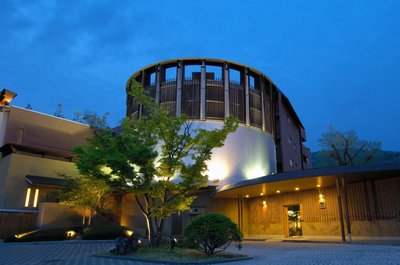
Hoshino Resorts Kai Matsumoto
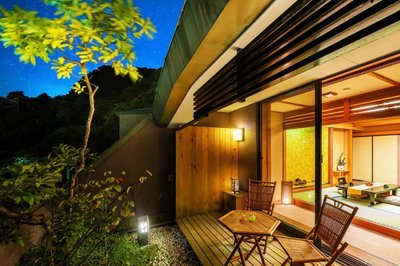
Konjakutei
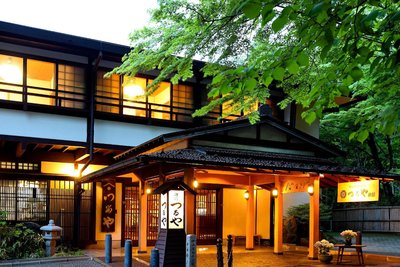
Tsuruya Ryokan
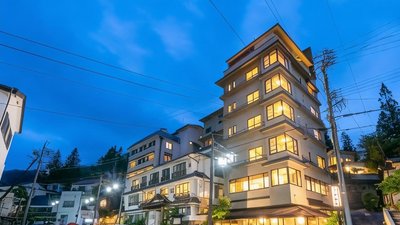
Nakamatsuya Ryokan
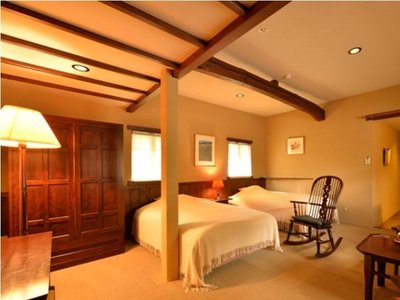
Ryokan Sugimoto
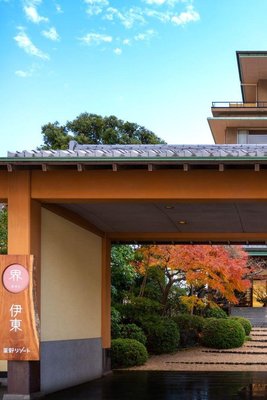
Hoshino Resorts Kai Ito
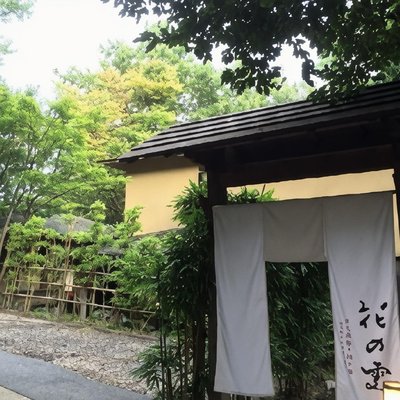
Hana No Kumo
Yoshiike Ryokan
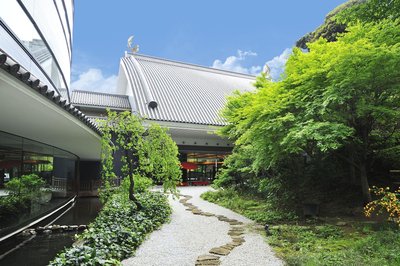
Hotel Gajoen Tokyo
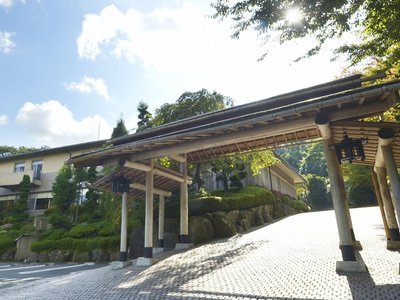
Gora Hanaougi
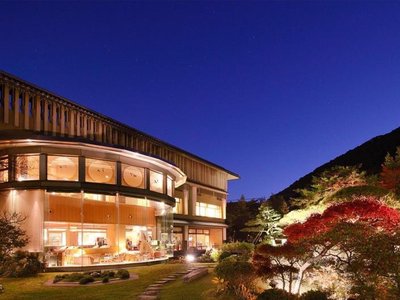
Shikisai Ichiriki
Sado Resort Hotel Azuma
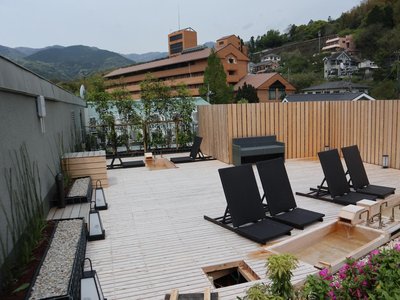
Fukiya Ryokan
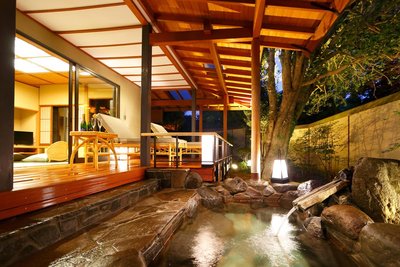
Yoshiharu Ryokan – Izu Nagaoka Onsen
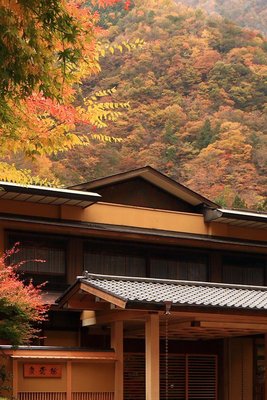
Nishiyama Onsen Keiunkan
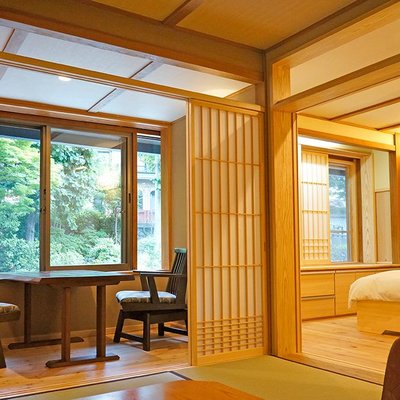
Sumiyosiya Ryokan
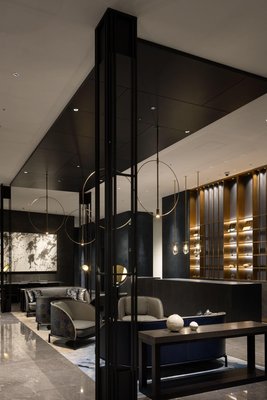
Bellustar Tokyo, A Pan Pacific Hotel
JW Marriott Hotel Tokyo
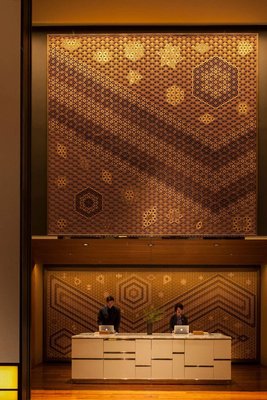
Andaz Tokyo Toranomon Hills- A Concept by Hyatt
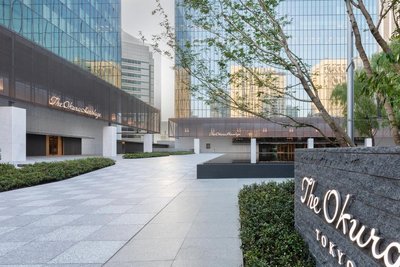
The Okura Tokyo
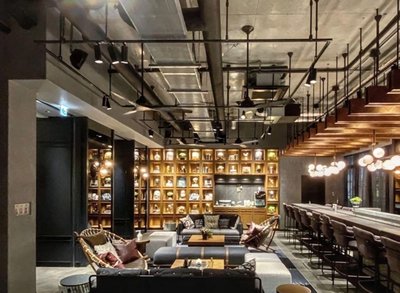
The Lively Azabujuban Tokyo
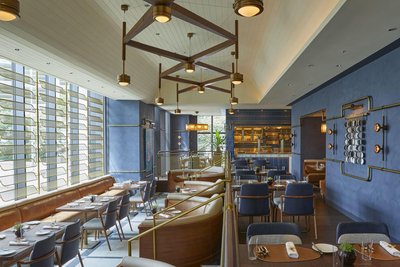
Kimpton Shinjuku Tokyo
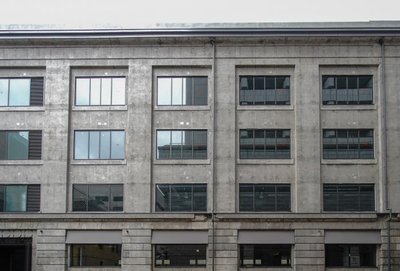
HOTEL K5
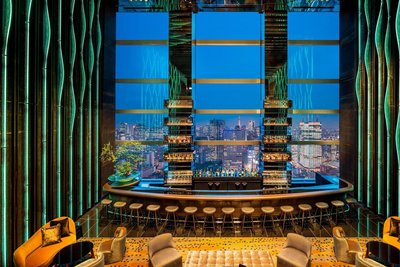
The Prince Gallery Tokyo Kioicho, a Luxury Collection Hotel
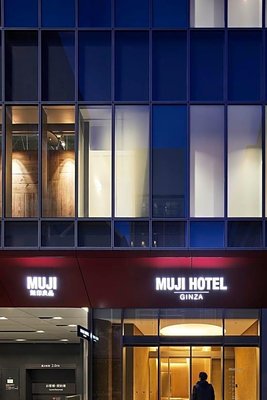
Muji Hotel Ginza
Bellustar Tokyo, A Pan Pacific Hotel
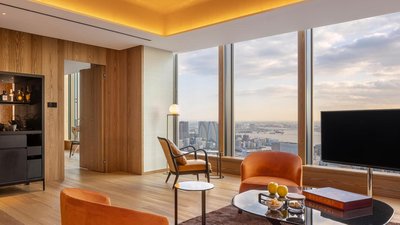
Bvlgari Hotel Tokyo
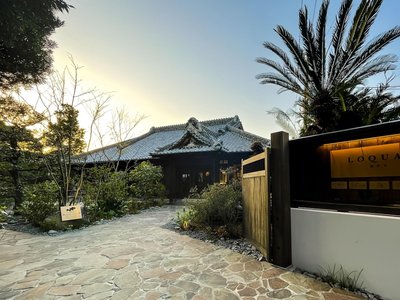
Loquat Nishiizu
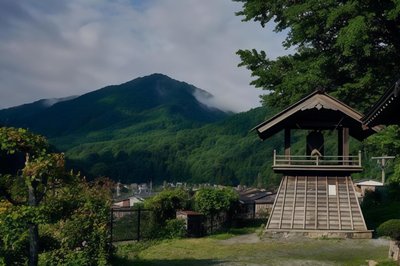
Byaku Narai
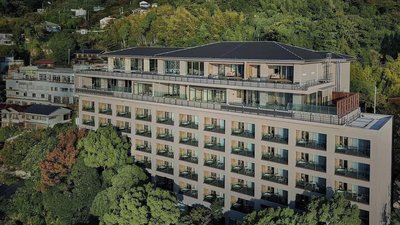
Atami Izusan Karaku
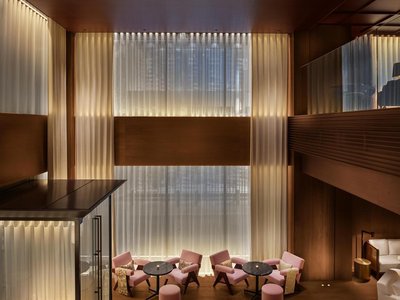
The Tokyo Edition, Ginza
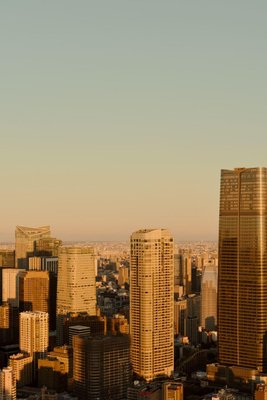
Janu Tokyo
JW Marriott Hotel Tokyo
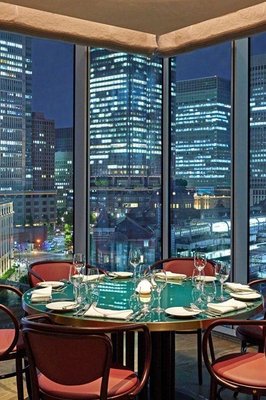
Four Seasons Hotel Tokyo at Marunouchi

Mandarin Oriental, Tokyo
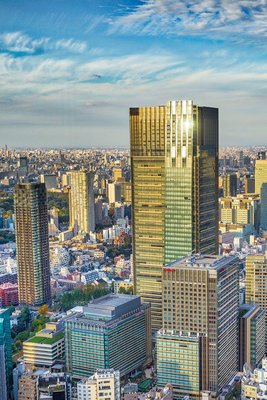
The Ritz-Carlton, Tokyo
Andaz Tokyo Toranomon Hills- A Concept by Hyatt
Hoshinoya Karuizawa
Hotel Gajoen Tokyo
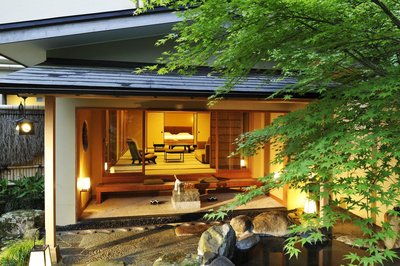
Gora Kadan
Gora Hanaougi
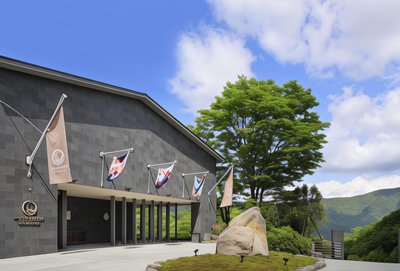
The Hiramatsu Hotels & Resorts Sengokuhara Hakone
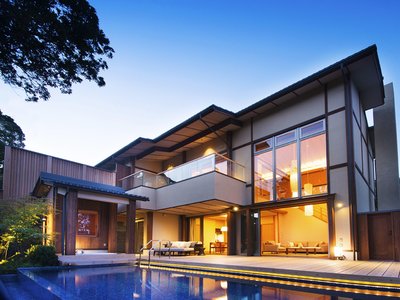
Abba Resorts Izu - Zagyosoh
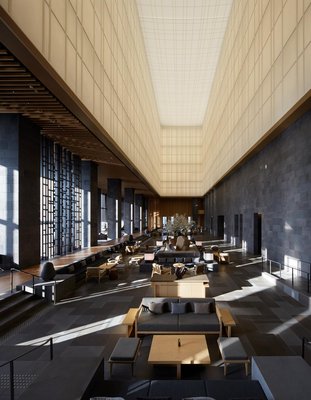
Aman Tokyo
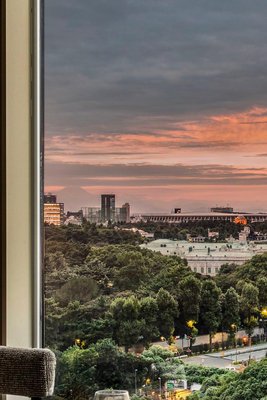
Hotel New Otani Tokyo, Executive House Zen
Hakone Gora Byakudan
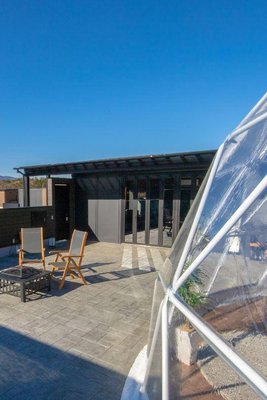
Panoramic Mt. Fuji Views from All Rooms – Vision Glamping Resort & Spa Yamanakako
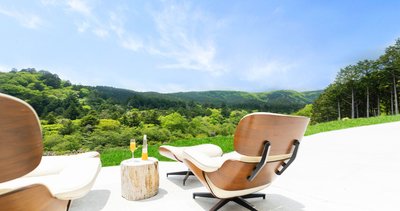
Shelter Garden Nikko
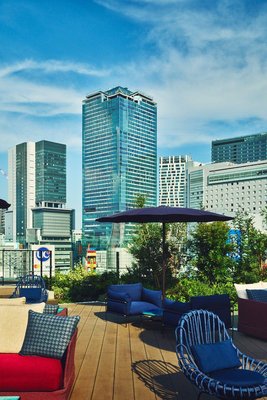
Hotel Indigo Tokyo Shibuya
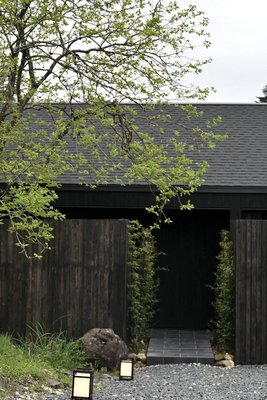
THE LAKOTAN
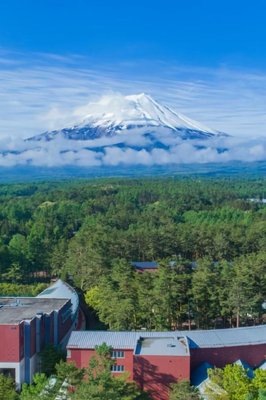
Forest Village (Fuji Premium Resort)
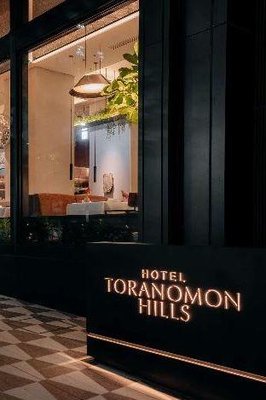
Hotel Toranomon Hills
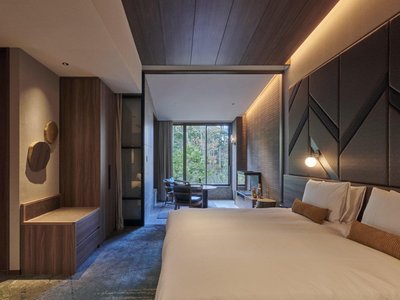
Fufu Kyu-Karuizawa Restful Forest
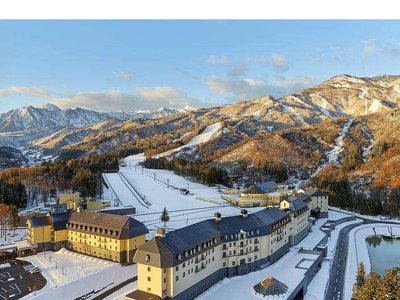
Lotte Arai Resort
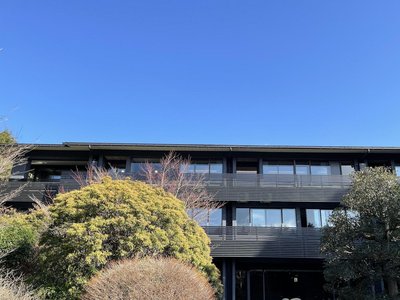
Sengokubara Cocon
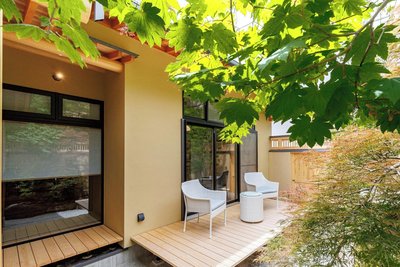
Shoraiso
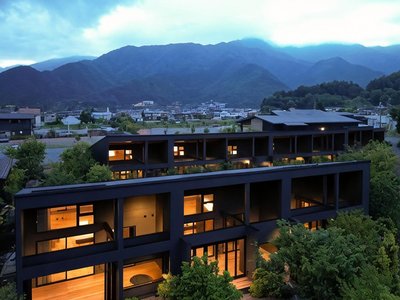
7C Villa and Winery
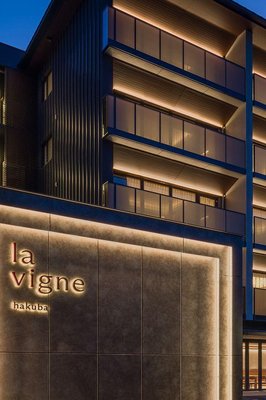
Hotel la Vigne Hakuba by Onko Chishin
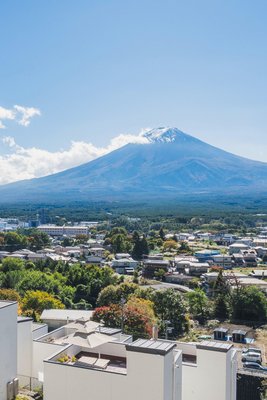
THE TOKI FujiKawaguchiko
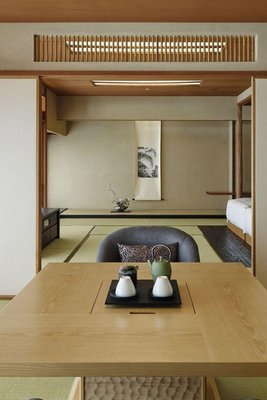
Takanawa Hanakohro (in Grand Prince Hotel Takanawa)
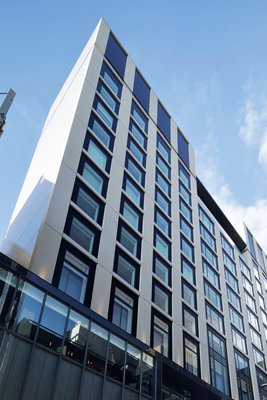
Hyatt Centric Ginza Tokyo
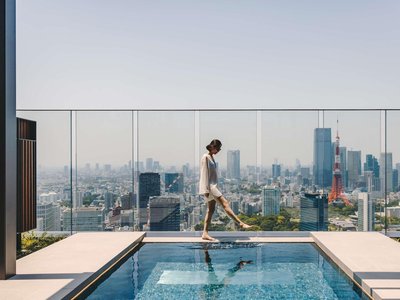
Fairmont Tokyo
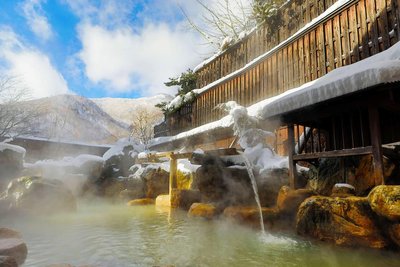
Miyamaouanbekkan yumegurinoyado hirayukan
The Prince Karuizawa
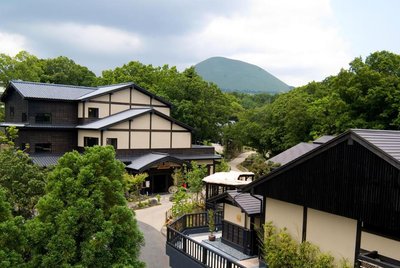
Mori no yu Kira No Sato 【Reopening on December 22, 2025】
Bvlgari Hotel Tokyo
Four Seasons Hotel Tokyo at Marunouchi
Mandarin Oriental, Tokyo
The Ritz-Carlton, Tokyo
Andaz Tokyo Toranomon Hills- A Concept by Hyatt
Gora Kadan
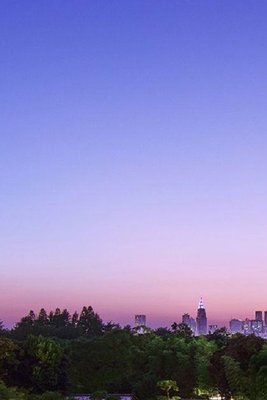
Hotel New Otani Tokyo the Main
Aman Tokyo
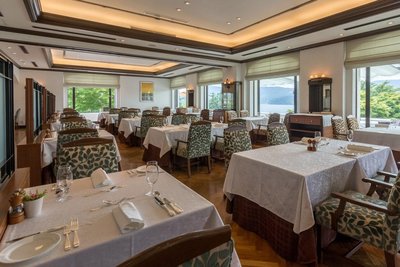
Odakyu Hotel de Yama
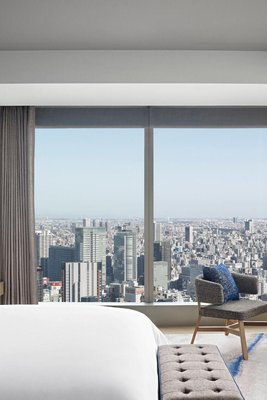
Four Seasons Hotel Tokyo at Otemachi
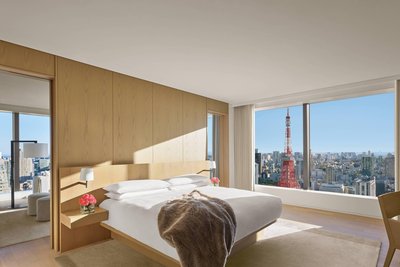
The Tokyo Edition, Toranomon
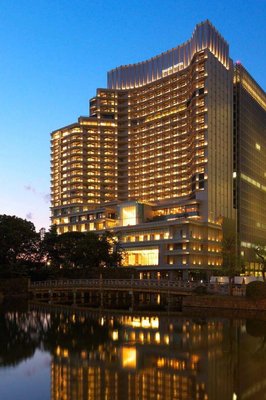
Palace Hotel Tokyo
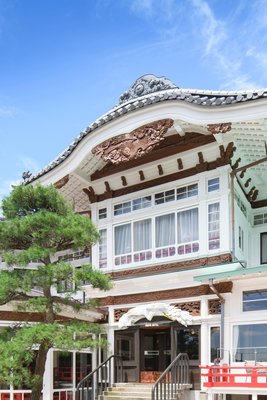
Fujiya Hotel
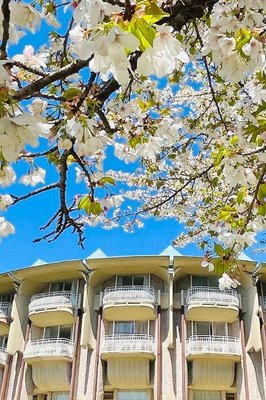
The Prince Hakone Lake Ashinoko
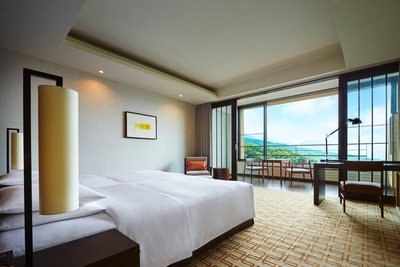
Hyatt Regency Hakone Resort and Spa
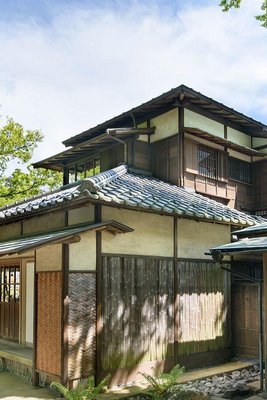
Hakone Suishoen
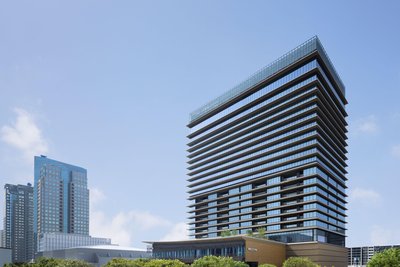
The Westin Yokohama
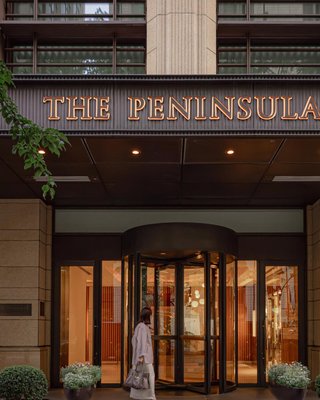
The Peninsula Tokyo

Imperial Hotel, Tokyo
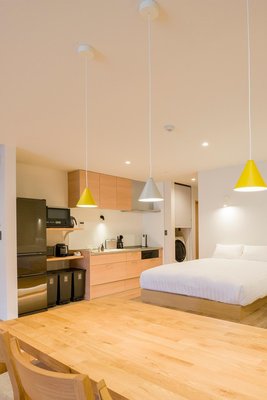
Rakuten STAY VILLA Nasu
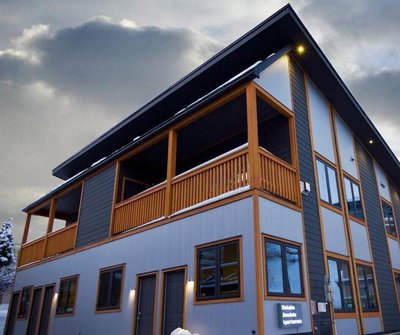
Hakuba Gondola Apartments
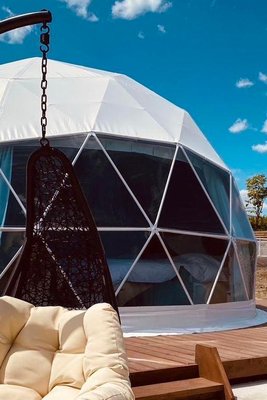
chillout glamping zao
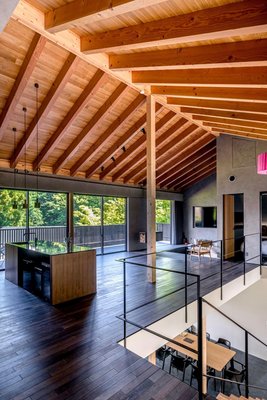
MONS GORA
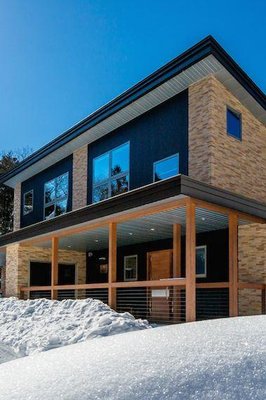
Phoenix Chalets by Hhg
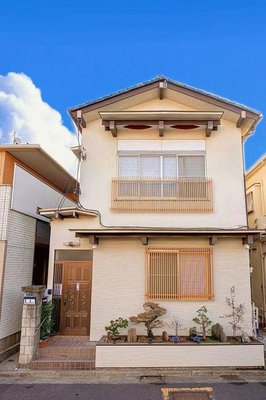
Tokyo Star House-Shinkoiwa
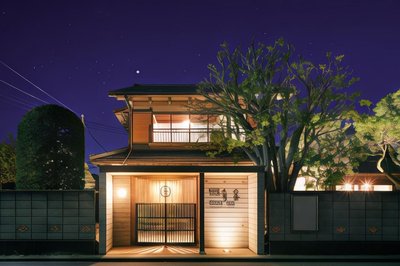
Machi-Jyu
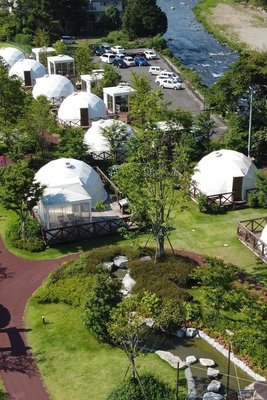
Ufufu Village
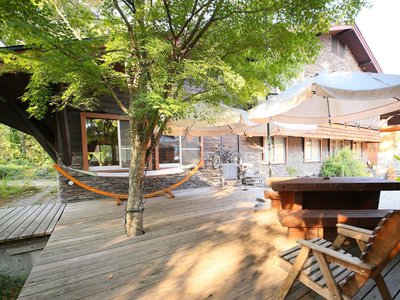
Kunugi Relaxation with 4 Modern Rooms
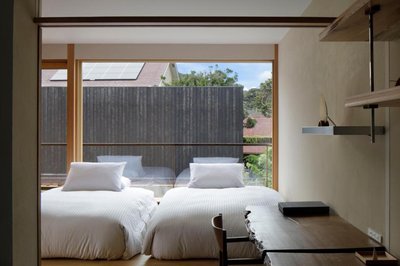
Modern Ryokan Kishi-ke
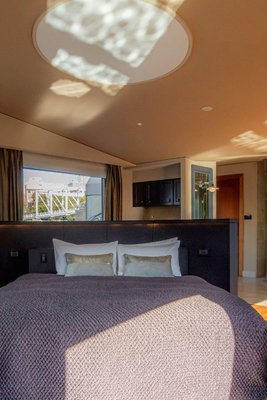
Petals Tokyo - Floating Hotel
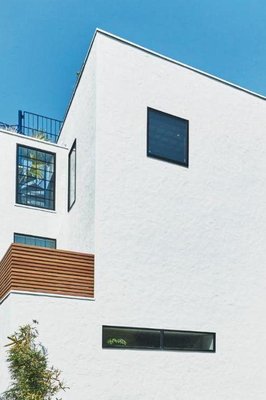
The Flow Kamakura
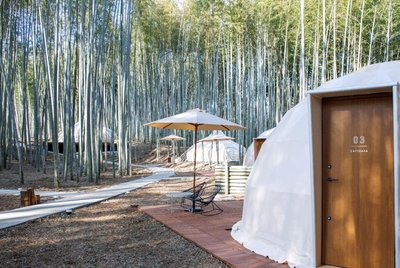
THE BAMBOO FOREST
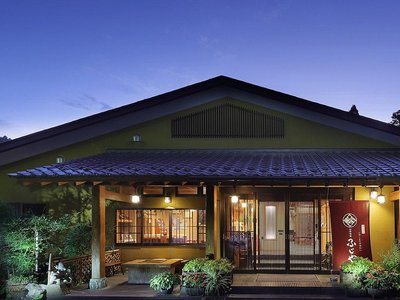
Shikimitei Fujiya
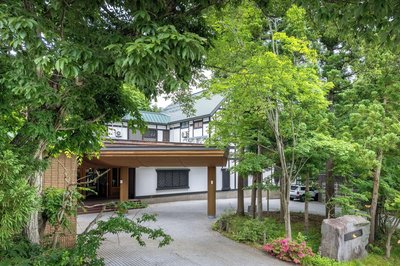
Forest Resort Yamanote Hotel
Frequently Asked Questions about Traveling to Sukagawa
Questions You Might Need to Know About Traveling to Sukagawa
In Sugawa City, the top family-friendly hotel is Sugawa East Japan REI Hotel, located in the city center near Sugawa Station. It offers spacious family rooms, kid-friendly amenities, and a relaxing onsen spa. The hotel is close to Sugawa City Hall, Ono River Park, and Fukushima Prefectural Museum, making it ideal for parents and children to explore together. Many rooms feature traditional Japanese tatami flooring, providing an authentic cultural experience. With easy access to local markets and dining spots, this hotel ensures a comfortable, memorable stay for families seeking both convenience and charm.
The best area for accommodation in Sugawa City is the central business district, situated near Sugawa Station and the Ono River promenade. This district offers excellent connectivity, with walking distance to restaurants, supermarkets, and attractions like Sugawa Castle Ruins and Fukushima Prefectural Museum. Accommodations range from budget-friendly guesthouses to mid-to-high-end hotels, catering to diverse traveler needs. The riverside walkway lights up beautifully at night, offering a peaceful atmosphere perfect for evening strolls. Ideal for travelers who value convenience, safety, and access to local culture.
Visitors to Sugawa City should not miss attending the Sugawa Gion Festival, held annually in summer, featuring elaborate floats, taiko drumming, and traditional dance performances that reflect deep-rooted local heritage. Explore the Fukushima Prefectural Museum to learn about regional history, including ancient ironwork and Sengoku-era artifacts. For a hands-on experience, visit the Ono River Agricultural Park to try rice planting or strawberry picking. These activities offer immersive insight into rural Japanese life and sustainable farming practices, creating meaningful connections with local communities.
Yes, Yunokoya Onsen Inn is a highly recommended onsen hotel nestled in the quiet hills just outside Sugawa City. It features natural hot springs sourced directly from underground thermal vents, rich in minerals known for skin rejuvenation and relaxation. The inn blends modern comfort with traditional Japanese architecture, complete with private outdoor baths and serene garden views. Guests can enjoy forest walks, morning meditation by the stream, and seasonal kaiseki meals using locally sourced ingredients. Perfect for unwinding after a day of sightseeing, this retreat offers a deeply restorative escape.
For a one-day trip in Sugawa City, start with a visit to Sugawa Castle Ruins, where you can climb the reconstructed donjon tower for panoramic views. Next, head to the Fukushima Prefectural Museum to explore exhibits on local history and craftsmanship. In the afternoon, stroll along the Ono River Promenade, enjoying the gentle breeze and scenic lighting. Stop by the local market street to taste signature dishes like Sugawa grilled chicken skewers and Fukushima white radish cakes. The entire itinerary is compact and walkable, making it ideal for a relaxed yet enriching urban exploration.
Must-try local specialties in Sugawa City include Sugawa Grilled Chicken Skewers, made with free-range local chickens and charcoal-grilled to perfection; Fukushima White Radish Cakes, crafted from fresh radishes with a delicate sweet-savory balance; and Echigo Unagi Rice Bowl, a regional variation enhanced with local seasonings. Many restaurants also serve farm-fresh vegetable sets sourced directly from nearby farms. Visit Ono River Market or Central Shopping Street to discover hidden culinary gems and experience authentic taste of Fukushima’s agricultural richness.
The Sugawa Castle Ruins are the most photogenic spot in Sugawa City. The reconstructed donjon and stone walls create a stunning backdrop, especially during cherry blossom season in spring when pink petals drift around the historic structures. During summer evenings, the site glows under soft lantern light, ideal for capturing atmospheric shots. The Ono River Promenade with its wooden bridges and willow trees also offers picturesque scenes—perfect for candid moments and reflective compositions. Early morning or late afternoon visits provide optimal lighting and fewer crowds, enhancing your photo experience.
Yes, several mid-to-upper-tier hotels in Sugawa City provide complimentary shuttle services. Sugawa East Japan REI Hotel and Yunokoya Onsen Inn both operate regular shuttles between their properties and Sugawa Station, running every hour. Some guesthouses partner with local taxi services to offer discounted rides. It’s advisable to confirm shuttle availability and timing when HopeGoo, especially during peak seasons, to ensure a smooth arrival and departure experience.
Creative travelers should consider staying at Mori no Ie, a boutique-style homestay transformed from a traditional farmhouse in Sugawa City. The space features handmade ceramics, woodcrafts, and curated books by local artists, fostering an inspiring environment. Outdoor spaces include a small reading garden and an art studio open for workshops like washi paper crafting and haiku writing sessions. Hosted by former painters, the inn often organizes intimate cultural events. Located near Ono River Park and the Fukushima Prefectural Museum, it’s a sanctuary for those seeking artistic inspiration and quiet connection with nature.
The best times to visit Sugawa City are spring (March to May) and autumn (September to November). Spring brings cherry blossoms at Sugawa Castle Ruins and Ono River Promenade, drawing photographers and nature lovers. Autumn offers pleasant weather and vibrant foliage, coinciding with the Gion Festival and harvest festivals. Additionally, seasonal farm activities like rice planting (April) and strawberry harvesting (October) attract visitors seeking authentic rural experiences. Winter, though colder, offers serene landscapes and cozy onsen stays, ideal for those seeking tranquility and solitude.
Sukagawa Overview
City Summary
Sukagawa City, located in the central part of Fukushima Prefecture, Japan, is a tranquil city that blends natural beauty with historical culture. Known for its abundant hot springs and cherry blossoms, it attracts many visitors during spring. The city also boasts a rich samurai heritage, making it an excellent destination for exploring Japan's Warring States history.
Must-See Attractions
Main attractions in Sukagawa include Sukagawa Onsen, renowned for its high-quality hot springs ideal for relaxation. The Civic Park is a must-visit during cherry blossom season, offering stunning photo opportunities. History enthusiasts can explore the ruins of Sukagawa Castle to learn about the local samurai culture.
Food Guide
Sukagawa's cuisine highlights local agricultural products. Don't miss "Sukagawa Beef," known for its tender and juicy texture. Street food like "grilled mochi" and "soy sauce dumplings" are also popular among tourists. Additionally, the city has a long history of sake brewing, so trying local sake is a must.
Transportation Guide
Transportation in Sukagawa primarily relies on buses and trains. JR East's Sukagawa Station is the main hub, connecting to nearby cities. While the local bus network covers major attractions, schedules are infrequent, so checking timetables in advance is advised. Renting a car is another good option, especially for visiting suburban sites.
Best Time to Visit
The best time to visit is during spring (March to May) when cherry blossoms bloom, and the weather is pleasant. Autumn (September to November) is also ideal, with cool temperatures perfect for outdoor activities.
Travel Tips
- Etiquette: Always shower before entering an onsen to maintain hygiene.
- Safety: Roads in rural areas are narrow; drive cautiously at night.
- Currency: Cash is still the primary payment method; carry sufficient JPY.
- Language: English proficiency is low; learning basic Japanese phrases is helpful.
- Internet: Free Wi-Fi is available in urban areas, but signals are weak in rural zones.
- Shopping: Souvenir shops near attractions offer reasonable prices.
Useful Information
Practical Information: Sukagawa's emergency number is 119, with major hospitals located downtown. The voltage is 100V, and plugs are Type A, the same as in the US. Most hotels and restaurants accept credit cards, but small vendors may only take cash. For internet access, consider purchasing a local SIM card or renting a Wi-Fi device. While English signage is limited, stations and tourist spots often provide guides in Chinese and English.









