Hotels in Sumita
Discover your perfect stay in Sumita.
Sumita(Japan) Travel 2026: Cheap Flights, Hotels & Top Attractions
Popular Landmarks in Sumita
Discover the most iconic attractions in Sumita
Recommended Hotels in Sumita
Find the perfect place to stay in Sumita
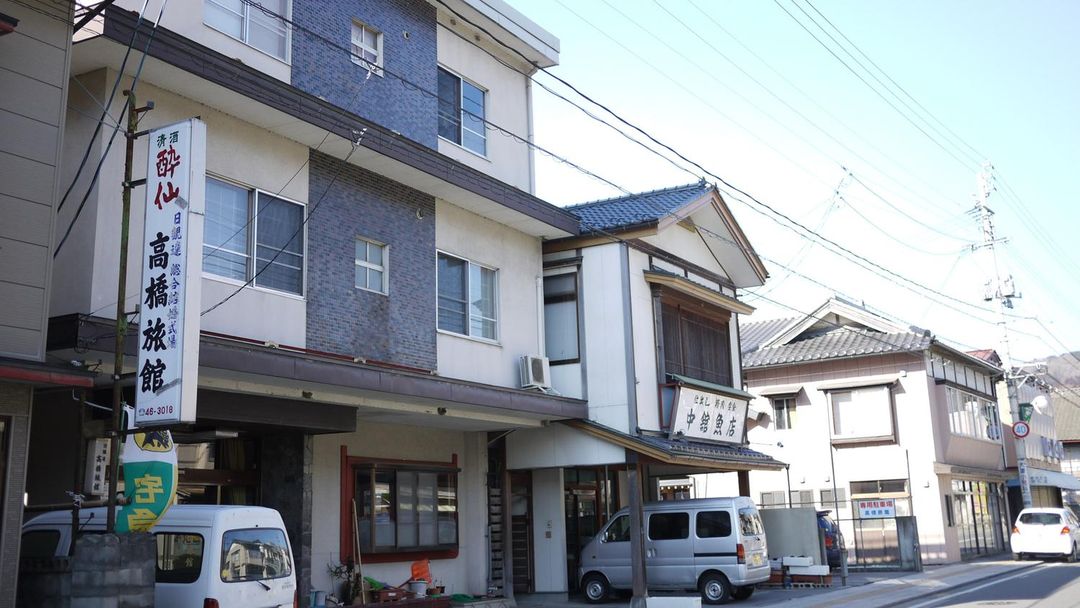
Takahashi Ryokan
Hotel Green Bell Takakan
Best Hotels in Sumita
Discover curated hotel collections in Sumita

EN Resort Grandeco Hotel
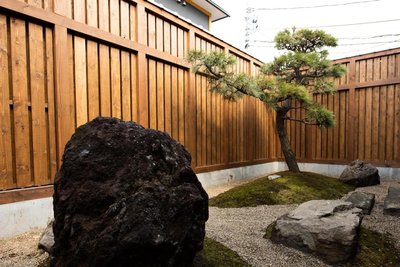
Hotel Zen-Adult Only
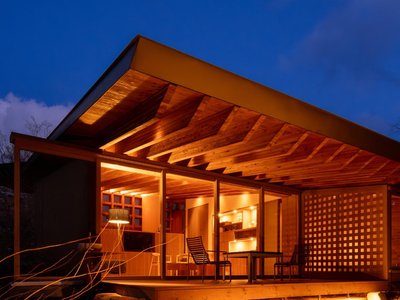
Nasu Mukunone
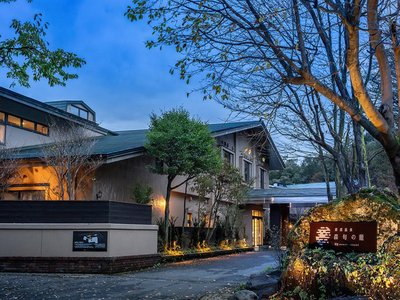
Nasu Onsen Shinshun no Kago Hewitt Resort
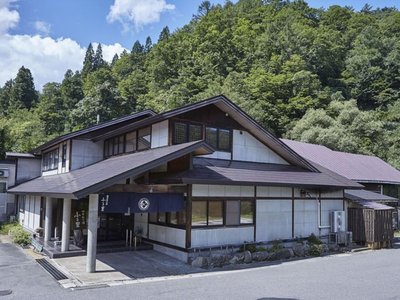
Fulsato
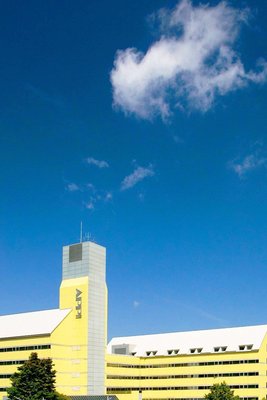
Crowne Plaza - ANA RESORT APPI KOGEN
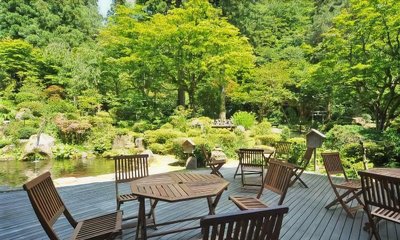
Choseikan
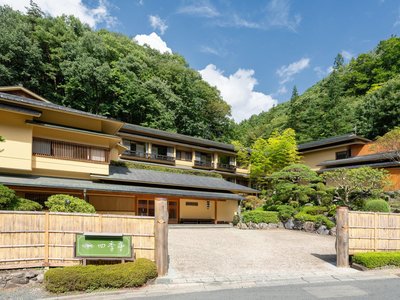
Shikitei Morioka TsunagiOnsen
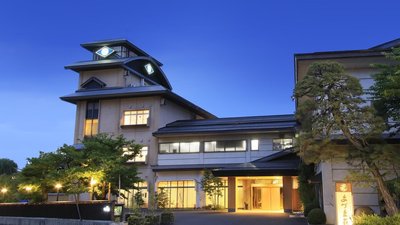
Shouhakutei Azumaso
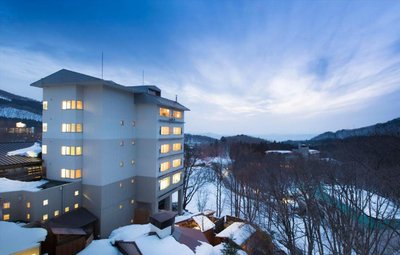
Takamiya Hotel Lucent
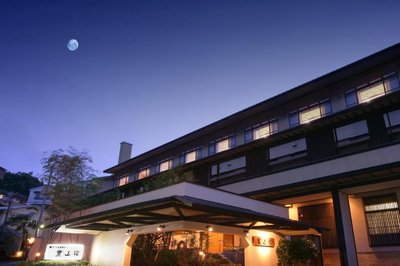
Hayamakan
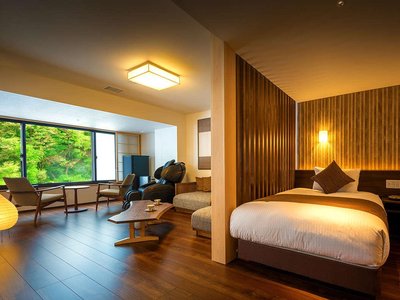
Harataki
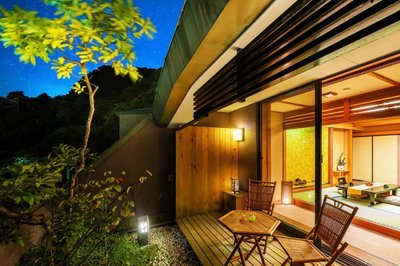
Konjakutei
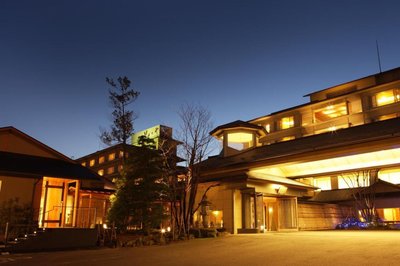
Yumotoya
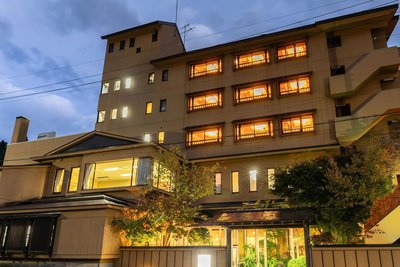
Kashintei Shirahama
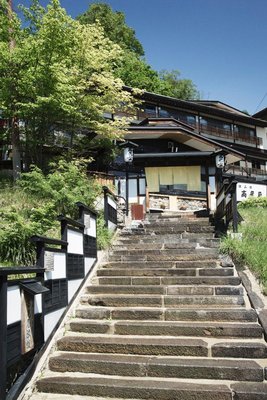
Takamiya Ryokan Miyamaso
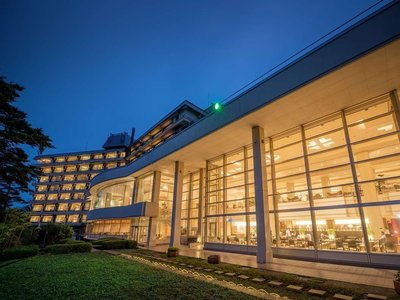
Hotel Matsushima Taikanso
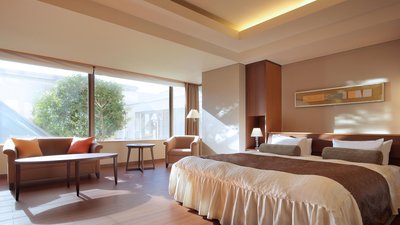
Onyado Toho
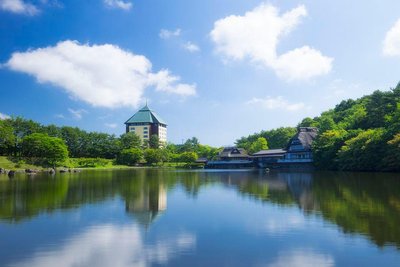
Hoshino Resorts Aomoriya
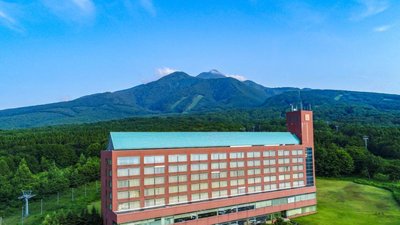
Rockwood Hotel & Spa
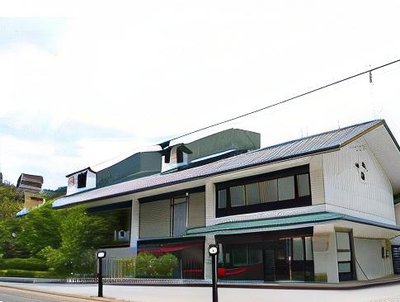
Auberge Suzukane
Konjakutei
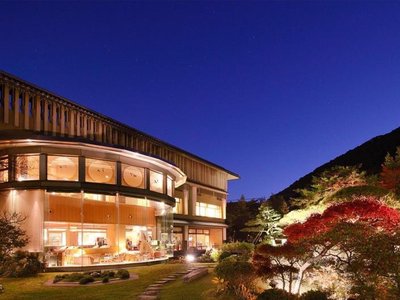
Shikisai Ichiriki
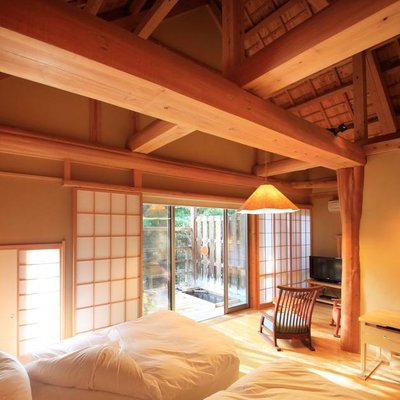
Daikon-No-Hana
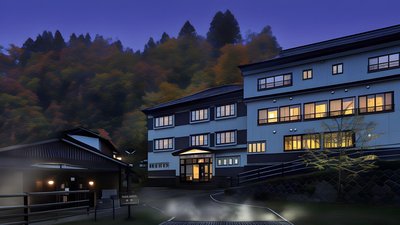
Zao Onsen Omiya Ryokan
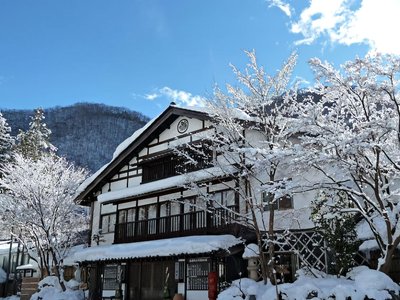
Yunishigawa Onsen Honke Bankyu
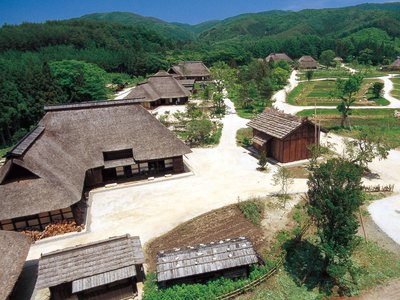
Jodogahama Park Hotel

Hotel Barrière Fouquet's New York

The Plaza - A Fairmont Managed Hotel
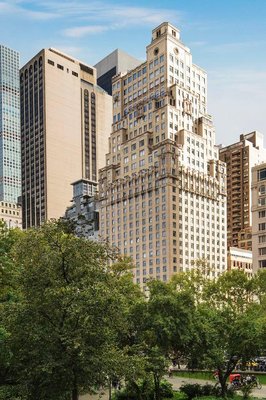
The Ritz-Carlton New York, Central Park

Four Seasons Hotel New York

The St. Regis New York

Park Hyatt New York
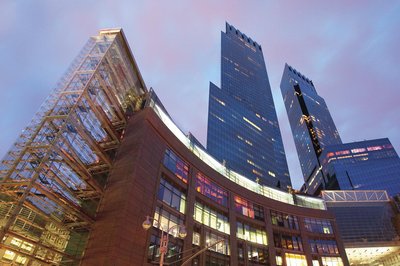
Mandarin Oriental New York

Times Square Edition New York

Loews Regency New York Hotel

Lowell Hotel
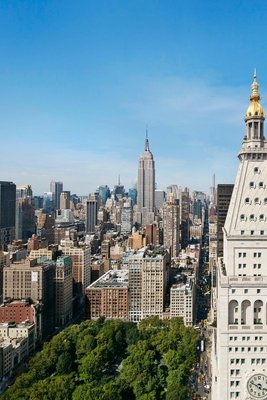
New York Edition

Baccarat Hotel New York

Equinox Hotel New York

Four Seasons Hotel New York Downtown

The Langham, New York, Fifth Avenue

The Carlyle, A Rosewood Hotel

The Chatwal, in the Unbound Collection by Hyatt

The Mark New York
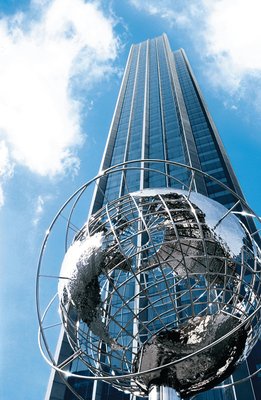
Trump International Hotel & Tower® New York
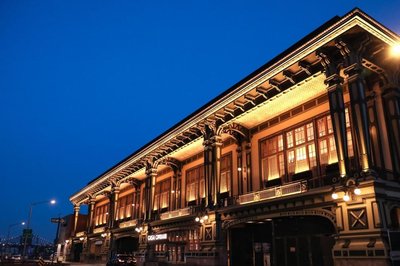
Casa Cipriani New York
Frequently Asked Questions about Traveling to Sumita
Questions You Might Need to Know About Traveling to Sumita
In Sumida Town, the top choice for families is Sumiyoshi Onsen Minshuku, located beside the Kitakami River. This homestay features traditional Japanese gardens, private onsen baths, and spacious rooms with tatami flooring. It's near the Sumida Agricultural Park, ideal for children to explore nature. Daily meals include local specialties like kama-age udon and fresh seafood from Iwate Prefecture. Nearby walking trails lead to Oomori Mountain Nature Park, perfect for family hikes and birdwatching.
The best area for lodging in Sumida Town is the Kitakami Riverbank District, situated close to the town center and major transport hubs. This zone offers easy access to the Sumida Town Hall and Community Library, with many guesthouses featuring Japanese-style courtyards and free parking. It’s also near the Sumida Onsen Street, where visitors can enjoy outdoor hot springs at night. Weekly farmers’ markets feature local produce and handmade pickles, offering authentic cultural experiences.
Sumida Town’s hot springs are known for their sulfur-rich waters, clear and slightly yellowish in appearance, renowned for skin health benefits. The standout facility is Sumida Onsen Kaikan, which features both indoor and outdoor baths combined with forest therapy design. The mineral-rich water helps improve circulation and relieve joint discomfort—ideal for long-term relaxation. Some inns even offer "on-sen foot baths" paired with local herbal teas, enhancing the wellness experience.
Photography enthusiasts should consider staying at Kitakami River Light Stay, a boutique ryokan with floor-to-ceiling windows capturing sunrise, sunset, and seasonal changes. Located along the Kitakami River embankment, it’s an ideal spot for early-morning shots of egrets flying over misty waters. The inn provides tripods and lighting gear for rent. Weekends feature "Sumida Light Workshops" led by local photographers, guiding guests through rural landscapes and historic villages for creative inspiration.
Must-try cultural experiences in Sumida Town include the Rice Planting Festival held annually at Sumida Agricultural Park, where locals wear traditional attire for planting ceremonies and prayers. The Sumida Washi Paper Workshop offers hands-on sessions making washi paper from kozo bark, using traditional techniques. Many preserved Edo-period wooden storehouses are occasionally opened as art galleries, blending heritage with modern creativity.
A 2–3 day itinerary is ideal to fully enjoy Sumida Town’s natural beauty and culture. Day one: stroll along the Kitakami River to Sumida Onsen Kaikan, then relax with an evening soak. Day two: hike in Oomori Mountain Nature Park, visit the Washi Paper Workshop, and explore the agricultural park. On day three, join the "Local Dining Experience" at homes across the town, sampling dishes made with Iwate rice and fresh seafood. The pace is leisurely, perfect for slow travel lovers.
Must-try foods in Sumida Town include kama-age udon (quick-boiled noodles), fresh sea urchin from nearby Mutsu Bay, and Sumida Vegetable Hot Pot. The udon is handcrafted and cooked rapidly, delivering a chewy texture with a savory broth made from kombu. Sea urchin, harvested daily, is sweet and creamy—best enjoyed at small izakayas. The vegetable hot pot uses seasonal produce simmered in chicken soup from local onsen chickens, warming and nourishing. These dishes are available at the Sumida Central Market or select restaurants.
For solo travelers seeking tranquility, Ichimoku no Mori Ryokan is highly recommended. This secluded ryokan has only four rooms nestled within a maple forest at the foot of Oomori Mountain. Built entirely from natural wood, it features no electronics—only soft lighting and handwritten guides. Each room includes a private courtyard and terrace for reading or stargazing. The owner, a retired teacher, offers guided nighttime forest walks, creating a peaceful, introspective retreat.
Despite being a rural town, Sumida Town offers convenient access via JR East’s Kitakami Line, with a 1-hour ride from Morioka Station. The Sumida Station has taxi stands and public bike rentals for local travel. A dedicated Sumida Town Tour Bus runs daily between key attractions, including the Onsen Kaikan, Agricultural Park, and Washi Paper Workshop. For self-drivers, the Tohoku Expressway connects to Prefectural Route 8, with clear signage throughout, making it easy for independent travelers.
Sumida Town hosts vibrant seasonal events: spring brings the Cherry Blossom Festival along the Kitakami River, with illuminated cherry trees at night; summer features the Rice Planting Festival and Bonfire Procession for harvest blessings; autumn hosts the Autumn Leaf Viewing and Washi Paper Exhibition; winter showcases the Snow Lantern Festival, transforming the Sumida Onsen Kaikan area into a magical snowy wonderland. These events reflect deep-rooted traditions and offer immersive cultural experiences.
Sumita Overview
City Summary
Sumita Town in Iwate Prefecture, Japan, is a serene mountain-ringed village famed for its traditional wooden architecture and pristine nature. As a historic timber production hub, it preserves Edo-period logging techniques. Key attractions include its untouched rural landscapes and the annual Starlight Festival, drawing travelers seeking cultural immersion and natural tranquility.
Must-See Attractions
Top sights include Aruso Mine Ruins showcasing Meiji-era mining history with探险 pit explorations. The Sawada's Giant Cedar (800+ years old) is a sacred natural monument, while Sumita Forest Park offers hiking trails. For cultural activities, join woodworking workshops to craft traditional items or summer washi paper lantern-making sessions.
Food Guide
Local cuisine highlights mountain vegetables and river fish dishes. Must-tries are soba noodles (Iwate buckwheat) and salt-grilled ayu. Signature dessert is kurumi mochi (walnut rice cakes) made with locally foraged nuts. Weekend markets sell pickled wild plants and handmade miso directly from farmers.
Transportation Guide
No trains serve Sumita. Take buses from Ichinohe Station or Kamaishi Station (1-1.5hrs; check sparse schedules in advance). Renting a car is ideal—National Route 283 crosses the town with free parking in Sawada Area. Taxis require phone HopeGoo (only 2 operate locally), and bicycles are often provided by lodgings.
Best Time to Visit
May-Jun (fresh greenery) and Sep-Nov (autumn foliage) offer mild weather and fewer crowds. Though hot, Jul-Aug hosts summer festivals. Winter (Dec-Feb) has heavy snow, suited only for solitude seekers.
Travel Tips
- Cash Essential: 90% of businesses (including B&Bs) accept cash only.
- Bus Protocol: Press stop buttons提前ly and prepare exact fare (some don't give change).
- Mountain Prep: Carry insect repellent in summer and crampons in winter.
- Onsen Etiquette: Tattoos prohibited at public baths (opt for private-onsen lodgings).
- Trash Rules: No public bins—take waste back for proper sorting.
- Quiet Hours: Avoid loud noises after 8PM due to early local routines.
Useful Information
Language: Basic English works at tourist centers, but translation apps are handy. Internet: Free Wi-Fi at libraries/visitor centers; weak signals in rural zones. Payments: Only post office ATMs take international cards (closed weekends). Emergencies: Clinic operates weekdays (9AM-5PM); call 119 specifying "Sumita-cho" for emergencies. Consider helicopter-rescue travel insurance. Last buses depart by 6PM—keep ¥10,000-20,000备用 for unplanned stays.