Hotels in Sumoto
Discover your perfect stay in Sumoto.
Sumoto(Japan) Travel 2026: Cheap Flights, Hotels & Top Attractions
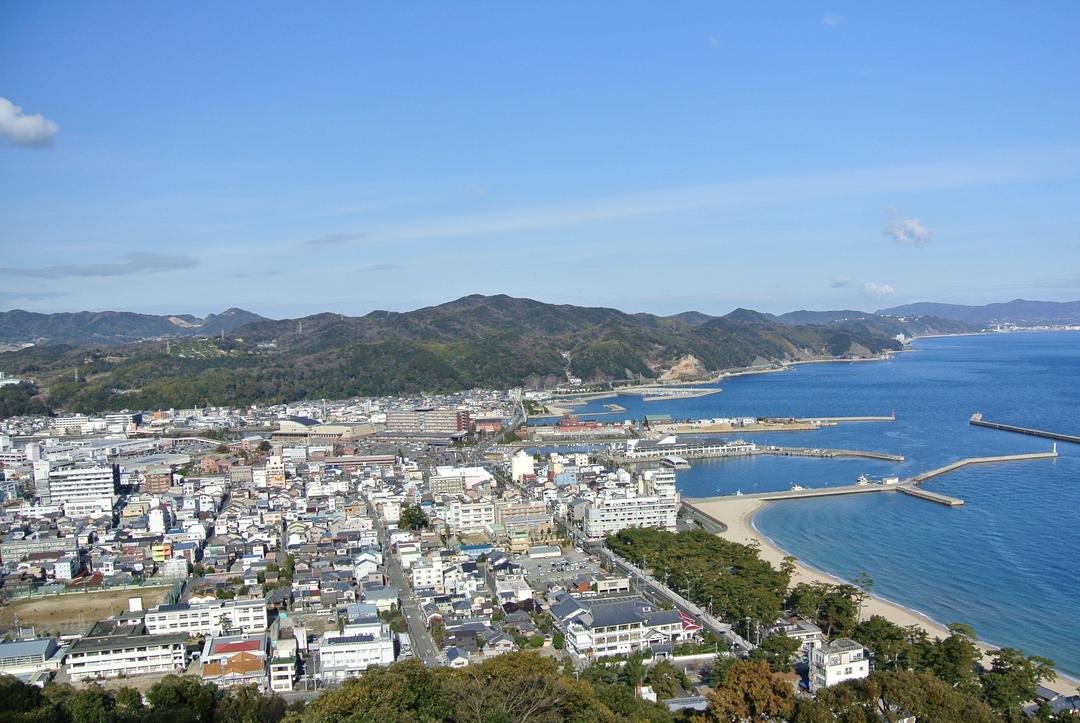
Popular Landmarks in Sumoto
Discover the most iconic attractions in Sumoto
Recommended Hotels in Sumoto
Find the perfect place to stay in Sumoto
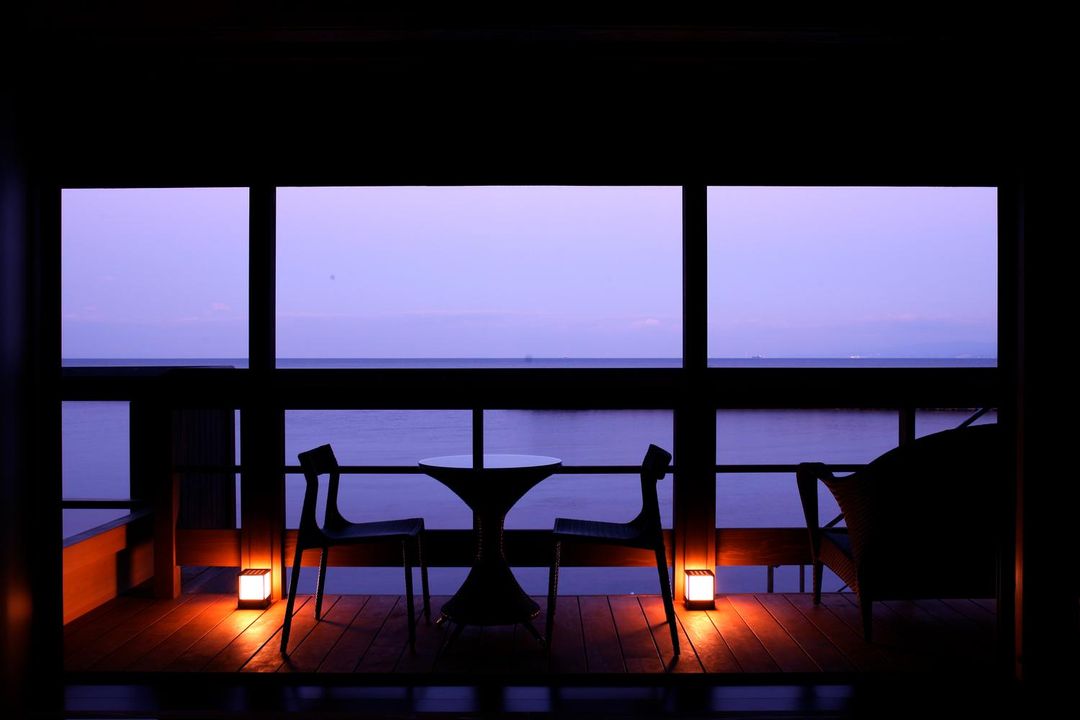

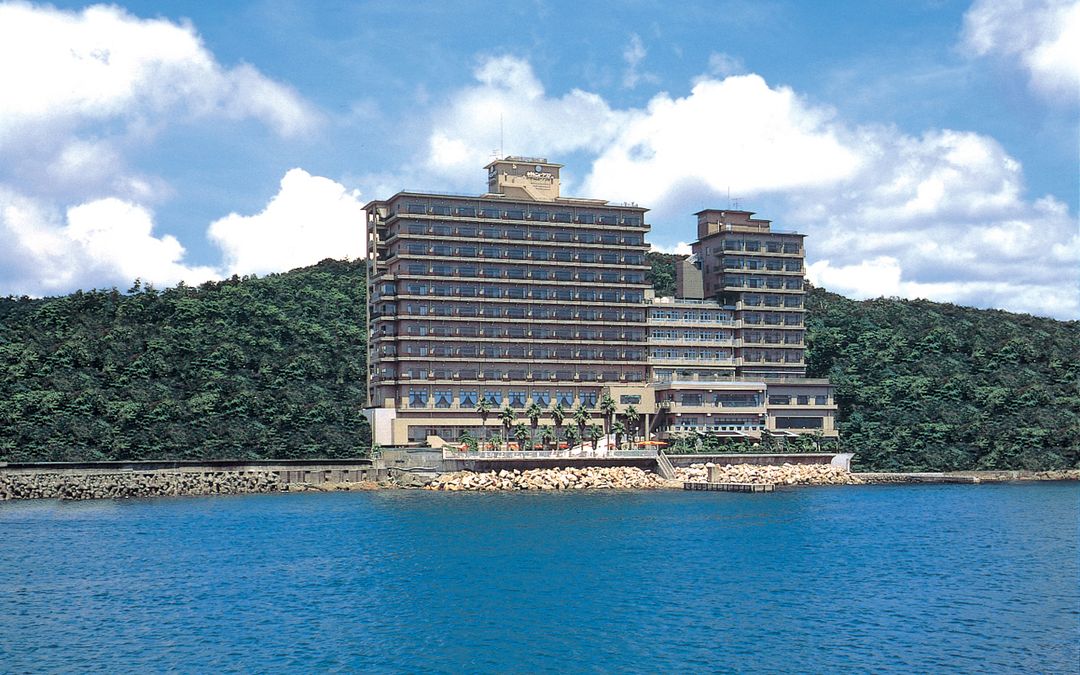
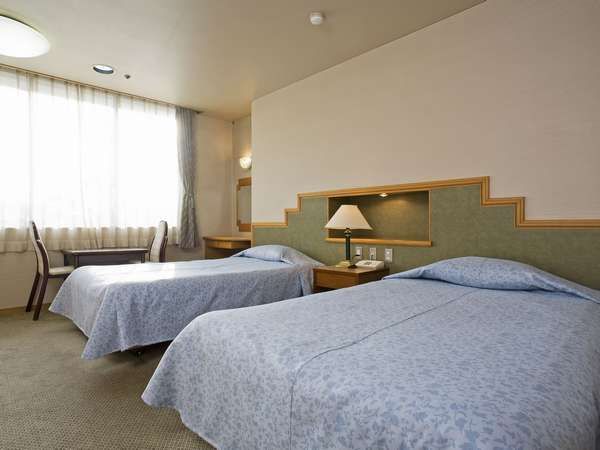

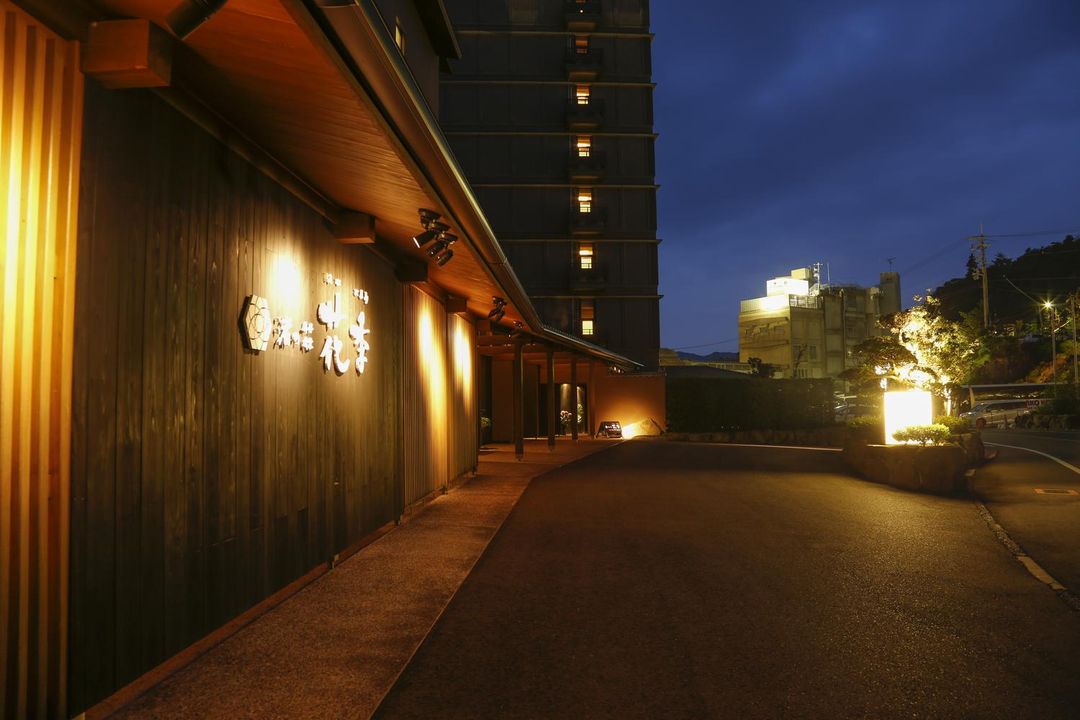
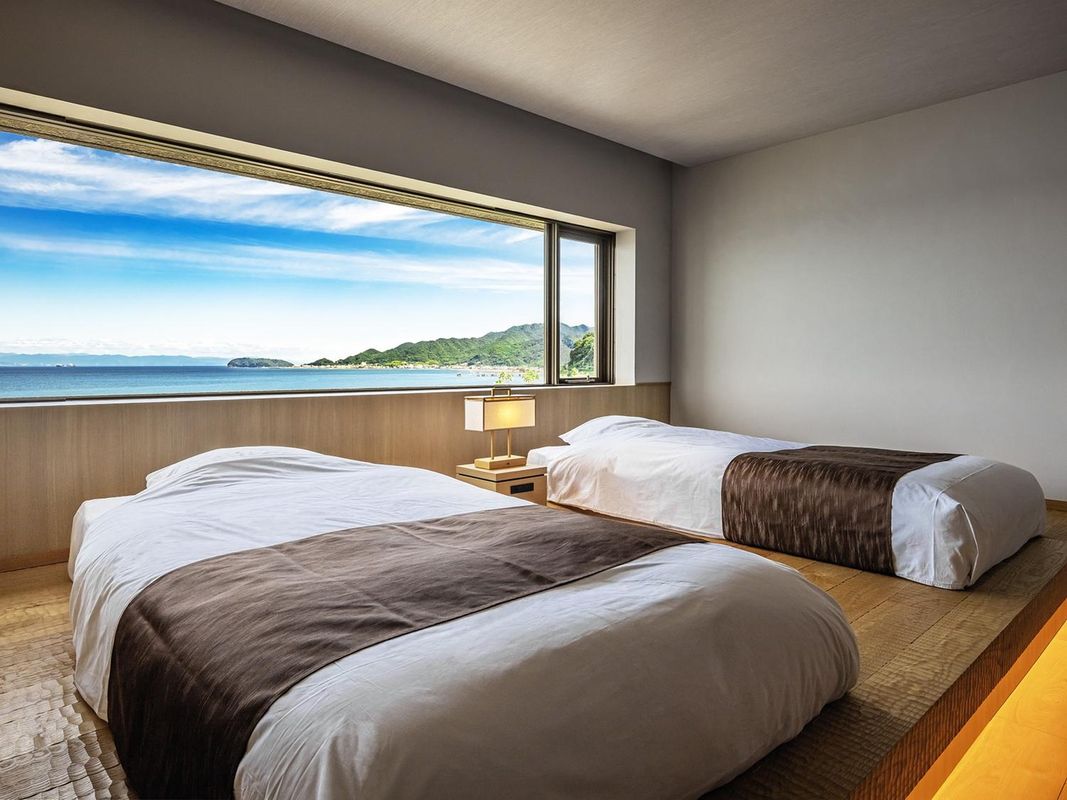
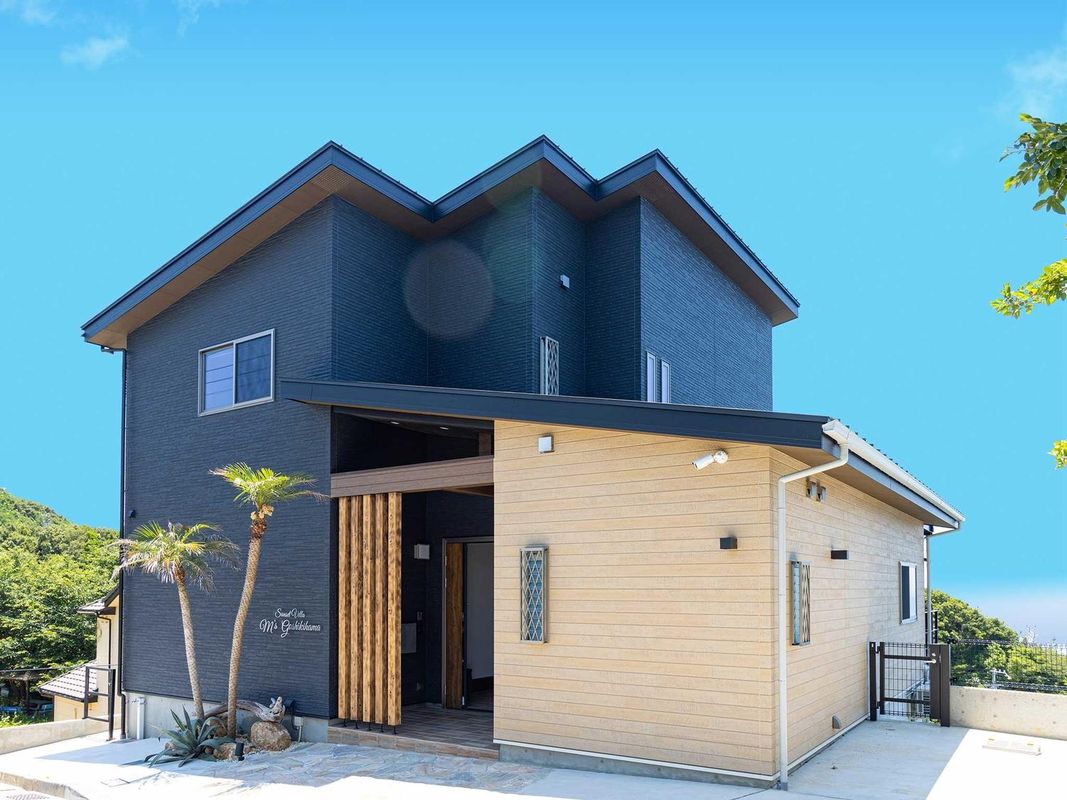
Best Hotels in Sumoto
Discover curated hotel collections in Sumoto









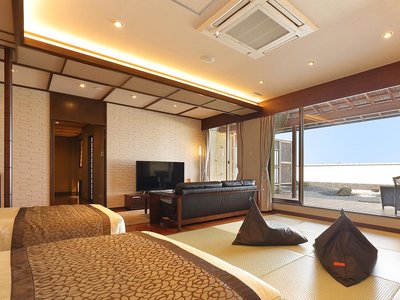
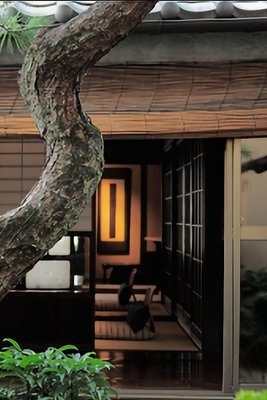
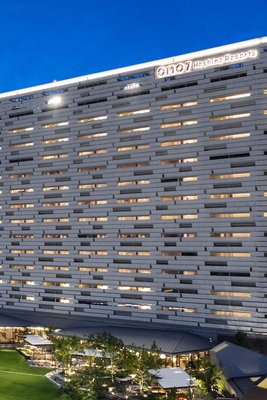
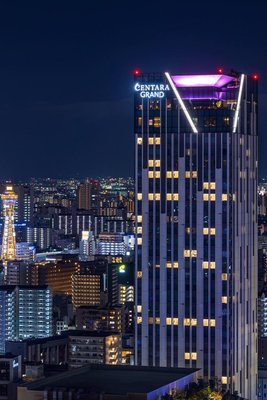



















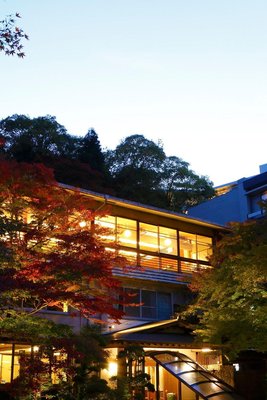
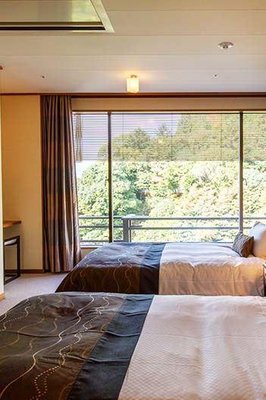
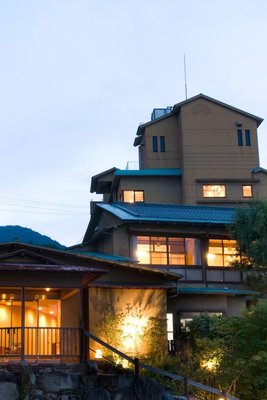

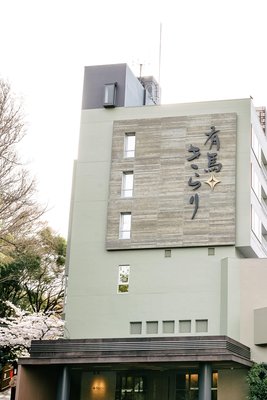
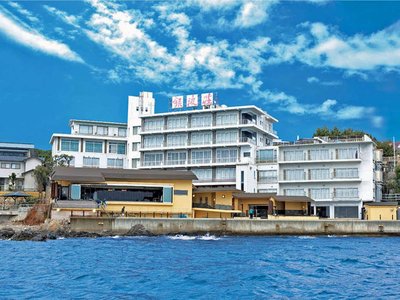

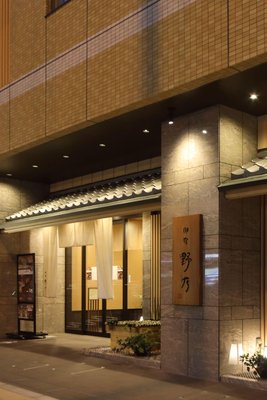
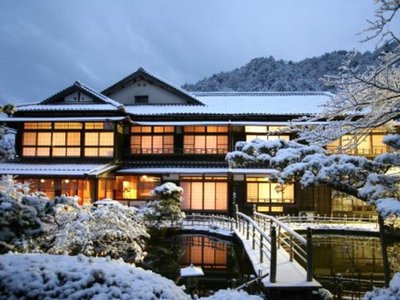
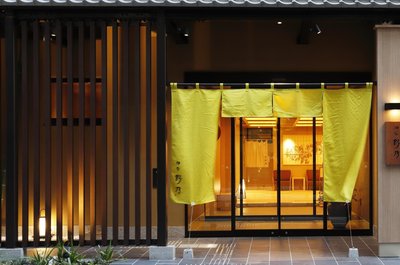
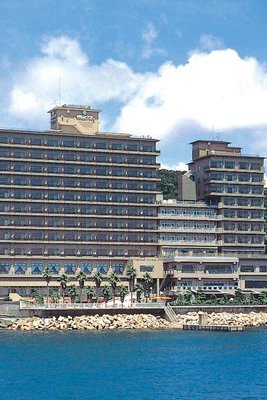

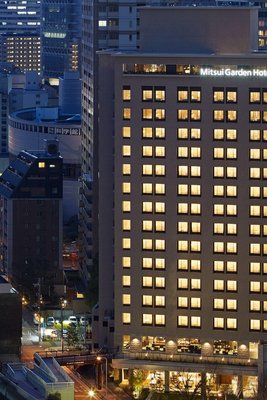
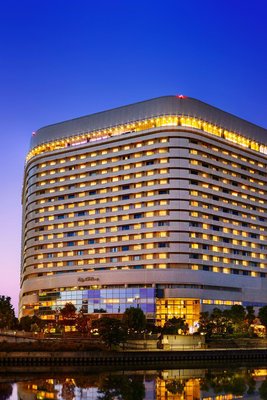
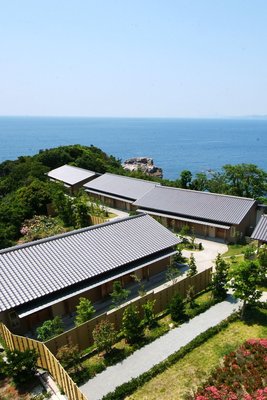




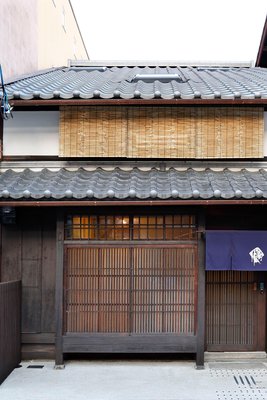
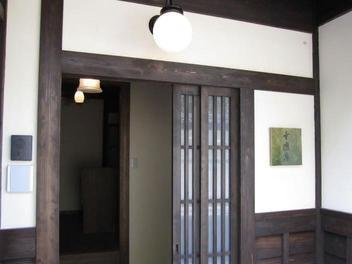
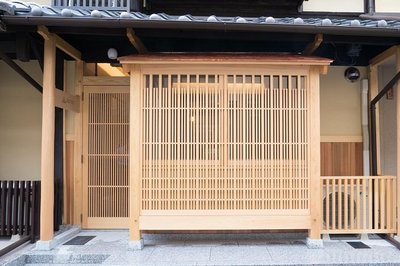
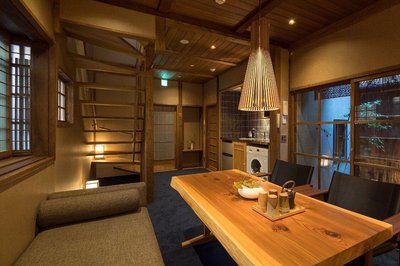
Frequently Asked Questions about Traveling to Sumoto
Questions You Might Need to Know About Traveling to Sumoto
Sumoto Overview
City Summary
Sumoto City, located in the southern part of Hyogo Prefecture, Japan, is a city rich in natural beauty and historical culture. Centered around Awaji Island, it boasts abundant agricultural resources and seafood, particularly famous for its onions and sea bream. Sumoto blends tradition with modernity, offering ancient temples and shrines alongside contemporary leisure facilities, making it an ideal destination to experience Japanese rural charm.
Must-See Attractions
Key attractions in Sumoto include Sumoto Castle Ruins, a historic site offering panoramic views of the city and the Seto Inland Sea. Awaji Island Farm Park is perfect for families, with opportunities to interact with animals. Additionally, Sumoto Onsen provides a relaxing retreat, while the Naruto Whirlpools (accessible by boat) are a natural wonder worth visiting.
Food Guide
Sumoto's culinary culture revolves around seafood, with sea bream dishes like sea bream rice and sashimi being must-tries. Street food highlights include onion tempura and Awaji beef. Local dishes featuring fresh vegetables, such as Awaji Island vegetable curry, are also unique and flavorful.
Transportation Guide
Public transportation in Sumoto primarily consists of buses, with several routes connecting major attractions. From Osaka or Kobe, travelers can take express buses or JR trains to Sumoto Station. Taxis are convenient but expensive. Renting a car is recommended for flexible exploration of Awaji Island.
Best Time to Visit
The best times to visit are spring (March to May) and autumn (September to November), when the weather is pleasant for outdoor activities. Summers are hot but ideal for beaches and swimming. Winters are quieter, suitable for travelers seeking tranquility.
Travel Tips
- Respect local customs; maintain silence at temples.
- Some attractions, like Sumoto Onsen, require advance reservations.
- Drive carefully on Awaji Island's narrow roads.
- Ask for seasonal menu recommendations when trying local cuisine.
- Carry cash, as some small shops do not accept credit cards.
- Sun protection is essential, especially for beach activities in summer.
Useful Information
The official language in Sumoto is Japanese, with some tourist spots offering English signage. WiFi coverage is limited; consider purchasing a local SIM card or renting a portable WiFi device. Cash is the primary payment method, though some businesses accept credit cards. For emergencies, dial 110 (police) or 119 (ambulance). Pharmacies and hospitals are widely available, but bringing personal medications is advisable.