Hotels in Suphan Buri
Discover your perfect stay in Suphan Buri.
Suphan Buri(Thailand) Travel 2026: Cheap Flights, Hotels & Top Attractions
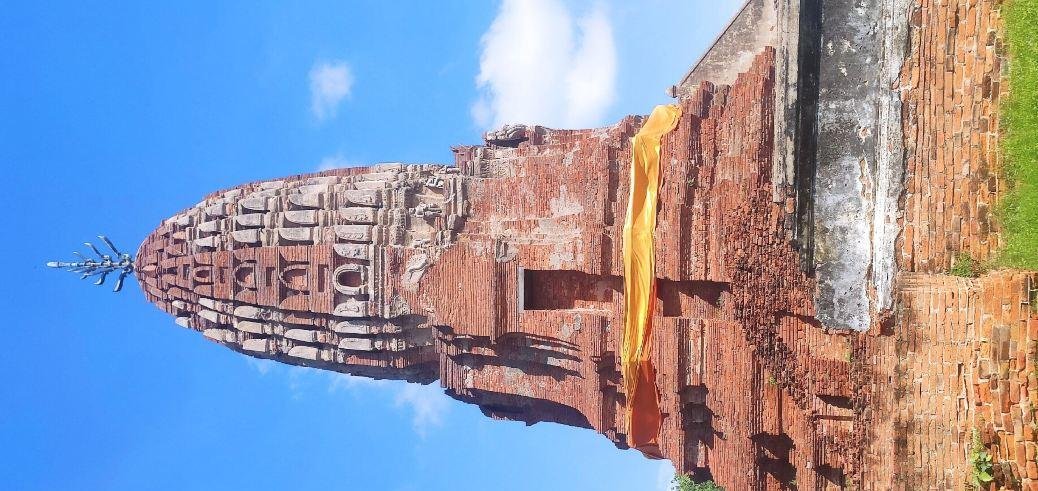
Popular Landmarks in Suphan Buri
Discover the most iconic attractions in Suphan Buri
Recommended Hotels in Suphan Buri
Find the perfect place to stay in Suphan Buri
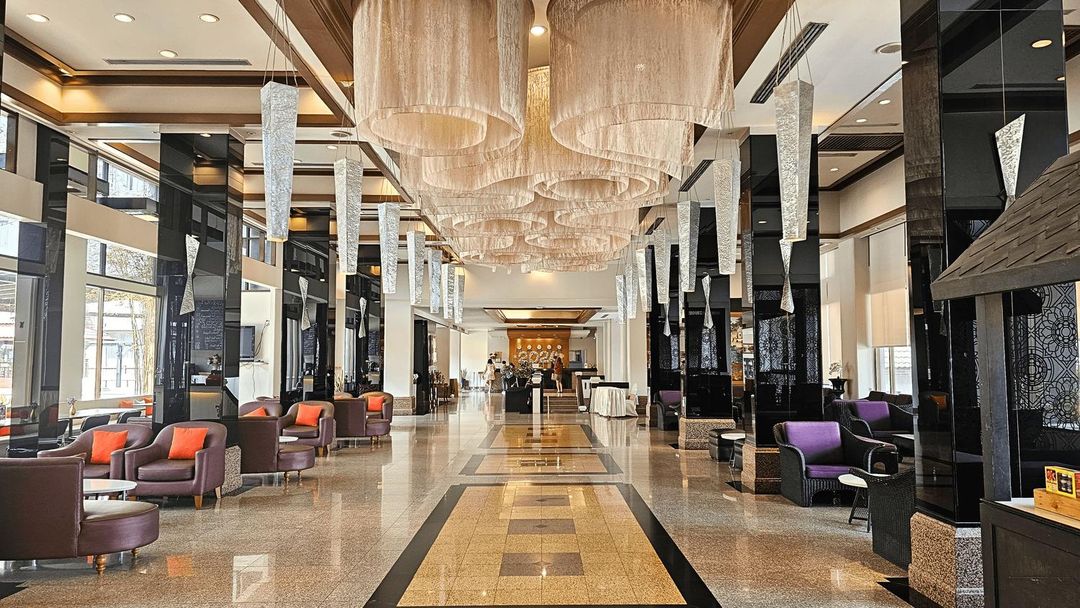
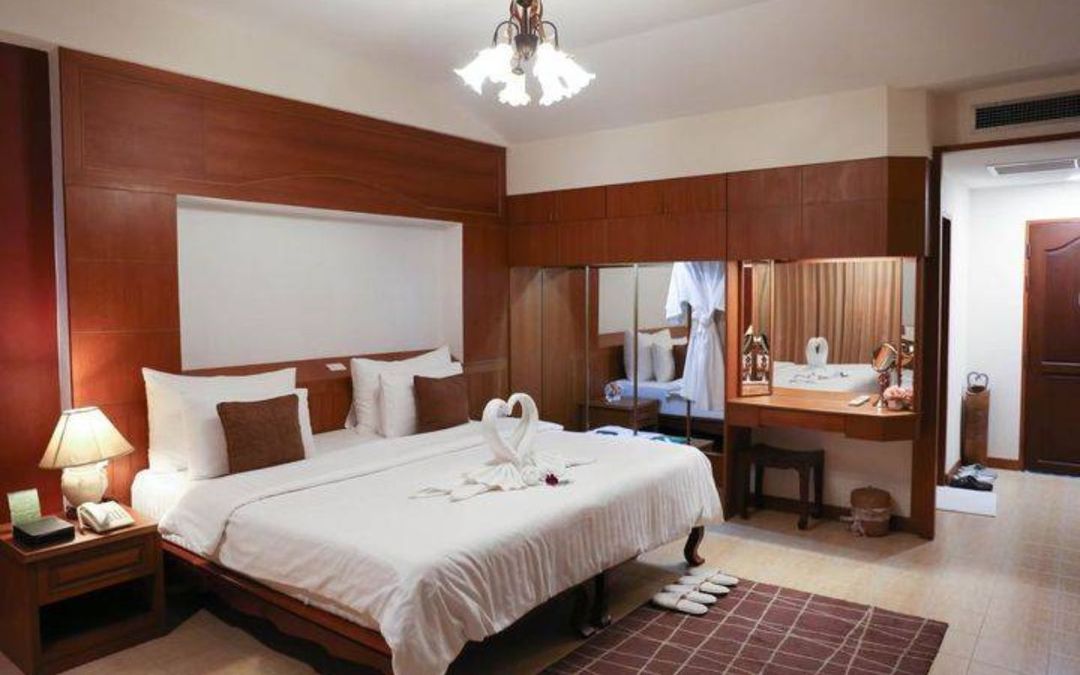
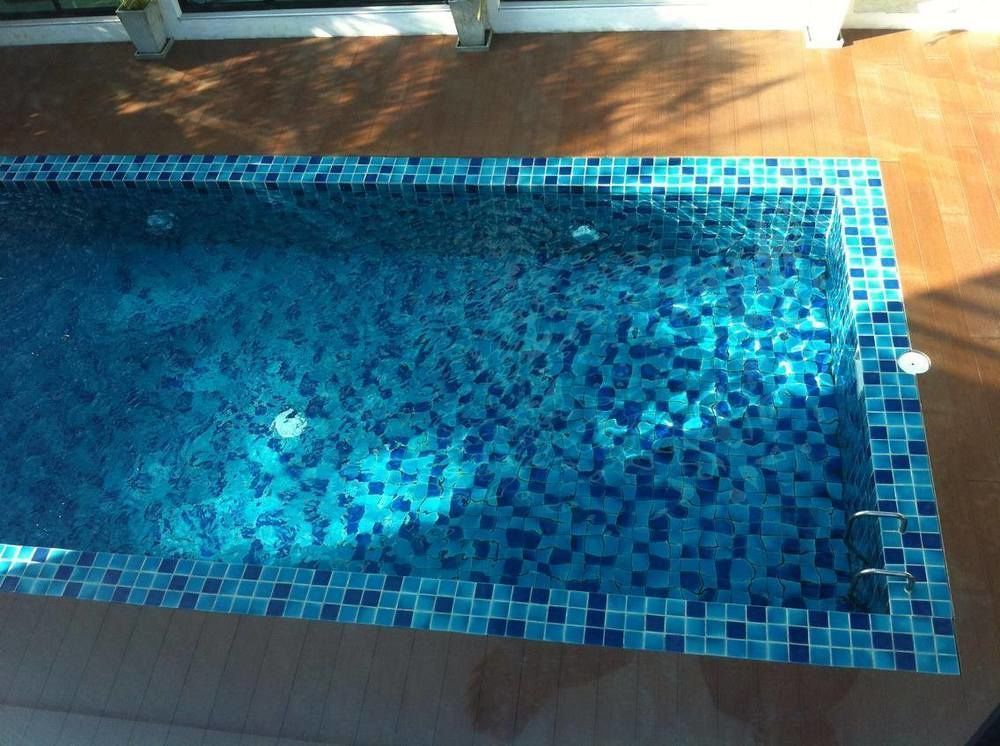
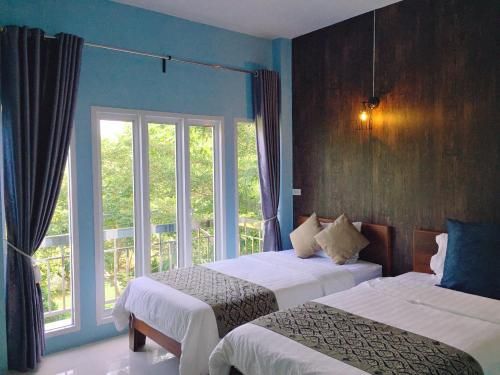
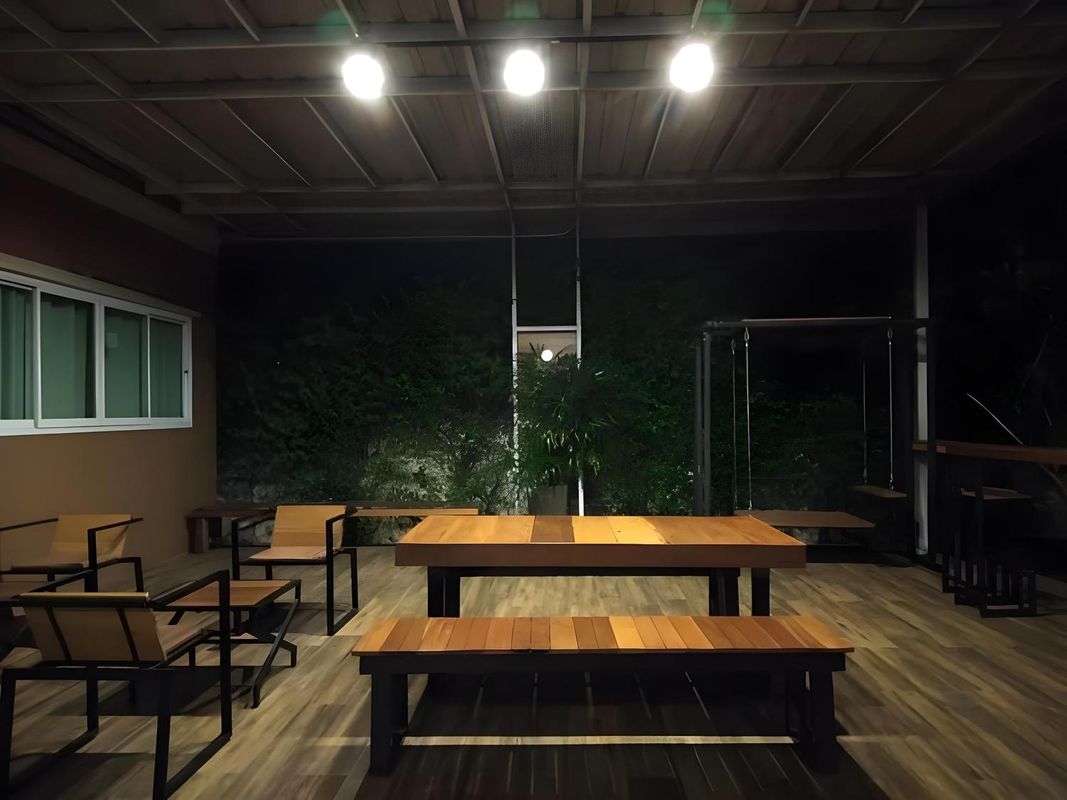

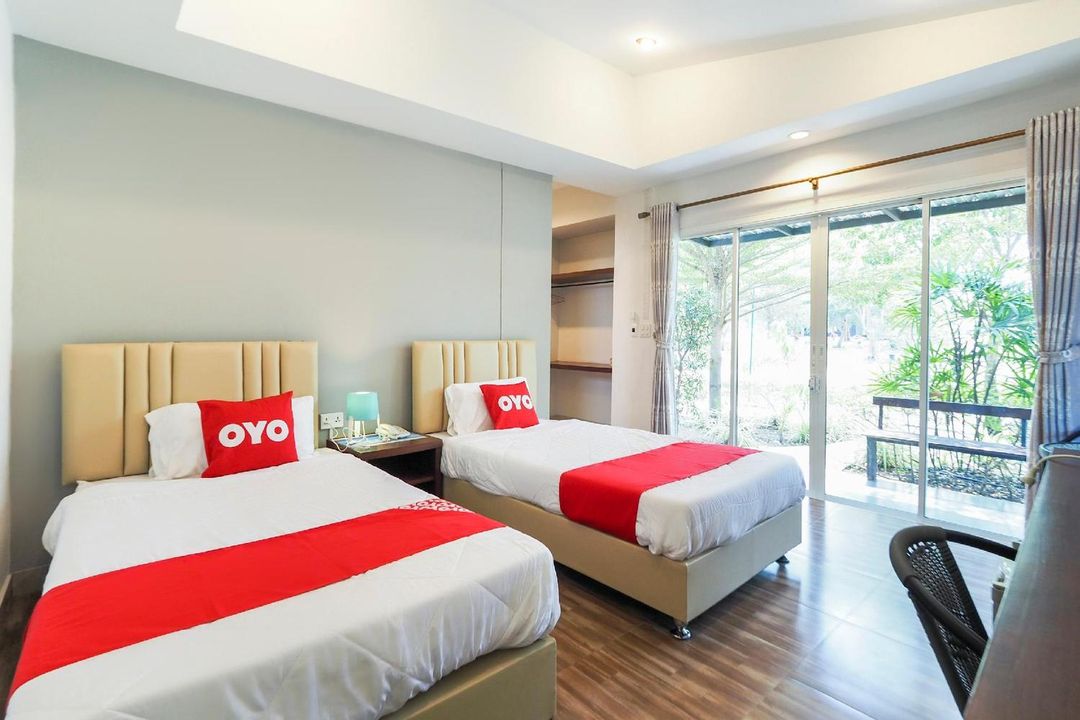
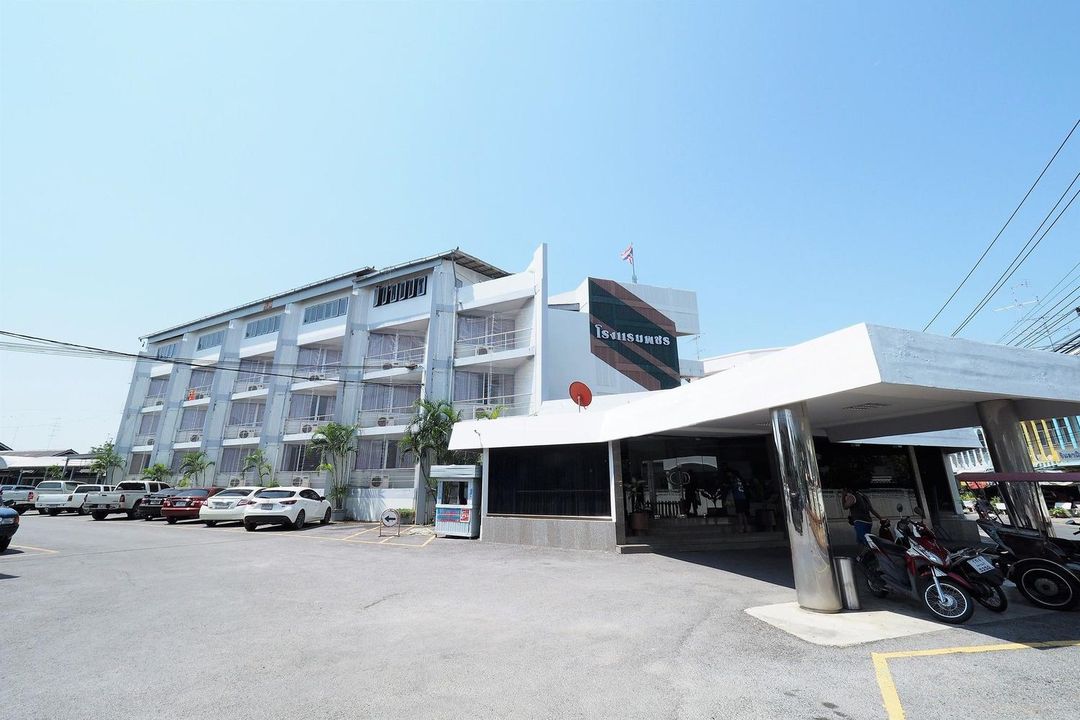
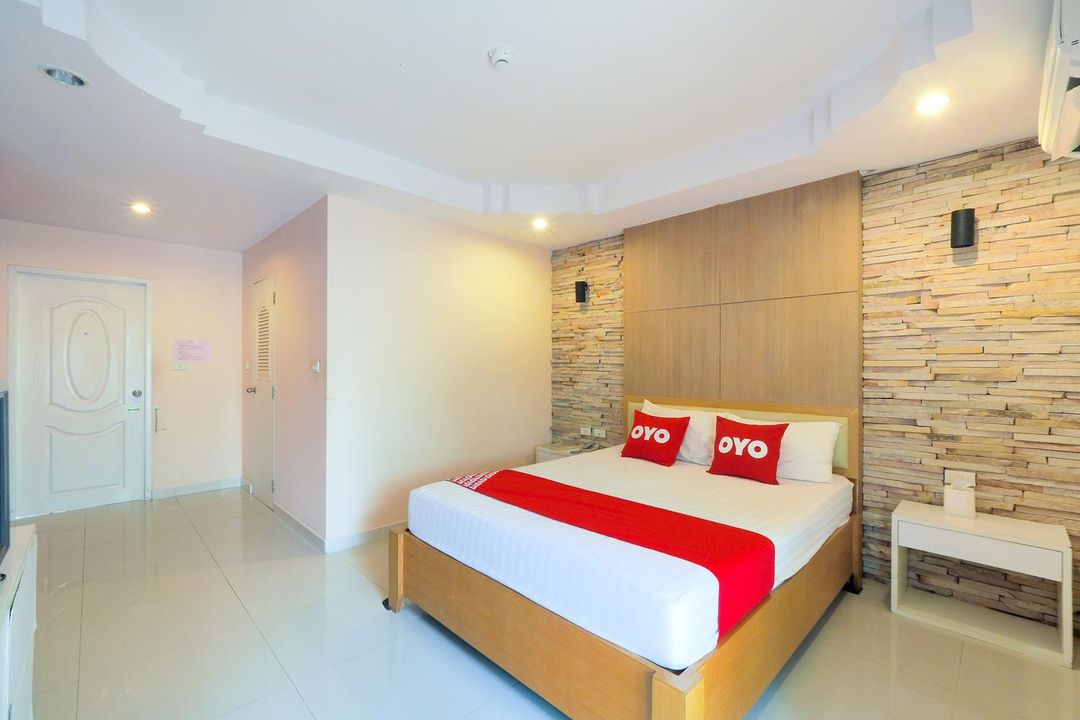
Best Hotels in Suphan Buri
Discover curated hotel collections in Suphan Buri































































Frequently Asked Questions about Traveling to Suphan Buri
Questions You Might Need to Know About Traveling to Suphan Buri
Suphan Buri Overview
City Summary
Suphan Buri is a province in west-central Thailand, known for its rich historical heritage and traditional agricultural landscapes. The city is famed for its ancient temples, floating markets, and traditional crafts, making it an ideal destination to explore rural Thai culture. Key attractions include its deep-rooted Buddhist culture, traditional festivals, and serene countryside ambiance.
Must-See Attractions
Must-see spots include Wat Phra Si Rattana Mahathat, a千年-old temple renowned for its stunning pagoda. Don Chedi Monument is a significant historical site commemorating the Thai-Burmese war. Additionally, Bueng Chawak Aquarium is a family-friendly attraction showcasing diverse aquatic life. Culture enthusiasts can visit local handicraft villages to learn about traditional silk weaving and pottery making.
Food Guide
Food Guide: Suphan Buri is celebrated for its traditional Thai cuisine, especially street food. Don't miss Khao Chae (summer-style chilled rice), Khanom Jeen (fermented rice noodles), and local grilled pork. Floating markets like Tha Kha Floating Market offer fresh fruits and regional delicacies, providing an authentic taste of local food culture.
Transportation Guide
Transportation: Getting around Suphan Buri mainly relies on buses and motorbike rentals. From Bangkok, take a bus or train (approx. 2 hours). Attractions are spread out, so renting a motorbike or hiring a private car is recommended. Tuk-tuks are convenient for short trips but negotiate fares in advance. For longer journeys, self-drive car rentals are an option, but be mindful of local traffic rules.
Best Time to Visit
Best Time to Visit: November to February is ideal, with cool, dry weather perfect for outdoor activities. Avoid the hot season (April-May) and rainy season (June-October) for the best experience.
Travel Tips
Travel Tips: 1. Respect temple etiquette—dress modestly. 2. Carry cash as some small shops don’t accept cards. 3. Stay hydrated and use sunscreen, especially in summer. 4. Learn basic Thai phrases for better communication. 5. Keep valuables secure at floating markets. 6. Ask vendors for food recommendations.
Useful Information
Useful Info: Language is primarily Thai, with English spoken in tourist areas. Internet coverage is good; local SIM cards are available. Payment is mostly cash-based, though some accept mobile payments. For emergencies, contact local hospitals or tourist police (call 1155). Travel insurance is recommended.