Hotels in Suzaka
Discover your perfect stay in Suzaka.
Suzaka(Japan) Travel 2026: Cheap Flights, Hotels & Top Attractions
Popular Landmarks in Suzaka
Discover the most iconic attractions in Suzaka
Recommended Hotels in Suzaka
Find the perfect place to stay in Suzaka
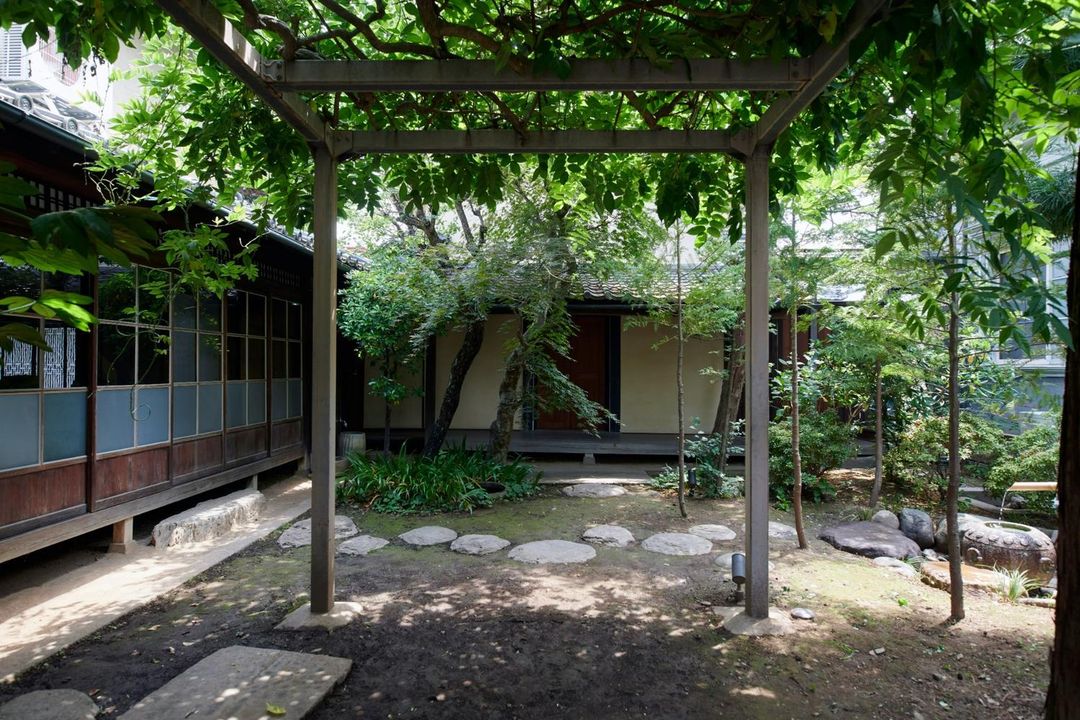
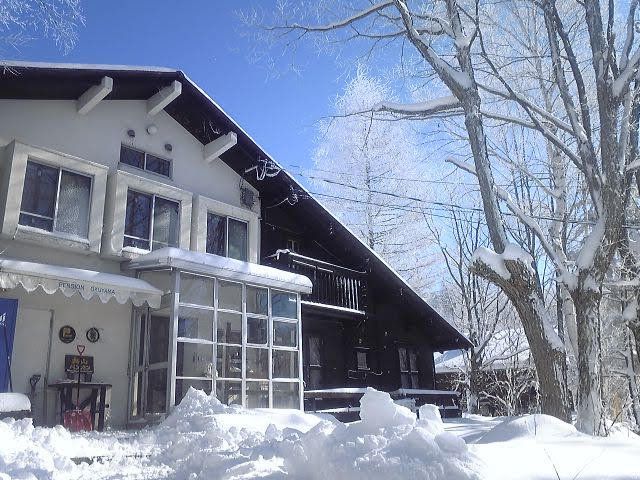

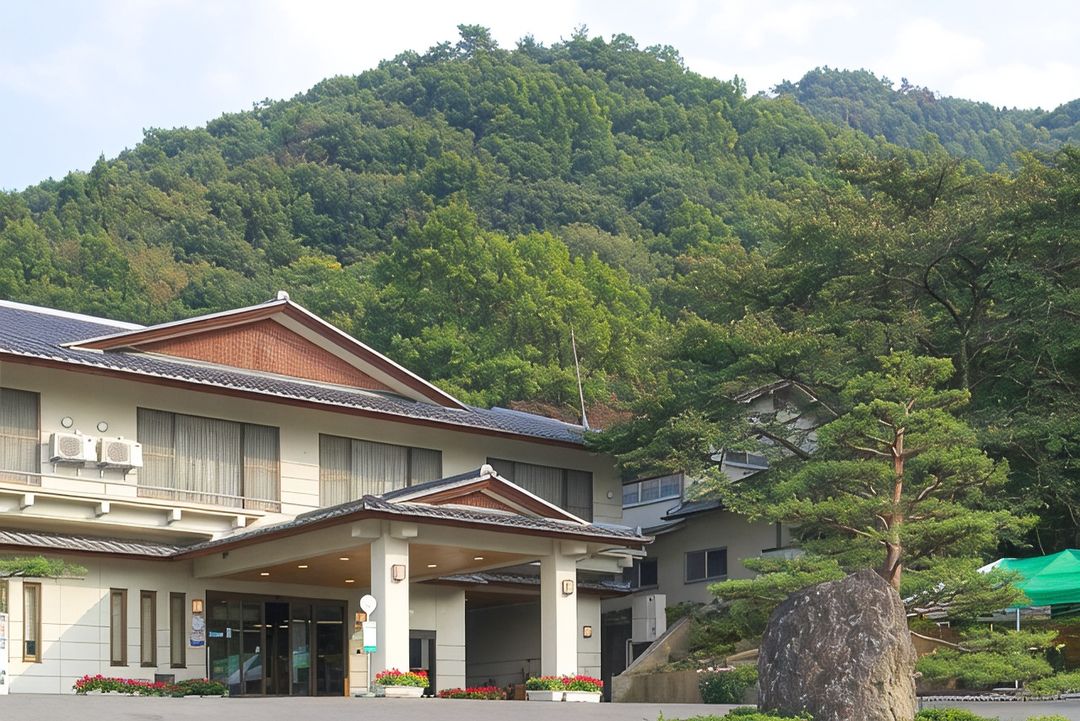

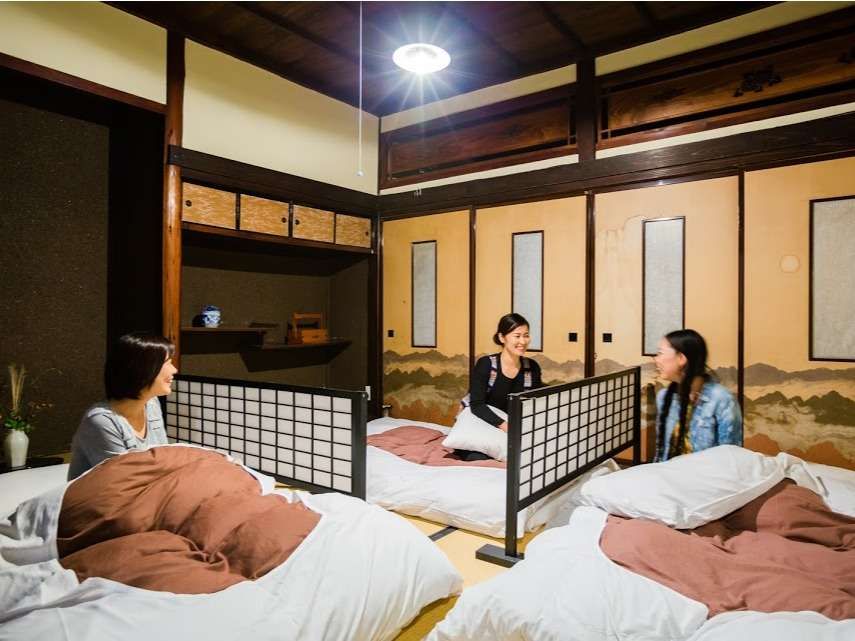
Best Hotels in Suzaka
Discover curated hotel collections in Suzaka
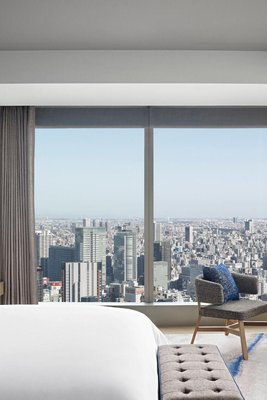
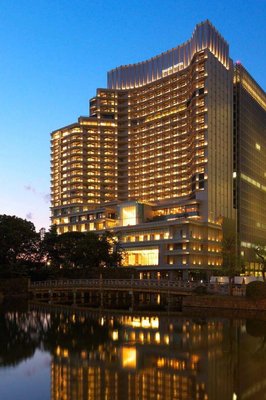
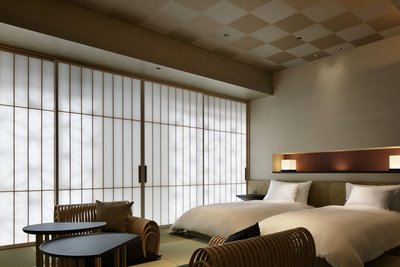
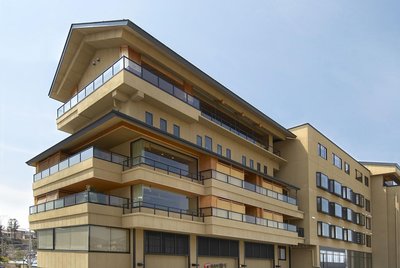
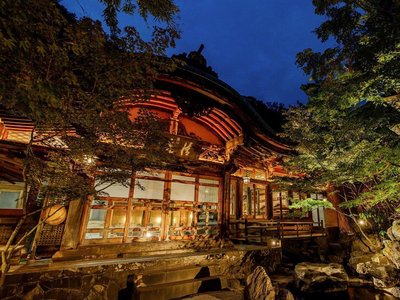
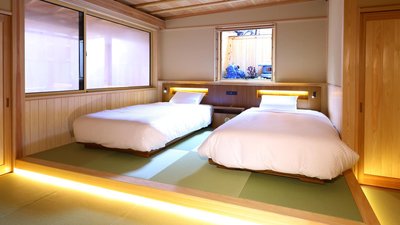
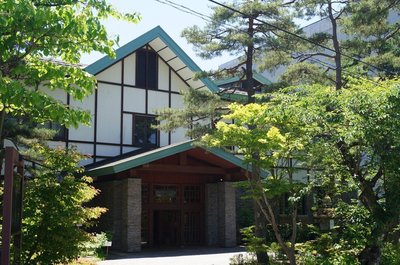




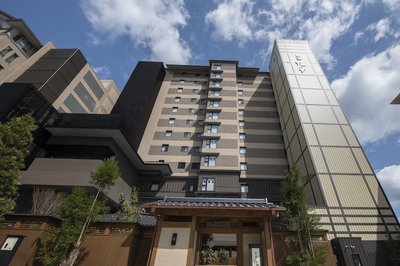
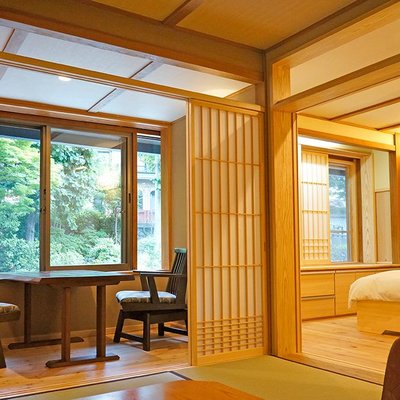
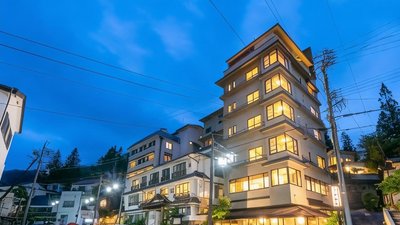
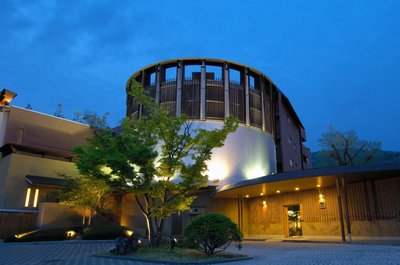






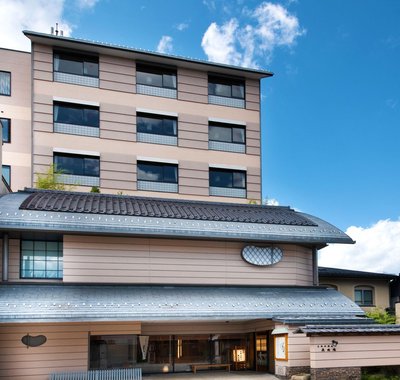


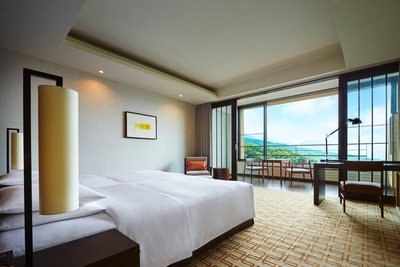
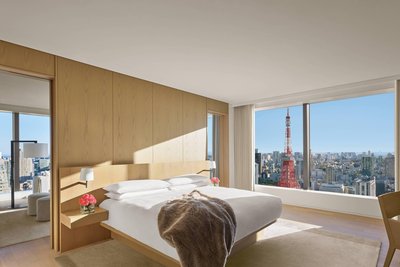


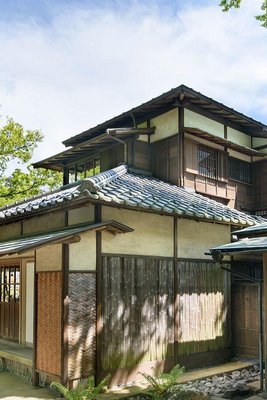
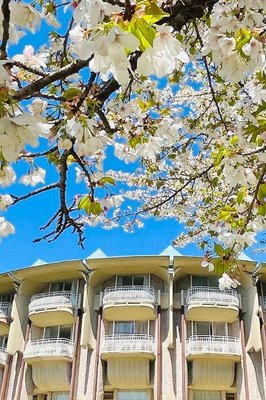
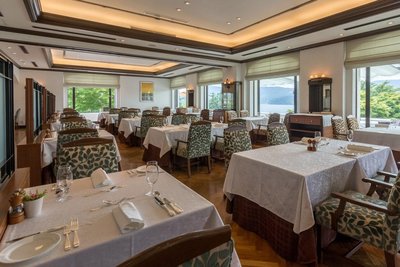
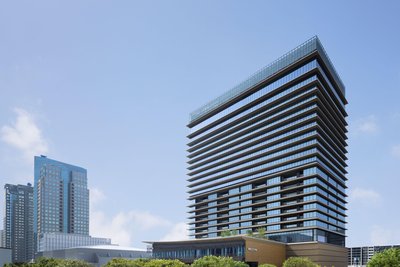

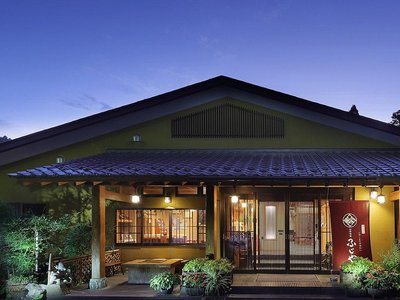
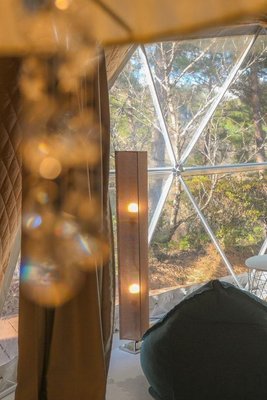
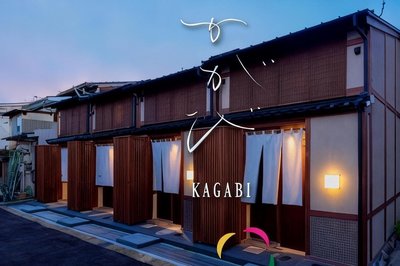
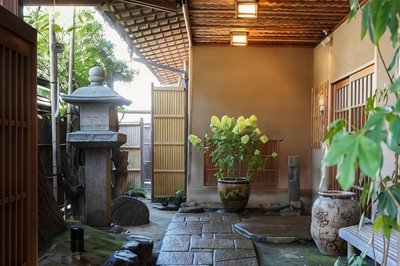

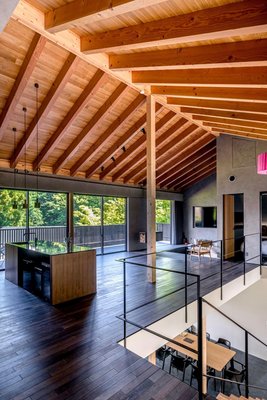
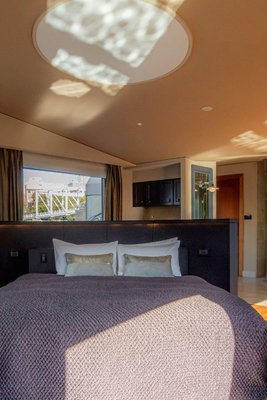
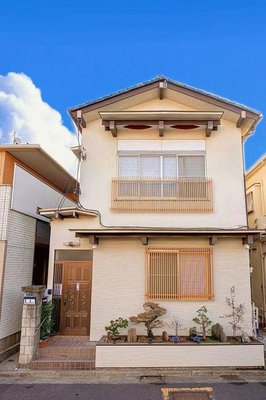
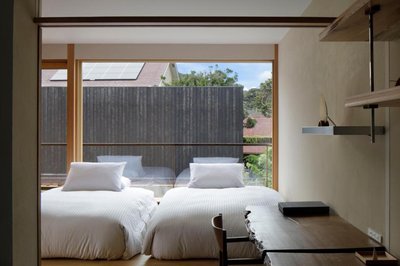











Frequently Asked Questions about Traveling to Suzaka
Questions You Might Need to Know About Traveling to Suzaka
In Saku City, recommended family-friendly accommodations include Hotel Vista Saku, located near Saku Station and offering spacious family rooms, a children’s play area, and on-site parking. The hotel is close to Omakigawa River Park and Saku City Museum, making it ideal for cultural and outdoor activities. Many rooms feature tatami flooring and Japanese-style interiors, blending comfort with local charm. Additionally, the hotel provides multilingual staff and free Wi-Fi, ensuring a seamless stay. Nearby restaurants like Saku Yakiniku House serve delicious grilled meats, perfect for family dining. A great base for exploring Nagano Prefecture's eastern region.
The best area for accommodation in Saku City is the central district, particularly around Saku Station. This zone offers excellent access to public transportation, shopping streets, convenience stores, and restaurants. It’s just a 5-minute walk from Omakigawa River Path and Saku Park, ideal for morning strolls or evening relaxation. Major hotels such as Nagano Hotel Saku are located here, providing reliable service, modern amenities, and quiet surroundings. Its central location makes it perfect for both tourists and business travelers seeking convenience and comfort while exploring the heart of the city.
In Saku City, visitors can explore the Saku Textile Museum, which showcases the city’s centuries-old tradition of handloom weaving. During summer, the annual Saku Textile Festival features live demonstrations, craft workshops, and traditional performances. You can also visit Mikihata Shrine, a serene Shinto site with historic wooden torii gates and elegant architecture. For nature lovers, biking along the Omakigawa River Trail offers panoramic views of seasonal landscapes. These experiences provide authentic insights into Nagano Prefecture’s heritage, craftsmanship, and rural lifestyle.
While Saku City isn’t known for natural hot springs, nearby destinations like Shinano Onsen and Karuizawa offer world-class onsen experiences. However, Hotel Vista Saku features an indoor hot spring bath with water sourced from natural mineral springs in Nagano Prefecture. The warm, therapeutic waters help relieve fatigue, and private onsen rooms are available upon request. The hotel blends modern design with traditional Japanese aesthetics, creating a relaxing atmosphere. For travelers seeking a spa-like retreat without traveling far, this is an excellent choice. Consider day trips to Kamikochi or Iiyama for deeper immersion in natural hot springs.
Yes, Saku City is highly suitable for independent travelers. The city is compact, clean, and well-organized, with clear signage in multiple languages. Public transportation includes frequent buses connecting major attractions and residential areas. The Tourist Information Center offers multilingual maps, timetables, and travel tips. Whether visiting the Saku City Museum, enjoying local udon noodles, or cycling along the Omakigawa River, you can easily plan your own itinerary. Most shops accept credit cards and mobile payments, and the friendly locals make navigating the city stress-free. It’s an ideal destination for those seeking authentic, low-key exploration in Nagano Prefecture.
Top attractions in Saku City include the Saku City Museum, which displays artifacts related to agriculture, industry, and regional history. The Omakigawa River Walkway offers scenic views for walking, jogging, or photography. Mikihata Shrine, with its ancient wooden gates and peaceful atmosphere, is perfect for spiritual reflection. In spring, visit Saku Park for cherry blossoms; in autumn, enjoy vibrant foliage. For those interested in broader culture, a short train ride leads to Shinano-Okuni Temple and the famous Jigokudani Monkey Park. All these sites are within a 3-kilometer radius of the city center, easily accessible by foot or bus.
Must-try local dishes in Saku City include Saku Udon, thick handmade noodles served in rich chicken or soy-based broth—perfectly chewy and flavorful. Another highlight is Shinshu Buckwheat Noodles, made from locally grown buckwheat flour, offering a nutty taste and healthy profile. Don’t miss Saku Yakiniku House, where fresh grilled skewers are served with house-made sauce. For a sweet treat, sample matcha desserts at local street stalls during festivals. These culinary delights reflect the region’s agricultural abundance and deep-rooted food traditions, making them essential parts of any visit to Nagano Prefecture.
Yes, public transportation in Saku City is very convenient. The city is served by Saku Station, a key junction on the Shin’etsu Main Line and Shin’etsu Express Line, linking directly to Nagano, Matsumoto, and Tokyo (approx. 90 minutes). Local buses cover major tourist spots and residential zones, with affordable fares and IC card compatibility. The city center is walkable, and bike rentals are available near the station. The Tourist Information Center provides multilingual maps and schedules, helping travelers navigate efficiently. Whether by train, bus, or rental car, getting around Saku City is straightforward and reliable.
While Saku City isn’t a ski destination, winter offers unique charm. Enjoy peaceful walks along the Omakigawa River, now framed by snow-laden trees and illuminated pathways. Visit Saku Park during the winter light festival for magical displays. Local eateries serve seasonal specialties like hearty hot pot and miso soup. For a longer adventure, take a train to Kamikochi or Iiyama, both renowned for snowscapes and onsen resorts. The city also hosts winter-themed events at Mikihata Shrine, including purification rituals and lantern ceremonies. Winter visits offer tranquility, warmth, and a glimpse into Japan’s seasonal traditions.
Ideal photo spots in Saku City include the Omakigawa River Walkway, especially during cherry blossom season when pink petals drift over the water, or in autumn when maple trees blaze in red and gold. The Mikihata Shrine with its striking vermilion torii gate and stone lanterns creates stunning contrast against natural backdrops. The Saku City Museum’s modern architecture, blending glass and wood, is visually striking and perfect for architectural photography. The Saku Station Front Plaza features seasonal decorations and sculptures, often used as Instagram-worthy backdrops. Early morning or late afternoon light enhances the photos, capturing the city’s serene beauty.
Suzaka Overview
City Summary
Suzaka City, located in northern Nagano Prefecture, Japan, is a charming blend of history and nature. Renowned for its well-preserved Edo-period merchant houses (known as "Kura no Machi"), the city is surrounded by the Northern Alps. Its core appeal lies in traditional crafts (like wax-resist dyeing) and hot spring resources, ideal for culturally immersive and tranquil getaways.
Must-See Attractions
Top attractions include the Suzaka City Museum showcasing local history and dyeing art. Kura no Machi Street features over 80 converted warehouse buildings now housing cafes and workshops. Nature lovers can visit Yonako Waterfall (one of Japan's Top 100) or Garyu Park for cherry blossoms. In winter, Madarao Kogen Ski Resort (40min drive) is recommended.
Food Guide
Suzaka specializes in mountain cuisine - try Shinshu soba noodles and Nozawana pickles. Gohei-mochi (grilled rice skewers with miso) is a must-try street food. For dessert, sample apple pies (Nagano's famous produce). Most restaurants cluster around Kura no Machi area; some historic venues require reservations.
Transportation Guide
The city relies on buses and taxis (no subway). From Nagano Station, take the Shinano Railway to Suzaka Station (25min, 1-2 trains hourly). Rent bicycles near the station or use the "Kura no Machi" loop bus (¥200/ride). Winter driving requires snow tires.
Best Time to Visit
Best seasons are May-June (fresh greenery) and September-November (autumn foliage), with 15-25°C temperatures. July-August sees more tourists but stays cool. December-March suits skiing but some attractions close. Avoid Golden Week (late April-early May) for quieter visits.
Travel Tips
- Remove shoes when entering temples
- Tattoos are banned in public onsens
- Strict garbage separation (burnable/non-burnable/bottles)
- Carry cash as many small shops don't accept cards
- Mountain weather changes rapidly; pack rain gear
- Wear anti-slip shoes in snowy winters
- Lunch hours (11:30-13:00) get crowded at restaurants
- Always ask permission before photographing craft demonstrations
Useful Information
Language: Basic English works at stations/hotels; attractions provide Traditional Chinese brochures. Internet: Limited free WiFi; prepaid SIM cards recommended. Payment: Credit cards only accepted at major venues; cash is king (7-11 has international ATMs). Emergencies: Suzaka General Hospital offers 24/7 care (Phone 026-245-1000); look for "医药品店" signs for pharmacies. Voltage: 100V, two-flat-pin plugs (same as Hong Kong). Etiquette: Keep voices low in public; no eating on trains. Emergency: Police 110, ambulance/fire 119.









