Hotels in Suzu
Discover your perfect stay in Suzu.
Suzu(Japan) Travel 2026: Cheap Flights, Hotels & Top Attractions
Popular Landmarks in Suzu
Discover the most iconic attractions in Suzu
Recommended Hotels in Suzu
Find the perfect place to stay in Suzu
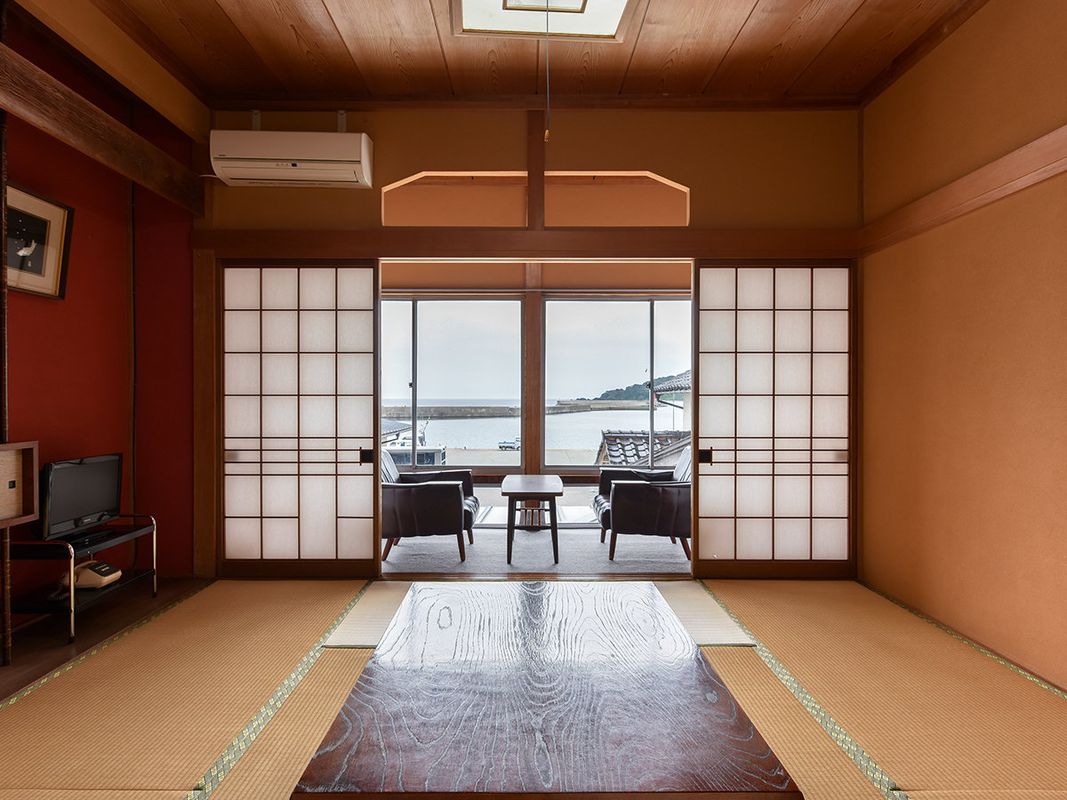
Rokko Ryokan
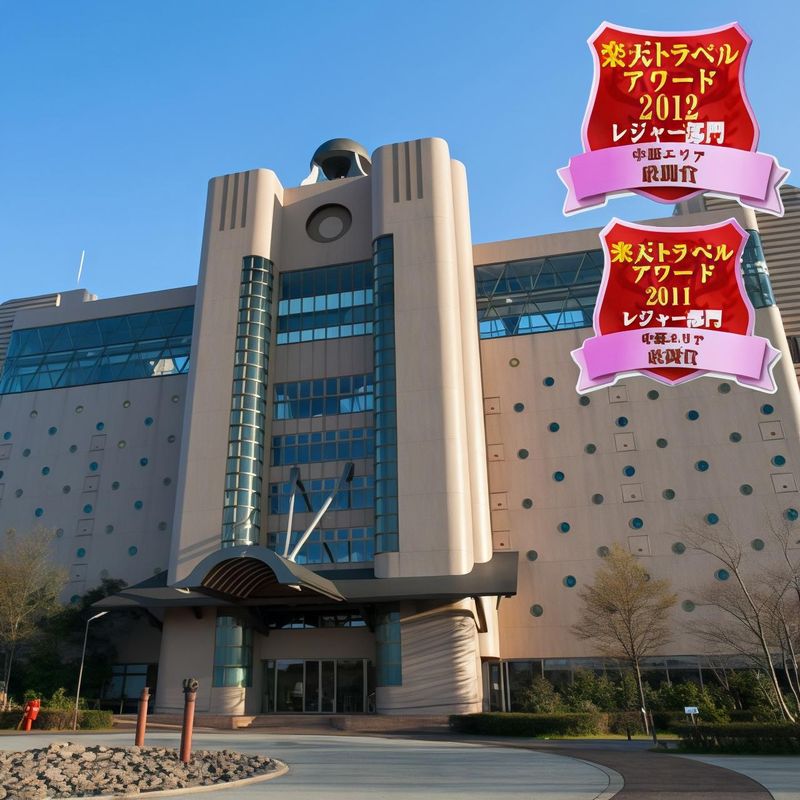
Suzu Beach Hotel

Kinoura Village
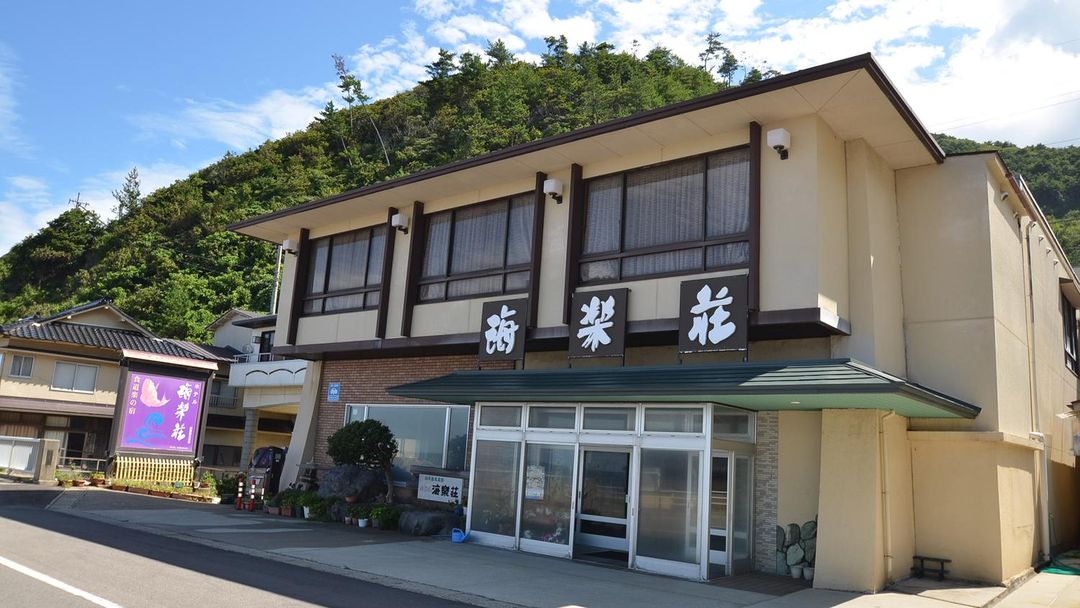
Hotel Kairakuso
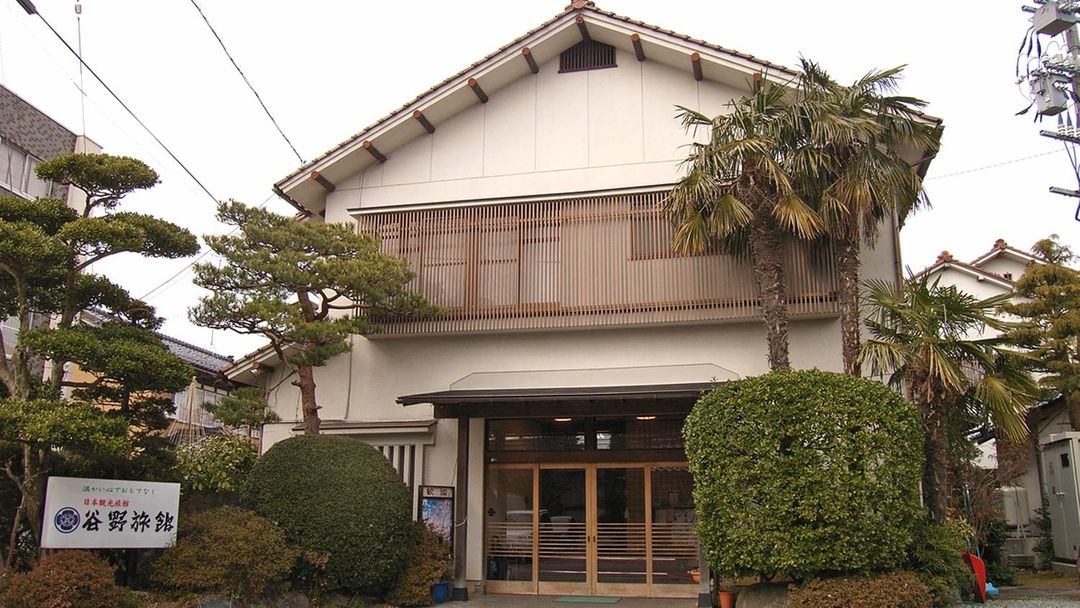
Tanino Ryokan
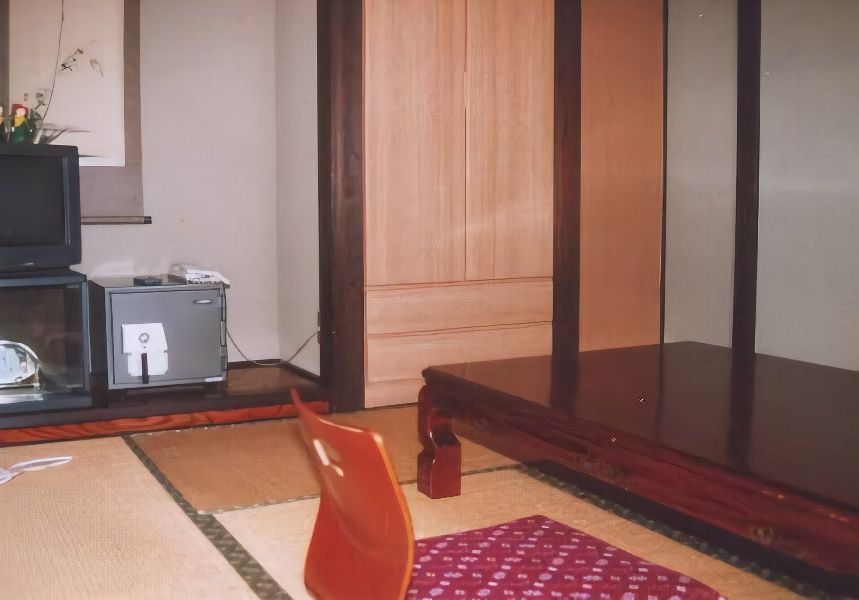
Hachigasaki Zui
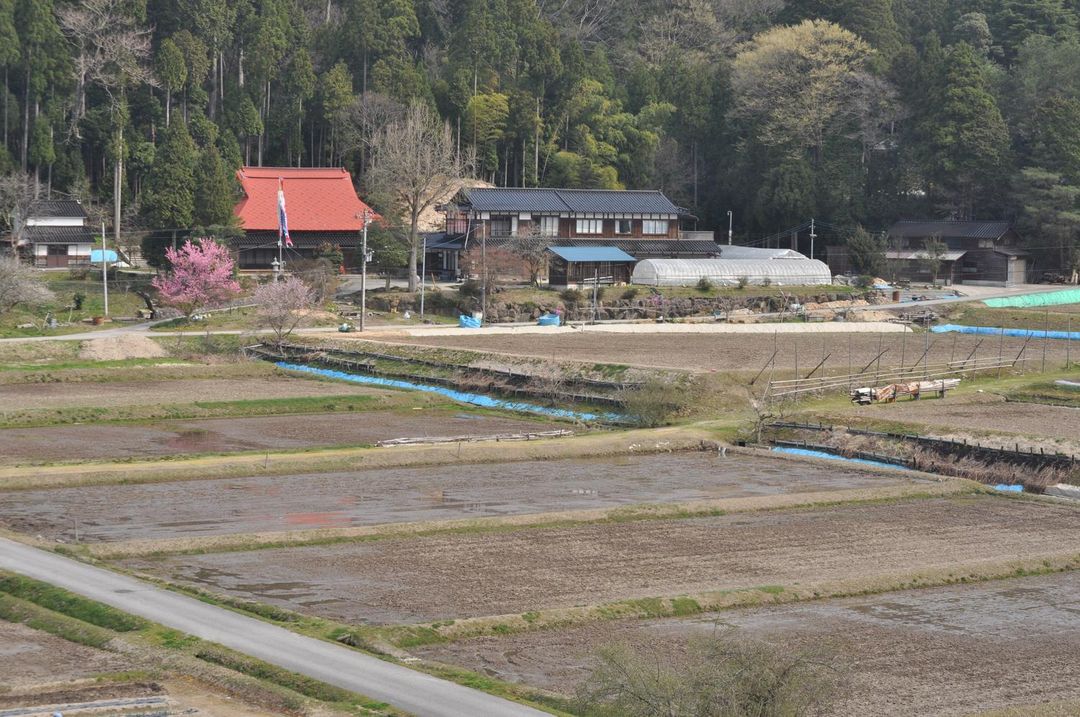
Nouka Minshuku Kominka Naraki
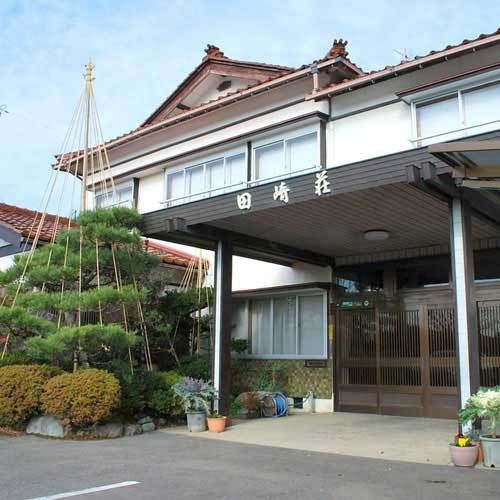
Minshuku Tazakisou
Frequently Asked Questions about Traveling to Suzu
Questions You Might Need to Know About Traveling to Suzu
In Suzu City, Shuzo Onsen Resort Hotel offers stunning sea-view rooms overlooking the Noto Peninsula coastline, featuring private hot spring baths and traditional Japanese gardens. The hotel serves fresh seafood daily, including locally caught black tuna and sea urchin, sourced directly from Suzu Port. Another top choice is Umi Kaze House, a boutique ryokan with ocean-facing verandas, where guests can enjoy sunrise views and participate in hands-on local fishing dinners with fishermen. Both properties offer immersive experiences in Noto’s maritime culture and natural beauty.
The Suzu Port District is the best area for cultural immersion, blending historic charm with authentic local life. Here, visitors can explore Suzu City Hall, Suzu Museum of Art, and Noto Woodcarving Workshops, where artisans demonstrate traditional techniques. The neighborhood hosts seasonal events like the Suzu Grand Festival, where locals parade in kimono and perform folk dances. Strolling along the harbor at dusk, you’ll witness fishing boats returning with the day’s catch—a living testament to Suzu’s deep-rooted connection with the sea and Kaga craftsmanship.
Tourists can take part in Suzu Pottery Workshops at the Suzu Ceramics Village, crafting pieces inspired by Kaga-yaki traditions using local clay. During spring, join the Suzu Big Festival, a vibrant event featuring processions in historical costumes, traditional music, and fire rituals. Another highlight is the Seafood Fishing Experience, where guests go out on a real fishing boat, learn about sustainable practices, and cook their catch on-site. These activities provide genuine insight into Noto’s heritage and community spirit.
Yes, Shuzo Onsen Resort Hotel stands out as a luxury spa destination, offering private open-air onsen baths with panoramic sea views. The hotel uses natural seawater-based thermal springs rich in minerals, known for skin rejuvenation. Rooms feature tatami mats, sliding shoji screens, and minimalist design reflecting Kaga elegance. Guests can also book exclusive evening storytelling sessions with local elders, sharing tales of Noto’s legends and maritime history—perfect for a serene, culturally enriched stay.
Suzu Family Resort is a top pick for families, offering spacious detached villas with playgrounds, indoor pools, and kids’ cooking classes using local ingredients. Nearby, Suzu City Park provides safe outdoor spaces for children. The Mitsui Sumitomo Hotel Suzu Branch features themed family suites with children’s safety fittings and easy access to Suzu Zoo and Noto Marine Life Center. Many hotels also host family-friendly festivals throughout the year, making it ideal for multi-generational travel.
At Shuzo Onsen Resort Hotel, guests enjoy daily fresh seafood banquets featuring Suzu black tuna, abalone, and kelp-dried fish, prepared by local chefs. Umi Kaze House hosts intimate Fisher’s Dinner Nights, where guests dine with fishermen who share stories while preparing their catch. Additionally, the Suzu Morning Market offers street food stalls selling Noto-style soba noodles, salted mackerel, and handcrafted miso—a perfect way to savor authentic flavors straight from the source.
Winter in Suzu City shines with snow-covered onsen experiences. Stay at Shuzo Onsen Resort Hotel to enjoy snow-viewing open-air baths under starlit skies. Participate in the Snow Lantern Festival, where handcrafted lanterns light up coastal paths. Ice fishing excursions are also popular—guests receive gear and guidance to try catching Noto’s rare winter fish species. The quiet, snowy landscapes make this season ideal for peaceful reflection and unique photo opportunities along the Japan Sea coast.
Suzu City is well-connected via JR Nanao Line, with direct trains from Kanazawa Station (approx. 40 minutes). Noto Airport offers short-haul flights from Tokyo and Osaka, while free shuttle buses link major attractions and hotels. Many accommodations offer complimentary airport pickup, and rental cars are readily available. The city also supports multilingual signage and has tourist information centers with English-speaking staff, ensuring smooth travel for international guests.
Capture breathtaking moments at Suzu Port at sunrise, where golden light reflects off calm waves and wooden fishing boats. The Ono Lighthouse on the Noto Peninsula offers dramatic cliffside views, especially during winter snowfalls. The Suzu Ceramics Village features rustic kilns and artisan studios with striking industrial textures. For the best results, bring wide-angle lenses and tripods to photograph the dramatic sky transitions from dusk to nightfall, showcasing the raw beauty of the Japan Sea coastline.
Suzu City champions sustainability through solar-powered onsen facilities at Shuzo Onsen Resort Hotel and a city-wide plastic-free policy—guests receive bamboo toothbrushes and biodegradable toiletries. The city promotes shared e-bikes and eco-tours that include beach cleanups at Suzu Port. Local businesses support zero-waste packaging, and the Noto Marine Conservation Center educates visitors on marine protection. Travelers can actively participate in community-led conservation projects, contributing to the preservation of Noto’s pristine coastal ecosystems.
Suzu Overview
City Summary
Located at the northern tip of Noto Peninsula in Ishikawa Prefecture, Suzu City is famed for its dramatic coastal landscapes and traditional fishing villages, offering an authentic glimpse of rural Japan. Highlights include natural hot springs, handicrafts like Kutani pottery, and seasonal festivals, with the Noto salt farms being a unique cultural attraction.
Must-See Attractions
Must-see spots include the rugged cliffs of Noto Kongo, sunrise views at Mitsuke Island, and the terraced rice fields of Shirotome Senmaida. Experience salt-making at Oku-Noto Salt Farms or visit Suzu Ware kilns for pottery workshops. Stay overnight at seaside ryokans to enjoy starry skies and ocean breezes.
Food Guide
Savor Noto-gyu beef sukiyaki, fresh red snow crab (winter only), and salt-cured seafood. Local specialties like Noto-don (seafood rice bowl) and buckwheat noodles made with regional wheat are must-tries. Visit Asaichi Street to buy handmade miso and pickles.
Transportation Guide
From Kanazawa Station, take the JR Nanao Line to Anamizu Station, then transfer to a bus (2 hours). Renting a car is recommended for coastal exploration. City transport relies on loop buses (1-2 hourly) and taxis; major sights are 15-30 minutes apart. Note: Some mountain roads close in winter.
Best Time to Visit
Best from May to October for mild weather and blooming flowers. July offers festivals like Oku-Noto Taigyosai, but August may be crowded due to Obon.
Travel Tips
- Onsen etiquette: Wash thoroughly before entering baths; no towels in water.
- Respect fishing villages—ask before photographing private areas.
- Carry cash as rural shops close early.
- Wear non-slip shoes for coastal hikes.
- Follow strict trash sorting rules.
- Book restaurants in advance during peak seasons.
Useful Information
Basic Japanese phrases like "arigatou" are helpful. English info is available at stations and tourist centers. Cash is king; IC cards work at major venues. Free WiFi is scarce—rent a pocket WiFi. Emergency: Police 110, ambulance 119. Suzu City Hospital offers 24/7 emergency care. Note: The Noto Peninsula is seismically active; heed disaster alerts.