Hotels in Tōgane
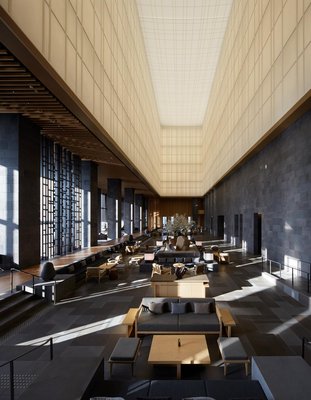
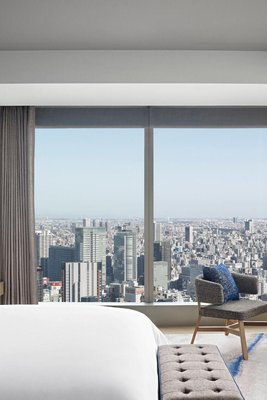
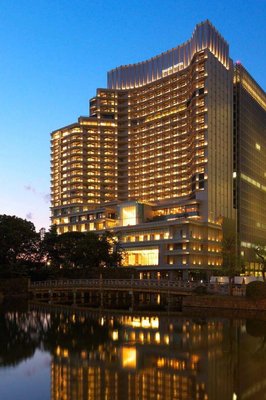
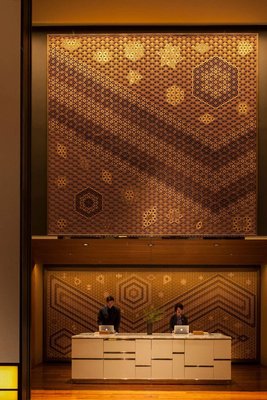
Discover your perfect stay in Tōgane.
Tōgane(Japan) Travel 2026: Cheap Flights, Hotels & Top Attractions
Popular Landmarks in Tōgane
Discover the most iconic attractions in Tōgane
Recommended Hotels in Tōgane
Find the perfect place to stay in Tōgane
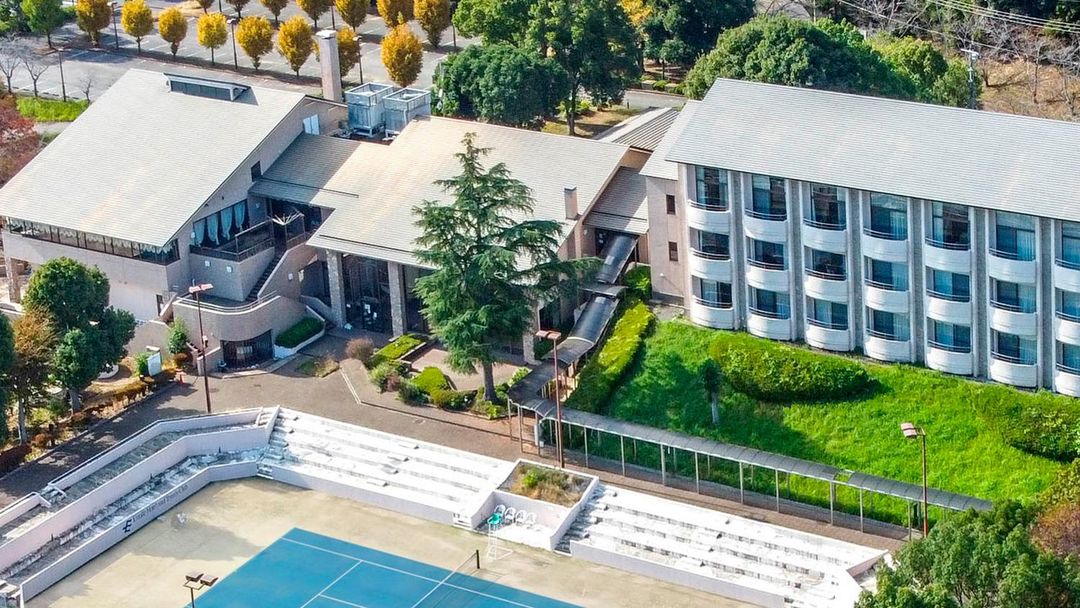
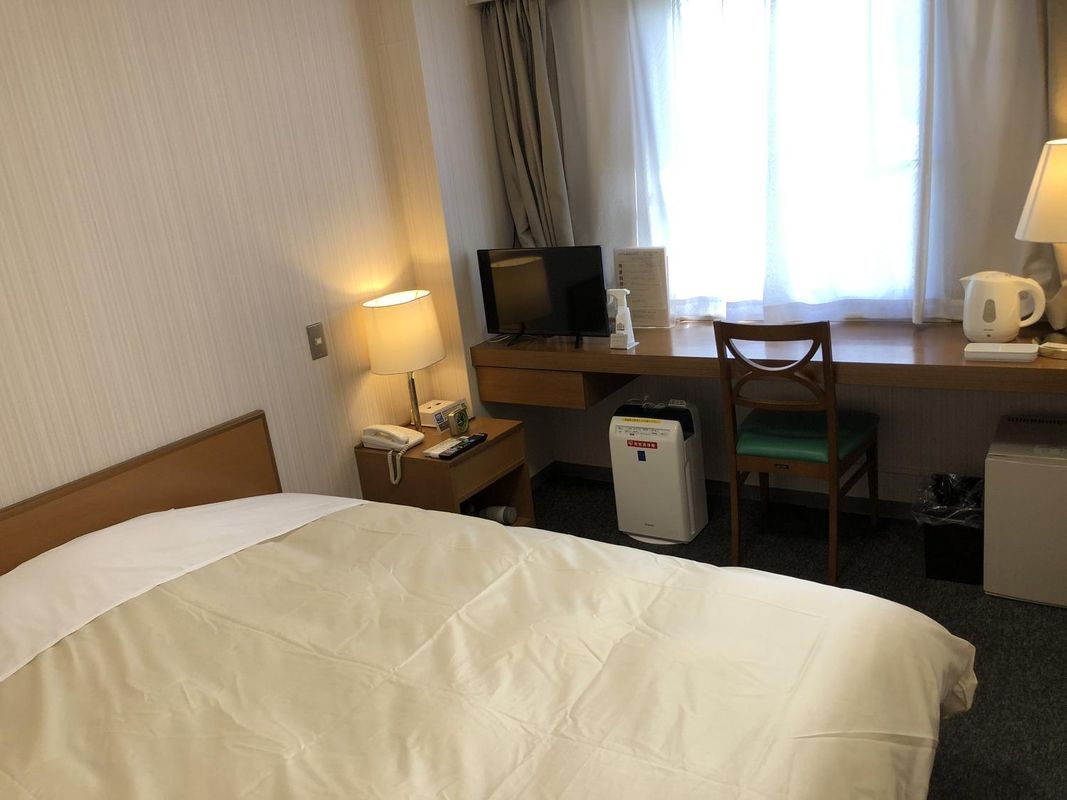
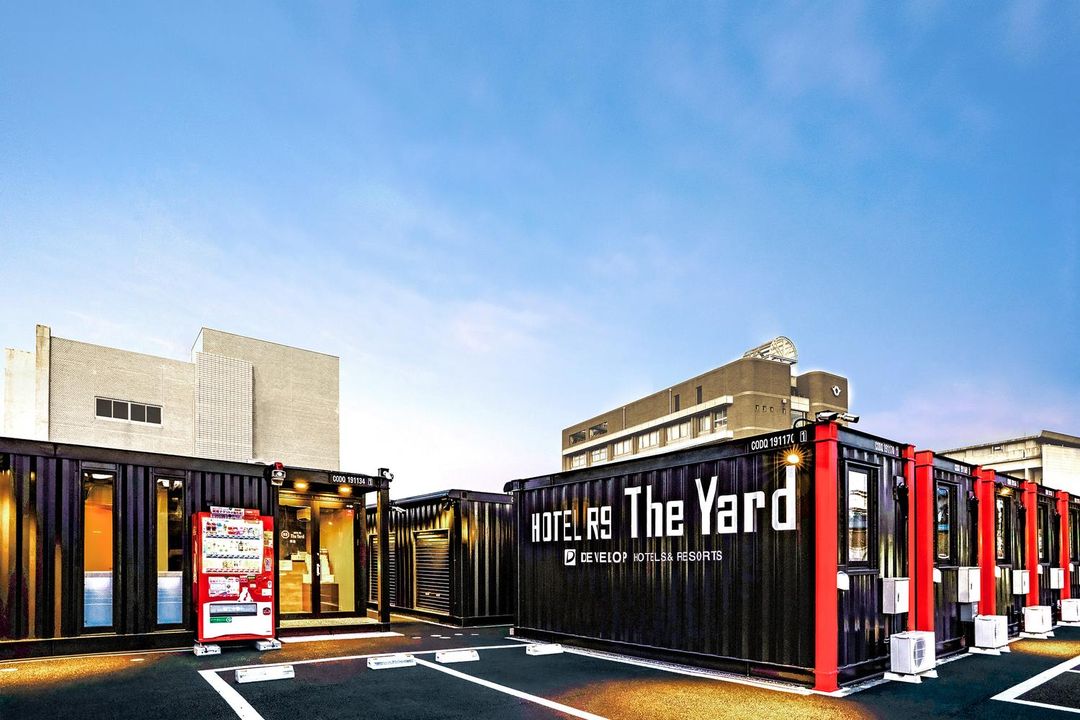
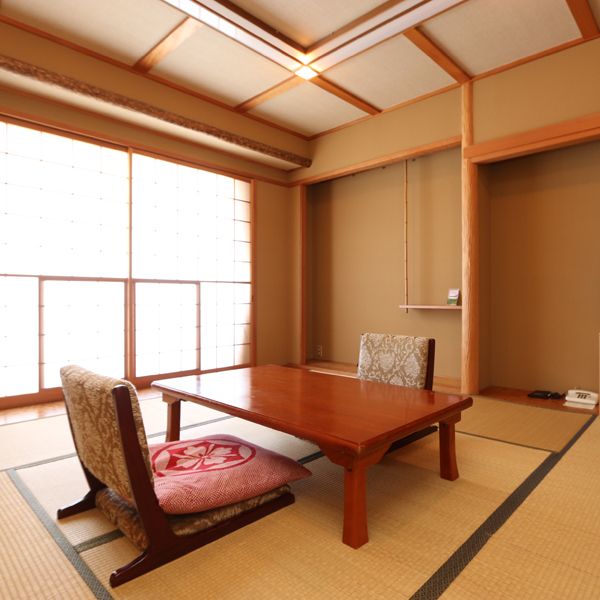
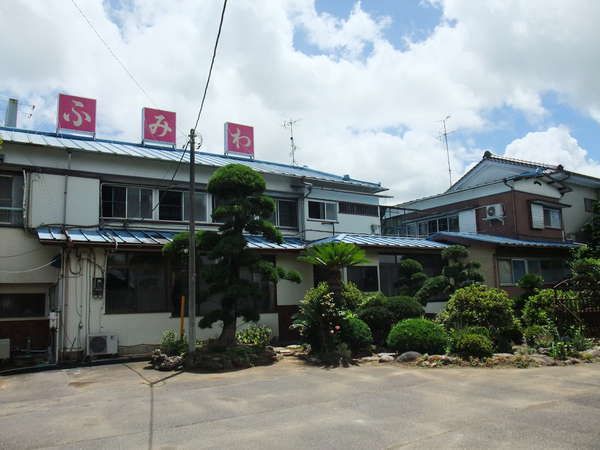
Best Hotels in Tōgane
Discover curated hotel collections in Tōgane

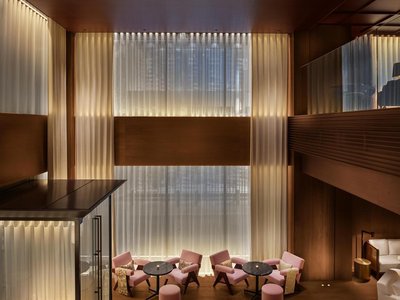

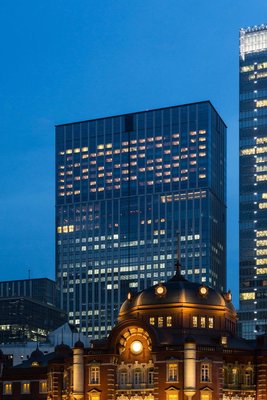
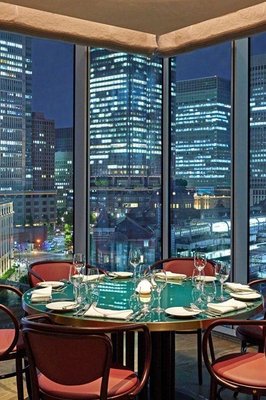





































Frequently Asked Questions about Traveling to Tōgane
Questions You Might Need to Know About Traveling to Tōgane
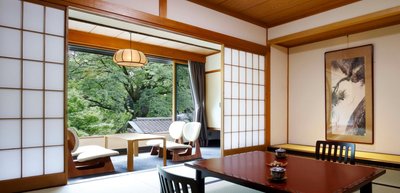
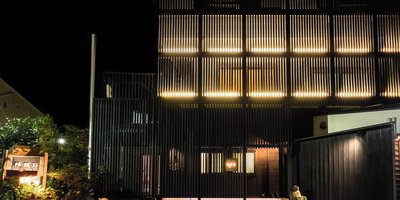
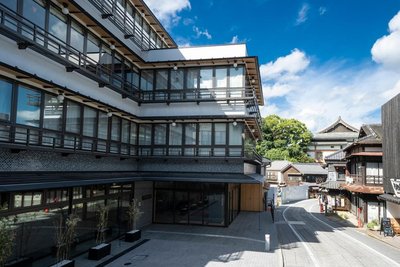
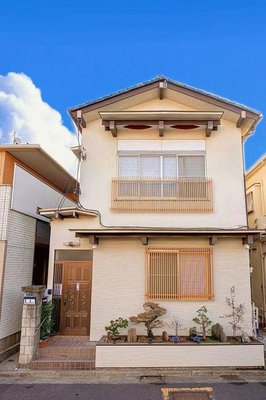
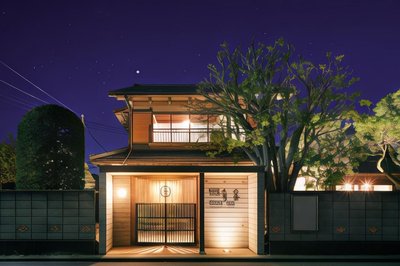
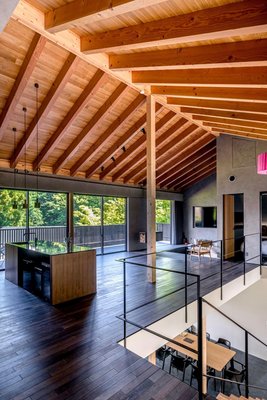
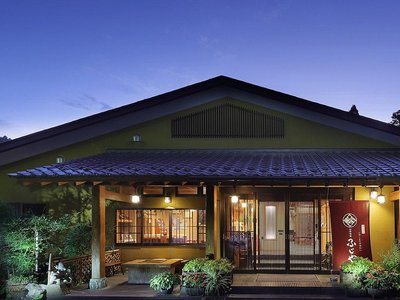
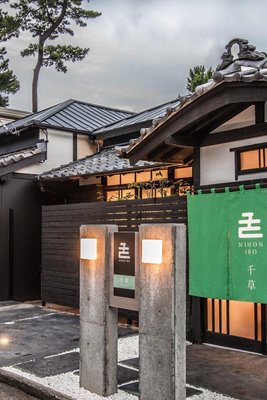
For an authentic cultural stay in Tōkai City, consider Kū-Tōkai Minshuku, a traditional Japanese guesthouse housed in a restored 19th-century farmhouse. Guests enjoy hands-on experiences like rice planting, sake brewing, and tea ceremony workshops led by local elders. Another top choice is Ōgusa Riverfront Villa, located along the scenic Ōgusa River, offering private onsen baths and guided nature walks through ancient forest trails. Both properties emphasize sustainable tourism and community engagement, allowing travelers to immerse in rural Chiba life while staying in beautifully preserved heritage buildings with modern comforts.
The best scenic area for lodging in Tōkai City is the Ōgusa River Corridor, renowned for its tranquil waters, lush greenery, and seasonal beauty. Staying at Ōgusa Riverfront Villa or Green Valley Resort grants direct access to panoramic views of cherry blossoms in spring, golden rice fields in summer, and vibrant autumn foliage along the riverbanks. The area also hosts evening light festivals and stargazing events during winter, making it ideal for photography and quiet reflection. With minimal urban noise and abundant wildlife, this region offers a peaceful retreat that blends natural serenity with thoughtful hospitality.
When visiting Tōkai City, be sure to taste Tōkai-style eel rice bowl (Unagi Donburi), made with locally caught eel glazed in sweet soy sauce—rich, savory, and deeply satisfying. Another must-try is Tōkai tofu, known for its silky texture and subtle umami flavor, often served in hot soups or chilled with ginger dressing. Don’t miss the mochi with plum paste and grilled corn from roadside farms sold at the Tōkai Central Market. For a true local experience, join a farm-to-table cooking class where you’ll prepare meals using fresh vegetables, fish, and rice harvested just hours before.
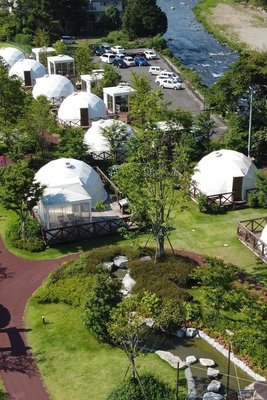
Yes, Tōkai City is highly suitable for family travel. Family-Friendly Onsen Ryokan Tōkai offers spacious rooms, a children’s playroom, outdoor gardens, and even interactive cooking classes for kids. Nearby Green Valley Resort features bike trails, open meadows, and free shuttle services to nearby attractions like the Tōkai Museum and Rice Paddy Park. Many accommodations provide kid-friendly menus and safe, pet-friendly environments. With low crime rates, clean air, and gentle pace of life, families can relax and explore nature without stress—perfect for a rejuvenating countryside getaway.
While Tōkai City lacks direct train access, public transportation options are reliable. Take a bus from Tokyo Station or Narita Airport to Tōkai City Hall Stop, then transfer to local community buses that connect major sights like Ōgusa River, Tōkai Temple, and Chiba Prefectural Natural Park. Most attractions offer free shuttle services from designated hotels. For eco-conscious travelers, rental bicycles are available at several guesthouses and allow easy exploration of rural roads and farmland. Though driving is recommended for flexibility, public transit provides efficient and affordable access to key destinations.
Photographers will love the Ōgusa River Night Lights Festival, where paper lanterns illuminate the riverbank in a dreamy golden glow, perfect for long-exposure shots. The Ginkgo Avenue Trail in Chiba Prefectural Natural Park transforms into a golden tunnel during autumn, ideal for wide-angle landscapes. Tōkai Temple’s stone lanterns and vermilion torii gates create striking contrast against misty mornings. For night photography, the Starlight Observation Events at the city’s hilltop park offer clear skies and minimal light pollution. Even the paddy field patterns in spring provide surreal geometric compositions—ideal for drone photography.
During winter, Tōkai City shines with special events like the Snow Lantern Festival, where locals craft intricate paper lanterns along the Ōgusa River, creating a magical illuminated path. Many ryokans offer snow-viewing onsen experiences, where guests soak in outdoor baths surrounded by snow-covered trees. For adventure seekers, winter hiking tours through the Chiba Prefectural Natural Park include guided walks past frozen streams and silent forests. Local restaurants also serve warming dishes such as hot pot platters and steaming millet wine, making winter visits cozy and memorable.
Tōkai City’s homestays stand out for their deep connection to rural heritage. Kū-Tōkai Minshuku allows guests to live like locals—helping with farming tasks, attending seasonal festivals, and sharing meals in a traditional tatami room. These homes often feature handcrafted furniture, solar-powered lighting, and compost toilets, emphasizing sustainability. Hosts share stories of ancestral traditions, including rice cultivation cycles and folk tales. Unlike chain hotels, these stays foster genuine human connections, offering insights into daily life beyond tourism—a rare chance to slow down and truly belong.
The best time to visit Tōkai City for nature lovers is late spring to early autumn. In April–May, cherry blossoms line the Ōgusa River, while June–July brings vibrant green rice paddies and blooming lotuses. September–October offers stunning fall colors along forest trails and riverside paths. During this period, visitors can join guided wildlife observation tours spotting deer, birds, and otters. The natural parks host seasonal events like firefly viewing in June and harvest festivals in October. With mild temperatures and rich biodiversity, this window delivers the most immersive outdoor experience.
Absolutely. Tōkai City offers authentic farm immersion programs. At Tōkai Rice Farm, visitors can assist in rice planting, weeding, and harvesting, learning about traditional irrigation methods passed down for generations. The Local Produce Workshop teaches how to make pickles, miso, and fruit preserves using seasonal ingredients. Some homestays even offer farm-to-table dinners, where guests help gather ingredients before preparing meals together. These hands-on experiences not only deepen cultural understanding but also support sustainable agriculture—making your trip both meaningful and delicious.
Tōgane Overview
City Summary
Tōgane City in Chiba Prefecture blends nature and history, renowned for its dense forests and hot spring resources while preserving Edo-period post town ambiance. Its core appeal lies in being a therapeutic getaway near Tokyo, featuring prime hiking trails like Kujūkuri Forest Park and mineral-rich onsens.
Must-See Attractions
Top attraction is the Tōgane Onsen District with 1,300-year-old alkaline springs relieving neuralgia. Tōgane Castle Ruins showcase Sengoku-era history, with stunning ginkgo avenues in autumn. Kujūkuri Forest Park offers 20km hiking trails overlooking Bōsō Peninsula. For culture, join the summer Tōgane Tanabata Festival featuring 10-meter-tall decorations.
Food Guide
Local specialty is Tōgane soy sauce-based cuisine - try soy sauce dango and tsukudani fish. Farm produce shines in Tōgane rice sushi and soft-serve ice cream from local milk. At izakayas, savor Bōsō seafood like sea bream sashimi and clam miso soup.
Transportation Guide
From Tokyo Station, take JR Tōgane Line Limited Express (80 mins, ¥2,000). The "Marugoto Bus" loop line (¥200/ride) has limited schedules - check timetables. Taxis (¥600 starting fare) suit remote ryokan access. Drivers can use Tōgane IC but note narrow mountain roads.
Best Time to Visit
Best seasons are Oct-Nov for ginkgo leaves and Apr-May for cherry blossoms (15-25°C). Summer (Jul-Aug) is humid but festive, while winter (Dec-Feb) offers prime onsen time though some attractions close.
Travel Tips
- Wear non-slip shoes for steep onsen areas
- Carry cash as some old shops don't accept cards
- Download offline maps for spotty mountain signals
- Perform temizu purification at shrines
- Buses depart punctually - arrive 5 mins early
- Strict trash sorting with few public bins
- Drones prohibited outside designated zones
- Many onsens ban tattooed visitors
Useful Information
Japanese is primary; stations have basic English signs. The tourism association provides multilingual guides (including Chinese). Free WiFi is limited to stations/visitor centers - prepaid SIMs recommended. Cash dominates payments, though major ryokans accept cards. Dial 110 (police) or 119 (ambulance) for emergencies; Tōgane Municipal Hospital has 24/7 ER. Drugstores cluster near the station but close by 8pm. Voltage is 100V; bring Type A plug adapters.









