Hotels in Tōon
Discover your perfect stay in Tōon.
Tōon(Japan) Travel 2026: Cheap Flights, Hotels & Top Attractions
Popular Landmarks in Tōon
Discover the most iconic attractions in Tōon
Recommended Hotels in Tōon
Find the perfect place to stay in Tōon
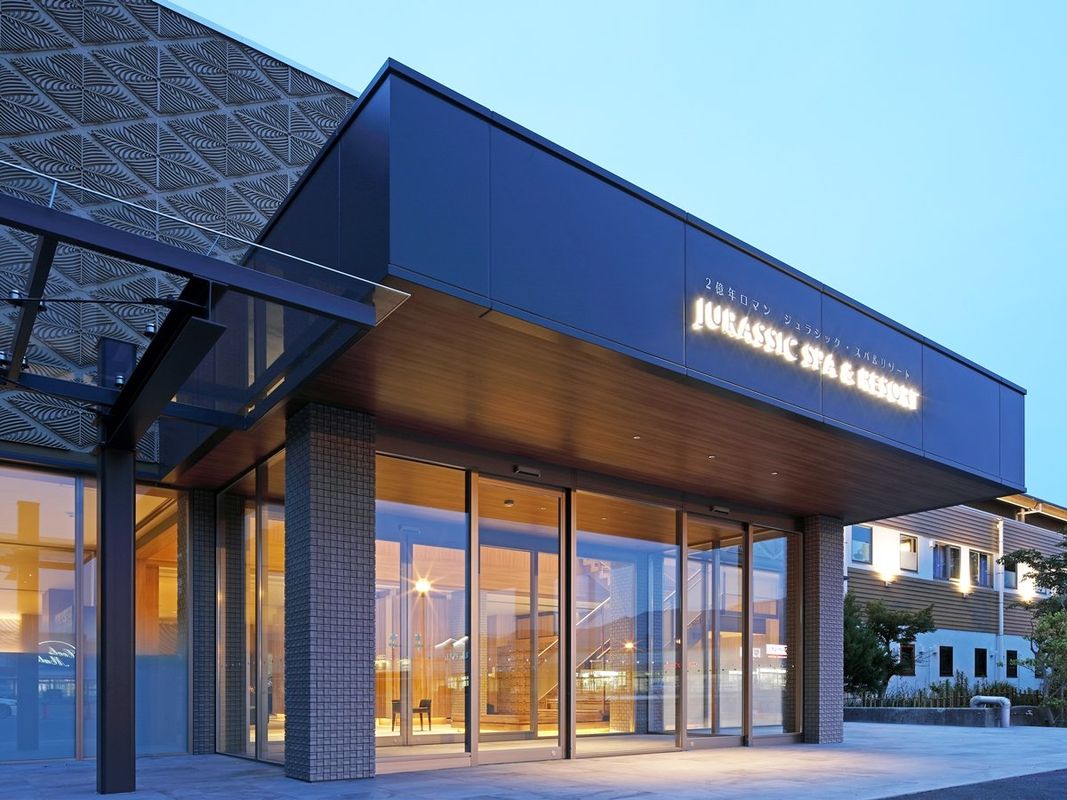
Juraku
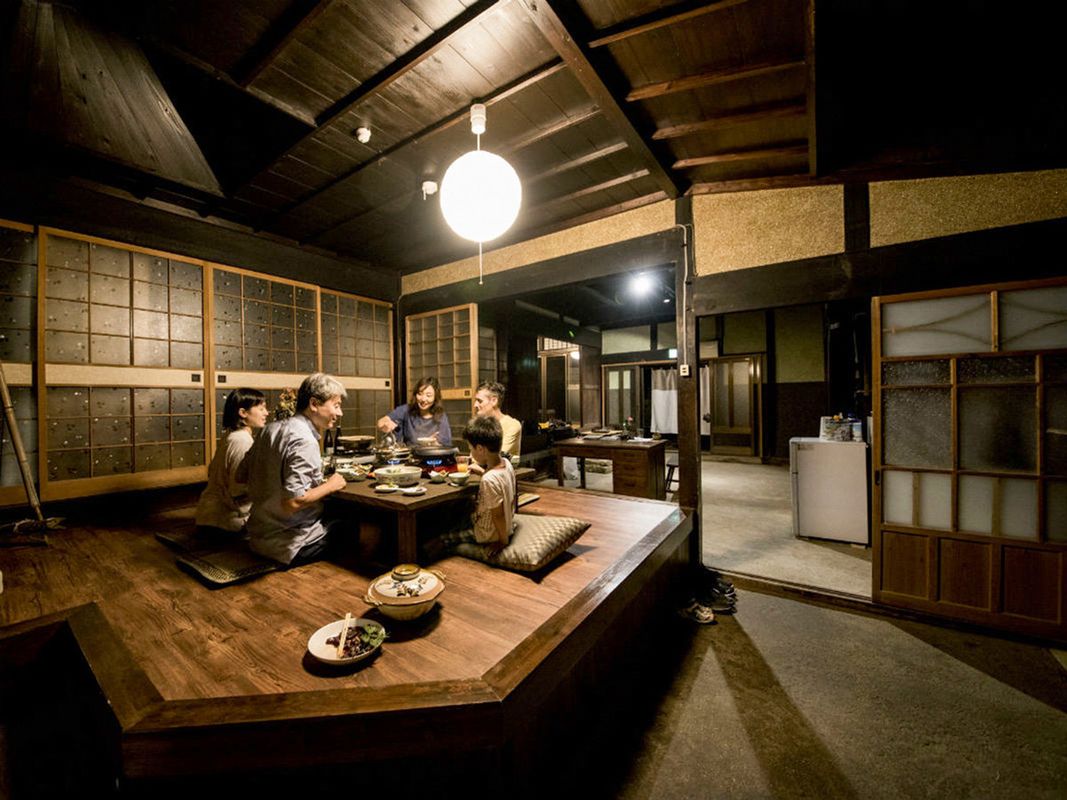
Takinomoto Kondo-ke
Best Hotels in Tōon
Discover curated hotel collections in Tōon

The Ritz-Carlton, Fukuoka
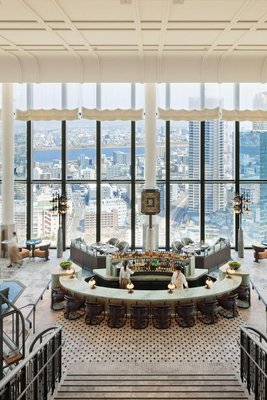
Waldorf Astoria Osaka
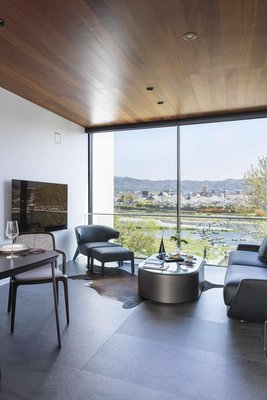
Kamo Residences by Reflections
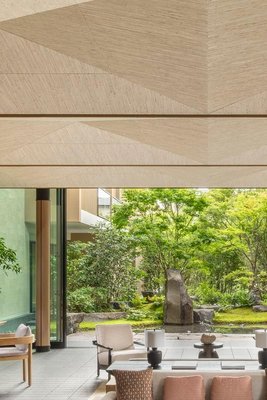
Six Senses Kyoto
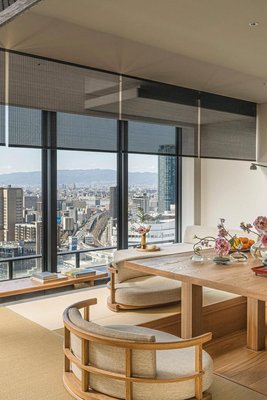
Four Seasons Hotel Osaka
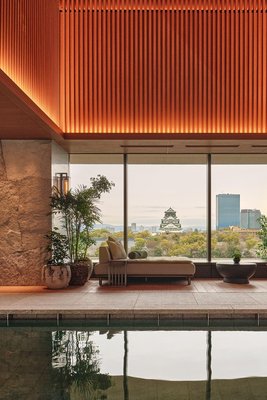
Patina Osaka
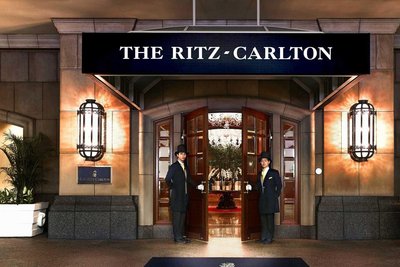
The Ritz-Carlton, Osaka
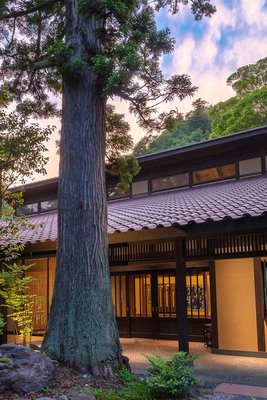
Arimasansoh Goshobessho
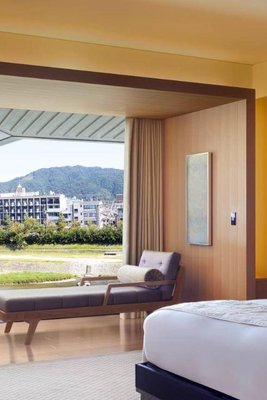
The Ritz-Carlton, Kyoto
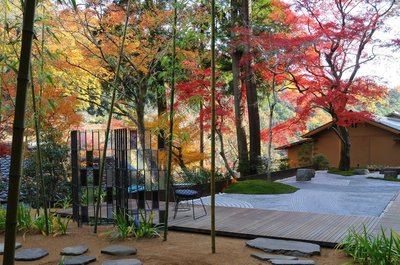
HOSHINOYA Kyoto
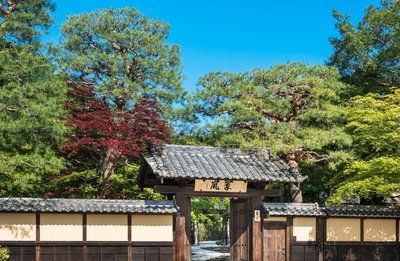
Suiran, a Luxury Collection Hotel, Kyoto
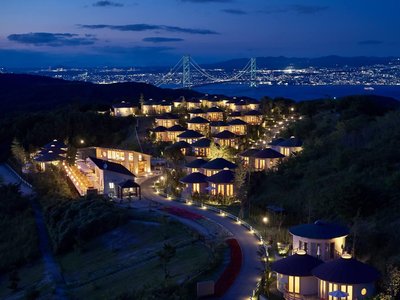
Grand Chariot Hokutoshichisei 135°
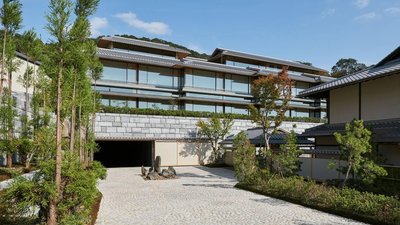
Park Hyatt Kyoto
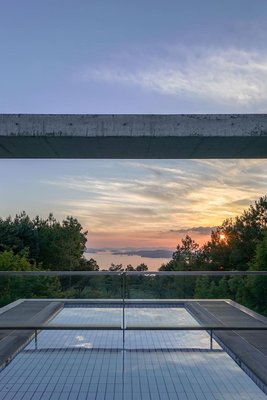
SETOUCHI RETREAT by Onko Chishin
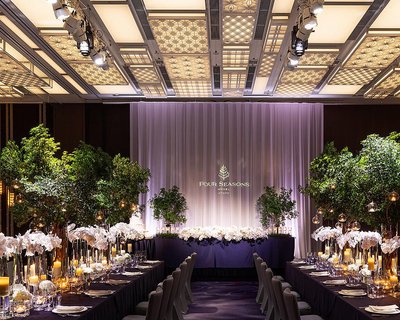
Four Seasons Hotel Kyoto
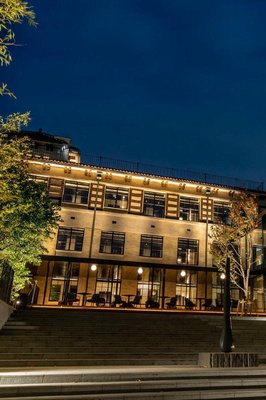
The Hotel Seiryu Kyoto Kiyomizu - a Member of the Leading Hotels of the World-
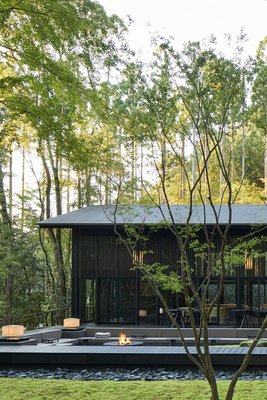
Aman Kyoto
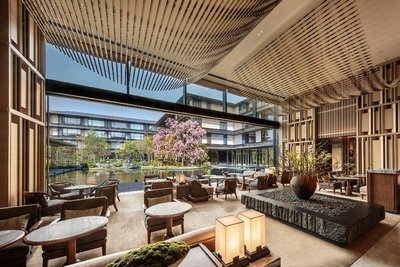
Hotel the Mitsui Kyoto, a Luxury Collection Hotel & Spa
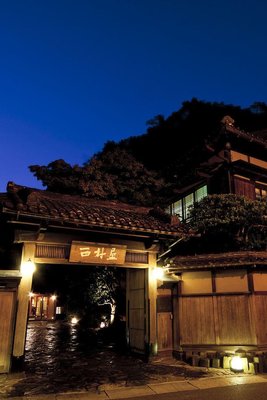
Nishimuraya Honkan
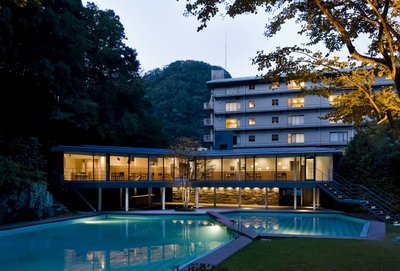
Kinosaki Onsen Nishimuraya Hotel Shogetsutei
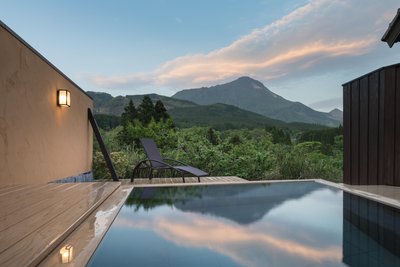
Ikkoten
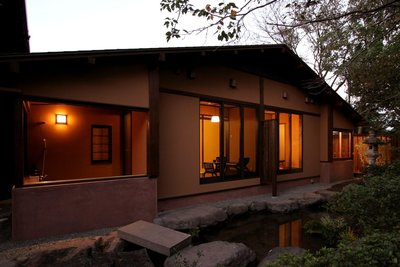
SEKIYA RESORT Bettei Haruki
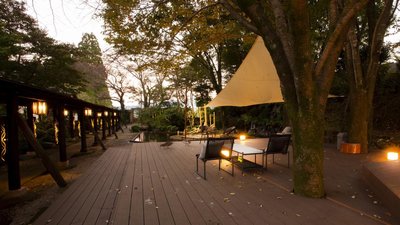
Chikurakutei
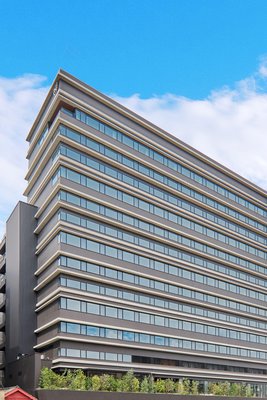
The Royal Park Canvas Fukuoka Nakasu
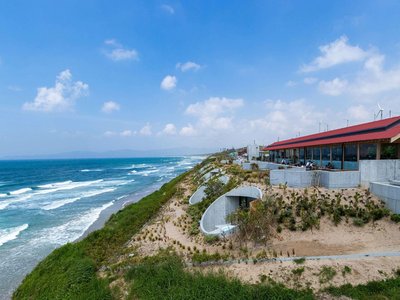
Izumo Hotel the Cliff
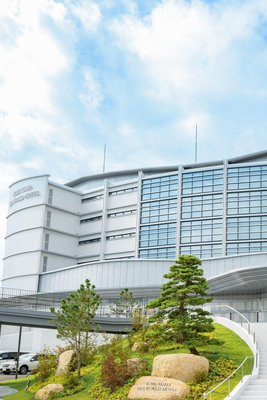
Kobe Suma Sea World Hotel
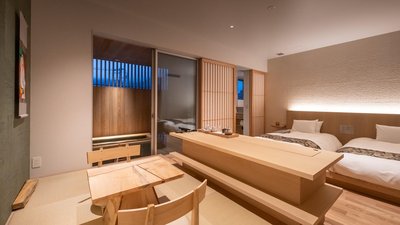
Japanese Auberge Kararako
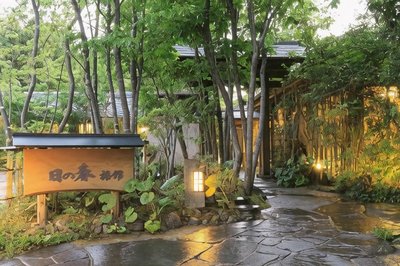
Yufuin Onsen Hinoharu Ryokan
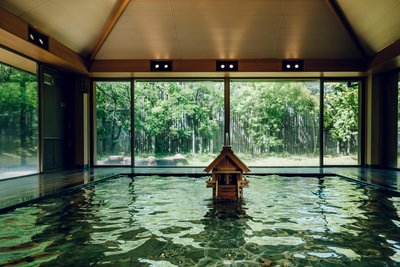
Hoshino Resorts KAI Tamatsukuri
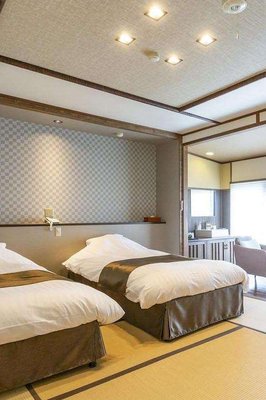
Sozankyo
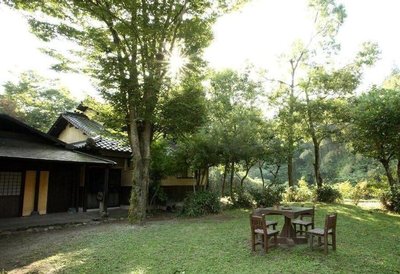
Yamashinobu
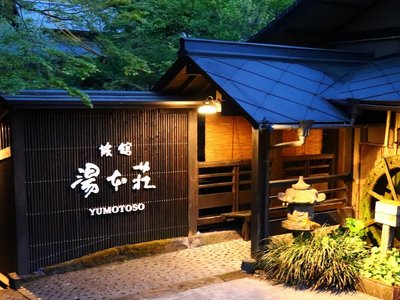
Ryokan Yumotosou
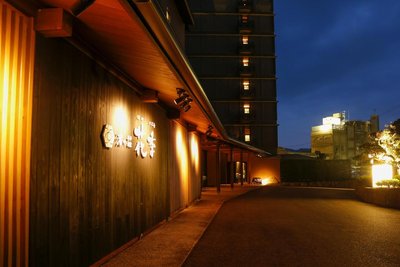
Hanagoyomi
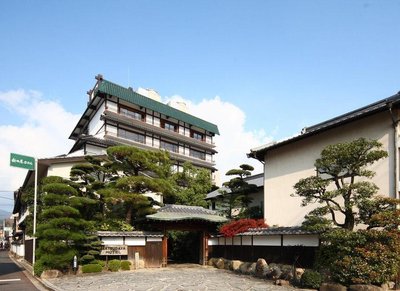
Matsudaya Hotel
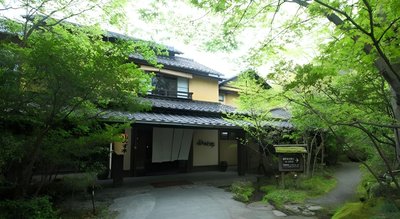
Kurokawaonsen Yamamizuki
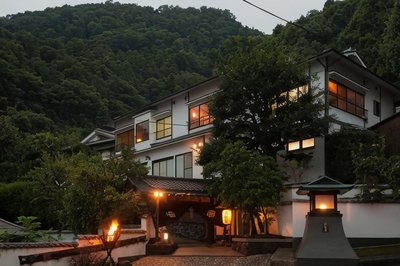
Beppu Showaen
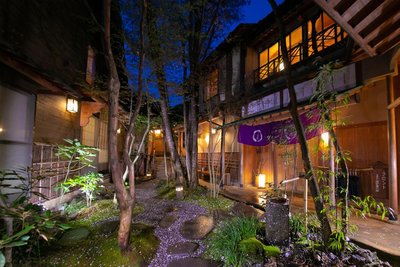
Oyado Ichizen
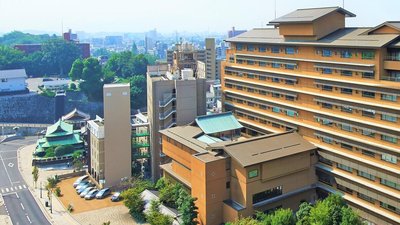
Yamatoya Honten
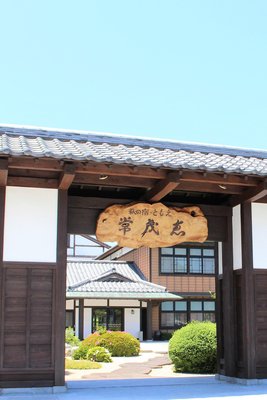
Hagi No Yado Tomoe
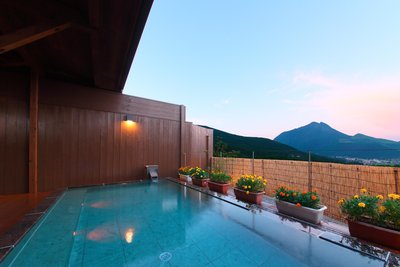
Asagirinomieru Yado Yufuin Hanayoshi
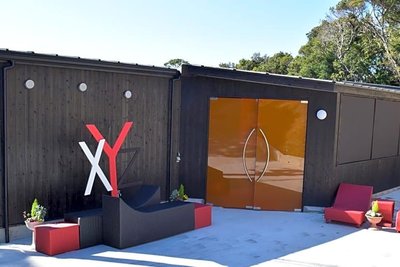
XYZ Private Spa and Seaside Resort
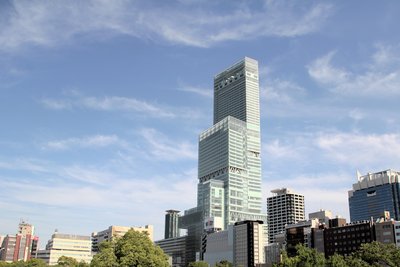
Osaka Marriott Miyako Hotel
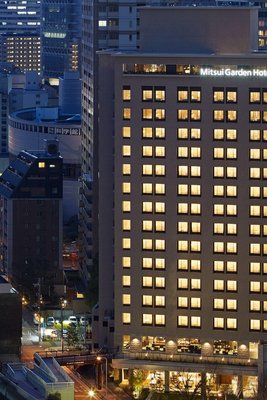
Mitsui Garden Hotel Osaka Premier
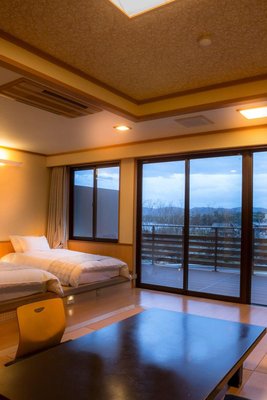
Hotel Kitanoya
Hanagoyomi
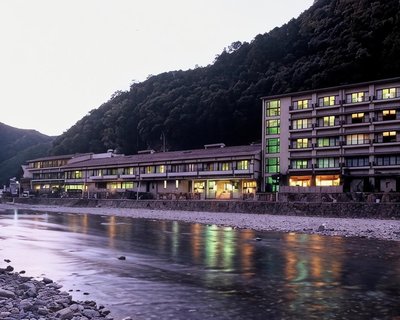
Kawayu Onsen Fujiya
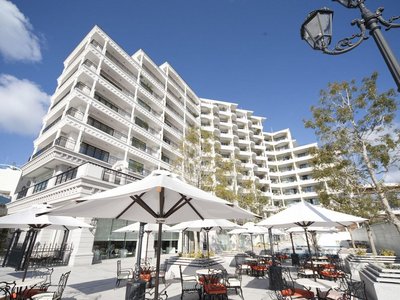
Hotel La Suite Kobe Harborland

AoAwo Naruto Resort
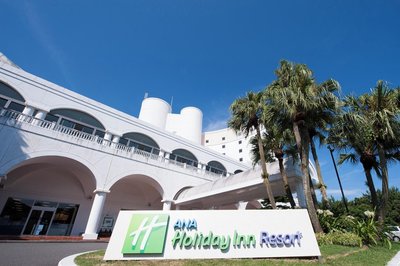
Holiday Inn Resort Miyazaki
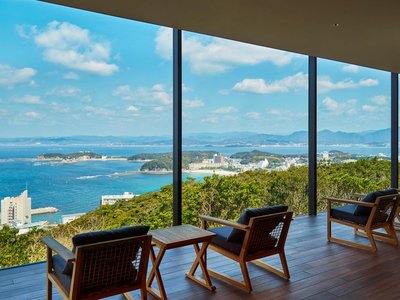
Infinito Hotel and Spa
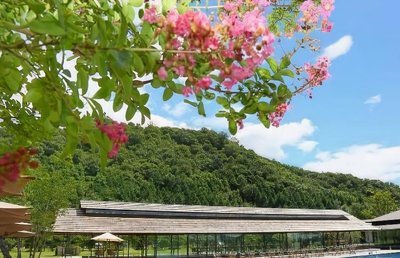
Bella Vista Spa and Marina Onomichi
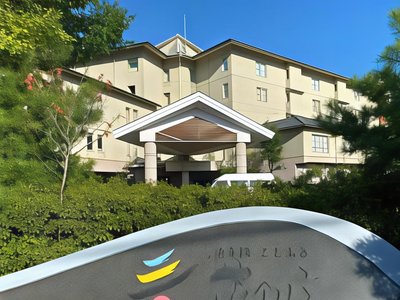
Yufuin Kotobuki Hananosho
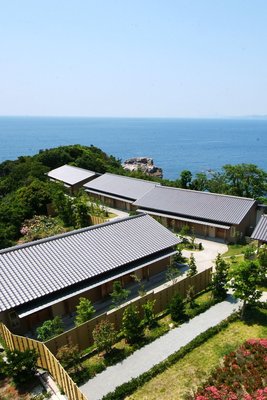
Hamachidorinoyu Kaisyu
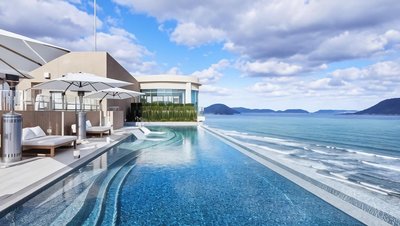
Karatsu Seaside Hotel
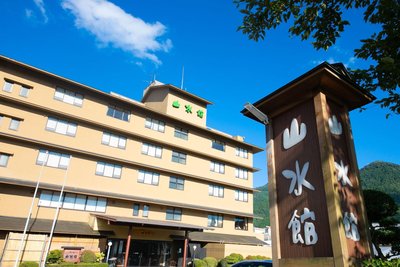
Yufuin Sansuikan
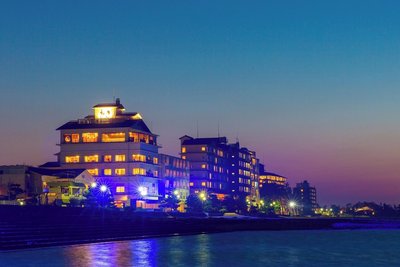
Kaike Shogetsu
The Ritz-Carlton, Kyoto
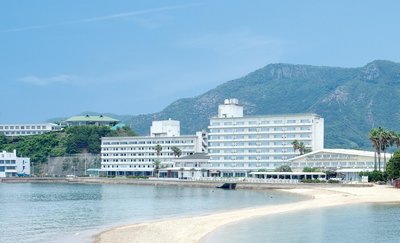
Shodoshima International Hotel
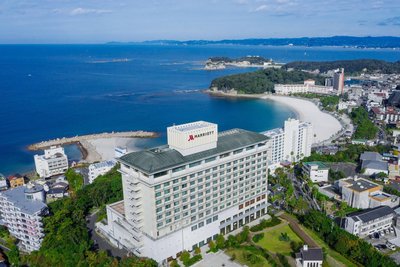
Nanki-Shirahama Marriott Hotel
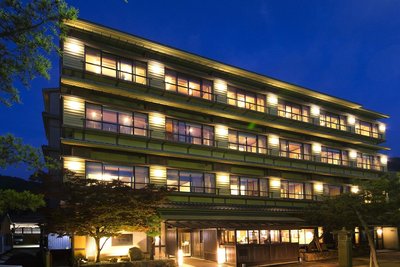
Kinsuikan
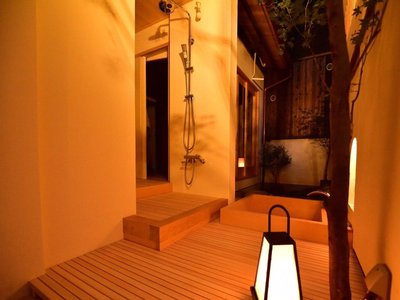
Yado Kiramachi
Arimasansoh Goshobessho
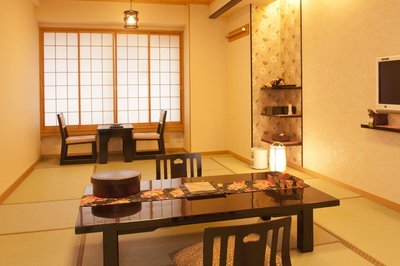
Matsui-Bekkan Hanakanzashi
Hoshino Resorts KAI Tamatsukuri

Taikyourou
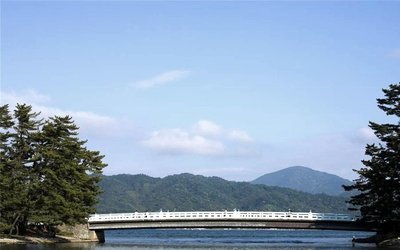
Monjusou Shourotei
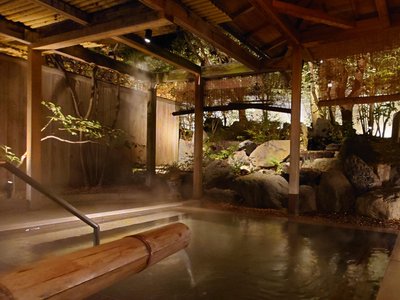
Kasuga Hotel
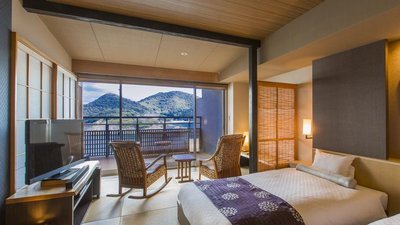
Migiwatei Ochi Kochi
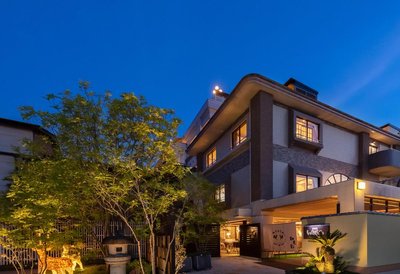
Hotel New Wakasa
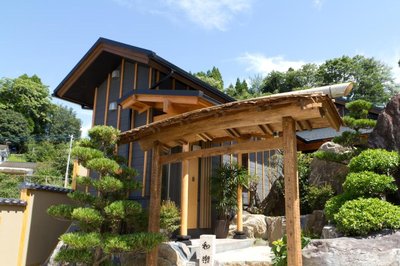
Ryokan Shinsen
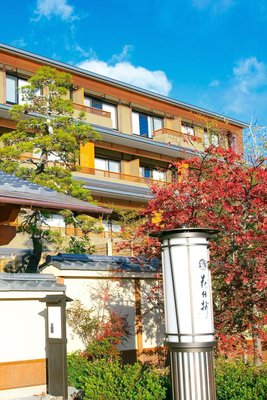
Kyoto Arashiyama Onsen Kadensho (Kyoritsu Resort)
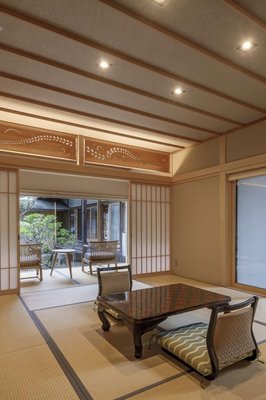
Ichijoin
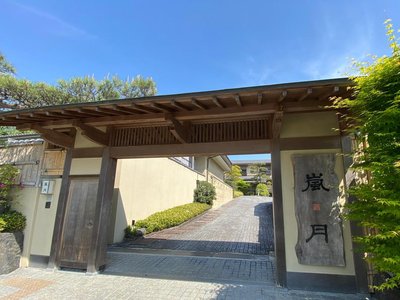
Rangetsu
The Ritz-Carlton, Kyoto
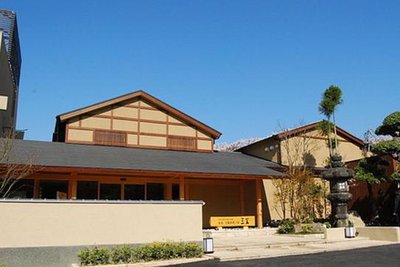
Mikasa
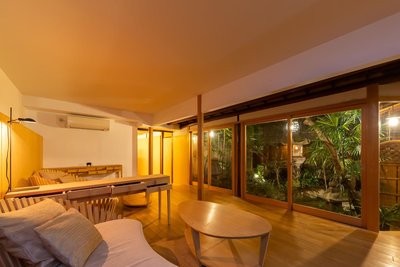
Izuyasu Traditional Kyoto Inn Serving Kyoto Cuisine
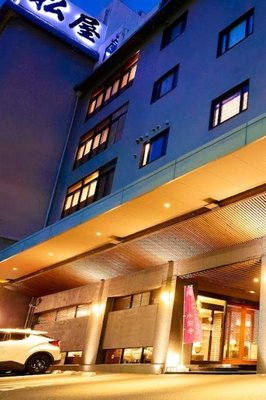
Ryotei Matsuya Honkan Suizenji
HOSHINOYA Kyoto
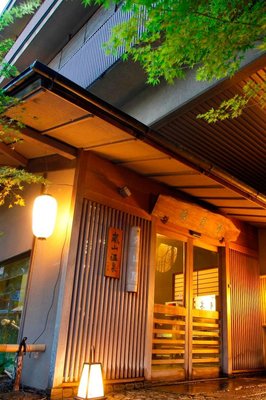
Togetsutei
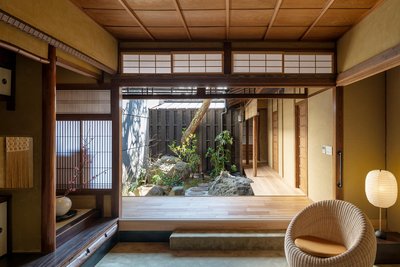
Nazuna Kyoto Gosho
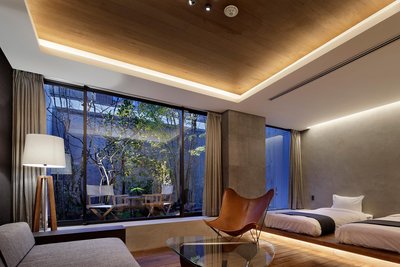
22 PIECES
The Ritz-Carlton, Osaka
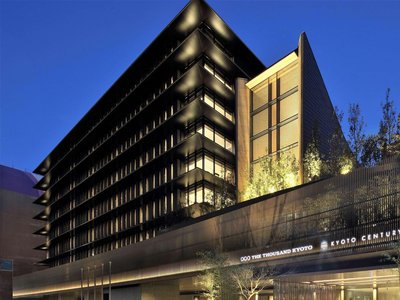
The Thousand Kyoto
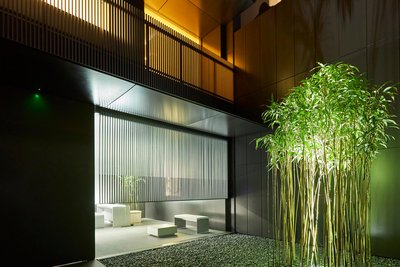
Mogana
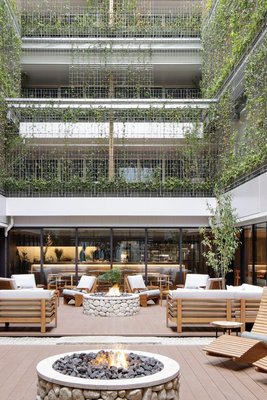
GOOD NATURE HOTEL KYOTO
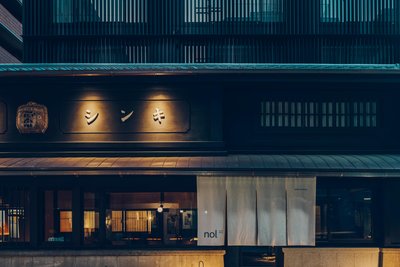
Nol Kyoto Sanjo
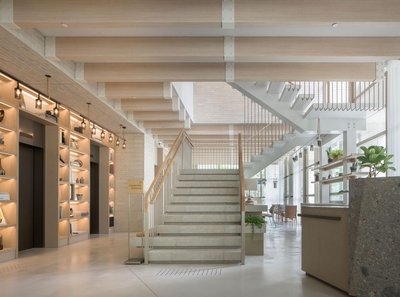
Zentis Osaka
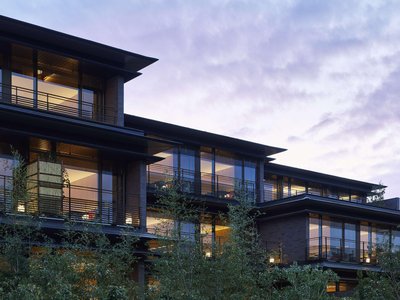
Garrya Nijo Castle Kyoto
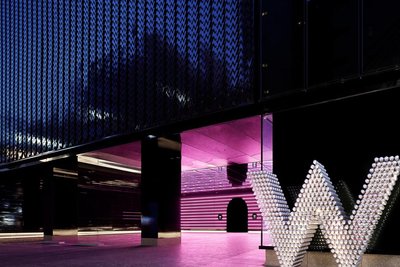
W Osaka
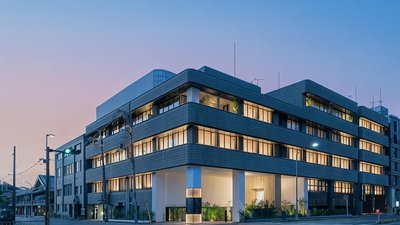
Hotel Kanra Kyoto
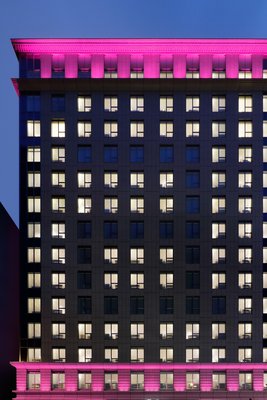
Aloft Osaka Dojima
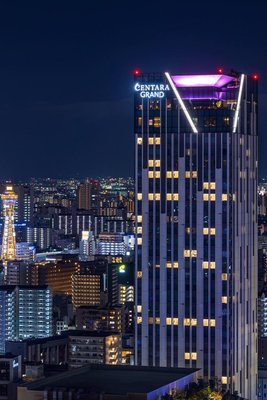
Centara Grand Hotel Osaka
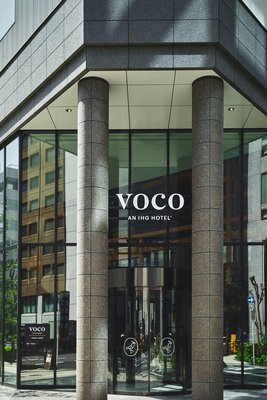
voco Osaka Central
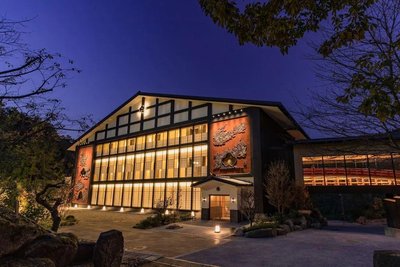
Okuhita Onsen Umehibiki
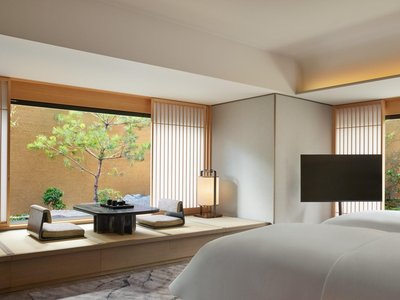
Dusit Thani Kyoto
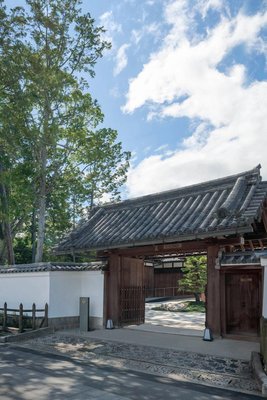
Shisui, a Luxury Collection Hotel, Nara
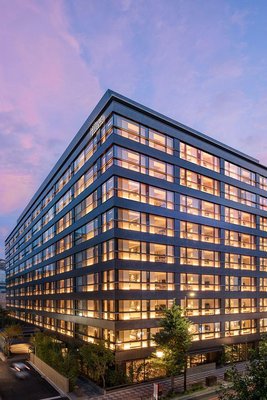
Hilton Kyoto
Osaka Marriott Miyako Hotel
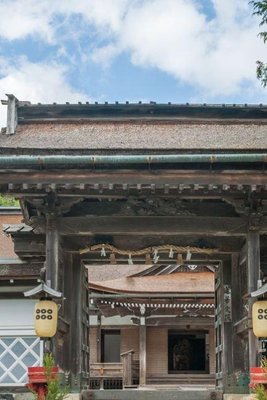
Koyasan Rengejoin
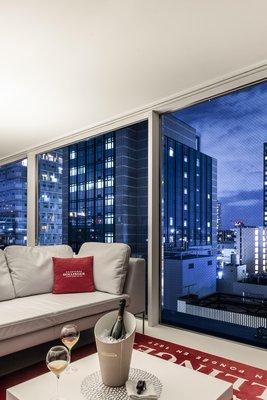
CUVÉE J2 HOTEL OSAKA by Onko Chishin
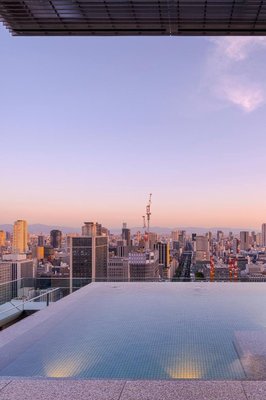
Candeo Hotels Osaka The Tower
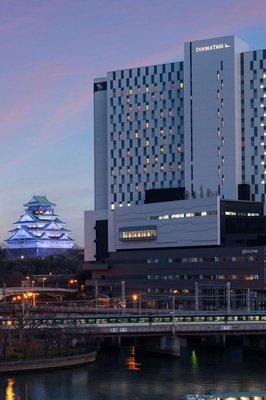
DoubleTree by Hilton Osaka Castle
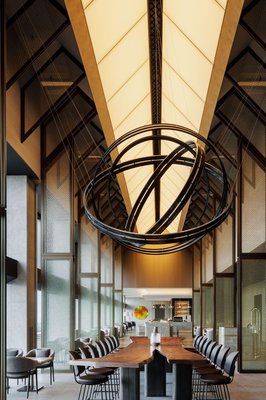
The Osaka Station Hotel, Autograph Collection
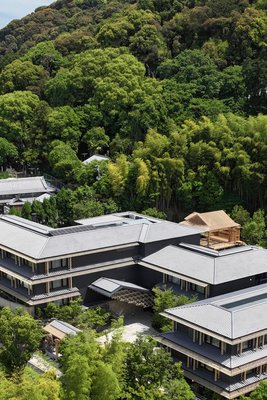
Banyan Tree Higashiyama Kyoto
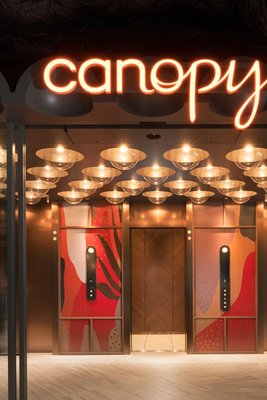
Canopy by Hilton Osaka Umeda
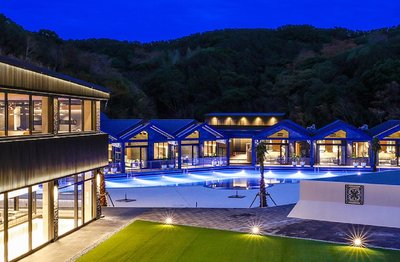
FIVE SPRING RESORT THE SHIRAHAMA
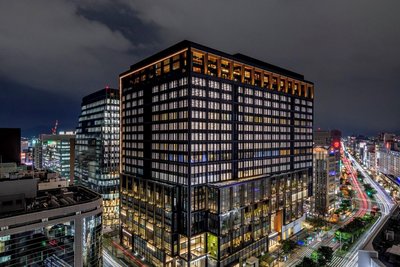
ONE FUKUOKA HOTEL
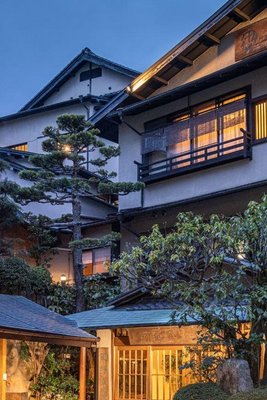
Arima Onsen Tocen Goshobo
Hotel La Suite Kobe Harborland
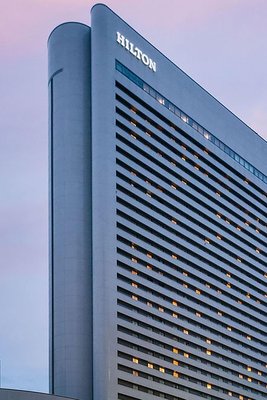
Hilton Osaka Hotel
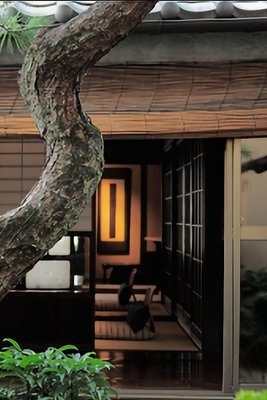
Shimayado Mari
The Ritz-Carlton, Fukuoka
Osaka Marriott Miyako Hotel
The Ritz-Carlton, Osaka
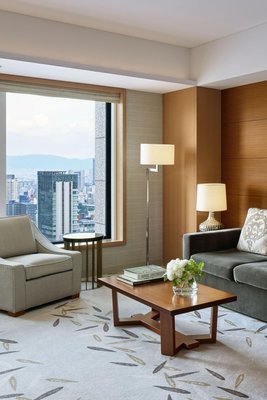
InterContinental Hotel Osaka
The Ritz-Carlton, Kyoto
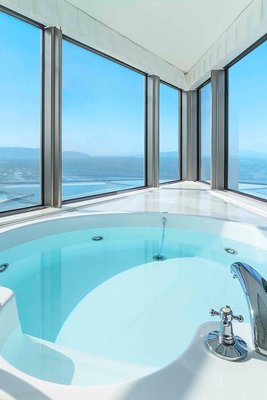
Hilton Fukuoka Sea Hawk
Suiran, a Luxury Collection Hotel, Kyoto
GOOD NATURE HOTEL KYOTO
Park Hyatt Kyoto
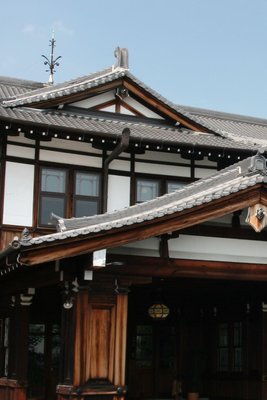
Nara Hotel
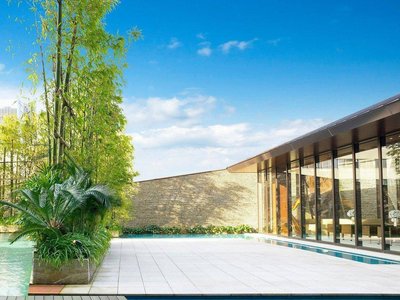
ORIENTAL HOTEL
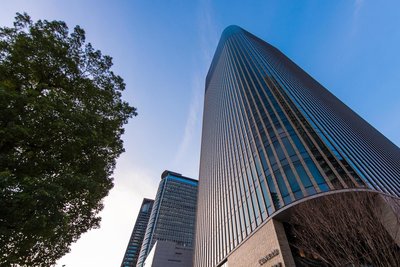
Conrad Osaka
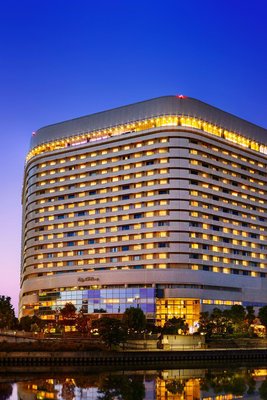
Hotel New Otani Osaka
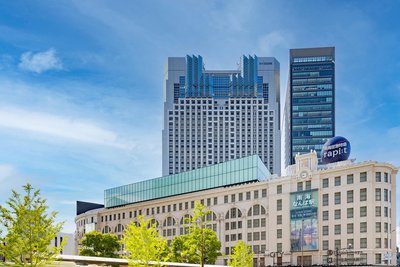
Swissotel Nankai Osaka
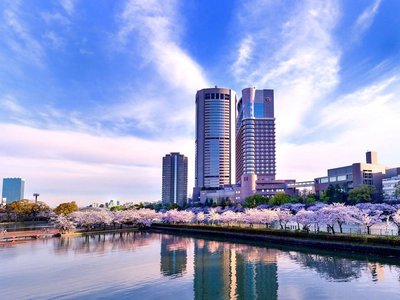
Imperial Hotel Osaka
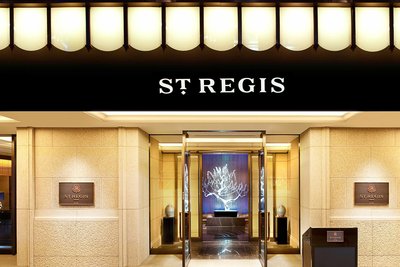
The St. Regis Osaka
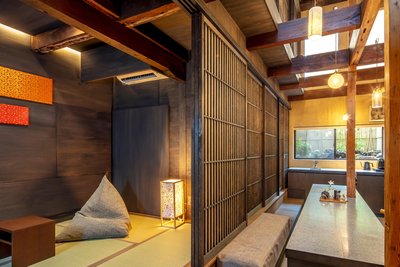
Kyo No Oozora Kihana
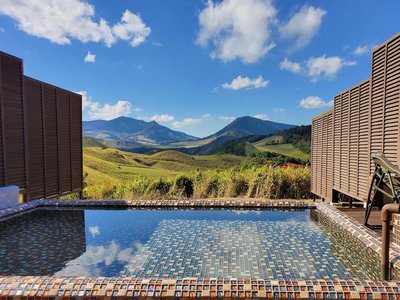
Grand Verde Resort
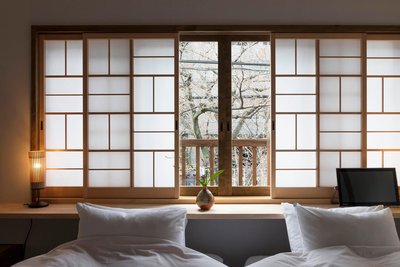
Hanagoromo Machiya House
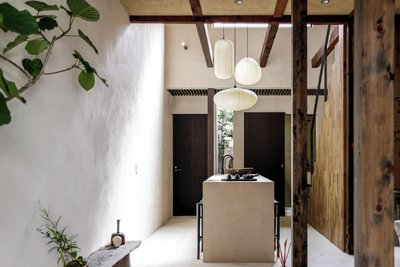
Maana Kiyomizu
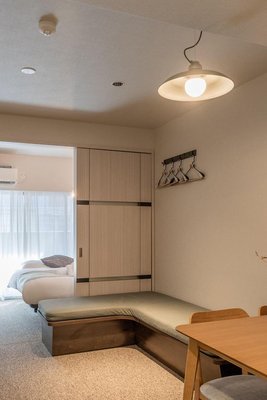
Apartment Hotel 11 Shinsaibashi
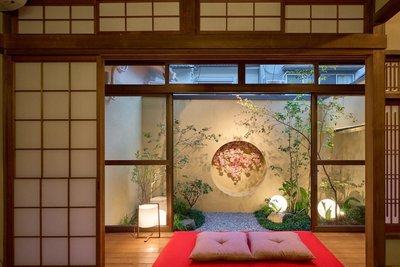
KONJAKUSO Osaka Tengachaya "NIHONCHA" Tea & Relax
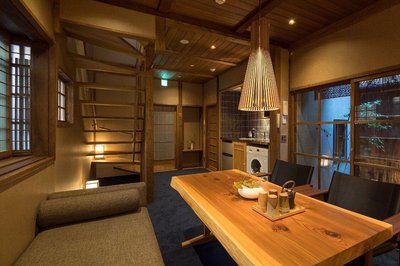
Bonbori an Machiya House
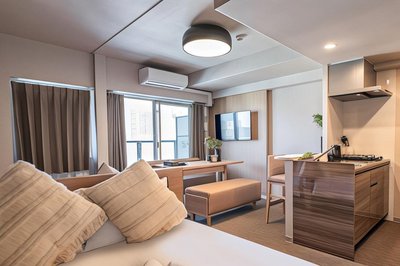
Apartment Hotel 11 Shinsaibashi III
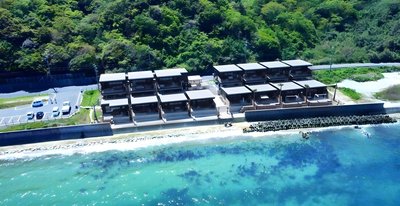
Solavilla Umi Terrace Minamiawaji
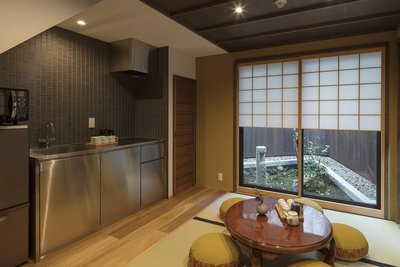
The Machiya Villa Sanjo Shirakawa Koji
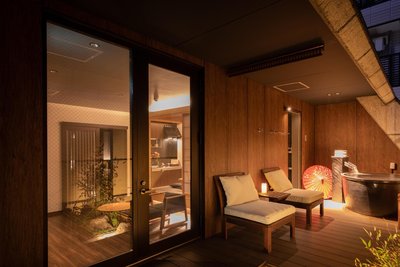
Konjaku-So Dotonbori
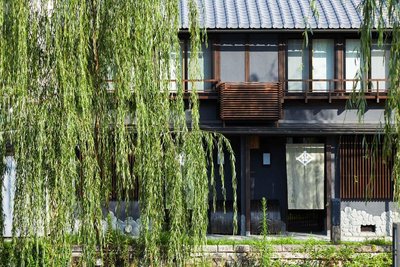
Gion Shirakawa No Yado
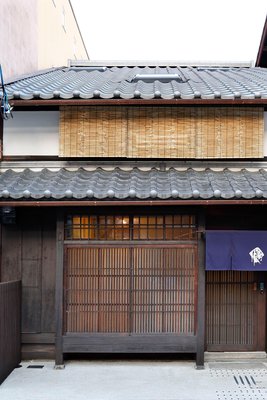
Kyo No Ondokoro Kamanza Nijo #2
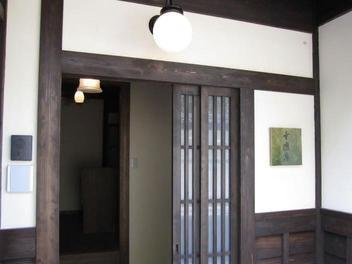
Gion Koyu an Machiya House
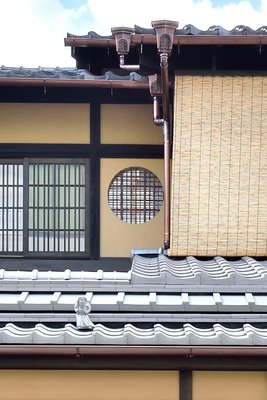
Kyo No Ondokoro Gokomachi Ebisugawa #3
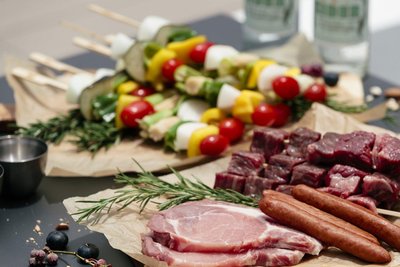
Sana Mane - Glamp Domes
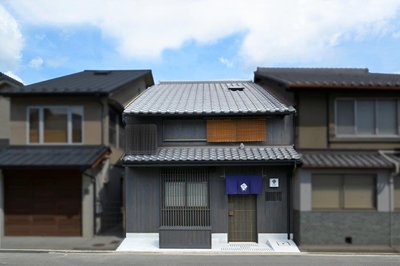
Kyo No Ondokoro Goshonishi #6
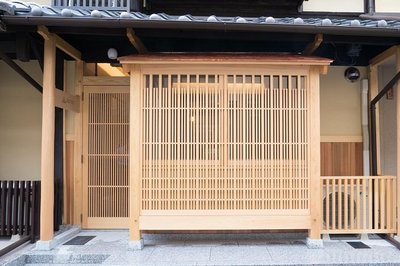
Kyomachiya Suite Rikyu
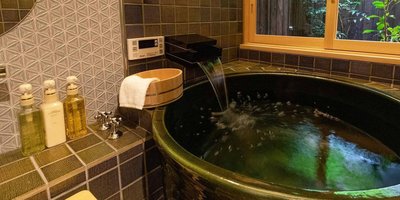
Kyoisuke
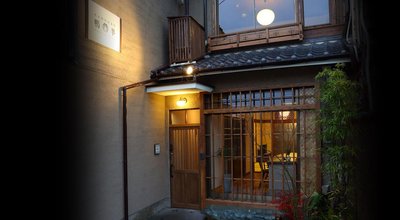
Kamohan

Hotel Barrière Fouquet's New York
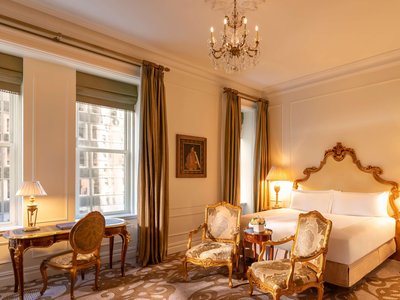
The Plaza - A Fairmont Managed Hotel
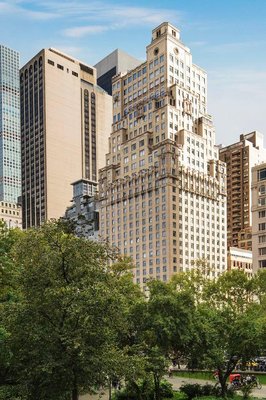
The Ritz-Carlton New York, Central Park
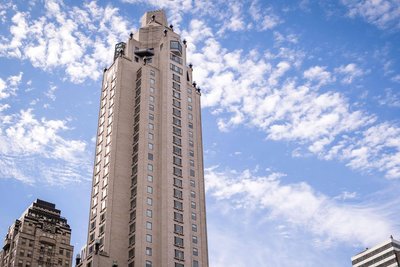
Four Seasons Hotel New York
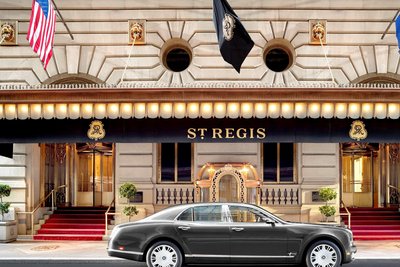
The St. Regis New York
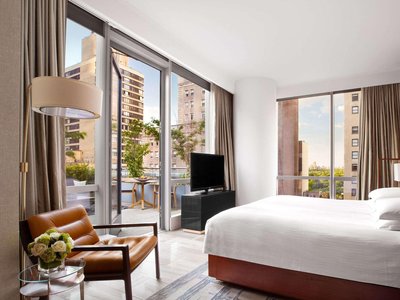
Park Hyatt New York
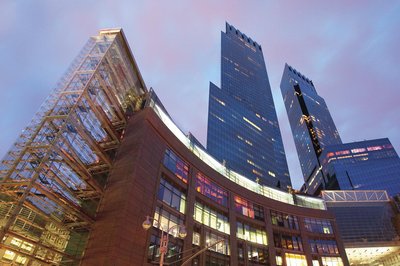
Mandarin Oriental New York
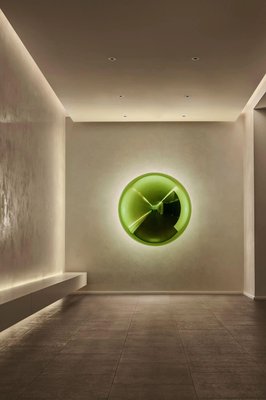
Times Square Edition New York
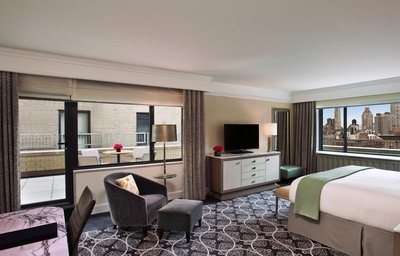
Loews Regency New York Hotel
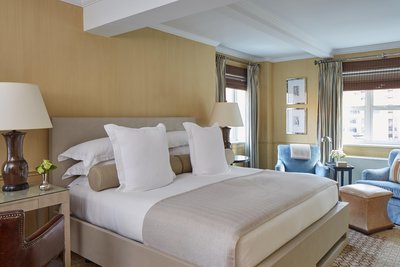
Lowell Hotel
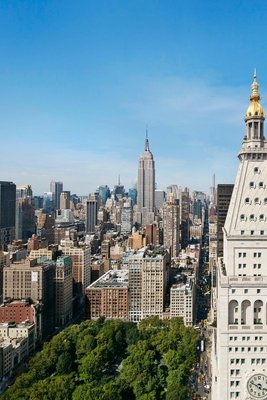
New York Edition
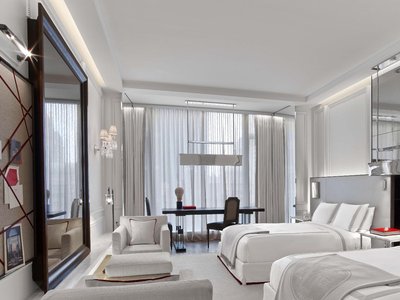
Baccarat Hotel New York
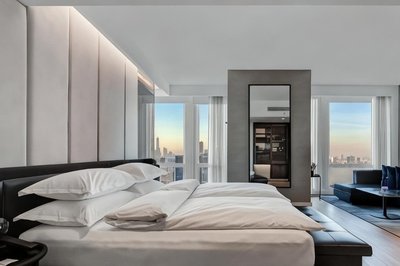
Equinox Hotel New York
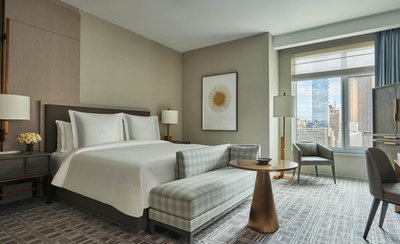
Four Seasons Hotel New York Downtown
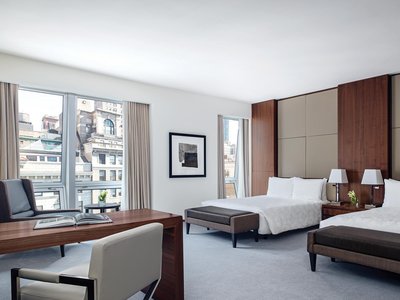
The Langham, New York, Fifth Avenue
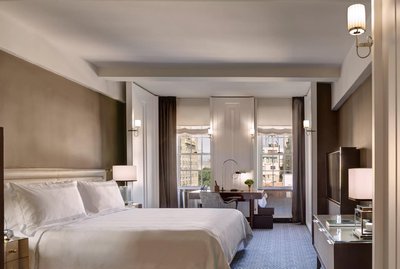
The Carlyle, A Rosewood Hotel

The Chatwal, in the Unbound Collection by Hyatt
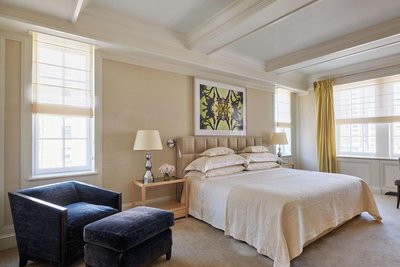
The Mark New York
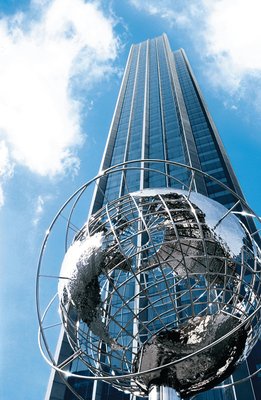
Trump International Hotel & Tower® New York
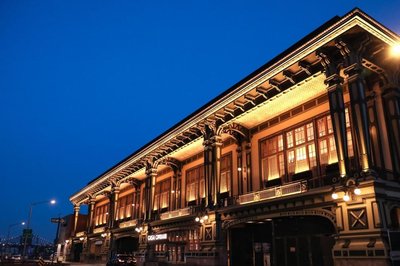
Casa Cipriani New York
Frequently Asked Questions about Traveling to Tōon
Questions You Might Need to Know About Traveling to Tōon
In Higashi-Tamaki, the top choice for families is Nishiou Onsen Grand Hotel, located in the scenic Nishiou Onsen Area. This traditional ryokan features private outdoor baths, spacious family rooms, and child-friendly amenities like playrooms and kid-sized yukata. Guests enjoy authentic Ehime cuisine, including fresh seafood and local vegetables. Nearby attractions include Kyumanomori Highland, perfect for hiking and nature walks. Accessible via a 40-minute bus ride from Matsuyama Station, it’s ideal for experiencing Shikoku’s rural charm and cultural authenticity.
Stay at Higashi-Tamaki Old Town Inn, a centuries-old wooden house nestled in the heart of Higashi-Tamaki’s Historic District. Originally built during the Edo period, this inn preserves traditional Japanese architecture with tatami floors and exposed beams. The owners host regular kimono experiences, tea ceremony workshops, and storytelling nights. Nearby sites include Higashi-Tamaki Shrine and the Iyo Railway Heritage Station. Guests can also participate in local festivals like the Shikoku Tenkai Festival, offering deep immersion into Ehime’s folk traditions and heritage.
Yes, Kyumanomori Forest Resort is Higashi-Tamaki’s premier eco-lodge, situated at 600 meters elevation in the Kyumanomori Highland. Surrounded by pristine conifer forests and alpine lakes, the resort uses sustainable materials and energy-efficient designs. Guest rooms feature panoramic views and private decks. Activities include wildlife watching, night sky tours, and forest meditation sessions. Weekly local farmers’ markets offer organic produce and handmade honey. It’s an ideal retreat for nature lovers seeking tranquility and environmental connection.
Explore Higashi-Tamaki Art District, where former industrial buildings have been transformed into creative guesthouses. Old East Tamaki Paper Mill Inn stands out—retaining 1930s factory architecture with modern minimalist interiors. The inn hosts independent art exhibitions, live music nights, and illustrated workshops. Its on-site café serves locally sourced pastries and coffee. Located steps from the Higashi-Tamaki Museum, it’s a favorite among photographers and creatives seeking inspiration in a vibrant cultural setting.
Absolutely. Nishiou Onsen Grand Hotel runs a signature program called ‘Ehime Taste Journey’, featuring hands-on workshops such as Tosa Black Chicken cooking classes, citrus marmalade making, and Wagyu BBQ tastings. Guests visit nearby farms to harvest Iyo oranges and Kochi yuzu, then cook traditional kama-gohan rice dishes in the hotel kitchen. All ingredients are sourced directly from local producers, emphasizing the farm-to-table philosophy that defines Shikoku’s culinary identity.
Try Kyumanomori Starlight Cabin, a secluded glass cabin perched on a mountain slope in Kyumanomori Highland. With floor-to-ceiling windows offering unobstructed views of the night sky, the cabin includes a private hot tub, fireplace, and champagne welcome. The resort arranges couple’s hiking trails, morning mindfulness sessions, and a personalized love letter with a keepsake photo frame. Nearby landmarks like the Love Bridge and Prayer Shrine enhance the romantic atmosphere—perfect for a quiet, intimate getaway.
Most hotels are centrally located in Nishiou or Higashi-Tamaki City Center, within 5 to 15 minutes by car of key sights. Nishiou Onsen Grand Hotel is just 800 meters from Nishiou Shrine, while Higashi-Tamaki Old Town Inn is steps from the Iyo Railway Line and Higashi-Tamaki Museum. Free shuttle buses connect to Kyumanomori Highland, Matsuyama City, and Dogo Onsen, enhancing accessibility. This central positioning allows seamless exploration of Shikoku’s central region.
Yes, Higashi-Tamaki International Exchange Village offers unique cross-cultural stays. Each room reflects a different culture—Korean hanok roofs, Thai woven walls, and Vietnamese bamboo lanterns. Monthly events include international food markets, language exchange corners, and folk dance performances. Guests can join Shikoku dialect lessons or tea ceremony exchanges, fostering meaningful connections across cultures. It’s a living hub for global dialogue and cultural appreciation.
Yes, many hotels in Higashi-Tamaki now offer full accessibility. Nishiou Onsen Grand Hotel features ramp access, wheelchair-friendly elevators, and adapted bathrooms with grab bars and hearing-aid-compatible alarms. Rooms include voice-assisted devices and braille signage. The hotel partners with local transport services to provide wheelchair-accessible taxis and designated spaces for guide dogs. These inclusive measures ensure comfort and dignity for elderly and disabled travelers.
Many hotels offer complimentary travel concierge services and digital planning tools. At Kyumanomori Forest Resort, the Shikoku Explorer Hub provides hand-drawn maps, hiking route suggestions, and event timetables. Staff tailor personalized itineraries including pilgrimage routes (to Higashi-Tamaki Shrine and Kyumanomori temples), farm visits, and railway tours along the Iyo Railway. Some even rent bicycles and arrange guided tours, helping guests enjoy Higashi-Tamaki’s slow-paced, authentic lifestyle.
Tōon Overview
City Summary
Tōon City in Ehime Prefecture, Japan, is a tranquil town blending nature and hot spring culture. Known for its branch springs of Dogo Onsen, it offers unspoiled rural charm. The key allure lies in idyllic ryokan inns and its location along the 88 Temple Pilgrimage Route, ideal for healing journeys.
Must-See Attractions
Must-see spots include Ishiteji Temple with its millennium-old architecture and national treasure Buddha statues. The onsen district's family-run inns provide authentic bathing experiences. Join citrus fruit picking (winter-spring) or cycle along the Shigenobu River path. Book a private night onsen under starry skies.
Food Guide
Local cuisine features Ehime citrus—try "mikan shabu-shabu" and "mikan daifuku". Street stalls serve sea bream rice (using fresh Seto Inland Sea fish). Don't miss "Dogo XX Tea House"'s "Bocchan dango", a dessert from Natsume Soseki's novel.
Transportation Guide
Reliant on buses and taxis, with key sights accessible by bus (¥200-300/ride). The "Matsuyama-Tōon Pass" offers unlimited rides. From Matsuyama Airport, buses take 40 minutes to downtown. Drivers can use Route 317. Note sparse rural bus schedules. Many ryokans provide shuttle services.
Best Time to Visit
Best visited October-December: autumn foliage pairs with misty onsens, plus citrus harvest begins. April cherry blossom season is crowded but pleasant. Summers are humid; some mountain roads close in winter.
Travel Tips
- Onsen etiquette: Wash thoroughly before bathing, tie up long hair, no swimsuits
- Temple visits: Remove shoes at Ishiteji, no photography in main hall
- Cash dominance: Rural shops rarely accept cards
- Punctual buses: Arrive 5 mins early
- Dialect alert: Elders may speak Iyo dialect—basic Japanese + gestures work
- Eco-rules: Strict trash sorting, carry disposal bags
Useful Information
Language: Basic Japanese suffices (staff understand simple English); Internet: Free Wi-Fi downtown, rent pocket WiFi; Payments: Int'l cards at Japan Post ATMs; Medical: Tōon Municipal Hospital has English support (book ahead); Emergency: Police 110, ambulance 119; Voltage 100V, two-flat-pin plugs work.