Hotels in Tagajō
Discover your perfect stay in Tagajō.
Tagajō(Japan) Travel 2026: Cheap Flights, Hotels & Top Attractions
Popular Landmarks in Tagajō
Discover the most iconic attractions in Tagajō
Recommended Hotels in Tagajō
Find the perfect place to stay in Tagajō
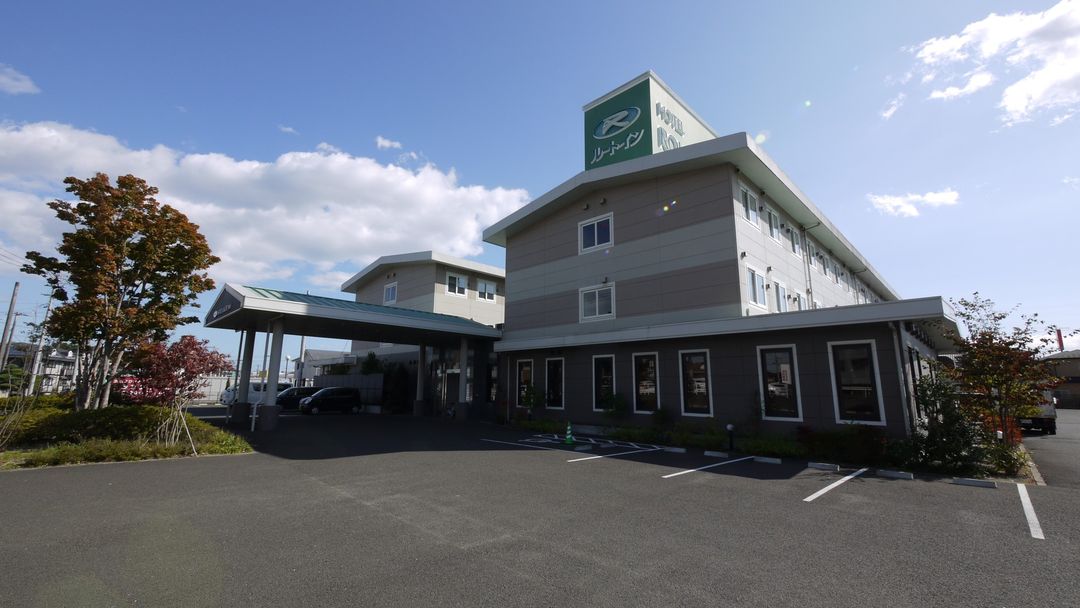
Hotel Route Inn Tagajo-Eki Higashi
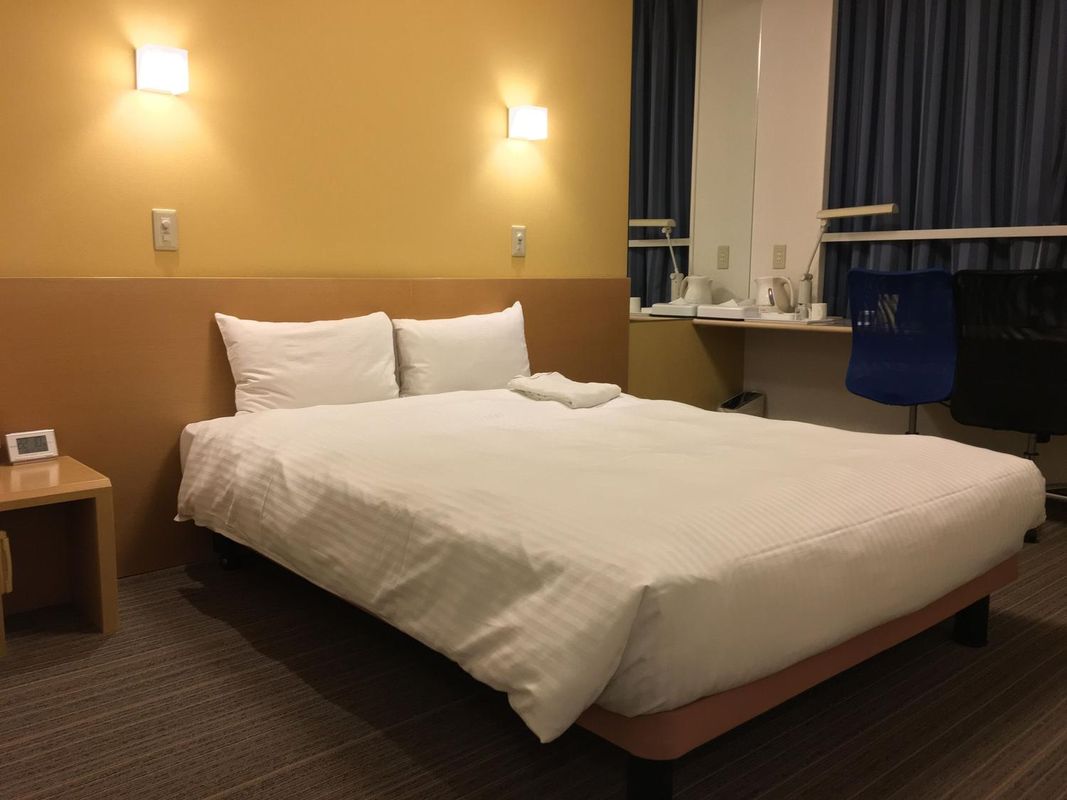
Smile Hotel Sendai Tagajyo
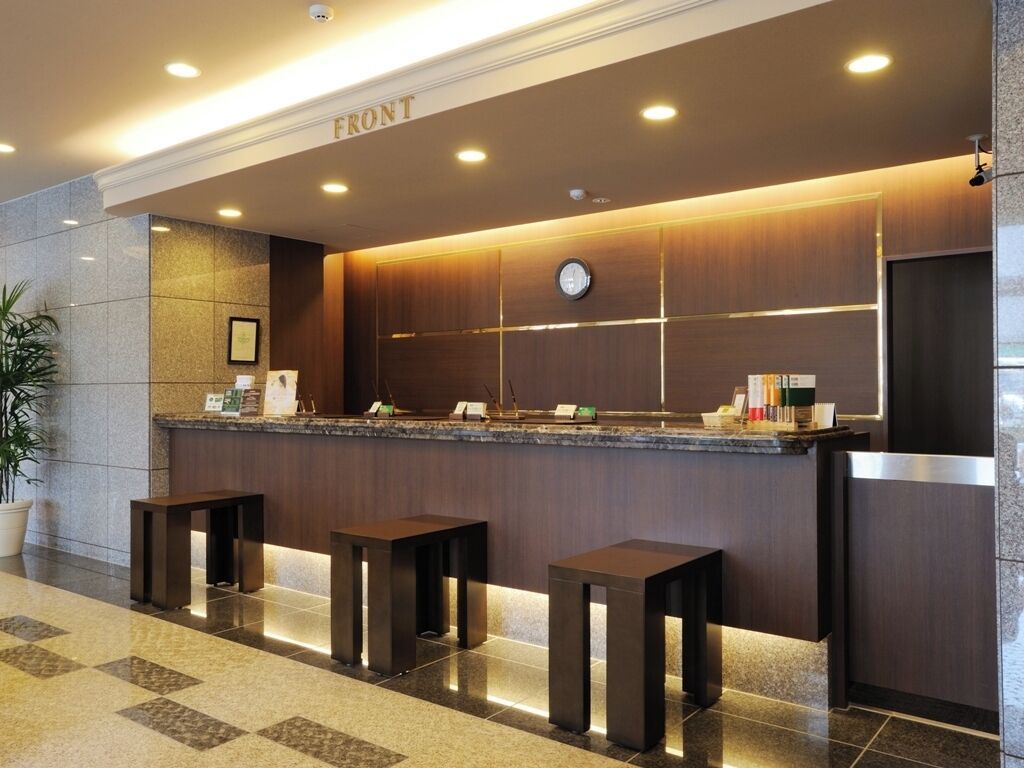
Hotel Route-Inn Sendaiko Kita Inter

HOTEL LiVEMAX Tagajo
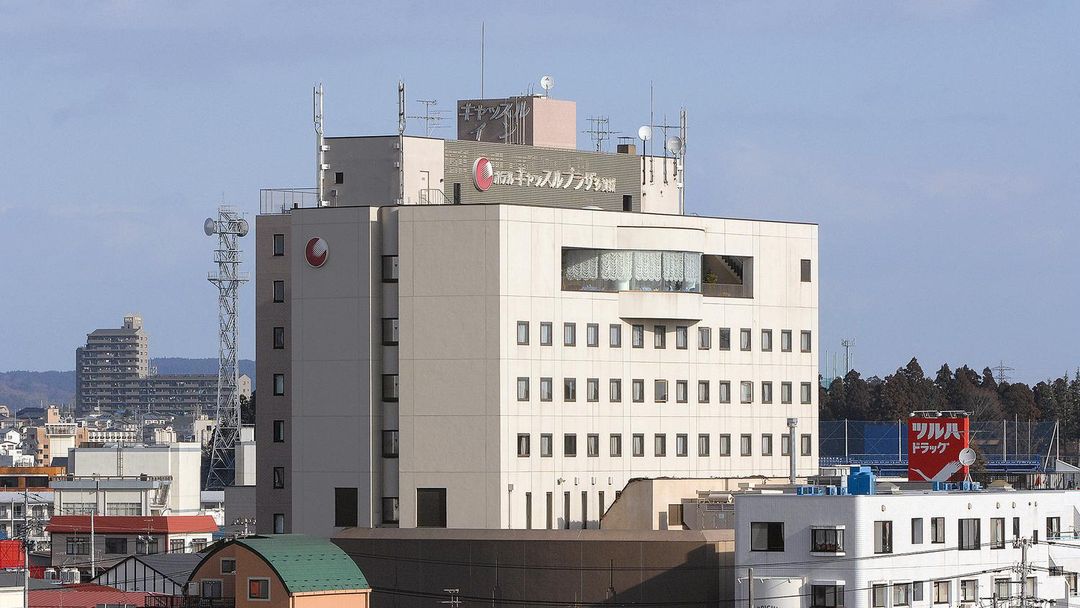
Hotel Castle Plaza Tagajo
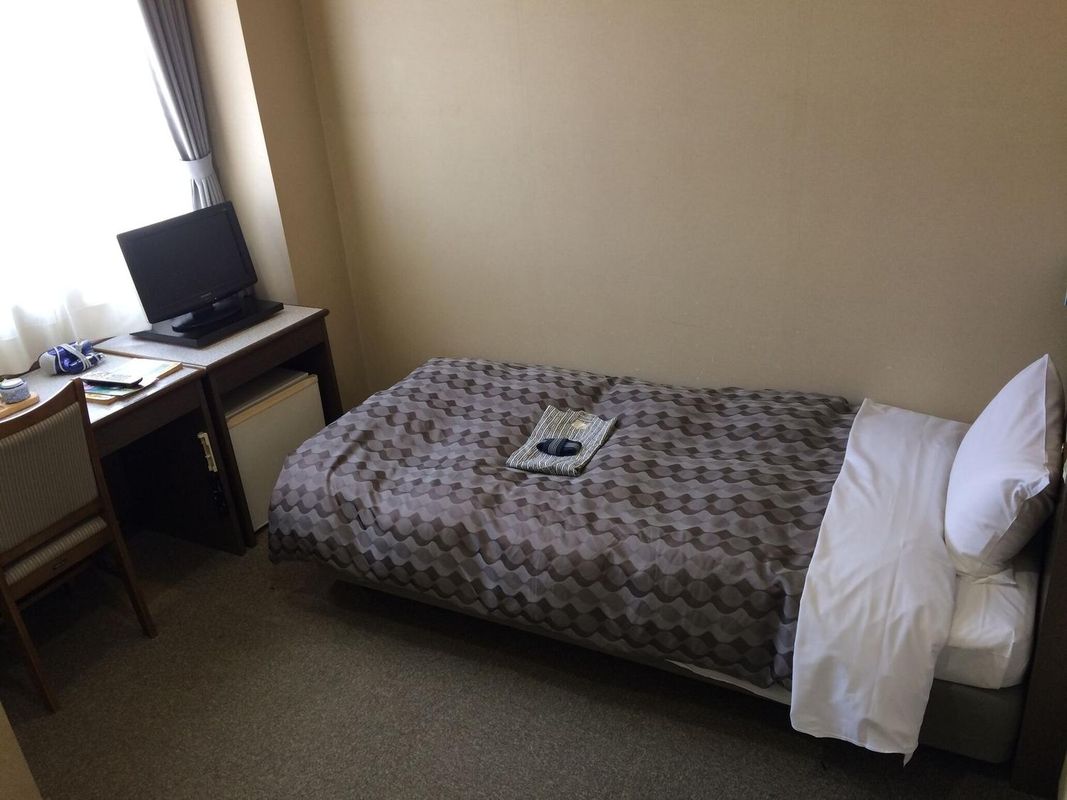
HOTEL LiVEMAX Tagajo
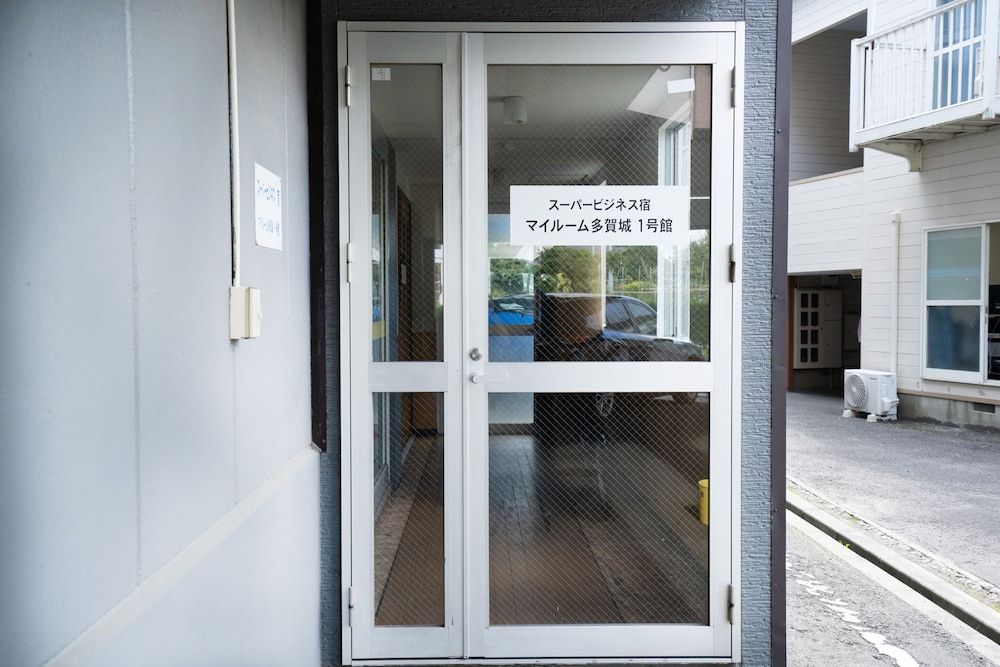
Tabist My Room Tagajjo
Best Hotels in Tagajō
Discover curated hotel collections in Tagajō

EN Resort Grandeco Hotel
Hotel Zen-Adult Only

Hotel Taiko, Akakura Onsen
Nasu Mukunone
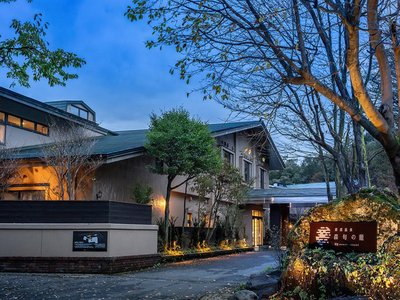
Nasu Onsen Shinshun no Kago Hewitt Resort
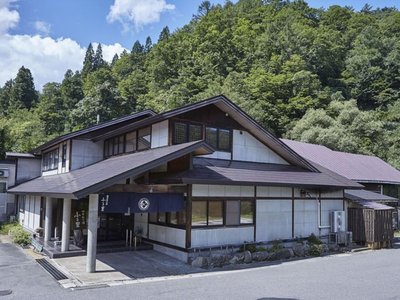
Fulsato
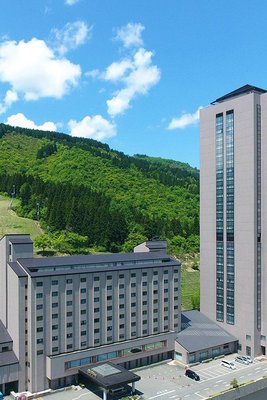
Naspa New Otani

Crowne Plaza - ANA RESORT APPI KOGEN
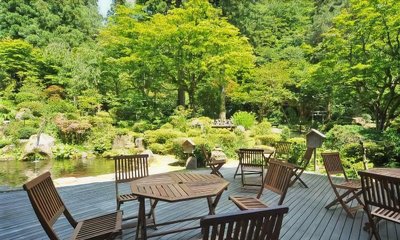
Choseikan
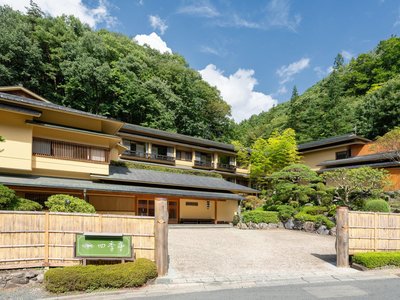
Shikitei Morioka TsunagiOnsen
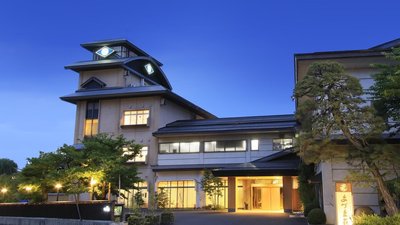
Shouhakutei Azumaso
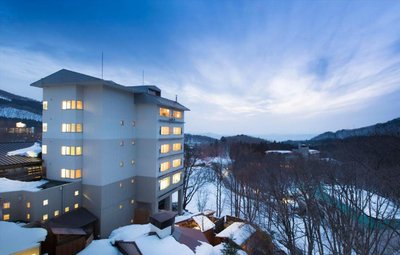
Takamiya Hotel Lucent

Hayamakan
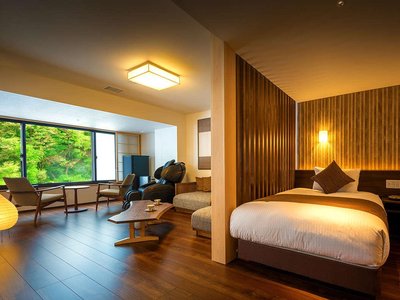
Harataki
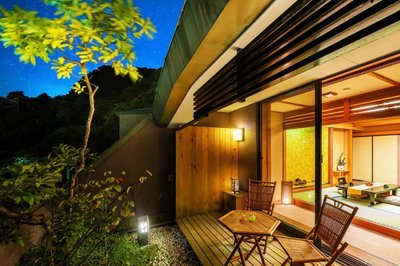
Konjakutei
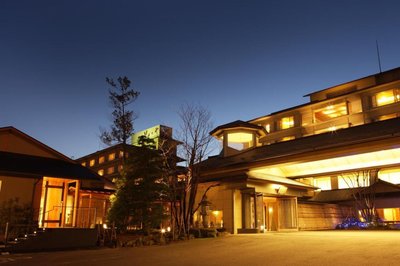
Yumotoya
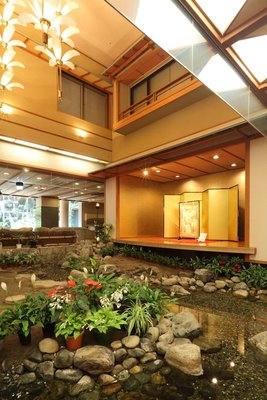
Hotel Futaba
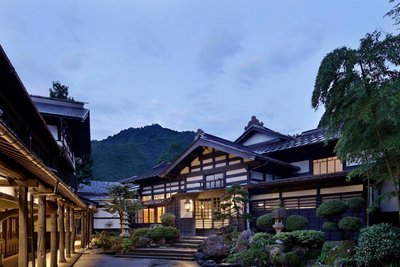
Ryugon
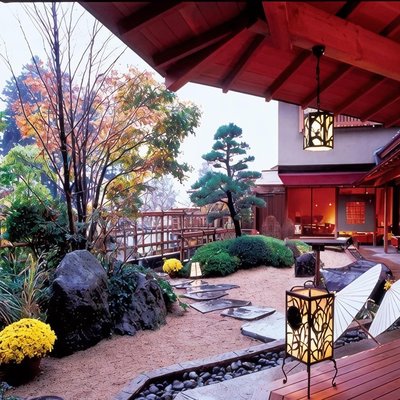
Oyado Tamaki

Tokinoniwa
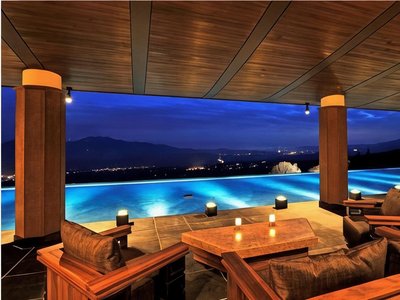
Akakura Kanko Hotel
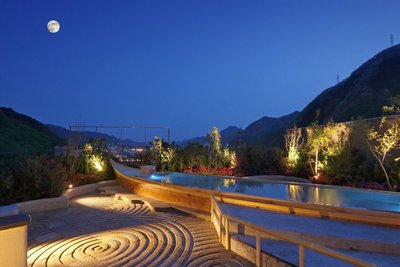
Asaya
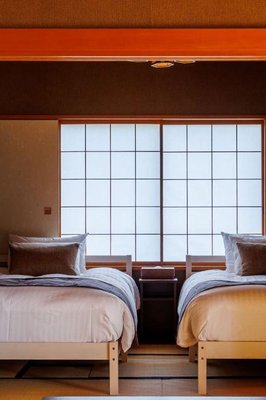
Sado Resort Hotel Azuma

Komatsu-Kan Kofu-Tei
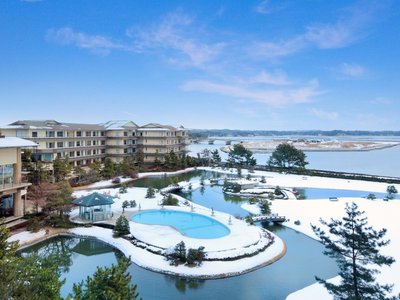
Matsushima Ichinobo
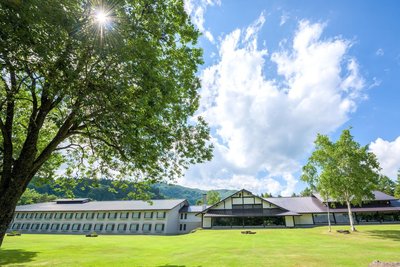
Towada Prince Hotel
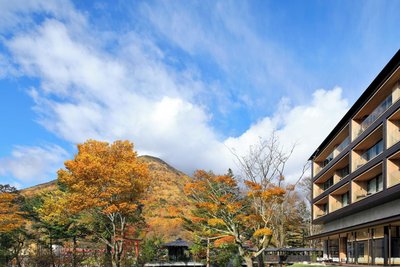
The Ritz-Carlton, Nikko
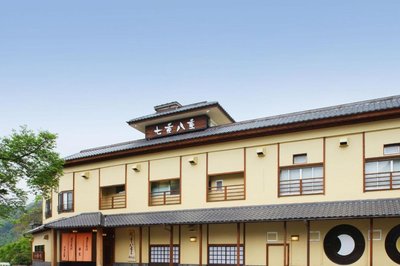
Nanaeyae

La Vista Kusatsu Hills
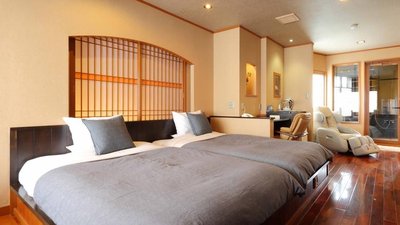
Hanaichi
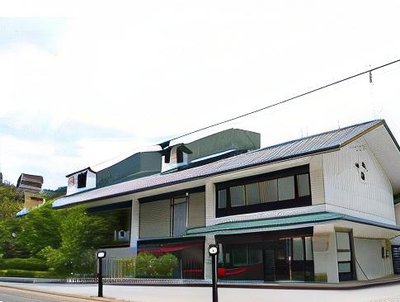
Auberge Suzukane
Konjakutei
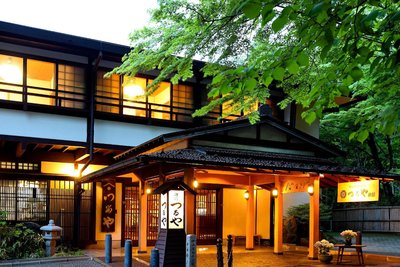
Tsuruya Ryokan
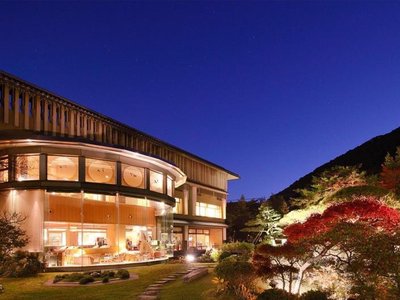
Shikisai Ichiriki
Sado Resort Hotel Azuma
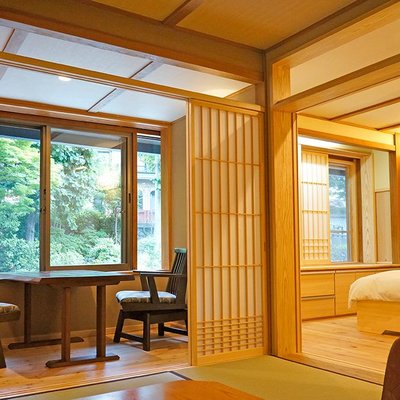
Sumiyosiya Ryokan
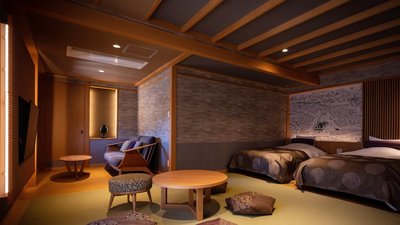
Naraya
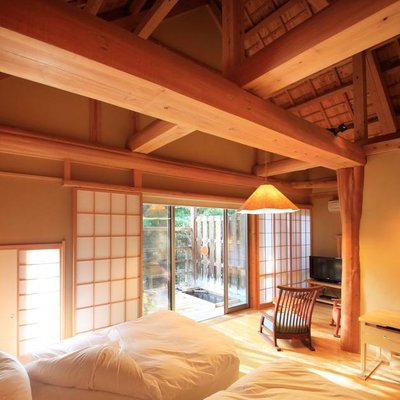
Daikon-No-Hana
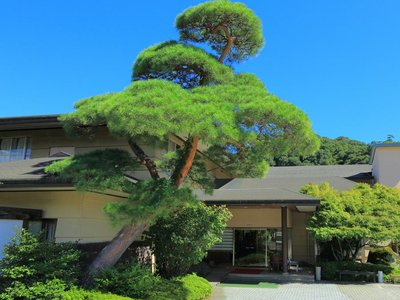
Nagatoro Choseikan Ryokan
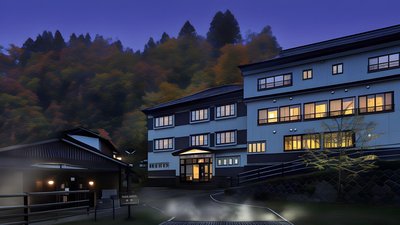
Zao Onsen Omiya Ryokan
Nanaeyae
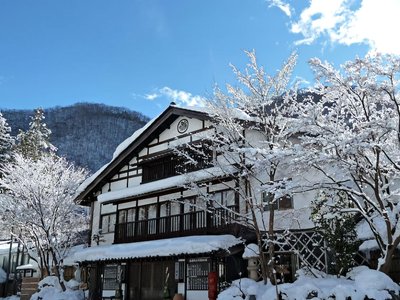
Yunishigawa Onsen Honke Bankyu
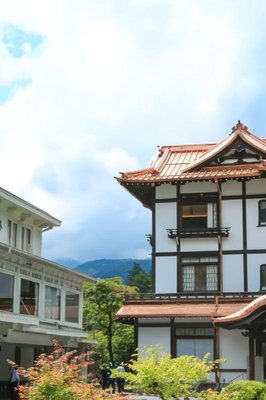
Nikko Kanaya Hotel
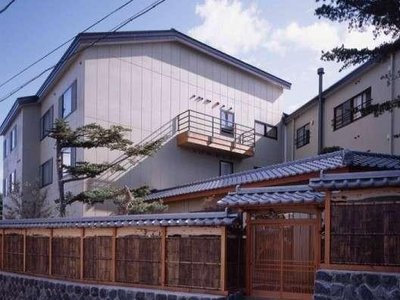
Kanemidori
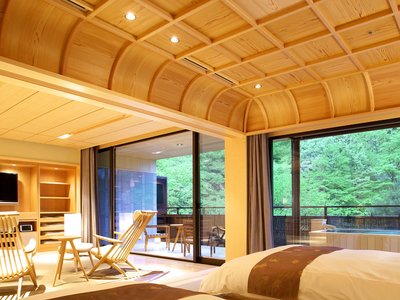
Ryotei Kaichoro
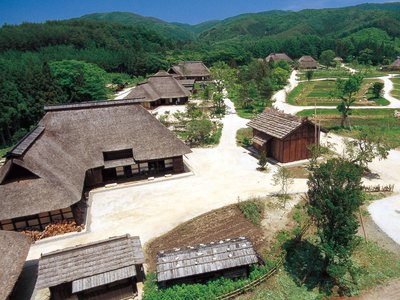
Jodogahama Park Hotel
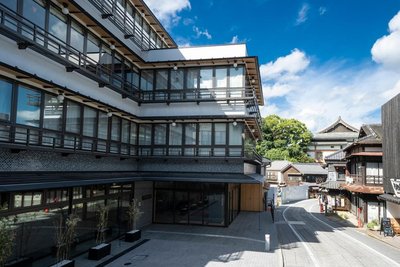
WAQOO NaritasanMonzen
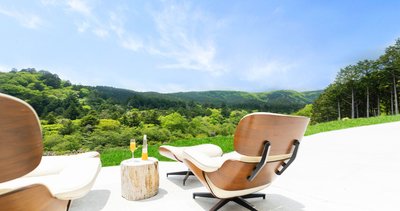
Shelter Garden Nikko
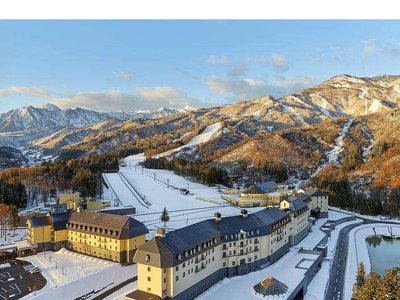
Lotte Arai Resort
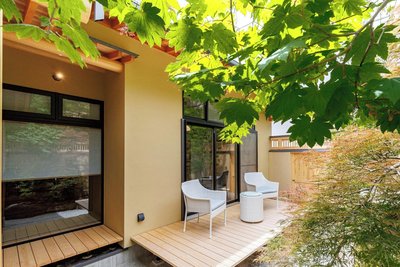
Shoraiso
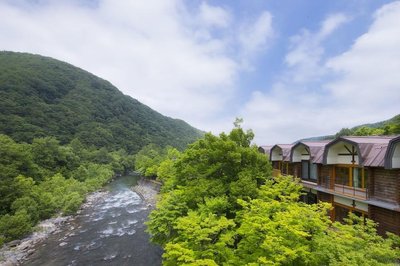
Hoshino Resorts Oirase Keiryu Hotel
Asaya

The Westin Sendai Hotel
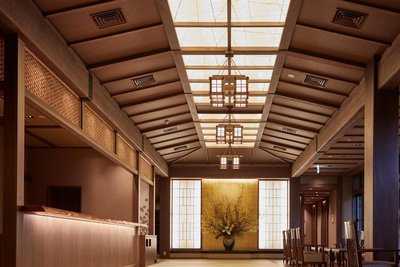
Yukinohana

Yukemuri No Yado Inazumi Onsen
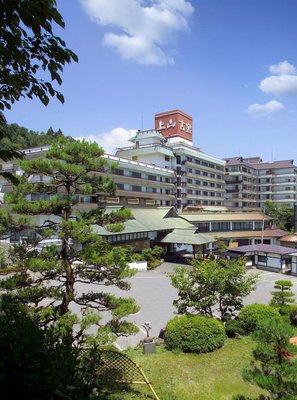
Hotel Koyo
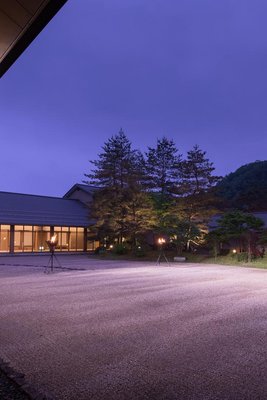
Kashoen
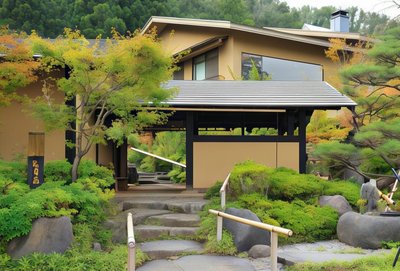
Meigetsuso
Nikko Kanaya Hotel
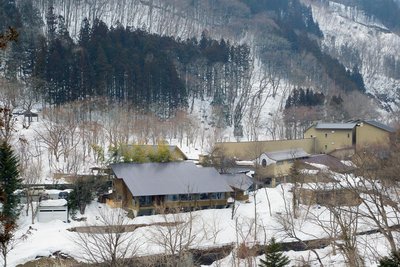
Bettei Senjyuan
La Vista Kusatsu Hills
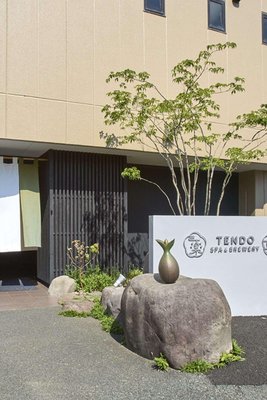
Yubo Ichiraku TENDO SPA&BREWERY
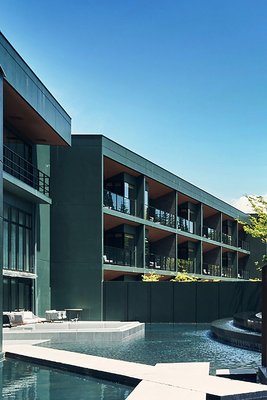
ANA InterContinental Appi Kogen Resort
Frequently Asked Questions about Traveling to Tagajō
Questions You Might Need to Know About Traveling to Tagajō
For history enthusiasts, Taga Castle Ruins Hotel is a top choice, located just steps from the ancient Taga Castle, a key administrative center during the Heian period. The hotel blends traditional Japanese architecture with modern comfort and offers guided heritage tours. Guests can also enjoy seasonal events like the Cherry Blossom Festival at Taga Castle, where lantern-lit ruins create a magical atmosphere. Nearby, Miyagi Taga City Grand Hotel provides access to local museums and walking paths through historical districts, making it ideal for immersive cultural exploration.
The Taga Castle Area is the most convenient region for hotel stays in Taga City, offering easy access to major attractions like the Taga Castle Ruins, local shrines, and museums. This area features small, family-run inns with authentic charm and excellent service. It’s also well-connected to Sendai City, just 30 minutes away by car, providing both tranquility and urban accessibility—perfect for travelers seeking a balance between peace and convenience.
Visitors to Taga City can explore the Taga Castle Ruins, a significant Heian-era site that once served as a regional capital. The annual Taga Cherry Blossom Festival transforms the ruins into a luminous wonderland with night illuminations. Additionally, hands-on workshops in washi paper-making offer insight into traditional Northeast Japanese craftsmanship. Local festivals often feature kotatsu gatherings and folk dances, allowing guests to engage deeply with regional heritage.
Yes, Taga Castle Ruins Hotel offers family rooms, child-friendly baths, and inclusive meals featuring local cuisine. The hotel features a safe garden space perfect for kids to play. Meanwhile, Miyagi Taga City Grand Hotel has a dedicated children’s playroom, multilingual staff, and free shuttle services to nearby attractions like Taga Castle and Sendai City Center, making it ideal for families seeking comfort and convenience.
Guests at Taga City hotels can savor authentic Tohoku cuisine, including Sendai beef tongue, kakuni (slow-cooked pork), and Iwate cold noodles. Many hotels, such as Taga Castle Ruins Hotel, serve seasonal kaiseki dinners using locally sourced ingredients. Breakfast often includes morning rice porridge, pickled vegetables, and fresh miso soup—offering a true taste of regional flavors and hospitality.
Taga Castle Ruins Hotel offers private outdoor onsen and romantic suites with garden views, perfect for couples seeking intimacy. The hotel provides candlelit dinners, welcome gifts, and live acoustic music upon request. Miyagi Taga City Grand Hotel features a "Honeymoon Room" with rose petals, champagne, and a private balcony overlooking the city lights—ideal for creating unforgettable moments amidst the serene ambiance of Taga City.
Taga Castle Ruins Hotel is a photographer’s dream, with its traditional wooden structures, tranquil gardens, and seasonal cherry blossoms framing the ancient ruins. The Miyagi Taga City Grand Hotel features a glass-roofed atrium and contemporary art installations, ideal for capturing modern Japanese aesthetics. Visit during early morning or golden hour for soft lighting and fewer crowds—perfect for scenic shots of Taga City’s historic and artistic soul.
Begin your day at Taga Castle Ruins Hotel, then explore the Taga Castle Ruins in the afternoon. Enjoy a relaxing soak in the onsen before heading to Sendai City for evening sights like Aoba Castle and Iwanuma Shopping Street. Return to Taga City for dinner. If time allows, visit the Miyagi Prefectural Museum to learn about regional history. This balanced itinerary blends culture, relaxation, and convenience, all centered around Taga City.
Taga Castle Ruins Hotel hosts rotating exhibitions of local ceramics, calligraphy, and woodblock prints. The hotel’s quiet reading lounge features a curated collection of books on Japanese history and Tohoku folklore. Guests can attend tea ceremonies and poetry readings during special events. For those drawn to literary and artistic traditions, this hotel functions as a living cultural hub, offering deep immersion in regional creativity and heritage.
Yes, Taga City is ideal for road trips, with smooth roads and ample parking options. Miyagi Taga City Grand Hotel features a large underground parking lot with over 100 spaces and 24/7 security. Taga Castle Ruins Hotel offers dedicated parking and shuttle service to nearby sites. With easy access to Sendai, Iwate, and scenic coastal routes, these hotels support flexible, self-driven exploration across the Tohoku region.
Tagajō Overview
City Summary
Tagajō City in Miyagi Prefecture, Japan, is a tranquil town blending historical significance with natural beauty. As the ancient capital of Mutsu Province, it boasts cultural treasures like the Tagajō Ruins, a National Special Historic Site showcasing 8th-10th century political heritage. The city is celebrated for sakura spots, particularly around Shiogama Shrine where Yoshino cherry trees create breathtaking springscapes. Its proximity to Matsushima Bay—one of Japan's Three Scenic Views—makes it an ideal base for coastal exploration.
Must-See Attractions
The Tagajō Ruins are a must-visit, featuring reconstructed ancient government buildings and a museum displaying the "Tagajō Stele", Japan's oldest surviving stone monument. Shiogama Shrine, a major Shinto site, hosts vibrant cherry blossom festivals in April. A short JR train ride leads to Matsushima's pine-clad islands, best enjoyed with grilled oysters at seaside huts. History buffs shouldn't miss the Tohoku History Museum, housing artifacts from the region's Heian-period zenith.
Food Guide
Tagajō's cuisine reflects Sendai's influence—try gyūtan (beef tongue) at chain restaurants like Rikyu. The iconic zunda mochi (sweet edamame paste on rice cakes) is sold along shrine approaches. Shiogama Fish Market offers ultra-fresh oysters and abalone, simply grilled with salt. In winter, indulge in kaki-nabe (oyster hotpot) cooked with local Sendai miso. For souvenirs, pick up sake from Shiogama's centuries-old breweries.
Transportation Guide
The JR Tōhoku Main Line connects Tagajō Station to Sendai (15min, frequent departures). Most attractions are within 2km—rent bicycles (¥500/day near station) or use Miyagi Kōtsū buses. To reach Matsushima, transfer to JR Senseki Line (30min). The "Sendai Area Pass" covers unlimited rides. Taxis (¥730 starting fare) are practical for groups visiting Shiogama Shrine. Note that buses stop running by 8pm.
Best Time to Visit
Early to mid-April is ideal for cherry blossoms (10-15°C). Summer (July-August) brings lively festivals but humidity. Autumn (October) offers crimson foliage at historic sites, while winter (December-February, 0-5°C) is perfect for oyster feasts with fewer crowds. Avoid Golden Week (early May) when domestic tourism peaks.
Travel Tips
- Bow slightly when passing through shrine torii gates, and purify hands at temizuya before praying
- Wear sturdy shoes for the expansive Tagajō Ruins site, often windy
- Most restaurants close 2-5pm—plan meals accordingly
- Carry cash as small vendors don't accept cards; 7-11 ATMs work with foreign cards
- Winter roads may ice over; check tire chains if driving
- Sort trash into "burnable", "non-burnable" and "recyclables" using station bins
Useful Information
Language: Japanese predominates; basic English signs exist at stations. Translation apps help. Internet: Prepaid SIMs (e.g., IIJmio) at convenience stores or free station Wi-Fi (registration required). Payment: Cash remains king—exchange currency at 7-11 ATMs. Major stores accept cards. Healthcare: Tagajō Municipal Hospital handles emergencies (+81-22-368-1111). Travel insurance recommended. Voltage: 100V (Type A plugs); no adapter needed for US devices. Dial 110 (police) or 119 (ambulance) in emergencies.









