Hotels in Tagajō
Discover your perfect stay in Tagajō.
Tagajō(Japan) Travel 2026: Cheap Flights, Hotels & Top Attractions
Popular Landmarks in Tagajō
Discover the most iconic attractions in Tagajō
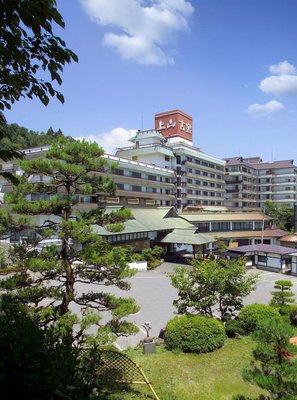
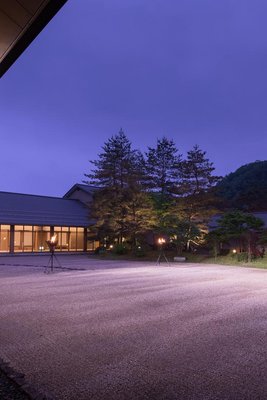
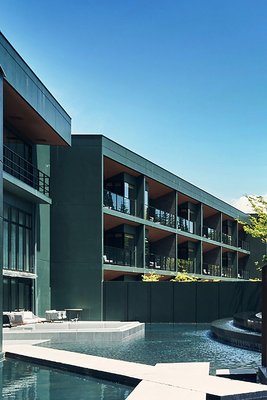
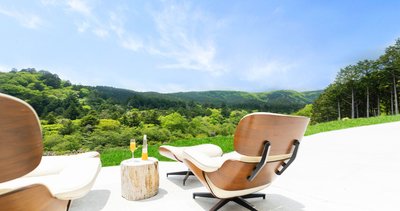
Recommended Hotels in Tagajō
Find the perfect place to stay in Tagajō
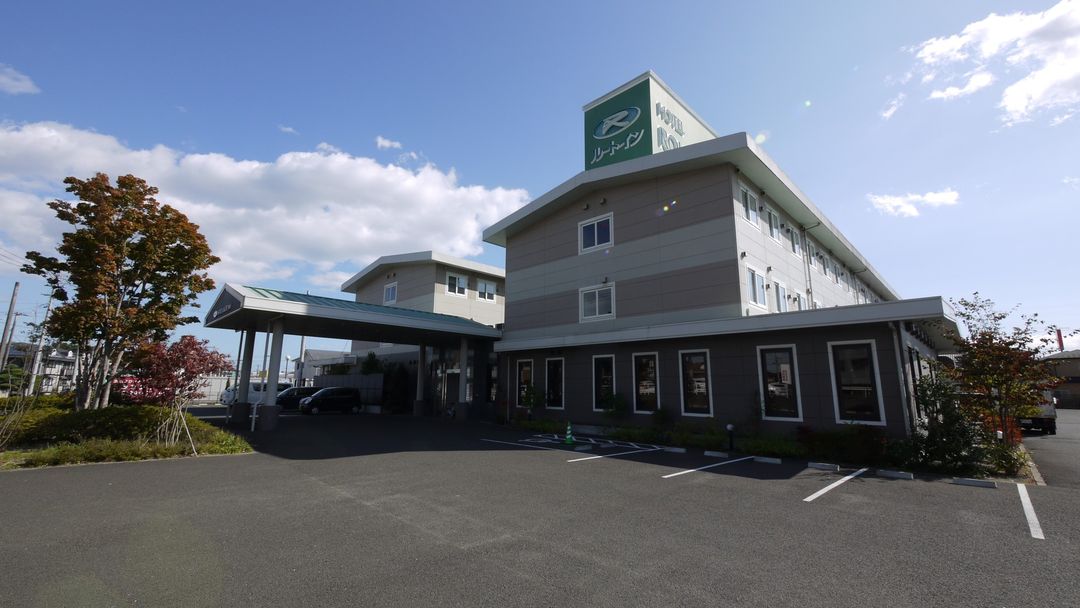

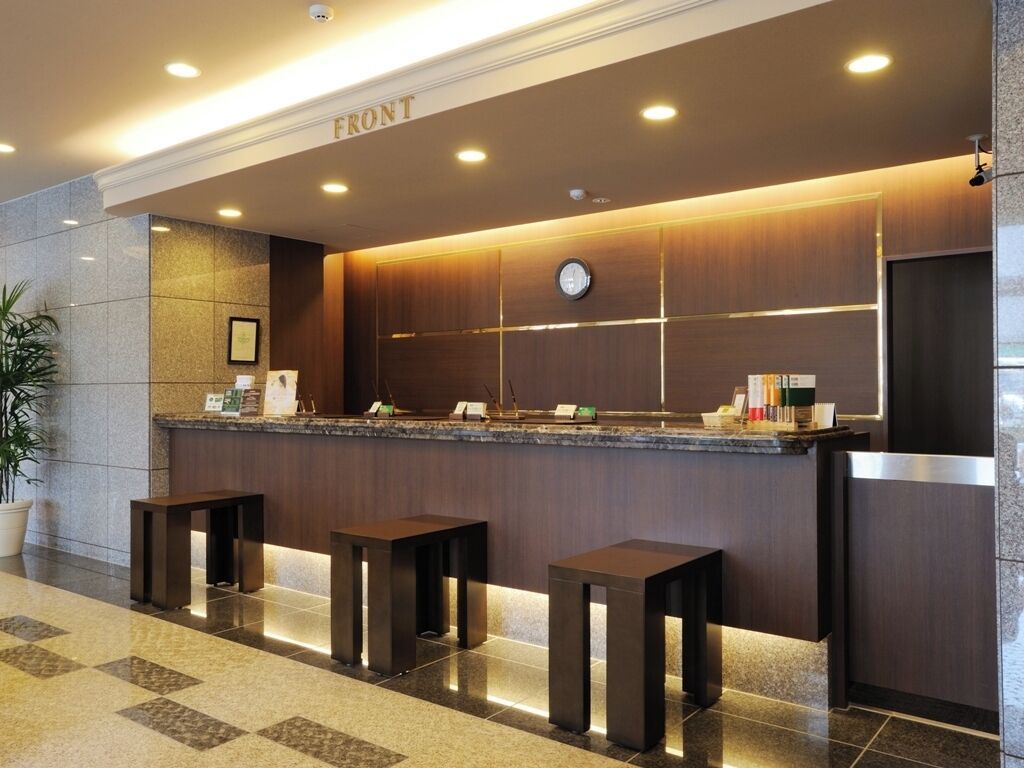

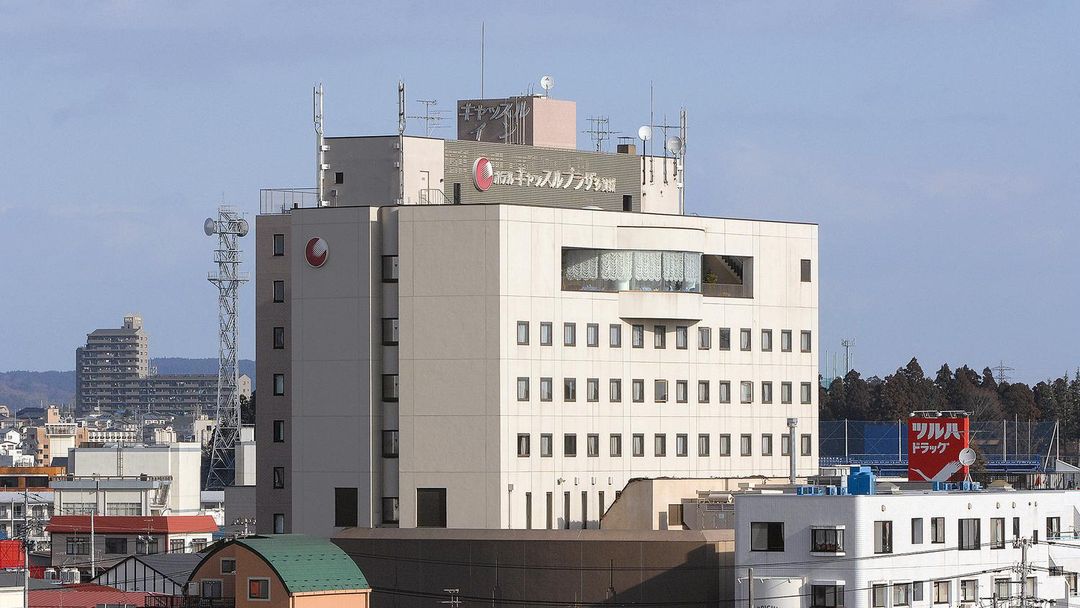
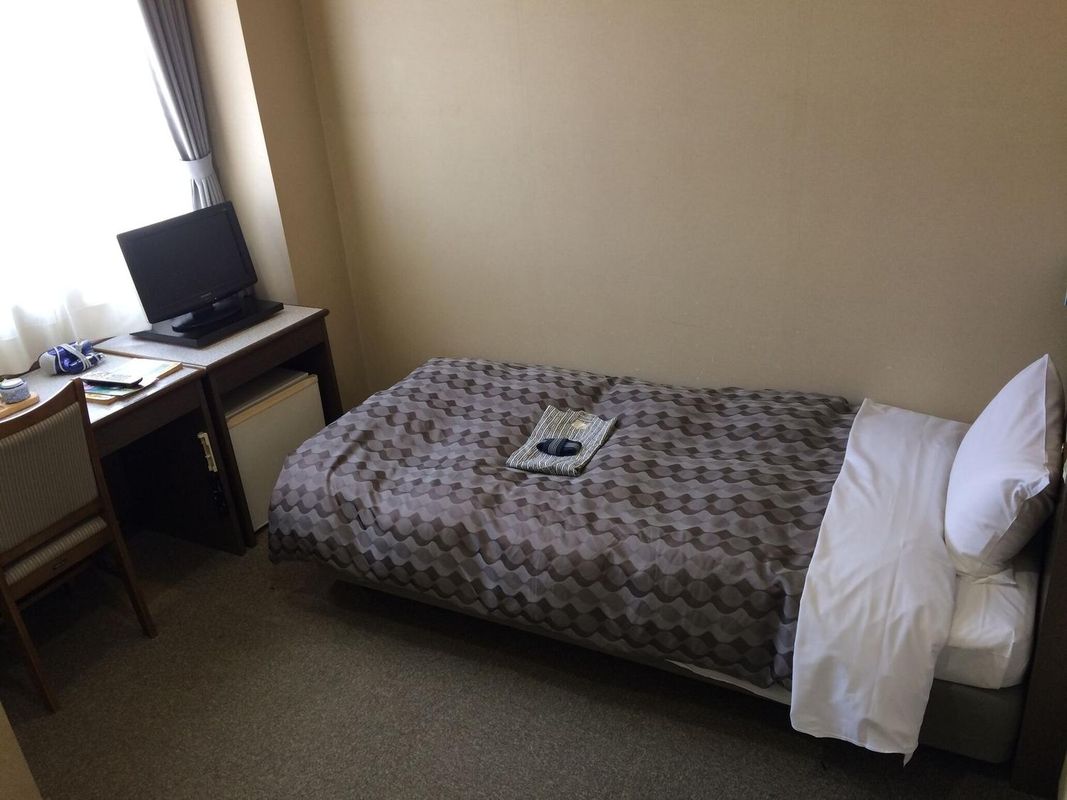
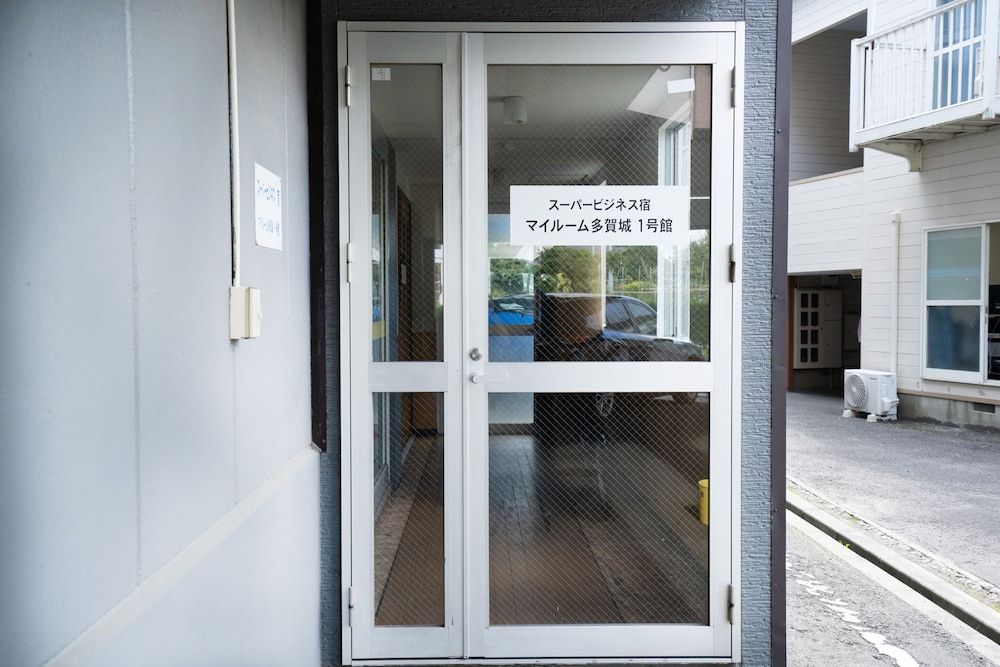
Best Hotels in Tagajō
Discover curated hotel collections in Tagajō


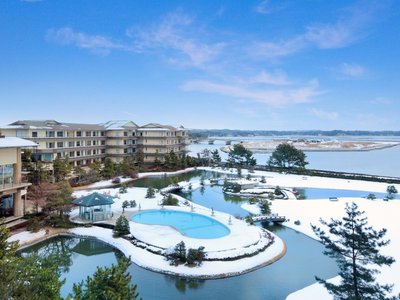


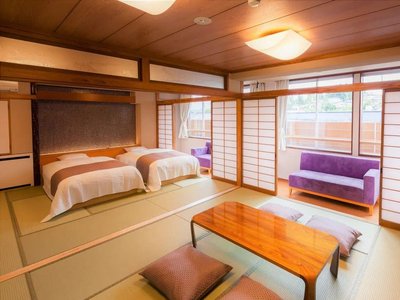

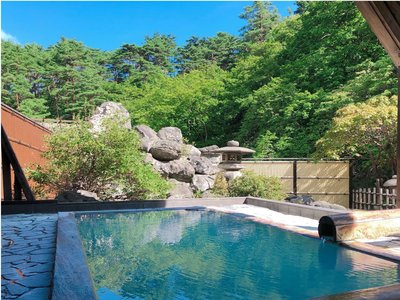
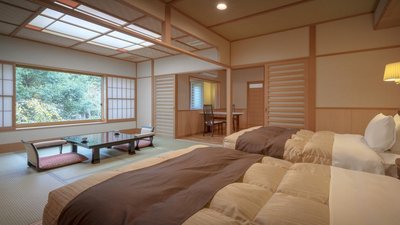



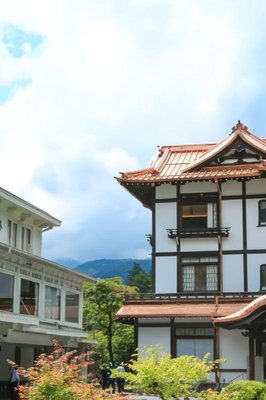
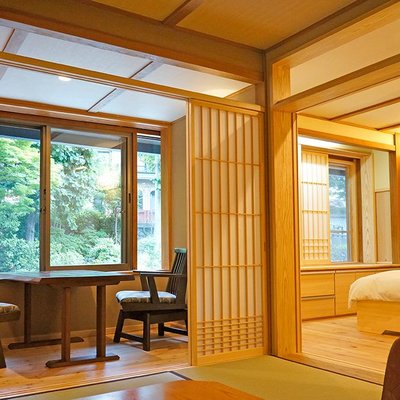

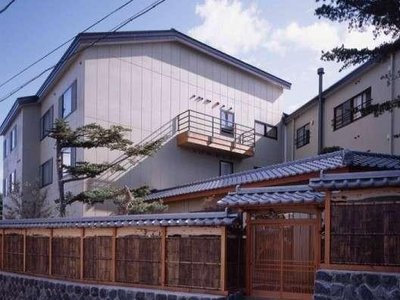

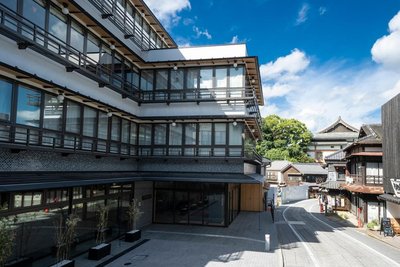
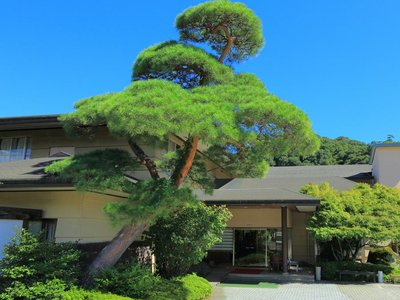
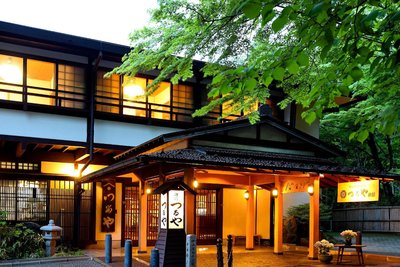

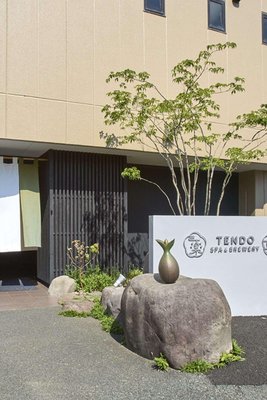
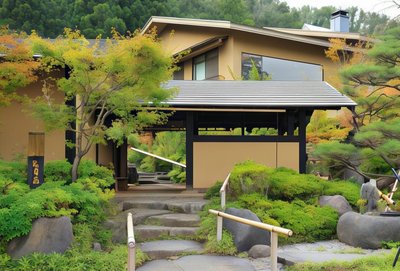

Frequently Asked Questions about Traveling to Tagajō
Questions You Might Need to Know About Traveling to Tagajō
Tagajō Overview
City Summary
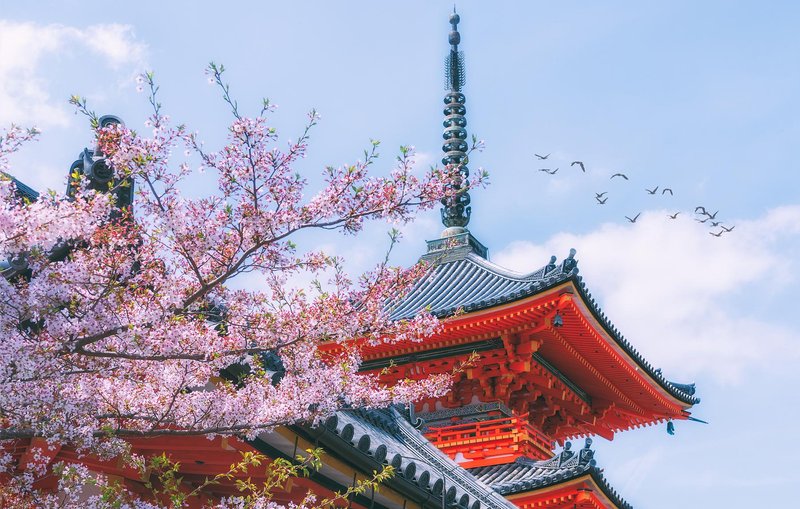
Tagajō City in Miyagi Prefecture, Japan, is a tranquil town blending historical significance with natural beauty. As the ancient capital of Mutsu Province, it boasts cultural treasures like the Tagajō Ruins, a National Special Historic Site showcasing 8th-10th century political heritage. The city is celebrated for sakura spots, particularly around Shiogama Shrine where Yoshino cherry trees create breathtaking springscapes. Its proximity to Matsushima Bay—one of Japan's Three Scenic Views—makes it an ideal base for coastal exploration.
Must-See Attractions
The Tagajō Ruins are a must-visit, featuring reconstructed ancient government buildings and a museum displaying the "Tagajō Stele", Japan's oldest surviving stone monument. Shiogama Shrine, a major Shinto site, hosts vibrant cherry blossom festivals in April. A short JR train ride leads to Matsushima's pine-clad islands, best enjoyed with grilled oysters at seaside huts. History buffs shouldn't miss the Tohoku History Museum, housing artifacts from the region's Heian-period zenith.
Food Guide
Tagajō's cuisine reflects Sendai's influence—try gyūtan (beef tongue) at chain restaurants like Rikyu. The iconic zunda mochi (sweet edamame paste on rice cakes) is sold along shrine approaches. Shiogama Fish Market offers ultra-fresh oysters and abalone, simply grilled with salt. In winter, indulge in kaki-nabe (oyster hotpot) cooked with local Sendai miso. For souvenirs, pick up sake from Shiogama's centuries-old breweries.
Transportation Guide
The JR Tōhoku Main Line connects Tagajō Station to Sendai (15min, frequent departures). Most attractions are within 2km—rent bicycles (¥500/day near station) or use Miyagi Kōtsū buses. To reach Matsushima, transfer to JR Senseki Line (30min). The "Sendai Area Pass" covers unlimited rides. Taxis (¥730 starting fare) are practical for groups visiting Shiogama Shrine. Note that buses stop running by 8pm.
Best Time to Visit
Early to mid-April is ideal for cherry blossoms (10-15°C). Summer (July-August) brings lively festivals but humidity. Autumn (October) offers crimson foliage at historic sites, while winter (December-February, 0-5°C) is perfect for oyster feasts with fewer crowds. Avoid Golden Week (early May) when domestic tourism peaks.
Travel Tips
- Bow slightly when passing through shrine torii gates, and purify hands at temizuya before praying
- Wear sturdy shoes for the expansive Tagajō Ruins site, often windy
- Most restaurants close 2-5pm—plan meals accordingly
- Carry cash as small vendors don't accept cards; 7-11 ATMs work with foreign cards
- Winter roads may ice over; check tire chains if driving
- Sort trash into "burnable", "non-burnable" and "recyclables" using station bins
Useful Information
Language: Japanese predominates; basic English signs exist at stations. Translation apps help. Internet: Prepaid SIMs (e.g., IIJmio) at convenience stores or free station Wi-Fi (registration required). Payment: Cash remains king—exchange currency at 7-11 ATMs. Major stores accept cards. Healthcare: Tagajō Municipal Hospital handles emergencies (+81-22-368-1111). Travel insurance recommended. Voltage: 100V (Type A plugs); no adapter needed for US devices. Dial 110 (police) or 119 (ambulance) in emergencies.