Hotels in Tagawa
Discover your perfect stay in Tagawa.
Tagawa(Japan) Travel 2026: Cheap Flights, Hotels & Top Attractions
Popular Landmarks in Tagawa
Discover the most iconic attractions in Tagawa
Recommended Hotels in Tagawa
Find the perfect place to stay in Tagawa
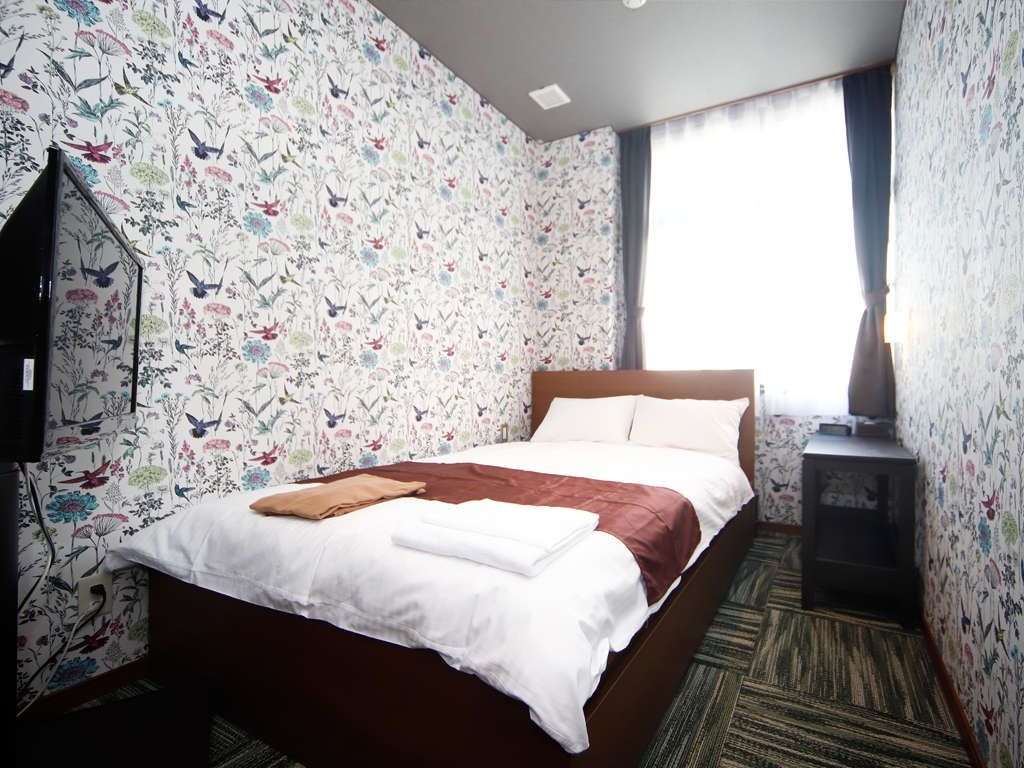
Tagawaitaekisya Hotel
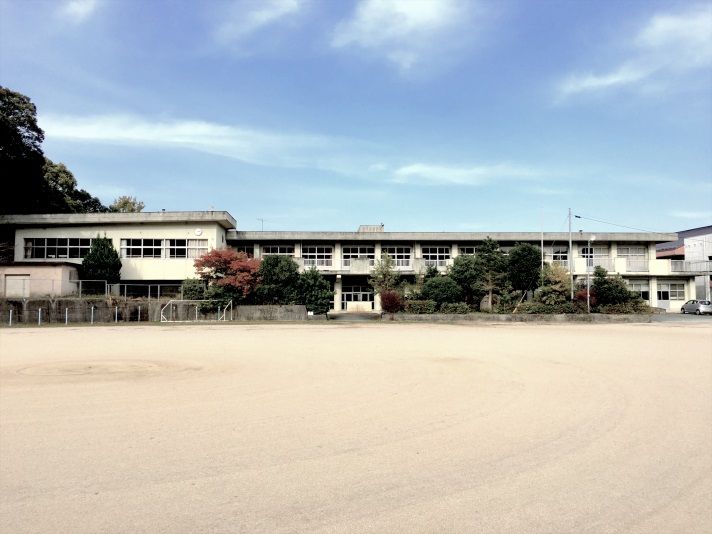
Iikane Palette
Best Hotels in Tagawa
Discover curated hotel collections in Tagawa

Sheraton Kagoshima
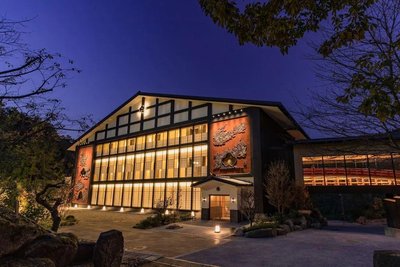
Okuhita Onsen Umehibiki

Nagasaki Marriott Hotel
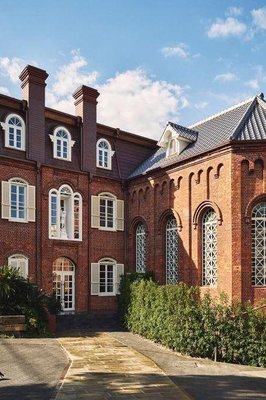
Hotel Indigo Nagasaki Glover Street by IHG

Stadium City Hotel Nagasaki

ONE FUKUOKA HOTEL
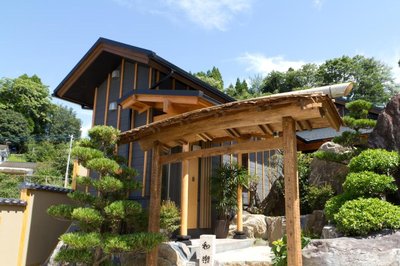
Ryokan Shinsen
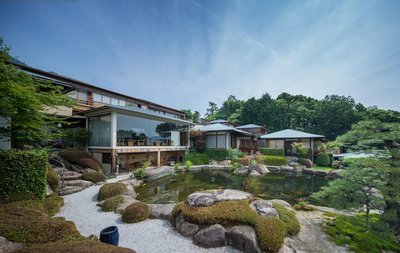
SEKITEI

Yamatoya Besso

Hilton Fukuoka Sea Hawk

Olive Bay Hotel
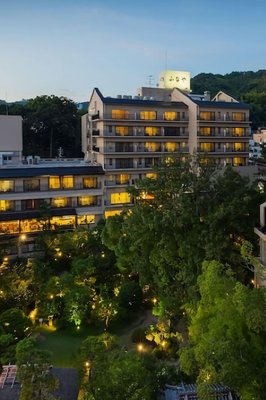
Funaya
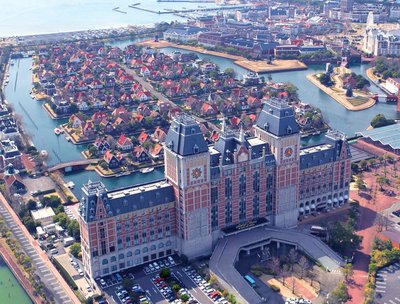
Hotel Okura Jr Huis Ten Bosch

Bettei Oborozukiyo

La Vista Kirishima Hills

Hotel Amsterdam Huis Ten Bosch

Yumotoankiyohime
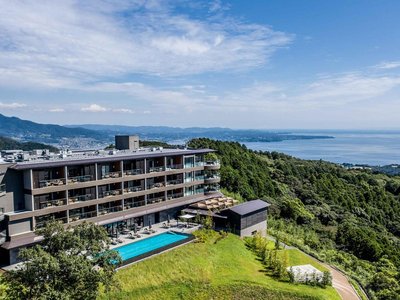
Ana InterContinental Beppu Resort & Spa

TheMana Village
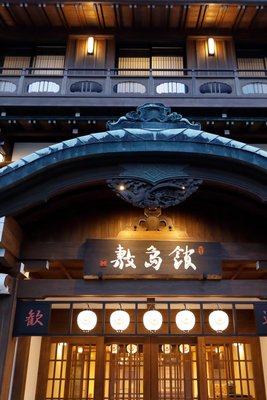
Onyado Shikishima-Kan

Hotel Barrière Fouquet's New York

The Plaza - A Fairmont Managed Hotel
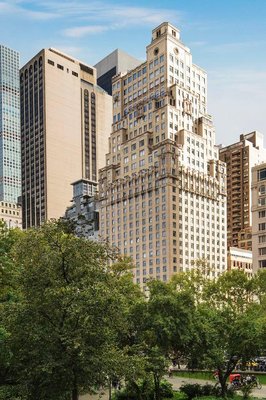
The Ritz-Carlton New York, Central Park

Four Seasons Hotel New York

The St. Regis New York

Park Hyatt New York

Mandarin Oriental New York

Times Square Edition New York

Loews Regency New York Hotel

Lowell Hotel

New York Edition

Baccarat Hotel New York

Equinox Hotel New York

Four Seasons Hotel New York Downtown

The Langham, New York, Fifth Avenue

The Carlyle, A Rosewood Hotel

The Chatwal, in the Unbound Collection by Hyatt

The Mark New York

Trump International Hotel & Tower® New York

Casa Cipriani New York
Frequently Asked Questions about Traveling to Tagawa
Questions You Might Need to Know About Traveling to Tagawa
In Takano City, the top choice for culturally immersive stays is Takano Soudo Kan Ryokan, a traditional guesthouse housed in a restored 19th-century farmhouse. Guests can participate in hands-on workshops like indigo dyeing and rice-panning demonstrations, while enjoying meals made from locally grown ingredients. The property features tatami rooms adorned with handcrafted pottery and fukiage paper screens, reflecting authentic Kyushu rural life. Located near the Takano River, it offers serene views and easy access to the Takano Folk Museum. This boutique inn blends heritage preservation with modern comfort, ideal for travelers seeking meaningful cultural connection.
The central district of Takano City, centered around Takano Station, is the most convenient area for hotel stays. It’s within walking distance of key attractions like the Takano River Promenade, Takano Folk Museum, and local restaurants serving regional specialties such as Takano soba noodles and fresh river fish. Public transportation is efficient via the Nishitetsu Tenjin-Omuta Line, linking directly to Fukuoka City in under 30 minutes. Many small, family-run ryokans and guesthouses here offer warm hospitality and quiet surroundings, making it perfect for travelers who value both accessibility and authenticity in their stay.
Visitors to Takano City can experience Takano Paper Puppet Shows (Shamisen Koma), a traditional storytelling art form dating back to the Meiji era, regularly performed at the Takano Folk Museum. Another highlight is indigo dyeing workshops where guests create personalized fabric using natural dyes sourced from local plants. The annual Takano Festival features vibrant mikoshi processions and a spectacular fireworks display over the Takano River. These events preserve deep-rooted Kyushu folk traditions and offer an intimate glimpse into the community’s heritage and communal spirit.
Yes, Takano Onsen Grand Hotel stands out as the premier onsen resort in the city, featuring naturally heated baths drawn from deep volcanic aquifers rich in minerals known to soothe skin and joints. Its open-air baths offer panoramic views of the Takano River, especially magical during autumn foliage season. Some rooms include private onsen tubs for added privacy. The hotel also serves breakfast with locally sourced ingredients—freshly caught Takano River fish and seasonal vegetables—making each meal a celebration of Kyushu’s natural bounty. A true blend of wellness, tradition, and scenic beauty.
Takano Soudo Kan Ryokan is highly recommended for families, offering child-friendly activities such as straw man crafting, farm tours, and rice planting simulations. The property provides spacious family suites with safety features like non-slip flooring and child-sized toiletries. Weekend programs include hands-on pottery-making and traditional Japanese games. Meals are tailored for kids with nutritious, locally prepared dishes. With a peaceful garden and close proximity to nature trails, this ryokan creates a safe, engaging environment for children while fostering intergenerational learning about rural Kyushu culture.
Tourists must try Takano soba noodles, served at Takano-ya Honke, where hand-pulled noodles are paired with a clear broth made from chicken bones and kelp. Another must-try is fresh river fish grilled over charcoal, particularly Takano River carp, known for its delicate flavor. Don’t miss sampling Takano sake, brewed locally with pure mountain water—available for tasting at the Takano Brewery Experience Hall. For a truly authentic taste, book a home-hosted dinner at a local family’s residence, where you’ll enjoy a multi-course meal of homemade Kyushu-style dishes prepared with seasonal ingredients.
Yes, Takano City is well-connected by public transit. The Takano Station lies on the Nishitetsu Tenjin-Omuta Line, allowing direct rail access from Fukuoka City in just 30 minutes. Free shuttle buses link major attractions and hotels within the city center. For those driving, National Route 201 runs through the region with clear signage. Travelers can use the JR Pass or Fukuoka Transportation Card for seamless travel. Most hotels also offer airport transfer services, ensuring hassle-free arrival and departure for international and domestic visitors.
The Takano River is the heart of the city’s natural beauty, flowing through lush greenery and offering scenic walking paths ideal for cycling and photography. In spring, cherry blossoms line the banks, creating a picturesque sakura promenade. During summer, fireflies illuminate the riverbanks at night—an unforgettable sight. The surrounding Takano hills feature vast rice paddies and tea fields, transforming into golden landscapes during harvest season. The Takano Nature Park includes birdwatching platforms and ecological signs, making it a prime spot to observe native species like the Japanese bush warbler and white herons, showcasing the region’s rich biodiversity.
Capture the ethereal morning mist rising above the Takano River—perfect for tranquil landscape shots. The terraced rice fields near the Takano Folk Museum offer stunning seasonal contrasts, especially during planting and harvest cycles. At sunset, the Takano Station platform reflects golden light across the tracks, ideal for dramatic compositions. For night photography, the open-air onsen pools at Takano Onsen Grand Hotel glow softly under starlight, blending architecture with celestial ambiance. Bring a wide-angle lens and tripod to fully capture these fleeting moments of natural and cultural beauty.
The Takano Folk Museum houses rare artifacts from the Edo period, including farming tools, looms, and ancestral documents, providing insight into the region’s agrarian past. The Takano Shrine, established in the 18th century, preserves original architectural elements and hosts traditional kagura dances during festivals. The former Takano Village Office, now a cultural center, displays works by local artists specializing in pottery and wood carving. Together, these sites reveal the evolution of rural Kyushu society, offering scholars and curious travelers a window into Japan’s enduring village traditions and community values.
Tagawa Overview
City Summary
Tagawa City in Fukuoka Prefecture blends industrial heritage with natural beauty. Known for its coal mining history, the city features unique landmarks like the Coal Mining Memorial Park. Surrounded by mountains, it offers outdoor activities while maintaining authentic local charm. A hidden gem for cultural explorers.
Must-See Attractions
Must-see spots: 1) Tagawa City Coal Mining Museum showcasing mining heritage; 2) Ita-machi district with Showa-era nostalgia; 3) Kawaradake hiking trails for panoramic views. Don't miss seasonal events like the Chrysanthemum Exhibition or evening izakaya hopping to mingle with locals.
Food Guide
Food culture: 1) Tagawa Ramen with thick noodles in pork broth; 2) Mining Bento recreating miners' meals; 3) Amadaru Coffee's local blends. Try fresh manju (steamed buns) at Sarayashiki Shopping Street and mountain vegetable tempura.
Transportation Guide
Transport:
- Train: JR Hita-Hikosan Line to Tagawa Station (1.5hr from Fukuoka)
- Bus: Nishitetsu buses connect major sights
- Driving: Access via Kyushu Expressway (note mountain roads)
- Local: Walk/bike recommended (most attractions within 3km) Warning: Last buses from mountain areas depart early.
Best Time to Visit
Best season: Autumn (Oct-Nov) for mild weather and fall foliage. Avoid rainy season (Jun-Jul). Winter offers onsen with snow views but some mountain roads close.
Travel Tips
- Cash: Essential for rural shops
- Onsen etiquette: Wash thoroughly before bathing
- Hiking gear: Bring water and non-slip shoes
- Basic Japanese: Helps with communication
- Trash: Carry waste as bins are scarce
- Shop hours: Many close for 2-hr lunch breaks
Useful Information
Practical info:
- Language: Minimal English, carry a phrasebook
- Wi-Fi: Limited free spots, rent pocket WiFi
- Payment: Cards at major venues, Alipay at 7-11
- Emergency: Tagawa City Hospital (092-123-4567)
- Voltage: 100V Type A plugs
- Tax-free: Over ¥5,000 purchases (show passport)
- Emergency calls: Police 110/Ambulance 119 Note: Government offices close Sundays, ATMs may be unavailable.