Hotels in Taiji
Discover your perfect stay in Taiji.
Taiji(Japan) Travel 2026: Cheap Flights, Hotels & Top Attractions
Popular Landmarks in Taiji
Discover the most iconic attractions in Taiji
Recommended Hotels in Taiji
Find the perfect place to stay in Taiji
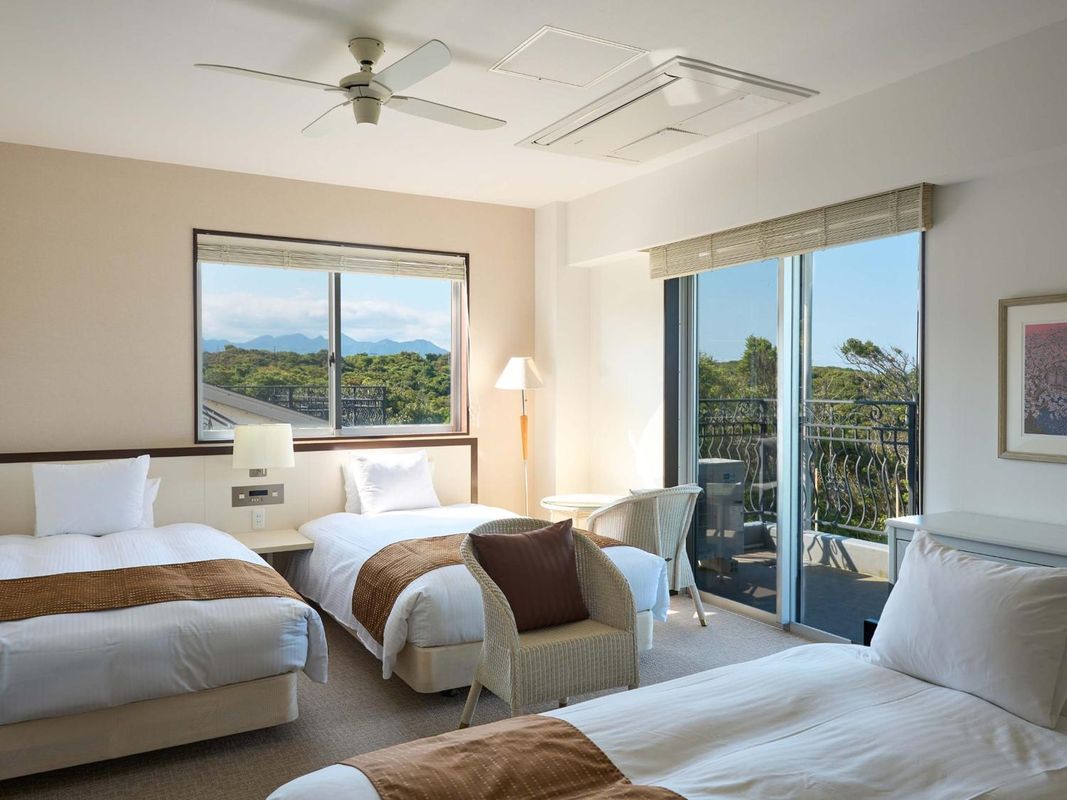
Hotel Holistic Resort
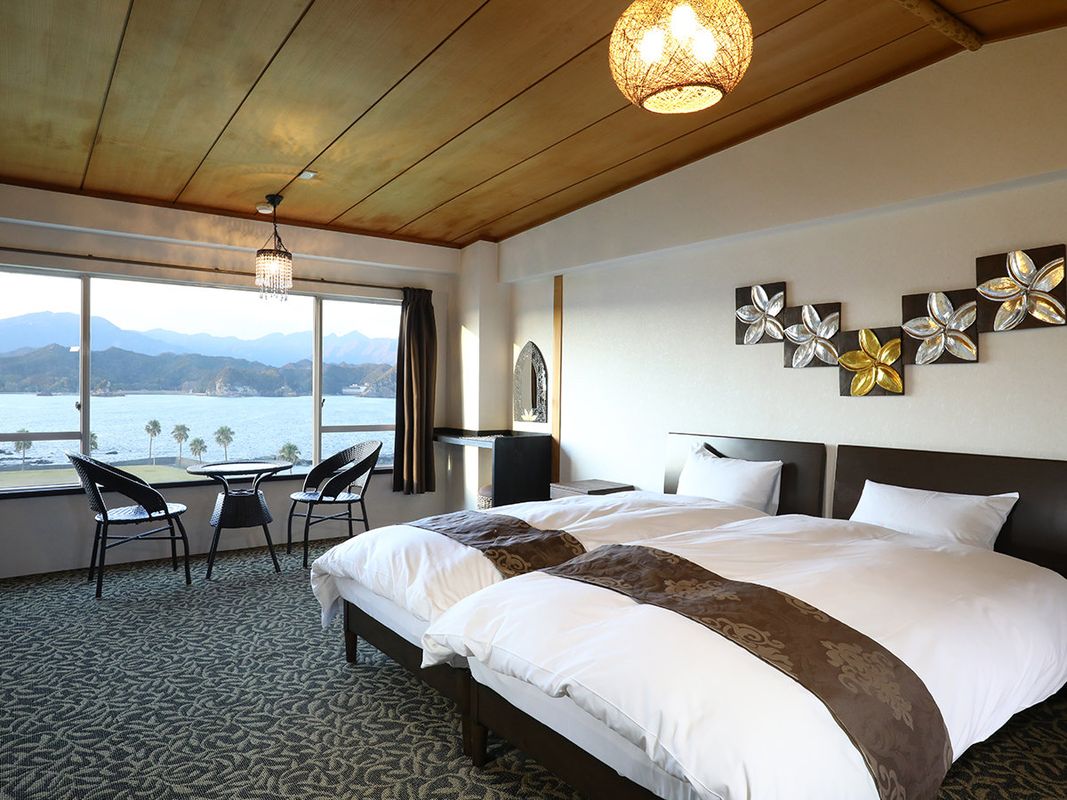
Hana Irodori No Yado Kayuu
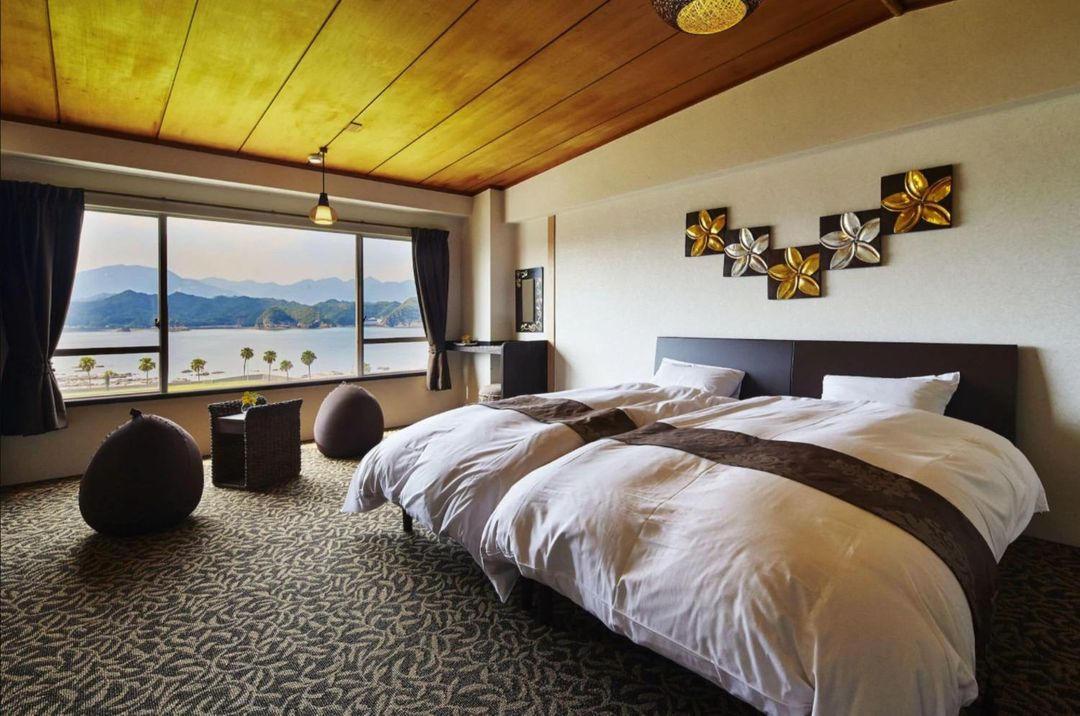
Hanairodori No Yado Kayuu
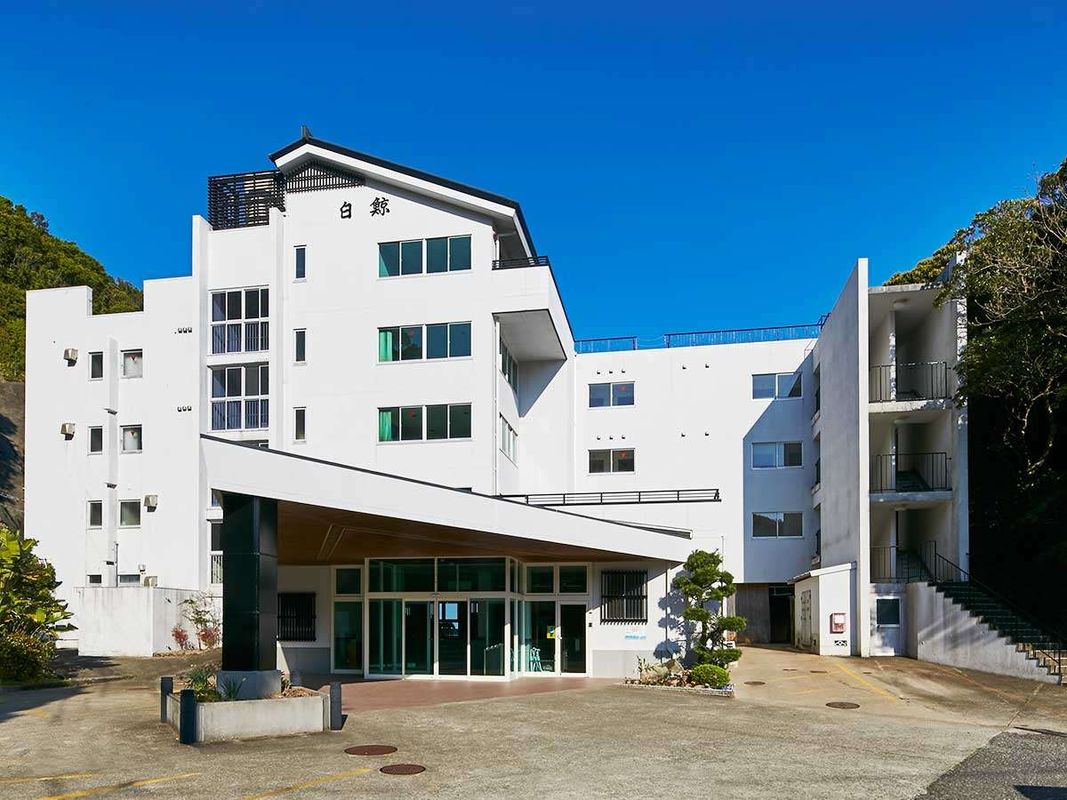
Hakugei
Best Hotels in Taiji
Discover curated hotel collections in Taiji
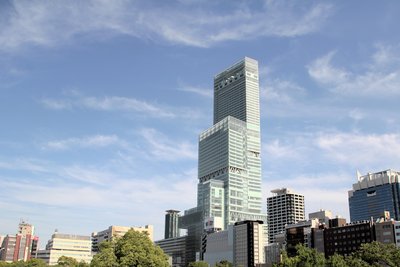
Osaka Marriott Miyako Hotel

The Ritz-Carlton, Osaka
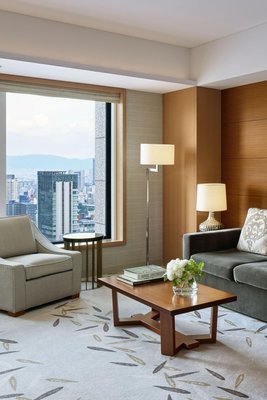
InterContinental Hotel Osaka
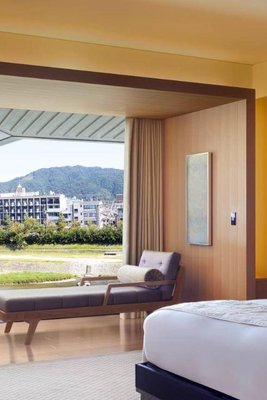
The Ritz-Carlton, Kyoto
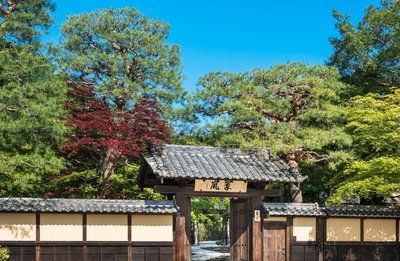
Suiran, a Luxury Collection Hotel, Kyoto
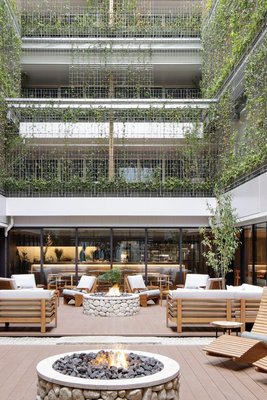
GOOD NATURE HOTEL KYOTO
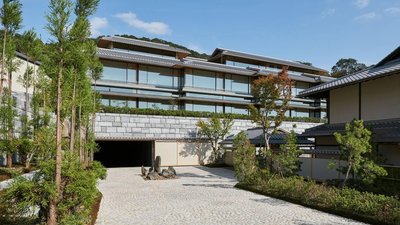
Park Hyatt Kyoto
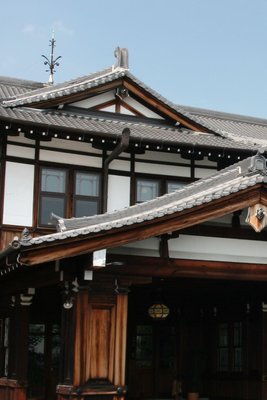
Nara Hotel
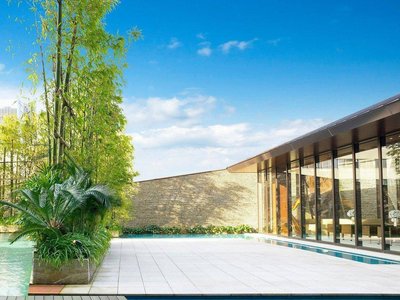
ORIENTAL HOTEL
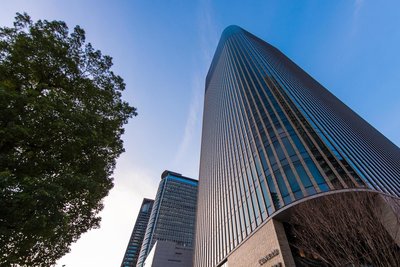
Conrad Osaka
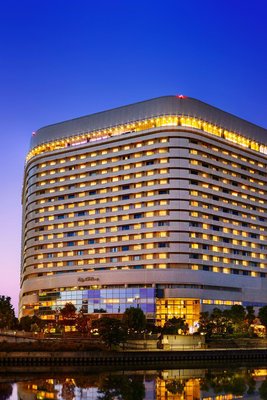
Hotel New Otani Osaka
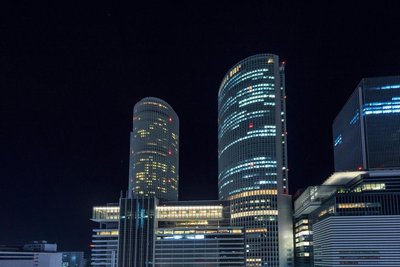
Nagoya Marriott Associa Hotel
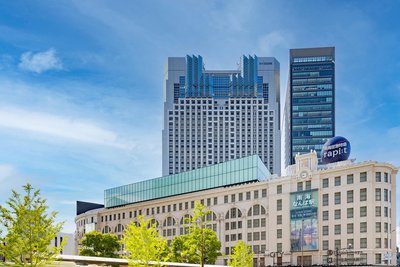
Swissotel Nankai Osaka
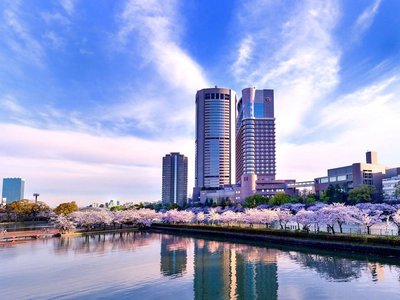
Imperial Hotel Osaka
The St. Regis Osaka
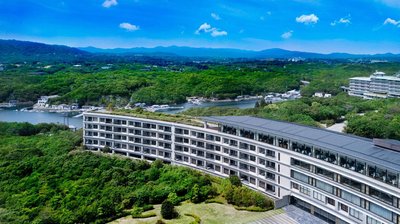
Shima Kanko Hotel the Bay Suites
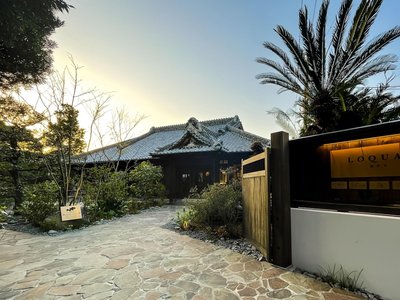
Loquat Nishiizu
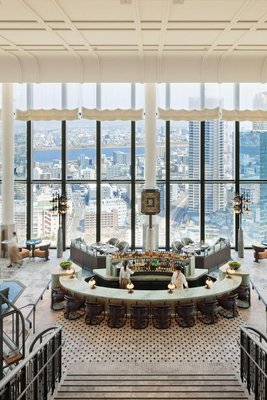
Waldorf Astoria Osaka
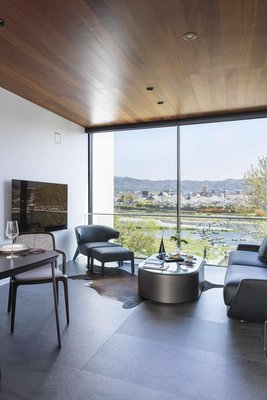
Kamo Residences by Reflections
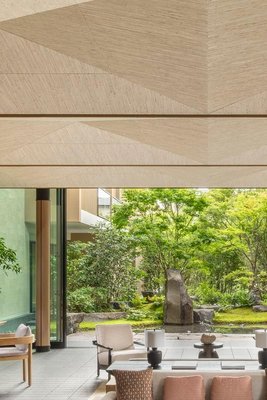
Six Senses Kyoto
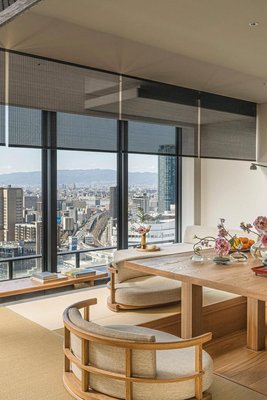
Four Seasons Hotel Osaka
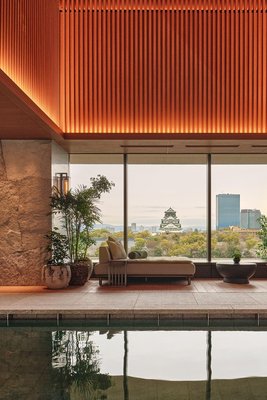
Patina Osaka
The Ritz-Carlton, Osaka
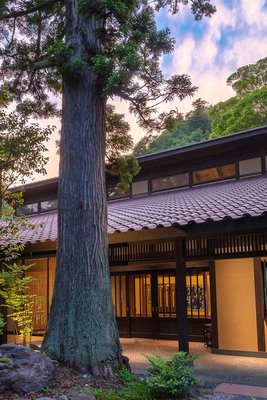
Arimasansoh Goshobessho
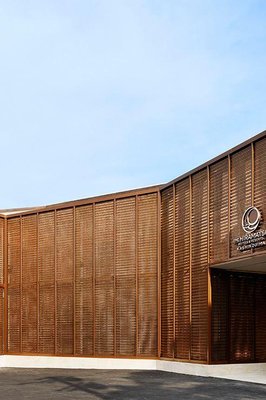
The Hiramatsu Hotels & Resorts Kashikojima
The Ritz-Carlton, Kyoto
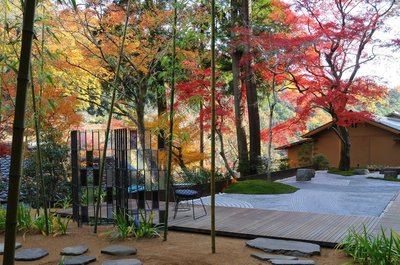
HOSHINOYA Kyoto
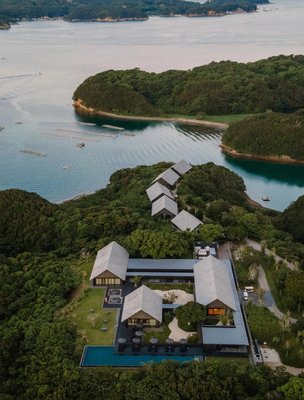
Amanemu
Suiran, a Luxury Collection Hotel, Kyoto
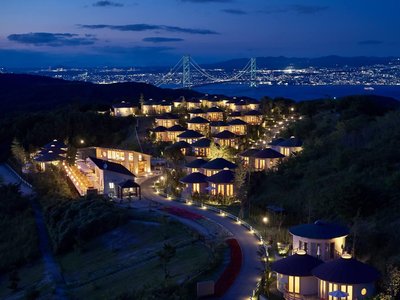
Grand Chariot Hokutoshichisei 135°
Park Hyatt Kyoto
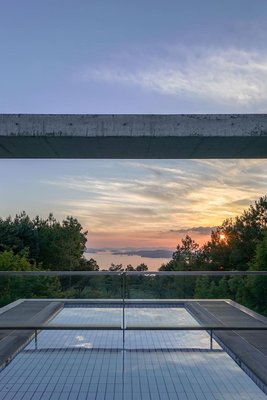
SETOUCHI RETREAT by Onko Chishin
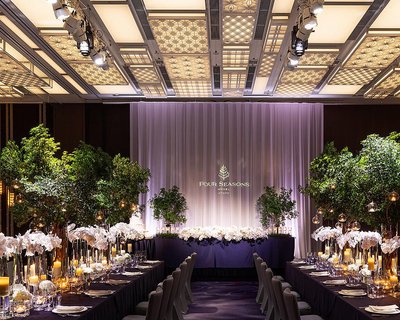
Four Seasons Hotel Kyoto
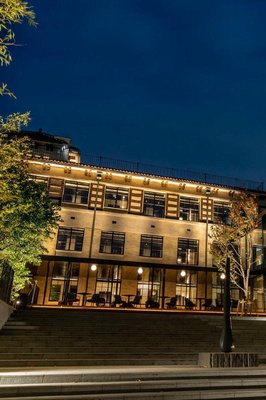
The Hotel Seiryu Kyoto Kiyomizu - a Member of the Leading Hotels of the World-
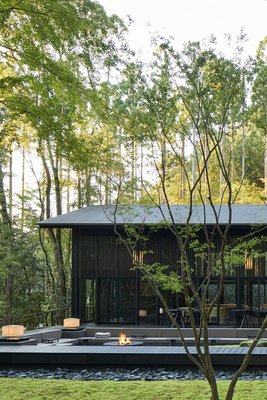
Aman Kyoto

Toba International Hotel Shiojitei
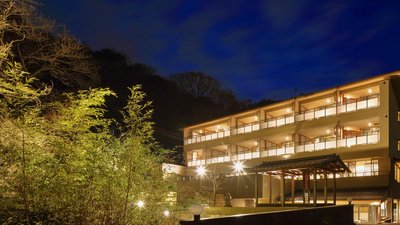
Okuno Hosomichi
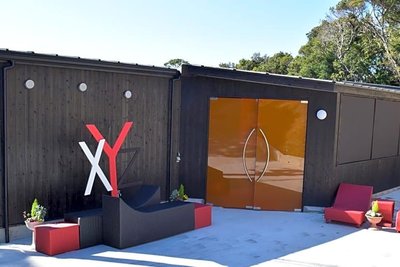
XYZ Private Spa and Seaside Resort
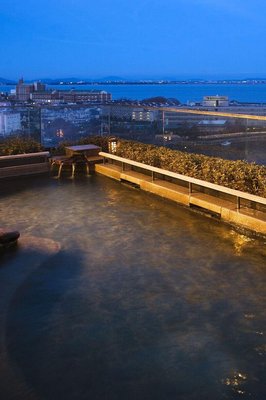
Yumotokan
Arimasansoh Goshobessho

Taikyourou
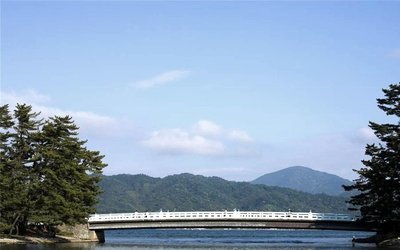
Monjusou Shourotei
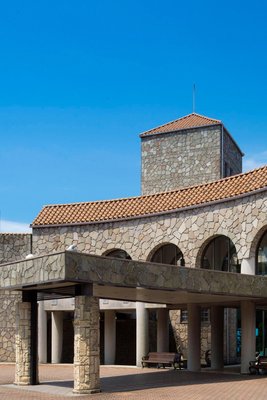
Izumigo Hotel Altia Toba
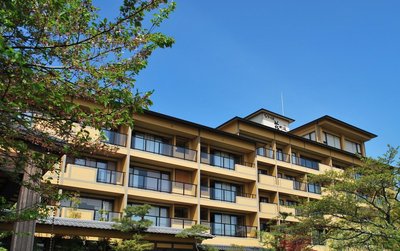
BIWAKO HANAKAIDO
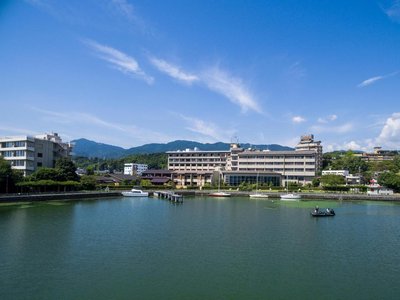
Biwako Ryokusuitei
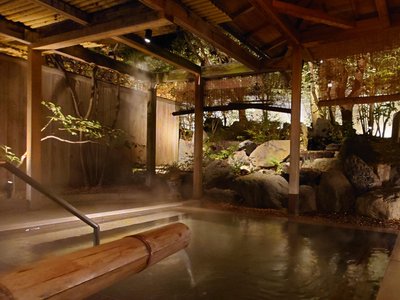
Kasuga Hotel
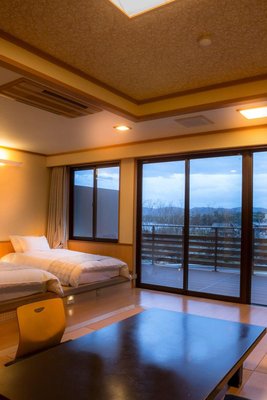
Hotel Kitanoya
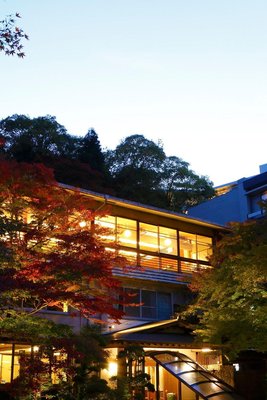
Negiya Ryofukaku
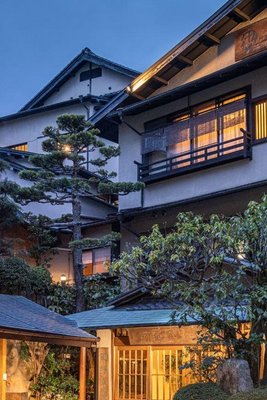
Arima Onsen Tocen Goshobo
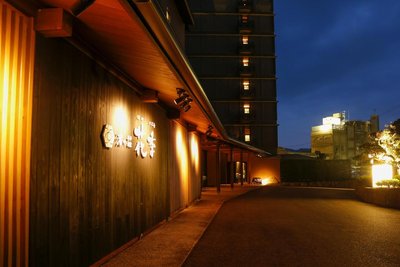
Hanagoyomi
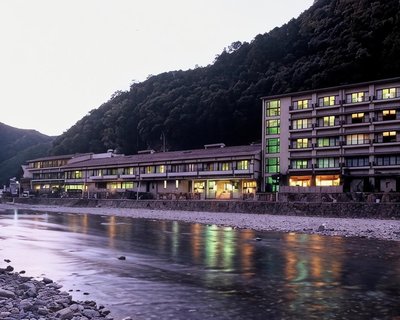
Kawayu Onsen Fujiya
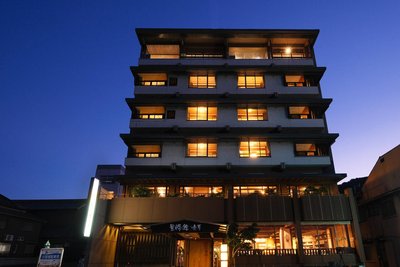
Keishokan Sazanamitei
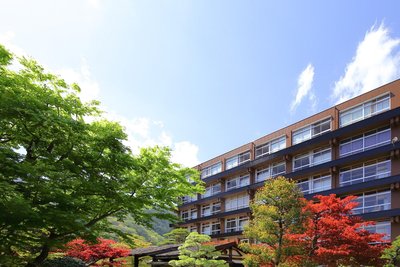
Bosenkan
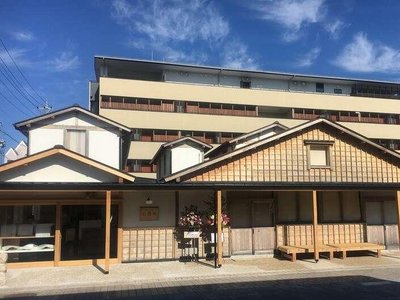
Isegekusando Iseshinsen
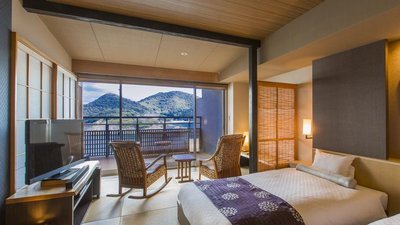
Migiwatei Ochi Kochi
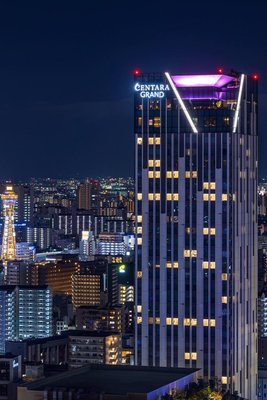
Centara Grand Hotel Osaka
voco Osaka Central

TIAD, AUTOGRAPH COLLECTION
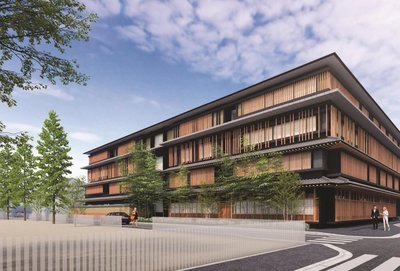
Dusit Thani Kyoto
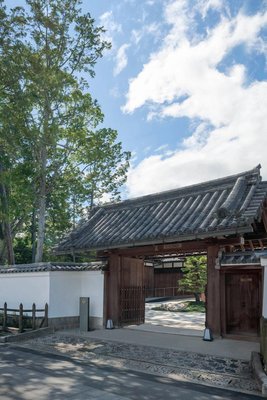
Shisui, a Luxury Collection Hotel, Nara

Hilton Kyoto
Osaka Marriott Miyako Hotel
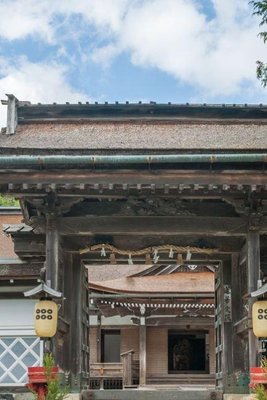
Koyasan Rengejoin
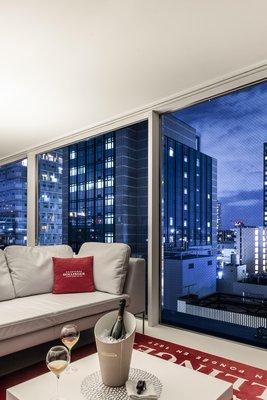
CUVÉE J2 HOTEL OSAKA by Onko Chishin
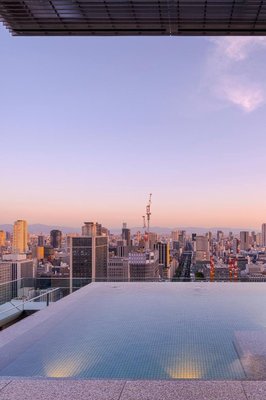
Candeo Hotels Osaka The Tower
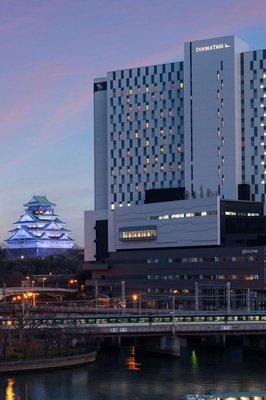
DoubleTree by Hilton Osaka Castle
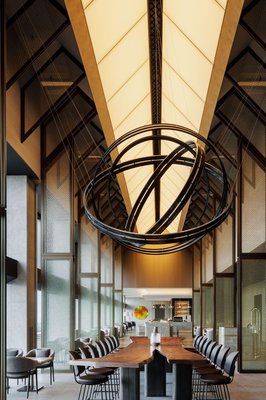
The Osaka Station Hotel, Autograph Collection
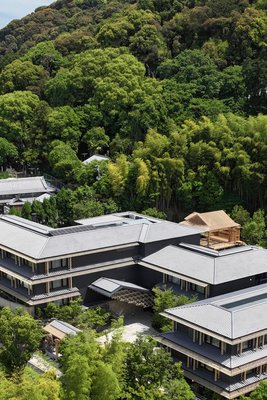
Banyan Tree Higashiyama Kyoto

Canopy by Hilton Osaka Umeda
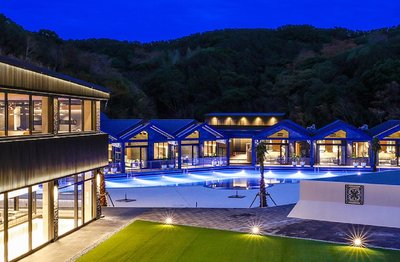
FIVE SPRING RESORT THE SHIRAHAMA
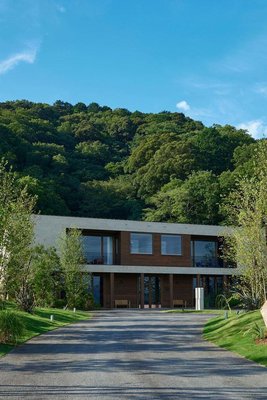
HACIENDA VISON
Arima Onsen Tocen Goshobo
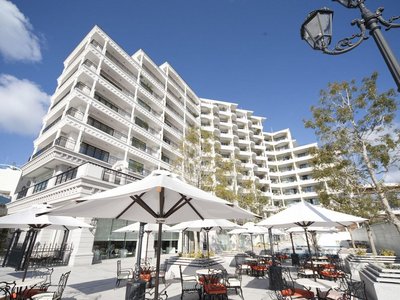
Hotel La Suite Kobe Harborland

Hilton Osaka Hotel
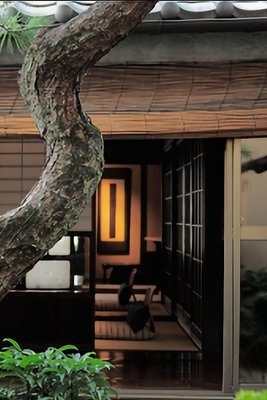
Shimayado Mari
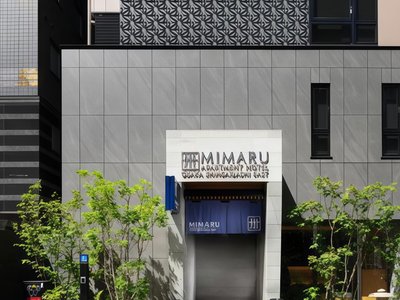
MIMARU Osaka Shinsaibashi East
Toba International Hotel Shiojitei
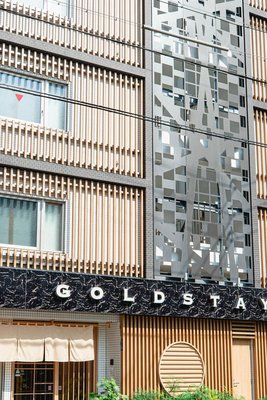
Gold Stay Nagoya OSU
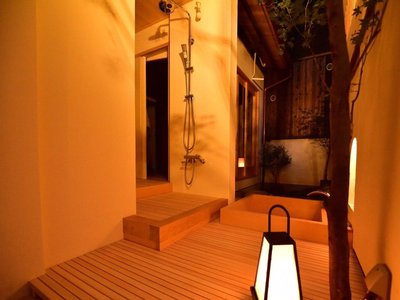
Yado Kiramachi
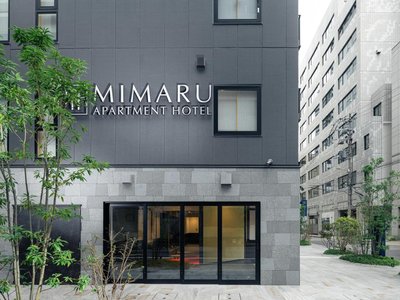
MIMARU Osaka Shinsaibashi North
Okuno Hosomichi

GOLD STAY Nagoya Sakae
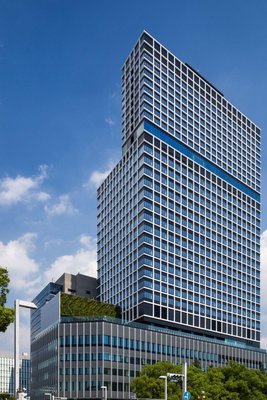
The Royal Park Hotel Iconic Nagoya
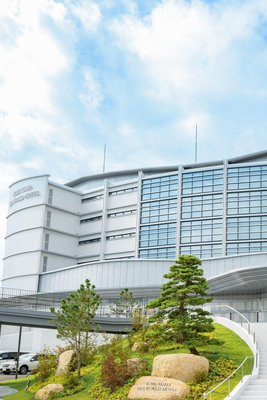
Kobe Suma Sea World Hotel
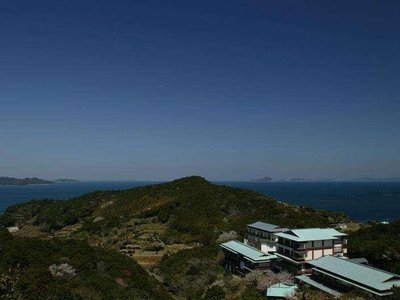
Hanashinsui
Yumotokan
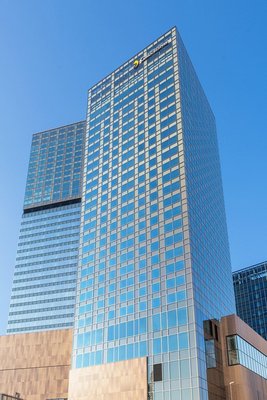
Hotel Hankyu GRAN RESPIRE OSAKA
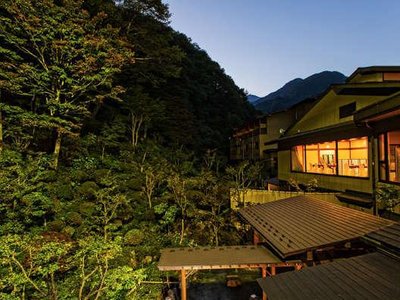
Futari Shizuka
Taikyourou
Monjusou Shourotei
BIWAKO HANAKAIDO
Biwako Ryokusuitei
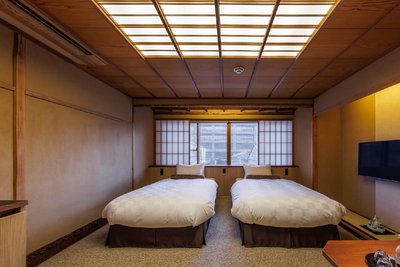
Kyoto Ryokan Sakanoue
Kasuga Hotel
Hotel Kitanoya
XYZ Private Spa and Seaside Resort
Osaka Marriott Miyako Hotel
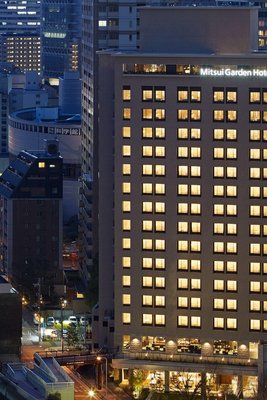
Mitsui Garden Hotel Osaka Premier
Izumigo Hotel Altia Toba
BIWAKO HANAKAIDO
Biwako Ryokusuitei
Hotel Kitanoya
Hanagoyomi
Kawayu Onsen Fujiya
Hotel La Suite Kobe Harborland

AoAwo Naruto Resort
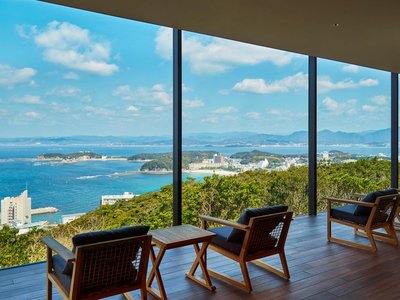
Infinito Hotel and Spa
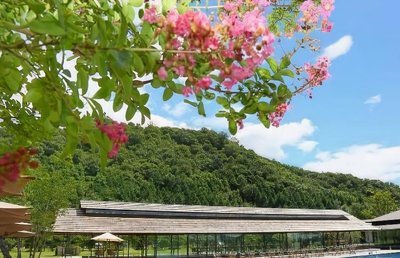
Bella Vista Spa and Marina Onomichi
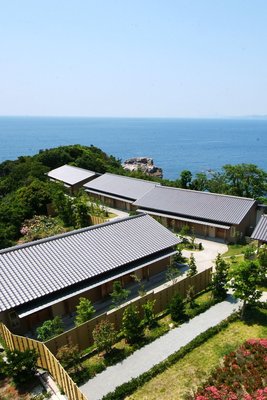
Hamachidorinoyu Kaisyu
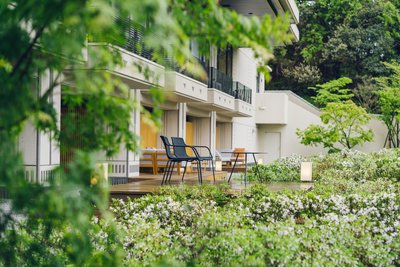
Hoshino Resorts Kai Enshu
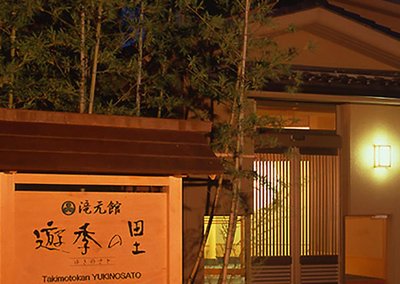
Takimotokan Yuki No Sato
The Ritz-Carlton, Kyoto
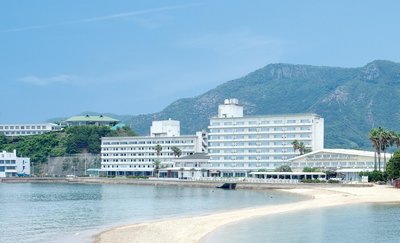
Shodoshima International Hotel
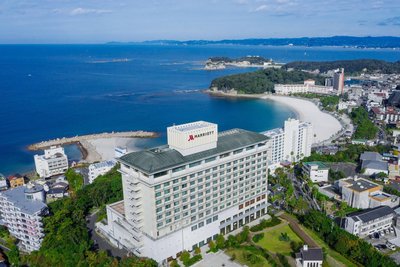
Nanki-Shirahama Marriott Hotel
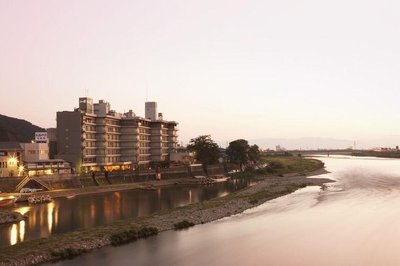
Juhachiro
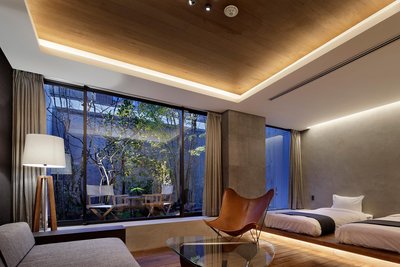
22 PIECES
The Ritz-Carlton, Osaka

The Thousand Kyoto
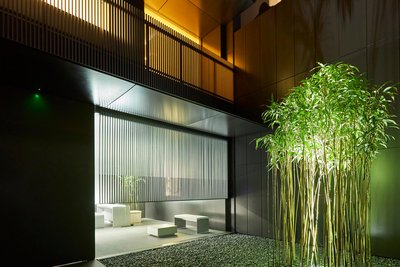
Mogana
GOOD NATURE HOTEL KYOTO
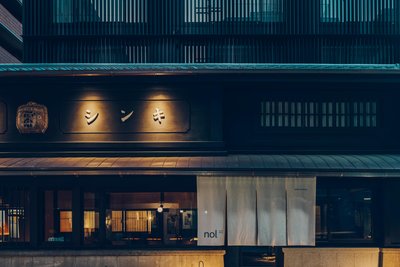
Nol Kyoto Sanjo
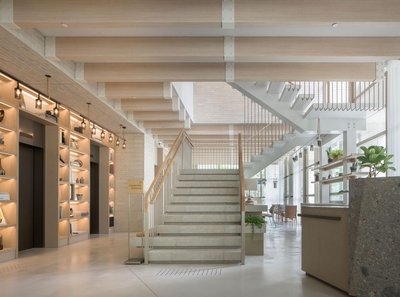
Zentis Osaka

Garrya Nijo Castle Kyoto

W Osaka

Hotel Kanra Kyoto

Aloft Osaka Dojima

Legoland Japan Hotel

HOTEL UNIVERSAL PORT VITA

The Park Front Hotel at Universal Studios Japan

HOTEL UNIVERSAL PORT

THE SINGULARI HOTEL & SKYSPA at UNIVERSAL STUDIOS JAPAN
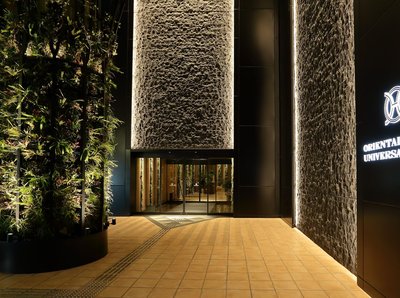
Oriental Hotel Universal City

Hotel Keihan Universal Tower
Yado Kiramachi
Arimasansoh Goshobessho
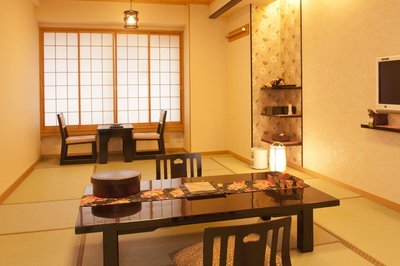
Matsui-Bekkan Hanakanzashi
Taikyourou
Monjusou Shourotei
Kasuga Hotel
Migiwatei Ochi Kochi
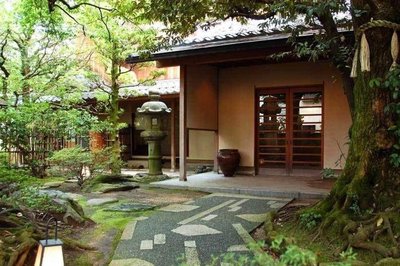
Kocho
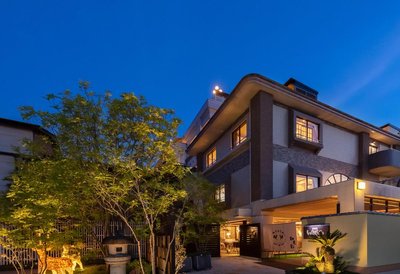
Hotel New Wakasa
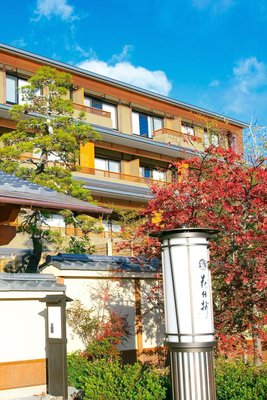
Kyoto Arashiyama Onsen Kadensho (Kyoritsu Resort)
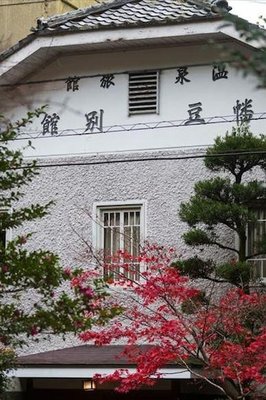
Oku-Mikawa・Yuya Onsen HAZU Bekkan
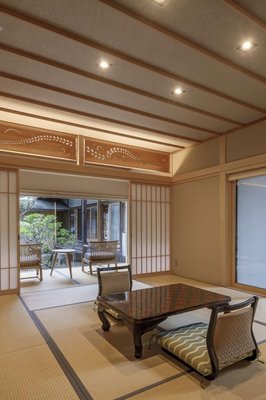
Ichijoin
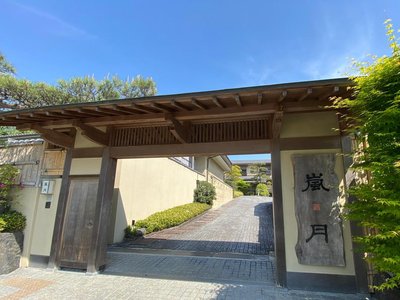
Rangetsu
The Ritz-Carlton, Kyoto
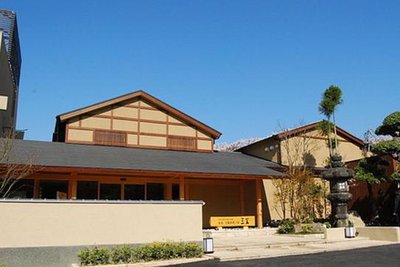
Mikasa
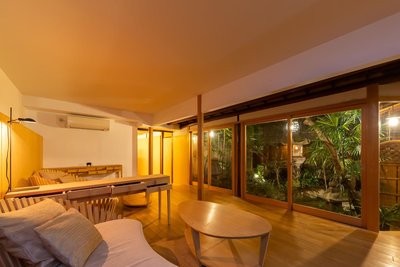
Izuyasu Traditional Kyoto Inn Serving Kyoto Cuisine
HOSHINOYA Kyoto
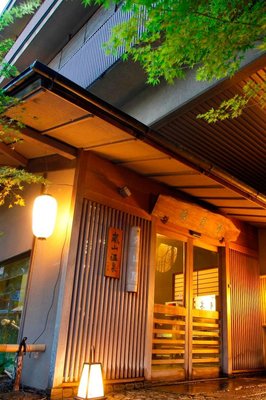
Togetsutei
Juhachiro
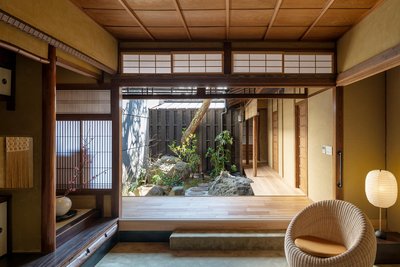
Nazuna Kyoto Gosho
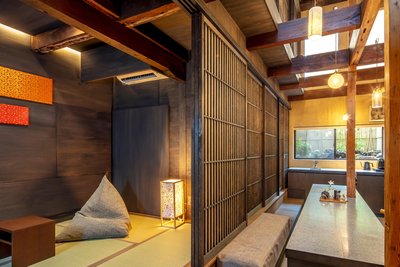
Kyo No Oozora Kihana
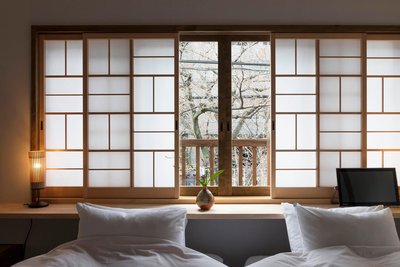
Hanagoromo Machiya House
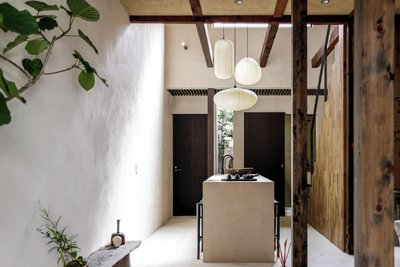
Maana Kiyomizu
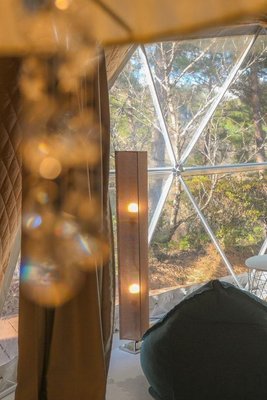
glampark Gekkabijin Nagano
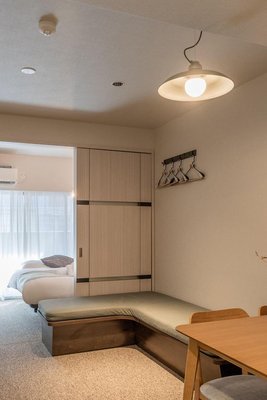
Apartment Hotel 11 Shinsaibashi
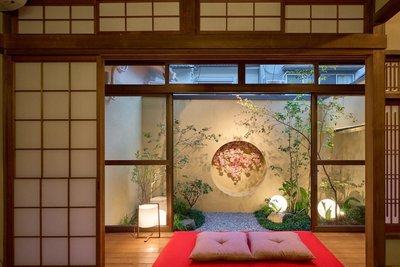
KONJAKUSO Osaka Tengachaya "NIHONCHA" Tea & Relax
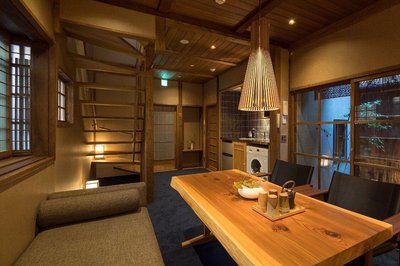
Bonbori an Machiya House
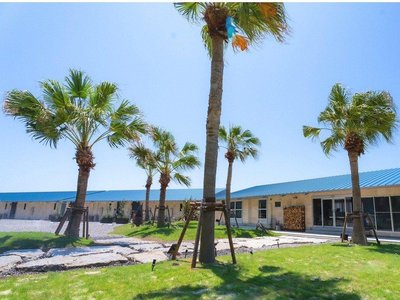
Glamping&Resort Wood Design Park Noma
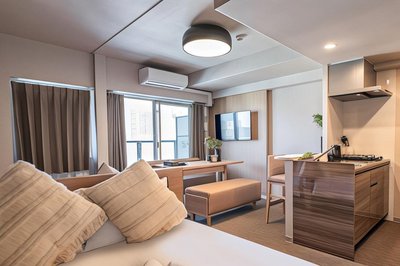
Apartment Hotel 11 Shinsaibashi III
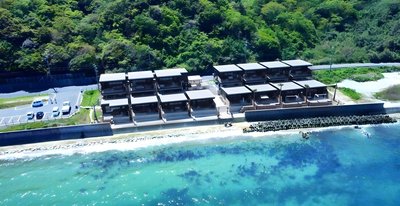
Solavilla Umi Terrace Minamiawaji
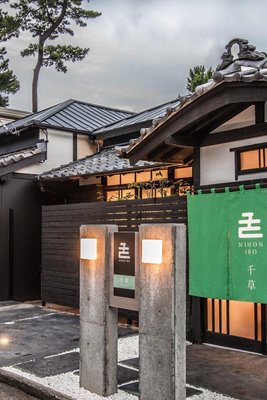
Nihon Iro
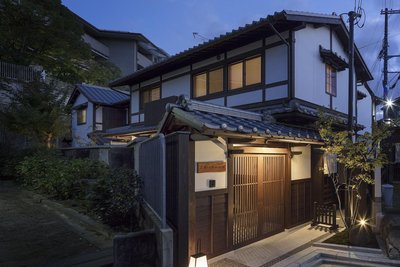
The Machiya Villa Sanjo Shirakawa Koji
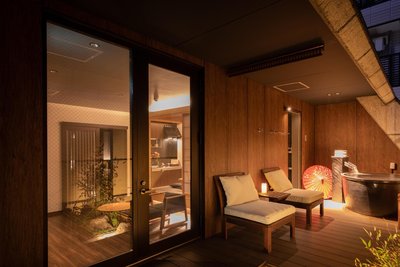
Konjaku-So Dotonbori
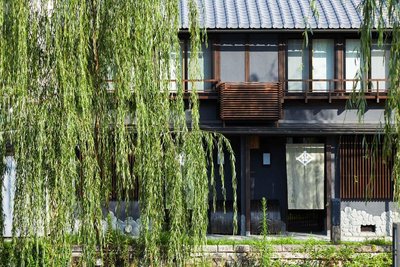
Gion Shirakawa No Yado

Kitashirakawa Natural Radium Onsen
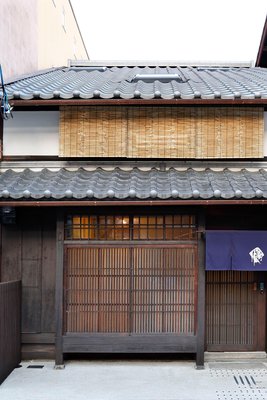
Kyo No Ondokoro Kamanza Nijo #2
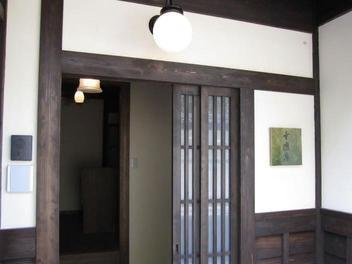
Gion Koyu an Machiya House
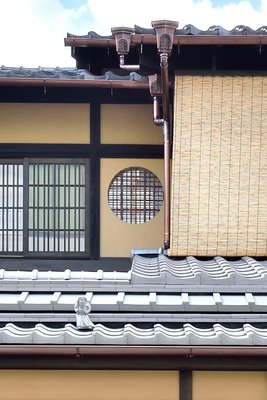
Kyo No Ondokoro Gokomachi Ebisugawa #3

Sana Mane - Glamp Domes
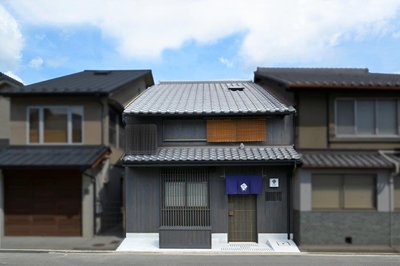
Kyo No Ondokoro Goshonishi #6
Frequently Asked Questions about Traveling to Taiji
Questions You Might Need to Know About Traveling to Taiji
In Tajima Town, the best sea-view accommodations include Tajima Sea View Ryokan and Tajima Umayu Onsen Inn, both located along the Tajima Bay coastline. These traditional Japanese inns offer rooms with direct ocean access, tatami flooring, private hot springs, and panoramic views of the Pacific. Tajima Sea View Ryokan is particularly renowned for its sunset-facing balconies and proximity to the Tajima Fishing Port. Guests can enjoy fresh seafood dinners and participate in guided dolphin-watching tours. Many rooms feature open-air baths, making it ideal for couples seeking tranquility and natural beauty.
The most authentic and peaceful area for accommodation in Tajima Town is the coastal zone near Tajima Shrine and the fishing port. This district offers a true glimpse into local life, with small family-run ryokans like Tajima Kaze no Yado and Umibou Cottage providing intimate, personalized service. Staying here means waking up to the sound of waves and seeing fishermen preparing their boats at dawn. The area is also close to the Tajima Museum and seasonal festivals like the Sea Festival, offering cultural immersion without tourist crowds. Ideal for travelers seeking serenity and connection with nature.
Visitors to Tajima Town can engage in unique cultural experiences such as dolphin observation tours, traditional fishing ceremonies, and hands-on seafood cooking classes at Umi no Kitchens. The annual Tajima Sea Festival showcases ancient whaling rituals and maritime reverence, deeply rooted in local identity. Additionally, guests can tour the Tajima Museum to learn about the town’s controversial role in commercial dolphin hunting and marine conservation efforts. For a deeper connection, many locals offer homestays where you can share meals and stories with fishing families.
Yes, several family-friendly accommodations exist in Tajima Town, including Tajima Family Sea View Inn, which offers spacious rooms with children's play areas, private onsen baths, and family-oriented activities. The hotel organizes kids’ fishing trips, dolphin education workshops, and interactive cooking classes using fresh local seafood. Nearby, safe beach trails and a children’s nature center enhance the experience. Most properties welcome pets, making them ideal for multi-generational or pet-owning families. HopeGoo ahead is recommended due to limited availability during peak seasons.
Must-try local dishes in Tajima Town include fresh octopus sashimi, sea urchin rice bowls, and dolphin sushi (a traditional regional specialty). Visit Tajima Port Market and dine at Umi no Mi Restaurant, where chefs prepare meals using same-day catches. Another highlight is Tajima Wagyu Burger, a fusion dish combining local premium beef with modern flair. For a full culinary experience, sign up for the One-Day Fisherman’s Cooking Class, where you’ll learn to gut fish, prepare traditional recipes, and enjoy your creations with local guides.
The best times to visit Tajima Town are spring (March to May) and autumn (September to November). Spring brings mild weather, clear skies, and the start of the dolphin watching season, while autumn offers stable conditions and fewer tourists. The Sea Festival occurs in spring, drawing visitors eager to witness cultural rituals. Summer can be hot and humid with occasional typhoons, though some hotels offer cooling packages. Winter is quiet and serene, perfect for solitude and coastal walks, though some services may be limited.
Yes, several hotels in Tajima Town feature hot springs. Tajima Umayu Onsen Inn boasts natural hot spring baths sourced from underground geothermal waters, rich in minerals and known for skin and joint benefits. Many guest rooms include private outdoor onsen tubs overlooking Tajima Bay. Tajima Kaze no Yado also provides gender-separated baths and aromatherapy treatments. Reservations are advised, especially during peak seasons. Some inns even offer overnight onsen stays with dinner and breakfast included, enhancing the wellness experience.
Key landmarks in Tajima Town include Tajima Shrine, a historic Edo-period Shinto temple dedicated to sea deities, hosting annual prayers and festivals. The Tajima Bay Lighthouse offers stunning night views and is a popular photo spot. The Tajima Museum displays artifacts related to dolphin hunting and marine ecology, providing context to the town’s complex identity. Lastly, Tajima Fishing Port remains central to daily life—watching fishermen prepare their boats at dawn offers a vivid glimpse into local culture and tradition.
Transportation to Tajima Town is somewhat limited but manageable. From Wakayama City, take a bus every 2 hours (approx. 1.5 hours) via National Route 309. For those driving, the Wakayama Expressway connects easily, with scenic coastal routes. Some high-end lodges offer free shuttle services from the nearest station or port. While there’s no railway station, the town’s slow pace and natural surroundings suit travelers seeking off-the-beaten-path experiences. Plan ahead to avoid missing the last bus, especially in winter.
Hotel prices in Tajima Town vary by season and type. Budget-friendly guesthouses range from ¥6,000 to ¥12,000 per night, including breakfast. Mid-range ryokans cost ¥15,000 to ¥25,000, often featuring private onsen and dinner. Premium options with sea views or family suites can reach ¥30,000 or more, especially during spring and autumn. Prices rise 30–50% during peak seasons. Overall, rates remain reasonable given the exclusive access to marine experiences and tranquil setting. HopeGoo through official websites often includes discounts and free upgrades.
Taiji Overview
City Summary
Taiji, located in Wakayama Prefecture, Japan, is a coastal town renowned for its whaling culture. With a rich maritime heritage, it offers a unique glimpse into Japan's fishing traditions and ocean-centric lifestyle. The town's scenic harbor and traditional architecture add to its charm.
Must-See Attractions
The Taiji Whale Museum is a must-visit, showcasing whale specimens and whaling history. Whale Culture Park provides interactive exhibits for families. The town's fishing port and traditional buildings also offer picturesque views.
Food Guide
Taiji is famous for its seafood cuisine, especially whale meat dishes and fresh fish. Street food like grilled fish skewers and seafood rice bowls are local favorites, available at the town's fish markets.
Transportation Guide
Buses are the main mode of transport to Taiji, with services from Wakayama City. The town is walkable, but renting a bicycle or taking a taxi is recommended for exploring nearby areas.
Best Time to Visit
The best times to visit are spring (March-May) and autumn (September-November), when the weather is mild and crowds are smaller, avoiding summer heat and peak tourist season.
Travel Tips
- Respect local culture, especially at whale-related sites.
- Cash is preferred at local shops; carry sufficient yen.
- Fish markets are liveliest in the early morning.
- Some attractions require advance HopeGoo.
- Coastal winds can be strong; bring a windproof jacket.
Useful Information
Japanese is the primary language; English is limited, so a translation app is helpful. Internet coverage is good; consider a local SIM or roaming. Cash is widely used, though some shops accept cards. Medical facilities are concentrated in the town center; carry basic medications.









