Hotels in Taiki
Discover your perfect stay in Taiki.
Taiki(Japan) Travel 2026: Cheap Flights, Hotels & Top Attractions
Popular Landmarks in Taiki
Discover the most iconic attractions in Taiki
Recommended Hotels in Taiki
Find the perfect place to stay in Taiki
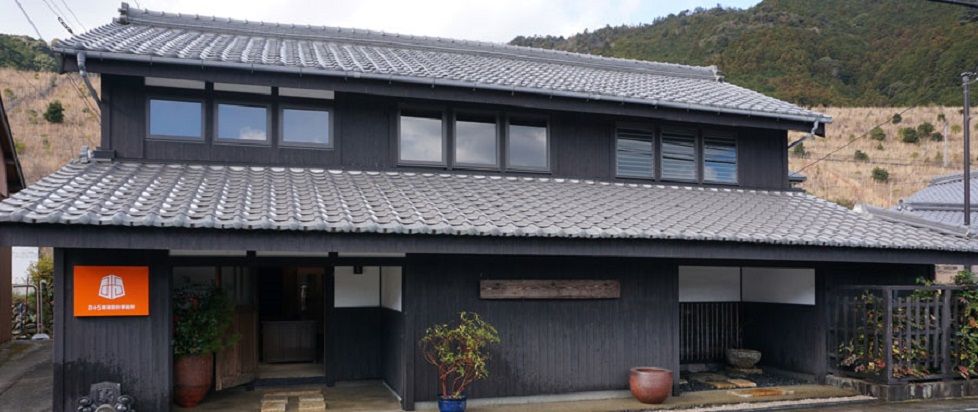
Uenoya
Best Hotels in Taiki
Discover curated hotel collections in Taiki
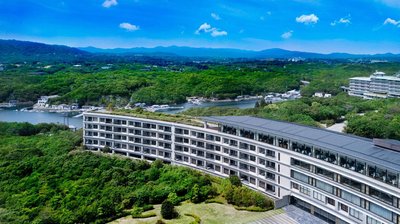
Shima Kanko Hotel the Bay Suites
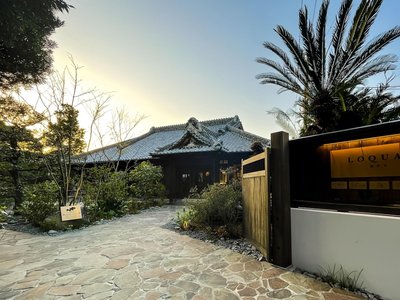
Loquat Nishiizu
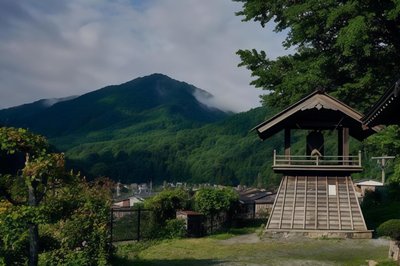
Byaku Narai
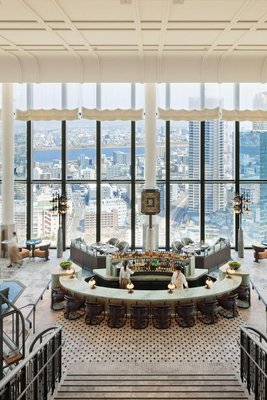
Waldorf Astoria Osaka
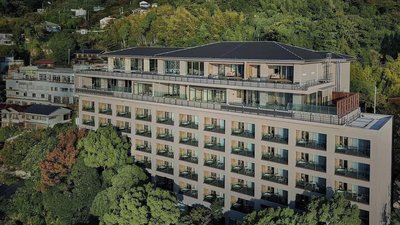
Atami Izusan Karaku
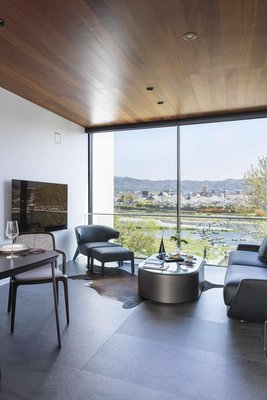
Kamo Residences by Reflections
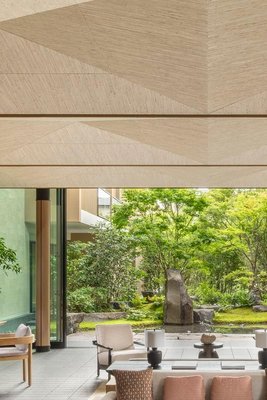
Six Senses Kyoto
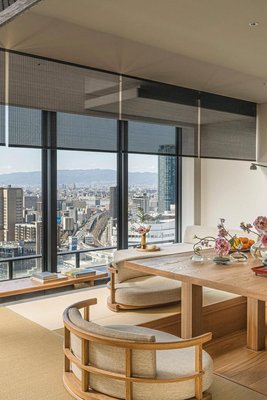
Four Seasons Hotel Osaka

Patina Osaka

The Ritz-Carlton, Osaka
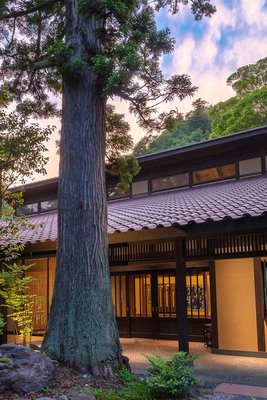
Arimasansoh Goshobessho
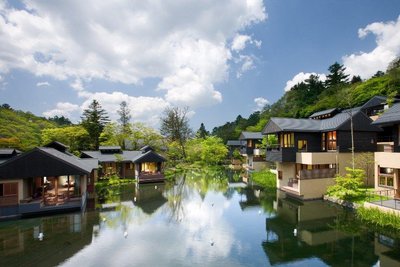
Hoshinoya Karuizawa
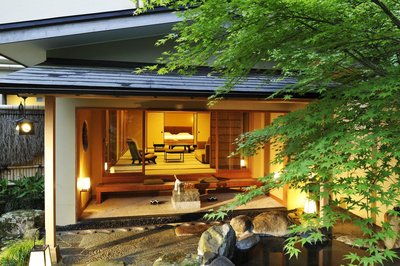
Gora Kadan
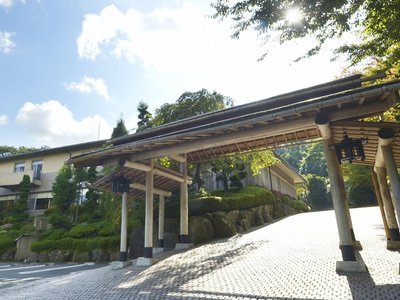
Gora Hanaougi
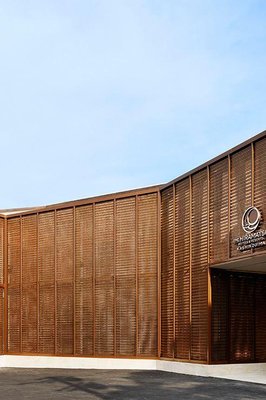
The Hiramatsu Hotels & Resorts Kashikojima
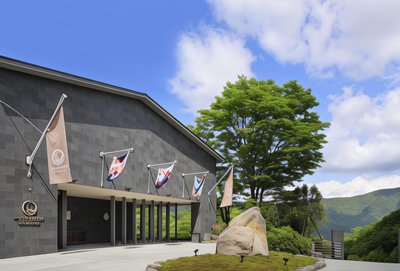
The Hiramatsu Hotels & Resorts Sengokuhara Hakone
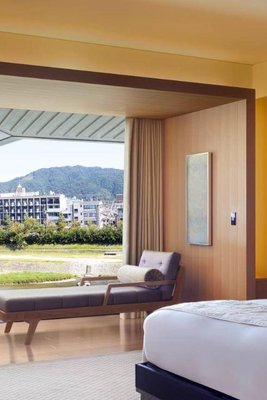
The Ritz-Carlton, Kyoto
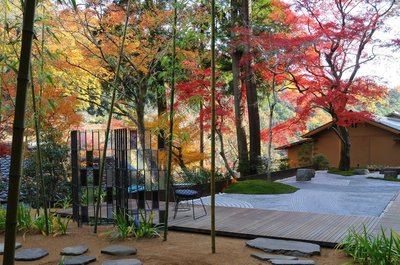
HOSHINOYA Kyoto
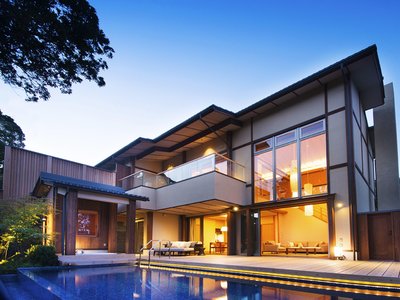
Abba Resorts Izu - Zagyosoh
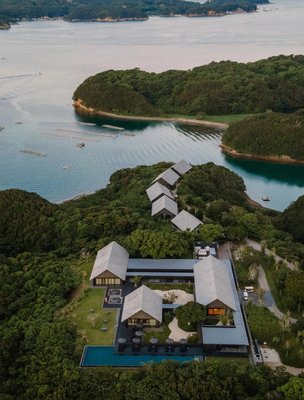
Amanemu
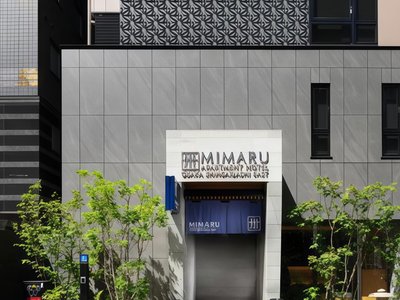
MIMARU Osaka Shinsaibashi East

Toba International Hotel Shiojitei
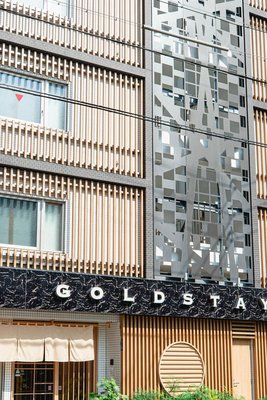
Gold Stay Nagoya OSU
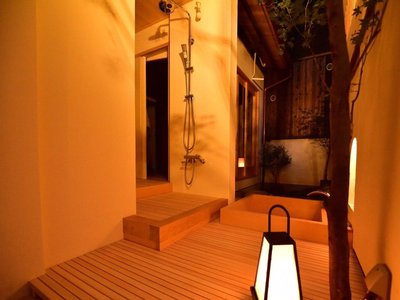
Yado Kiramachi
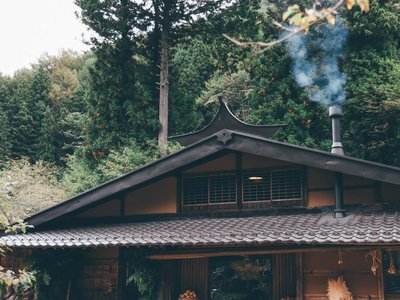
La Terra Resort
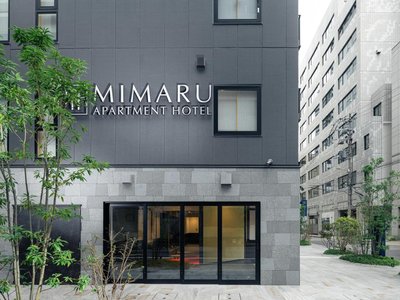
MIMARU Osaka Shinsaibashi North
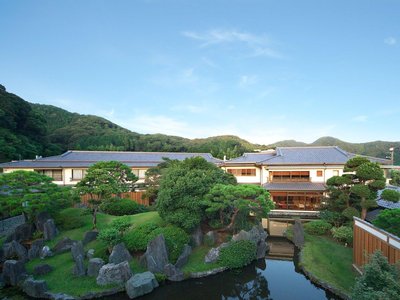
Kagetsutei
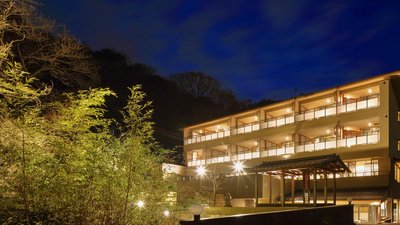
Okuno Hosomichi
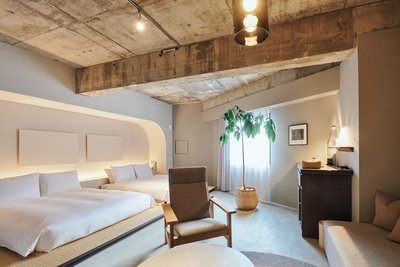
Korinkyo

GOLD STAY Nagoya Sakae
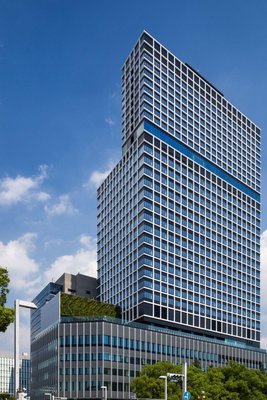
The Royal Park Hotel Iconic Nagoya
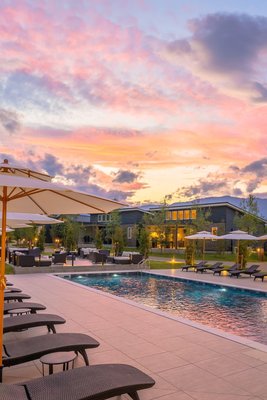
Awaumi Fujikawaguchiko Resort
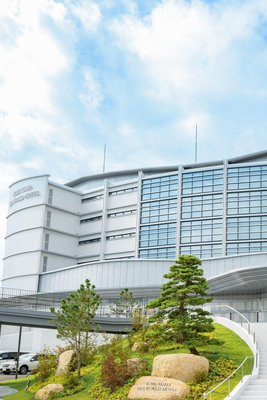
Kobe Suma Sea World Hotel
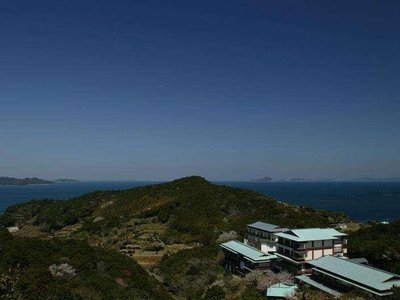
Hanashinsui
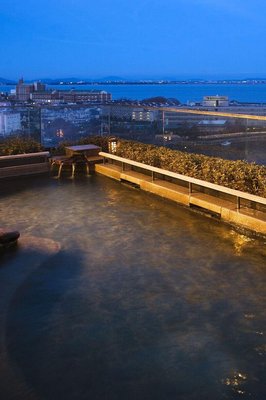
Yumotokan

Hotel Hankyu GRAN RESPIRE OSAKA
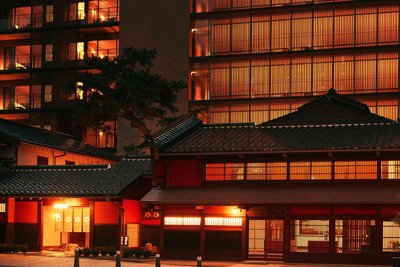
Hoshino Resorts Kai Kaga
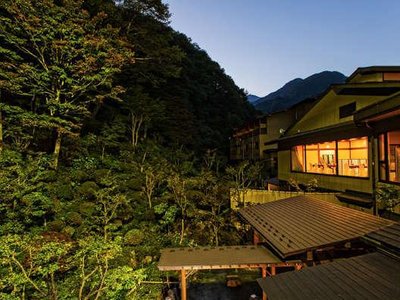
Futari Shizuka

Taikyourou
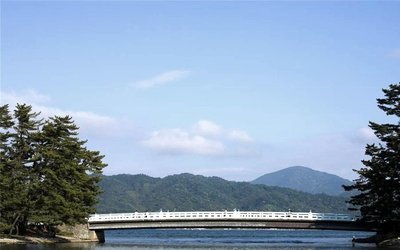
Monjusou Shourotei
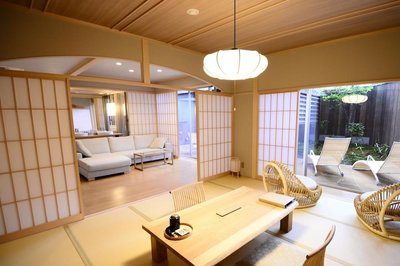
Hakone Gora Byakudan
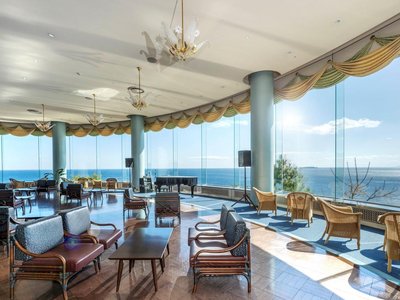
Hotel New Akao

XYZ Private Spa and Seaside Resort
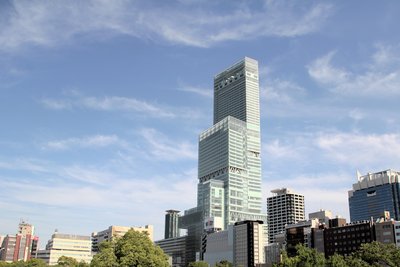
Osaka Marriott Miyako Hotel
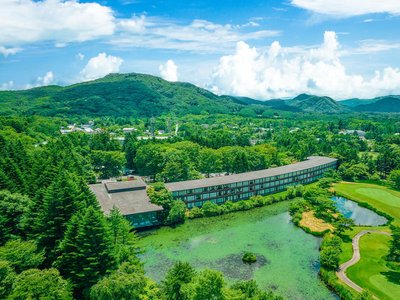
The Prince Karuizawa
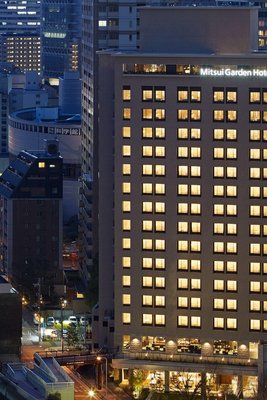
Mitsui Garden Hotel Osaka Premier
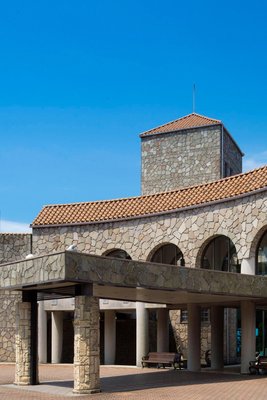
Izumigo Hotel Altia Toba
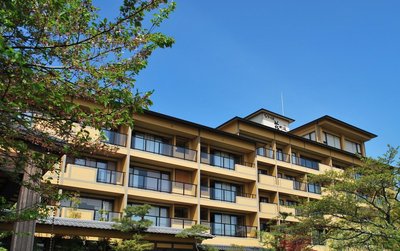
BIWAKO HANAKAIDO
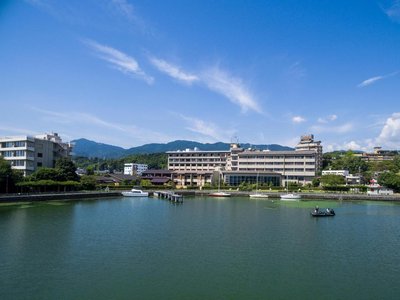
Biwako Ryokusuitei
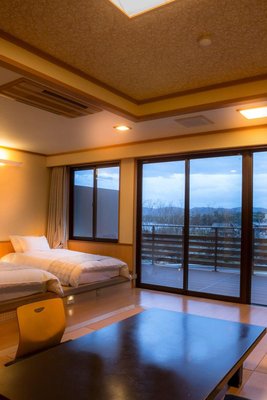
Hotel Kitanoya
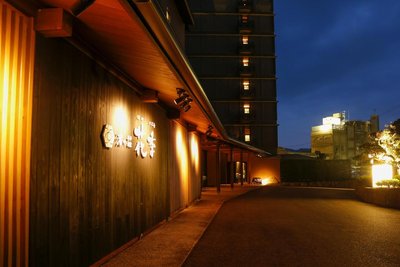
Hanagoyomi
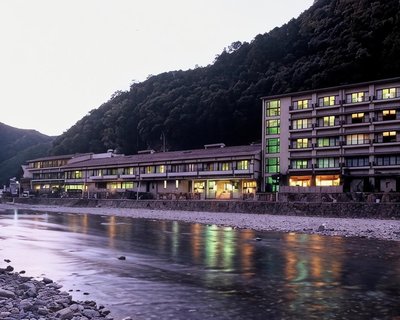
Kawayu Onsen Fujiya
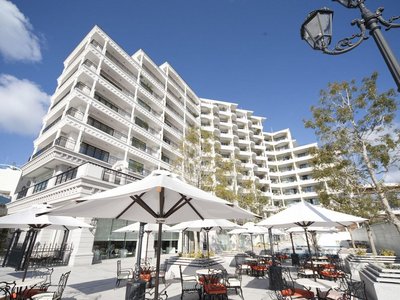
Hotel La Suite Kobe Harborland

The Kukuna
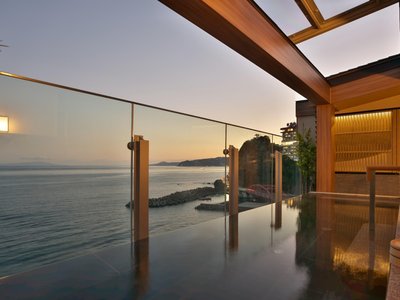
Hotel New Sagamiya
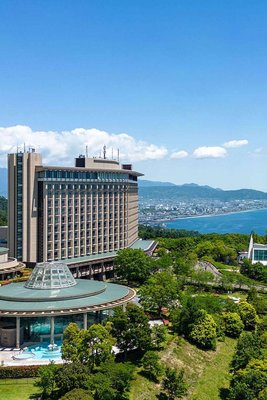
Hilton Odawara Resort & Spa
Hoshinoya Karuizawa
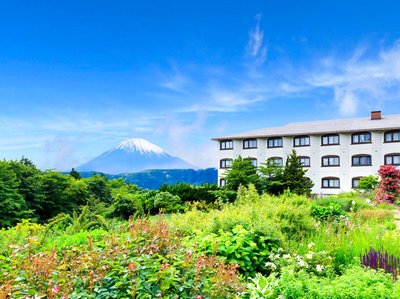
Hotel Green Plaza Hakone
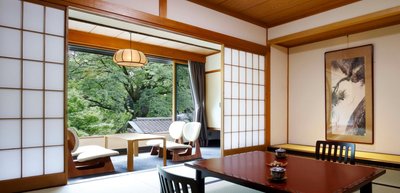
Yoshiike Ryokan
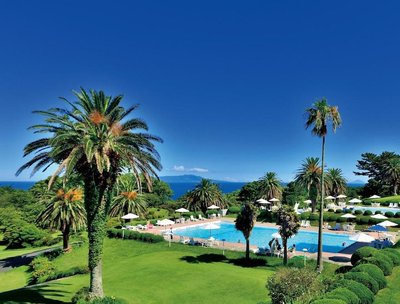
Kawana Hotel
Yado Kiramachi
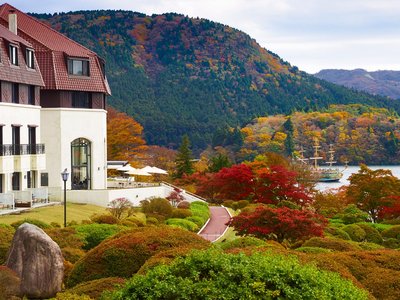
Hotakajyo
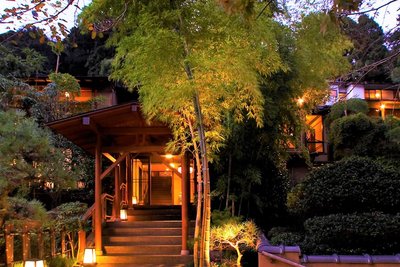
Shiki wo Ajiwau Yado Yamano Chaya
Arimasansoh Goshobessho
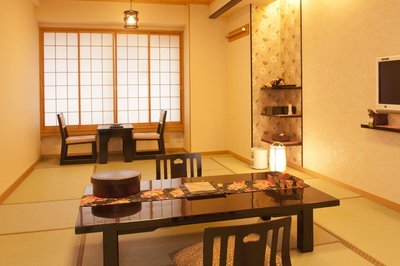
Matsui-Bekkan Hanakanzashi
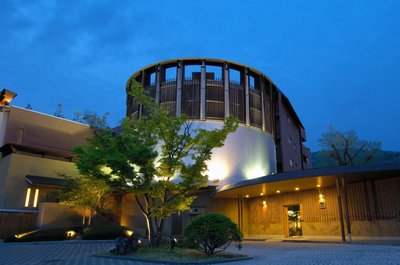
Hoshino Resorts Kai Matsumoto
Taikyourou
Monjusou Shourotei
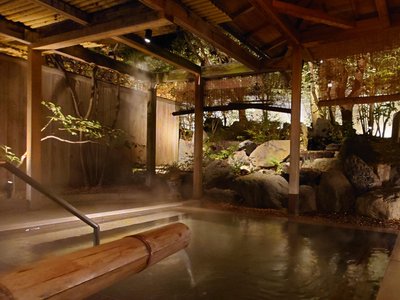
Kasuga Hotel
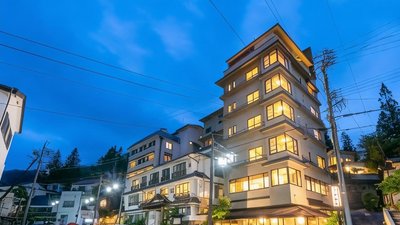
Nakamatsuya Ryokan
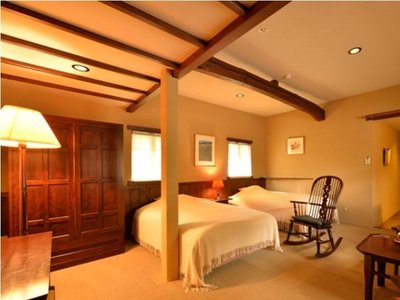
Ryokan Sugimoto
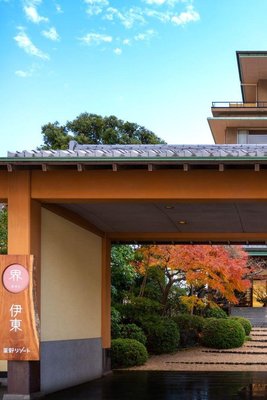
Hoshino Resorts Kai Ito
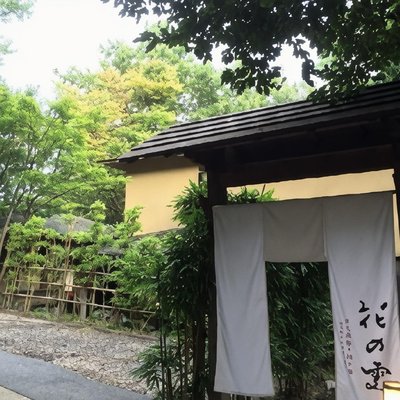
Hana No Kumo
Yoshiike Ryokan
Gora Hanaougi
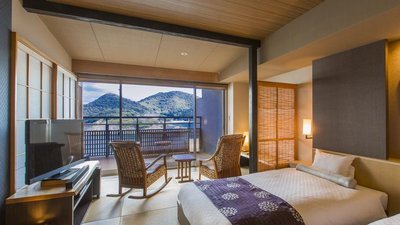
Migiwatei Ochi Kochi
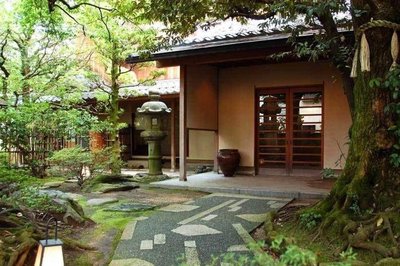
Kocho

Hotel New Wakasa
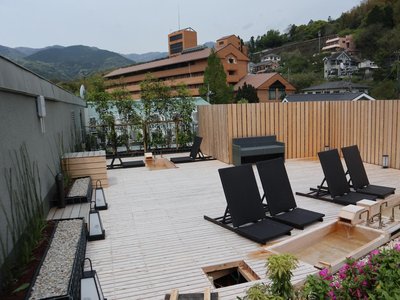
Fukiya Ryokan
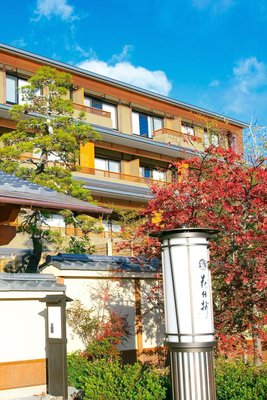
Kyoto Arashiyama Onsen Kadensho (Kyoritsu Resort)
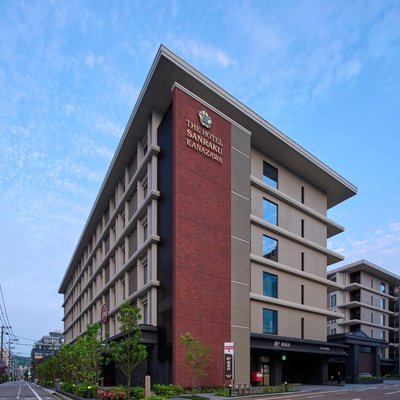
The Hotel Sanraku Kanazawa 21th December 2022 Open

22 PIECES
The Ritz-Carlton, Osaka

The Thousand Kyoto
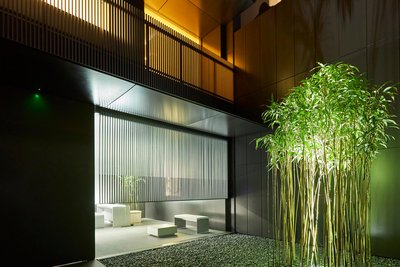
Mogana
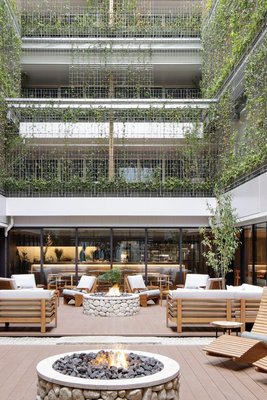
GOOD NATURE HOTEL KYOTO
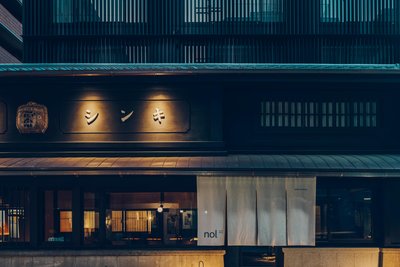
Nol Kyoto Sanjo

Zentis Osaka

Garrya Nijo Castle Kyoto

W Osaka

Hotel Kanra Kyoto

Aloft Osaka Dojima
Hakone Gora Byakudan
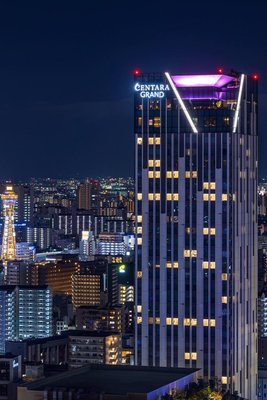
Centara Grand Hotel Osaka
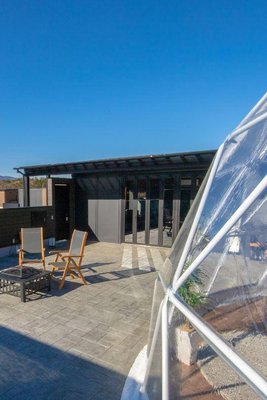
Panoramic Mt. Fuji Views from All Rooms – Vision Glamping Resort & Spa Yamanakako
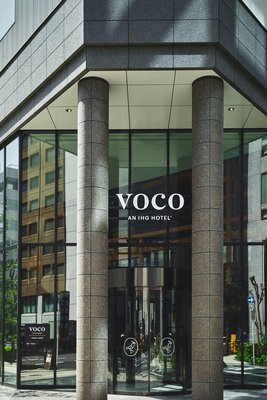
voco Osaka Central

TIAD, AUTOGRAPH COLLECTION
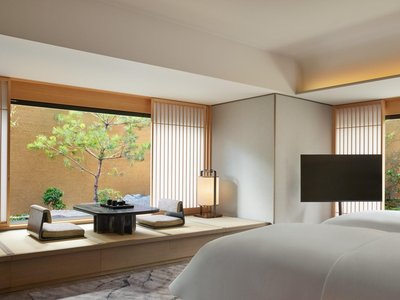
Dusit Thani Kyoto
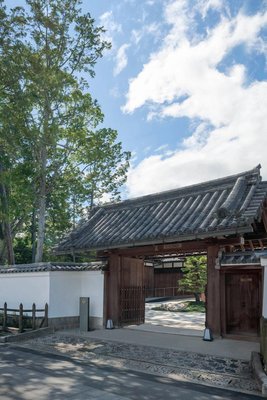
Shisui, a Luxury Collection Hotel, Nara

Hilton Kyoto
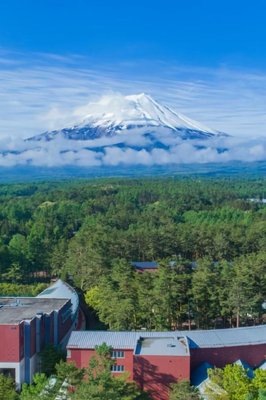
Forest Village (Fuji Premium Resort)
Osaka Marriott Miyako Hotel
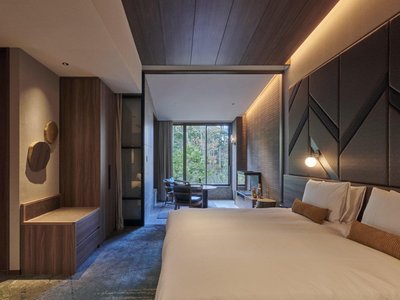
Fufu Kyu-Karuizawa Restful Forest
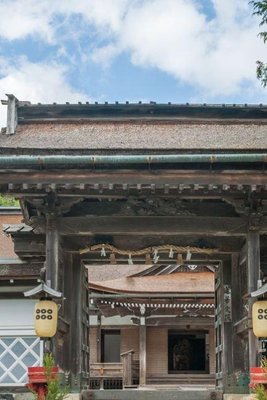
Koyasan Rengejoin
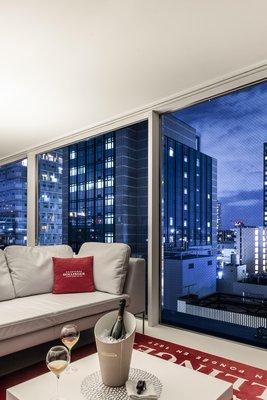
CUVÉE J2 HOTEL OSAKA by Onko Chishin
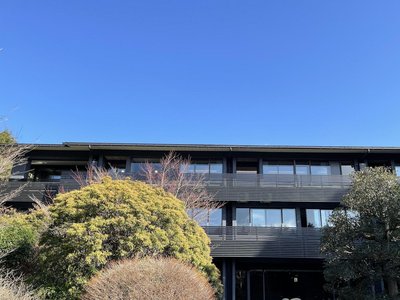
Sengokubara Cocon
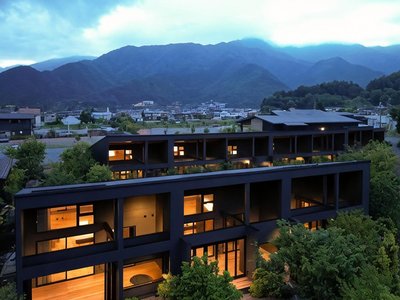
7C Villa and Winery
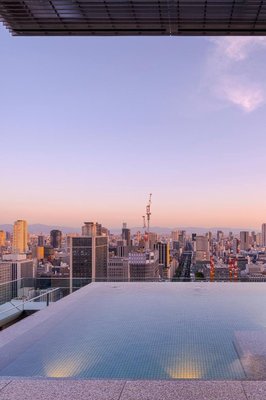
Candeo Hotels Osaka The Tower
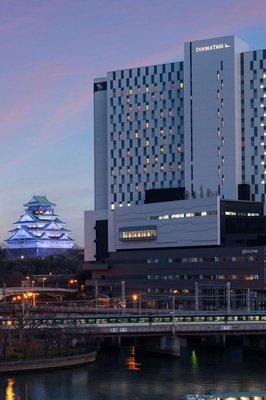
DoubleTree by Hilton Osaka Castle
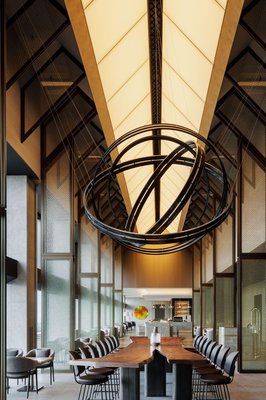
The Osaka Station Hotel, Autograph Collection
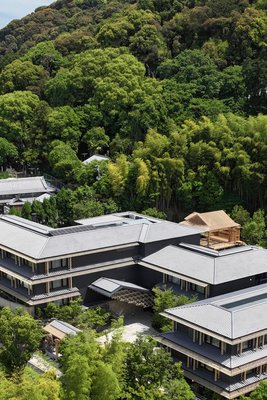
Banyan Tree Higashiyama Kyoto

Hotel la Vigne Hakuba by Onko Chishin
Osaka Marriott Miyako Hotel
The Ritz-Carlton, Osaka
Gora Kadan
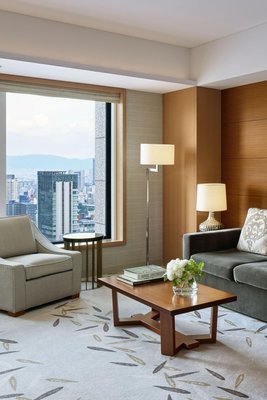
InterContinental Hotel Osaka
The Ritz-Carlton, Kyoto
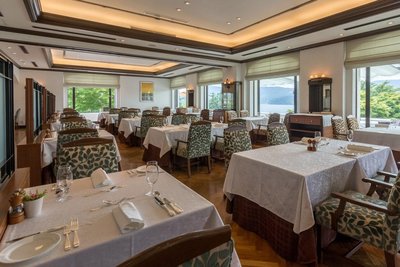
Odakyu Hotel de Yama
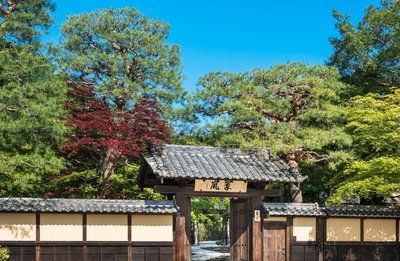
Suiran, a Luxury Collection Hotel, Kyoto
GOOD NATURE HOTEL KYOTO
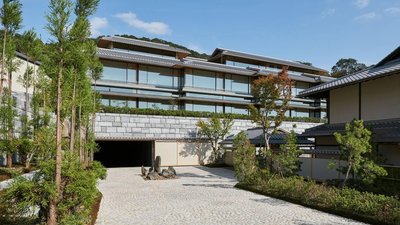
Park Hyatt Kyoto

Hyatt Centric Kanazawa
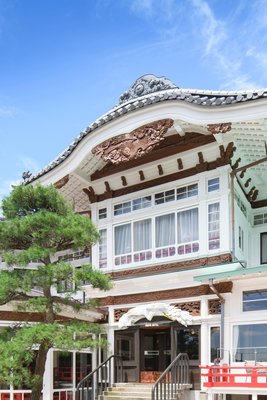
Fujiya Hotel
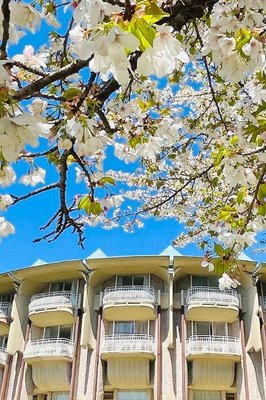
The Prince Hakone Lake Ashinoko
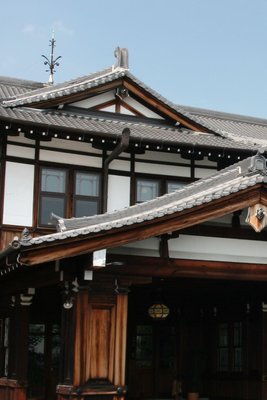
Nara Hotel
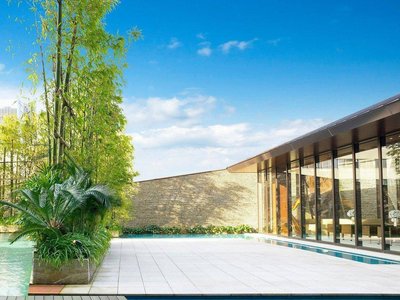
ORIENTAL HOTEL
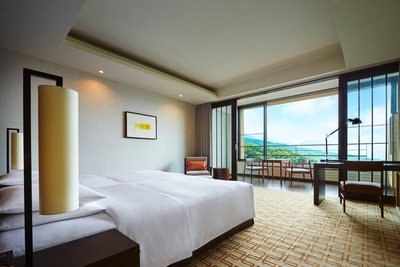
Hyatt Regency Hakone Resort and Spa
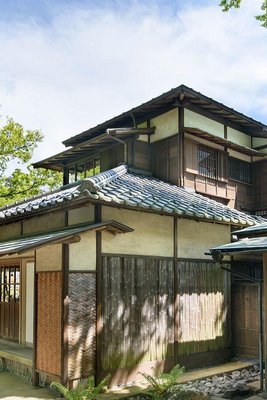
Hakone Suishoen
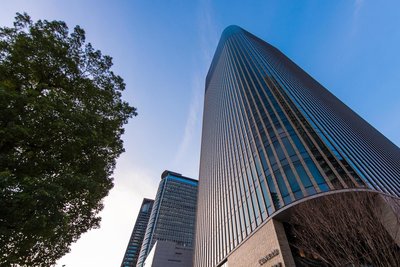
Conrad Osaka
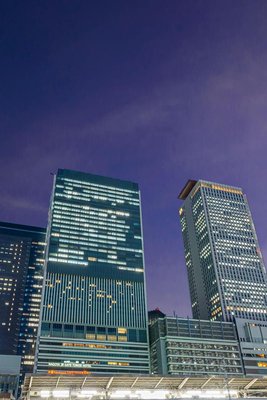
Nagoya JR Gate Tower Hotel (JR-Central Hotels)
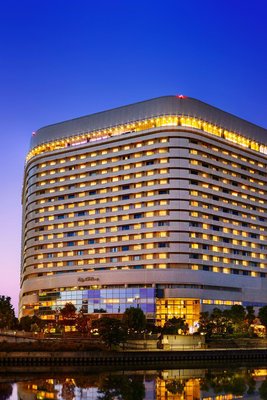
Hotel New Otani Osaka
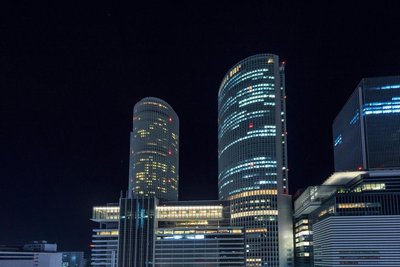
Nagoya Marriott Associa Hotel
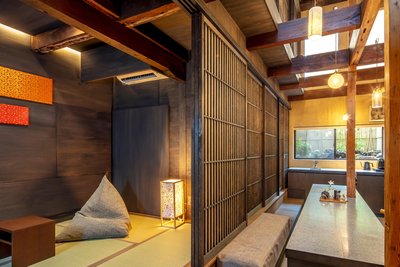
Kyo No Oozora Kihana
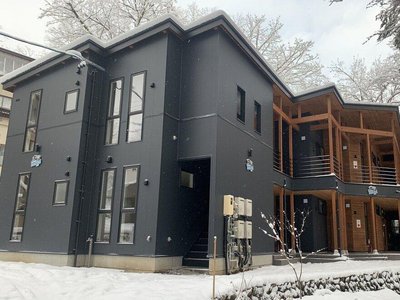
Hakuba Gondola Apartments
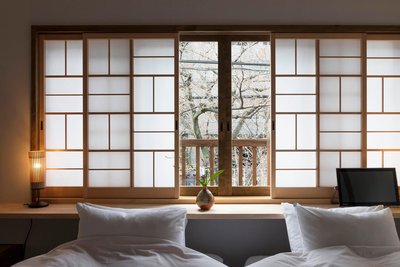
Hanagoromo Machiya House
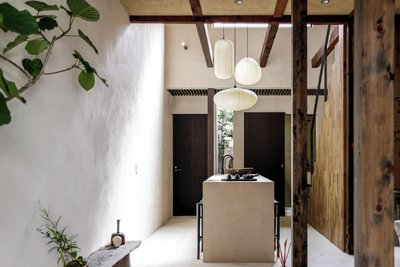
Maana Kiyomizu
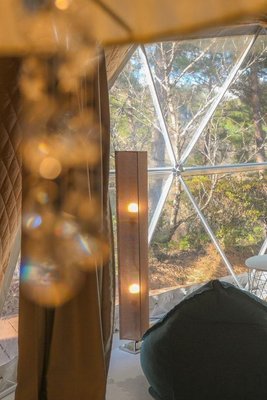
glampark Gekkabijin Nagano
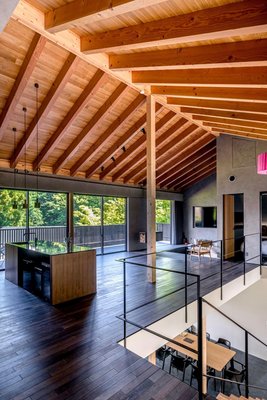
MONS GORA

Phoenix Chalets by Hhg
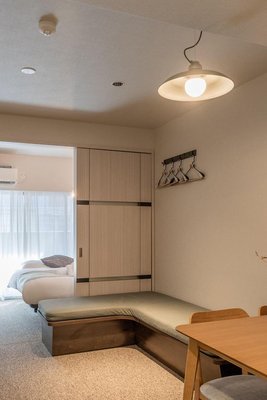
Apartment Hotel 11 Shinsaibashi
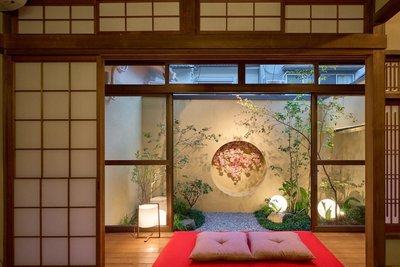
KONJAKUSO Osaka Tengachaya "NIHONCHA" Tea & Relax
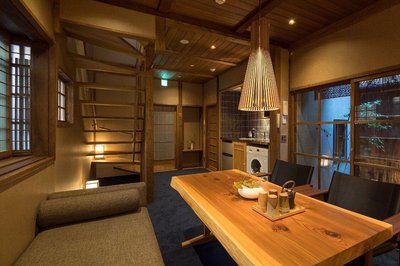
Bonbori an Machiya House
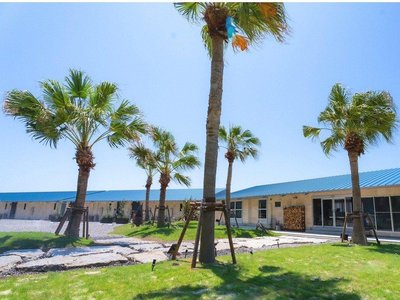
Glamping&Resort Wood Design Park Noma
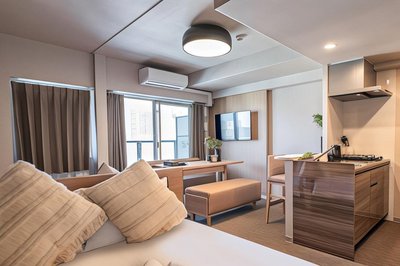
Apartment Hotel 11 Shinsaibashi III
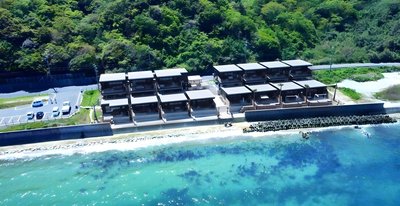
Solavilla Umi Terrace Minamiawaji
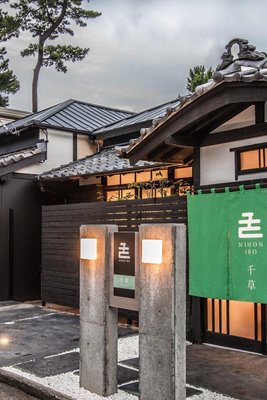
Nihon Iro
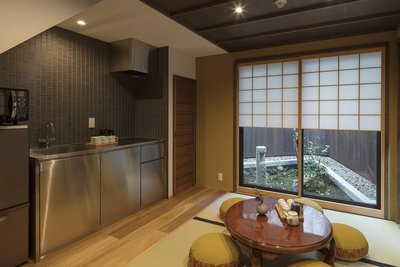
The Machiya Villa Sanjo Shirakawa Koji
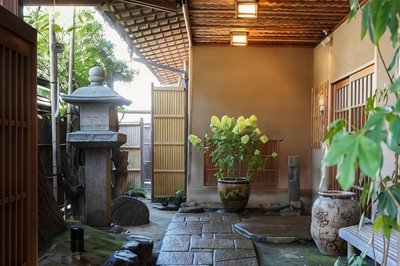
Ryokan Asadaya
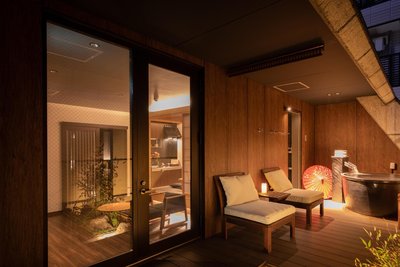
Konjaku-So Dotonbori
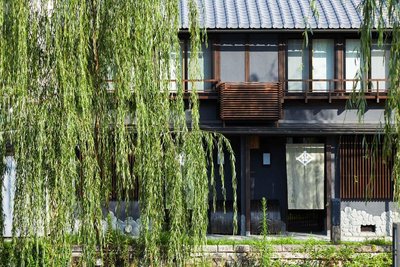
Gion Shirakawa No Yado

Kitashirakawa Natural Radium Onsen
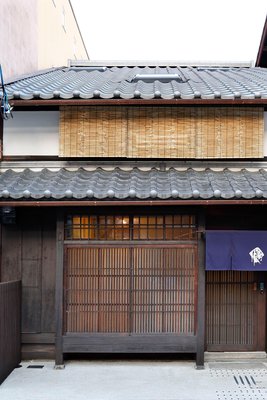
Kyo No Ondokoro Kamanza Nijo #2

Hotel Barrière Fouquet's New York
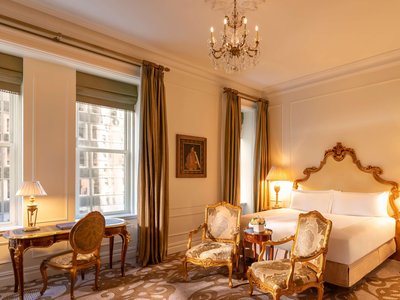
The Plaza - A Fairmont Managed Hotel
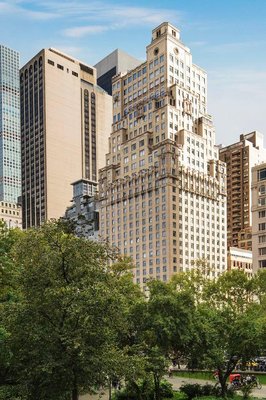
The Ritz-Carlton New York, Central Park

Four Seasons Hotel New York

The St. Regis New York
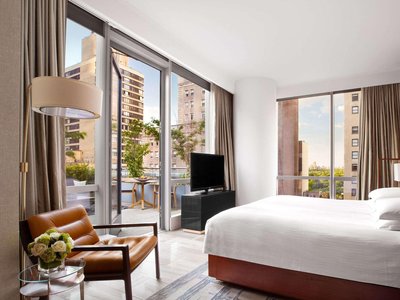
Park Hyatt New York

Mandarin Oriental New York
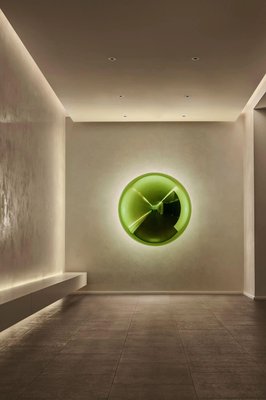
Times Square Edition New York

Loews Regency New York Hotel

Lowell Hotel

New York Edition
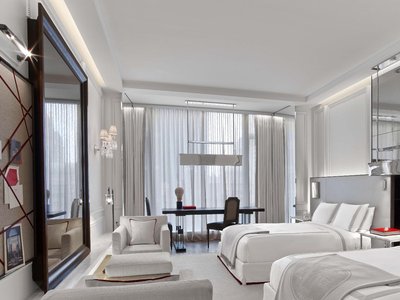
Baccarat Hotel New York

Equinox Hotel New York

Four Seasons Hotel New York Downtown
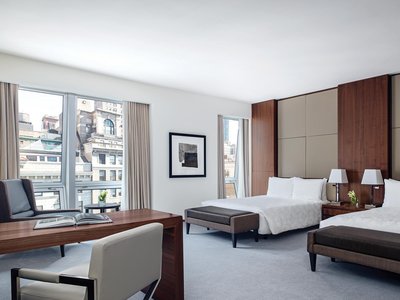
The Langham, New York, Fifth Avenue

The Carlyle, A Rosewood Hotel

The Chatwal, in the Unbound Collection by Hyatt
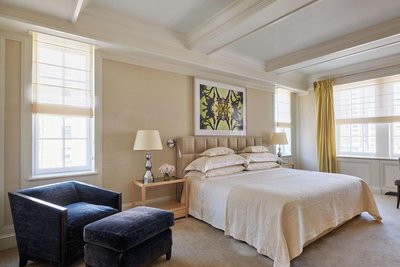
The Mark New York
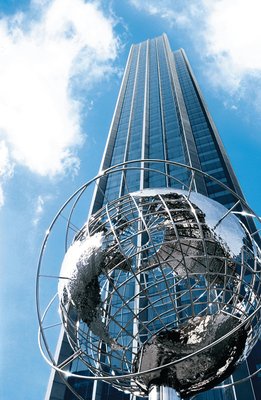
Trump International Hotel & Tower® New York
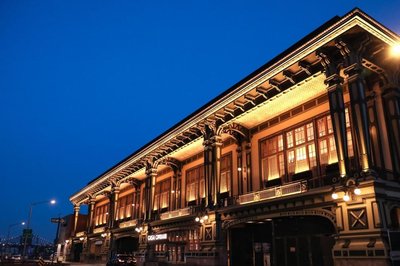
Casa Cipriani New York
Frequently Asked Questions about Traveling to Taiki
Questions You Might Need to Know About Traveling to Taiki
In Ogimi Town, the top boutique stay is Ogimiya Minka House, a beautifully restored traditional Japanese minka farmhouse blending vintage woodwork with modern comfort. Located within the Ogimi Historical District, it’s steps from Ogimi Shrine and the former Ogimi Village Office, offering authentic access to Edo-period culture. Each room features tatami mats, sliding shoji screens, and private garden views. The hosts serve homemade breakfasts using local ingredients like Ise-Shima tuna rice and handcrafted umeboshi paste, making it ideal for travelers seeking immersive cultural experiences in a serene rural setting.
The central district of Ogimi Town is the prime location for lodging, situated just minutes from Ogimi Station and main shopping streets. It offers easy access to key attractions like the Ogimi Cultural Center and Old Village Office, while maintaining a quiet, residential charm. Many guesthouses here preserve original machiya-style architecture from the Edo to Meiji periods, perfect for experiencing traditional daily life. This area also hosts seasonal events such as Shibori dyeing workshops and local craft markets, making it ideal for travelers who value authenticity and proximity to heritage sites.
Visitors to Ogimi Town can participate in hands-on Shibori dyeing workshops, a centuries-old textile tradition. Under expert guidance, guests learn resist-dye techniques using wooden blocks and natural indigo, creating personalized fabric pieces. The Ogimi Traditional Craft Museum provides context on the evolution of blue dyeing from the Edo period to today. During weekends, the town hosts Shibori Markets selling limited-edition handmade goods. In spring, the Ogimi Flower Festival features cherry blossoms and tea ceremonies, offering an authentic glimpse into Ise-Shima’s natural and cultural heritage.
Must-try dishes in Ogimi Town include Tuna Sushi made with fresh catch, served with vinegared rice for a sweet, crisp bite. Another highlight is Shoyu Grilled Chicken, marinated in local soy sauce and slow-roasted to perfection. Dining options cluster around Ogimi Market Street, where restaurants like Ogimiya Restaurant specialize in takoyaki and vegetable tempura. Weekly farmers' markets offer seasonal produce like Ogimi tomatoes and sansho pepper paste, best enjoyed with local sake. These culinary experiences showcase the region’s deep connection to Mie Prefecture’s agricultural roots.
Yes, Ogimi Town is highly suitable for families. The town is safe, spacious, and pedestrian-friendly, with wide roads and green spaces ideal for children to explore. Visit the Ogimi Children’s Nature Park, featuring a pond, mini-farm, and interactive craft classrooms where kids can feed ducks and plant vegetables. Guided tours include child-friendly scripts about history and culture. Many guesthouses provide baby cots, high chairs, and smoke-free rooms. Weekend programs like family Shibori workshops let kids create their own fabric designs—making it a fun, educational, and memorable trip for all ages.
Despite being a rural town, Ogimi Town is well-connected. Take the Kintetsu Line from Nagoya Station to Ogimi Station—about 50 minutes with frequent departures. The station is just a 5-minute walk from the town center and major sights. For deeper exploration, rent an electric bicycle or join a local guided bus tour visiting dyeing studios, historic houses, and farmland. Some guesthouses offer free shuttle services, especially helpful for elderly guests or those with luggage. Additionally, Mie Prefecture’s public buses link Ogimi to nearby attractions like Ise Grand Shrine and Shima Peninsula, making it a convenient hub for exploring Ise-Shima.
Ogimi Town boasts several well-preserved Edo to Meiji-era structures. The most notable is the Old Ogimi Village Office, built in 1890, a classic wooden administrative building now serving as the Ogimi History Museum, showcasing local governance and folk artifacts. Another highlight is Ogimi Shrine, over 300 years old, with original torii gates and worship halls still intact. Every spring, it hosts the Kagura Dance Festival. The surrounding machiya neighborhood contains dozens of original traditional townhouses, some converted into cafes or galleries. Visitors can explore their timber frames, sliding doors, and decorative details, offering insight into Japan’s rural social history.
Ogimi Town shines through each season. In spring (March–April), cherry blossoms line the Ogimi River, coinciding with the Flower Festival and traditional tea ceremonies. Summer (June–August) brings the Shibori Season, when homes display drying indigo-dyed fabrics across streets, creating a striking cobalt landscape. Autumn (October–November) sees golden rice fields; the Agricultural Experience Park offers rice harvesting activities. In winter (December–February), clear skies make it ideal for stargazing—some inns host night sky tours and onsen meditation sessions. The annual Traditional Craft Fair in April showcases blue dyeing, bamboo weaving, and pottery, celebrating the harmony between nature and craftsmanship.
While Ogimi Town itself lacks large hot spring resorts, nearby Shima Peninsula offers excellent onsen options. Head to Shima Onsen Area, where resorts like Shima Peninsula Onsen Hotel feature mineral-rich waters rich in sulfur and bicarbonate—ideal for skin and joint health. Some guesthouses have private outdoor baths overlooking the Ise Bay and sea caves. For a more natural experience, visit forest camping sites with natural hot spring pools, paired with bonfires and starlit dinners. Many lodgings also offer foot baths using local thermal water, allowing guests to enjoy therapeutic benefits without leaving the inn.
For authentic souvenirs, visit the Ogimi Handicraft Market, where local artisans sell handmade indigo-dyed bags, bamboo baskets, and hinoki wood incense holders. The Ogimi Local Produce Stand offers seasonal items like Ogimi tomatoes, red onions, and umeboshi wine—all freshly harvested. Consider purchasing the Ogimi Life Kit, a curated gift set including a shibori towel, dried tuna, local tea, and a hand-written thank-you card. These thoughtful, locally crafted items make meaningful keepsakes and are widely available at guesthouses and community shops throughout the town.
Taiki Overview
City Summary
Taiki-cho in Mie Prefecture is a serene town embraced by nature, renowned for its pristine rivers and hot springs, particularly the breathtaking valleys along the Miyagawa River. As one of the gateway towns to Ise Jingu, it preserves traditional Japanese rural culture and ancient crafts like washi papermaking. Its core appeal lies in undeveloped rustic onsen ryokans and seasonal activities such as summer firefly viewing.
Must-See Attractions
Must visit Takihara-no-miya (auxiliary shrine of Ise Jingu) for Shinto spirituality, and hike along Miyagawa Valley for waterfalls and autumn foliage. Taiki History Museum showcases local papermaking and forestry heritage. In winter, try open-air baths at Shichihon Onsen, while summer offers kawadoko river dining and firefly nights.
Food Guide
Don't miss Matsusaka beef dishes like shabu-shabu, or grilled ayu sweetfish from local izakayas. Regional specialties include tea porridge flavored with Ise green tea, and hand-stretched somen noodles with local soy sauce. Morning markets sell fresh kakinoha-zushi, a fermented sushi wrapped in persimmon leaves.
Transportation Guide
From Nagoya Station, take the JR Kisei Line (about 2 hours with transfer at Matsusaka) to Omiya Station. Town access relies on community buses (1-2 hourly) or taxis. Drivers should use Kisei Expressway, noting mountain roads may ice in winter. Major sights are walkable, but most ryokans require pickup reservations.
Best Time to Visit
April-May is ideal for cherry blossoms and hiking, while November sees peak demand for ryokans during maple season. Summer (June-August) offers cool retreats but requires bug spray. Winter (December-February) is prime onsen time though some mountain routes close.
Travel Tips
- Always shower before entering onsens; tattoos require cover-up patches
- Carry offline maps due to spotty mountain cellular service
- Strict trash separation with few public bins - take waste with you
- Purify hands/mouth at chozuya before shrine visits
- Avoid solo walks after sunset on unlit rural roads
- Cash is king - ATMs only in Matsusaka city
- Foraged plant activities require local guides
Useful Information
Language: Basic English works at ryokans, but rural areas are Japanese-only (translation apps advised). Payment: Cards accepted only at ryokans/restaurants; markets are cash-only (keep ¥1000 bills handy). Internet: Free Wi-Fi at JR stations; prepaid SIM cards recommended. Emergencies: Town clinic operates 9:00-17:00 weekdays; dial #7119 for multilingual emergency assistance. Etiquette: Remove shoes in homes/workshops, obtain photo permissions. Locals prohibit river laundry/noise.