Hotels in Tainan
Discover your perfect stay in Tainan.
Tainan(China) Travel 2026: Cheap Flights, Hotels & Top Attractions
Popular Landmarks in Tainan
Discover the most iconic attractions in Tainan
Recommended Hotels in Tainan
Find the perfect place to stay in Tainan
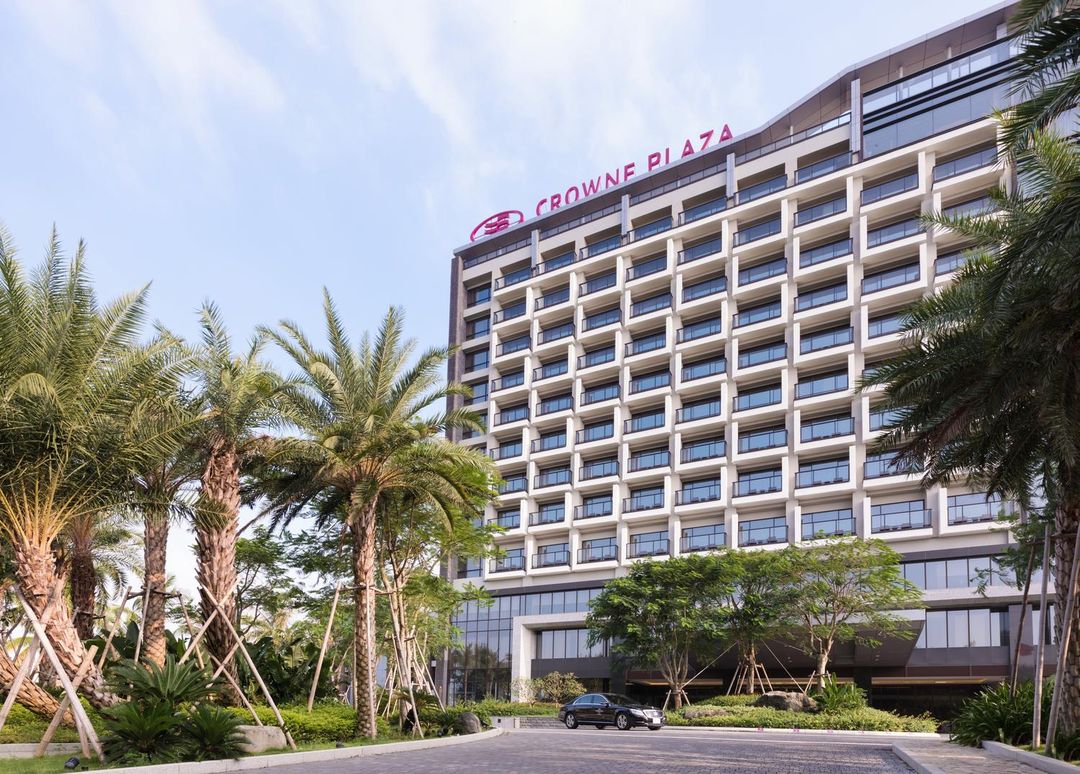
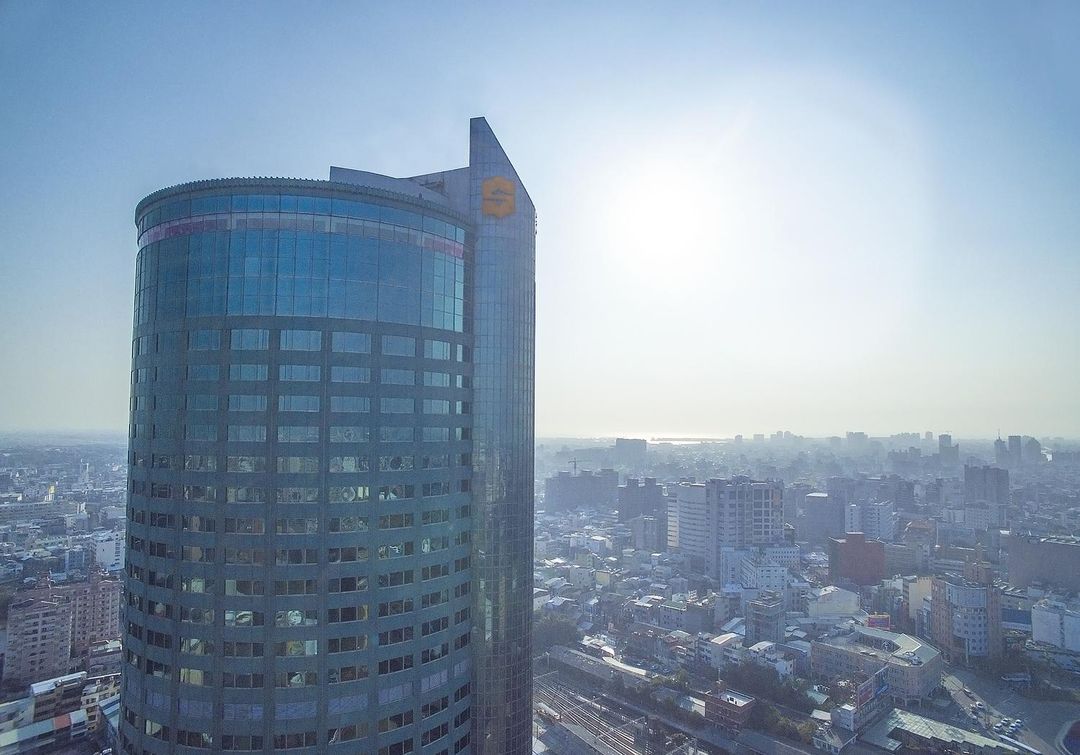
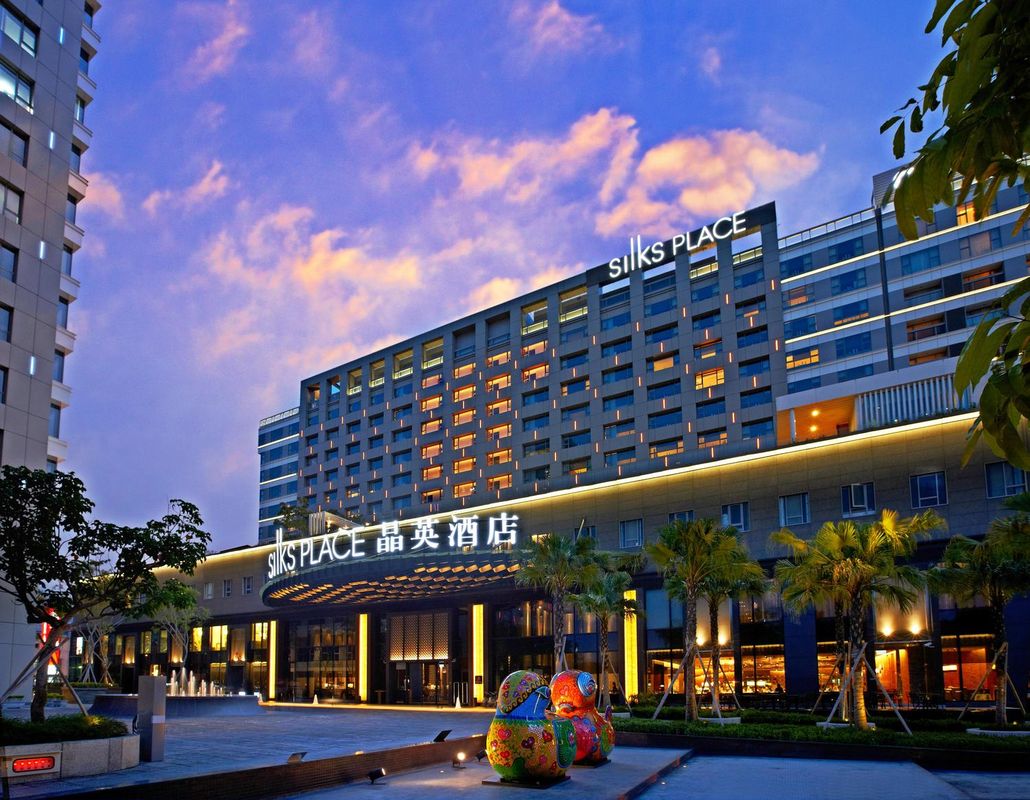
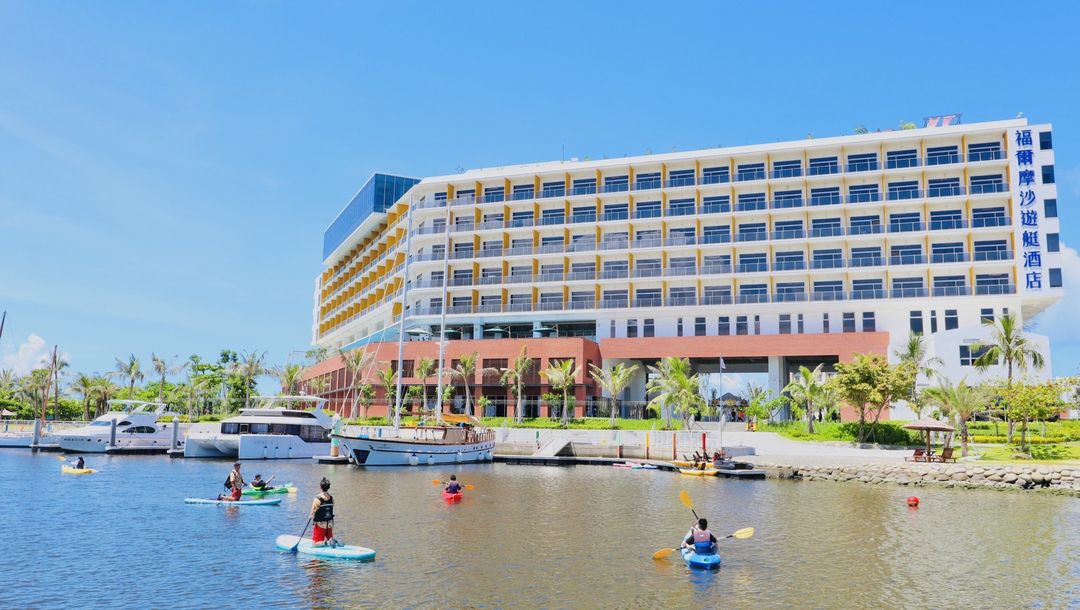
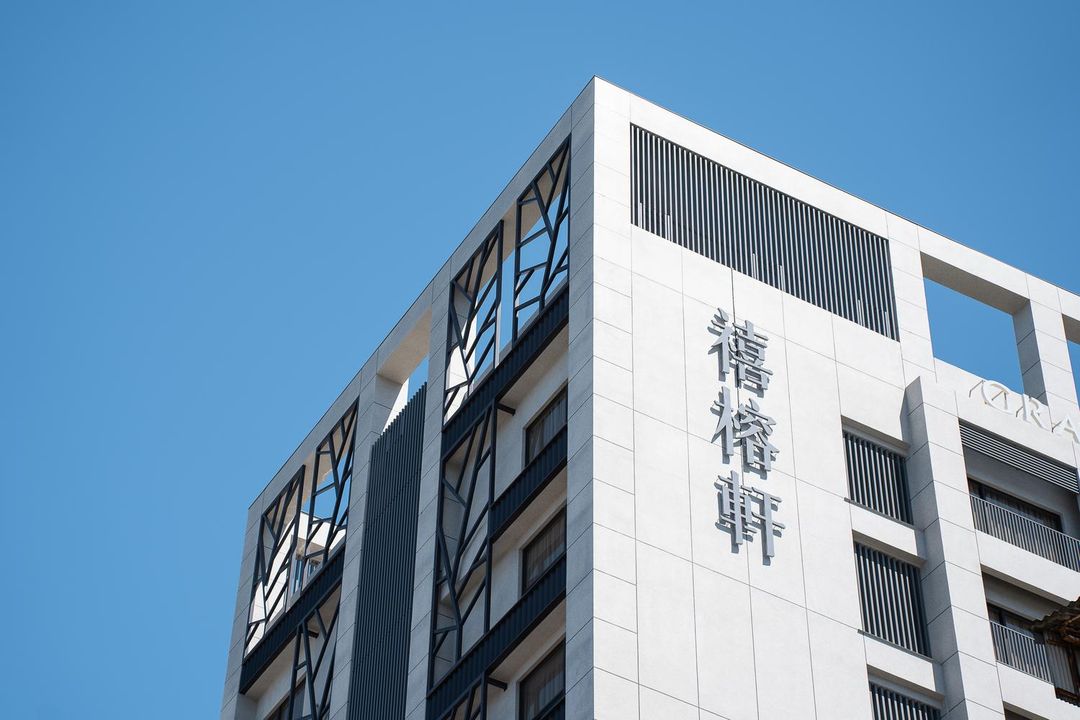

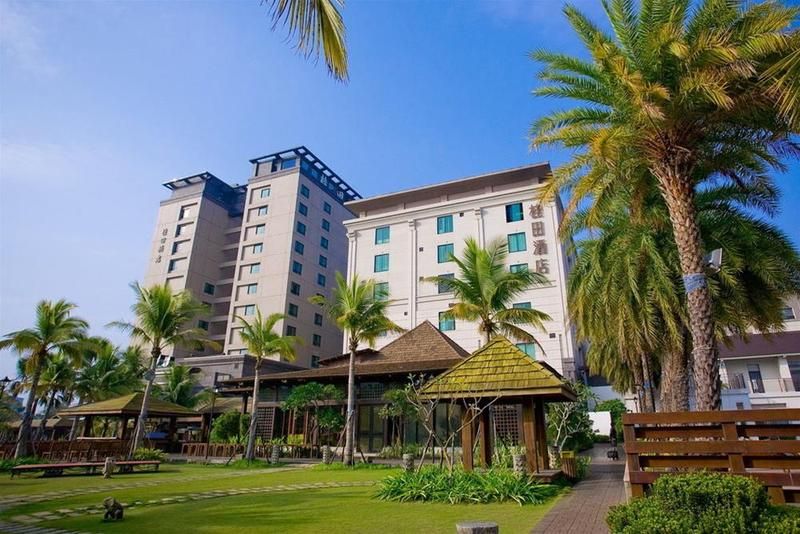
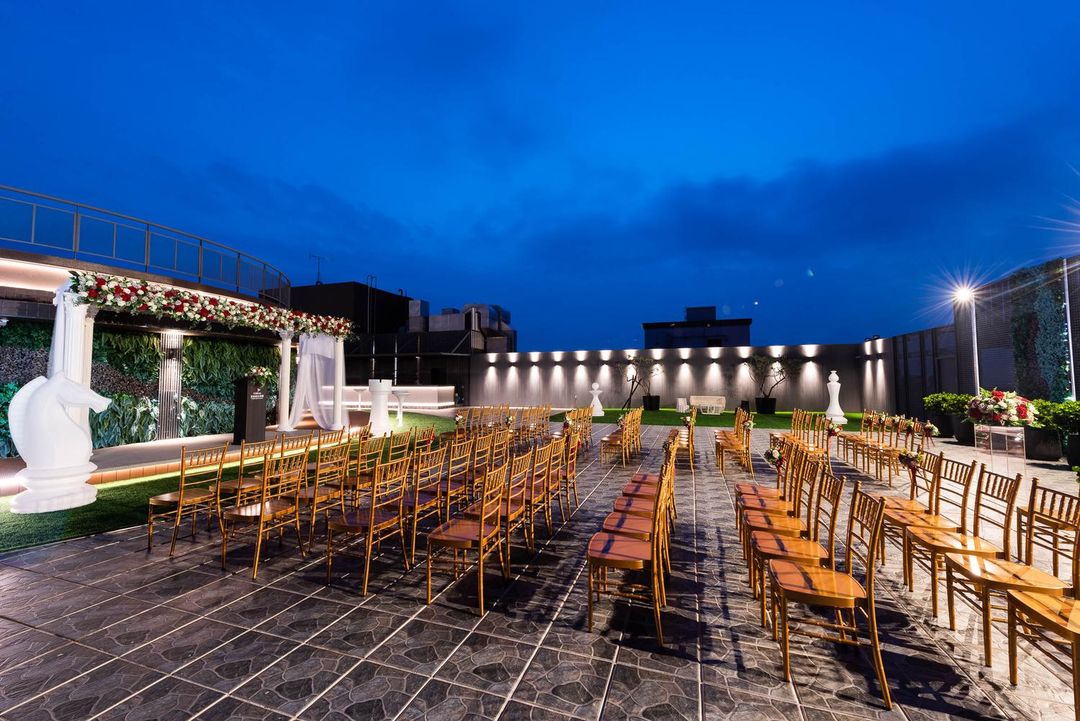
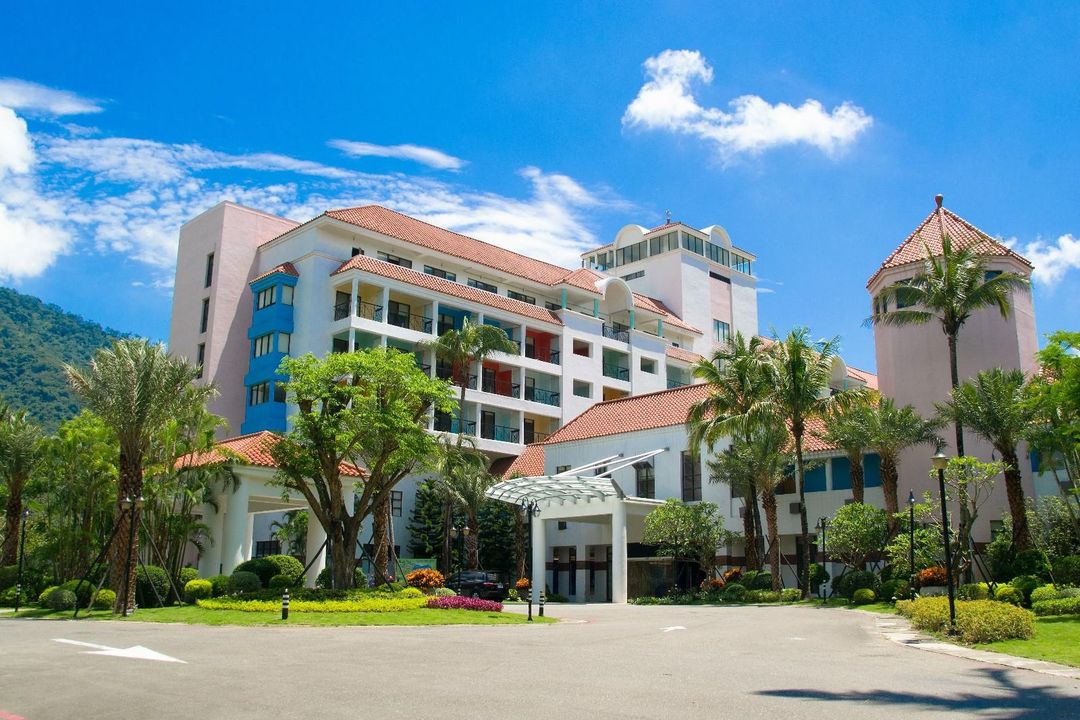
Best Hotels in Tainan
Discover curated hotel collections in Tainan




























Tainan Overview
City Summary
Tainan City is Taiwan's historical and cultural capital, renowned for its rich heritage and traditional cuisine. As one of the earliest developed cities in Taiwan, Tainan preserves numerous historical sites, such as Chihkan Tower and Anping Fort, showcasing the influence of Dutch, Ming Zheng, and Qing dynasties. Additionally, Tainan's street food culture is famous nationwide, earning it the title "Food Capital."
Must-See Attractions
Chihkan Tower is one of Tainan's most iconic historical sites, reflecting its Dutch colonial past. Anping Fort, Taiwan's oldest fortress, is steeped in history. Shennong Street retains traditional shop-house architecture, glowing with nostalgic charm at night. The Chimei Museum houses an extensive collection of art and historical artifacts, a must-visit for culture enthusiasts.
Food Guide
Tainan's street food is diverse, with danzi noodles, beef soup, and oyster omelets being must-tries. Du Hsiao Yueh Danzi Noodles, a century-old eatery, offers flavorful broth. Ah-Tong Porridge is famous for its fresh milkfish, often crowded during breakfast. Tainan's desserts, like mango shaved ice and tofu pudding, are also highly recommended.
Transportation Guide
Public buses are the main transport in Tainan, covering major attractions but with limited frequency—check schedules in advance. Taxis are a convenient alternative with reasonable fares. For independent travelers, renting a scooter is popular, but traffic safety is crucial. Narrow streets and limited parking can be challenging in some areas.
Best Time to Visit
The best time to visit Tainan is autumn (October to December), with pleasant weather for outdoor activities. Summers (June to September) are hot and humid—stay hydrated and use sunscreen. Spring (March to May) brings occasional rain but blooming flowers.
Travel Tips
- Respect local culture: Many temples in Tainan require quiet behavior.
- Sun protection: Tainan's sun is intense—carry sunscreen and hats.
- Cash payments: Some vendors only accept cash, so keep small bills handy.
- Traffic caution: Wear helmets when riding scooters and follow traffic rules.
- Food preferences: Tainan cuisine is sweet; request adjustments if needed.
- Waste sorting: Follow local recycling regulations.
Useful Information
Language: Taiwanese Hokkien and Mandarin are widely spoken; some attractions have English signs. Internet: Free Wi-Fi is available in urban areas, but a local SIM card ensures stable connectivity. Payments: Credit cards work at larger establishments, but cash is king at street stalls. Emergencies: Hospitals like NCKU Hospital are available; dial 119 for emergencies. Voltage: Taiwan uses 110V with flat two-pin plugs—bring adapters if needed.