Hotels in Taishi
Discover your perfect stay in Taishi.
Taishi(Japan) Travel 2026: Cheap Flights, Hotels & Top Attractions
Popular Landmarks in Taishi
Discover the most iconic attractions in Taishi
Recommended Hotels in Taishi
Find the perfect place to stay in Taishi
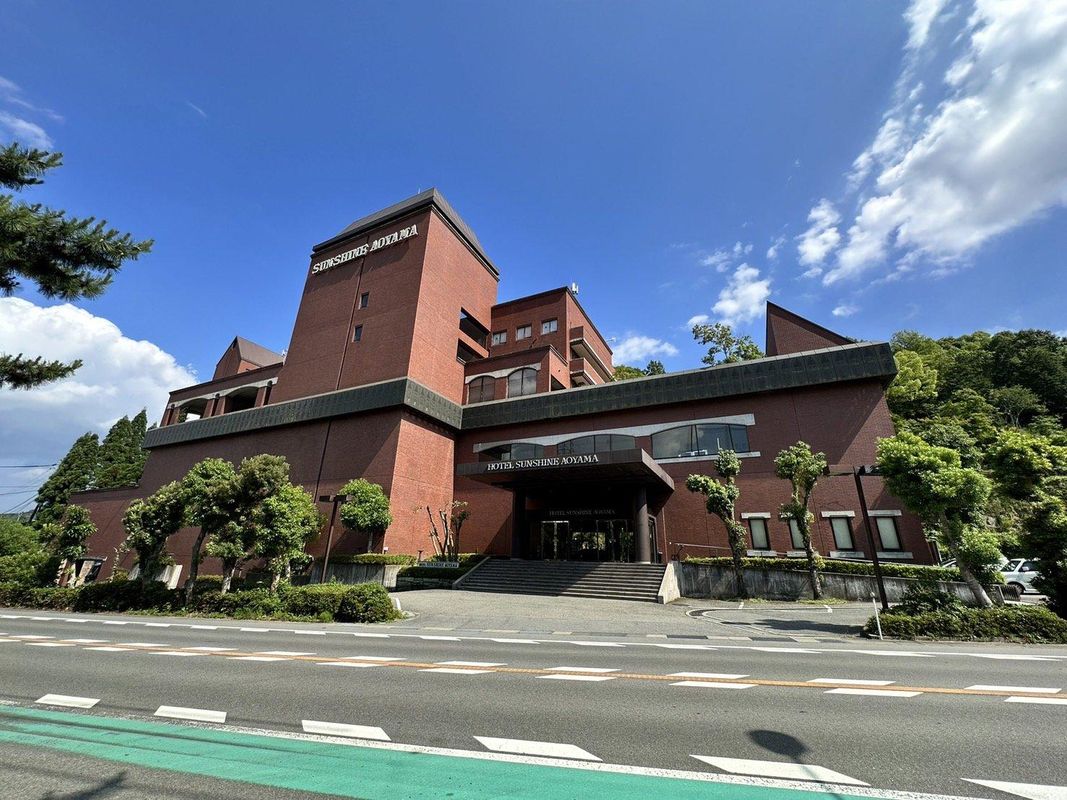
Best Hotels in Taishi
Discover curated hotel collections in Taishi
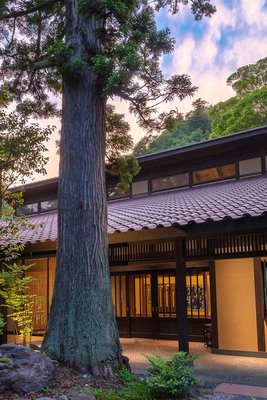
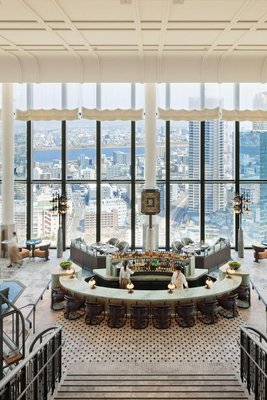













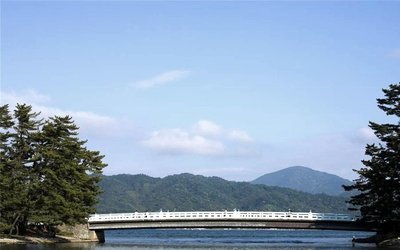
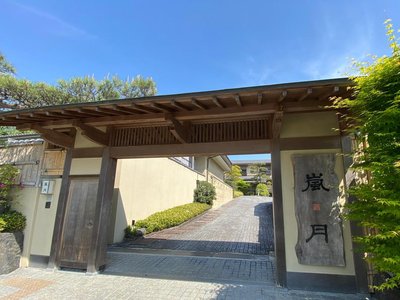
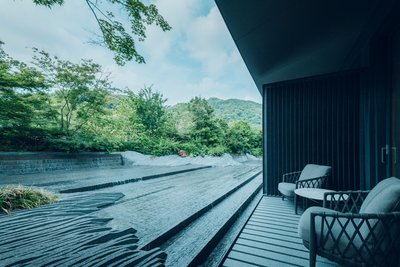
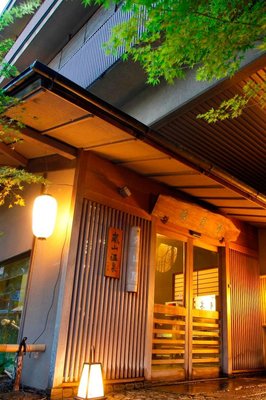






































Frequently Asked Questions about Traveling to Taishi
Questions You Might Need to Know About Traveling to Taishi
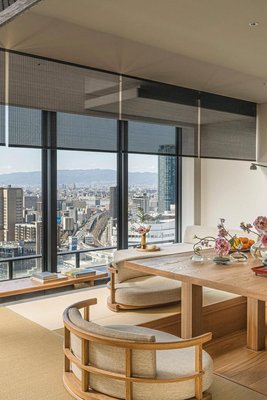
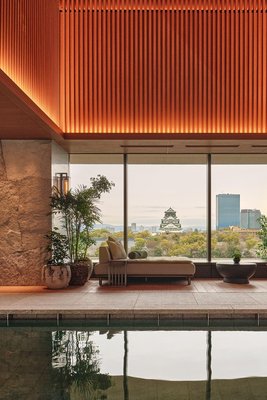
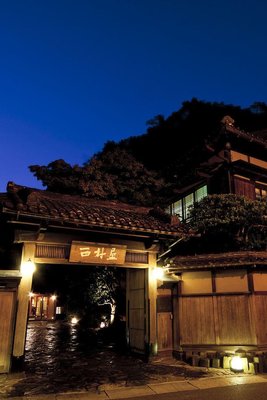
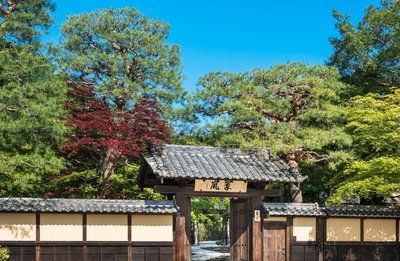
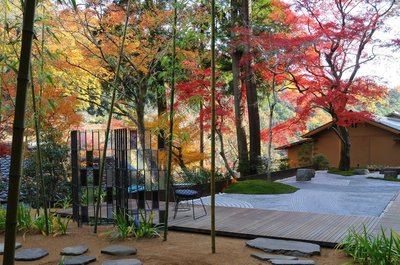
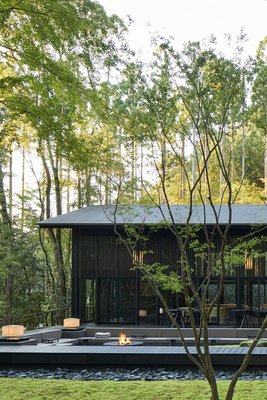
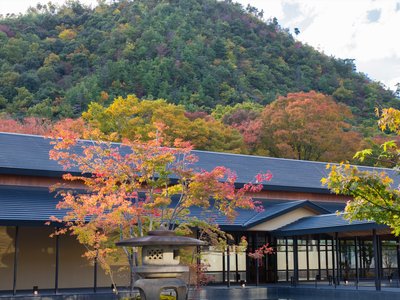
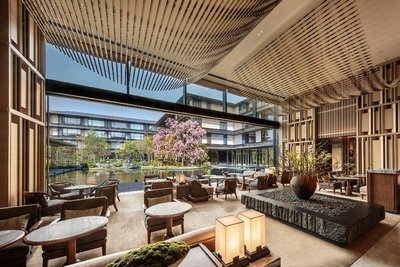
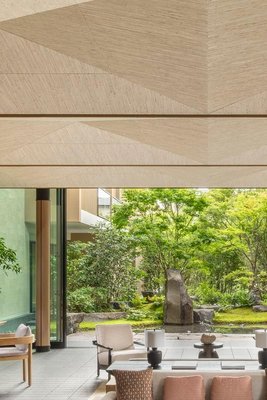
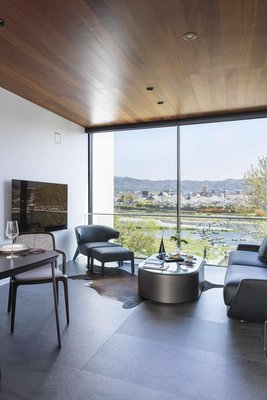
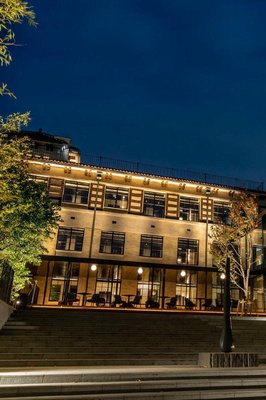
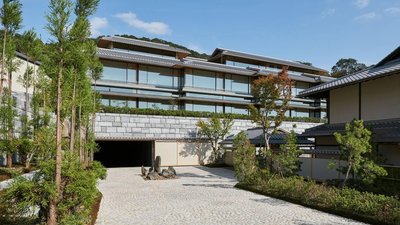
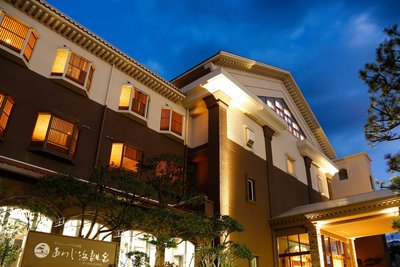
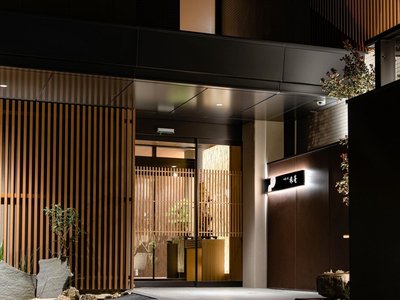
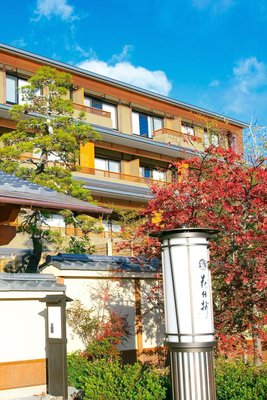
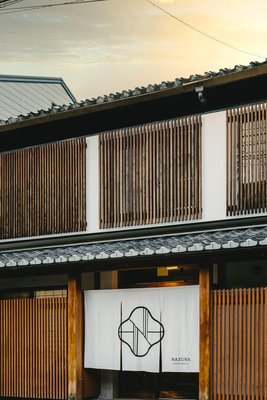
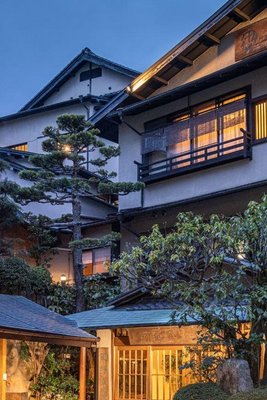
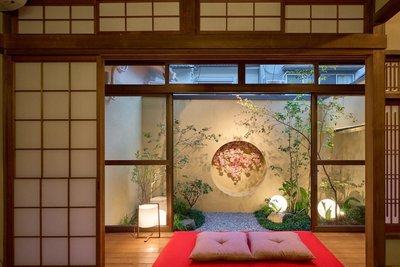
For an authentic cultural retreat in Takachiho, stay at Takachiho Onsen Ryokan, a traditional Japanese inn nestled in serene mountain scenery. Enjoy private hot springs, seasonal kaiseki meals, and minimalist wabi-sabi design that reflects local craftsmanship. Alternatively, choose Midoriyama Guesthouse, a sustainable eco-stay featuring locally sourced wood, handmade textiles, and access to hiking trails along the Tenman River. Both properties offer quiet immersion in rural Hyōgo’s spiritual landscape, near Omiwa Shrine and ancient forest paths.
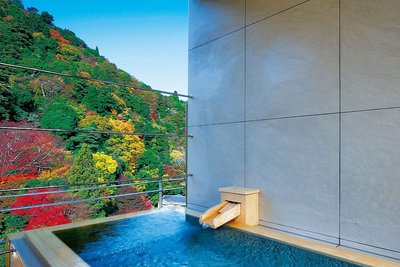
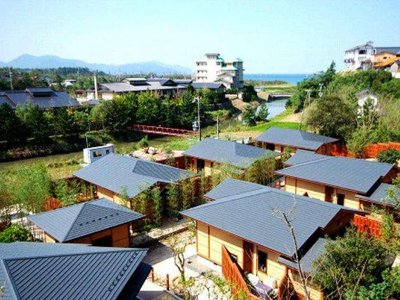
The Omiwa District is the ideal area for travelers seeking scenic beauty and serenity in Takachiho. Surrounded by ancient forests and bordered by the Tenman River, this region hosts several ryokans and guesthouses with panoramic views of misty mountains and cherry blossoms in spring. Staying here grants easy access to the Omiwa Shrine and the tranquil Shinobu Trail, perfect for morning walks or sunset photography. Many lodgings, like Chikage-kan and Yamato no Ie, feature open-air baths facing the valley, blending nature and comfort seamlessly.
Visitors to Takachiho should not miss the morning shrine ritual at Omiwa Shrine, where guests don traditional white garments and witness ancient chanting accompanied by taiko drums. Another must-try is the wild tea ceremony, led by local artisans who harvest mountain-grown tea leaves and prepare matcha using heirloom utensils, served with handcrafted wagashi. During autumn, join the Bonfire Festival, a nighttime event where locals gather around a roaring fire, perform folk dances, and share oral legends under the stars. These immersive experiences are often hosted by ryokans in the Omiwa District and require advance HopeGoo.
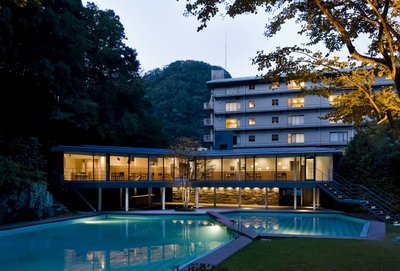
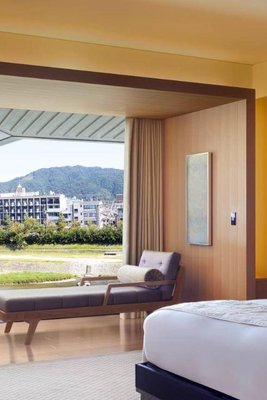
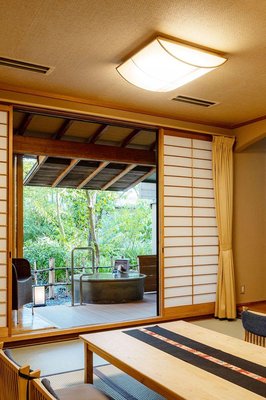
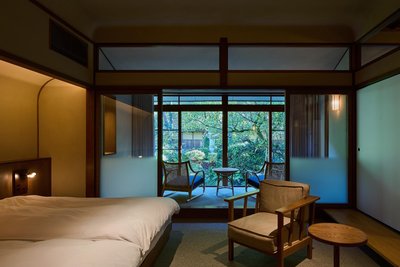
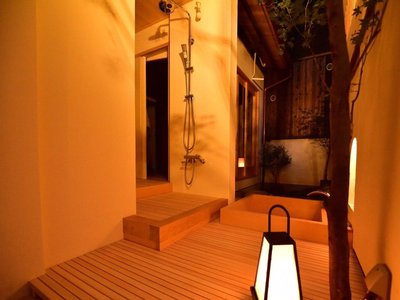
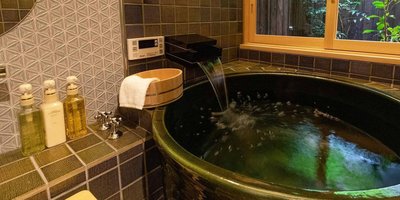
Takachiho’s onsen hotels stand out for their natural sulfur-rich waters drawn from deep underground sources over 300 meters below. The Takachiho Onsen Ryokan features open-air baths surrounded by bamboo groves, where guests soak while listening to birdsong and flowing streams. Some rooms include wooden soaking tubs crafted from century-old cypress, paired with aromatic steam treatments using local herbs. Additionally, guided onsen origin tours are offered by senior female attendants who share geological folklore and purification rituals. Opt for rooms with tatami flooring and shoji screens to fully embrace the harmony of tradition and nature.
In Takachiho, savor Yama-niwa Soba, a regional specialty made with wild mountain vegetables and fresh buckwheat flour, served in a clear dashi broth infused with kombu and bonito. Another highlight is Yamagishi Beef, slow-grilled beef marinated in local mountain pepper (yamadori), offering a bold, spicy-savory profile. For a true farm-to-table experience, book a Kodate Dining meal at a family-run home, where dishes include homegrown sweet potatoes, house-made tofu, and fermented rice wine. Most restaurants are located along Omiwa Street, easily walkable from lodges, and many ryokans also serve breakfast featuring locally sourced ingredients.
Begin your day with a visit to Omiwa Shrine, attending the morning ritual before exploring the Tenman River trail leading to the Three-tiered Falls. Stop for lunch at a local eatery on Omiwa Street, trying Yama-niwa Soba and Yamagishi Beef. In the afternoon, head to a ryokan for an onsen session—opt for an open-air bath with mountain views. If visiting during autumn, join the Bonfire Festival in the evening, featuring folk dances and storytelling. End the day with a kaiseki dinner at your lodging. All activities are accessible on foot or via short shuttle buses; wear comfortable walking shoes and carry a small backpack.
Taishi Overview
City Summary
Taishi-cho in Hyogo Prefecture is a quaint town blending history and nature, famed for its connection to Prince Shotoku. The majestic Takeda Castle Ruins (Japan's Machu Picchu) with seasonal cloud seas attract photographers. Hot springs and traditional crafts like Tamba-yaki pottery embody authentic Japanese charm.
Must-See Attractions
Must-visit Takeda Castle Ruins transforms into a floating castle during autumn clouds. Local History Museum details Prince Shotoku's legacy, while hot spring streets offer onsen experiences. Weekend markets sell handcrafted soba noodles and pottery, and the Chrysanthemum Festival showcases autumn traditions.
Food Guide
Savor Tamba black soybean dishes and Tajima beef at izakayas. Mountain spring water enhances handmade soba noodles, and desserts feature black bean mochi. Morning market "Asaichi teishoku" serves seasonal vegetables and fresh fish.
Transportation Guide
Take JR Fukuchiyama Line from Osaka to Teramae Station (90min), then transfer to Shinki Bus (20min). Town circulation buses connect major spots, but bicycles are ideal for rural paths. Taxis require phone HopeGoo. Some mountain roads close in winter - snow tires are essential for drivers.
Best Time to Visit
September-November offers stunning autumn foliage and cloud seas with mild weather. Avoid Golden Week and peak maple season (late October). Winter (Dec-Feb) limits access to some sites but enhances hot spring enjoyment.
Travel Tips
- Remove shoes at temples - wear slip-ons
- Tattoos prohibit public onsen entry (book private baths)
- Pack layered clothing for mountain temperature swings
- Carry trash back to accommodations for sorting
- Check sparse bus schedules in advance
- Cash dominates - few places accept cards
Useful Information
Japanese is primary language; tourist centers have simplified Chinese brochures. WiFi spots concentrate at stations and hotels - pocket WiFi recommended. For emergencies, visit Taishi Hospital (9am-5pm) or Himeji hospitals after hours. International mail services at post offices. 7-11 ATMs accept foreign cards. Voltage is 100V (Type A plugs).









