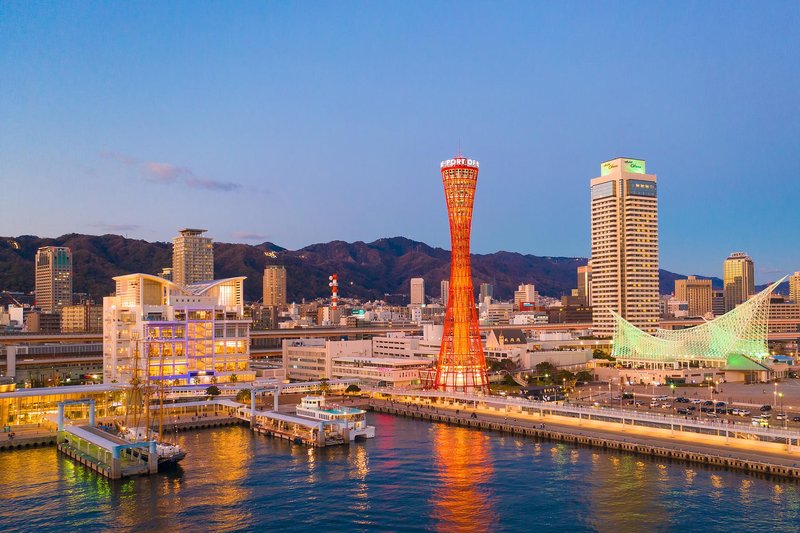
Hotels in Takahagi
Discover your perfect stay in Takahagi.
Takahagi(Japan) Travel 2026: Cheap Flights, Hotels & Top Attractions
Popular Landmarks in Takahagi
Discover the most iconic attractions in Takahagi
Recommended Hotels in Takahagi
Find the perfect place to stay in Takahagi
Central Hotel Takahagi
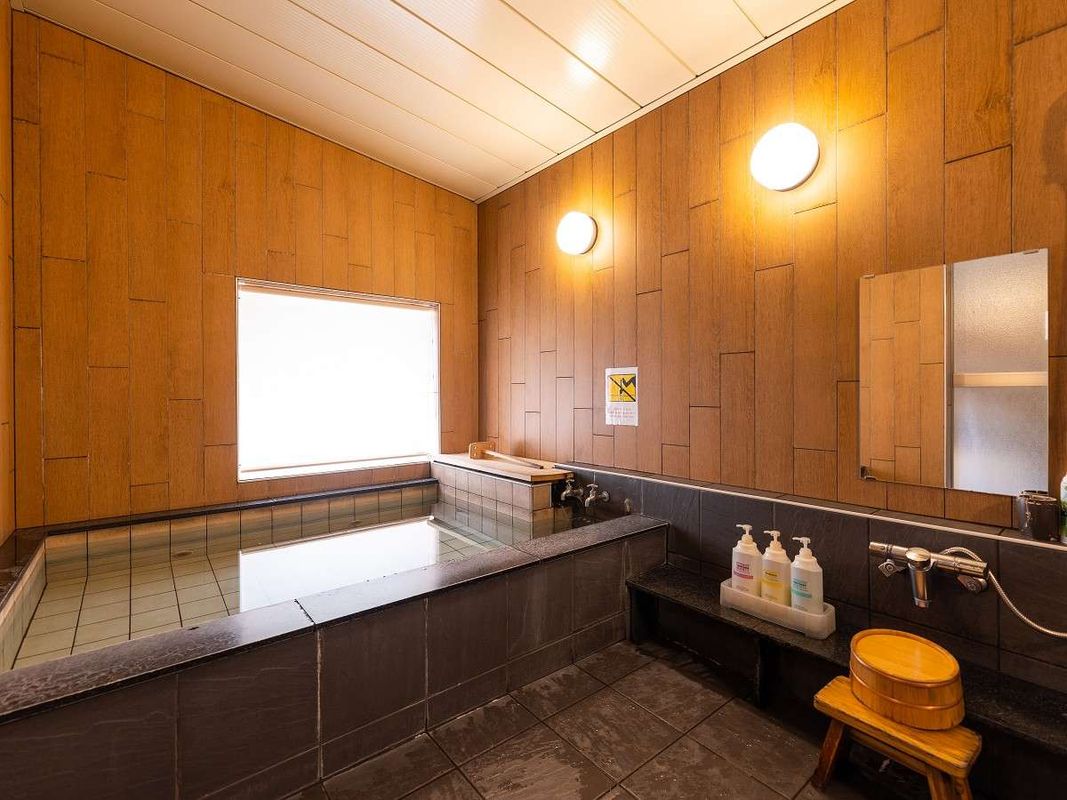
Tenku No Niwa Amamu
Business Hotel Vingt Cinq Ans
Best Hotels in Takahagi
Discover curated hotel collections in Takahagi
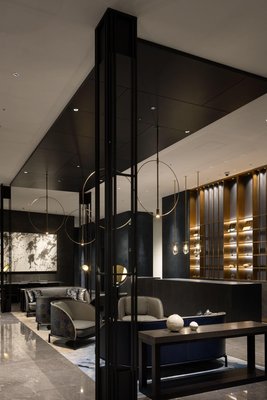
Bellustar Tokyo, A Pan Pacific Hotel
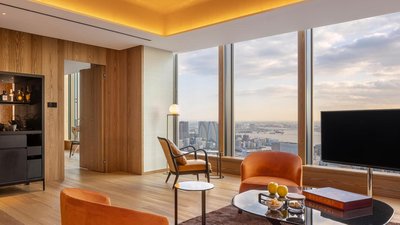
Bvlgari Hotel Tokyo
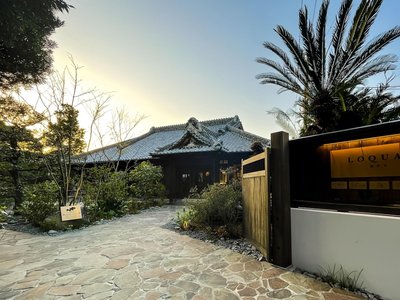
Loquat Nishiizu
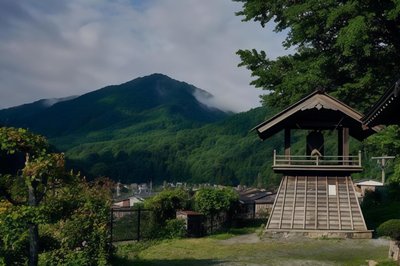
Byaku Narai
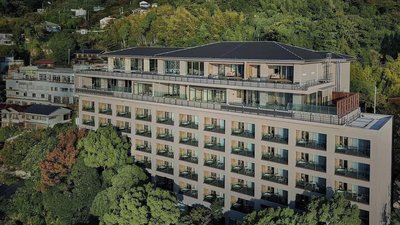
Atami Izusan Karaku
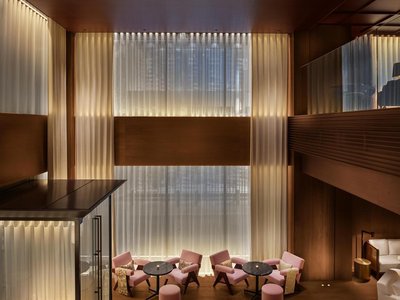
The Tokyo Edition, Ginza
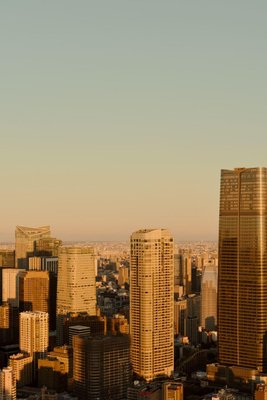
Janu Tokyo
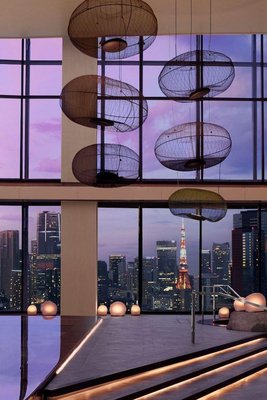
JW Marriott Hotel Tokyo
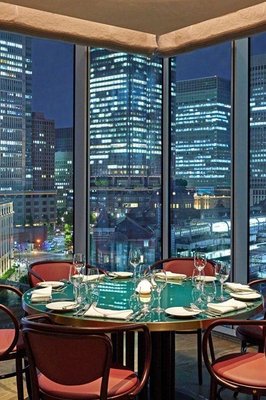
Four Seasons Hotel Tokyo at Marunouchi

Mandarin Oriental, Tokyo
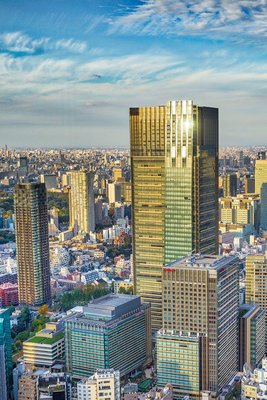
The Ritz-Carlton, Tokyo
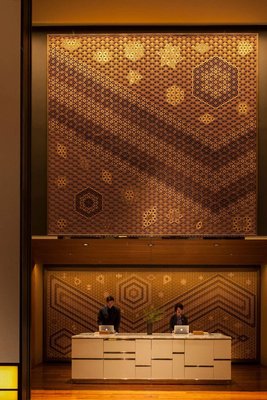
Andaz Tokyo Toranomon Hills- A Concept by Hyatt
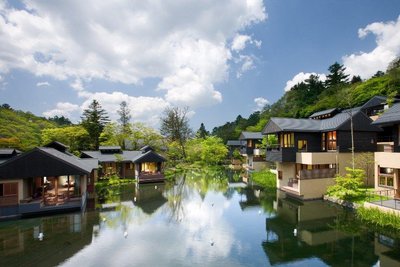
Hoshinoya Karuizawa
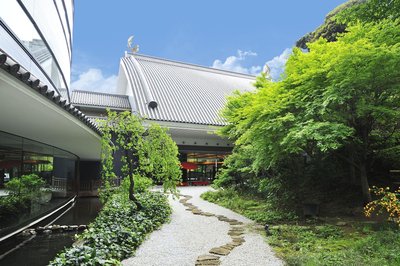
Hotel Gajoen Tokyo
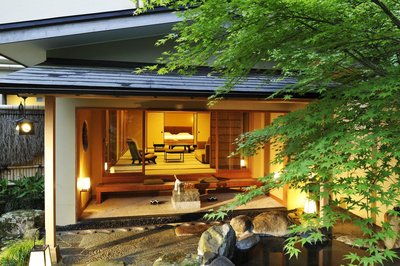
Gora Kadan
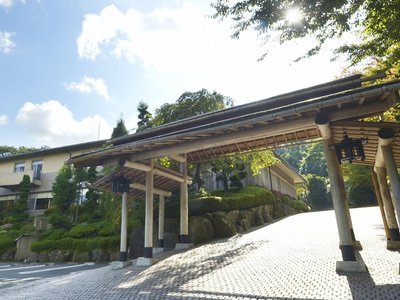
Gora Hanaougi
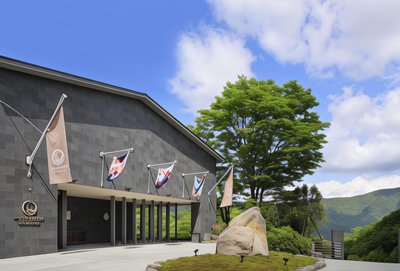
The Hiramatsu Hotels & Resorts Sengokuhara Hakone
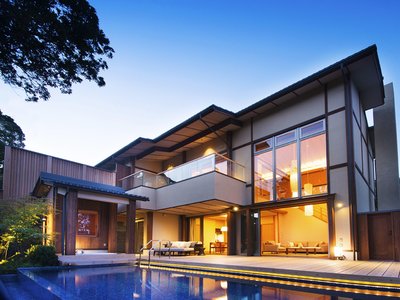
Abba Resorts Izu - Zagyosoh
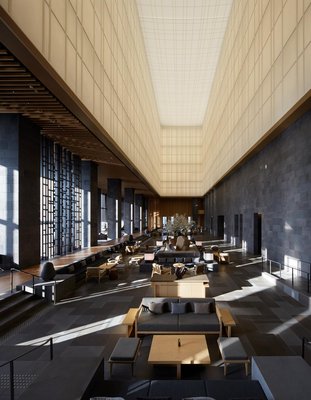
Aman Tokyo
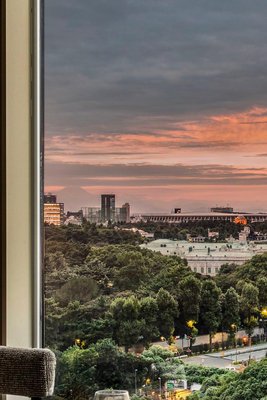
Hotel New Otani Tokyo, Executive House Zen
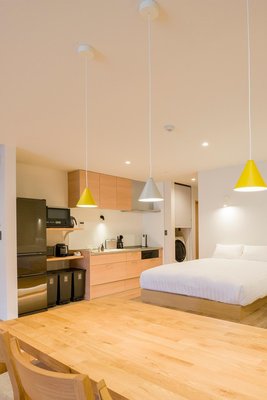
Rakuten STAY VILLA Nasu
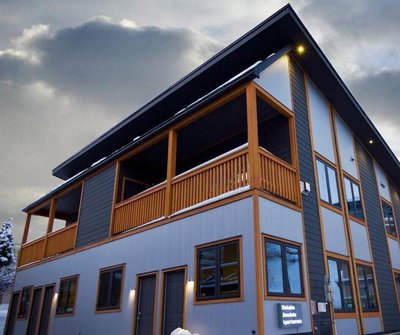
Hakuba Gondola Apartments
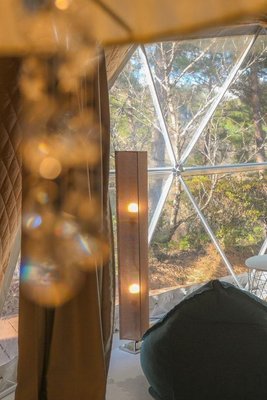
glampark Gekkabijin Nagano
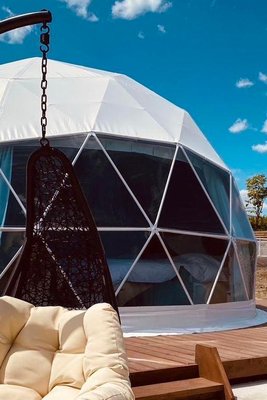
chillout glamping zao
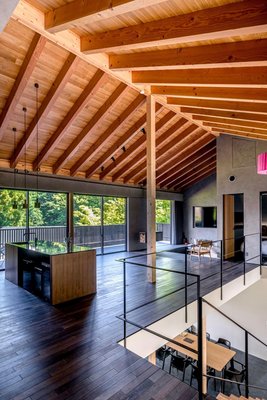
MONS GORA

Phoenix Chalets by Hhg
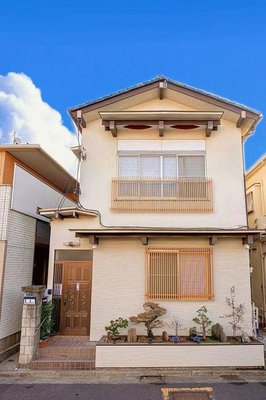
Tokyo Star House-Shinkoiwa
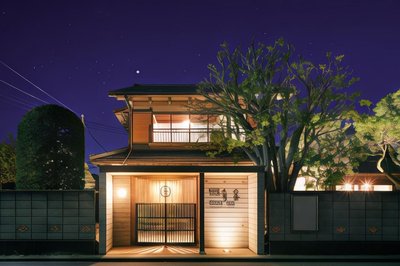
Machi-Jyu
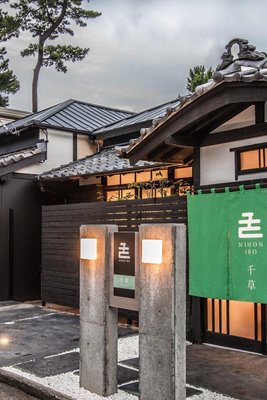
Nihon Iro
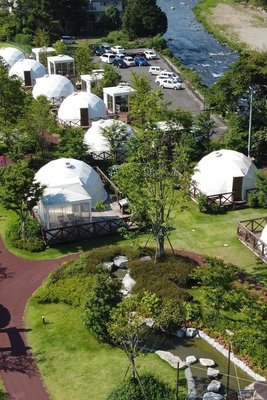
Ufufu Village
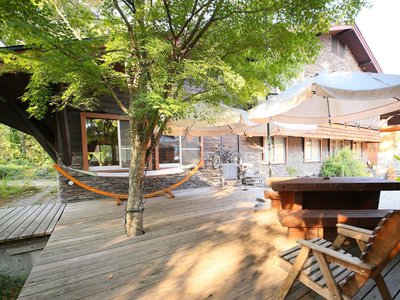
Kunugi Relaxation with 4 Modern Rooms
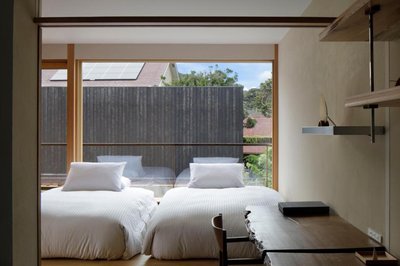
Modern Ryokan Kishi-ke
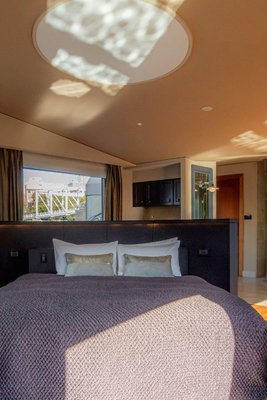
Petals Tokyo - Floating Hotel
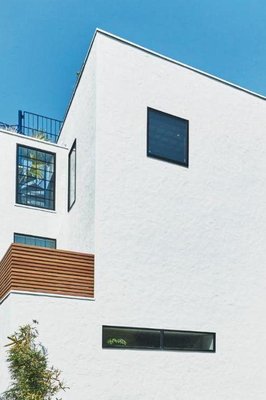
The Flow Kamakura
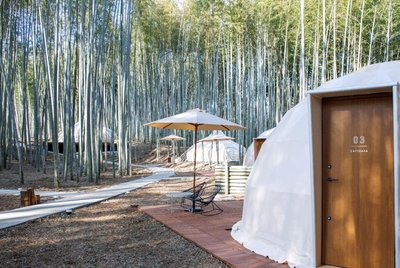
THE BAMBOO FOREST
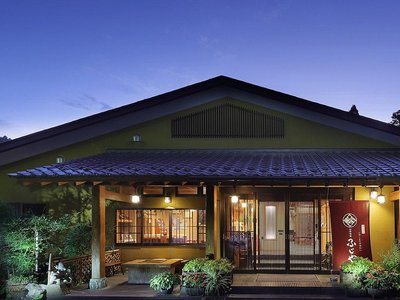
Shikimitei Fujiya
Bellustar Tokyo, A Pan Pacific Hotel

Hotel Barrière Fouquet's New York
Bvlgari Hotel Tokyo
Loquat Nishiizu
Byaku Narai
Atami Izusan Karaku
The Tokyo Edition, Ginza
Janu Tokyo
JW Marriott Hotel Tokyo
Four Seasons Hotel Tokyo at Marunouchi
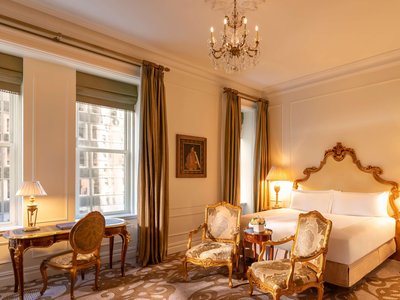
The Plaza - A Fairmont Managed Hotel
Mandarin Oriental, Tokyo
The Ritz-Carlton, Tokyo
Andaz Tokyo Toranomon Hills- A Concept by Hyatt
Hoshinoya Karuizawa
Hotel Gajoen Tokyo
Gora Kadan
Gora Hanaougi
The Hiramatsu Hotels & Resorts Sengokuhara Hakone
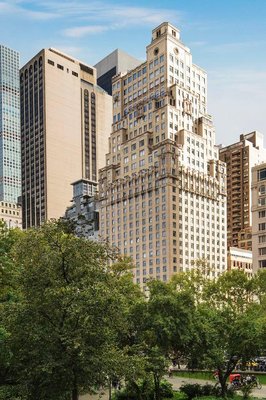
The Ritz-Carlton New York, Central Park
Frequently Asked Questions about Traveling to Takahagi
Questions You Might Need to Know About Traveling to Takahagi
For a peaceful countryside retreat in Takahashi City, Mifuyama Villa is highly recommended. Nestled at the foot of Otaori Mountain, this eco-friendly guesthouse offers private forest cabins with panoramic views of the Sano River Valley. Each cabin features a wooden deck, outdoor hot tub, and access to hiking trails through ancient cedar groves.
Another excellent choice is Takahashi Onsen Ryokan, located along the Kitaura River, which provides traditional Japanese-style rooms with tatami mats and private onsen baths. The ryokan emphasizes sustainability, using geothermal energy for heating and sourcing ingredients from local farms.
Both properties offer minimal noise pollution, making them ideal for travelers seeking solitude and connection with nature. Guests can enjoy morning meditation sessions by the river or evening stargazing under clear skies—perfect for recharging away from urban life.
The central district near Takahashi Station is the most convenient area for first-time visitors. It’s within walking distance of key attractions like Takahashi Castle Ruins Park, Ibaraki Prefectural Museum of Art, and the bustling Nishikawa Street Shopping Area.
Accommodations here include Takahashi City Tourist Hotel, a modern, mid-range option with free Wi-Fi, elevator access, and 24-hour front desk service. Its proximity to public transit makes it easy to explore surrounding towns such as Mito and Hitachi.
Additionally, the area hosts seasonal events like the Takahashi Matsuri Festival and night markets, offering authentic cultural immersion. With restaurants, convenience stores, and taxi services readily available, this district ensures comfort and accessibility for travelers unfamiliar with the region.
Tourists in Takahashi City can participate in the annual Takahashi Matsuri Festival, a vibrant celebration featuring traditional kagura dances, taiko drum performances, and handmade craft stalls. Locals dress in Edo-period costumes and parade through Takahashi Castle Ruins Park, bringing history to life.
Another must-try is the Takahashi Ceramics Village, where visitors can create their own pottery using locally sourced Mito clay under the guidance of master artisans. The finished pieces make meaningful souvenirs.
For agricultural insight, book a hands-on rice farming experience at Takahashi Farm Experience Garden, where guests assist with planting, weeding, and harvesting rice—the heart of rural Ibaraki life.
Don’t miss the Night Light Show on North-Pu River, an artistic installation blending projected stories with illuminated water reflections, inspired by local legends. These immersive activities provide deep cultural connections beyond sightseeing.
While not a major hot spring destination, Takahashi City boasts several high-quality onsen accommodations powered by natural geothermal springs. The top recommendation is Takahashi Onsen Ryokan, located beside the Kitaura River. Its mineral-rich waters, drawn from 150 meters underground, contain sulfur and carbonates known for skin health and relaxation.
Each room includes a private outdoor onsen bath, and guests can enjoy a morning ritual called **
For families visiting Takahashi City, Takahashi City Tourist Hotel is ideal, offering spacious family rooms, a kids’ playroom, and accessible facilities. Located just a 5-minute walk from Takahashi Park, it’s perfect for parents wanting to take children on short outings.
A more immersive option is Mifuyama Villa, which provides self-contained cabins with outdoor play areas, including swings, sandpits, and a small vegetable garden. Children can help feed farm animals and join themed workshops like bamboo lantern-making or ceramic painting.
Families can also enjoy camping at Kitaura River Camping Ground, which offers tent rentals, barbecue pits, and nightly firelight storytelling. All accommodations welcome pets, and the city’s low crime rate ensures safety for children. With clean air, green spaces, and child-centered amenities, Takahashi City is a welcoming destination for family travel.
Couples seeking romance should consider staying at Takahashi Onsen Ryokan's "Starlight Room," a secluded suite with floor-to-ceiling windows and a private outdoor onsen. During summer, the view is enhanced by the Takahashi Fireworks Festival, where dazzling displays reflect on the water.
The ryokan also offers a "Two-Person Only Dinner"—a curated kaiseki meal prepared by the chef using fresh local fish and Ibaraki-grown rice, served with soft lighting and traditional music.
For a deeper connection with nature, Mifuyama Villa has "Forest Love Cottages" hidden among maple trees. At night, fireflies dance around the property, and couples can hang love notes on the "Wishing Tree."
Evenings spent strolling along the North-Pu River Night Path, lined with artist-designed light installations, create a dreamlike ambiance. These intimate settings make Takahashi City a memorable destination for couples.
Visitors to Takahashi City should sample fresh local fish, especially bonito sashimi marinated in yuzu vinegar, and cooked rice bowls made with Takahashi-grown rice, known for its rich texture and aroma.
Nearby, Kitaura River Dining is famous for its fugu hot pot, simmered in broth made from river fish and seasonal vegetables. Another highlight is Sanefu Restaurant, serving premium wagyu sukiyaki cooked with house-made soy sauce and local mushrooms.
For a true local experience, book a meal at Takahashi Farm Restaurant, where guests dine at a family table using produce grown on-site. Meals include organic vegetables, homemade tofu, and fermented pickles—all rooted in sustainable farming traditions.
Most restaurants accept reservations, especially during holidays. These dishes not only delight the palate but reflect the region’s deep bond between land, water, and people.
Solo travelers will appreciate Mifuyama Villa, a secluded retreat nestled in the foothills of Otaori Mountain. Each cabin features a private reading nook, a balcony overlooking the forest, and access to a tranquil onsen pool.
Takahashi Onsen Ryokan offers "Solo Guest Rooms" designed for peace and reflection. With no televisions and minimal distractions, these rooms open onto a stream-side garden where guests can meditate or journal. The ryokan also runs a "One-Person Dining Bar," where chefs serve personalized kaiseki meals in a calm, intimate setting.
For literary enthusiasts, Takahashi City Library Stay Program (available seasonally) allows overnight stays in a quiet reading lounge equipped with coffee and mindfulness zones. With low noise levels and strong security, Takahashi City offers a safe, contemplative environment perfect for solo exploration and inner renewal.
Transportation in Takahashi City is well-connected via Tobu Railway, with frequent trains linking Takahashi Station to Tokyo (approx. 90 minutes) and Utsunomiya. From the station, free shuttle buses and walkable routes lead to downtown and major attractions.
The city operates a reliable public bus network covering Takahashi Castle Ruins Park, North-Pu River, and the Prefectural Art Museum. Fares are low, and contactless IC cards are accepted.
For nature exploration, electric bicycles are available for rent at multiple locations, including guesthouses and tourism centers. Routes follow the scenic Sano River Greenway.
Self-driving is also convenient, with ample public parking near stations and parks. The city supports eco-mobility through initiatives like shared e-bikes and pedestrian-only zones. Whether by train, bus, bike, or car, getting around is smooth and sustainable.
Photographers will love North-Pu River at sunset, where the water reflects sky and trees—especially stunning during autumn foliage. Early morning mist over Otaori Mountain creates ethereal scenes perfect for long-exposure shots.
Stay at Mifuyama Villa, which offers "Viewpoint Cabins" with adjustable windows and external tripod mounts, ideal for capturing sunrise and starry skies. The staff provides seasonal photo guides, including tips for shooting fireflies in summer and snow-covered bamboo forests in winter.
Takahashi Castle Ruins Park offers dramatic architectural contrasts between ruins and blooming cherry blossoms, while Takahashi Ceramics Village is great for close-up shots of artisan work.
The Night Light Show on North-Pu River combines storytelling with light projections, creating dynamic, narrative-driven visuals. Bring wide-angle lenses and tripods for best results. These locations blend natural beauty with cultural depth—ideal for compelling visual storytelling.
Takahagi Overview
City Summary
Hitachi City, located in the northeastern part of Ibaraki Prefecture, Japan, is a coastal city renowned for its pristine beaches, traditional fishing culture, and tranquil rural atmosphere. Ideal for slow travel and cultural immersion, highlights include the dramatic rock formations of Hitachi Coast and vibrant festivals like the Hitachi Furyumono. Its blend of natural beauty and historical heritage makes it a unique destination.
Must-See Attractions
Top attractions feature the Hitachi Coast, famous for its sunrise views and unique sea-eroded landscapes. The Hitachi City Museum offers insights into local history, while Kamine Park dazzles with seasonal flowers. Don't miss the Hitachi Seaside Park, where rolling hills of nemophila bloom blue in spring.
Food Guide
Savor fresh seafood specialties like grilled abalone and sea urchin rice bowls at port-side eateries. Local delicacies include Hitachi wagyu beef and sakura mochi (cherry blossom rice cakes). For a unique experience, try katsuo no tataki (seared bonito) at traditional izakayas.
Transportation Guide
Accessible via JR Joban Line from Tokyo (2.5 hours by limited express). Buses connect major sights but run infrequently—check schedules in advance. Renting a car is ideal for exploring coastal areas. Bicycles (available near Hitachi Station) are perfect for short distances. Taxis operate until 10 PM.
Best Time to Visit
Visit between April-November: spring (April-May) for cherry blossoms, summer (July-August) for beach activities, and autumn (October) for foliage. Winters are windy with limited services.
Travel Tips
- Check tide tables before coastal hikes
- Carry cash—many vendors don't accept cards
- Public baths may refuse tattooed guests
- Reserve accommodations early during festivals
- Observe quiet hours in residential areas
- Dispose of trash properly—public bins are scarce
Useful Information
Japanese is primary; basic English is understood at tourist spots. Pocket WiFi is recommended as public hotspots are limited. Emergency numbers: 110 (police) or 119 (ambulance). Hitachi General Hospital has English-speaking staff. Voltage is 100V (Type A plugs). Tipping isn't customary. ATMs at post offices accept international cards.