Hotels in Takahashi
Discover your perfect stay in Takahashi.
Takahashi(Japan) Travel 2026: Cheap Flights, Hotels & Top Attractions
Popular Landmarks in Takahashi
Discover the most iconic attractions in Takahashi
Recommended Hotels in Takahashi
Find the perfect place to stay in Takahashi
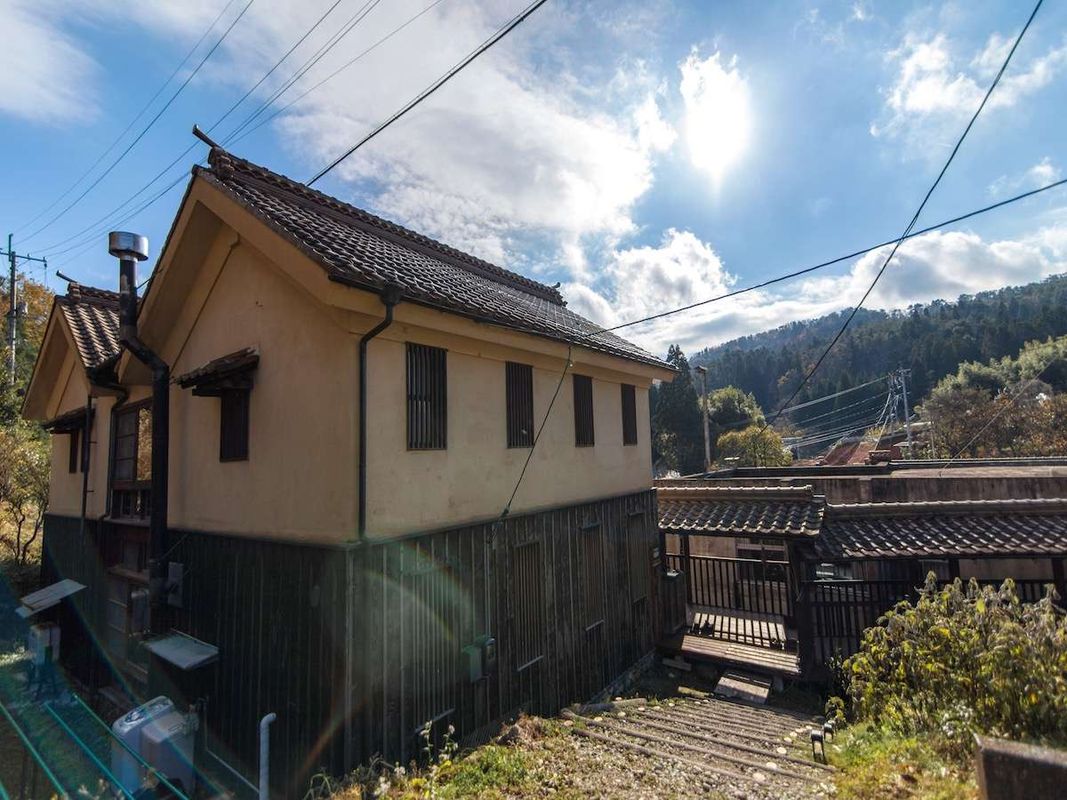
Guest House Eleven Village Fukiya
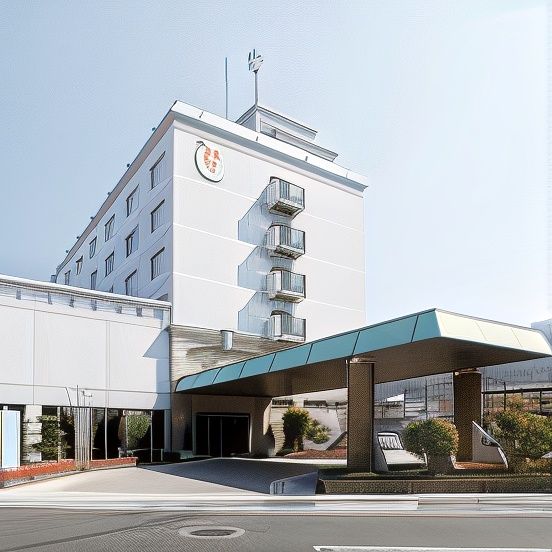
Takahashi Kokusai Hotel
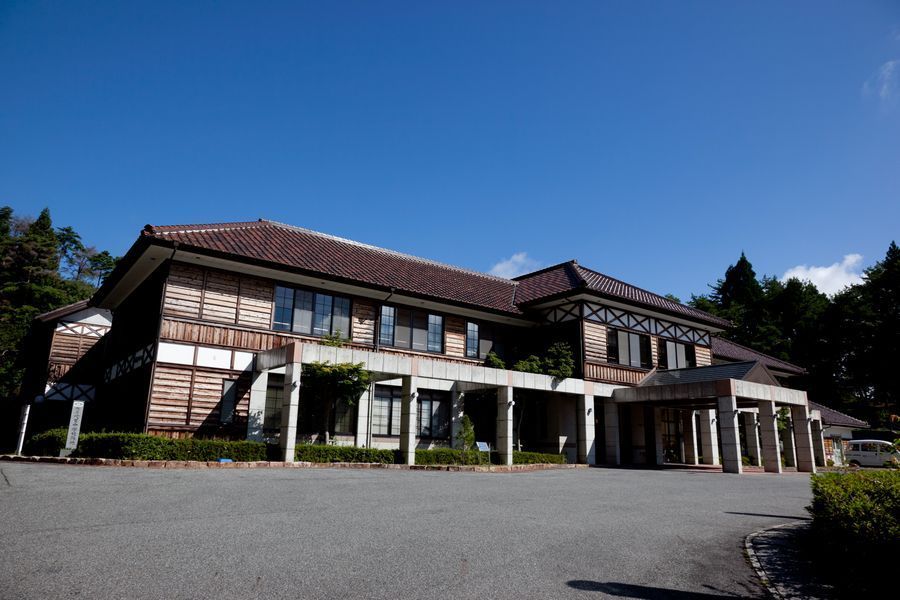
La Foret Fukiya
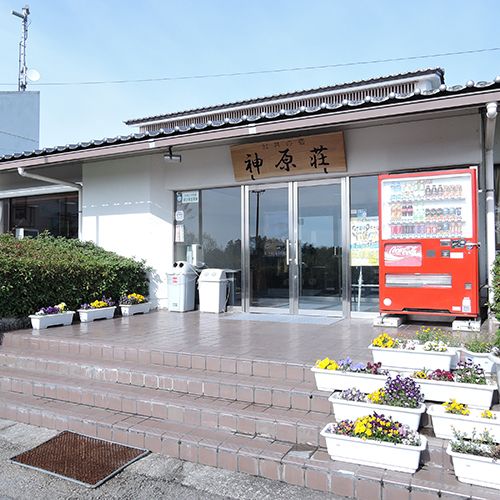
Koukyo No Yado Kobaraso
Best Hotels in Takahashi
Discover curated hotel collections in Takahashi

XYZ Private Spa and Seaside Resort
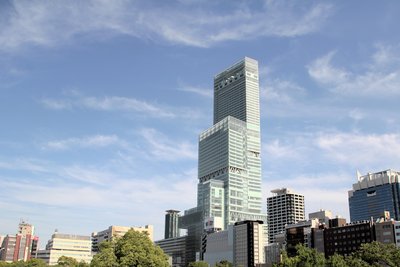
Osaka Marriott Miyako Hotel
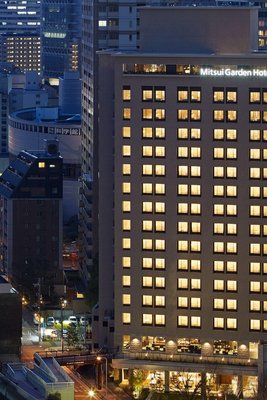
Mitsui Garden Hotel Osaka Premier
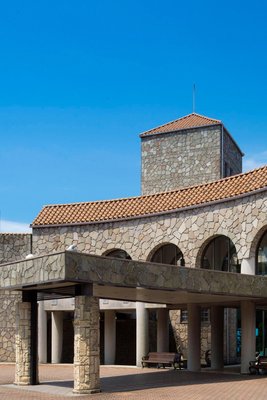
Izumigo Hotel Altia Toba
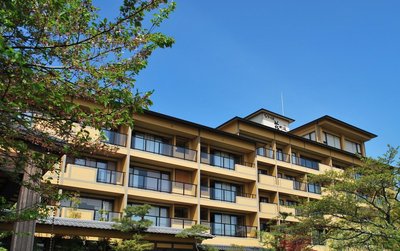
BIWAKO HANAKAIDO
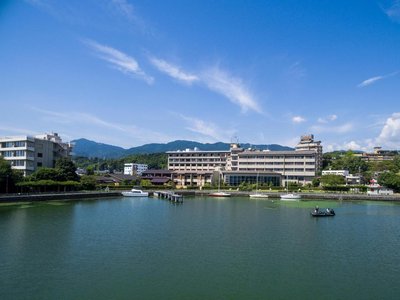
Biwako Ryokusuitei
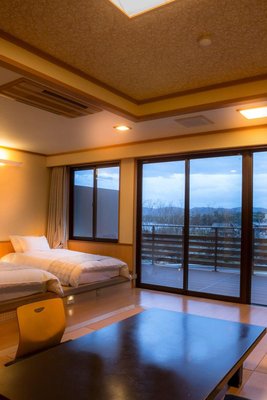
Hotel Kitanoya
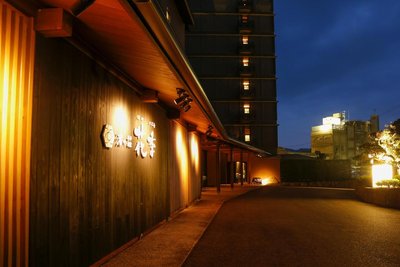
Hanagoyomi
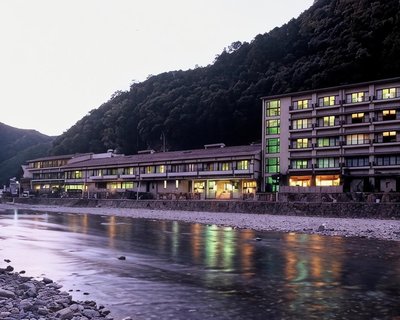
Kawayu Onsen Fujiya
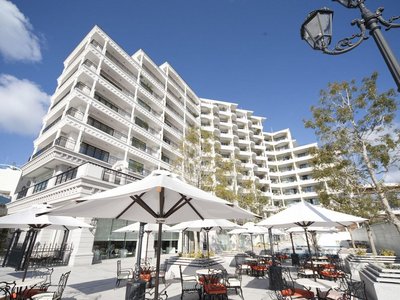
Hotel La Suite Kobe Harborland

AoAwo Naruto Resort
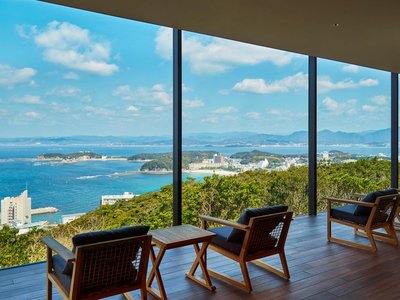
Infinito Hotel and Spa
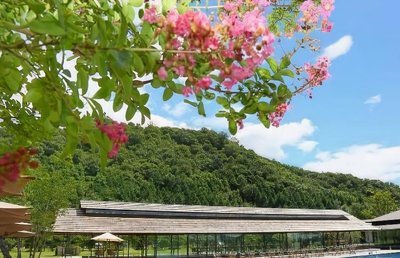
Bella Vista Spa and Marina Onomichi

Yufuin Kotobuki Hananosho
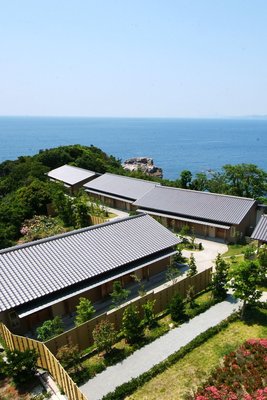
Hamachidorinoyu Kaisyu
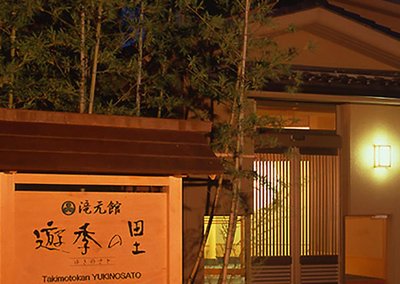
Takimotokan Yuki No Sato
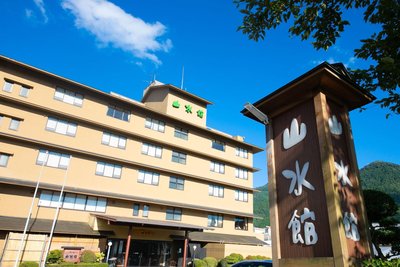
Yufuin Sansuikan
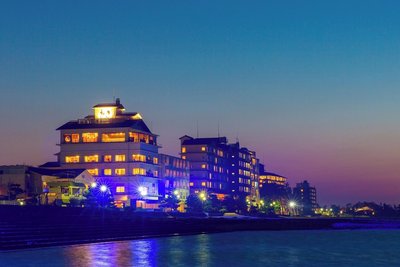
Kaike Shogetsu
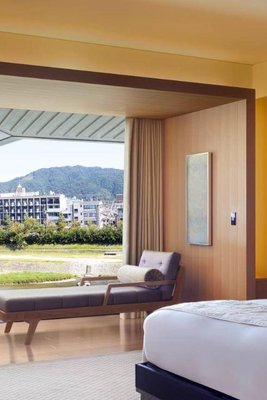
The Ritz-Carlton, Kyoto
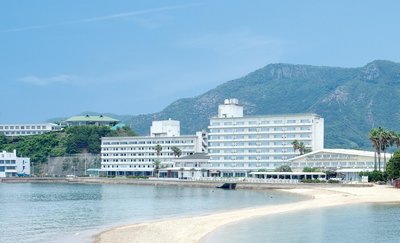
Shodoshima International Hotel
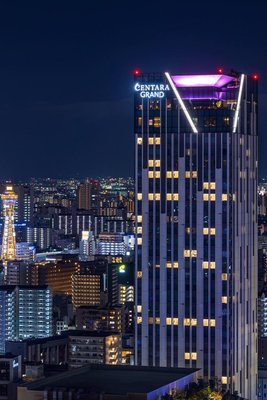
Centara Grand Hotel Osaka

voco Osaka Central
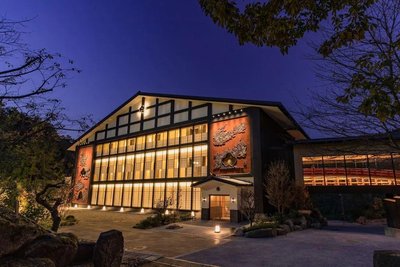
Okuhita Onsen Umehibiki
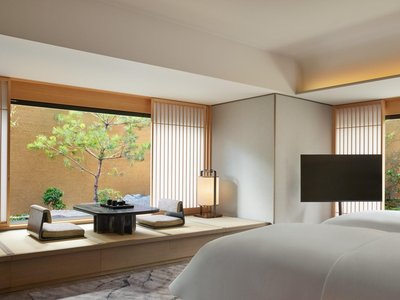
Dusit Thani Kyoto
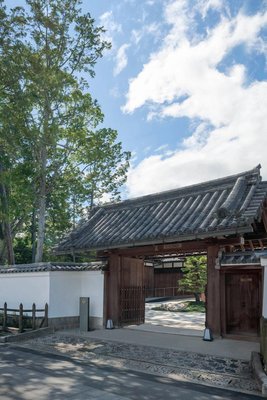
Shisui, a Luxury Collection Hotel, Nara

Hilton Kyoto
Osaka Marriott Miyako Hotel
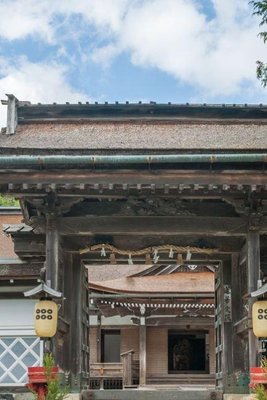
Koyasan Rengejoin
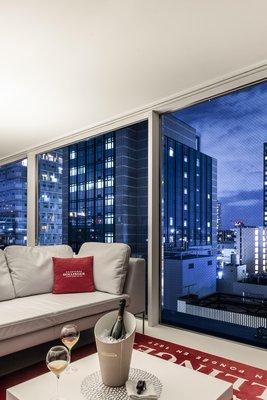
CUVÉE J2 HOTEL OSAKA by Onko Chishin
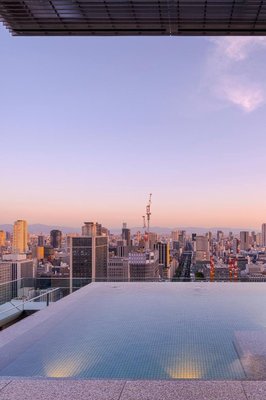
Candeo Hotels Osaka The Tower
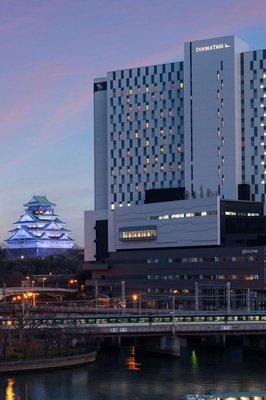
DoubleTree by Hilton Osaka Castle
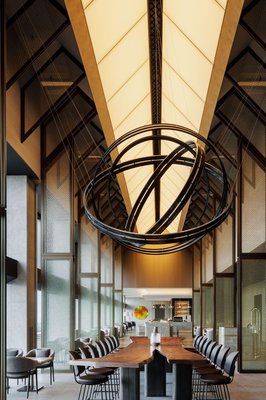
The Osaka Station Hotel, Autograph Collection
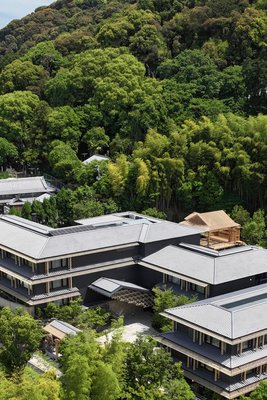
Banyan Tree Higashiyama Kyoto
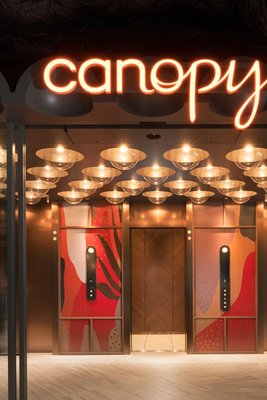
Canopy by Hilton Osaka Umeda
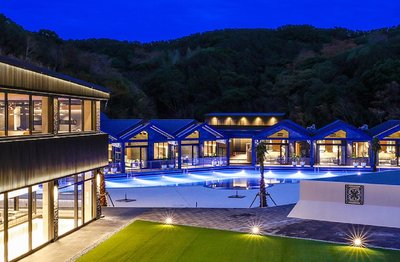
FIVE SPRING RESORT THE SHIRAHAMA
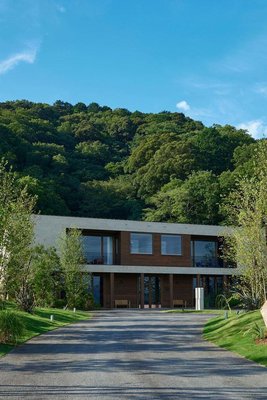
HACIENDA VISON
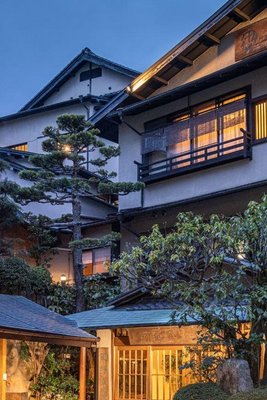
Arima Onsen Tocen Goshobo
Hotel La Suite Kobe Harborland

Hilton Osaka Hotel
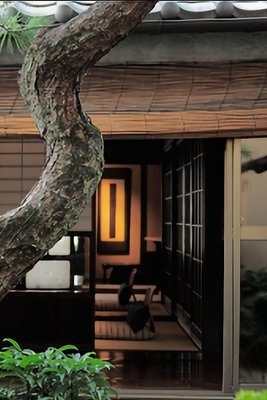
Shimayado Mari
Osaka Marriott Miyako Hotel

The Ritz-Carlton, Osaka
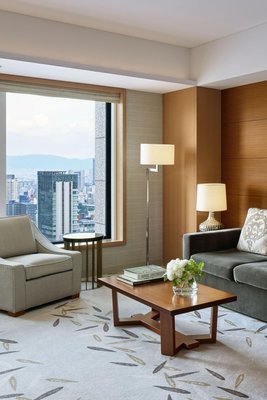
InterContinental Hotel Osaka
The Ritz-Carlton, Kyoto
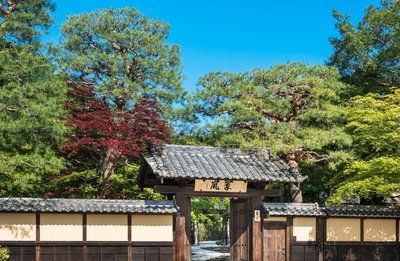
Suiran, a Luxury Collection Hotel, Kyoto
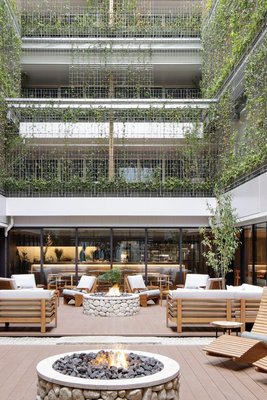
GOOD NATURE HOTEL KYOTO
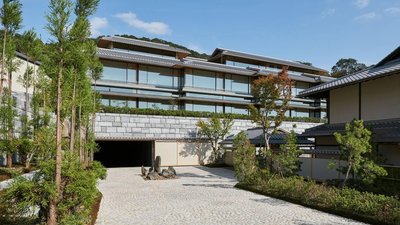
Park Hyatt Kyoto
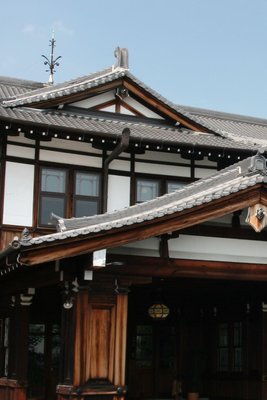
Nara Hotel
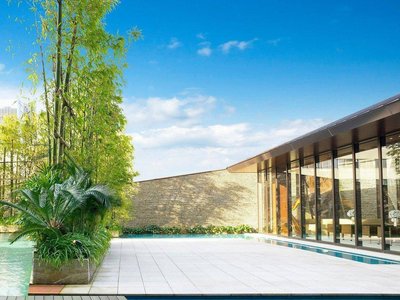
ORIENTAL HOTEL
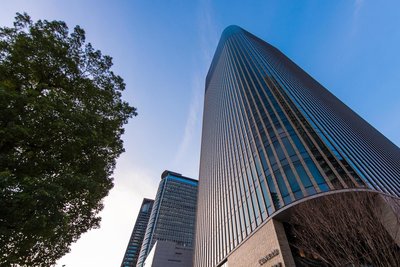
Conrad Osaka
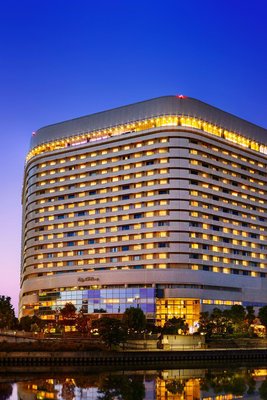
Hotel New Otani Osaka
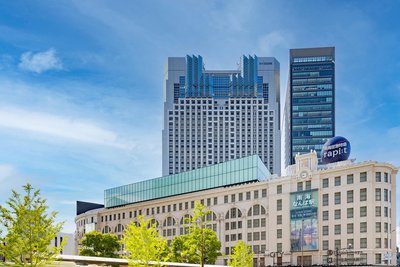
Swissotel Nankai Osaka
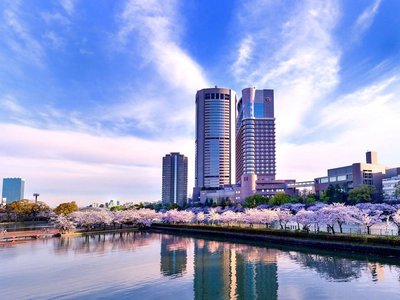
Imperial Hotel Osaka
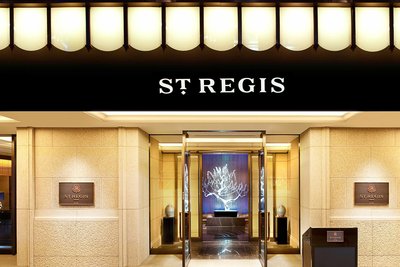
The St. Regis Osaka
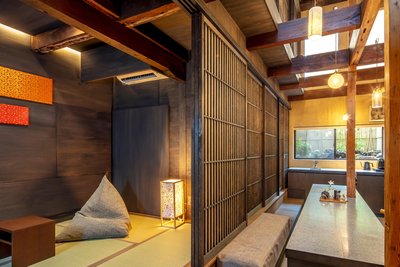
Kyo No Oozora Kihana
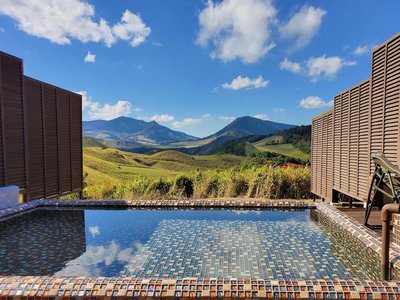
Grand Verde Resort
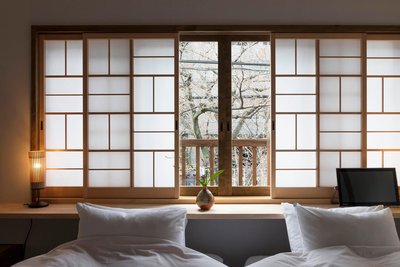
Hanagoromo Machiya House
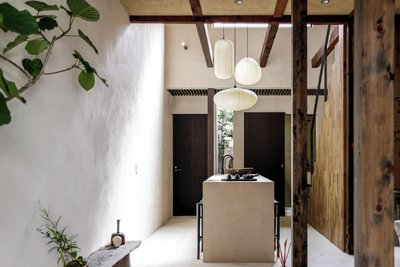
Maana Kiyomizu
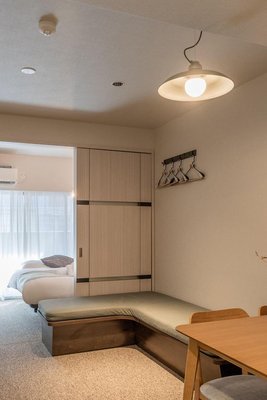
Apartment Hotel 11 Shinsaibashi
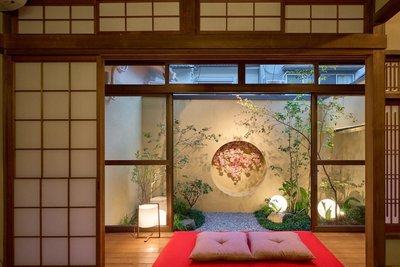
KONJAKUSO Osaka Tengachaya "NIHONCHA" Tea & Relax
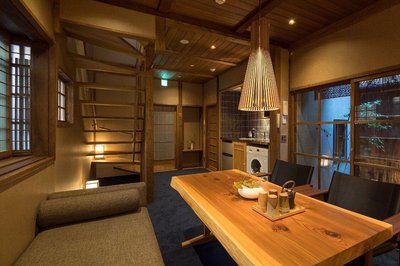
Bonbori an Machiya House
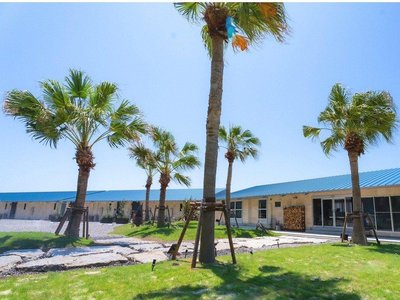
Glamping&Resort Wood Design Park Noma
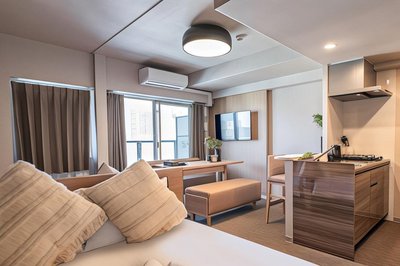
Apartment Hotel 11 Shinsaibashi III
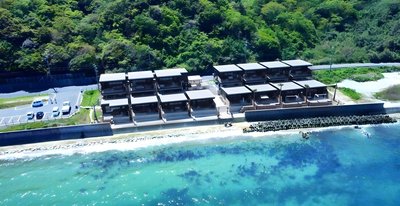
Solavilla Umi Terrace Minamiawaji
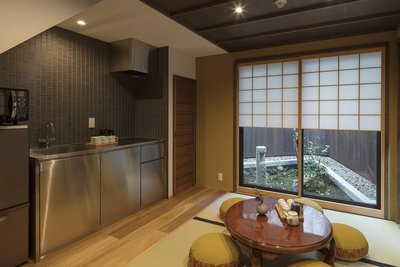
The Machiya Villa Sanjo Shirakawa Koji
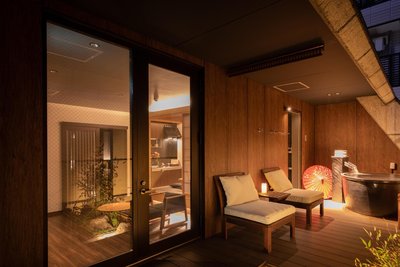
Konjaku-So Dotonbori
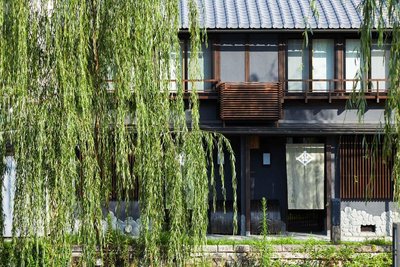
Gion Shirakawa No Yado

Kitashirakawa Natural Radium Onsen
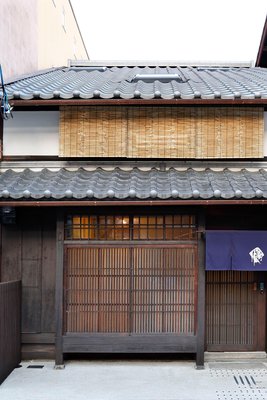
Kyo No Ondokoro Kamanza Nijo #2
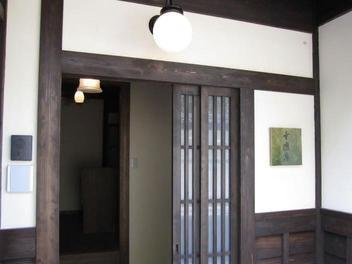
Gion Koyu an Machiya House
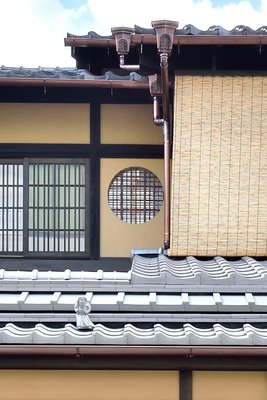
Kyo No Ondokoro Gokomachi Ebisugawa #3

Sana Mane - Glamp Domes
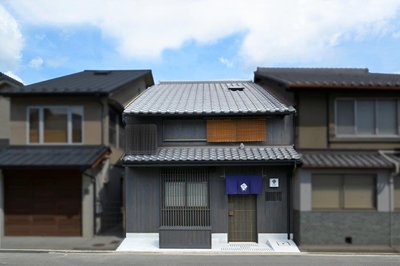
Kyo No Ondokoro Goshonishi #6
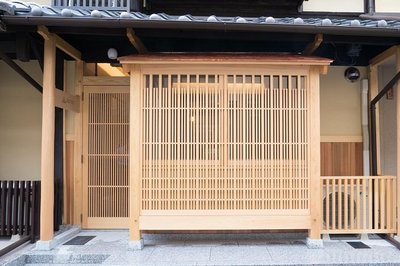
Kyomachiya Suite Rikyu
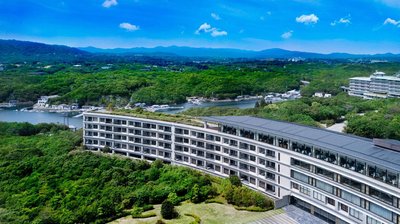
Shima Kanko Hotel the Bay Suites
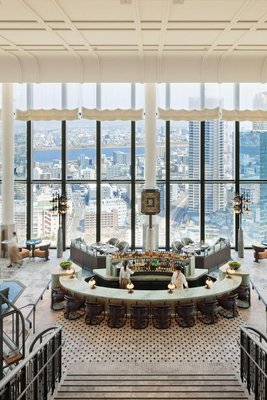
Waldorf Astoria Osaka
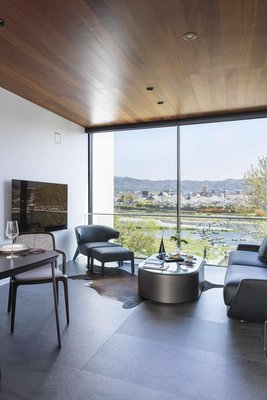
Kamo Residences by Reflections
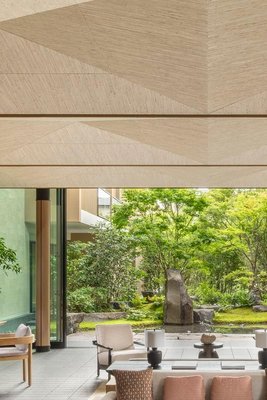
Six Senses Kyoto
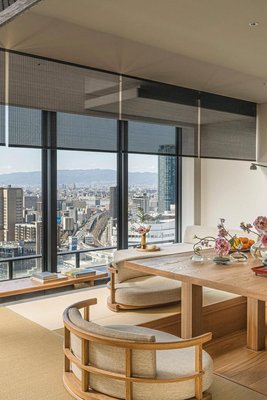
Four Seasons Hotel Osaka
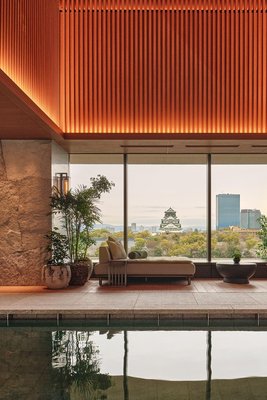
Patina Osaka
The Ritz-Carlton, Osaka
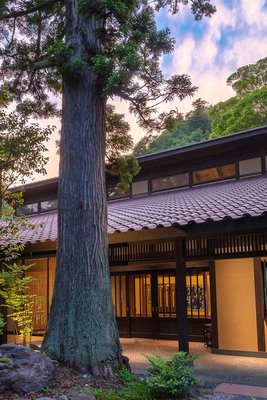
Arimasansoh Goshobessho
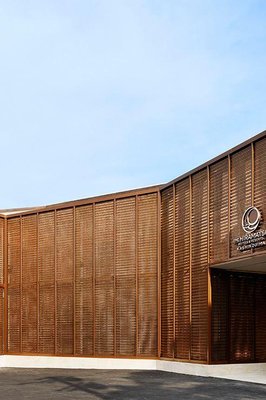
The Hiramatsu Hotels & Resorts Kashikojima
The Ritz-Carlton, Kyoto
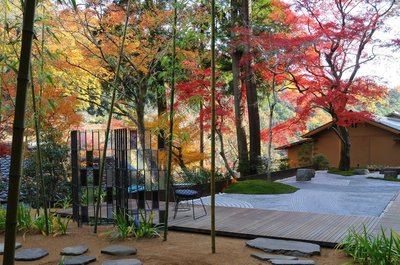
HOSHINOYA Kyoto
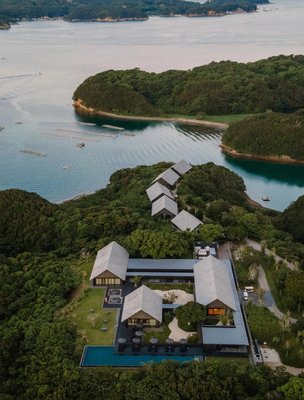
Amanemu
Suiran, a Luxury Collection Hotel, Kyoto
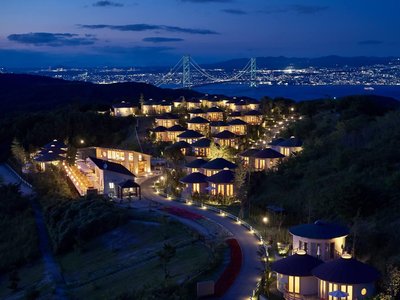
Grand Chariot Hokutoshichisei 135°
Park Hyatt Kyoto
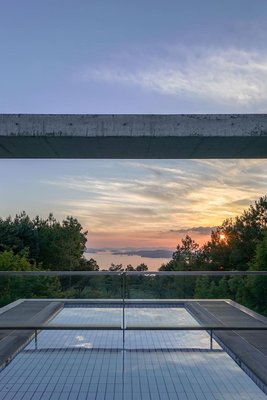
SETOUCHI RETREAT by Onko Chishin
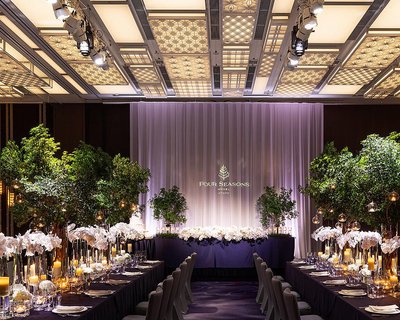
Four Seasons Hotel Kyoto
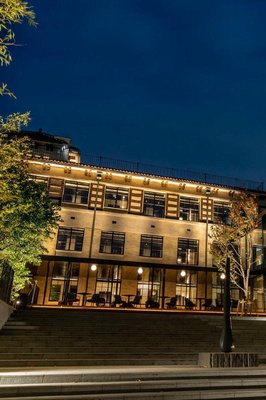
The Hotel Seiryu Kyoto Kiyomizu - a Member of the Leading Hotels of the World-
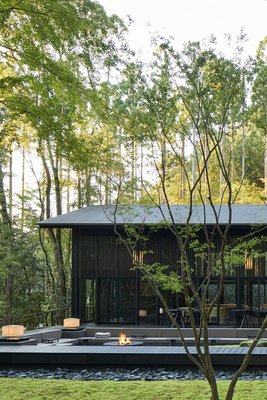
Aman Kyoto
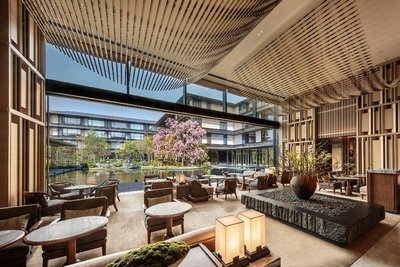
Hotel the Mitsui Kyoto, a Luxury Collection Hotel & Spa
Frequently Asked Questions about Traveling to Takahashi
Questions You Might Need to Know About Traveling to Takahashi
For an authentic Japanese ryokan experience, stay at Takahashi Onsen Hotel, a century-old inn nestled beside the Takahashi River. This family-run establishment offers private outdoor baths fed by natural hot springs, tatami-mat rooms with futons, and kaiseki meals featuring local specialties like Akane beef and Takahashi sake. The hotel’s architecture blends Edo-era woodwork with modern comfort, while seasonal events such as tea ceremonies and seasonal flower arrangements enhance cultural immersion. For those seeking quiet elegance, this is the top choice for experiencing authentic rural Japan in Okayama Prefecture.
The central district near Takahashi Station is ideal for hotel stays due to its excellent access to public transit, dining, and attractions. Hotels like Takahashi City Hotel and Sakura House Takahashi offer modern amenities, free Wi-Fi, and easy walking distance to Takahashi City Hall, Old Takahashi Bank Building, and Kotaro Park. This area also serves as a gateway to nature trails along the Takahashi River and nearby shrines. With reliable bus services connecting to Okayama and Osaka, it's perfect for travelers prioritizing convenience without sacrificing local charm.
Visitors can participate in the Takahashi River Festival, held annually in summer, featuring traditional lion dances, fireworks, and lantern processions along the Takahashi River. At the Takahashi City Museum, explore exhibitions on daimyo clan history and Edo-period life in the region. The former Old Takahashi Bank Building now hosts workshops in washi papermaking and pottery, allowing guests to create their own souvenirs. These hands-on activities provide deep insight into local craftsmanship and heritage, making them unforgettable highlights of any trip to Takahashi.
Takahashi Onsen Hotel stands out as the premier hot spring resort in the city, renowned for its natural mineral-rich waters sourced directly from the Takahashi River. The hotel features both indoor and outdoor onsen pools, including private baths with scenic views of the surrounding valley. Guests enjoy full-course kaiseki dinners with regional ingredients like Akane beef and local sake. Each room includes traditional tatami flooring and sliding shoji screens, creating a serene, meditative ambiance. Early HopeGoo is advised, especially during peak seasons like cherry blossom and autumn foliage periods.
Takahashi City Hotel is a top-rated family-friendly option offering spacious family rooms, child-safe facilities, and an on-site play area. It’s just a 5-minute walk from Takahashi Riverfront Park, where children can enjoy kayaking, feeding fish, or exploring nature trails. The hotel also runs monthly family workshops such as bamboo basket weaving and origami lantern making. Nearby attractions include the Takahashi Children’s Science Museum, ideal for young explorers. With multilingual staff and accessible amenities, it ensures a stress-free and joyful stay for families traveling with kids.
Must-try dishes include Akane beef yakiniku, premium black-wheat beef raised locally, known for its rich marbling and melt-in-the-mouth texture. Pair it with Takahashi Sake, brewed in century-old breweries using local rice and pure river water—perfect for tasting or gifting. Don’t miss Takahashi soba noodles, handmade with buckwheat flour and served in a savory broth at Matsuya Restaurant in the old town. For a true farm-to-table experience, book a meal at a local farmhouse restaurant, where dishes feature fresh vegetables, free-range eggs, and seasonal harvests—offering a genuine taste of Okayama’s agricultural heartland.
The Takahashi Riverfront Park offers one of the most beautiful night views in the city. As dusk falls, illuminated bridges, riverside lanterns, and soft ambient lighting reflect off the calm waters, creating a dreamlike atmosphere. The park features wooden observation decks and benches ideal for couples or quiet contemplation. For a higher vantage point, visit the roof garden of Takahashi City Hall, which provides panoramic views of the city center and the distant ruins of Takahashi Castle Keep. During festivals, special light displays transform the area into a magical spectacle, blending tradition with modern illumination.
The Old Takahashi Bank Building is a must-photograph site, with its striking Western-style red-brick façade and preserved interior details like original wooden doors and fireplaces—ideal for vintage-style shots. Another highlight is the Senbon Torii path at Ono Shrine, where a long corridor of vermilion gates creates a dramatic tunnel effect, especially stunning under cherry blossoms or autumn leaves. The wooden footbridge over the Takahashi River, framed by willow trees, offers perfect silhouette photography at golden hour. Bring a wide-angle lens to capture the harmony between historic architecture and natural beauty.
Spring (March to May) and autumn (October to November) are the optimal seasons to visit Takahashi City. Spring brings blooming cherry blossoms along the Takahashi River and around Ono Shrine, perfect for picnics and strolls. Autumn paints the hillsides in fiery hues, ideal for hiking and photography. Summer hosts the vibrant Takahashi River Festival, while winter features festive illuminations and New Year celebrations. Avoid the rainy season (June) and typhoon season (August) for better travel conditions. With mild temperatures and lush landscapes, spring and autumn deliver the most memorable experiences of rural Okayama’s natural and cultural beauty.
Travel from Osaka Namba Station via JR West trains to Takahashi Station, taking about 1 hour 20 minutes with frequent departures—ideal for day trips or short stays. For drivers, take the Chūgoku Expressway for a 1 hour 30 minute journey, passing through scenic countryside en route to Okayama Castle or Kōyasan Garden. Alternatively, transfer at Okayama Station to a local bus heading to Takahashi City Hall, a convenient option for those without a car. Consider purchasing the JR West Kansai Wide Pass to save on rail costs. Upon arrival, rent bicycles or use the city’s free shuttle buses to easily explore major sights.
Takahashi Overview
City Summary
Takahashi City, located in western Okayama Prefecture, is a charming town blending historical culture and natural scenery. It's renowned for its well-preserved samurai residences, especially Bitchu Matsuyama Castle, the highest mountaintop castle with an original keep in Japan. The city also boasts rich traditional crafts like Bitchu washi paper and Bitchu Kagura masks, showcasing profound cultural heritage.
Must-See Attractions
Bitchu Matsuyama Castle is a must-visit, offering panoramic views from its mountaintop location. The Samurai Residence Street preserves Edo-period architecture, transporting visitors back in time. Fukiya Furusato Village displays local traditional crafts and buildings. Culture enthusiasts can enjoy Bitchu Kagura performances, an ancient ritual dance.
Food Guide
Don't miss Takahashi's local cuisine, including Okayama sushi and Bitchu miso dishes made with regional ingredients. For street food, try Kibi dango, a sweet rice dumpling. Local restaurants also serve mountain vegetable dishes, highlighting the area's unique flavors.
Transportation Guide
Buses are the main transportation in Takahashi, reaching major attractions. From Okayama, take the JR Hakubi Line to Takahashi Station (about 1 hour). Walking or bike rentals are recommended for city exploration, noting some mountain attractions have limited bus service. Taxis are scarce, so advance HopeGoo is advised.
Best Time to Visit
Spring and autumn (April-May, October-November) offer pleasant weather and cherry blossoms or fall foliage. Summers are humid, while winters may see snow but fewer tourists. Avoiding Japanese national holidays ensures a quieter experience.
Travel Tips
- Bitchu Matsuyama Castle requires hiking - wear comfortable shoes
- Remove shoes when entering some samurai residences
- Rural shops have shorter hours - carry snacks
- Kagura performances have fixed schedules - check times
- Mountain weather changes quickly - bring rain gear
- Always ask permission before photographing traditional performances
Useful Information
English service is available at major hotels and attractions, but Japanese dominates in rural areas - a translation app helps. Good network coverage; prepaid SIMs available at convenience stores. Cash remains primary, though some shops accept cards. Dial 110 (police) or 119 (ambulance) for emergencies. Pharmacies (marked "薬") include 24-hour options downtown. Post offices offer international mail (typically open 9:00-17:00).