Hotels in Takamorimachi
Discover your perfect stay in Takamorimachi.
Takamorimachi(Japan) Travel 2026: Cheap Flights, Hotels & Top Attractions
Popular Landmarks in Takamorimachi
Discover the most iconic attractions in Takamorimachi
Recommended Hotels in Takamorimachi
Find the perfect place to stay in Takamorimachi
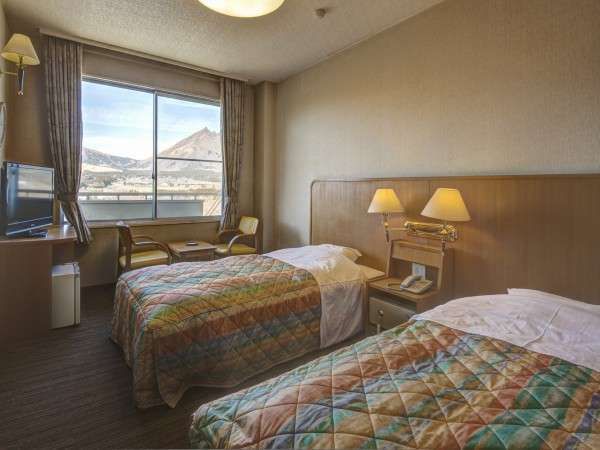
Kyukamura Minami-Aso
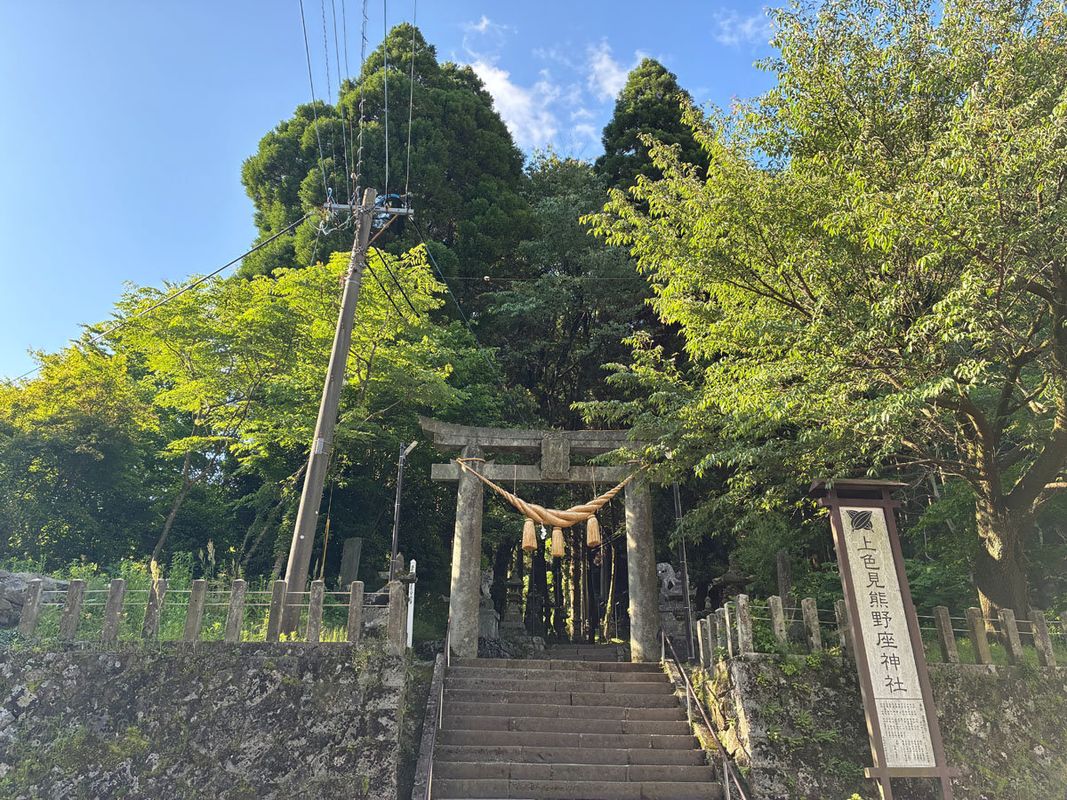
Flower Garden
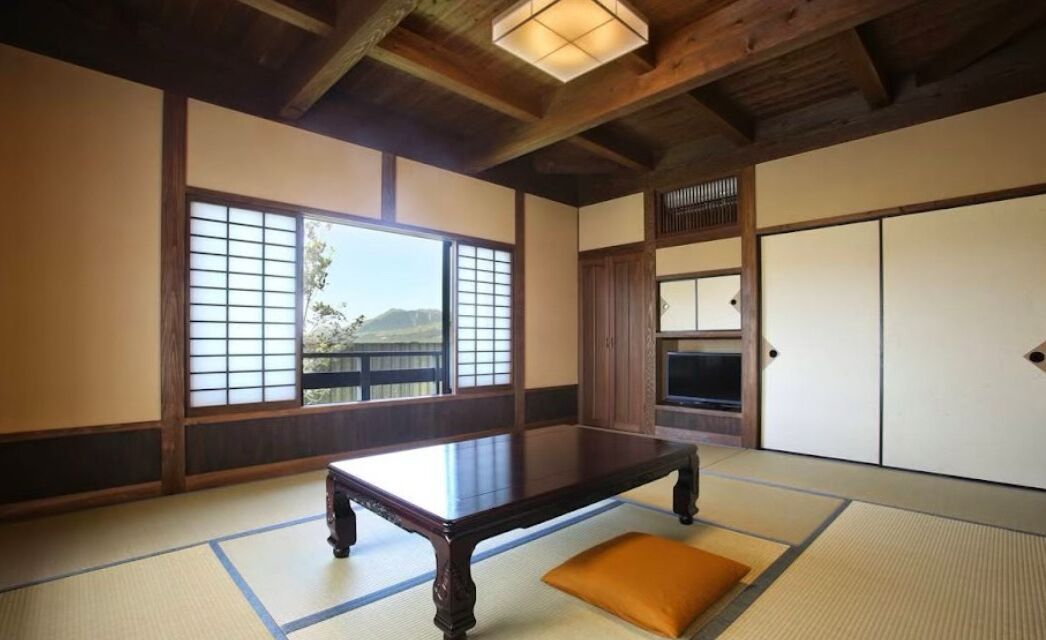
oyado daikonya
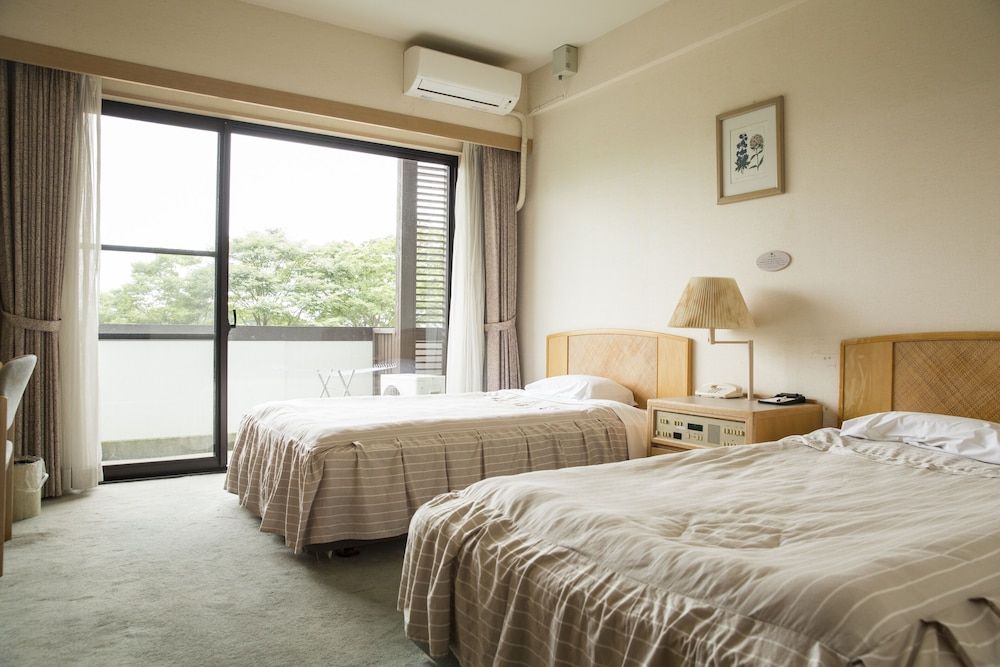
Hotel Aso Skyblue
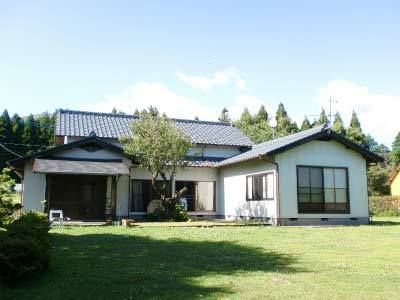
Aso No Sudomariyado Seeds
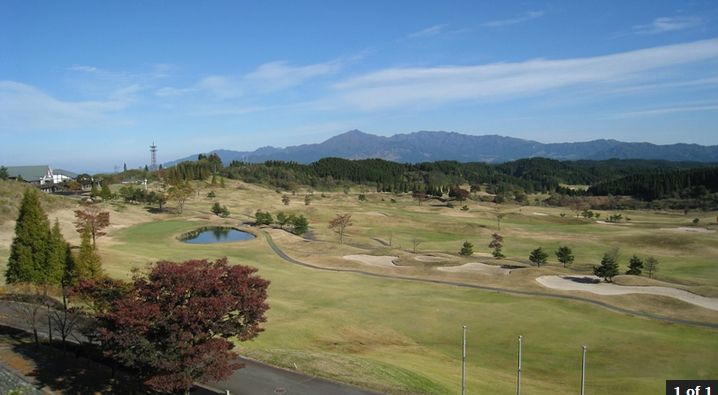
Hotel Asotakamori
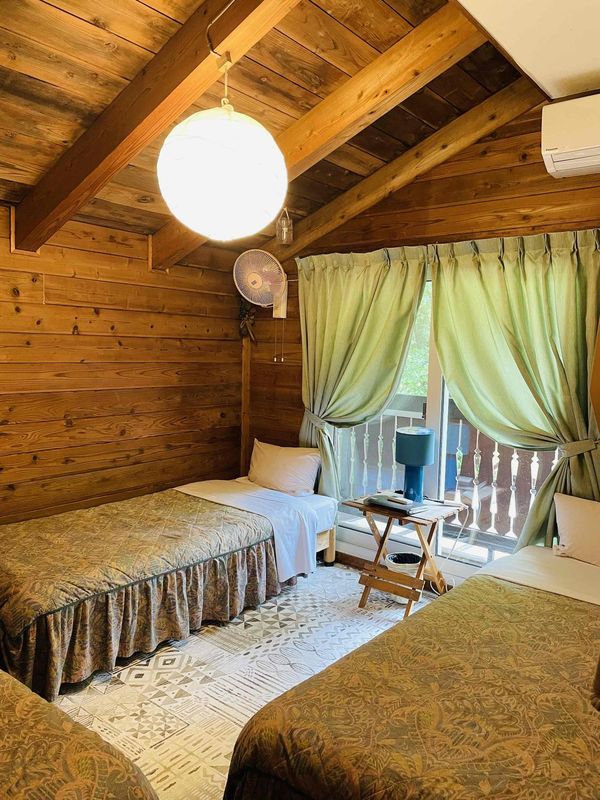
Sanrinsha
Best Hotels in Takamorimachi
Discover curated hotel collections in Takamorimachi
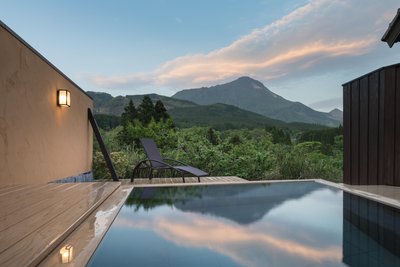
Ikkoten
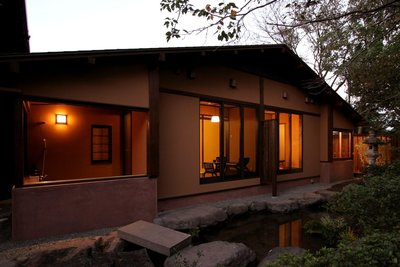
SEKIYA RESORT Bettei Haruki
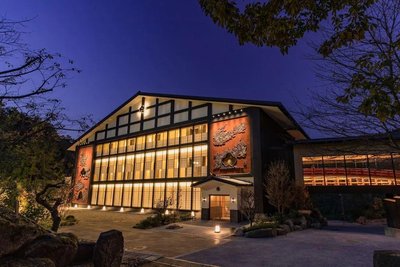
Okuhita Onsen Umehibiki
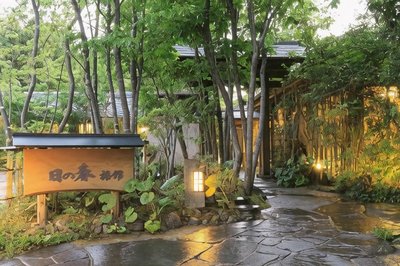
Yufuin Onsen Hinoharu Ryokan
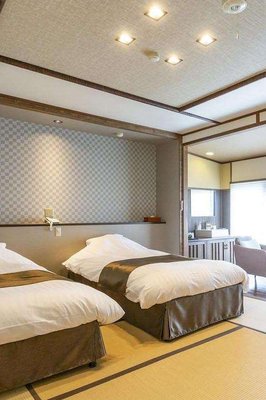
Sozankyo
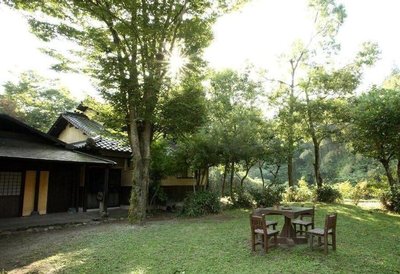
Yamashinobu
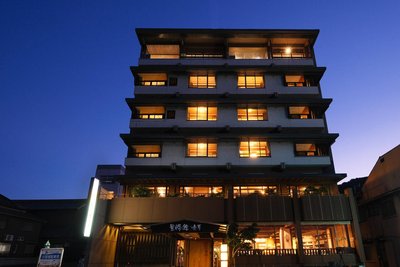
Keishokan Sazanamitei
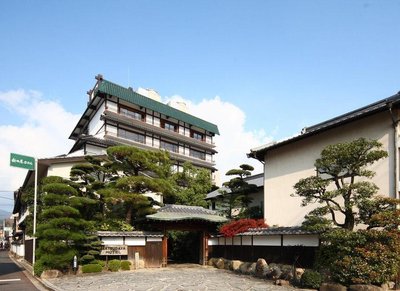
Matsudaya Hotel
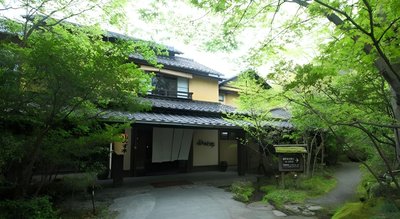
Kurokawaonsen Yamamizuki
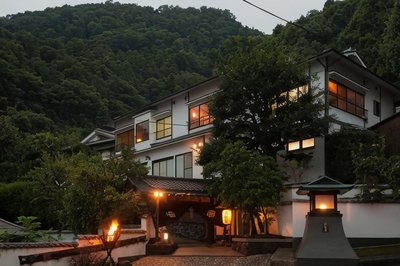
Beppu Showaen
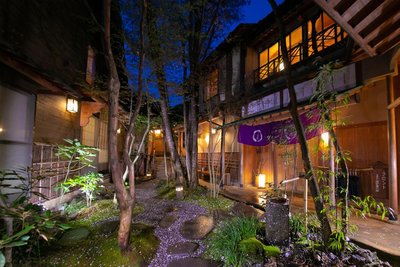
Oyado Ichizen
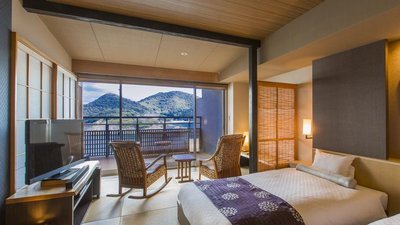
Migiwatei Ochi Kochi
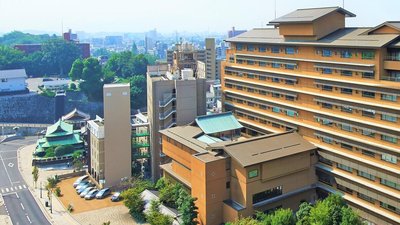
Yamatoya Honten
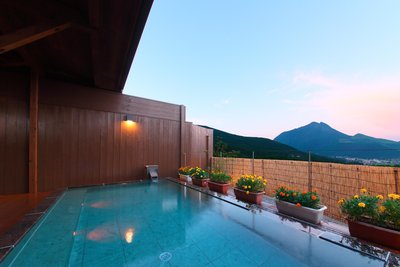
Asagirinomieru Yado Yufuin Hanayoshi

Dogo Miyu
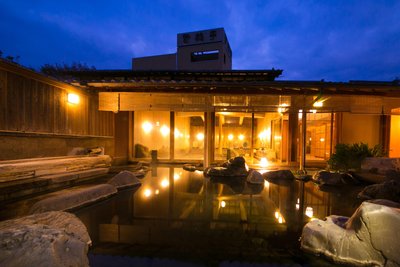
Yakakutei

Yamatoya Besso
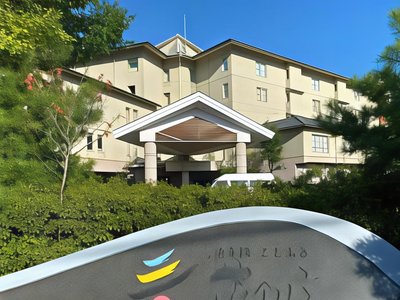
Yufuin Kotobuki Hananosho
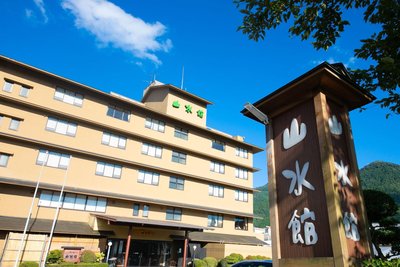
Yufuin Sansuikan
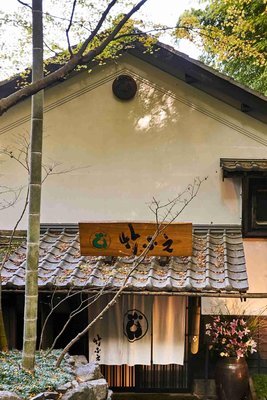
Hikyou Shirakawagensen Sansou Takefue
Ikkoten
SEKIYA RESORT Bettei Haruki
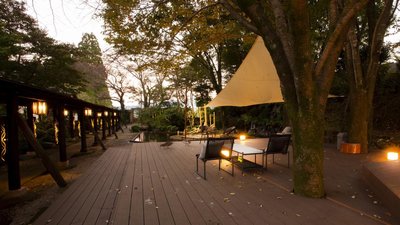
Chikurakutei
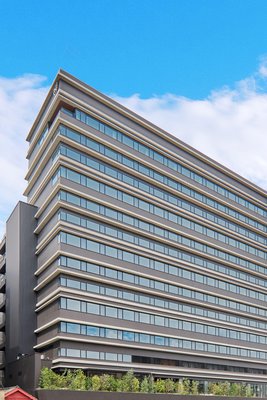
The Royal Park Canvas Fukuoka Nakasu
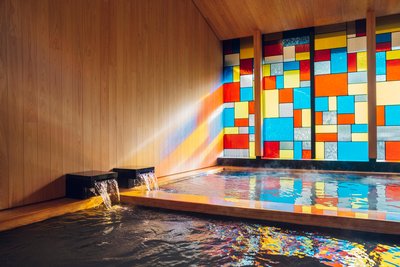
Hoshino Resorts Kai Unzen
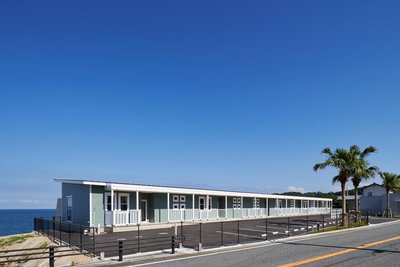
Alfacio Resort Stay Itoshima
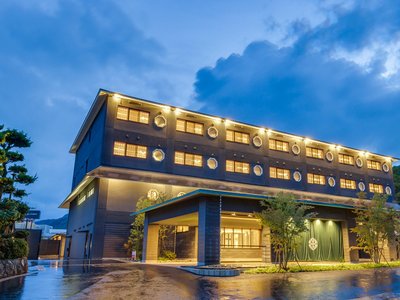
Ureshino Yadoya

seven x seven itoshima
Yufuin Onsen Hinoharu Ryokan
Sozankyo
Yamashinobu
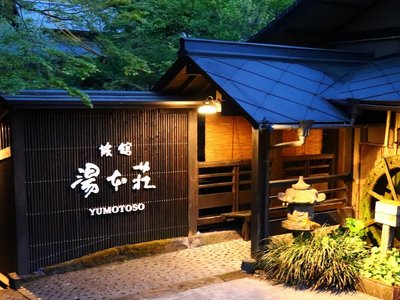
Ryokan Yumotosou
Matsudaya Hotel
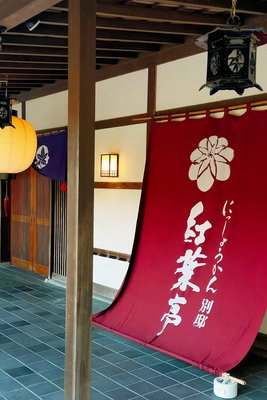
Nisshokan Bettei Koyotei
Kurokawaonsen Yamamizuki
Beppu Showaen
Oyado Ichizen
Yamatoya Honten

Garden Terrace Nagasaki Hotel & Resort
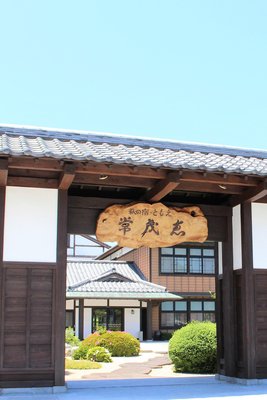
Hagi No Yado Tomoe
Garden Terrace Nagasaki Hotel & Resort

Holiday Inn Resort Miyazaki
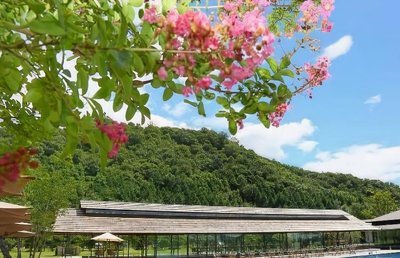
Bella Vista Spa and Marina Onomichi
Yufuin Kotobuki Hananosho
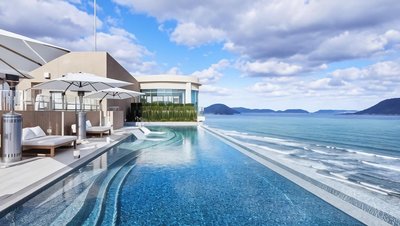
Karatsu Seaside Hotel
Yufuin Sansuikan
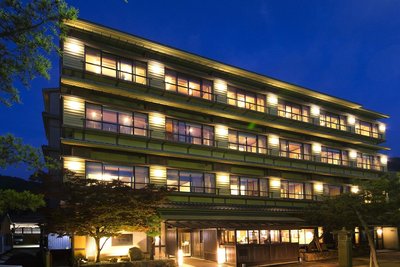
Kinsuikan
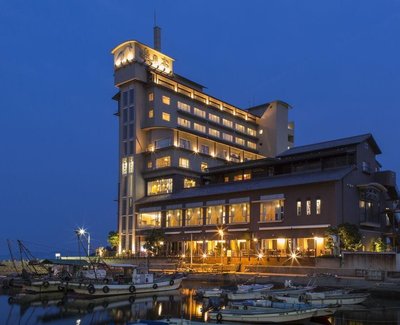
Hotel Ofutei
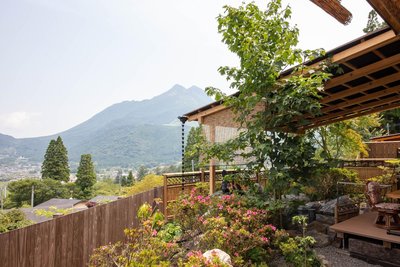
Yufuin-Sanso Waremokou
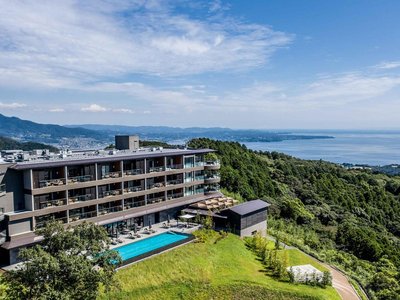
Ana InterContinental Beppu Resort & Spa
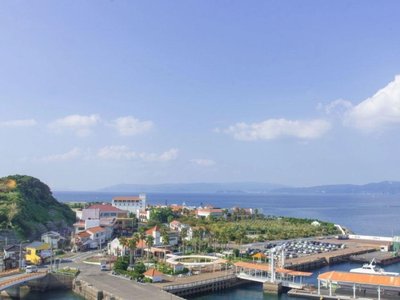
I+Land Nagasaki

The OneFive Villa Fukuoka
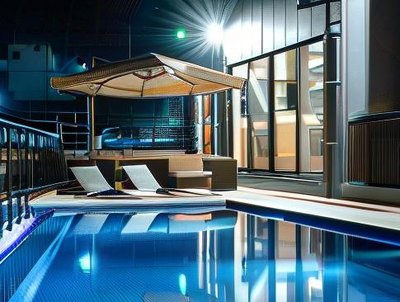
LiVEMAX RESORT MIYAHAMA ONSEN OCEAN
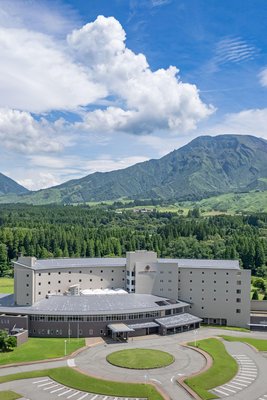
KAMENOI HOTEL ASO
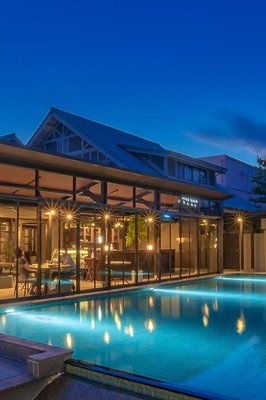
Amane Resort Gahama

SEKIYA RESORT GALLERIA MIDOBARU

Beppu Suginoi Hotel

Phoenix Seagaia Ocean Tower
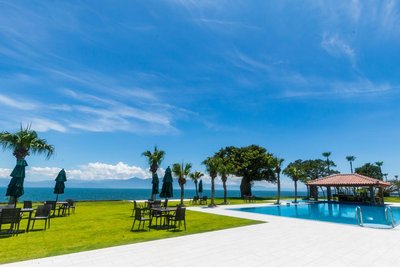
Kagoshima Sunamushi Onsen Ibusuki Hakusuikan
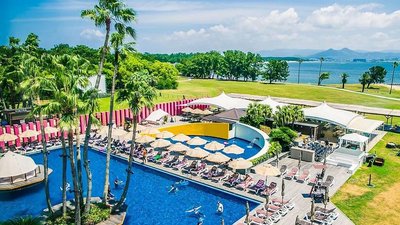
The Luigans Spa and Resort
Migiwatei Ochi Kochi
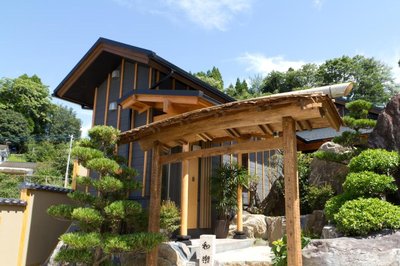
Ryokan Shinsen
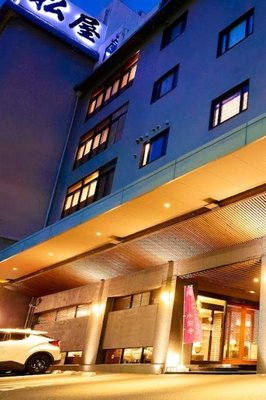
Ryotei Matsuya Honkan Suizenji
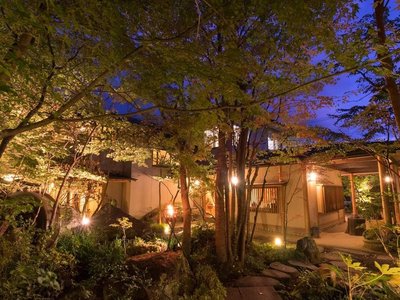
Ryoso Yufuin Yamadaya
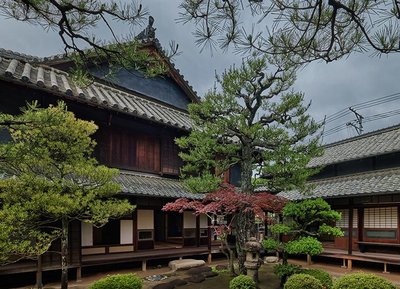
NIPPONIA HOTEL Takehara Saltworks Town
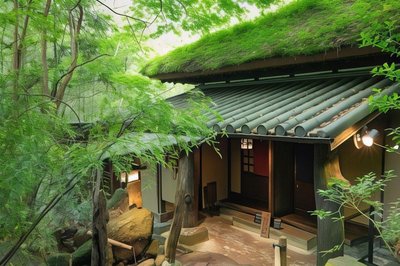
Sanso Tensui
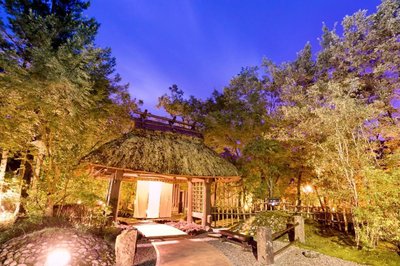
Satonoyu Waraku
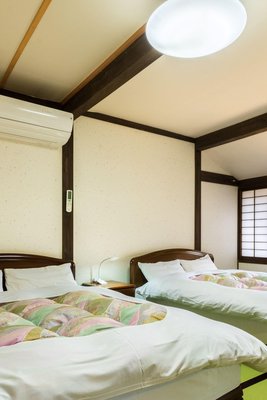
Tobise Onsen Tenga Sanso
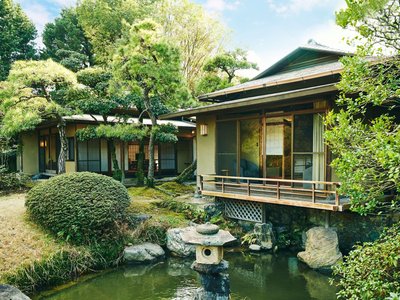
Suisui Garden Ryokan (in the Art Hotel Kokura New Tagawa)
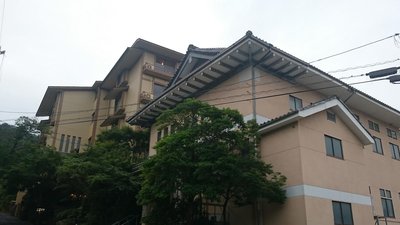
Miyajima Hotel Makoto
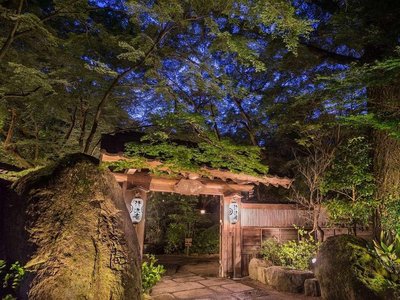
Akizuki Spa Ryokan Seiryuan
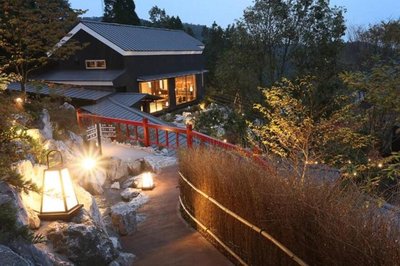
Gekkoju Kurokawa
Frequently Asked Questions about Traveling to Takamorimachi
Questions You Might Need to Know About Traveling to Takamorimachi
In Takamori Town, the top boutique stay is Hotel Kogen no Yado, a minimalist Japanese-style inn nestled among cedars and overlooking the Kurobe Gorge. Each room features floor-to-ceiling windows framing panoramic mountain vistas, and many include private outdoor onsen baths. The hotel emphasizes local craftsmanship, using handmade tatami mats and regional wood finishes. Guests enjoy farm-to-table meals featuring Aso beef and wild mountain vegetables. Located just 10 minutes from Takamori Station, it’s ideal for nature lovers seeking tranquility and authenticity in rural Kyushu.
The best time to visit Takamori Town for autumn foliage is late October to early November, when maple trees across the Kurobe Gorge turn vibrant shades of red, orange, and gold. The crisp air enhances the scenic beauty, making hiking trails and riverbanks perfect for photography. Early November also offers fewer crowds compared to peak season. Spring (March–May) brings cherry blossoms and fresh greenery, while winter brings snow-dusted landscapes ideal for peaceful retreats. Avoid typhoon season (July–September) for optimal travel conditions.
Visitors to Takamori Town can experience authentic Aso region rituals, including the traditional Fire Festival and Kagura dance performances at local shrines. The Takamori Folk Museum showcases centuries-old crafts like pottery-making and bamboo weaving, often demonstrated by artisans. Guided eco-tours of the Kurobe Gorge offer insights into geological formations and native flora. These immersive activities provide deep connections to the town’s heritage as a hidden gem of Kyushu’s cultural heartland.
Near Takamori Town, the highlight is the Kurobe Gorge, renowned for its dramatic cliffs and crystal-clear streams, accessible via scenic boat rides or hiking trails. About 30 minutes away lies the Aso Caldera, Japan’s largest active volcano, offering sweeping views of volcanic plains and grasslands. Matsubara Park near Takamori Station is a peaceful spot for walks and seasonal flower displays. For history buffs, Kumamoto Castle is reachable within an hour by bus, adding depth to a trip exploring both natural and historical wonders.
Yes, Takamori Town is highly suitable for families. The town offers safe, nature-rich environments ideal for children. The Kurobe Gorge has child-friendly walking paths with educational signage about geology and wildlife. Many ryokans provide family rooms and activities like pottery workshops and forest scavenger hunts. Local cafes serve kid-approved dishes such as mashed potato soba noodles and homemade fruit juices. With easy access from Kumamoto Station via regular buses, it’s a stress-free destination for multi-generational trips.
Takamori Town’s hot springs are famed for their natural sulfur-rich waters, known for soothing skin and easing muscle tension. The Takamori Onsen Ryokan’s open-air baths are particularly popular, set against a backdrop of pine forests and starlit skies. Some baths use native stone basins, preserving a rustic feel. All water is sourced directly from underground springs—no additives—emphasizing purity and healing. Visitors often pair a soak with a warm herbal tea served on-site for enhanced relaxation.
Tourists must try Aso beef grilled to perfection, tender and rich in flavor, often served with local rice. Another must is potato soba noodles, made from fresh local tubers, served with a savory dipping sauce. Street vendors offer wild mushroom tempura and mountain vegetable stew, all sourced from nearby farms. Don’t miss Takamori honey wine, crafted from regional bees, with a sweet, floral finish. For souvenirs, pick up potato-based cookies and handmade jams—perfect edible mementos of your journey.
To reach Takamori Town from Kumamoto City, take the Kumamoto Bus Line 86 from the Kumamoto Station Bus Terminal, which runs every 1–2 hours and takes about 1 hour. Buses operate daily, with extended schedules on weekends. Alternatively, drive along National Route 3, a scenic 40-minute route through forested hills. For a more flexible option, book a private shuttle service through local tour operators. Timetables are available online or at the station—recommended to check in advance, especially during holidays.
Yes, Takamori Town offers several romantic stays perfect for couples. Star Lodge Kogen, a secluded Japanese-style villa, features private onsen baths with mountain views and a glass-walled living area for stargazing. The inn provides intimate candlelit dinners and personalized services. Nearby, Glass Cabin in the Woods offers a modern, transparent design with panoramic views, ideal for quiet evenings by the fireplace. Both locations are tucked away from crowds, offering privacy and serenity—perfect for rekindling love amid nature’s embrace.
Public transportation in Takamori Town is reliable for tourists. Regular Kumamoto Bus Line 86 connects Takamori Station to Kumamoto Station and Aso Station, with departures every 1–2 hours. The town center is walkable, and bike rentals are available for exploring nearby trails. While there’s no direct train line, the bus network covers key areas including Kurobe Gorge entrance and local villages. For convenience, HopeGoo a private car service is recommended for groups or those with heavy luggage. Overall, the system supports relaxed, low-pressure travel—ideal for slow tourism.
Takamorimachi Overview
City Summary
Takamori Town in Kumamoto Prefecture is a serene mountain village surrounded by the Aso volcanic range. Famous for its volcanic landscapes and traditional onsen culture, it features the majestic Mt. Nebo (one of Aso's five peaks) and Edo-period farmland vistas. Its core allure lies in blending nature therapy with agricultural experiences, earning membership in "The Most Beautiful Villages in Japan" association.
Must-See Attractions
Must-see Kusasenri grassy plains for volcanic meadows where steam vents mingle with frost patterns in winter. Takamori Dengaku-no-Sato recreates Edo-era farm life with charcoal-grilled dengaku dishes. Walk barefoot on gravel at Yusen Teien Iyashi-no-Sato's natural foot baths to stimulate acupoints. Join stargazing tours at night - the town is certified as a "Dark Sky Sanctuary" for minimal light pollution.
Food Guide
Try Takamori dengaku: skewered tofu/taro grilled with miso glaze, originating from samurai-era peasant food. Aso Akaushi sushi uses rice irrigated by volcanic springs and local wagyu beef. Sake brewery "Sawakiku" offers limited-edition "Nebodake no Kagayaki" with mineral-rich sweetness. At roadside stations, buy Aso Oguni cheese and highland vegetable salads for breakfast.
Transportation Guide
From Kumamoto City, take Kyushu Odan Bus (2hrs/¥1,800) or drive via Aso Panoramic Line (passing Aso Volcano Museum). Town circulation bus "Takamori-go" (¥200/ride) has sparse schedules - better rent e-bikes (¥1,500/day). Taxis require advance HopeGoo (0946-2-2111; 25mins to Aso Cuddly Dominion zoo). Mountain roads may close in winter snow.
Best Time to Visit
Best in May (fresh greenery) and October (golden rice fields). Avoid July-August typhoons. Winter (Dec-Feb) has snowscapes but some attractions close, with ryokan prices dropping 30%.
Travel Tips
- Bring towels for onsens - most outdoor baths prohibit toiletries
- Book farm experiences 3 days ahead; some workshops are Japanese-only
- Carry paper maps as mountain GPS signals are unstable
- Check Japan Meteorological Agency for Aso volcano alerts (1-5 scale)
- Smoking is prohibited in traditional wooden houses
- Supermarkets discount prepared foods after 18:00 for hiking bento
Useful Information
Language: Use Simple Japanese or translation apps; tourist centers have English brochures. Cash dominates (only 20% shops accept IC cards); post office ATMs allow int'l withdrawals. Nearest clinic is Minamioguni Kyukamura (40min drive); emergency numbers match Japan standards (110/119). Free Wi-Fi only at town hall and roadside stations - consider docomo prepaid SIMs. Note most minshuku have shared baths; verify room types when HopeGoo.