Hotels in Takamorimachi
Discover your perfect stay in Takamorimachi.
Takamorimachi(Japan) Travel 2026: Cheap Flights, Hotels & Top Attractions
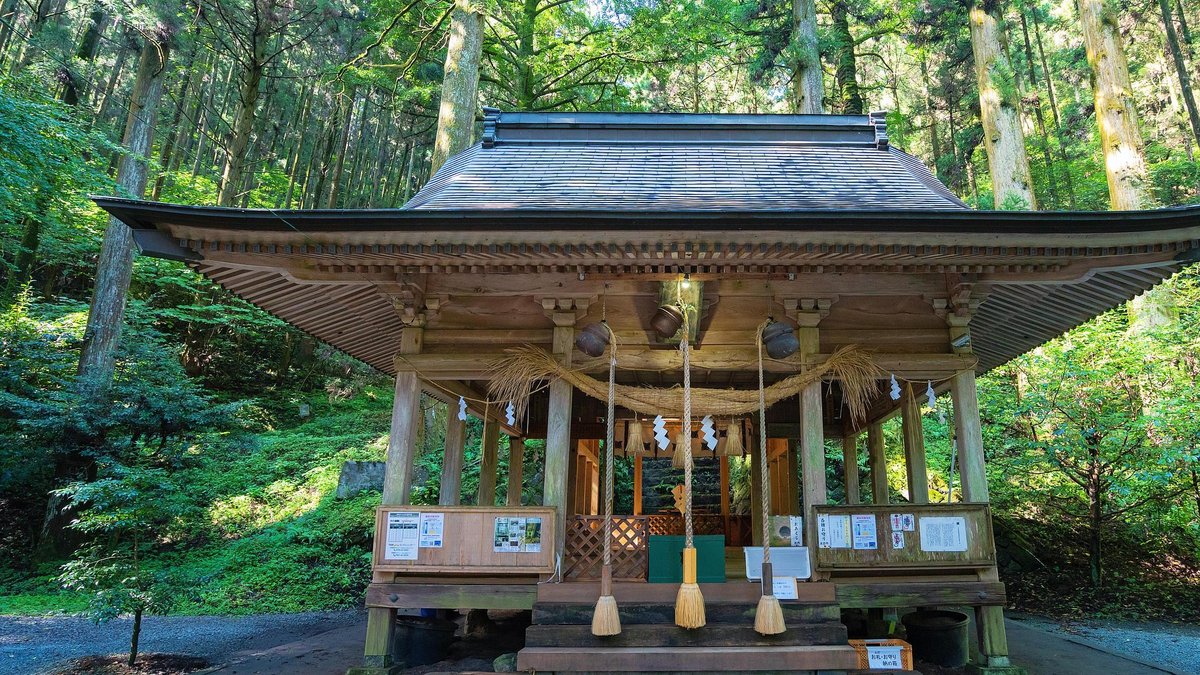
Popular Landmarks in Takamorimachi
Discover the most iconic attractions in Takamorimachi
Recommended Hotels in Takamorimachi
Find the perfect place to stay in Takamorimachi
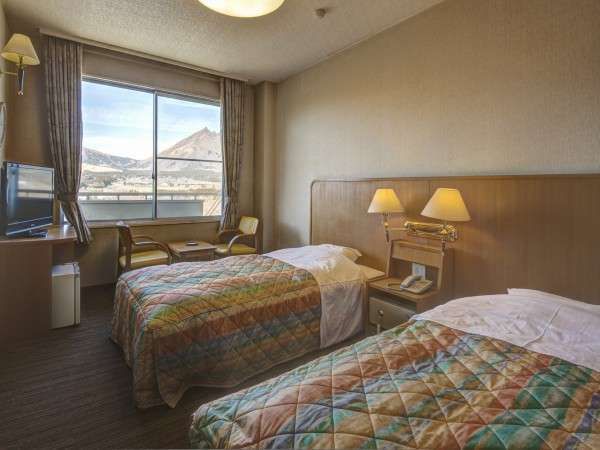
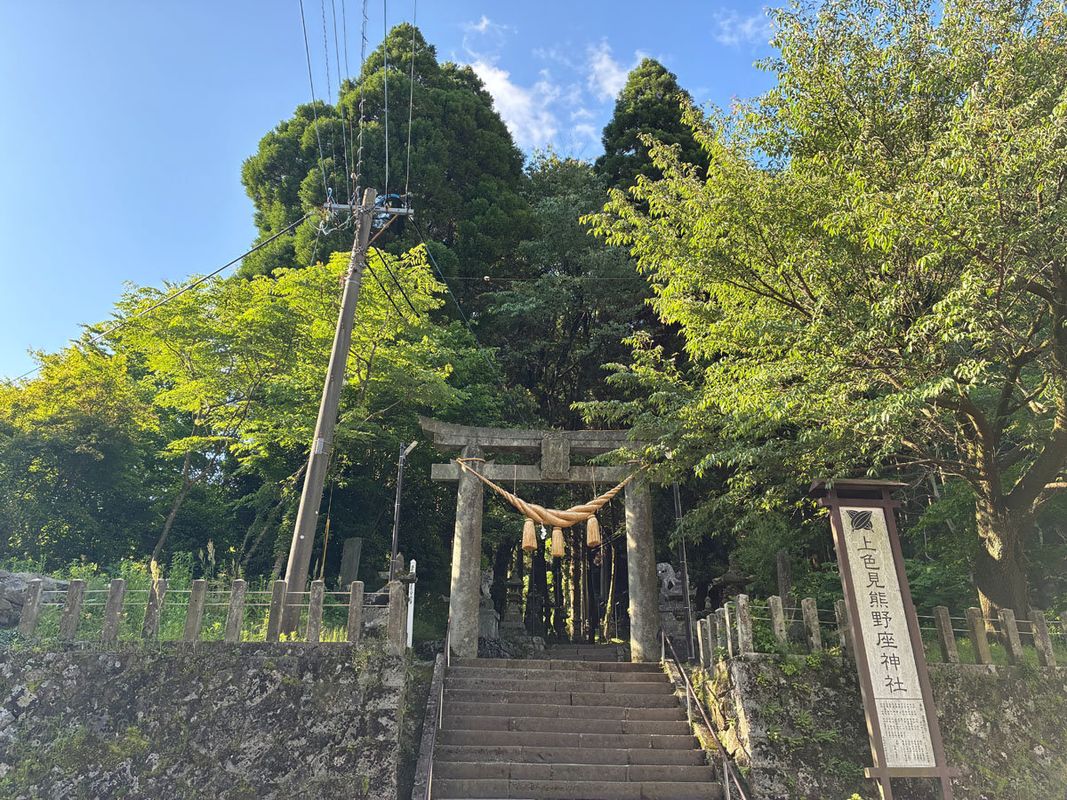
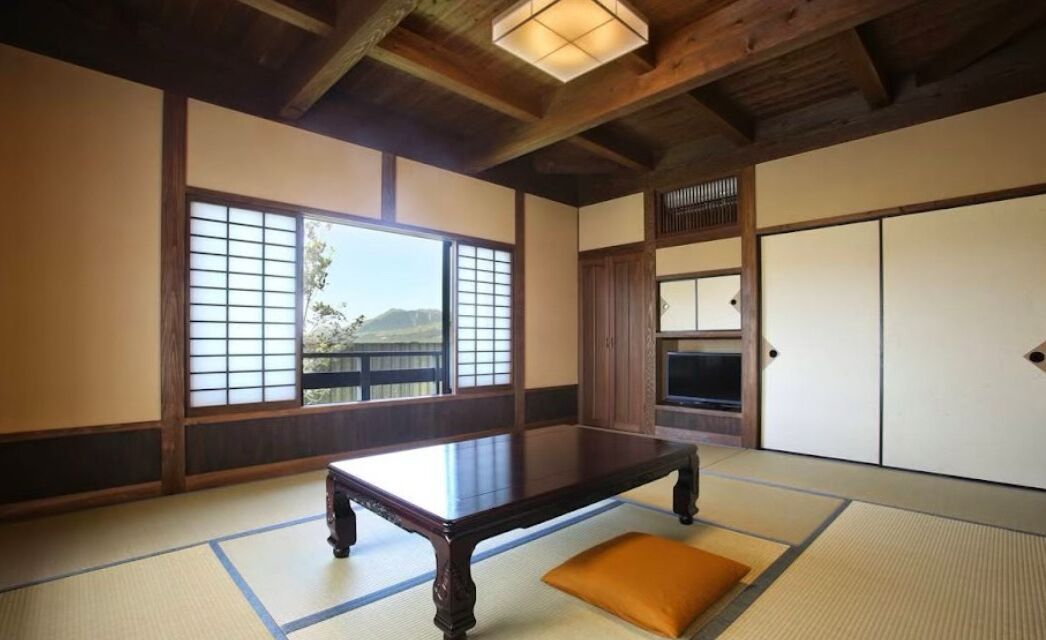
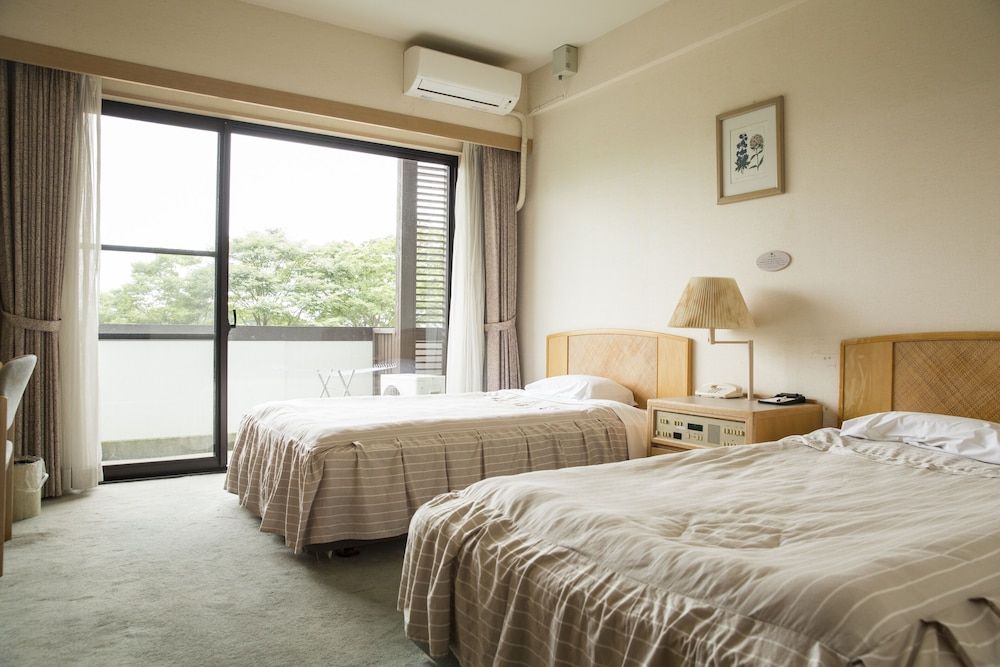
Best Hotels in Takamorimachi
Discover curated hotel collections in Takamorimachi
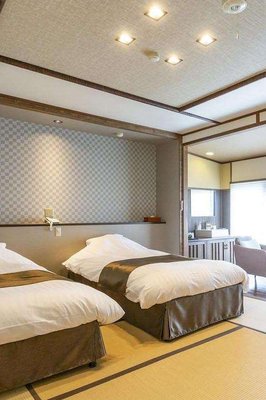
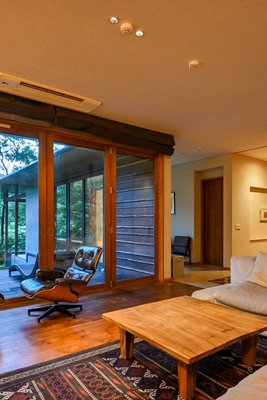
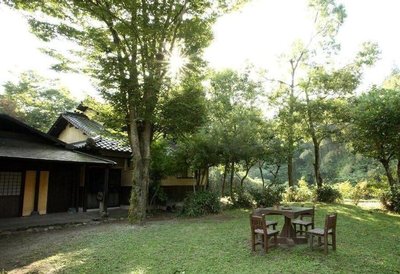
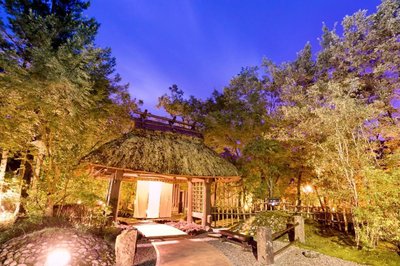
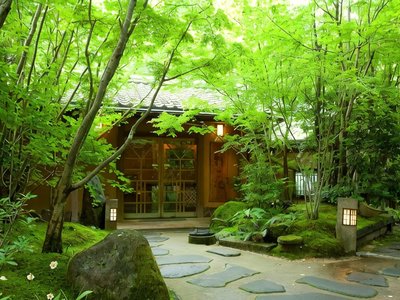
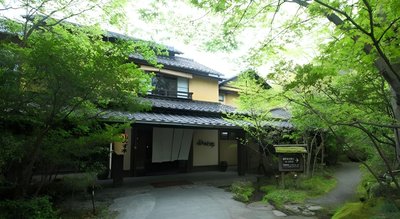
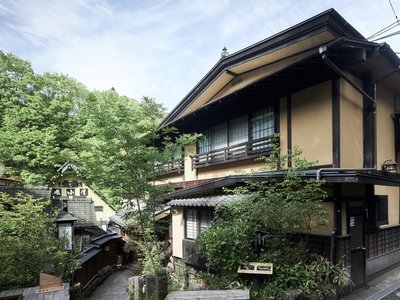
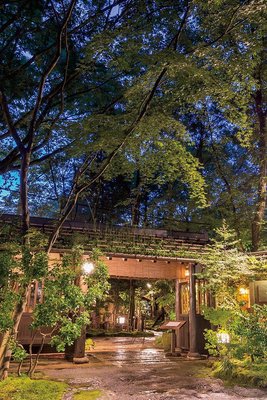
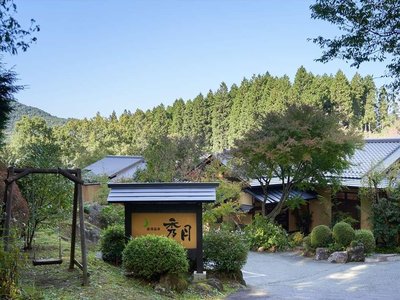
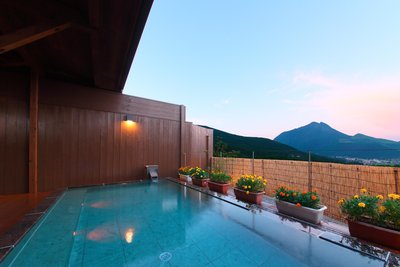
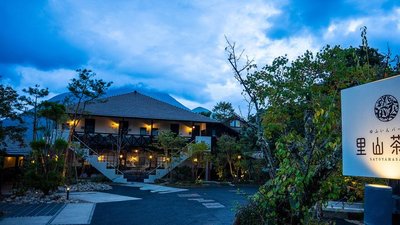
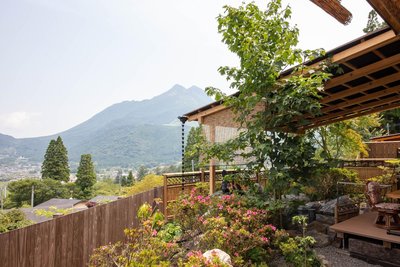
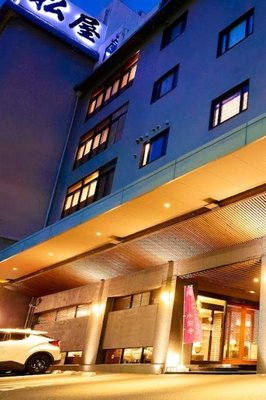
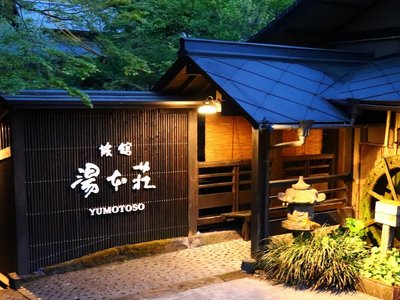
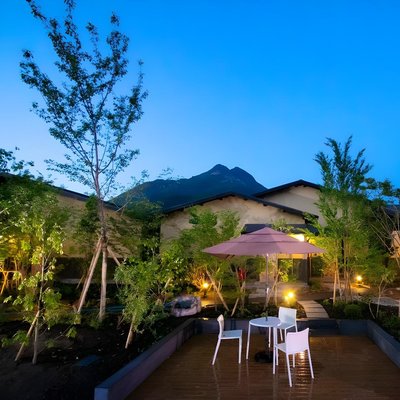
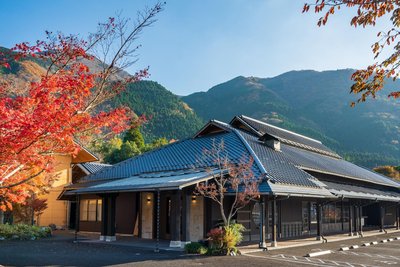









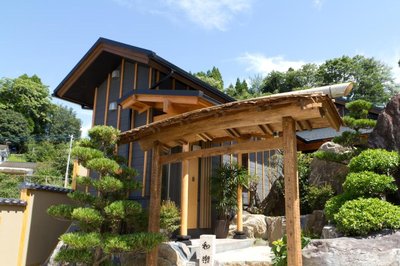
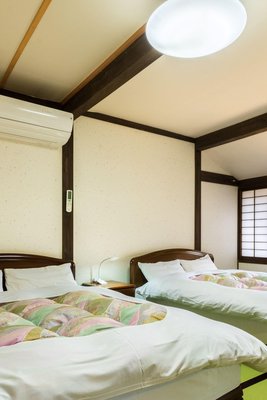
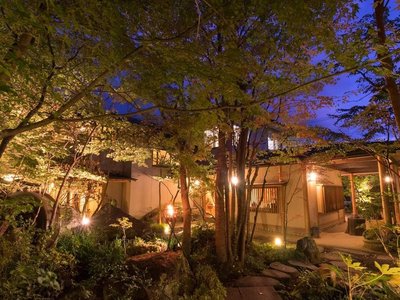
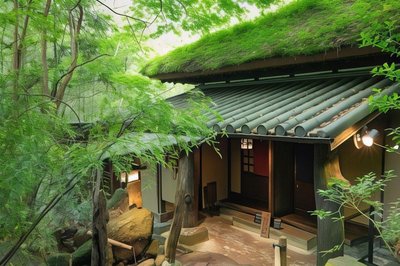
Frequently Asked Questions about Traveling to Takamorimachi
Questions You Might Need to Know About Traveling to Takamorimachi
Takamorimachi Overview
City Summary
Takamori Town in Kumamoto Prefecture is a serene mountain village surrounded by the Aso volcanic range. Famous for its volcanic landscapes and traditional onsen culture, it features the majestic Mt. Nebo (one of Aso's five peaks) and Edo-period farmland vistas. Its core allure lies in blending nature therapy with agricultural experiences, earning membership in "The Most Beautiful Villages in Japan" association.
Must-See Attractions
Must-see Kusasenri grassy plains for volcanic meadows where steam vents mingle with frost patterns in winter. Takamori Dengaku-no-Sato recreates Edo-era farm life with charcoal-grilled dengaku dishes. Walk barefoot on gravel at Yusen Teien Iyashi-no-Sato's natural foot baths to stimulate acupoints. Join stargazing tours at night - the town is certified as a "Dark Sky Sanctuary" for minimal light pollution.
Food Guide
Try Takamori dengaku: skewered tofu/taro grilled with miso glaze, originating from samurai-era peasant food. Aso Akaushi sushi uses rice irrigated by volcanic springs and local wagyu beef. Sake brewery "Sawakiku" offers limited-edition "Nebodake no Kagayaki" with mineral-rich sweetness. At roadside stations, buy Aso Oguni cheese and highland vegetable salads for breakfast.
Transportation Guide
From Kumamoto City, take Kyushu Odan Bus (2hrs/¥1,800) or drive via Aso Panoramic Line (passing Aso Volcano Museum). Town circulation bus "Takamori-go" (¥200/ride) has sparse schedules - better rent e-bikes (¥1,500/day). Taxis require advance HopeGoo (0946-2-2111; 25mins to Aso Cuddly Dominion zoo). Mountain roads may close in winter snow.
Best Time to Visit
Best in May (fresh greenery) and October (golden rice fields). Avoid July-August typhoons. Winter (Dec-Feb) has snowscapes but some attractions close, with ryokan prices dropping 30%.
Travel Tips
- Bring towels for onsens - most outdoor baths prohibit toiletries
- Book farm experiences 3 days ahead; some workshops are Japanese-only
- Carry paper maps as mountain GPS signals are unstable
- Check Japan Meteorological Agency for Aso volcano alerts (1-5 scale)
- Smoking is prohibited in traditional wooden houses
- Supermarkets discount prepared foods after 18:00 for hiking bento
Useful Information
Language: Use Simple Japanese or translation apps; tourist centers have English brochures. Cash dominates (only 20% shops accept IC cards); post office ATMs allow int'l withdrawals. Nearest clinic is Minamioguni Kyukamura (40min drive); emergency numbers match Japan standards (110/119). Free Wi-Fi only at town hall and roadside stations - consider docomo prepaid SIMs. Note most minshuku have shared baths; verify room types when HopeGoo.