Hotels in Takaoka
Discover your perfect stay in Takaoka.
Takaoka(Japan) Travel 2026: Cheap Flights, Hotels & Top Attractions
Popular Landmarks in Takaoka
Discover the most iconic attractions in Takaoka
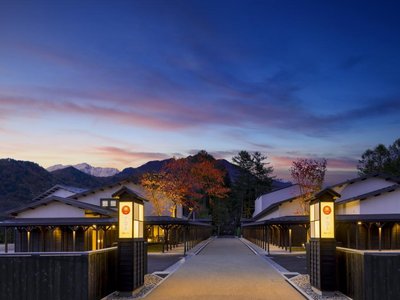
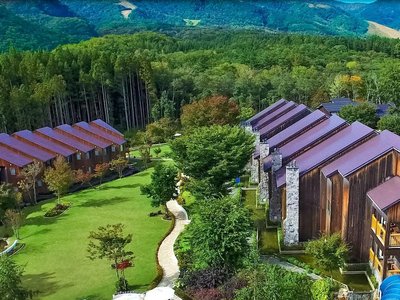
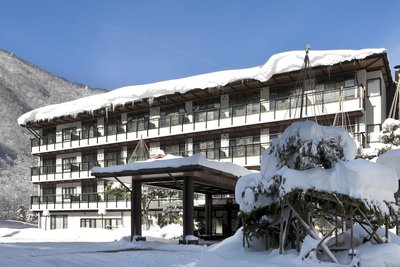
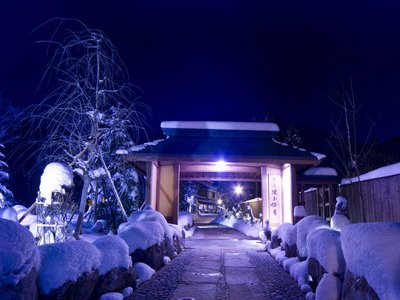
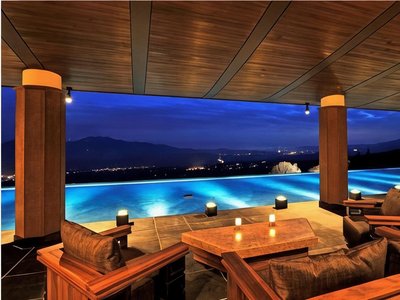
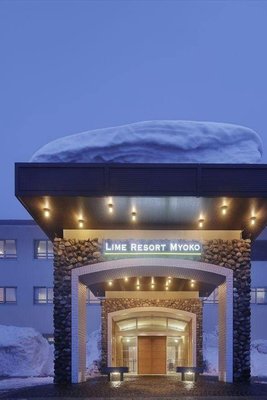
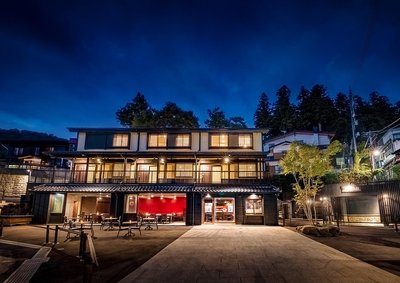
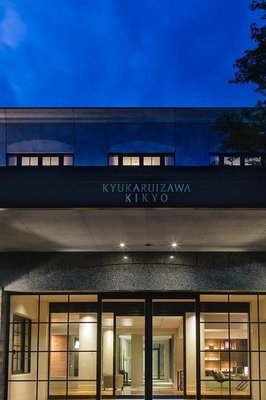
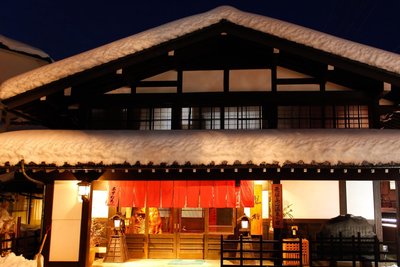
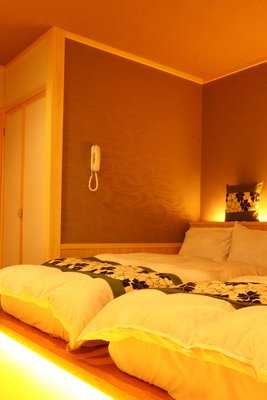
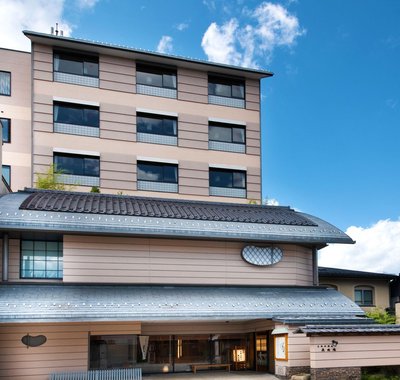
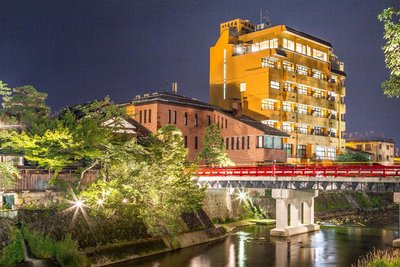
Recommended Hotels in Takaoka
Find the perfect place to stay in Takaoka
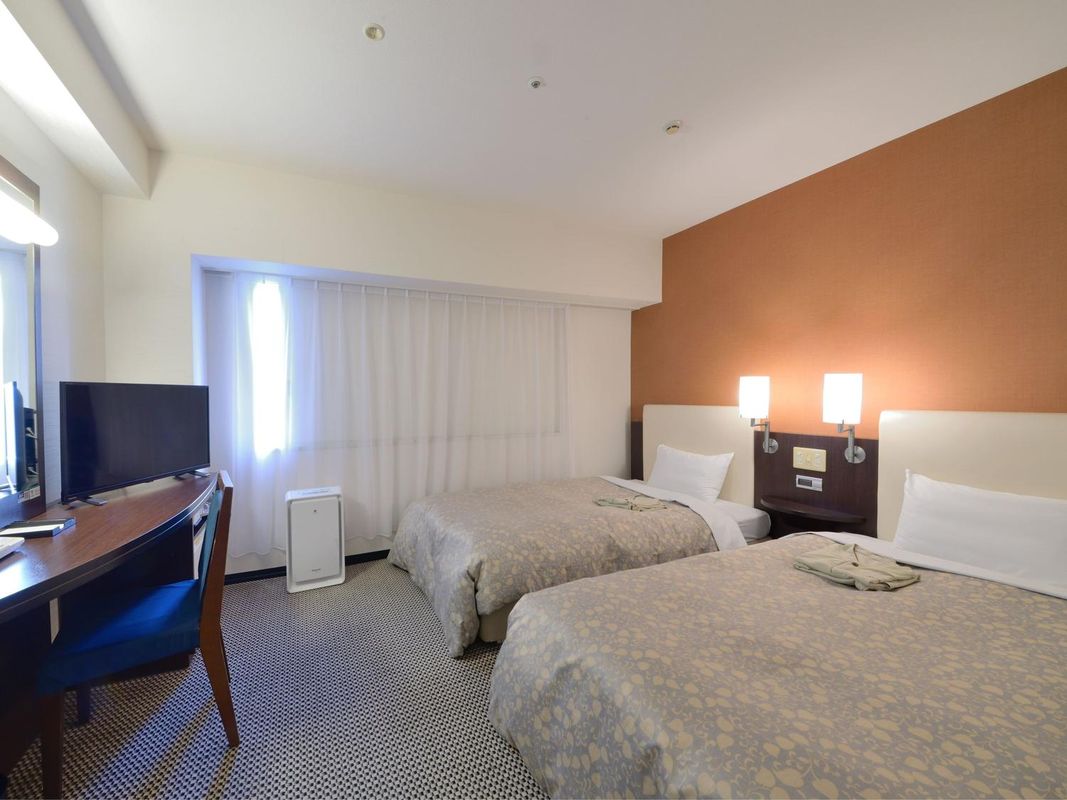
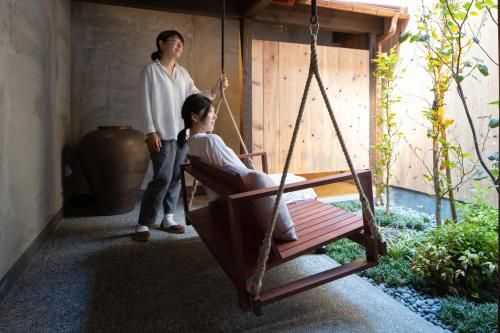
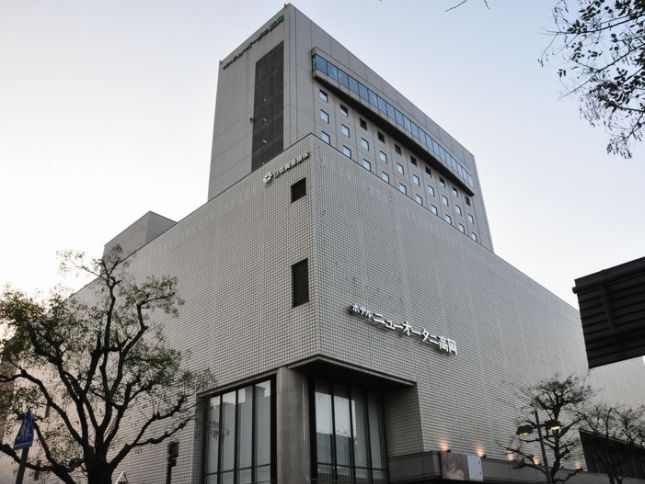
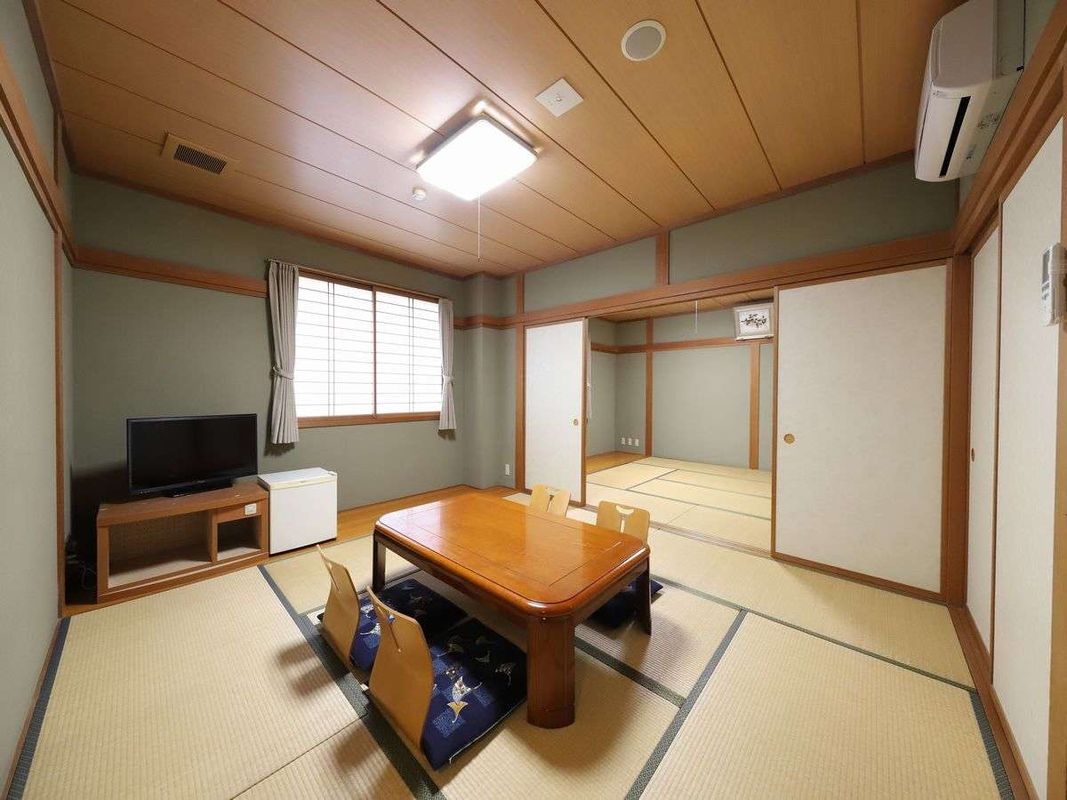
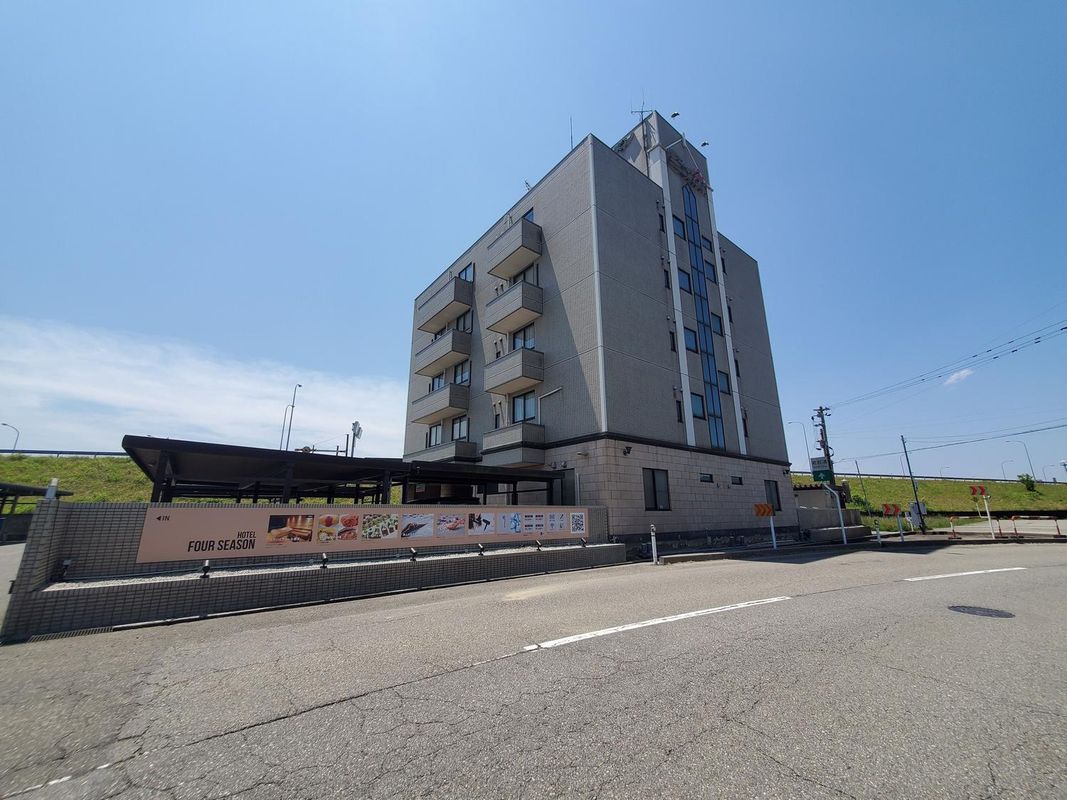
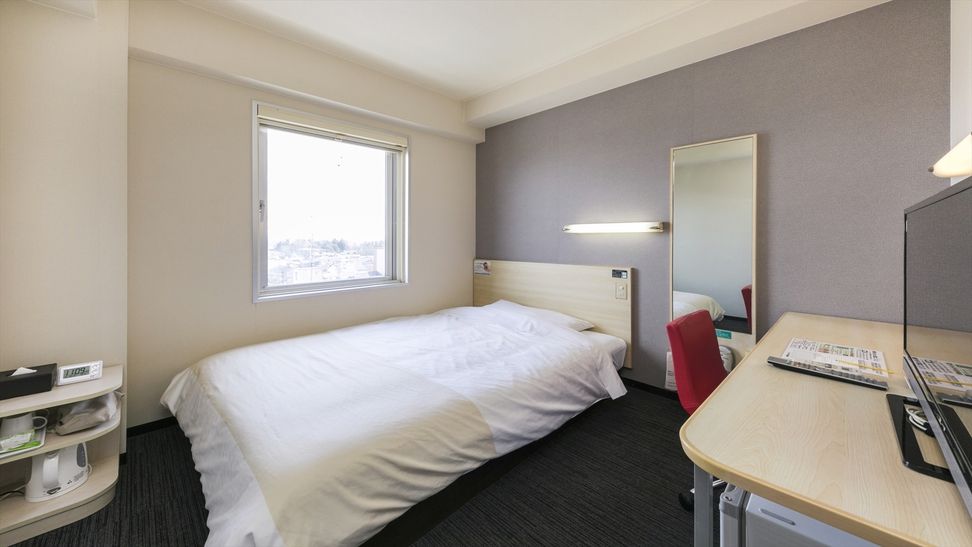
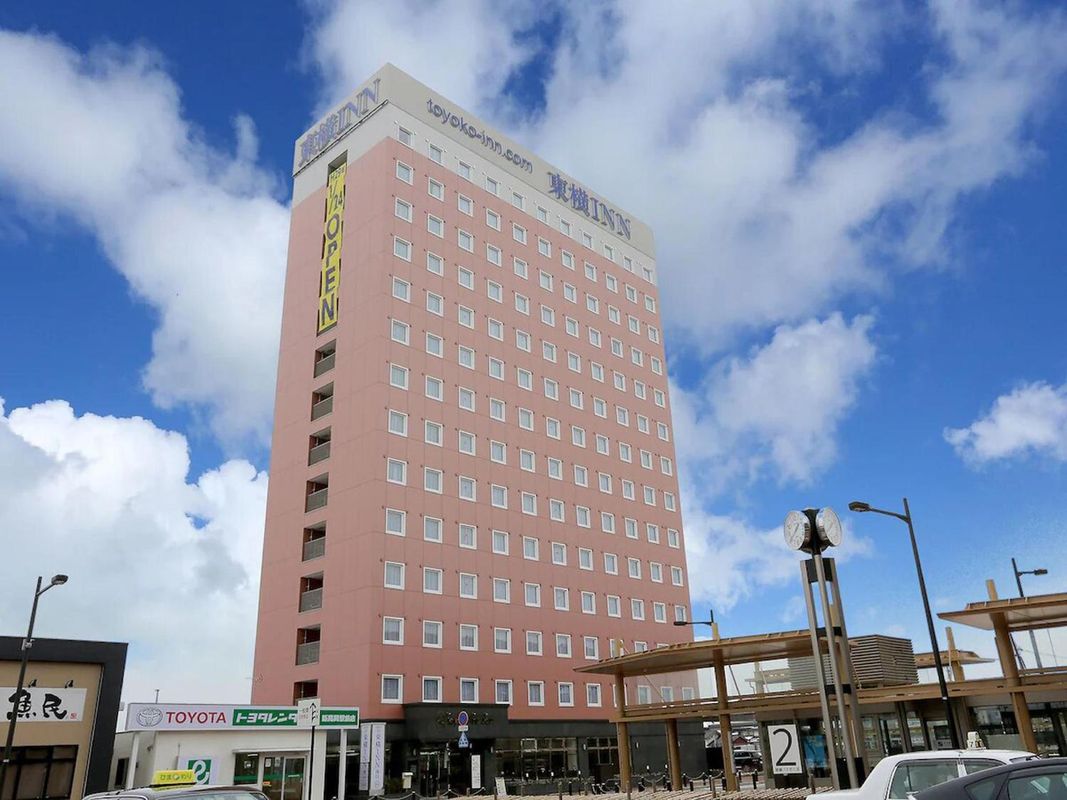
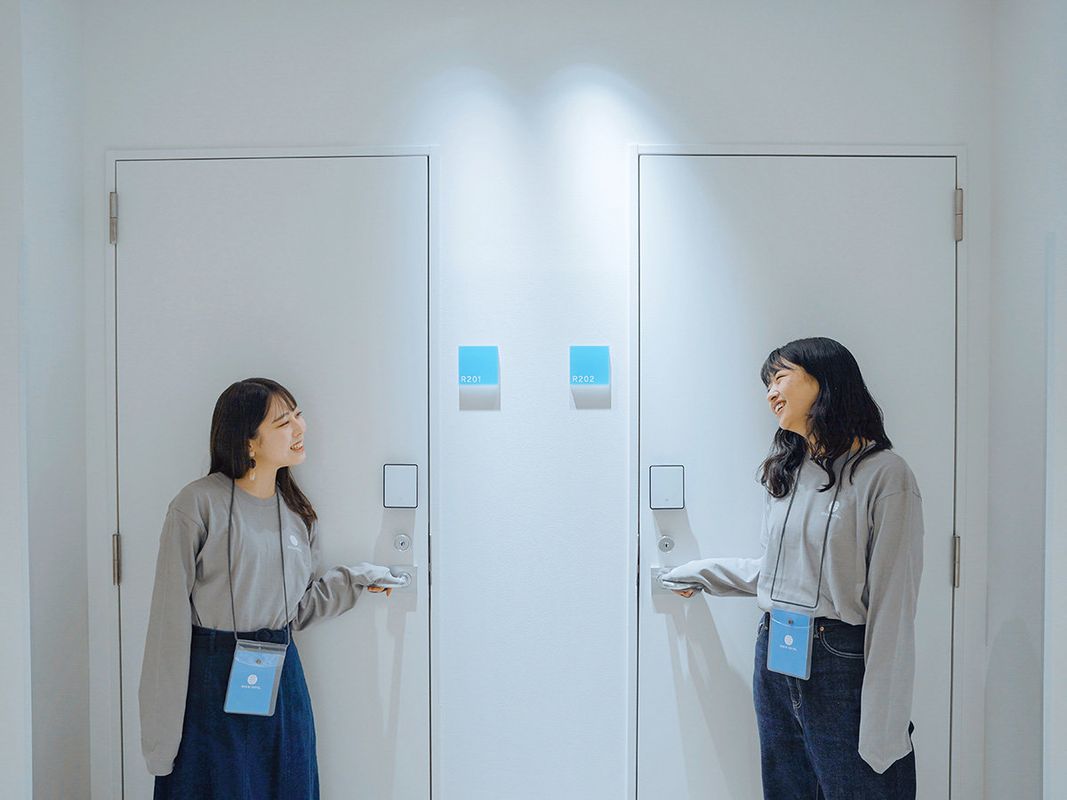
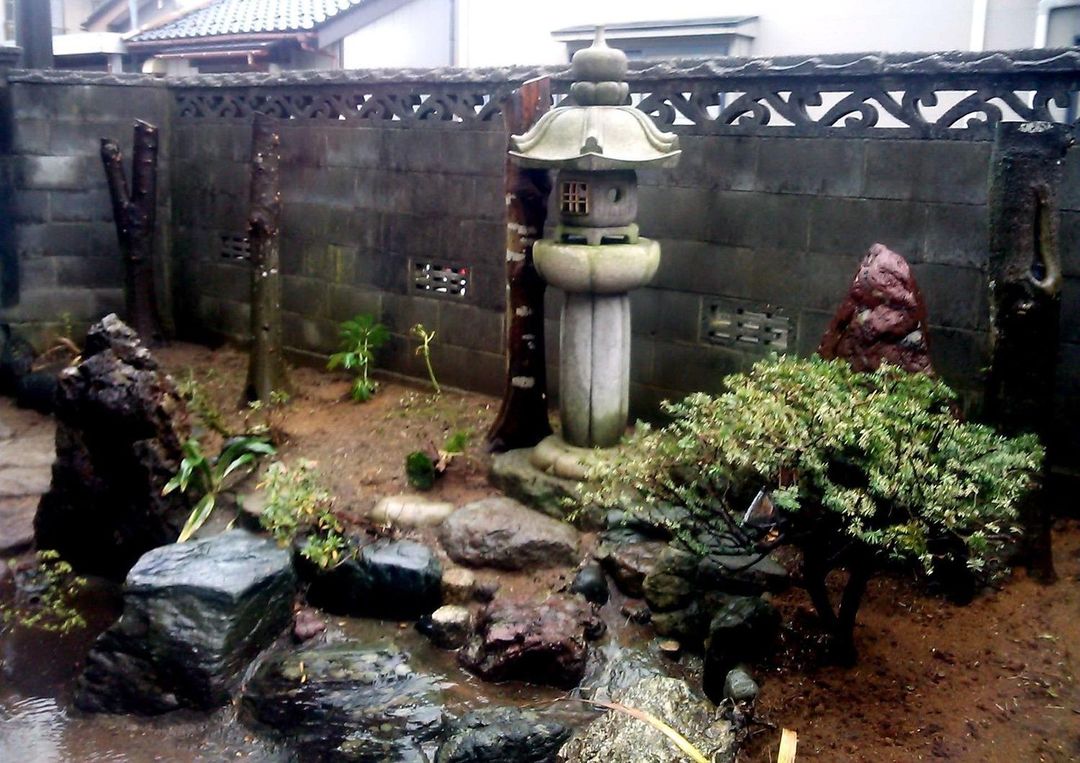
Best Hotels in Takaoka
Discover curated hotel collections in Takaoka

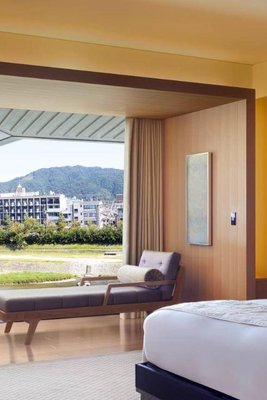
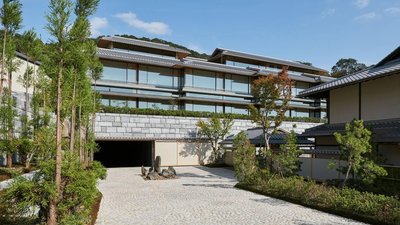
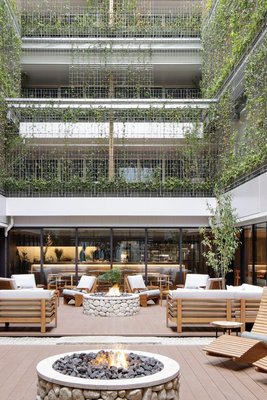
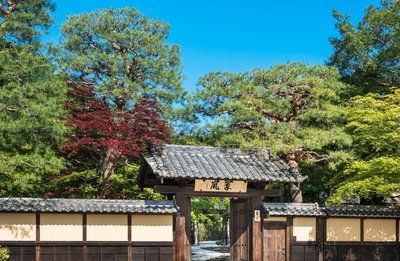
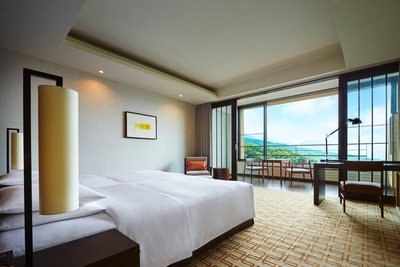








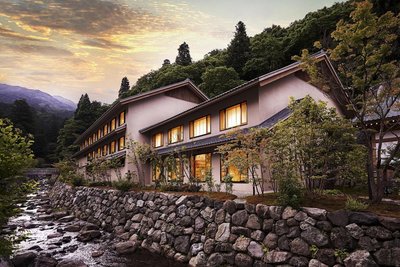
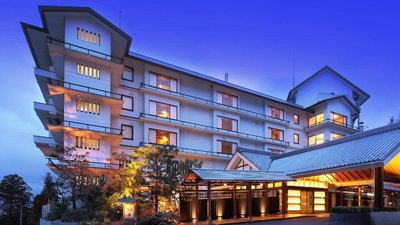
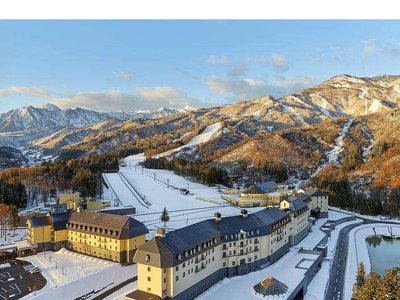
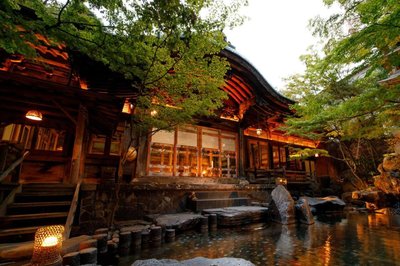

























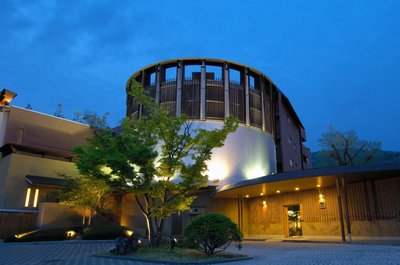
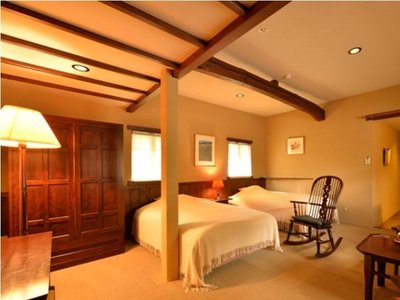
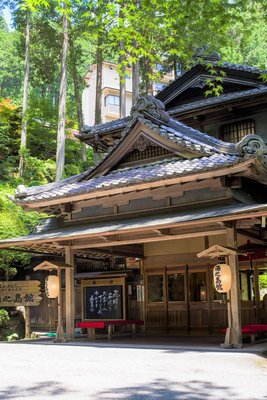
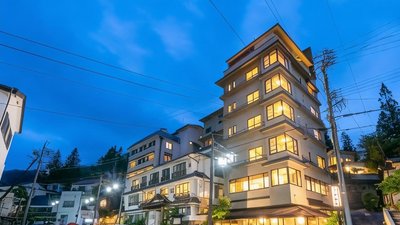
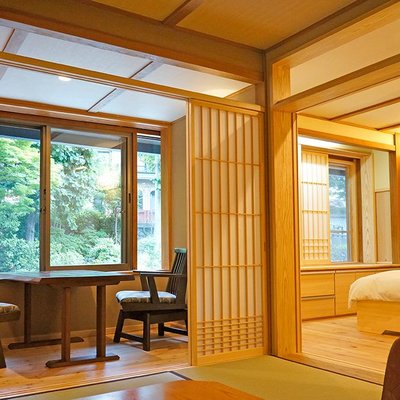

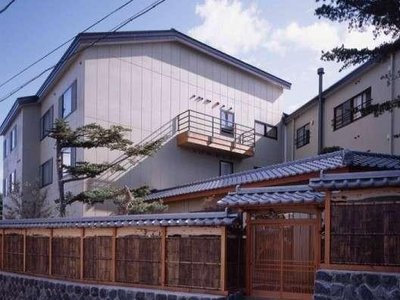
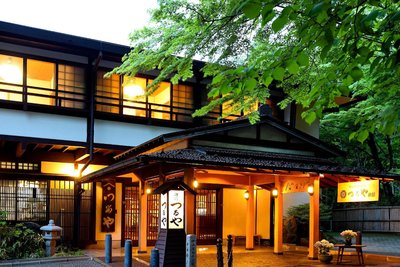
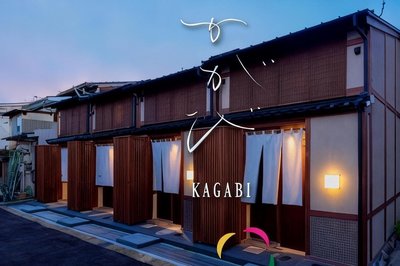


Frequently Asked Questions about Traveling to Takaoka
Questions You Might Need to Know About Traveling to Takaoka
Takaoka Overview
City Summary
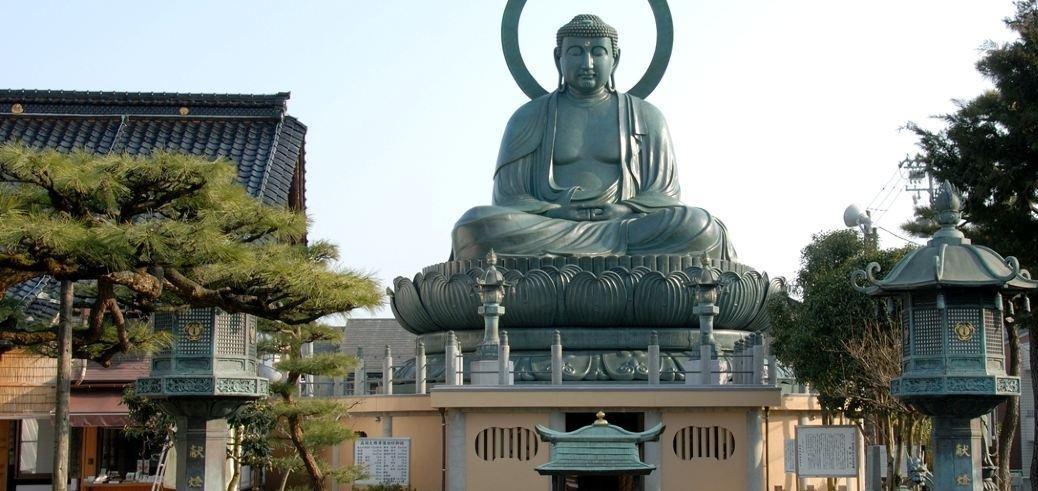
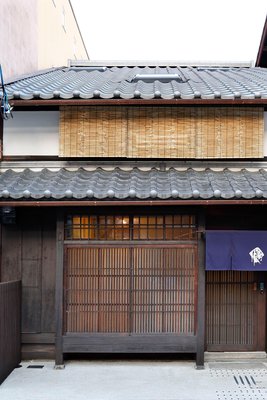
Takaoka City in Toyama Prefecture, Japan, blends traditional crafts with natural beauty. As the hometown of famous poet Yosano Akiko, it boasts rich cultural heritage and is renowned for its copperware production. Highlights like the Takaoka Daibutsu (Great Buddha), Kanayamachi Old Town, and Amaharashi Coast showcase perfect harmony between history and nature.
Must-See Attractions
The majestic Takaoka Daibutsu, one of Japan's Three Great Buddhas, is a must-see. Kanayamachi's well-preserved Edo-period streets offer time-travel charm. Amaharashi Coast provides stunning views of Toyama Bay and Tateyama Mountain Range across seasons. Visit Takaoka Castle Park for cherry blossoms in spring and winter illumination. Don't miss the fairy-tale atmosphere at Takaoka Otogi no Mori Park and the Fujiko・F・Fujio Museum.
Food Guide
Takaoka's culinary pride lies in fresh seafood - try firefly squid somen noodles and Toyama Bay sushi. Locals love Takaoka Ramen with its sweet soy-based broth, chashu pork, and bamboo shoots. "Copperware Ice Cream" adorned with edible gold leaf is unique. In winter, savor fatty "Kanburi" yellowtail.
Transportation Guide
JR Takaoka Station is the transportation hub, with trains to Toyama and Kanazawa. The Manyosen tram line connects major attractions within the city. Taxis start at 700 yen, suitable for short trips. Consider the "Takaoka City 1-Day Pass" for unlimited rides, or rent bicycles to explore old streets leisurely.
Best Time to Visit
Visit during cherry blossom season (Apr-May) or autumn foliage (Nov) for pleasant weather and scenery. Summer (Jun-Aug) offers coastal views but can be humid. Winter (Dec-Feb) snowscapes are magical but require warm clothing. Avoid Golden Week and Obon periods for fewer crowds.
Travel Tips
- Keep voices low in temples; some require shoe removal
- Strict trash separation - convenience stores have bins
- Winter snow may disrupt transport; check forecasts
- Most restaurants serve lunch 11:30-14:00; note hours
- Cash is widely used; small shops may not accept cards
- Many onsens prohibit tattoos; inquire beforehand
- Taxi doors operate automatically; don't manually open
Useful Information
Japanese is primary language; basic English signs exist at stations. Few free WiFi spots - purchase a data SIM. Dial 110 (police) or 119 (ambulance) for emergencies. Medical facilities require cash payment; travel insurance recommended. Most shops accept Suica/PASMO IC cards for small payments. ATMs at post offices accept international cards. Voltage is 100V; Type A plugs used. Look for "薬" signs at drugstores for medications.









