Hotels in Takayama
Discover your perfect stay in Takayama.
Takayama(Japan) Travel 2026: Cheap Flights, Hotels & Top Attractions
Popular Landmarks in Takayama
Discover the most iconic attractions in Takayama
Recommended Hotels in Takayama
Find the perfect place to stay in Takayama
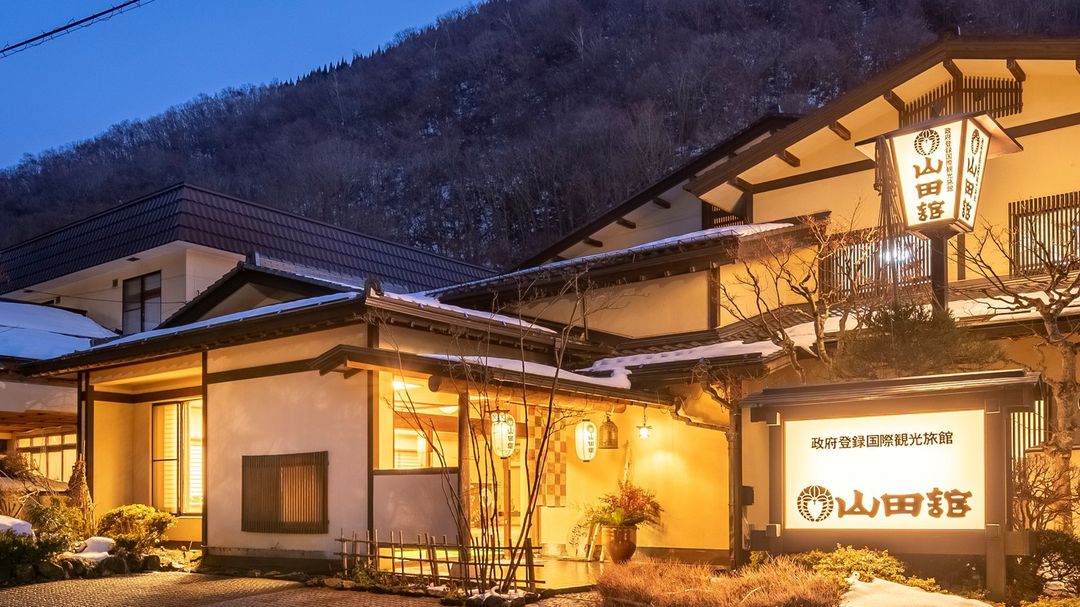
Yamadakan
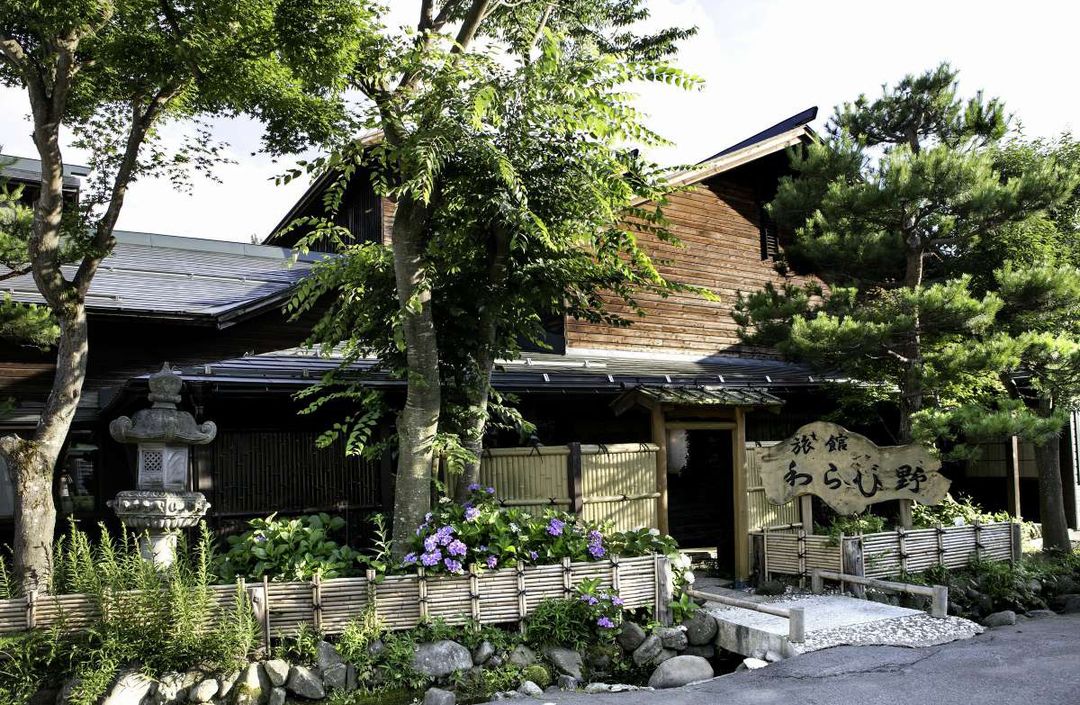
Ryokan Warabino
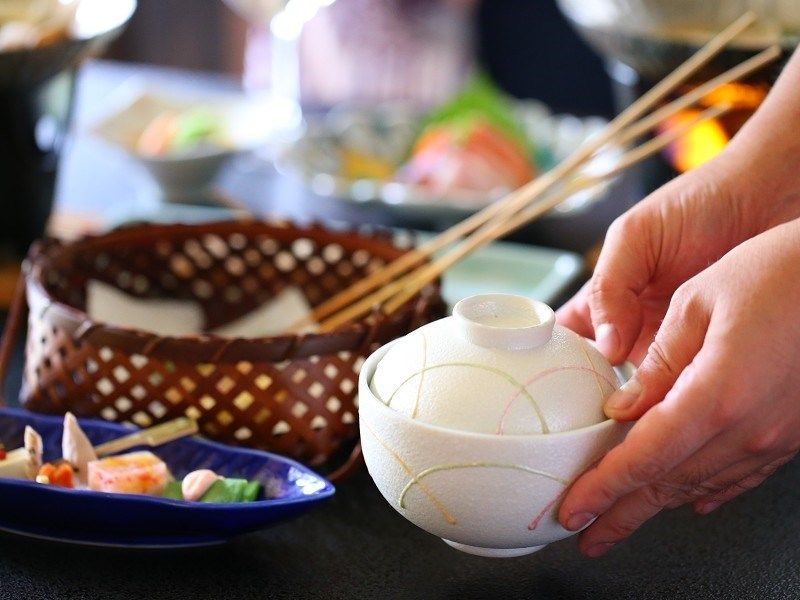
Fukeikan
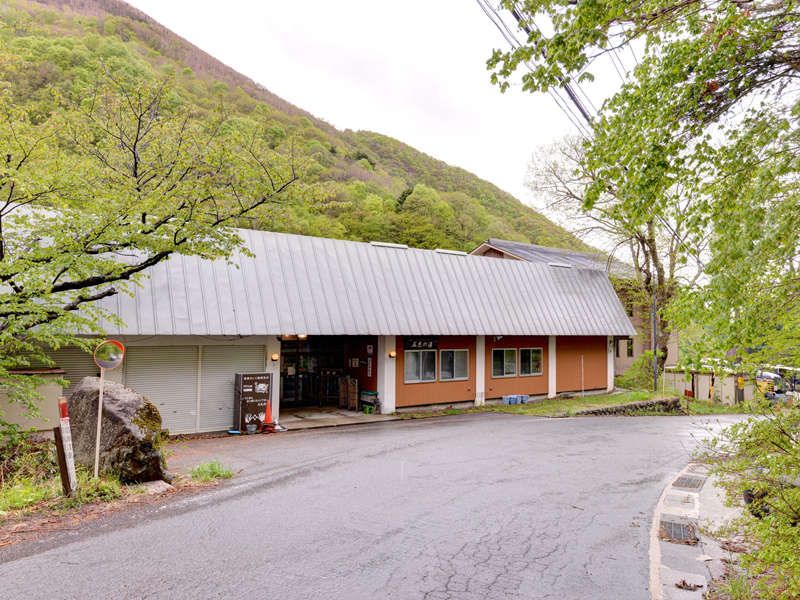
Goshikinoyu Ryokan
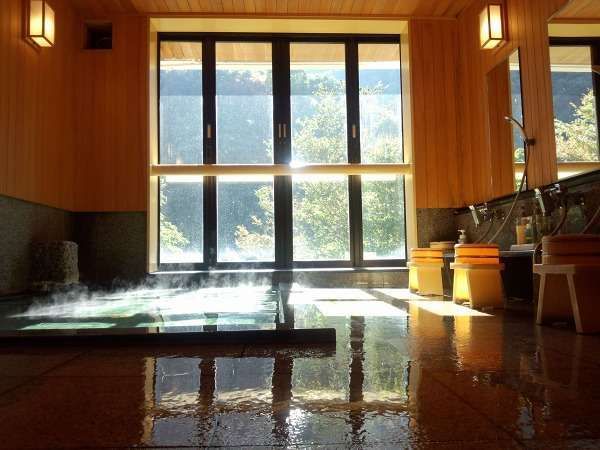
Hiranoya
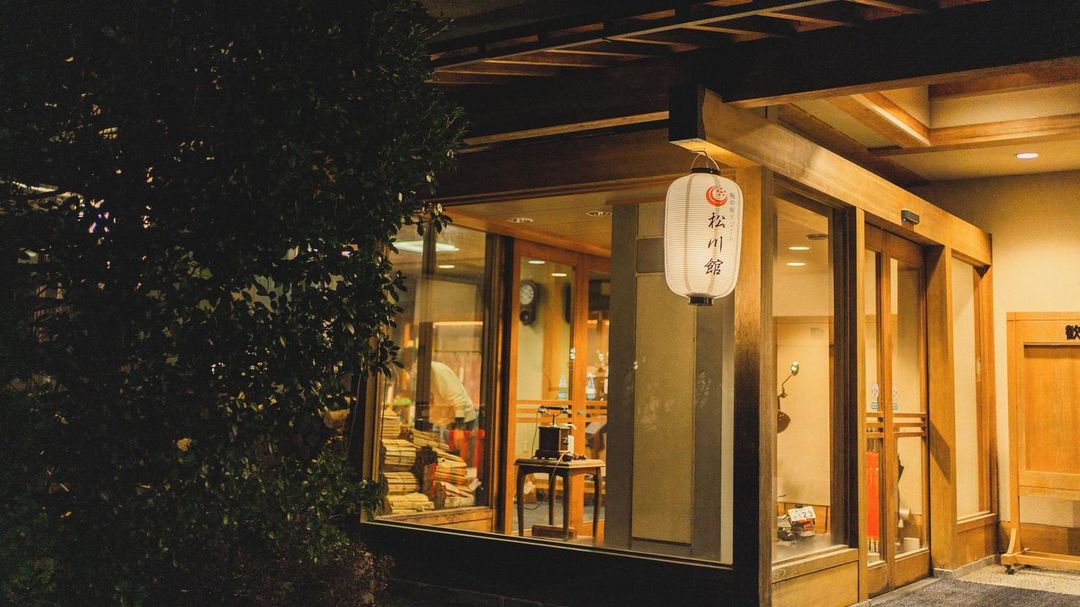
the TOJI.ba MATSUKAWAKAN
Best Hotels in Takayama
Discover curated hotel collections in Takayama
Myojinkan
Hoshino Resorts Kai Matsumoto

The Address Akakura
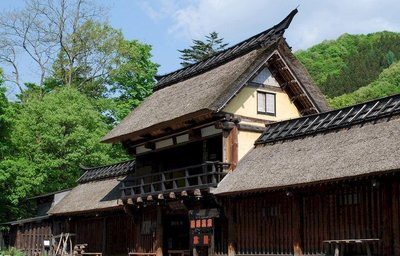
Kayabukinosato Yakushionsen Hatago
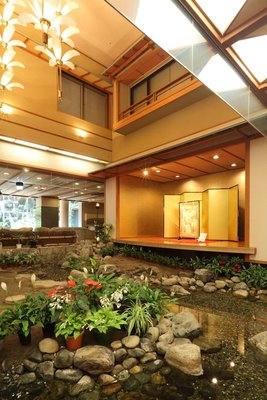
Hotel Futaba
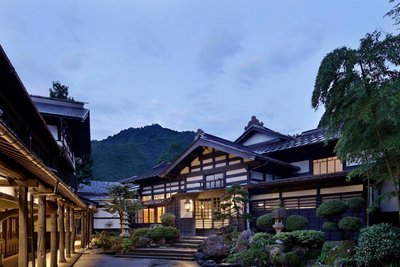
Ryugon

Tokinoniwa
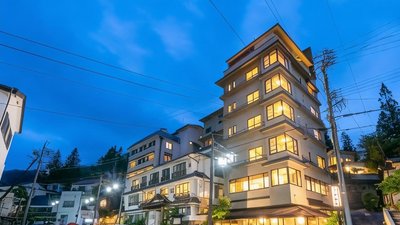
Nakamatsuya Ryokan
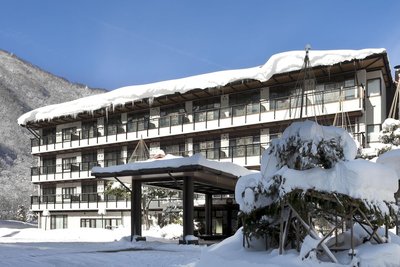
Okada Ryokan Warakutei
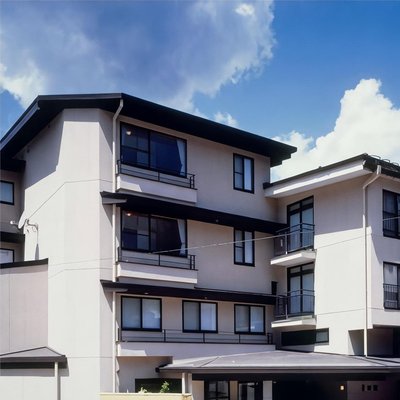
Hiratakan
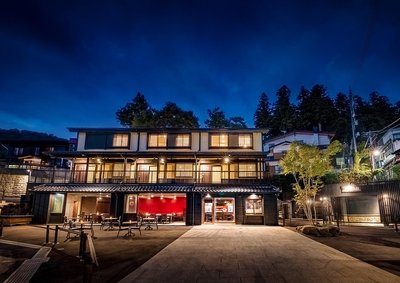
Ryokan Sakaya
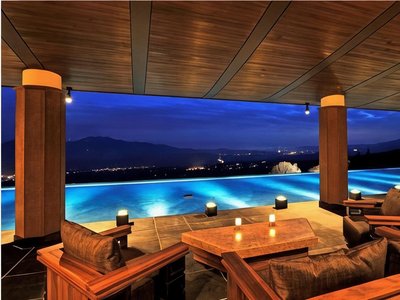
Akakura Kanko Hotel
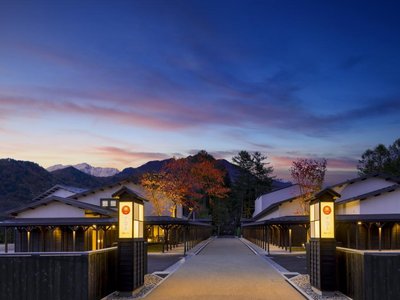
Hoshino Resorts KAI Alps
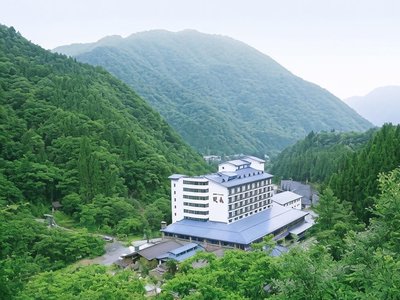
Okuhida Garden Hotel Yakedake
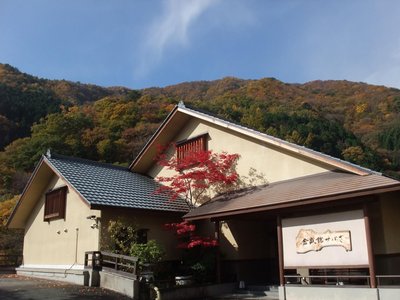
Kinseikan Seseragi
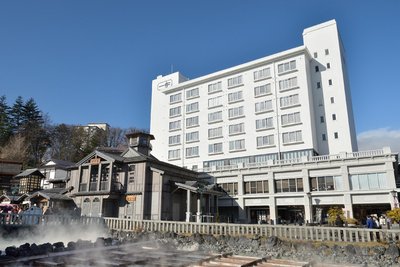
Kusatsu Onsen Hotel Ichii
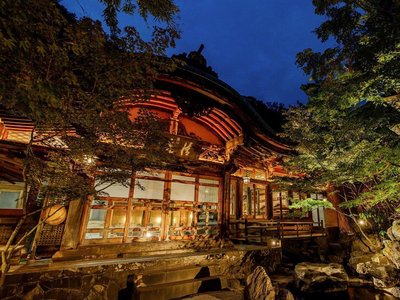
Yorozuya
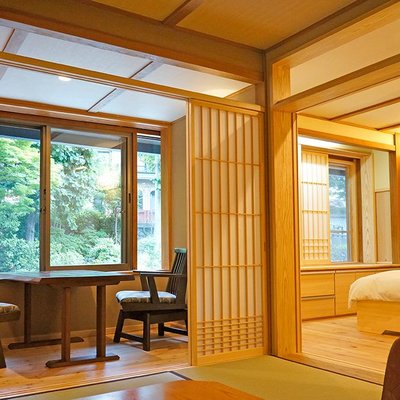
Sumiyosiya Ryokan
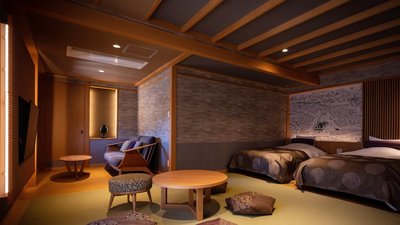
Naraya
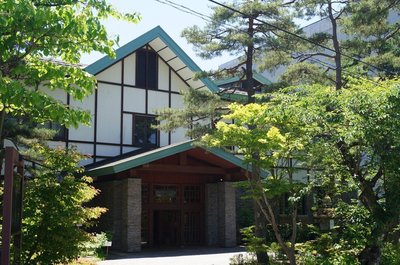
Senjukaku
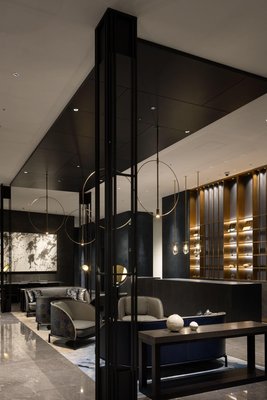
Bellustar Tokyo, A Pan Pacific Hotel
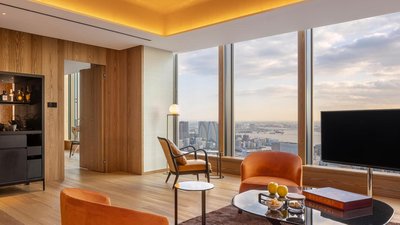
Bvlgari Hotel Tokyo
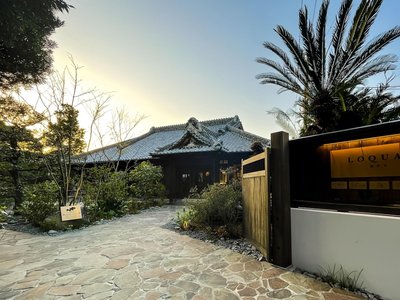
Loquat Nishiizu
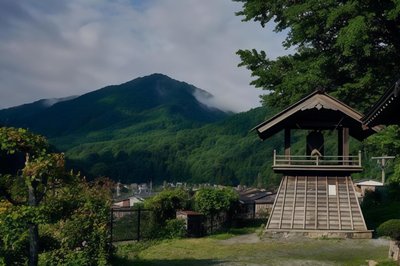
Byaku Narai
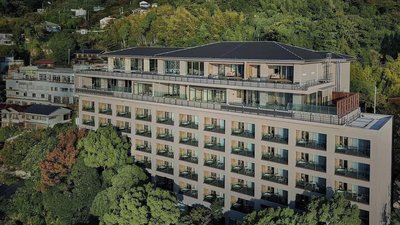
Atami Izusan Karaku
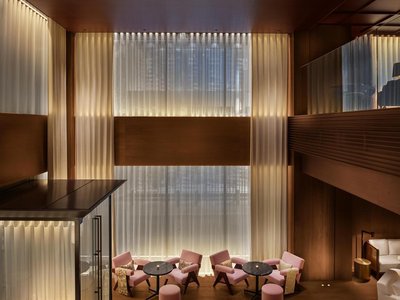
The Tokyo Edition, Ginza
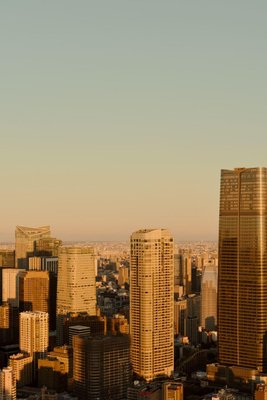
Janu Tokyo
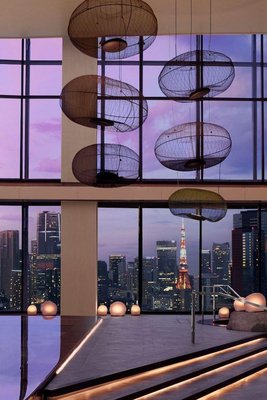
JW Marriott Hotel Tokyo
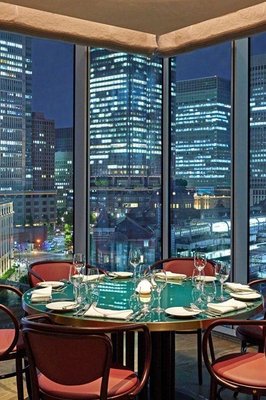
Four Seasons Hotel Tokyo at Marunouchi

Mandarin Oriental, Tokyo
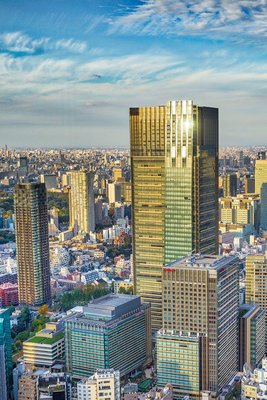
The Ritz-Carlton, Tokyo
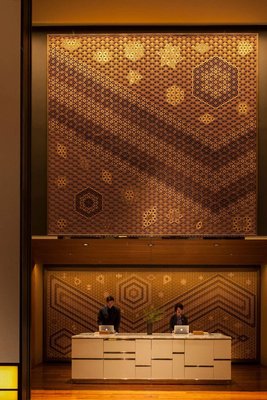
Andaz Tokyo Toranomon Hills- A Concept by Hyatt
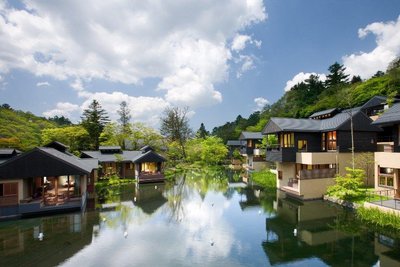
Hoshinoya Karuizawa
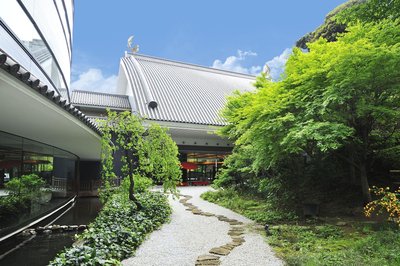
Hotel Gajoen Tokyo
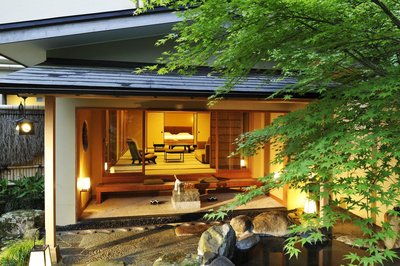
Gora Kadan
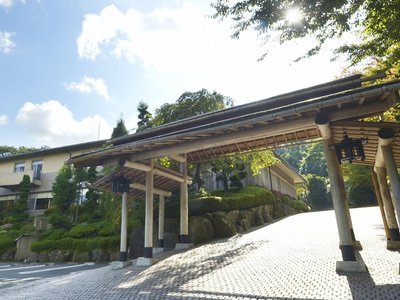
Gora Hanaougi
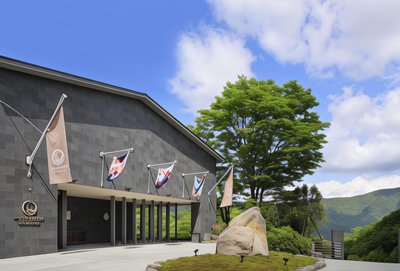
The Hiramatsu Hotels & Resorts Sengokuhara Hakone
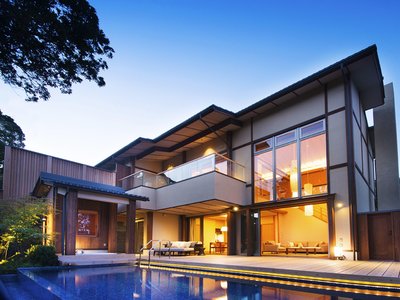
Abba Resorts Izu - Zagyosoh
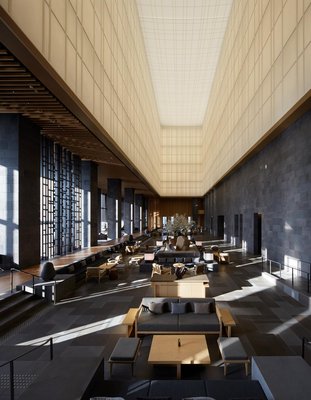
Aman Tokyo
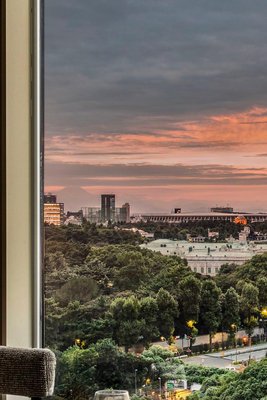
Hotel New Otani Tokyo, Executive House Zen
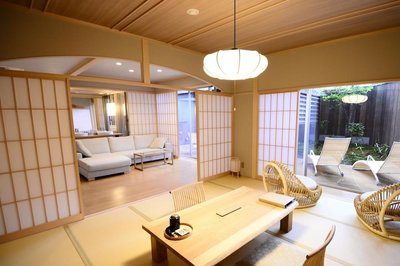
Hakone Gora Byakudan
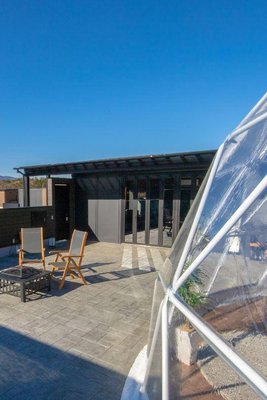
Panoramic Mt. Fuji Views from All Rooms – Vision Glamping Resort & Spa Yamanakako
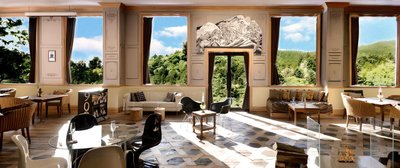
Shelter Garden Nikko
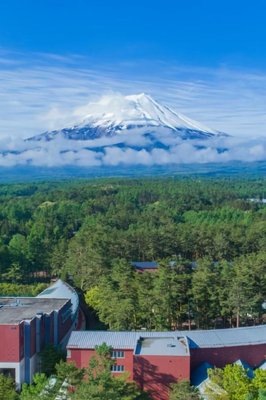
Forest Village (Fuji Premium Resort)
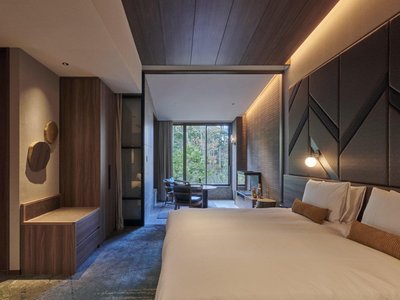
Fufu Kyu-Karuizawa Restful Forest
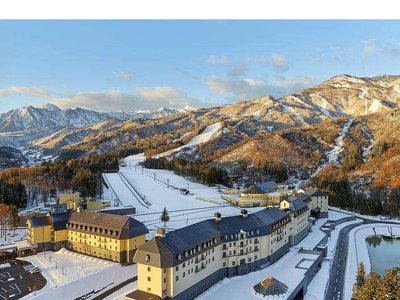
Lotte Arai Resort
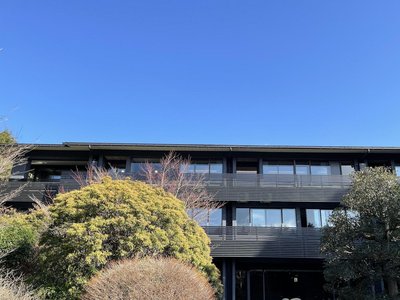
Sengokubara Cocon
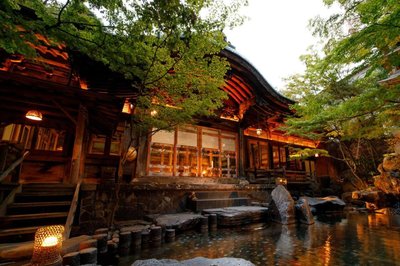
Shoraiso
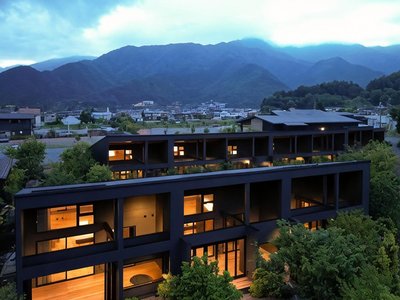
7C Villa and Winery
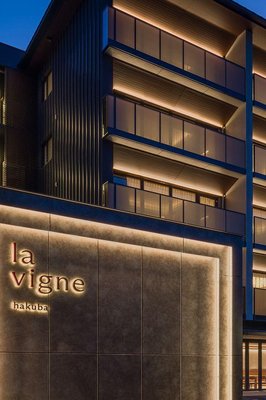
Hotel la Vigne Hakuba by Onko Chishin
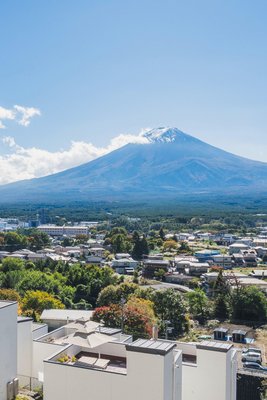
THE TOKI FujiKawaguchiko
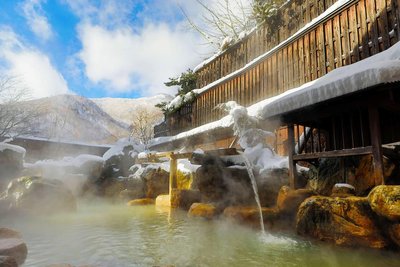
Miyamaouanbekkan yumegurinoyado hirayukan
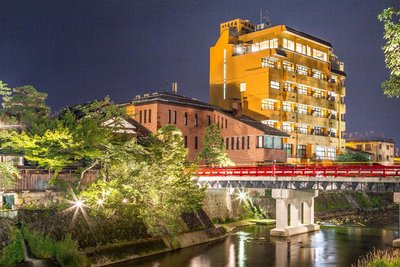
HONJIN HIRANOYA BEKKAN
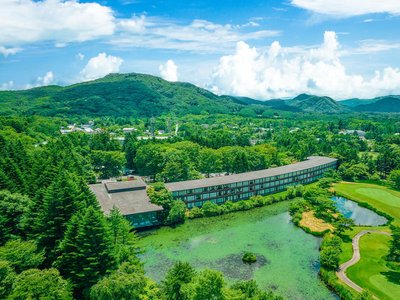
The Prince Karuizawa
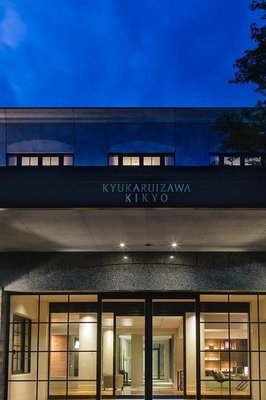
Kyukaruizawa Kikyo, Curio Collection by Hilton
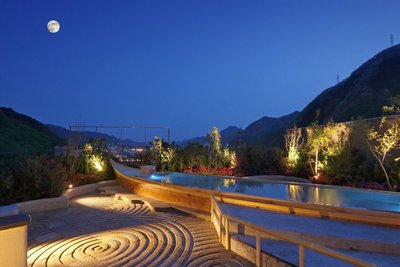
Asaya
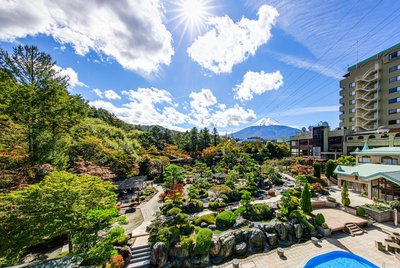
Kaneyamaen
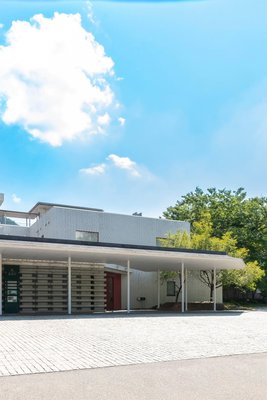
RIVER RETREAT GARAKU
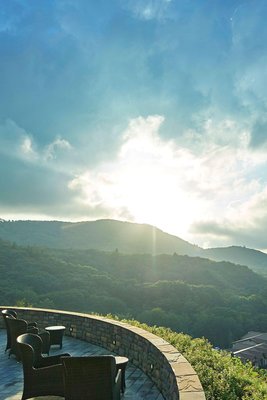
Le Grand Karuizawa Hotel & Resort
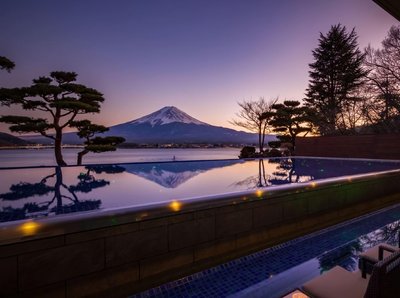
Shuhokaku Kogetsu
Hakone Gora Byakudan
The Prince Karuizawa
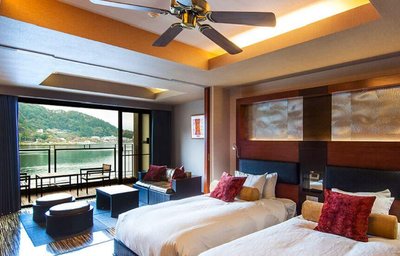
The Kukuna
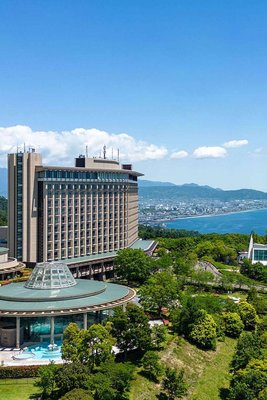
Hilton Odawara Resort & Spa
Hoshinoya Karuizawa
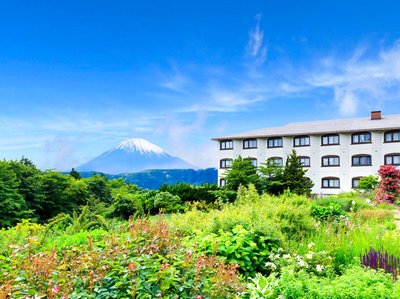
Hotel Green Plaza Hakone
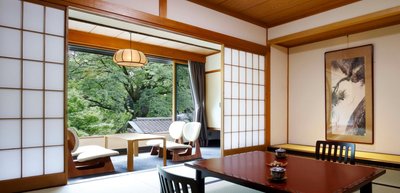
Yoshiike Ryokan
Akakura Kanko Hotel
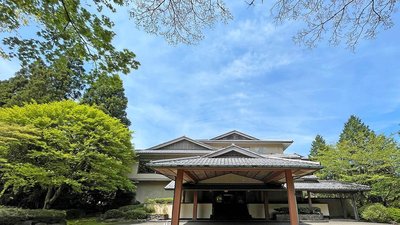
Ryuguden
Asaya
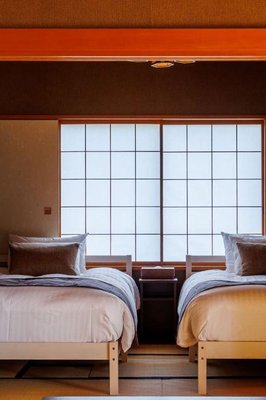
Sado Resort Hotel Azuma
Kaneyamaen
Shuhokaku Kogetsu
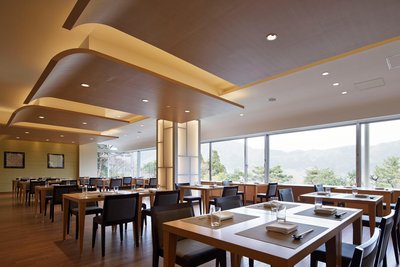
Laforet Hakone Gora Yunosumika
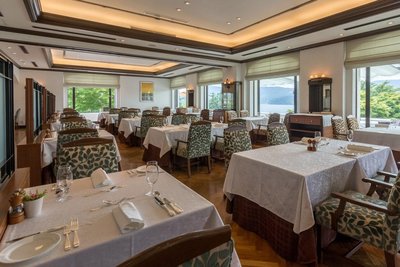
Odakyu Hotel de Yama
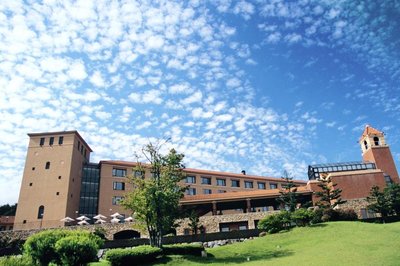
Fruit Park Fujiya Hotel

Hotel Indigo Hakone Gora
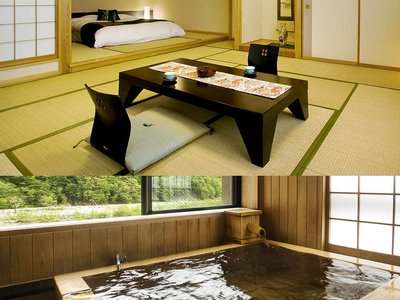
Yukimurasaki

La Vista Fujikawaguchiko
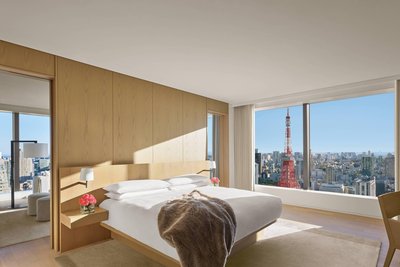
The Tokyo Edition, Toranomon
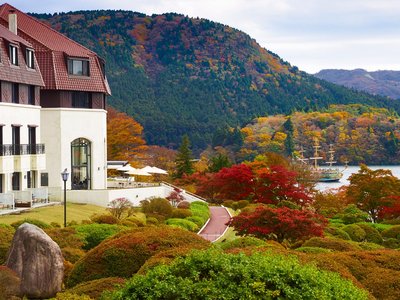
Hotakajyo

Onyado Nono Asakusa Bettei Hot Spring
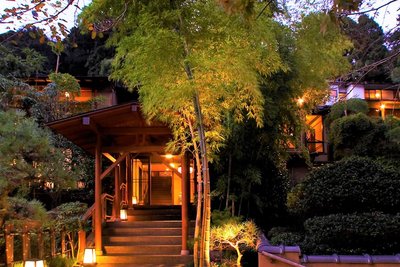
Shiki wo Ajiwau Yado Yamano Chaya
Hoshino Resorts Kai Matsumoto
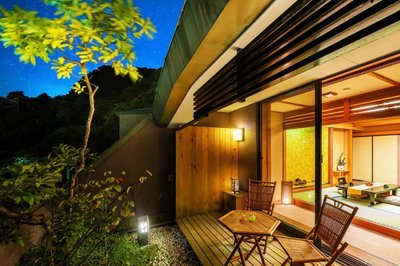
Konjakutei
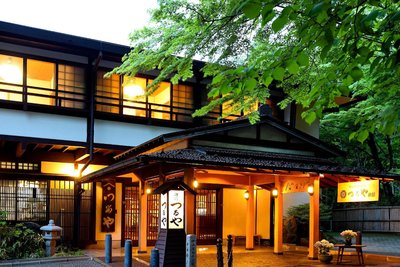
Tsuruya Ryokan
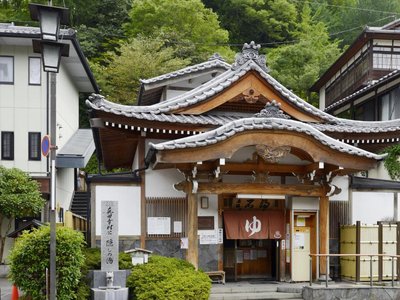
Nakamatsuya Ryokan
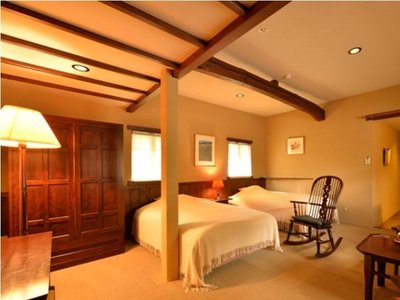
Ryokan Sugimoto
Yoshiike Ryokan
Hotel Gajoen Tokyo
Gora Hanaougi
Sado Resort Hotel Azuma
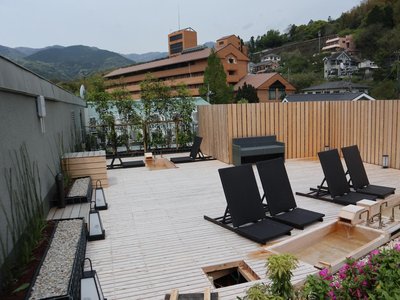
Fukiya Ryokan
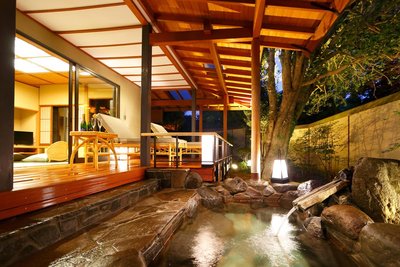
Yoshiharu Ryokan – Izu Nagaoka Onsen
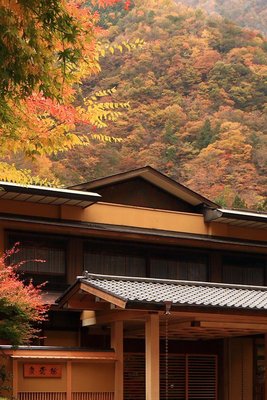
Nishiyama Onsen Keiunkan
Sumiyosiya Ryokan
Naraya
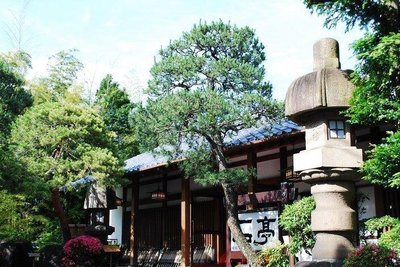
Atami Sekitei
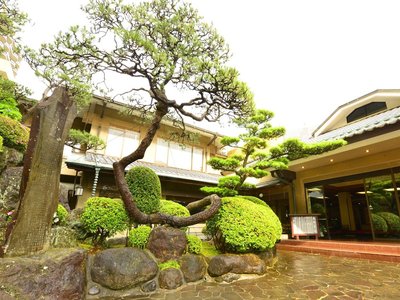
Furuya Ryokan
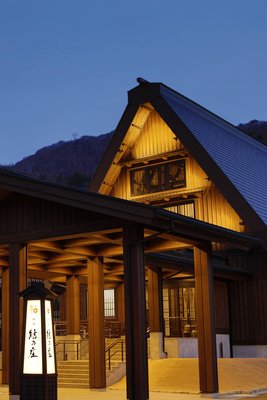
Onyado Yuinosho
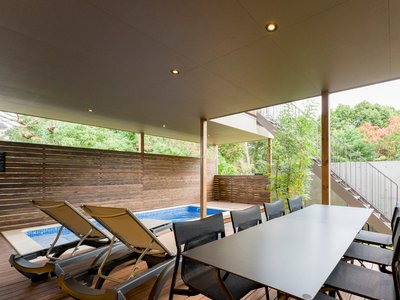
Rakuten STAY VILLA Kamogawa
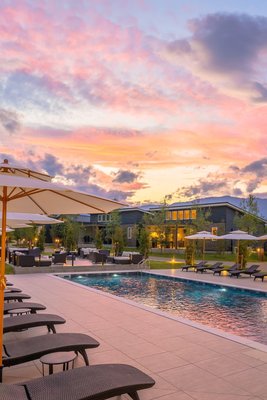
Awaumi Fujikawaguchiko Resort
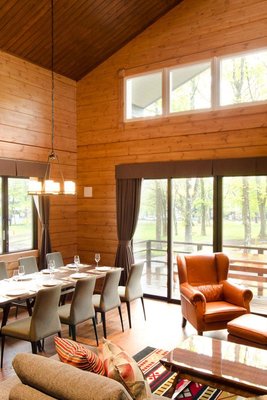
The Prince Villa Karuizawa
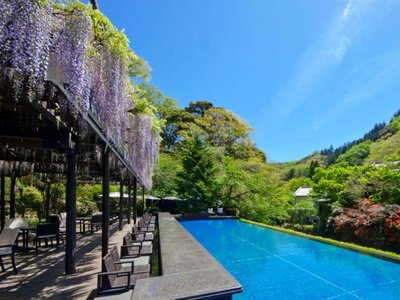
Tofuya Resort & Spa Izu
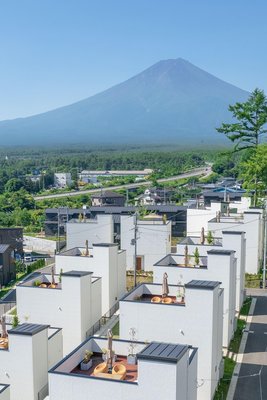
Fuji Granvilla -TOKI-
The Address Akakura
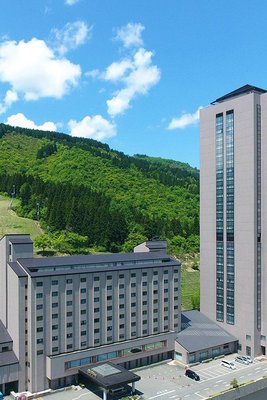
Naspa New Otani
The Prince Karuizawa
Hotel Futaba
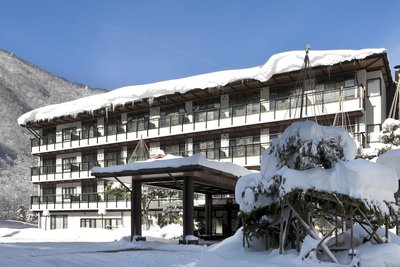
Okada Ryokan Warakutei
Ryokan Sakaya
Kyukaruizawa Kikyo, Curio Collection by Hilton
Akakura Kanko Hotel
Hoshino Resorts KAI Alps
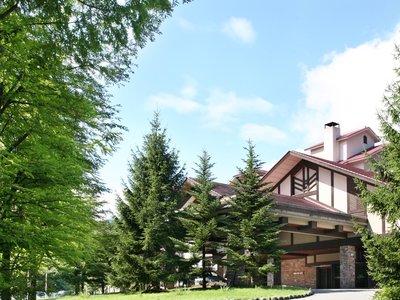
Hakuba Tokyu Hotel
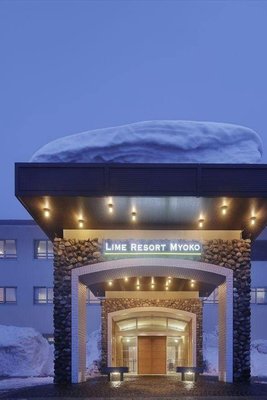
Lime Resort Myoko
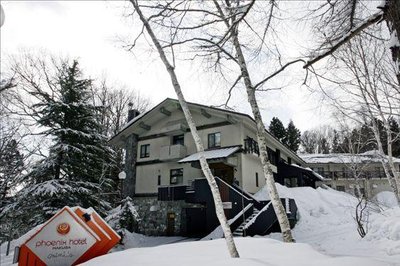
Phoenix Hotel by Hhg
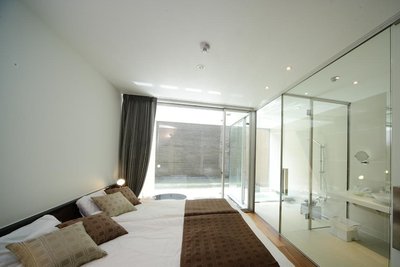
Four Seasons Yuzawa Quattro

Courtyard by Marriott Hakuba
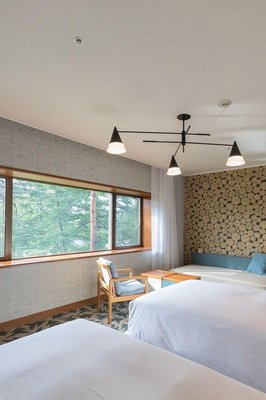
Karuizawa Prince Hotel East
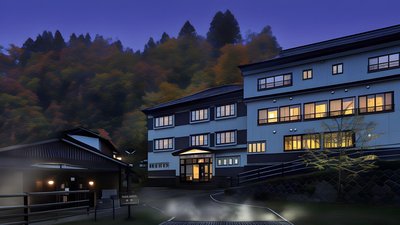
Zao Onsen Omiya Ryokan
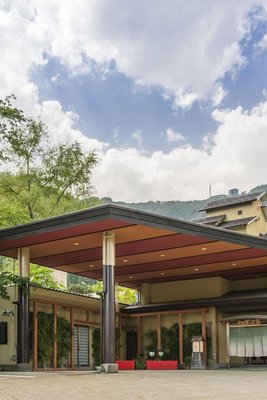
Shosenkaku Kagetsu
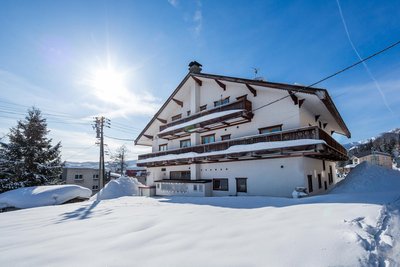
Marillen Hotel by Hhg
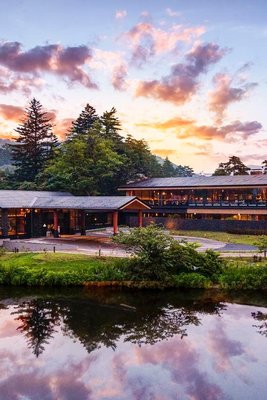
Karuizawa Prince Hotel West
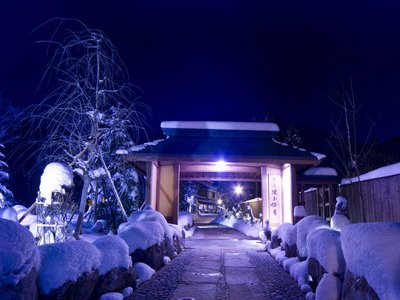
Miyama Ouan
Bvlgari Hotel Tokyo
Four Seasons Hotel Tokyo at Marunouchi
Mandarin Oriental, Tokyo
The Ritz-Carlton, Tokyo
Andaz Tokyo Toranomon Hills- A Concept by Hyatt
Gora Kadan

Hotel New Otani Tokyo the Main
Aman Tokyo
Odakyu Hotel de Yama
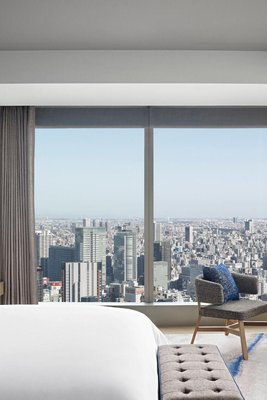
Four Seasons Hotel Tokyo at Otemachi
The Tokyo Edition, Toranomon

Hyatt Centric Kanazawa
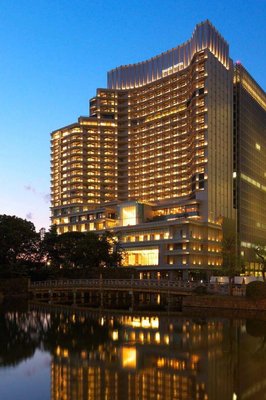
Palace Hotel Tokyo
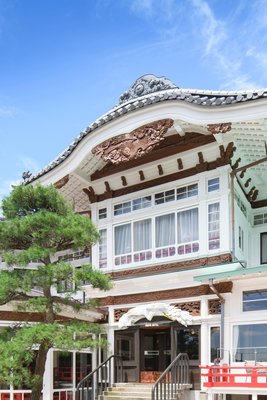
Fujiya Hotel
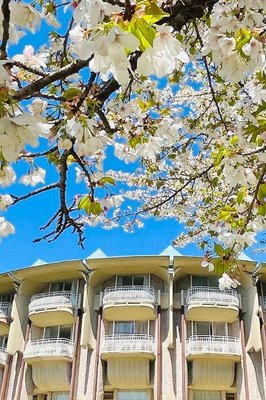
The Prince Hakone Lake Ashinoko
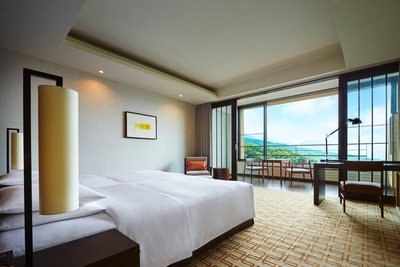
Hyatt Regency Hakone Resort and Spa
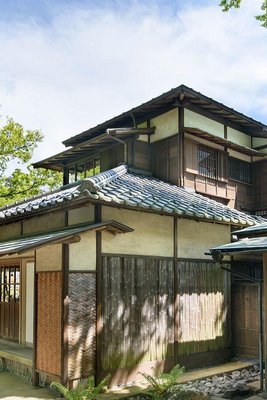
Hakone Suishoen
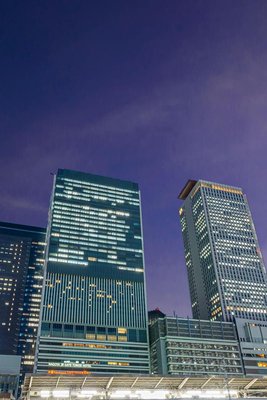
Nagoya JR Gate Tower Hotel (JR-Central Hotels)
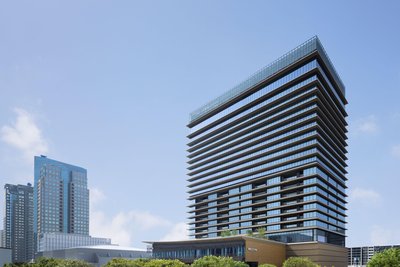
The Westin Yokohama
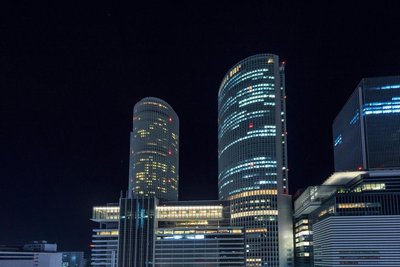
Nagoya Marriott Associa Hotel
Bellustar Tokyo, A Pan Pacific Hotel
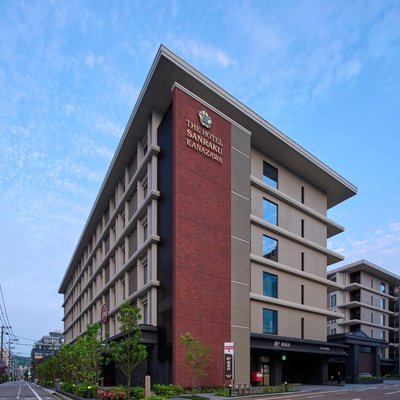
The Hotel Sanraku Kanazawa 21th December 2022 Open
JW Marriott Hotel Tokyo
Andaz Tokyo Toranomon Hills- A Concept by Hyatt
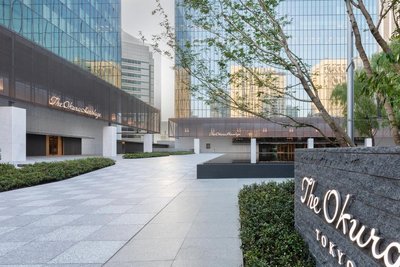
The Okura Tokyo
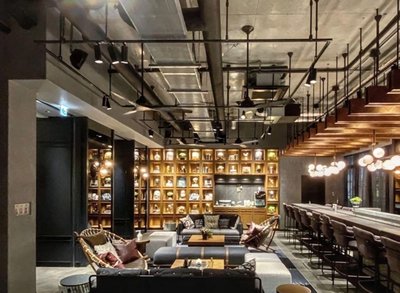
The Lively Azabujuban Tokyo
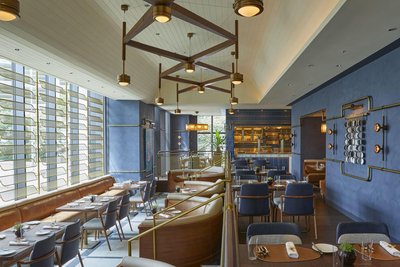
Kimpton Shinjuku Tokyo

HOTEL K5
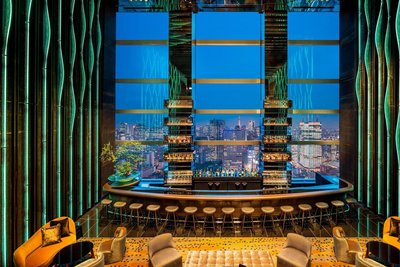
The Prince Gallery Tokyo Kioicho, a Luxury Collection Hotel
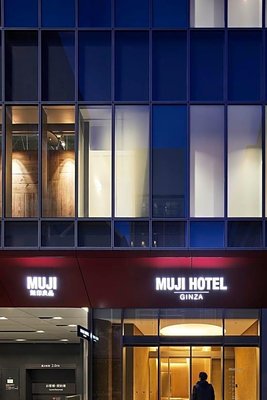
Muji Hotel Ginza
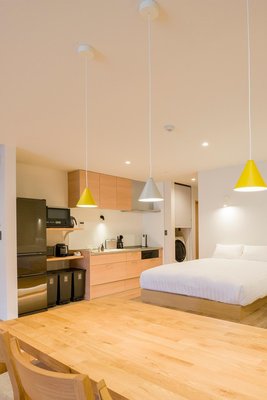
Rakuten STAY VILLA Nasu
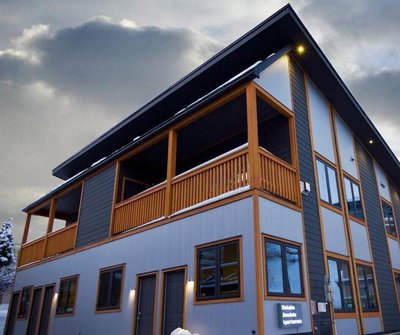
Hakuba Gondola Apartments
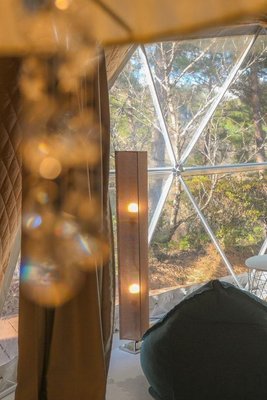
glampark Gekkabijin Nagano
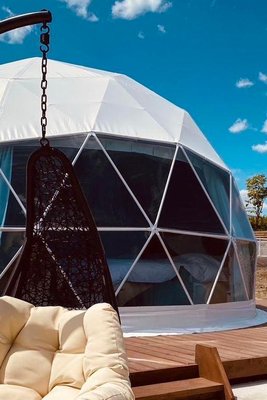
chillout glamping zao
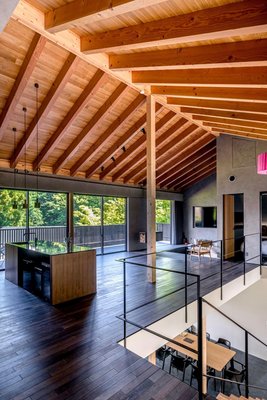
MONS GORA
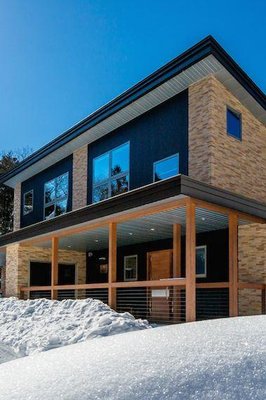
Phoenix Chalets by Hhg
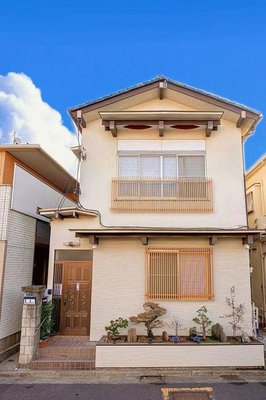
Tokyo Star House-Shinkoiwa
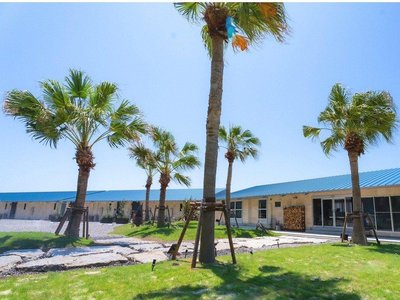
Glamping&Resort Wood Design Park Noma
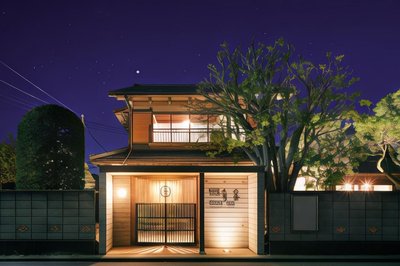
Machi-Jyu
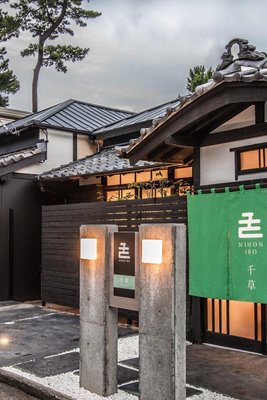
Nihon Iro
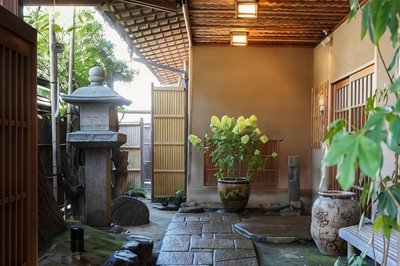
Ryokan Asadaya
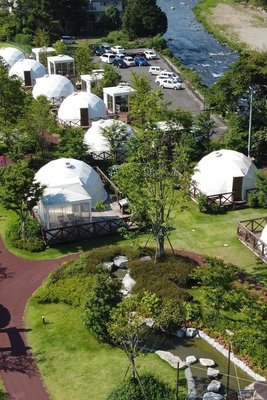
Ufufu Village
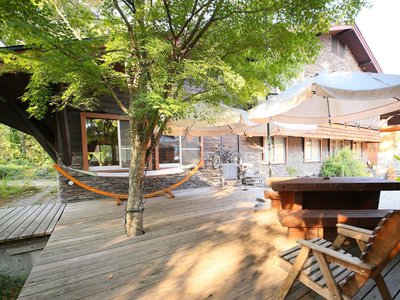
Kunugi Relaxation with 4 Modern Rooms
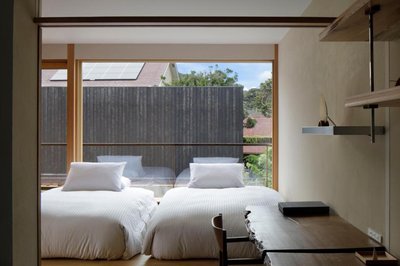
Modern Ryokan Kishi-ke
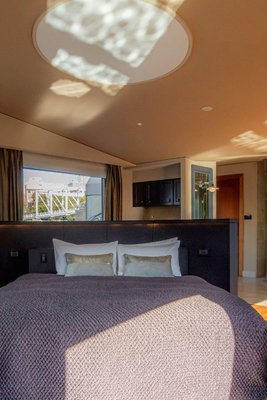
Petals Tokyo - Floating Hotel
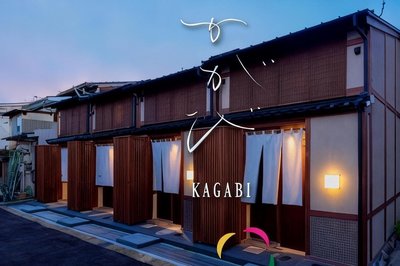
Kagabi Machiya House
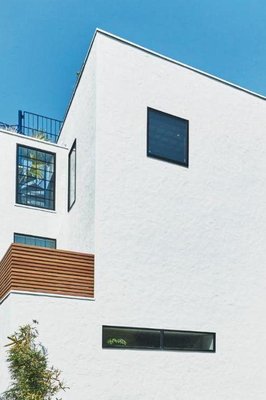
The Flow Kamakura
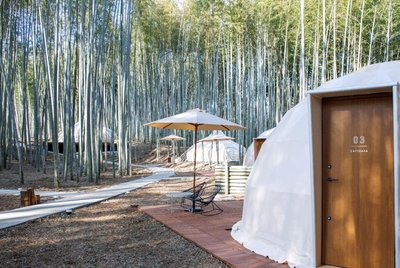
THE BAMBOO FOREST
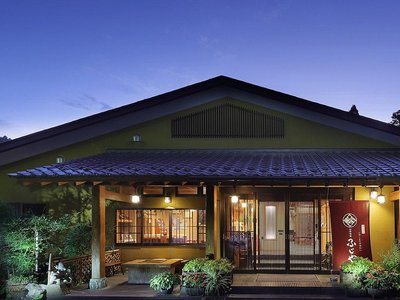
Shikimitei Fujiya
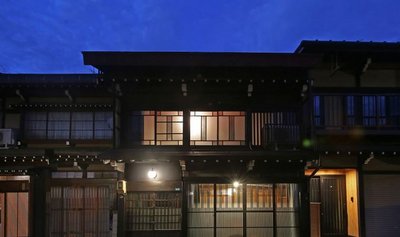
Iori Stay Hida
Frequently Asked Questions about Traveling to Takayama
Questions You Might Need to Know About Traveling to Takayama
In Takayama Village, the top boutique lodges include Shirakaba-no-Sato Ryokan, a minimalist wooden retreat nestled beside Shirakaba Lake, offering private onsen baths and panoramic mountain views. Its design blends traditional Shinshu architecture with modern comfort, featuring tatami rooms, locally sourced wood finishes, and seasonal kaiseki meals.
Another standout is Matsuyama Lodge, a family-run eco-lodge near Asama Mountain, known for its sustainable practices and guided forest walks. Guests enjoy homemade organic meals and access to hiking trails. Both lodges emphasize quiet immersion in nature, making them ideal for travelers seeking authentic, low-impact stays in this serene alpine setting.
The best area for accommodation in Takayama Village is the Shirakaba Lake shoreline and the foothills of Asama Mountain. These zones offer tranquil surroundings, clean air, and stunning natural vistas. Staying by the lake provides direct access to peaceful lakeside views, perfect for morning meditation or photography.
Meanwhile, the Asama foothills are ideal for outdoor enthusiasts, with easy access to hiking trails, wildlife spotting, and hot spring resorts. Accommodations here range from traditional ryokans to eco-lodges, all designed to harmonize with the landscape. The area is also well-connected via shuttle buses from Nagano Station, ensuring convenience without compromising serenity.
Must-do cultural experiences in Takayama Village include attending the Asama Shrine Autumn Festival, a vibrant event featuring taiko drumming, portable mikoshi processions, and sacred dances rooted in Shinto traditions. Visitors can also participate in handcrafted pottery workshops at the Takayama Pottery Village, where they learn ancient techniques using local clay.
Additionally, join a foraging tour led by elder villagers to discover edible wild herbs and mushrooms in the surrounding forests—a rare opportunity to experience Shinshu’s ancestral knowledge. These immersive activities deepen your connection to the region’s heritage and provide meaningful, memorable interactions beyond sightseeing.
Yes, Takayama Village is highly suitable for families with children. Many accommodations, such as Matsuyama Lodge, offer child-friendly facilities including play areas, family-sized onsen, and guided nature scavenger hunts. The Shirakaba Lake Nature Park features gentle walking paths with interpretive signs, perfect for young explorers.
Seasonal activities include firefly night walks in summer, snowman-building contests in winter, and farm visits where kids can feed goats and collect eggs. Local guides also provide family-oriented tours that blend education and fun—ideal for fostering curiosity about nature and culture. With safe, scenic environments and engaging programs, it’s a stress-free destination for multi-generational travel.
The hot springs in Takayama Village are renowned for their natural sulfur-rich waters and alkaline mineral content, known for improving skin health and easing muscle fatigue. The most famous is Asama Onsen, located at the base of Asama Mountain, where open-air baths overlook lush forests and misty valleys.
At Shirakaba Spa House, guests enjoy private rooftop onsen with panoramic mountain views, crafted from sustainable hinoki wood. Some spas even offer nighttime soaking under starlight, accompanied by ambient music. All sources are naturally heated from deep underground aquifers, tested regularly to meet Japan’s strict water quality standards—making these springs not only therapeutic but environmentally responsible.
Must-try local dishes in Takayama Village include Shinshu soba noodles, made from locally grown buckwheat and served cold with dipping sauce or warm in broth—best enjoyed at Shirakaba Canteen. Another highlight is wild mountain vegetable tempura, featuring seasonal greens like ferns, dandelion, and yamagiku, lightly fried to preserve their earthy flavor.
Don’t miss the local wagyu beef set or homemade tofu stew, both crafted with ingredients from nearby farms. During festivals, sample mochi wrapped in mountain honey, a sweet treat passed down through generations. These dishes reflect the village’s commitment to terroir-driven cuisine and sustainable food practices.
Absolutely, Takayama Village is a paradise for photographers. Each season offers dramatic visuals: spring cherry blossoms, summer fireflies over the lake, autumn maple reflections, and winter snow-laden pines. Key spots include Shirakaba Lake at sunrise, Asama Mountain viewpoint, and the Shrine Torii gate framed by red leaves.
Early mornings yield the best light, especially during foggy seasons when the lake becomes a mirror-like canvas. Guided photography tours are available, led by local artists who share tips on composition and timing. Bring a tripod and wide-angle lens to capture the vast landscapes and intimate details of this untouched alpine world.
Takayama Village is accessible via Nagano Station by direct express bus, running 4–6 times daily with a journey time of about 1 hour. The route is clearly marked, and tickets can be purchased online or at the station.
For those driving, the Hokuriku Expressway connects smoothly, with ample free parking at major lodges and trailheads. The village also operates a free shuttle bus network linking key attractions and accommodations. For non-drivers, private driver services are available upon request, offering door-to-door convenience while maintaining flexibility for spontaneous stops.
Takayama Village has a highland climate with distinct seasons. Summer (June–August) is cool, averaging 18–22°C, ideal for hiking. Winter (December–February) is cold, with temperatures ranging from -5°C to 3°C and heavy snowfall, perfect for winter sports.
Spring (April–May) brings blooming flowers and thawing lakes; autumn (September–November) features vivid foliage and crisp air. Due to its elevation (~1,000m), UV levels are high—always wear sunscreen. Rainfall peaks in June–July; check forecasts before planning outdoor activities. Layered clothing is essential for year-round comfort.
Couples will love Shirakaba Lake overnight glamping in a glass-roofed treehouse at Shirakaba-no-Sato, where you can stargaze together under clear alpine skies. Alternatively, book a private onsen suite at Asama Onsen, complete with an open-air bath surrounded by pine trees.
Take part in a forest vow ceremony at Asama Shrine, where you hang personalized wishes on wooden tags. End the day with a candlelit dinner at a hillside restaurant serving local wagyu and seasonal vegetables. For lasting memories, opt for a couple’s photography session in the autumn woods—perfect for capturing love amid nature’s beauty.
Takayama Overview
City Summary
Takayama Village in northern Nagano Prefecture is a tranquil mountain retreat renowned for its traditional farming heritage and dramatic seasonal landscapes. Preserving Edo-period gassho-zukuri thatched farmhouses, the village transforms into a snow globe in winter and an emerald paradise in summer. Its mineral-rich onsen hot springs paired with farm-to-table cuisine create a unique "toji" wellness travel experience.
Must-See Attractions
Don't miss Nakatsuna Lake reflecting the Hakuba Mountain Range, especially stunning during autumn foliage. Oode Suspension Bridge offers panoramic views of Senbon Falls. Gomike Hatago House showcases gassho-zukuri architecture with nighttime illuminations in winter. Happo Onsen and Tsugaike Nature Park provide alpine flower viewing and skiing, blending culture and nature.
Food Guide
Try Takayama soba noodles made with mountain spring water, served with tempura or wild greens. Iwana salt-grilled river trout is a local specialty with crisp skin. Hoba miso features fermented bean paste grilled on magnolia leaves. Winter-only kanburi nabe hotpot uses yellowtail from Toyama Bay with village vegetables.
Transportation Guide
Take the Hokuriku Shinkansen from Tokyo to Nagano (90min), transfer to JR Oito Line to Hakuba Station (60min), then a 20min bus ride to Takayama. Village transportation relies on community buses (limited in winter) and taxis - renting a car is recommended. Winter requires snow tires/chains; some mountain roads close Dec-Mar. Free shuttles operate to Happo-One Ski Resort.
Best Time to Visit
Winter (Dec-Mar) is ideal for skiing and snowscape onsens, with peak crowds in Jan-Feb. Autumn (Oct-Nov) offers perfect hiking weather amid fall colors. Spring (Apr-May) brings cherry blossoms but avoid Golden Week crowds. Summer (Jun-Sep) is cool yet rainy.
Travel Tips
- Thoroughly wash before entering onsens; check tattoo policies
- Carry waterproof gear for sudden mountain weather changes
- Confirm snow tire availability if winter driving
- Many farm restaurants require reservations; few evening options
- Practice strict trash recycling - public bins are scarce
- Always ask permission before photographing private properties
Useful Information
Language: Low English proficiency; bring phrasebooks or translation apps Internet: Limited Wi-Fi at lodgings; unstable signals in mountains Payment: Cash dominates; few hotels/restaurants accept cards Medical: Nearest hospital in Omachi (30min drive); village has only clinics Emergency: Police 011-86-2555; multilingual support at tourism office (9AM-5PM) Voltage: 100V, Type A/B plugs; some lodgings provide USB ports









