Hotels in Takeo
Discover your perfect stay in Takeo.
Takeo(Japan) Travel 2026: Cheap Flights, Hotels & Top Attractions
Popular Landmarks in Takeo
Discover the most iconic attractions in Takeo
Recommended Hotels in Takeo
Find the perfect place to stay in Takeo



Best Hotels in Takeo
Discover curated hotel collections in Takeo















Frequently Asked Questions about Traveling to Takeo
Questions You Might Need to Know About Traveling to Takeo
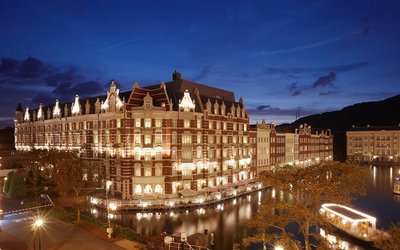
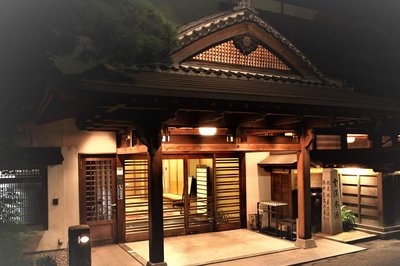
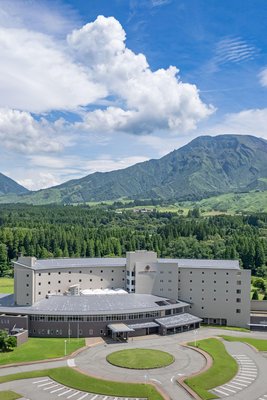
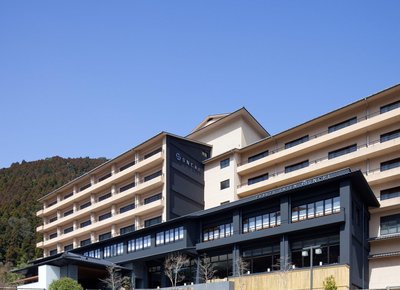
In Takeo City, the Takeo Onsen Resort Hotel is a top choice for families seeking comfort and authenticity. Located just steps from the Takeo Onsen Hot Spring district, this hotel features spacious family rooms, private outdoor baths, and child-friendly amenities like playrooms and kid-sized yukata. Guests enjoy daily meals of traditional Saga Prefecture cuisine, including fresh local seafood and rice dishes.
The hotel offers free access to public bathhouses and provides multilingual staff support, making it ideal for international travelers. Its proximity to Takeo Shrine and Takeo Station ensures easy exploration. With its natural healing waters rich in sodium and potassium, the resort delivers both relaxation and wellness—perfect for rejuvenating families after a day of sightseeing.
Additionally, Takeo Onsen Daiwa Roynet Hotel offers excellent value with modern facilities, large rooms, and convenient access to nearby attractions, making it a reliable option for multi-generational stays.
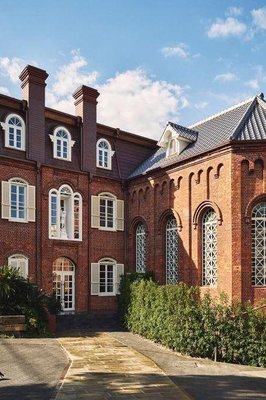
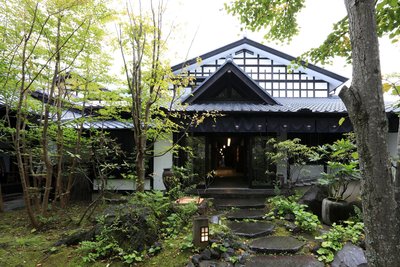
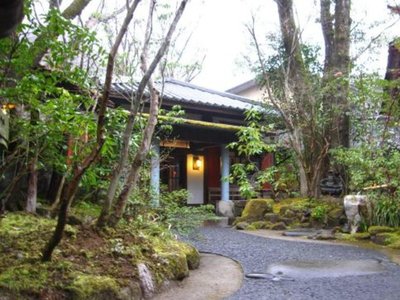
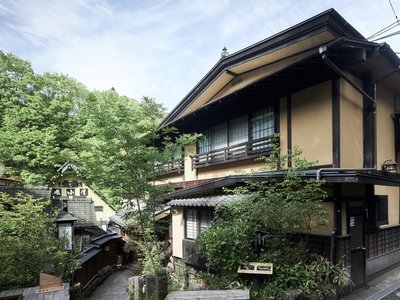
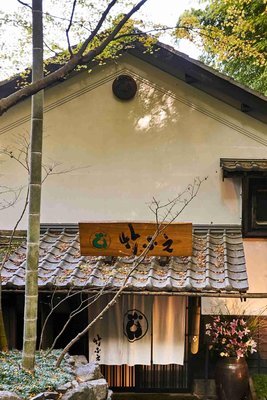
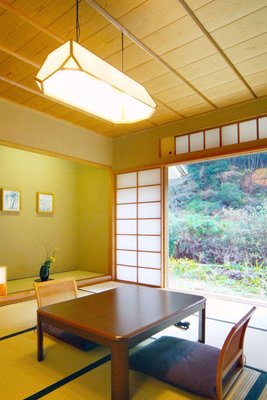
For an immersive cultural stay, consider Takeo Kukan, a beautifully restored Meiji-era wooden townhouse located near Takeo Castle Ruins. This boutique guesthouse preserves original shoji screens, tatami floors, and traditional architectural details, offering guests a genuine glimpse into early 20th-century life in Saga Prefecture.
The hosts are local historians who provide guided tours to Takeo Shrine, Saga Domain Archives, and nearby archaeological sites. Guests can participate in hands-on workshops such as Saga-yaki pottery-making and tea ceremony sessions. The inn also hosts a small museum showcasing artifacts from the Sengoku period, enriching the cultural experience.
With its serene garden, quiet ambiance, and deep connection to regional heritage, Takeo Kukan blends history, artistry, and hospitality—ideal for travelers seeking meaningful, off-the-beaten-path encounters in Takeo City.
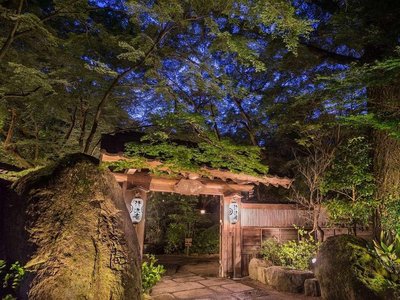
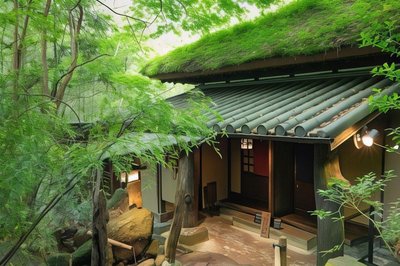
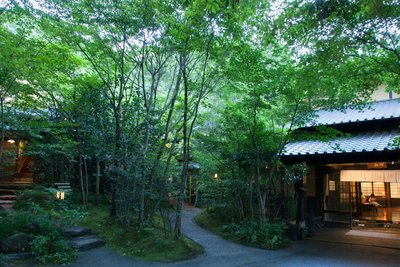
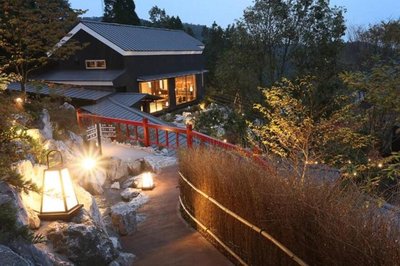
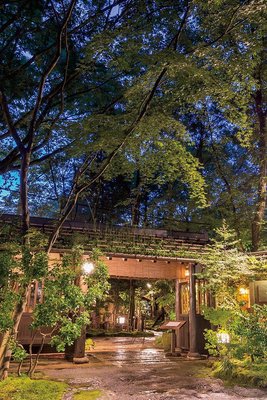
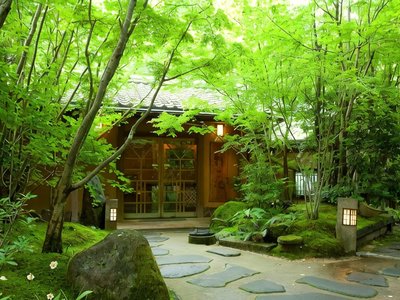
For couples seeking intimacy and tranquility, Yuyu no Ie Take-no-ya stands out as the premier choice in Takeo City. Nestled in a secluded forested area, this intimate ryokan features only 12 rooms, each with a private outdoor onsen and a tranquil Japanese garden view.
The hotel operates on a 'no-disturbance' philosophy: minimal staff interaction, no shared elevators or lobbies, and personalized service by the owner. Special packages include the "Stargazing Onsen Experience"—a private soak under the night sky with local sake and handmade sweets.
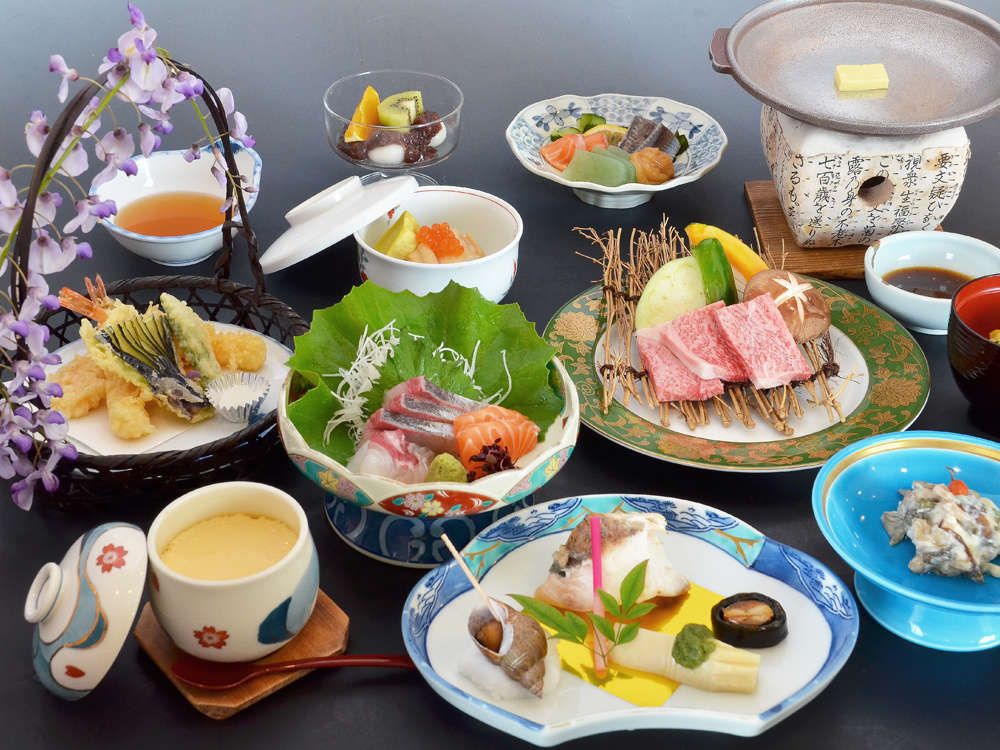
Dinner consists of exquisite kaiseki cuisine crafted from ingredients sourced daily from Takeo Market and surrounding farmlands. The chef prepares seasonal dishes like Saga duck hot pot and local beef sukiyaki. Located just a 10-minute walk from Takeo Shrine, it’s perfect for a morning ritual before returning to your peaceful retreat. A true haven for romance and renewal.
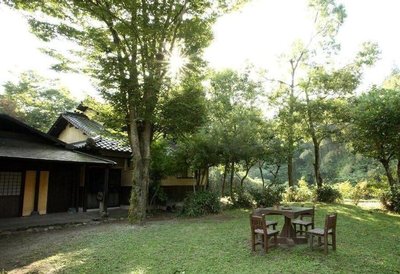
To immerse yourself in rural life, stay at Kogawa no Ie, a centuries-old farmhouse turned eco-museum-style guesthouse in Takeo City’s agricultural zone. Run by a local family, this homestay offers rice field-view rooms and hands-on farm experiences including planting, harvesting, and picking seasonal vegetables.
Guests learn to make traditional Saga-style rice cakes and pickled vegetables while enjoying meals made with produce grown right on-site. Morning breakfasts feature locally grown rice, fresh eggs from the farm, and homemade dairy products.
Evenings include “Farmers’ Night” gatherings where guests share stories and enjoy folk songs with villagers. Weekend events include firefly watching along the nearby stream—a rare and magical experience. Though quiet and remote, shuttle services connect to Takeo Onsen Station, making it accessible while preserving its peaceful, authentic atmosphere. Perfect for those craving simplicity and sustainability.
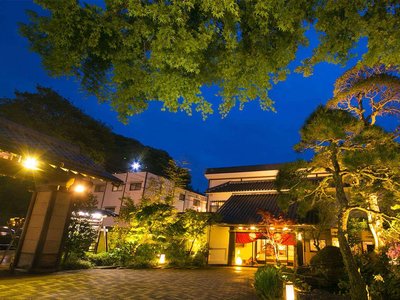
Takeo Onsen Daiwa Roynet Hotel is widely regarded as the best all-in-one onsen hotel in Takeo City. Situated in the heart of the Takeo Onsen district, it boasts three public bathhouses: open-air baths, cedarwood tubs, and steam rooms—all fed by mineral-rich thermal water drawn from 700 meters underground.
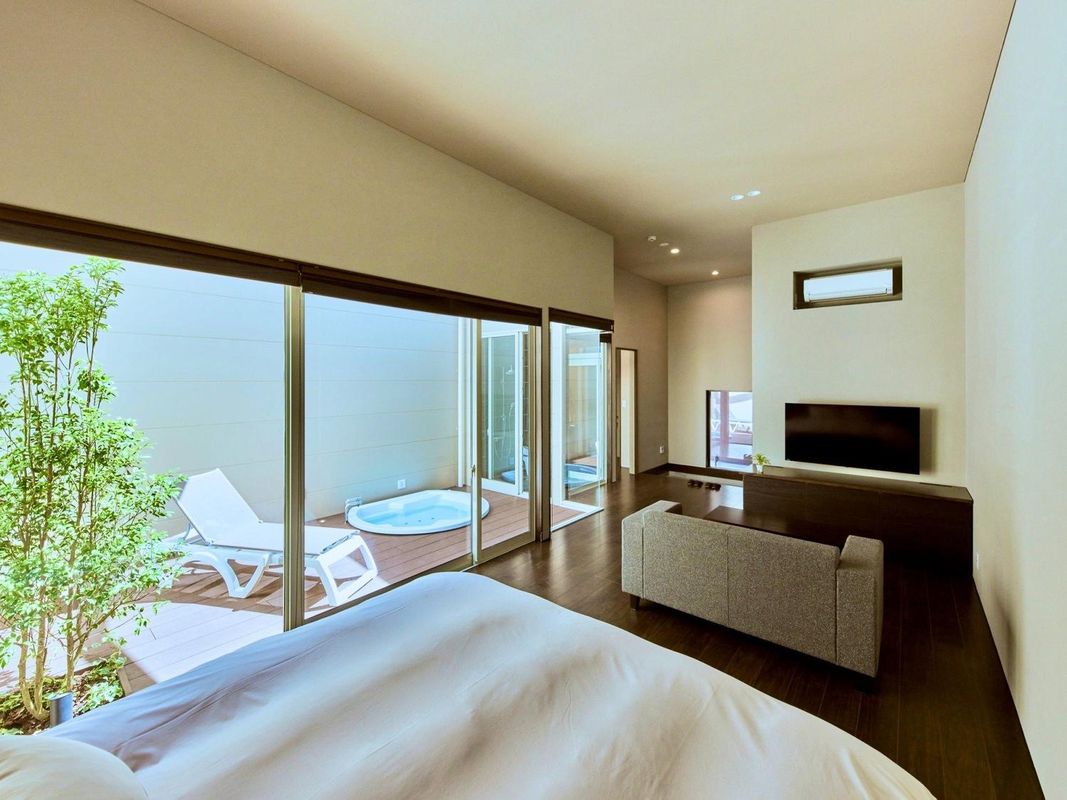
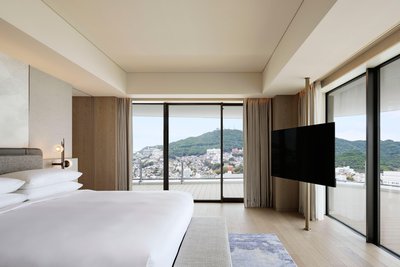
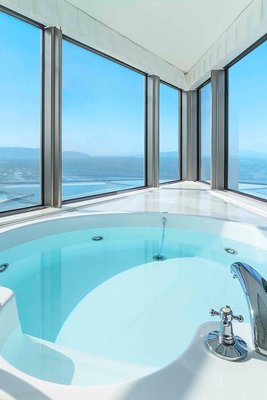
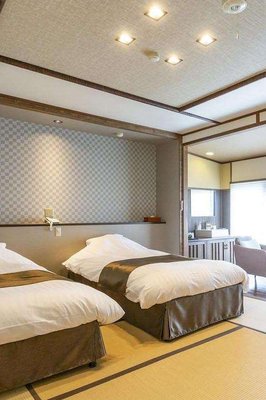
The water, classified as a simple hot spring, contains high levels of sodium, potassium, and bicarbonate—excellent for improving circulation, skin health, and joint relief. All guest rooms feature floor-to-ceiling windows and private onsen tubs, with some offering views of the Takeo River and surrounding mountains.
Breakfast includes local specialties like Kanzaki dried fish rice and Shimabara banana pudding. Afternoon tea sessions and DIY craft workshops are complimentary. Just a 300-meter walk from Takeo Shrine, the hotel combines wellness, convenience, and cultural accessibility—making it a favorite among both domestic and international visitors.
For ultimate serenity, head to the Mori no Oka district in western Takeo City, nestled beside the Takeo Forest Park. This quiet, green enclave is far from tourist hubs and offers a pure escape into nature.
Stay at Mori no Oka Villa, a low-density cluster of traditional Japanese villas, each with private gardens and individual onsen. Guests enjoy morning walks through forest trails, afternoon reading nooks, and evening stargazing. The hotel offers a "Forest Healing Package" featuring aromatherapy massages and mindfulness sessions.
Nearby, the Takeo Nature Observation Trail is perfect for birdwatching and photography. While not close to downtown, shuttle buses run regularly to Takeo Onsen Station. Ideal for travelers seeking mental clarity, restorative solitude, and a deep connection with the natural world—this is the soul of Takeo's quiet charm.
Yes, Yama no Ie Ryōtei, a former private residence transformed into a dining and lodging experience, offers one of the most authentic culinary stays in Takeo City. Only eight guests are accepted per night, ensuring intimate, personalized service.
Chef-owner uses hyper-local ingredients—from Takeo Market seafood to mountain-foraged vegetables and locally raised ducks—to craft exquisite kaiseki menus. Signature dishes include Takeo Duck Hot Pot and Saga Beef Sukiyaki, paired with house-brewed rice wine and regional teas.
After dinner, guests can stay in attached Yama no Ie Guest Rooms, featuring private bar counters and reading nooks. The owner hosts monthly "Local Table Talks," sharing stories about Saga food culture and seasonal cooking traditions. It’s more than a meal—it’s a cultural journey, blending taste, storytelling, and hospitality in a way few places can match.
Takeo City’s hot spring culture is deeply rooted in history, dating back to the Heian Period, earning it the title "First Spring of Kyushu." The waters are classified as simple hot springs, rich in sodium, potassium, and bicarbonate—ideal for relieving stress, skin conditions, and joint pain.
A unique tradition is the "Three Baths a Day" ritual: morning (awakening), midday (relaxation), and evening (sleep induction)—a holistic wellness routine passed down through generations.
The Yuya-dori Street remains one of Japan’s best-preserved old onsen districts, with wooden bathhouses and lantern-lit alleys. Each year, the Onsen Festival celebrates the springs with locals in yukata parading through the streets, honoring the spirit of the hot spring deity.
Additionally, onsen certification experts assess water quality annually, ensuring authenticity and therapeutic value. This fusion of health, heritage, and spiritual practice defines Takeo’s distinctive onsen identity.
Photographers will love Hikari no Kan, a former school transformed into an art hostel in eastern Takeo City. Designed around light and composition, each room functions as a dedicated photo studio—featuring themed spaces like "Rain Eaves Composition Room," "Sunset Framing Room," and "Star Trail Room."
The property offers professional gear rentals (wide-angle lenses, tripods, time-lapse kits) and hosts weekly Light & Landscape Workshops led by local photographers. Participants capture iconic scenes like Takeo Shrine at dawn mist, onsen steam rising over fields, and golden-hour rice paddies.
Night sessions include stargazing tours to the Takeo Riverbank, where long-exposure shots of the Milky Way reflect in still waters. An on-site exhibition wall showcases guest work, encouraging creative exchange. For visual storytellers, Hikari no Kan is a sanctuary of inspiration and technical excellence.
Backpackers should try Koji no Ie Hostel, a vibrant youth hostel located just a 5-minute walk from Takeo Onsen Station. With dormitory and private rooms starting at ¥1,800 per night, it offers exceptional value.
The hostel features a shared kitchen, laundry facilities, free Wi-Fi, and a cozy lounge with board games. It provides free rental gear—including hiking poles and maps—and organizes weekly Takeo Exploration Trips to Takeo Castle Ruins, Takeo River Waterfall, and ancient tree groves.
Hosts are active environmental volunteers who lead discussions on local ecology and conservation. Evenings include bonfire storytelling sessions, fostering community among travelers. While no private bathrooms are available, public bathhouses are free to use. Conveniently located near Takeo Market, it’s a safe, social, and affordable base for budget-conscious explorers seeking adventure and connection.
Takeo Overview
City Summary
Takeo City in Saga Prefecture, Japan, is renowned for its onsen culture and historical heritage. The 1,300-year-old Takeo Onsen is one of Kyushu's oldest hot springs, once exclusive to feudal lords. The city blends traditional Japanese aesthetics with modern architecture, like Kengo Kuma's Takeo City Library. Its core appeal lies in slow living: morning baths, strolling under ancient camphor trees, and savoring Saga beef and hot spring tofu.
Must-See Attractions
Must visit Takeo Onsen's Romon Gate, illuminated at night to recreate Taisho-era romance; Mifuneyama Rakuen offers spectacular cherry blossoms and autumn foliage with hidden poetry stones. Ride the retro train from Takeo Onsen Station to neighboring hot springs, or join the Harvest Festival for samurai armor parades. At night, try "Jigoku Mushi" cuisine cooked by geothermal steam in the onsen district.
Food Guide
Don't miss Onsen Tofu, simmered in thermal steam with rich soybean flavor; Saga Beef Sukiyaki uses premium wagyu with secret sauce. Street vendors sell Maruboro rice crackers, a 400-year-old samurai ration. Visit Chashin no Mori for matcha-making workshops—Saga is Japan's second-largest tea producer. Izakayas serve delicious Chicken Nanbanzuke (sweet-vinegar chicken) for late-night dining.
Transportation Guide
From Saga Station, take JR Nagasaki Line to Takeo Onsen Station (30 mins). The city loop bus (500 yen/day pass) connects major sights. Taxis cost 600 yen起步价; Mifuneyama Rakuen is 15 mins away. Bicycle rental (1,000 yen/day) is ideal for the onsen district—some hotels offer free shuttles. Note: Buses to Ureshino Onsen have limited schedules.
Best Time to Visit
Best in March-April for cherry blossoms—Mifuneyama's night sakura is a "Top 100 Cherry Spots." November offers stunning枫叶但人潮拥挤。夏季祭典在8月但气温达35°C。冬季游客少可享私密温泉。
Travel Tips
- Remove shoes in onsen districts—yukata & slippers are provided
- Wash thoroughly before entering public baths; tie up long hair
- Book Mifuneyama night tickets online in advance
- Last loop bus departs at 18:00—plan accordingly
- Beware of 100°C steam vents at Jigoku Mushi restaurants
- Purify hands left→right→left before entering Takeo Shrine
Useful Information
Language: Tourist areas have multilingual guides; station ticket machines support English. Wi-Fi: Free "SAGA Free Wi-Fi" citywide; many ryokans rent pocket Wi-Fi. Payment: Credit cards accepted at major venues; carry cash for traditional shops. 7-11 ATMs accept foreign cards. Emergency: Takeo Onsen Clinic offers English service (9AM-5PM); dial 119. "Kusuri no Daikoku" pharmacy operates 24/7—show medication names in Japanese. Post office near station handles tax refunds. Voltage: 100V, Type A plugs.