Hotels in Taketa
Discover your perfect stay in Taketa.
Taketa(Japan) Travel 2026: Cheap Flights, Hotels & Top Attractions
Popular Landmarks in Taketa
Discover the most iconic attractions in Taketa
Recommended Hotels in Taketa
Find the perfect place to stay in Taketa
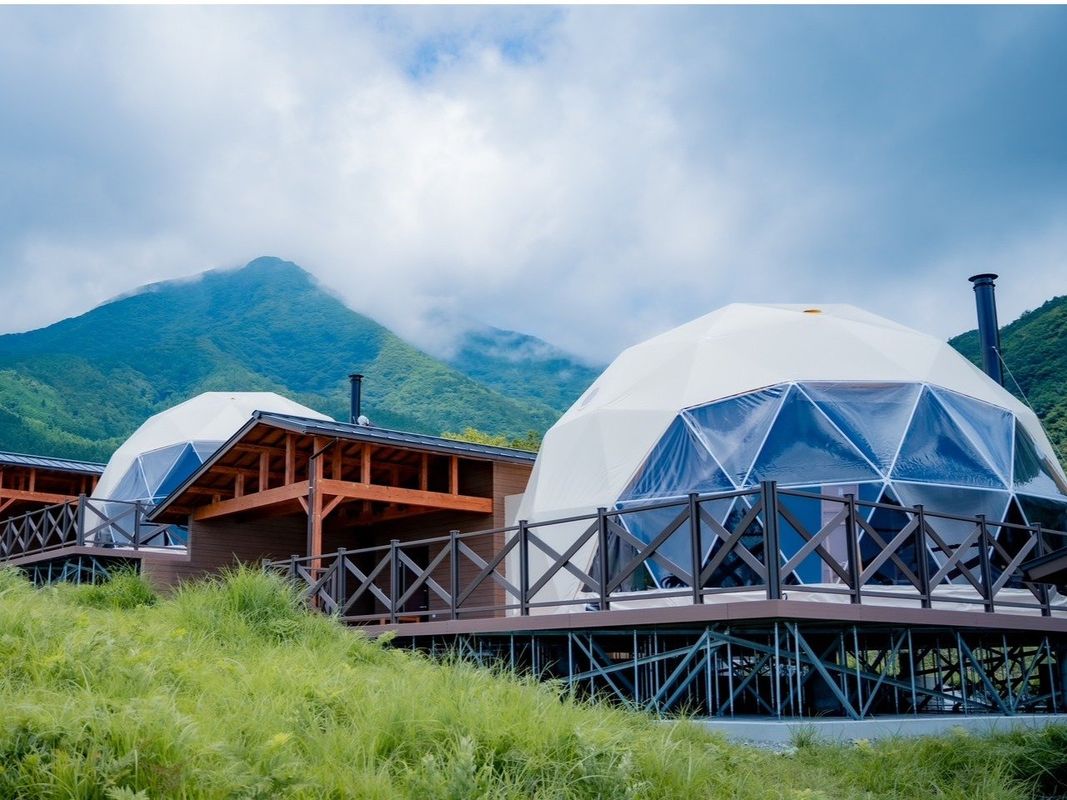
Resonate Club Kuju
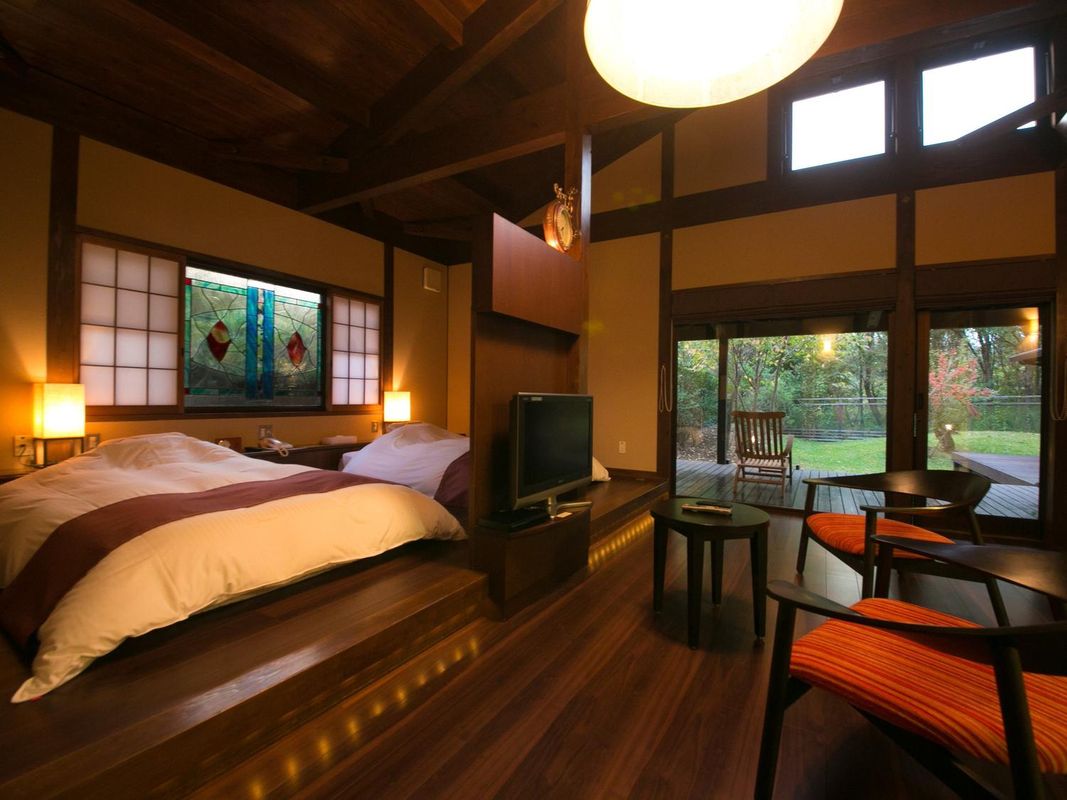
Flugel Kuju
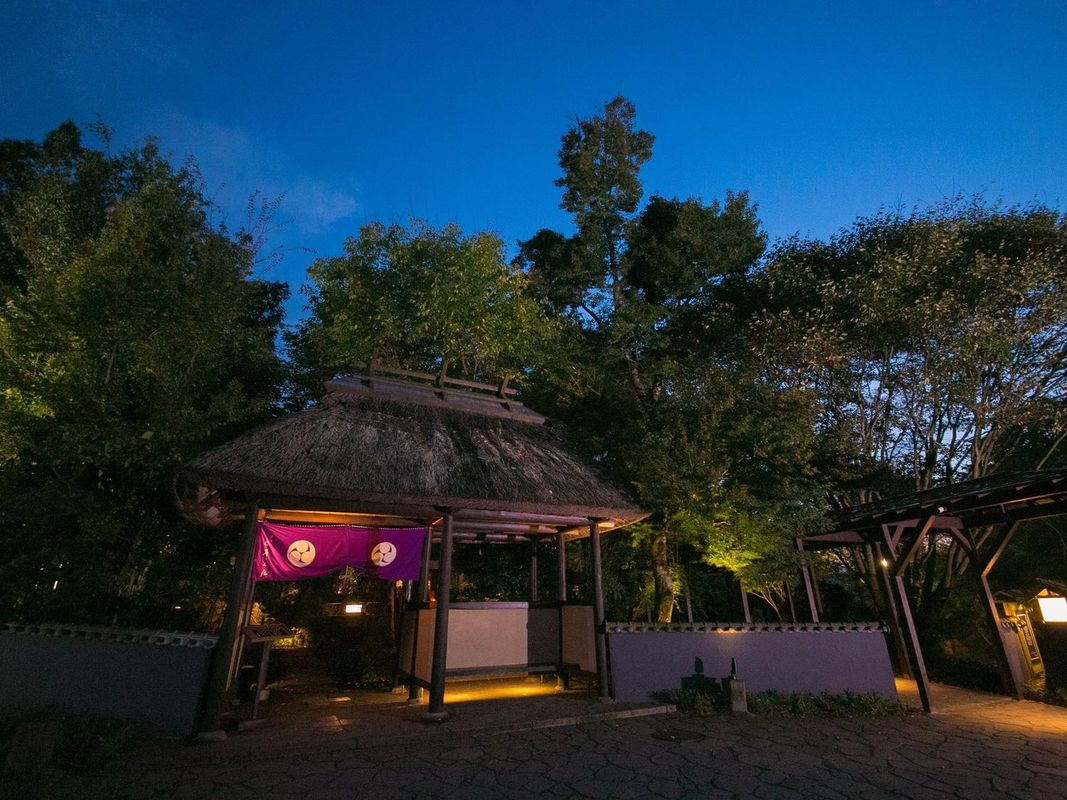
Shukubo Kawaseminoshou - the Kingfisher Resort -
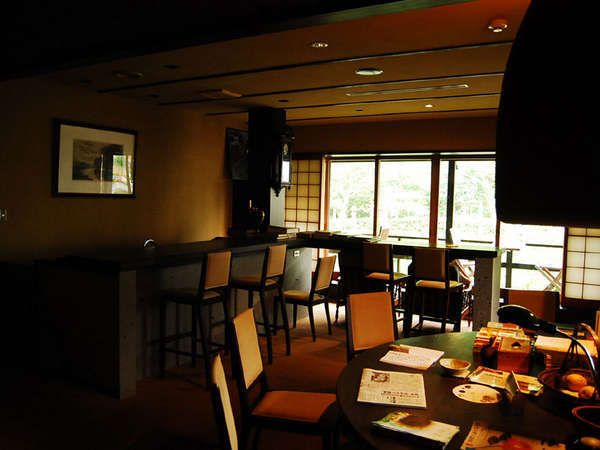
Daimaru Ryokan
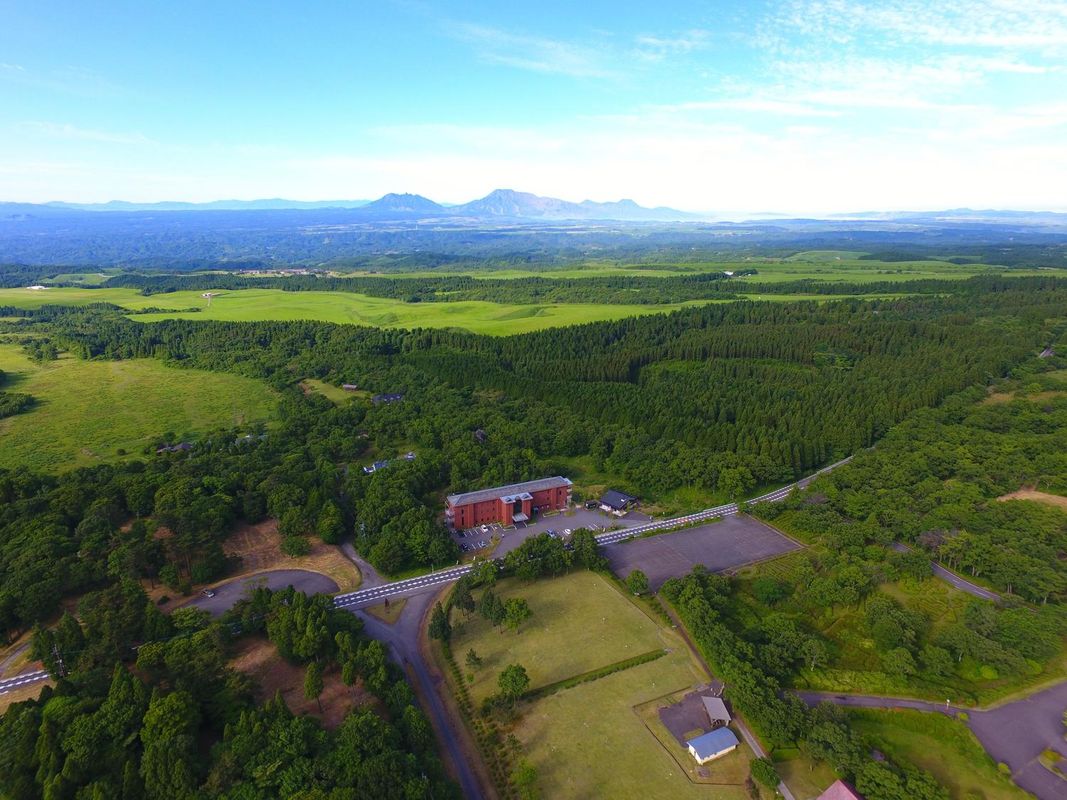
The Guernsey Hotel & Resort
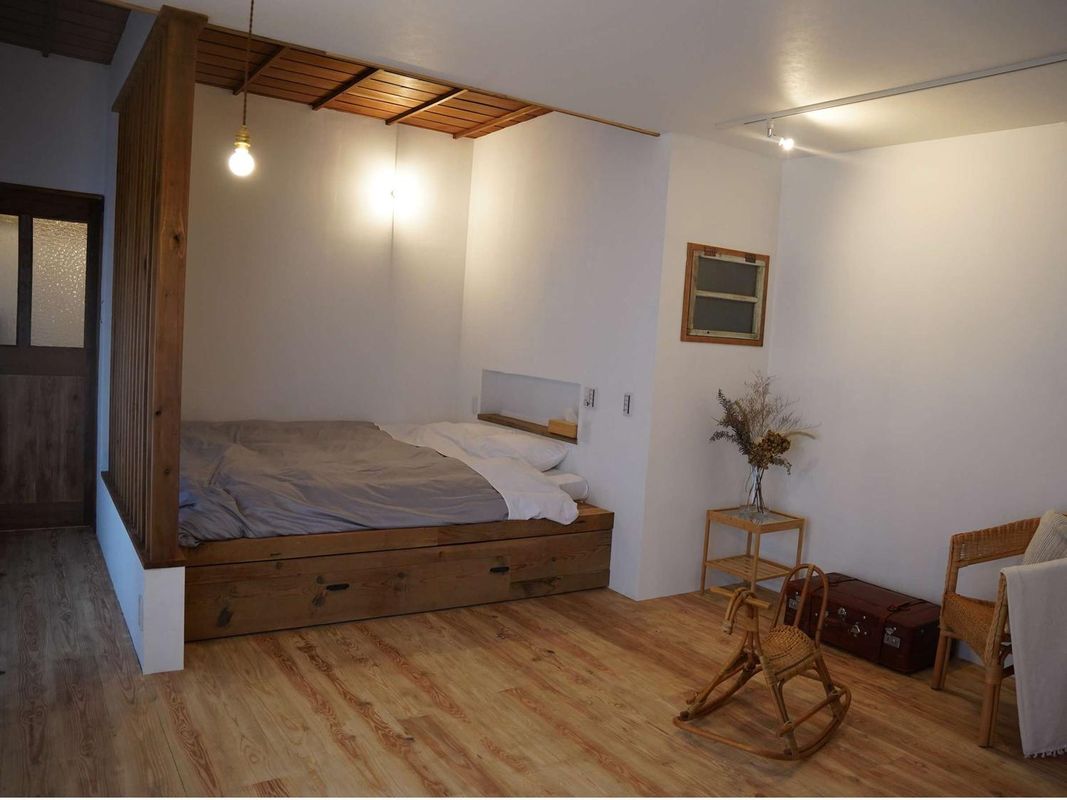
Taketa Ekimae Hostel Cue
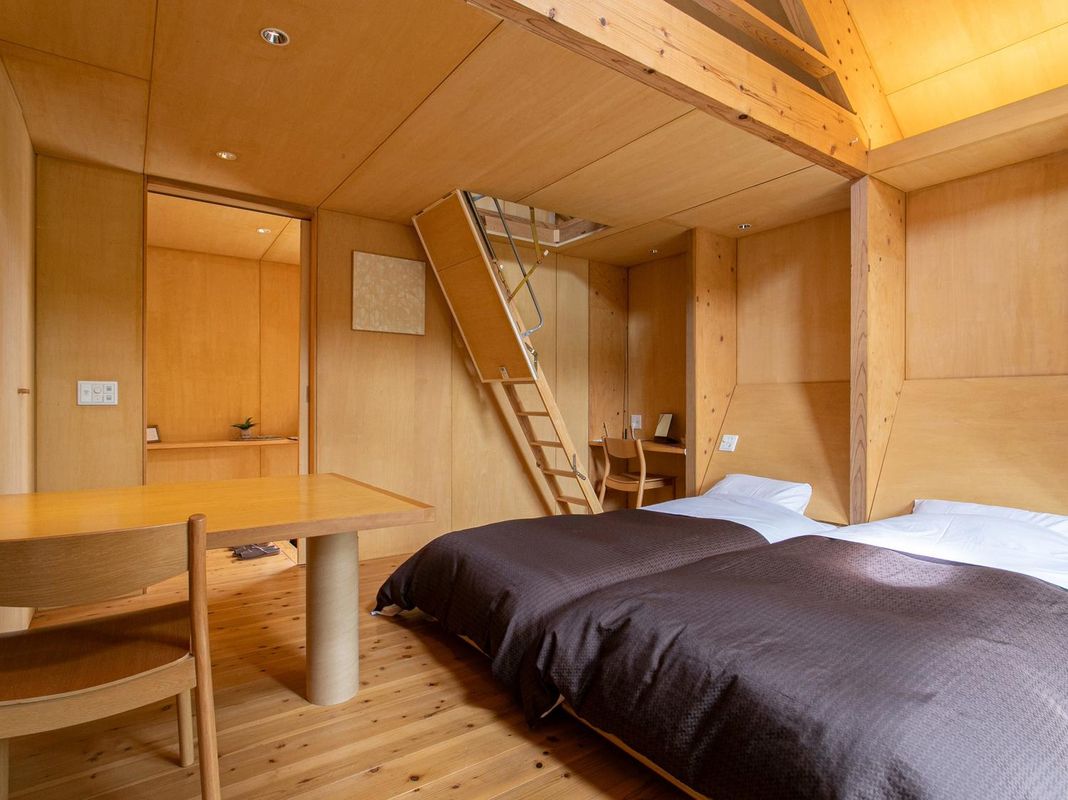
Kur Park Nagayu
Chikudensaryo

Auberge Koyama
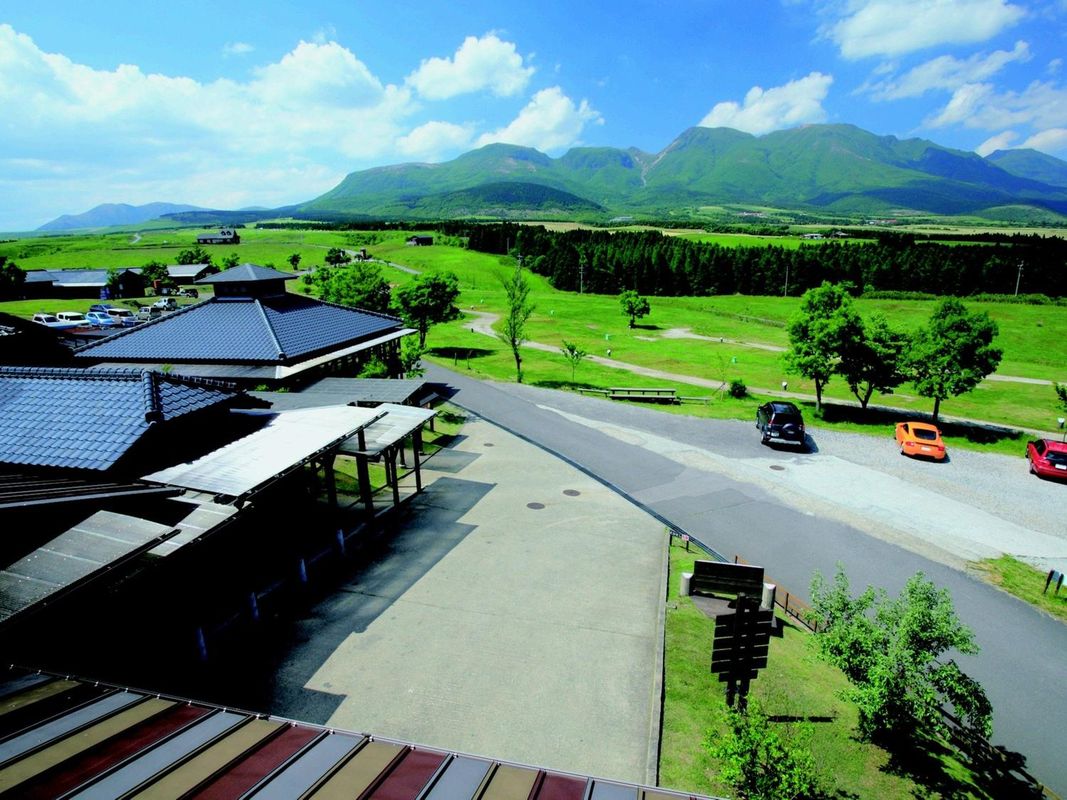
Kuju Kogen Cottage
Best Hotels in Taketa
Discover curated hotel collections in Taketa
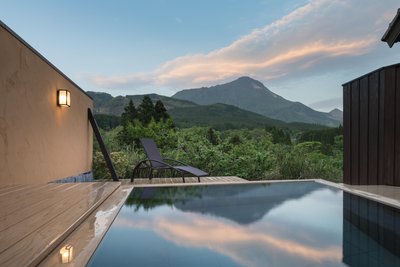
Ikkoten
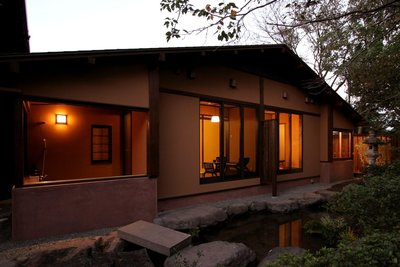
SEKIYA RESORT Bettei Haruki
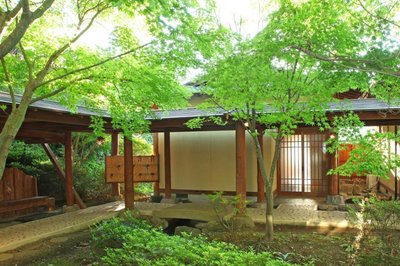
Chikurakutei
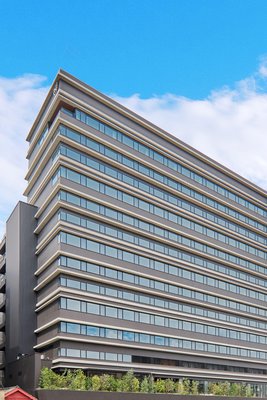
The Royal Park Canvas Fukuoka Nakasu
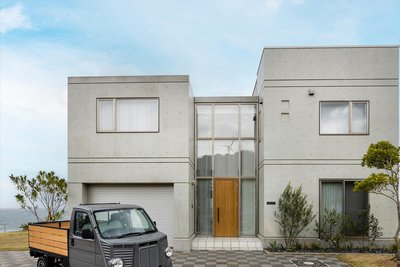
Izumo Hotel the Cliff
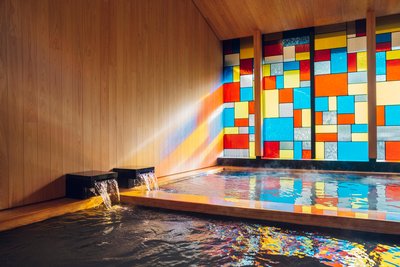
Hoshino Resorts Kai Unzen
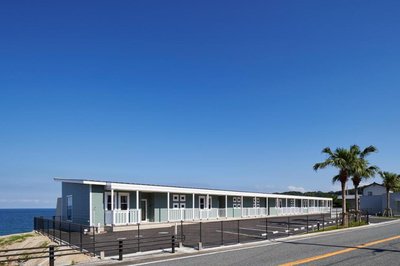
Alfacio Resort Stay Itoshima
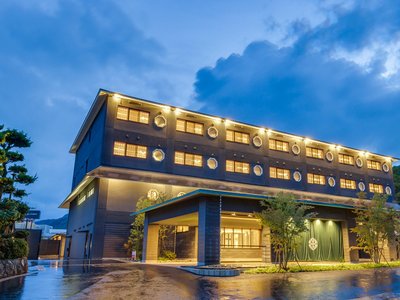
Ureshino Yadoya

seven x seven itoshima
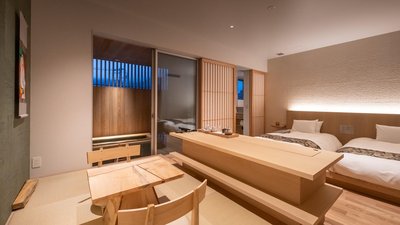
Japanese Auberge Kararako
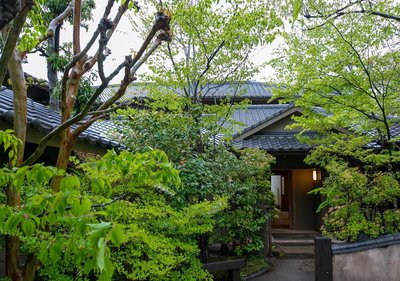
Yufuin Onsen Hinoharu Ryokan
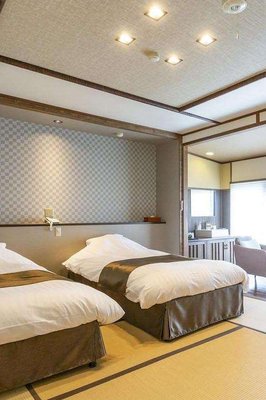
Sozankyo
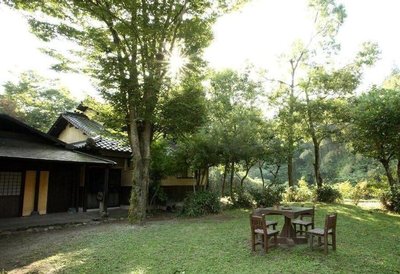
Yamashinobu
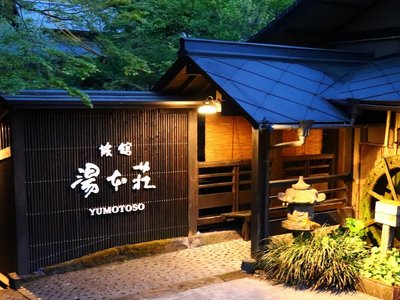
Ryokan Yumotosou
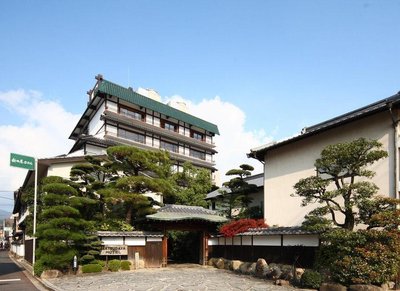
Matsudaya Hotel
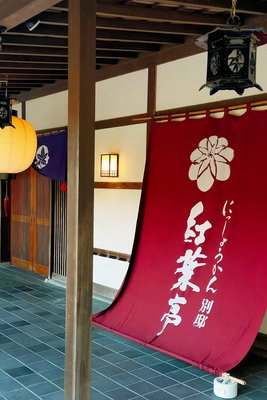
Nisshokan Bettei Koyotei
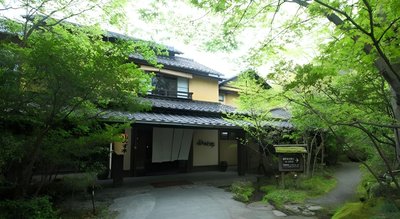
Kurokawaonsen Yamamizuki
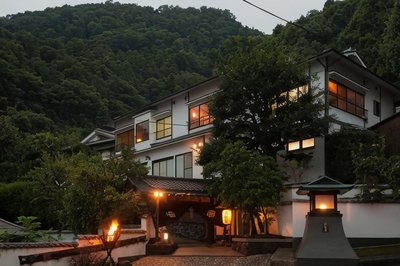
Beppu Showaen
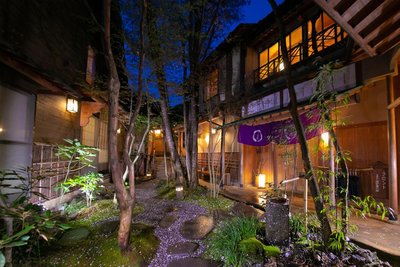
Oyado Ichizen
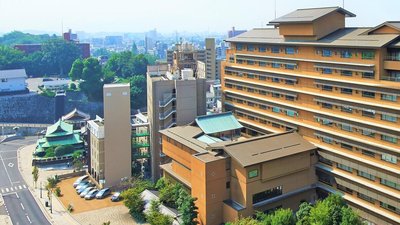
Yamatoya Honten

Garden Terrace Nagasaki Hotel & Resort

Holiday Inn Resort Miyazaki
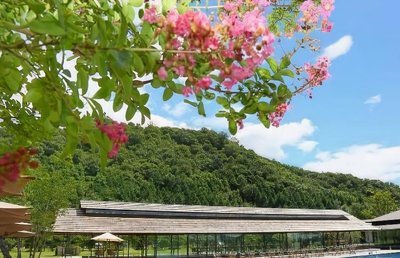
Bella Vista Spa and Marina Onomichi
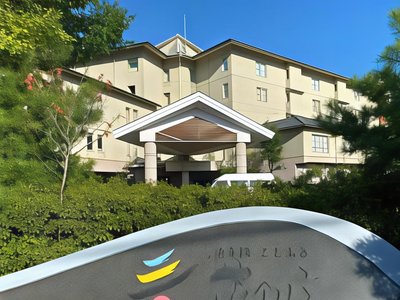
Yufuin Kotobuki Hananosho
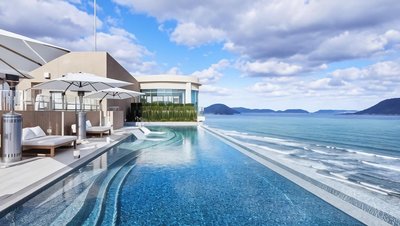
Karatsu Seaside Hotel
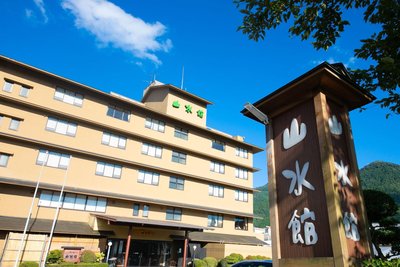
Yufuin Sansuikan
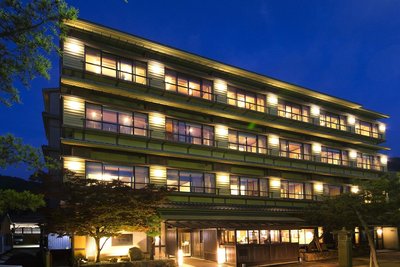
Kinsuikan
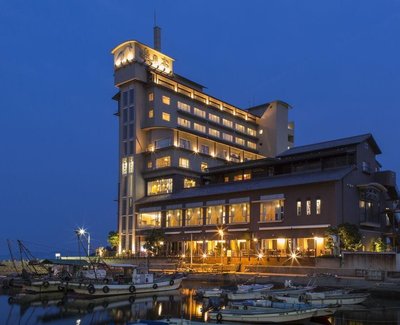
Hotel Ofutei
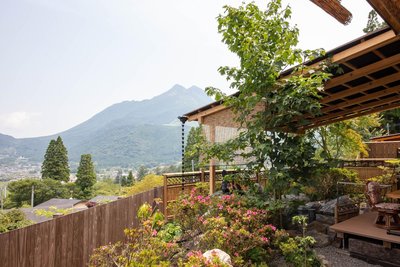
Yufuin-Sanso Waremokou
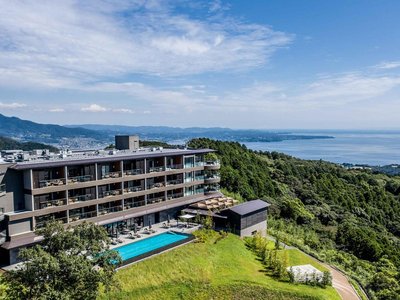
Ana InterContinental Beppu Resort & Spa
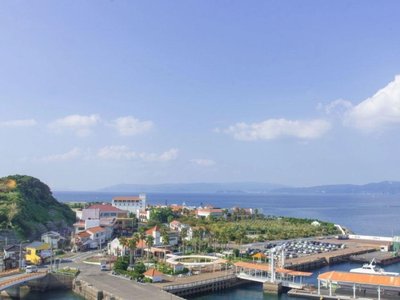
I+Land Nagasaki

The OneFive Villa Fukuoka

LiVEMAX RESORT MIYAHAMA ONSEN OCEAN
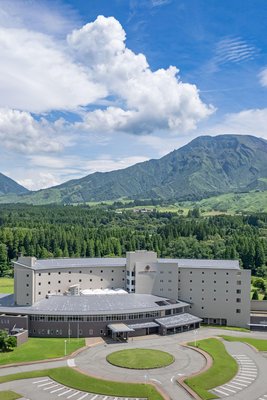
KAMENOI HOTEL ASO
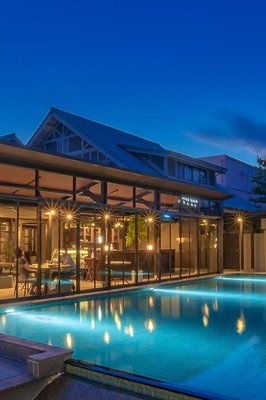
Amane Resort Gahama

SEKIYA RESORT GALLERIA MIDOBARU

Beppu Suginoi Hotel

Phoenix Seagaia Ocean Tower
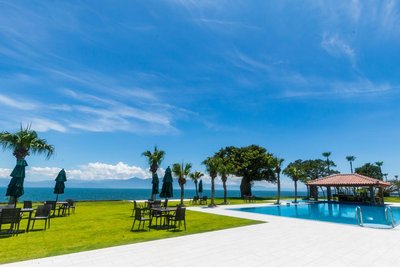
Kagoshima Sunamushi Onsen Ibusuki Hakusuikan
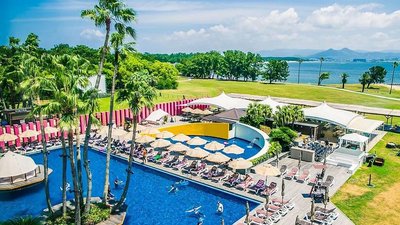
The Luigans Spa and Resort

Sheraton Kagoshima
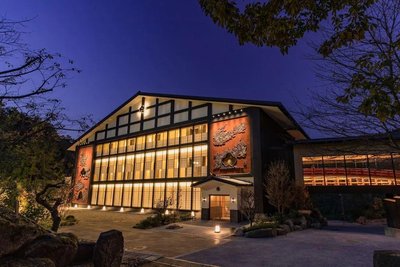
Okuhita Onsen Umehibiki
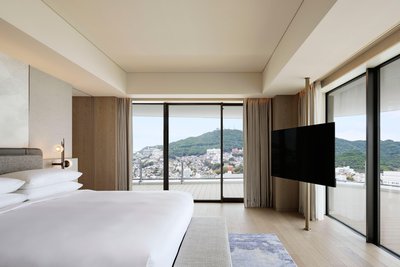
Nagasaki Marriott Hotel
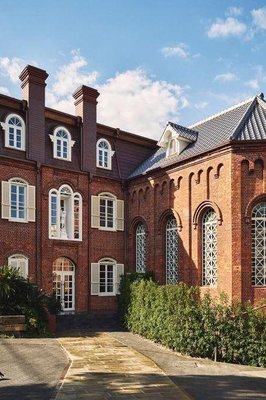
Hotel Indigo Nagasaki Glover Street by IHG

Stadium City Hotel Nagasaki

ONE FUKUOKA HOTEL
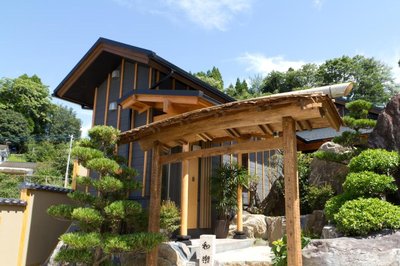
Ryokan Shinsen
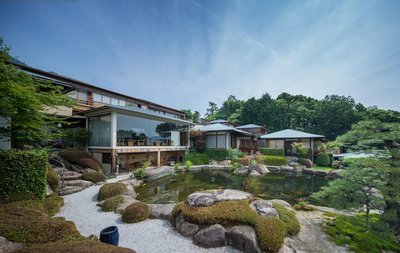
SEKITEI

Yamatoya Besso
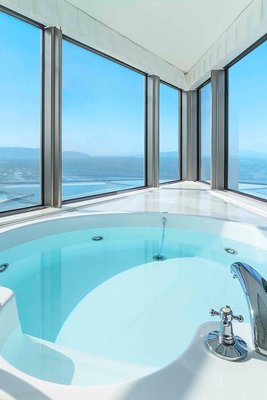
Hilton Fukuoka Sea Hawk

Olive Bay Hotel
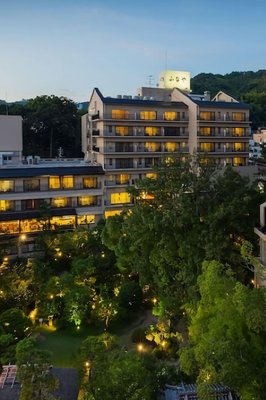
Funaya
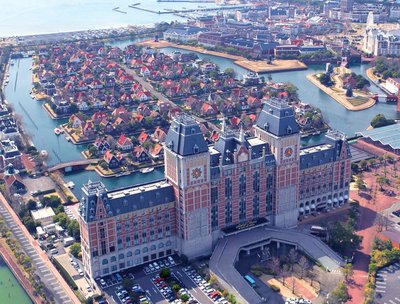
Hotel Okura Jr Huis Ten Bosch

Bettei Oborozukiyo
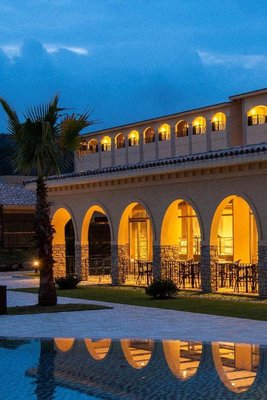
La Vista Kirishima Hills
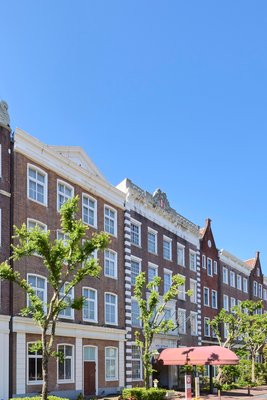
Hotel Amsterdam Huis Ten Bosch

Yumotoankiyohime
Ana InterContinental Beppu Resort & Spa
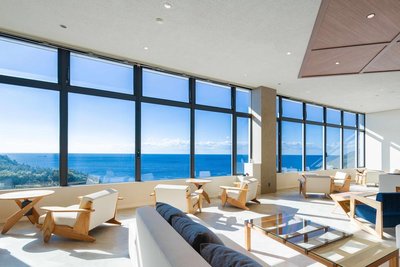
TheMana Village
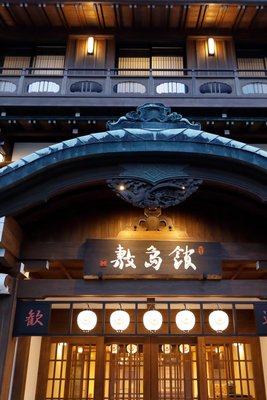
Onyado Shikishima-Kan
Frequently Asked Questions about Traveling to Taketa
Questions You Might Need to Know About Traveling to Taketa
For stunning views of the Tayama Castle Ruins, stay at Tayama Castle View Inn, a boutique ryokan nestled on the hillside overlooking the ancient stone walls. Each room features floor-to-ceiling windows and private verandas, offering panoramic vistas of the ruins, surrounding mountains, and seasonal landscapes—especially breathtaking during cherry blossom season and autumn foliage.
The inn also provides access to an open-air bath where guests can soak while gazing at the night-lit castle grounds during the "Castle Illumination Night" event. Complimentary traditional kaiseki meals made with local ingredients like Bungo beef and Tayama rice enhance the experience. Located just a 5-minute walk from Tayama Station, it’s ideal for history lovers seeking both comfort and cultural immersion.
The best area to stay is near the Tayama Castle Ruins and along the Takegawa River. The former offers easy access to historical sites, including guided night tours and samurai-themed storytelling events, while the latter provides serene riverside accommodations with direct access to nature trails and seasonal wildlife.
Stay at Takegawa Riverside Onsen Ryokan, which combines traditional Japanese architecture with modern amenities. Its private outdoor baths overlook the clear river, perfect for stargazing or watching morning mist rise over the valley. Nearby, you’ll find craft workshops for Tayama Kasuri textiles, local food markets, and the annual Tayama Cherry Blossom Festival. This area balances cultural depth with natural tranquility, making it ideal for travelers seeking authenticity and peace.
Tayama City offers several unique cultural experiences centered around its historic Tayama Castle Ruins. One standout is the Night Lantern Tour, where guides illuminate the ancient stone walls with paper lanterns, narrating tales of feudal lords and battles from the Sengoku period.
Another must-try is the Tayama Kasuri Weaving Workshop, where visitors learn to hand-weave traditional geometric-patterned fabric using wooden looms. You can take home your own small piece as a souvenir. During spring, join the Tayama Sakura Festival, featuring traditional tea ceremonies, kimono rentals, and street performances. In autumn, participate in the Maple Leaf Appreciation Ceremony, where locals gather to view and photograph the vibrant red canopy. These experiences provide deep insight into regional heritage and craftsmanship.
Yes, Tayama Castle Starlight Suite at Tayama Castle View Inn offers one of the most romantic stays in the region. Perched atop the ruins’ eastern slope, this suite features a glass-roofed hot spring bath with unobstructed views of the night sky—perfect for stargazing under clear mountain air.
Couples can enjoy a private dinner setup on the castle terrace, complete with Bungo beef, fresh vegetables, and sake, illuminated by candlelight. The inn also offers a "Love Map" activity, where couples create their own illustrated journey through the ruins, symbolizing their shared memories. For added intimacy, early morning sunrise viewing sessions are available, allowing couples to witness the first light paint the valley in golden hues—a truly magical moment.
Tayama City is a paradise for photographers due to its dramatic landscapes and cultural backdrops. The Tayama Castle Ruins offer iconic shots at dawn, when mist curls around the ancient stone walls, creating ethereal compositions.
Stay at Tayama Mist Inn, which provides free tripod access and hosts monthly "Golden Hour Photography Workshops" led by local artists. The Takegawa River reflects the surrounding mountains and sky perfectly, especially during sunset, making it ideal for mirror-image shots. The town also hosts the Four Seasons Photo Contest, rewarding participants with free stays and exhibition opportunities. Whether capturing seasonal changes or cultural events, Tayama delivers rich visual storytelling potential.
Must-try restaurants include Tayama Castle Dining Hall and Takegawa River Kitchen. At Tayama Castle Dining Hall, savor the signature dish: Bungo Beef Hot Pot, slow-cooked with local vegetables and served in a clay pot. The meat is tender and rich, sourced directly from nearby farms.
Takegawa River Kitchen specializes in Tayama Tofu, made with pure mountain water and traditional methods. Their Tofu Sushi Platter combines delicate tofu with fresh fish and seasonal greens, creating a refreshing balance. Don’t miss the Tayama Rice Dumplings, sweetened with red bean paste and coated in matcha powder—perfect for dessert. All restaurants use locally grown ingredients, ensuring freshness and authenticity. Many offer outdoor seating with views of the river or ruins.
From Oita City, reach Tayama City via two convenient options: bus or car. Take the Oita Bus Line 111/112 from Oita Station to Tayama Station, a 45-minute ride with frequent departures throughout the day (approx. ¥800). Alternatively, drive via National Route 219, passing through the scenic Hinata Tunnel, which takes about 35 minutes and offers stunning views of the Kyushu Mountains.
Once in Tayama, the Tayama Tourist Bus connects major attractions like the Castle Ruins, Takegawa River, and Oita Prefectural History Museum. Some premium inns, such as Takegawa Riverside Onsen Ryokan, offer complimentary shuttle service from the station. Public transport and road access are reliable, making Tayama accessible even for independent travelers.
The best times to visit Tayama City are spring (March–May) and autumn (September–November). Spring brings cherry blossoms at the Tayama Castle Ruins, with soft pink blooms contrasting against ancient stone walls—ideal for photography and quiet walks.
Autumn transforms the area into a fiery tapestry of red and gold maple leaves, especially from late October to mid-November. The Tayama Autumn Festival includes lantern displays, folk dances, and local food stalls. Weather is mild (15–20°C), perfect for hiking and outdoor activities. Summer can be humid, though the cool riverside areas offer relief. Winter sees occasional snowfall, adding a serene, fairy-tale quality. Both seasons offer fewer crowds and optimal conditions for experiencing Tayama’s natural and cultural beauty.
Top choices for families include Tayama Castle Family Inn, a spacious guesthouse with multi-room suites that accommodate up to six people. It features a safe, fenced garden with a children’s play area, a mini-kitchen, and daily family activities like Castle Treasure Hunt and Traditional Lantern Making.
Another excellent option is Takegawa River Kids’ Lodge, located right beside the river with open-air play zones and educational nature trails. The lodge offers child-sized yukata, free snacks, and themed meals (e.g., “Bungo Beef Adventure Plate”). All rooms include soundproofing and high chairs. Shuttle services are available from Tayama Station, and the staff speaks basic English. It’s designed for memorable, stress-free family travel in a peaceful setting.
Must-try dishes include Bungo Beef Hot Pot, a rich, savory stew made with locally raised wagyu beef, root vegetables, and miso broth—best enjoyed at Tayama Castle Dining Hall. Another highlight is Tayama Tofu, crafted from pure mountain water and served in various forms: grilled, in soup, or as sushi.
Don’t miss Tayama Rice Dumplings (Mochi), sweet rice balls filled with red bean paste and dusted with matcha powder—perfect for breakfast or dessert. Locals also love Wild Mountain Vegetable Tempura, made from foraged greens and herbs gathered near the Takegawa River. These dishes reflect the region’s agricultural roots and are often featured at seasonal festivals. Many restaurants source ingredients from nearby farms, ensuring freshness and sustainability.
Taketa Overview
City Summary
Takeda City in Oita Prefecture, Japan, is a hidden gem blending samurai heritage with pristine nature. Once the castle town of Oka Domain, it preserves Edo-period samurai residences alongside the dramatic Kuju Mountain Range. Its dual appeal lies in the Buke Yashiki (Samurai District) and Takeda Spring Water Group, offering an authentic taste of traditional Japan amidst stunning landscapes.
Must-See Attractions
Top attraction is Oka Castle Ruins, a 14th-century mountaintop fortress nicknamed "Castle in the Sky" with breathtaking cherry blossoms in spring. Buke Yashiki Street transports visitors to the Edo period, with open houses like Rentaro Taki Memorial Museum. Nature lovers shouldn't miss Shirakawa Waterfall and Inazumi Underwater Limestone Cave, the latter requiring a boat through subterranean lakes.
Food Guide
Takeda specializes in Jidori chicken cuisine - try Bungo chicken grilled over charcoal or in shabu-shabu. Takeda Onsen Manju (steamed buns using local spring water) make perfect souvenirs. Street stalls serve Oita-style saba sushi with citrus soy sauce. At izakayas, experience Jigoku Mushi - seafood and vegetables steamed using geothermal heat.
Transportation Guide
Local buses and taxis serve the city, with JR Hohi Line's Takeda Station as the hub. The "Takeda Free Pass" offers unlimited rides on sightseeing buses covering major spots. Kuju Mountains require transfers to Kanko buses (limited schedules). The compact city center is best explored on foot or via bicycle rentals (available near station). Winter drivers note potential icy mountain roads.
Best Time to Visit
Prime seasons are April-May (cherry blossoms & fresh greenery) and October-November (autumn foliage), with mild 15-25°C temperatures. Summer (June-August) suits mountain escapes but brings rain. Winter (December-February) offers snowy onsen scenes but some mountain sites close. Avoid Golden Week (early May) and Obon (mid-August) crowds.
Travel Tips
- Remove shoes when entering samurai houses - wear slip-ons
- Tattoos prohibit public onsen use; book private baths
- Mountain weather changes rapidly - pack layers even in summer
- Cash remains king; credit cards accepted only at major venues
- Strict trash sorting - carry waste to designated bins
- Always ask permission before photographing locals/private property
- Buses depart precisely on schedule - arrive 10 minutes early
- Historic buildings have delicate floors - walk gently
Useful Information
Language: Japanese predominates; basic English at stations/tourist offices (translation apps recommended). Internet: Free Wi-Fi at convenience stores; "IIJmio" prepaid SIMs ideal. Currency: 7-11 ATMs accept international cards; post offices offer best rates. Emergencies: Takeda Municipal Hospital (0897-22-3111) has ER; "Matsumoto Kiyoshi" pharmacies have English labels. Voltage: 100V (Type A plugs). Emergency numbers: Police 110, Ambulance 119.









