Hotels in Taketoyo
Discover your perfect stay in Taketoyo.
Taketoyo(Japan) Travel 2026: Cheap Flights, Hotels & Top Attractions
Popular Landmarks in Taketoyo
Discover the most iconic attractions in Taketoyo
Recommended Hotels in Taketoyo
Find the perfect place to stay in Taketoyo


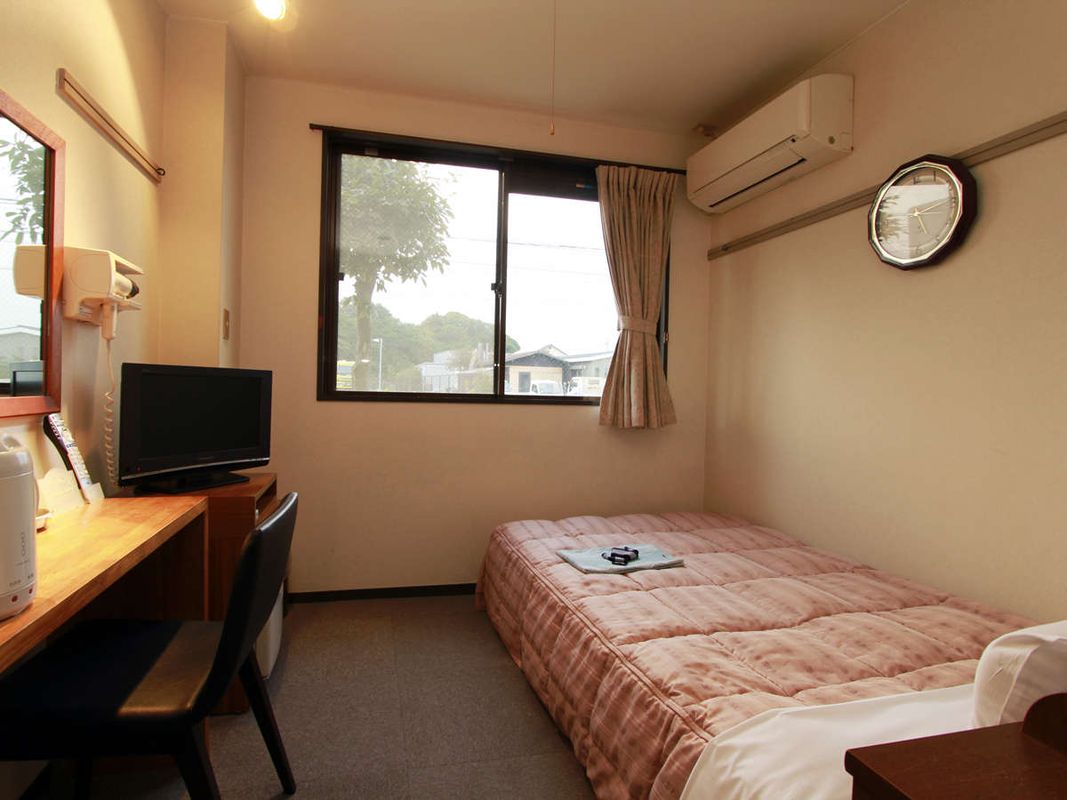
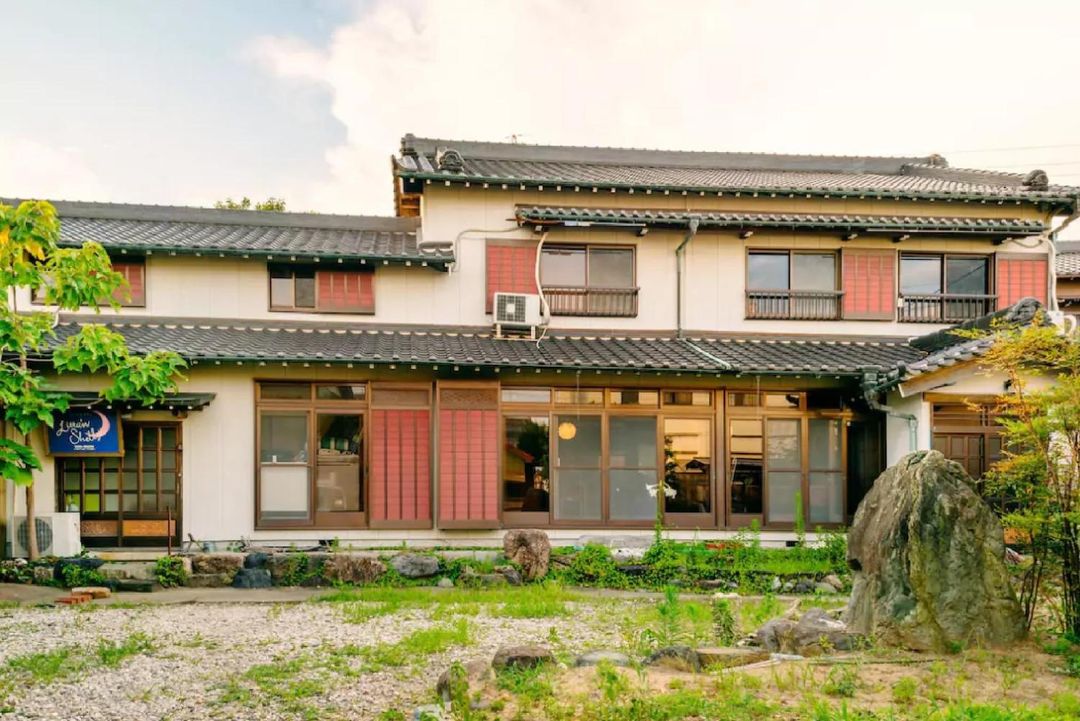

Best Hotels in Taketoyo
Discover curated hotel collections in Taketoyo




















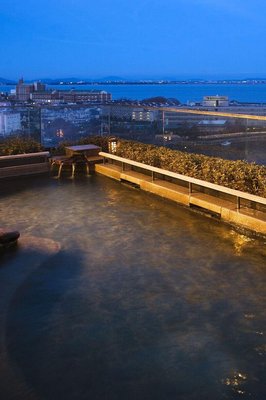
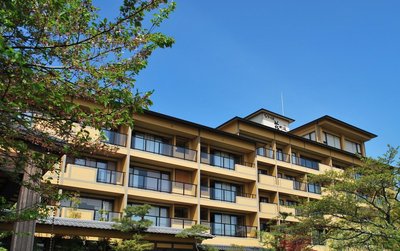

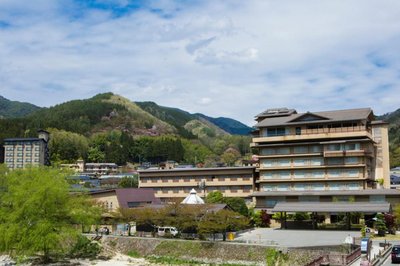
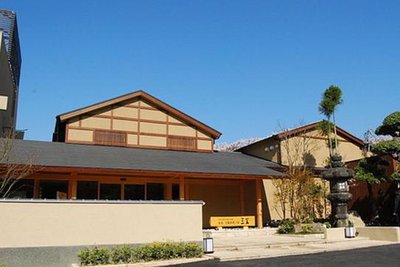



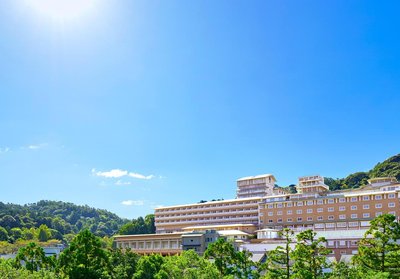

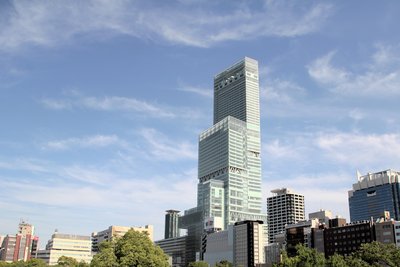





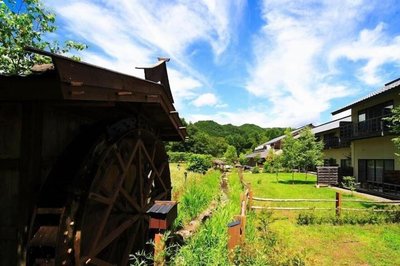

























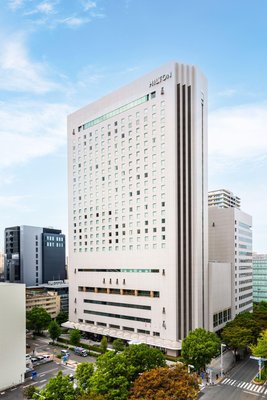



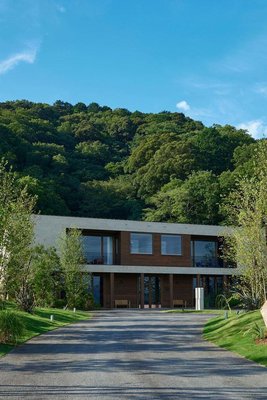
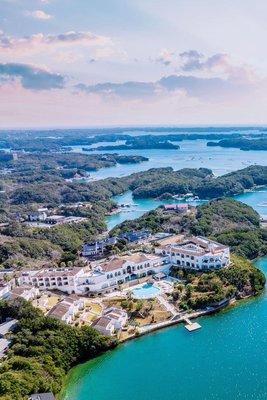
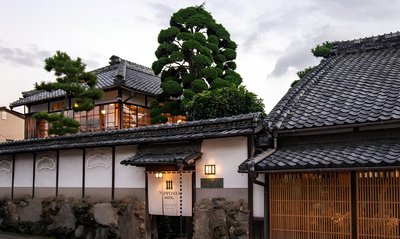













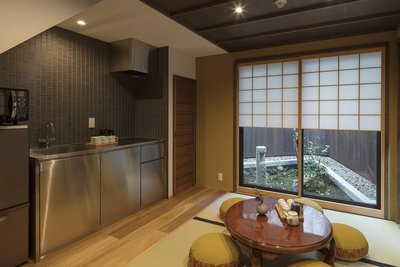
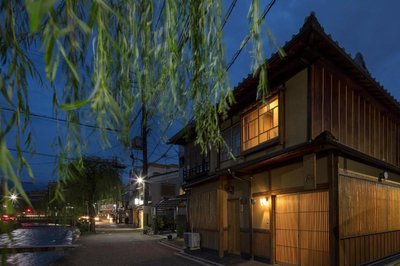
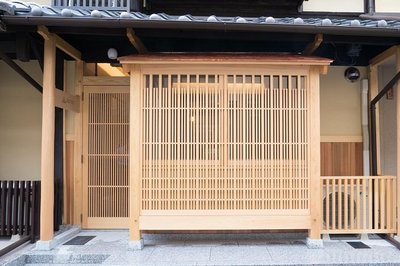
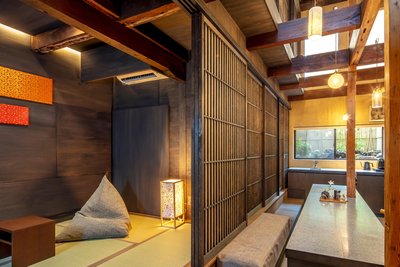
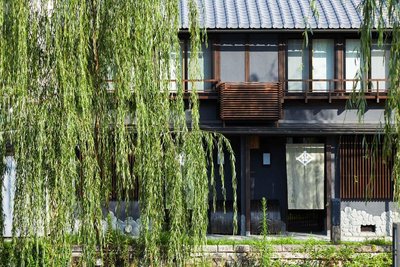
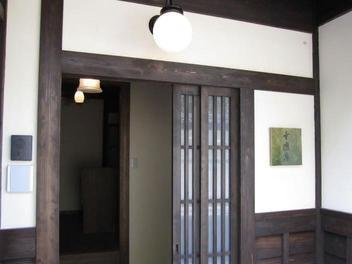

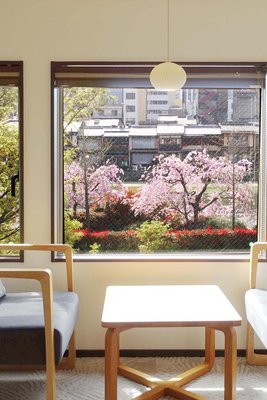

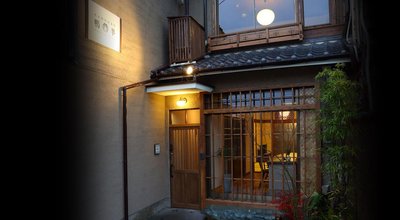
Frequently Asked Questions about Traveling to Taketoyo
Questions You Might Need to Know About Traveling to Taketoyo
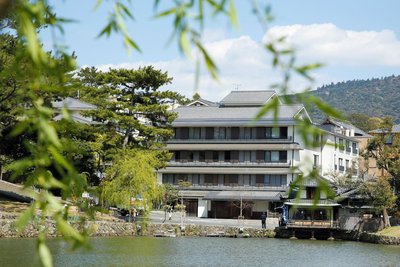
In Futami-cho, the top family-friendly option is Futami Onsen Ryokan, a traditional Japanese inn nestled beside the Futami River. It offers spacious family rooms, private outdoor hot springs, and child-friendly amenities like a playground and seasonal nature workshops. The inn serves authentic Mikawa Bay seafood meals, including fresh sea bream and local rice dishes. Guests can enjoy easy access to the Futami Children’s Science Museum and scenic walking trails along the riverbank. With its peaceful setting just 30 minutes from Nagoya, it’s ideal for families seeking both comfort and cultural immersion.
Top Picks: Futami Onsen Ryokan, Futami River, Mikawa Bay seafood
The most photogenic areas in Futami-cho are the Futami Shrine and the Cherry Blossom Path along the Futami River, especially during spring when pink blooms reflect on the water. Stay at Futami-cho Farmstay, a beautifully restored farmhouse guesthouse with open-air wooden decks and panoramic views of rice fields and distant hills. This eco-lodge hosts daily photography sessions, including sunrise tea ceremonies and handcraft workshops using local materials. The combination of serene landscapes, rustic architecture, and cultural authenticity makes it perfect for capturing authentic moments. Ideal for Instagram-worthy shots and deep travel experiences.
Top Picks: Futami Shrine, Cherry Blossom Path, Futami-cho Farmstay
Visitors to Futami-cho can immerse themselves in the region’s living traditions through events like the Futami Festival, held annually in summer with taiko drumming, decorated floats, and local food stalls. Another highlight is participating in Mikawa Washi paper-making workshops, where guests learn to craft handmade Japanese paper using age-old techniques. For agriculture enthusiasts, guided tours of organic farms offer insights into sustainable rice cultivation and seasonal vegetable harvesting. These hands-on experiences provide a genuine connection to the community, preserving the heritage of the Mikawa region while fostering meaningful travel memories.
Top Picks: Futami Festival, Mikawa Washi paper-making, organic farm tours
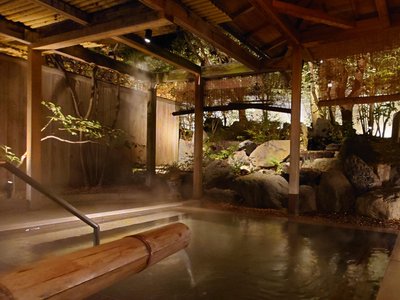
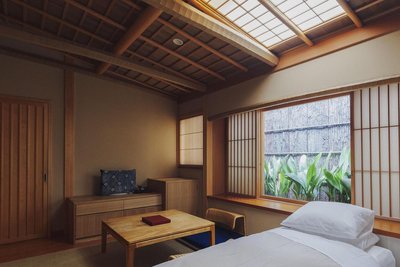
Hot spring hotels in Futami-cho offer distinctive wellness experiences, particularly at Futami Onsen Hotel, which features private outdoor baths (rotenburo) overlooking the Futami River and surrounding mountains. The hotel also provides herbal steam rooms infused with local plants and foot baths using natural mineral-rich water. Many rooms include tatami flooring and sliding shoji screens facing garden views, enhancing the meditative atmosphere. Dinner consists of multi-course kaiseki cuisine featuring fresh Mikawa Bay seafood and seasonal mountain vegetables, paired with house-made sake. These elements combine relaxation, tradition, and regional flavor in one unforgettable stay.
Top Picks: Futami Onsen Hotel, rotenburo, kaiseki cuisine
The best area for lodging in Futami-cho is the Futami Riverfront Zone, known for its tranquil ambiance, clean air, and proximity to nature trails and scenic viewpoints. This district hosts several ryokans and eco-motels like Green House Futami-cho, offering quiet, well-maintained rooms with direct access to gardens and riverside paths. It’s just a 15-minute walk to Futami Shrine and easily accessible to the Mikawa History Museum and rural exploration routes. With minimal light pollution, it’s perfect for travelers seeking peace and an authentic glimpse into local life. The neighborhood feels close-knit, with residents often welcoming visitors with warm hospitality.
Top Picks: Futami Riverfront Zone, Futami Shrine, Mikawa History Museum
For couples, Hoshinoyado—a secluded boutique inn in the heart of Futami-cho—is the ultimate romantic retreat. Set among forested hills, it features private starlit soaking tubs, open-air terraces, and rooms with traditional tatami floors and view windows to the valley. Couples can enjoy candlelit dinners with Mikawa Bay delicacies, including grilled octopus and seasonal sashimi, served under the stars. Optional add-ons include a morning tea ceremony and personalized love letter delivery. The nearby Futami River Night Illumination Trail adds a dreamy touch, making it ideal for intimate getaways and memorable moments.
Top Picks: Hoshinoyado, starlit soaking tubs, night illumination trail
Visitors to Futami-cho must try fresh fugu sashimi and grilled octopus from Mikawa Bay, both prepared with care using locally caught ingredients. Another must-try is Futami Onigiri, a handmade rice ball wrapped in seaweed and filled with pickled plum, often sold at roadside stands. Seasonal specialties include Mikawa chestnut festival treats like roasted chestnuts and chestnut mochi during autumn. Many guesthouses also serve homemade tofu and house-brewed plum wine, offering a true taste of farm-to-table culture. Pair these with matcha sweets from a riverside teahouse for a complete sensory journey.
Top Picks: Fugu sashimi, grilled octopus, Futami Onigiri
Yes, Futami-cho is ideal for hikers, offering well-maintained trails across the Mikawa Hills. Recommended routes include the Upper Futami River Loop (6 km), passing through lush forests, waterfalls, and birdwatching spots—perfect for beginners to intermediate hikers. Another favorite is the Ancient Mountain Trail (8 km), linking Futami Shrine to old village ruins, lined with century-old camphor trees and historical markers. Rest stops with drinking water and benches are available throughout. Guided walks led by former foresters provide rich stories about local ecology and history. Best visited early in the morning to avoid heat and enjoy misty mountain views.
Top Picks: Upper Futami River Loop, Ancient Mountain Trail, guided walks
Futami-cho celebrates vibrant seasonal events year-round. In spring, the Futami River Cherry Blossom Festival features illuminated pathways and lantern-making workshops. Summer brings the Futami Festival, with taiko performances, parade floats, and fireworks over the river. Autumn sees the Mikawa Chestnut Harvest Festival, where visitors can gather chestnuts and join cooking classes. Winter hosts the Snow & Onsen Experience Camp, offering hot spring soaks under snowy skies. Throughout the year, art exhibitions and farmers’ markets showcase local crafts and organic produce. These events highlight community spirit and preserve the cultural heartbeat of the region.
Top Picks: Futami River Cherry Blossom Festival, Futami Festival, chestnut harvest
Travel to Futami-cho from Nagoya is highly convenient. Take the Meitetsu Railway to Futami Station, a 35-minute ride with frequent departures and Suica card compatibility. From the station, a free shuttle bus or short walk leads to central accommodations and attractions. For drivers, the Tōmei Expressway connects to Aichi Prefectural Route 27, taking about 40 minutes through scenic countryside. Local buses run regularly between the station and major lodgings. Due to its central location in Aichi Prefecture, Futami-cho is also within a 1-hour drive of Toyota and Okazaki, making it a perfect base for day trips with excellent connectivity and peaceful surroundings.
Top Picks: Meitetsu Futami Station, Tōmei Expressway, free shuttle bus
Taketoyo Overview
City Summary
Takefu Town in Aichi Prefecture's Chita District blends industrial heritage with rural charm.
Cultural DNA:Preserved Showa-era streetscapes, active sake breweries, and the iconic Ladder Lion Dance festival (February)
Key Attractions:7km Sakura Green Road tunnel (March-April), dramatic sunset views at Hekinan Thermal Power Plant observation deck
Must-See Attractions
Must-Visit Spots:
- Takefu Folk Museum:Edo-era farming tools & wartime artifacts
- Toyokawa Inari Branch Shrine:Vermilion torii gate with sacred 200-year-old podocarpus
- Power Plant Observatory:Free turbine model exhibitions
Experiences:
- Monthly farmers market (3rd Sat):Local strawberries & salted mackerel
- Lion Dance Workshop:Reservation required for ceremonial costume trial
Food Guide
Food Trio:
- Cafe Hanatokei:Signature "Botamochi" rice cakes with local brown sugar
- Sushi Hisa:Pressed box sushi using Ise Bay fish (lunch only)
- Miso Katsu:Try at "Shokudo Yamaya" with Hatcho miso sauce
Hidden Bites:
- Sudachi citrus juice (summer) at JA Takefu direct sales
- Fried fishcake tempura at fishermen's stalls
Transportation Guide
Access:
- Meitetsu Kowari Line to Takefu Station (70mins from Nagoya, ¥1,240)
- Weekend "Chita Scenic Line" bus via Handa
Local Transport:
- "WakuWaku Bus" loops hourly (¥100/ride)
- E-bike rentals recommended (¥1,500/day)
Note:
- Taxis require phone HopeGoo (00-0000-0000)
- Shared cabs available at JR Takefu Station
Best Time to Visit
Best Seasons:Late March-April (cherry blossoms) & November (harvest festival)
Avoid:August Obon holiday crowds, July rainy season
Climate:Strong winter seabreeze, summer afternoon thunderstorms
Travel Tips
- Book brewery tours 3 days ahead for limited-edition plum wine
- Drones prohibited during Lion Dance performances
- Carry mosquito repellent for coastal paths
- Some vendors accept cash only (prepare small bills)
- Bring own towel to "Yupika" hot spring
- Most attractions closed Wednesdays
- Strict garbage sorting - no public trash bins
Useful Information
Connectivity:
- "Takefury Free" WiFi in commercial areas
- International post at Takefu Post Office
Payment:
- IC cards accepted at 60% shops
- Currency exchange at Mitsubishi UFJ in Handa
Health:
- Takefu Clinic for minor injuries (9AM-5PM)
- Emergency services at Chita Medical Center (14km away)
Language:
- English brochures at tourist center
- "VoiceTra" app helps with local dialect









