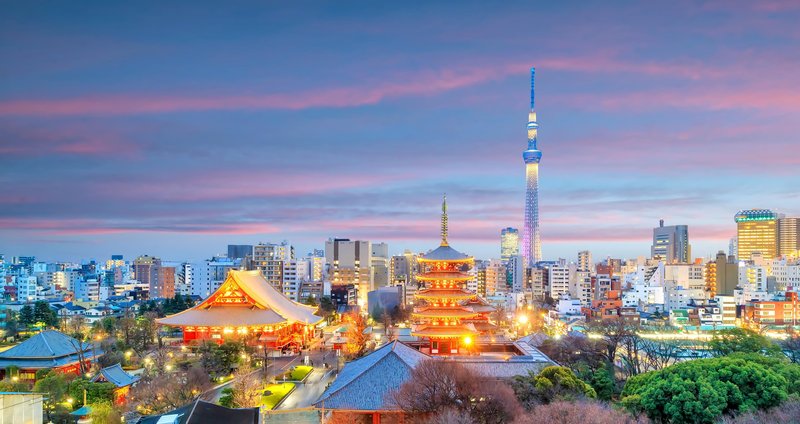
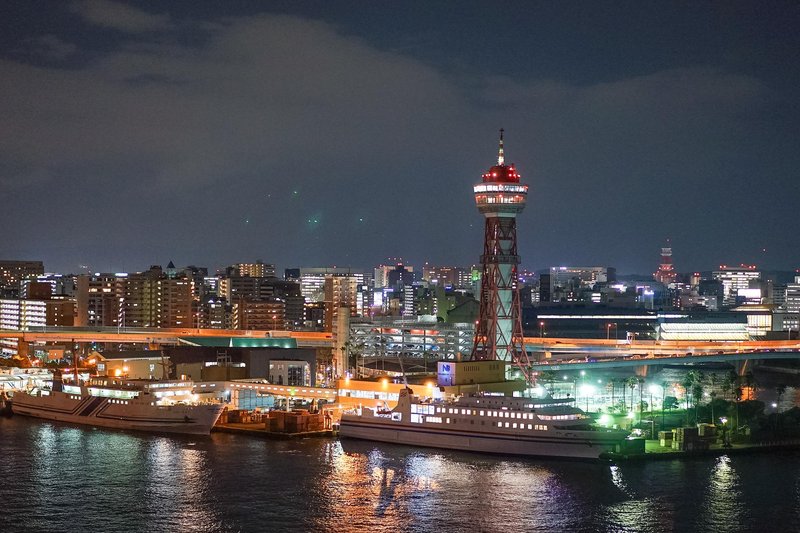
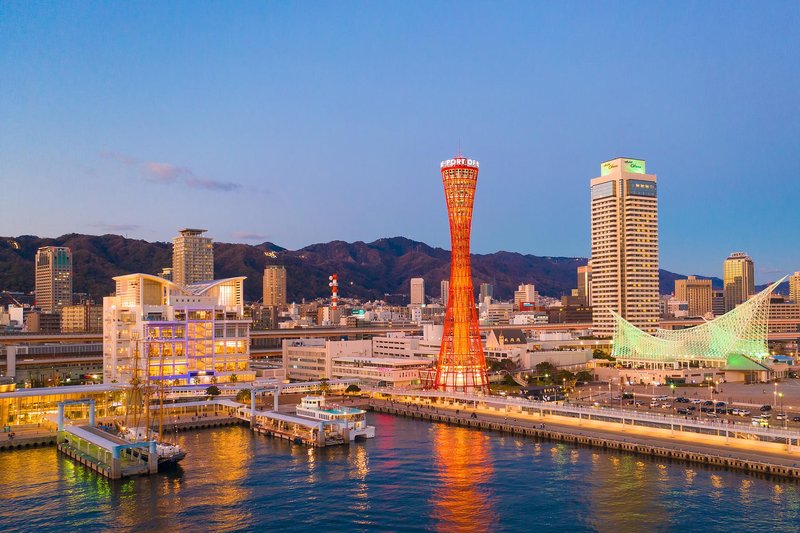
Hotels in Taki
Discover your perfect stay in Taki.
Taki(Japan) Travel 2026: Cheap Flights, Hotels & Top Attractions
Popular Landmarks in Taki
Discover the most iconic attractions in Taki
Recommended Hotels in Taki
Find the perfect place to stay in Taki
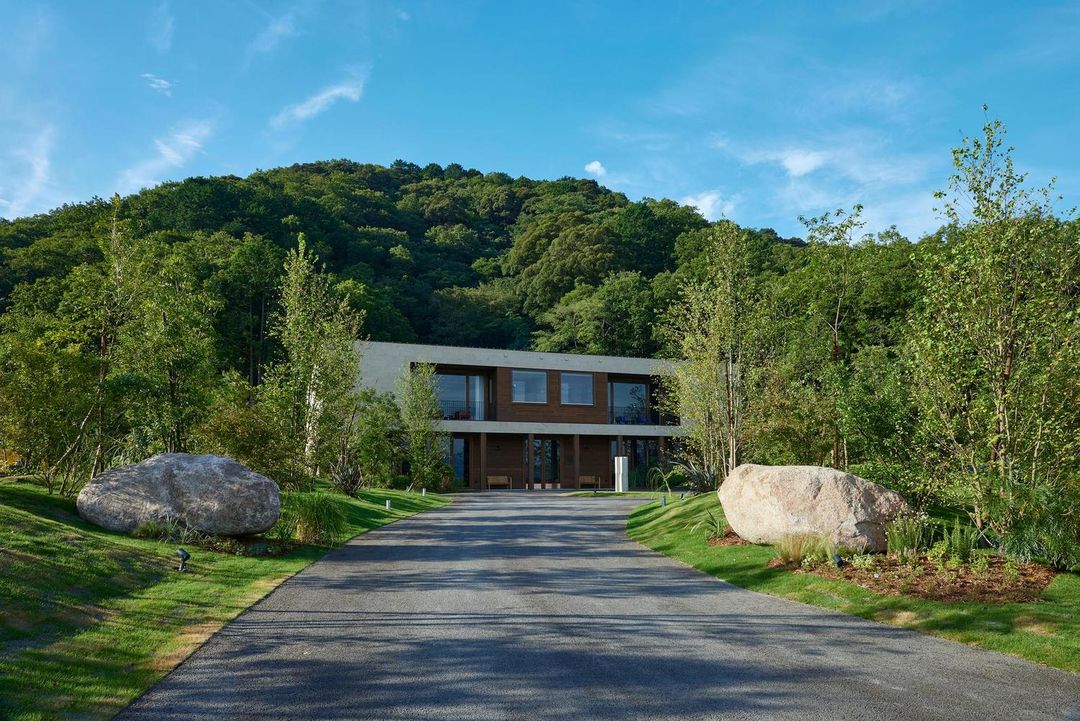
HACIENDA VISON
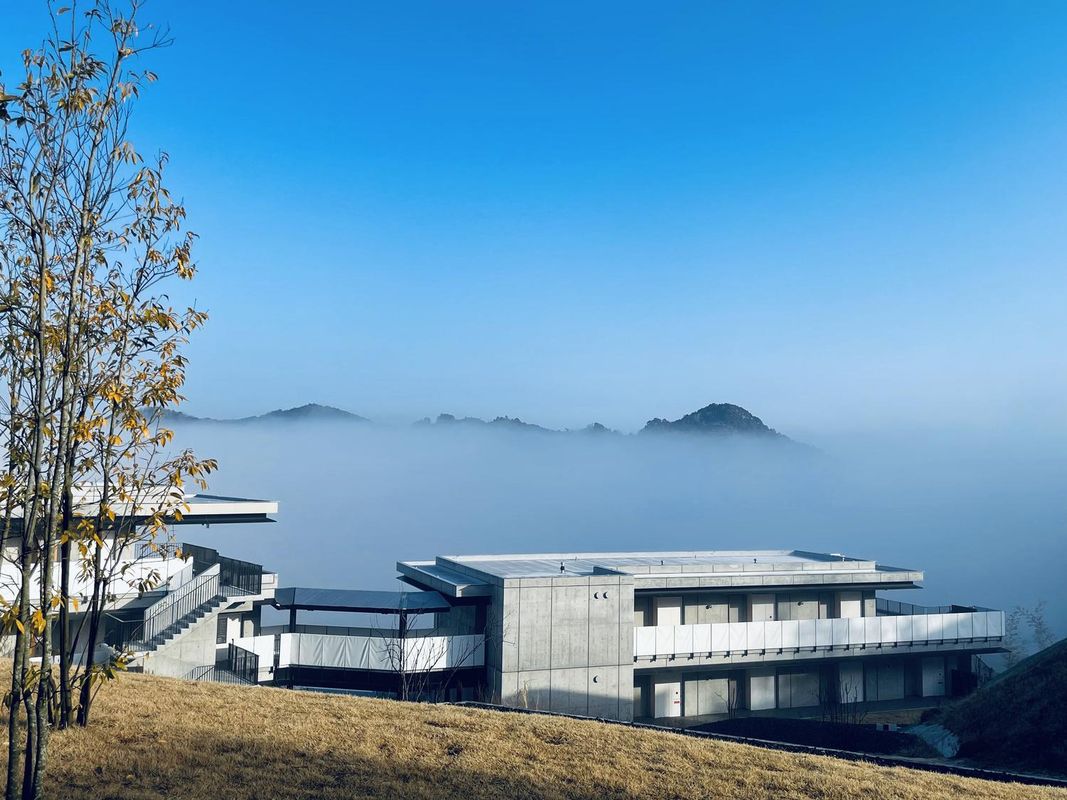
Hotel Vison

Hatago Vison

Hotel Econo Taki
Best Hotels in Taki
Discover curated hotel collections in Taki
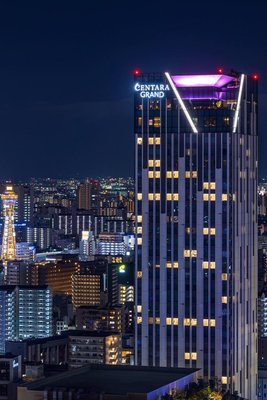
Centara Grand Hotel Osaka

voco Osaka Central

TIAD, AUTOGRAPH COLLECTION

Dusit Thani Kyoto
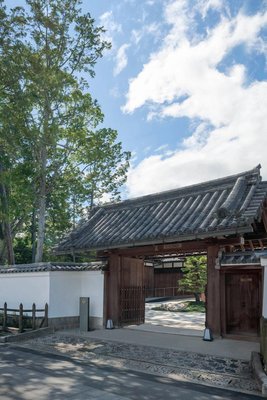
Shisui, a Luxury Collection Hotel, Nara

Hilton Kyoto
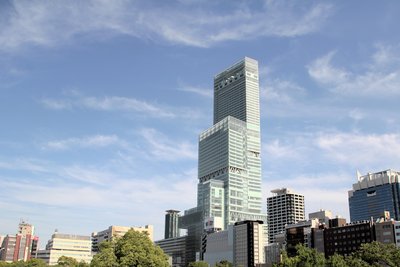
Osaka Marriott Miyako Hotel
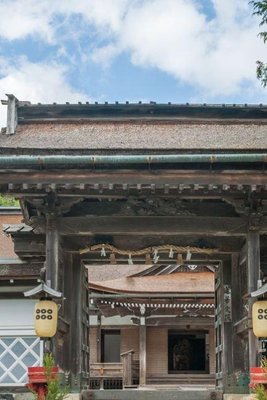
Koyasan Rengejoin

CUVÉE J2 HOTEL OSAKA by Onko Chishin

Candeo Hotels Osaka The Tower
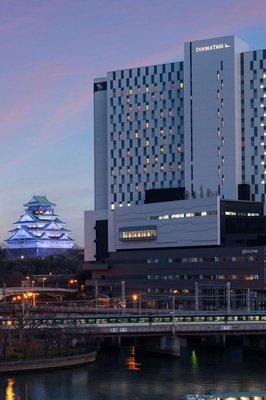
DoubleTree by Hilton Osaka Castle
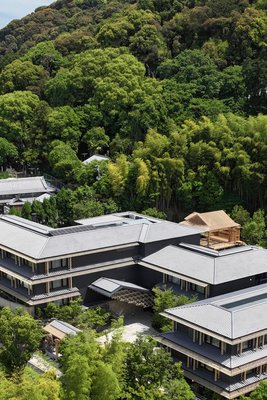
Banyan Tree Higashiyama Kyoto
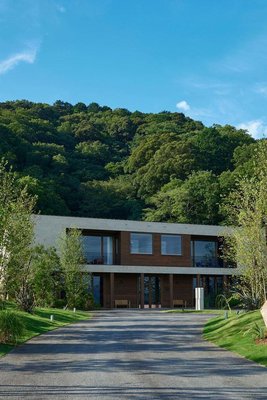
HACIENDA VISON

Hilton Osaka Hotel
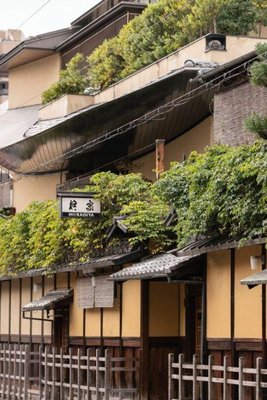
Hiiragiya Ryokan
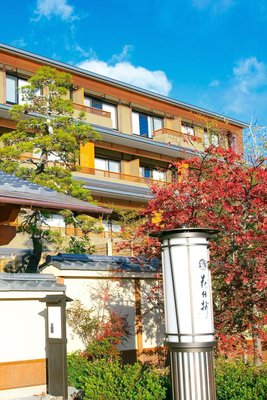
Kyoto Arashiyama Onsen Kadensho (Kyoritsu Resort)
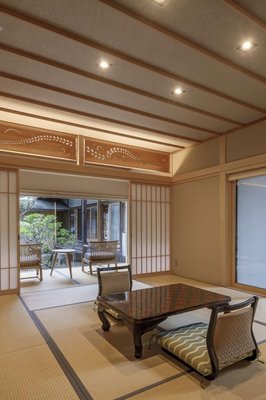
Ichijoin

The Thousand Kyoto
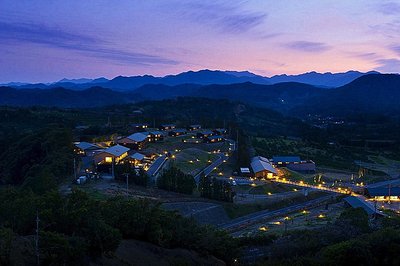
Resort Kumano Club

Courtyard Osaka Honmachi

Toba International Hotel Shiojitei

Okuno Hosomichi
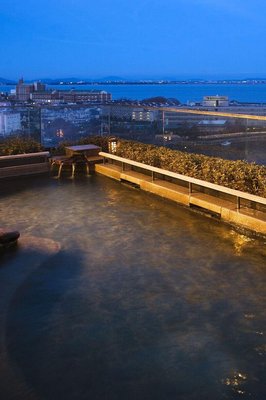
Yumotokan
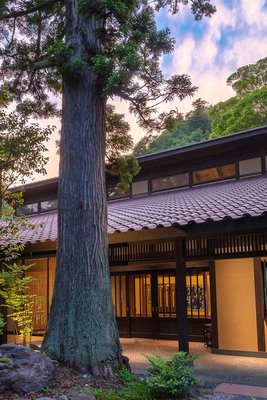
Arimasansoh Goshobessho

Izumigo Hotel Altia Toba
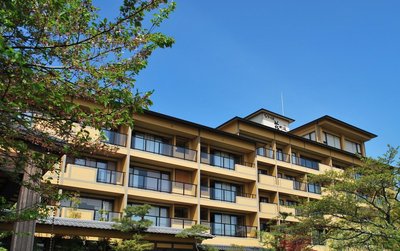
BIWAKO HANAKAIDO
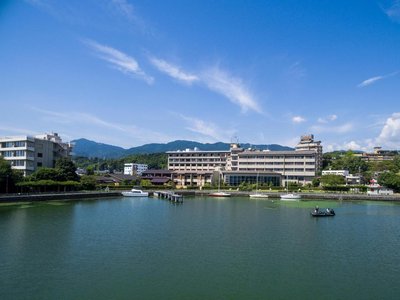
Biwako Ryokusuitei
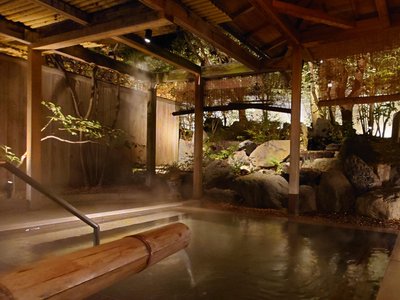
Kasuga Hotel
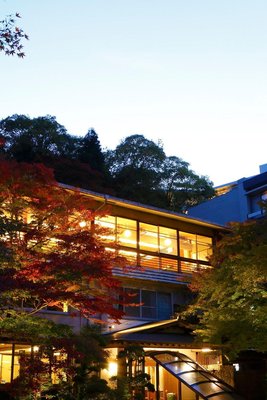
Negiya Ryofukaku
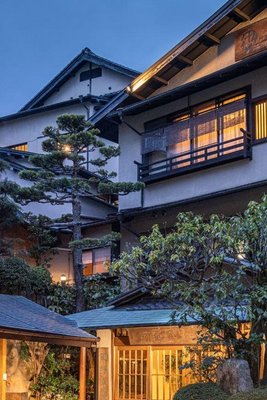
Arima Onsen Tocen Goshobo
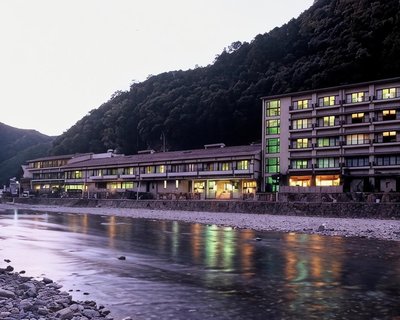
Kawayu Onsen Fujiya
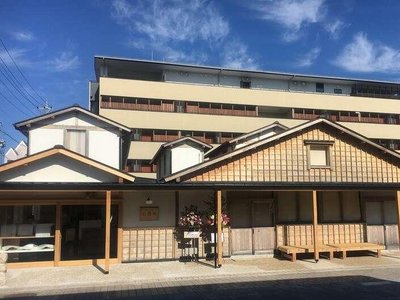
Isegekusando Iseshinsen
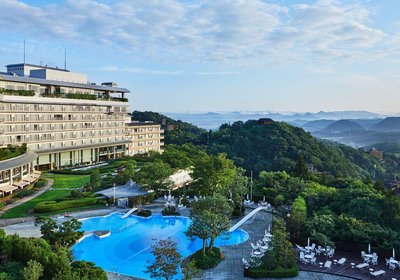
Arima Grand Hotel
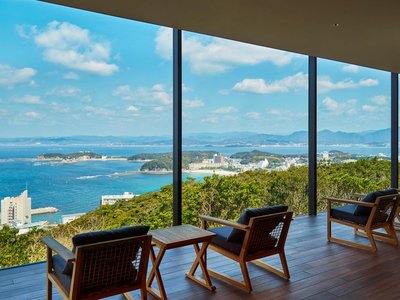
Infinito Hotel and Spa
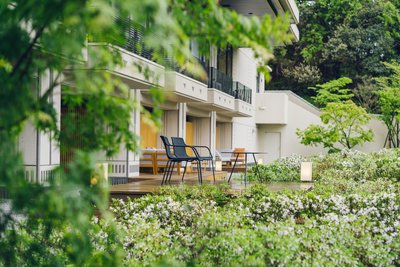
Hoshino Resorts Kai Enshu
Kyoto Arashiyama Onsen Kadensho (Kyoritsu Resort)
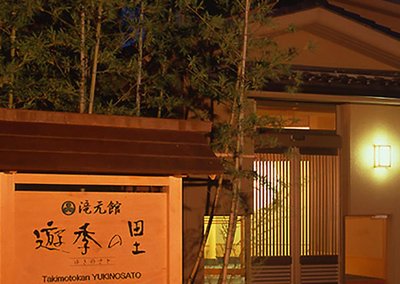
Takimotokan Yuki No Sato
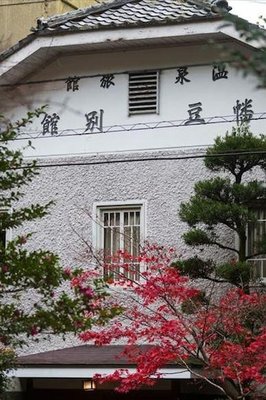
Oku-Mikawa・Yuya Onsen HAZU Bekkan

Nakanobo Zuien (Adult Only)
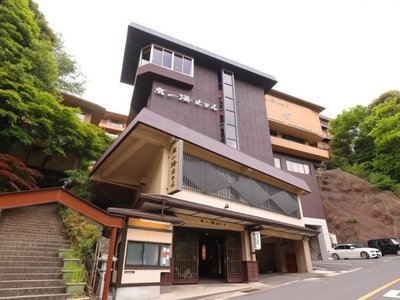
Shikanoyu Hotel

Shima Kanko Hotel the Bay Suites
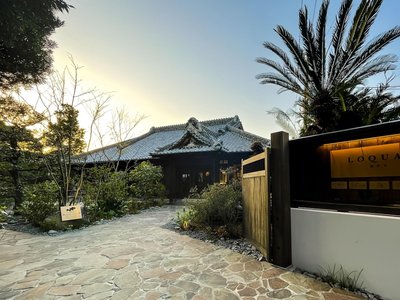
Loquat Nishiizu
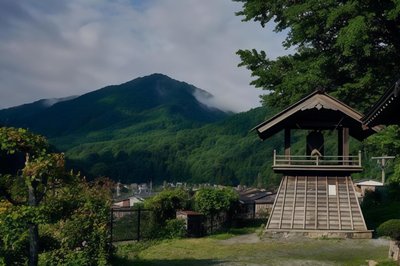
Byaku Narai
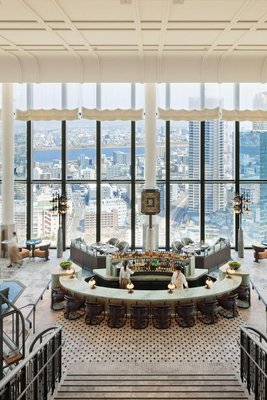
Waldorf Astoria Osaka
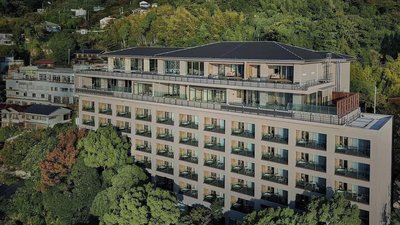
Atami Izusan Karaku
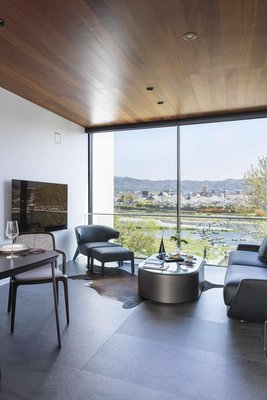
Kamo Residences by Reflections
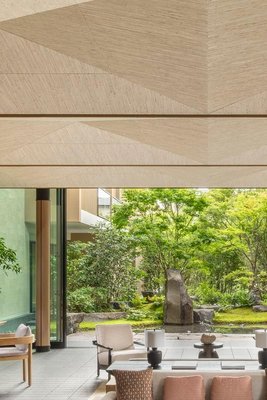
Six Senses Kyoto
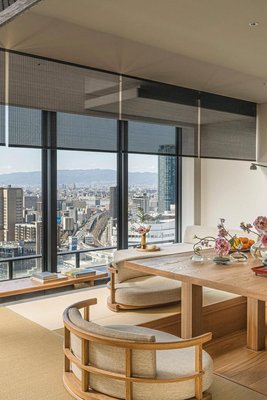
Four Seasons Hotel Osaka

Patina Osaka

The Ritz-Carlton, Osaka
Arimasansoh Goshobessho
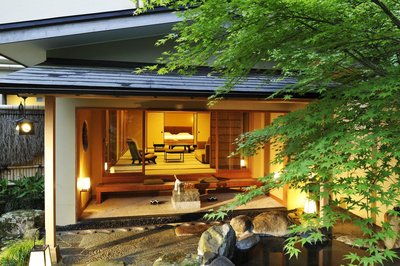
Gora Kadan
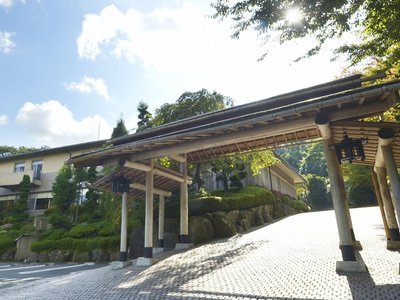
Gora Hanaougi

The Hiramatsu Hotels & Resorts Kashikojima
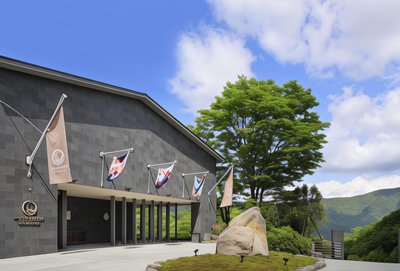
The Hiramatsu Hotels & Resorts Sengokuhara Hakone
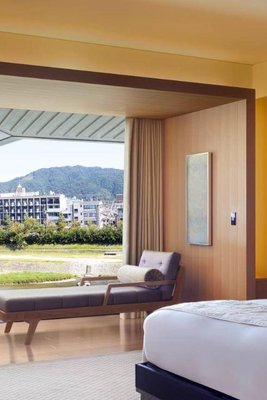
The Ritz-Carlton, Kyoto
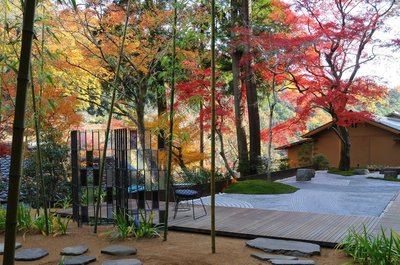
HOSHINOYA Kyoto

Abba Resorts Izu - Zagyosoh
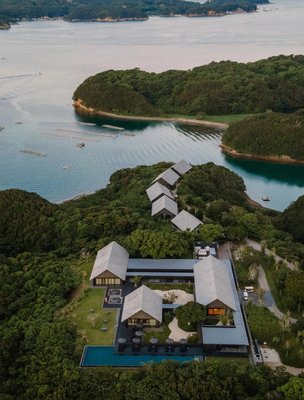
Amanemu
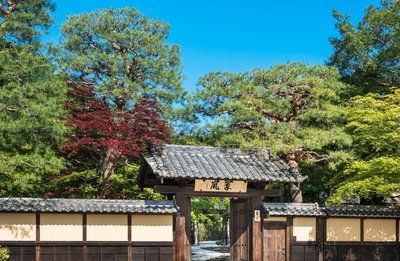
Suiran, a Luxury Collection Hotel, Kyoto
Toba International Hotel Shiojitei

Gold Stay Nagoya OSU

GOLD STAY Nagoya Sakae

The Royal Park Hotel Iconic Nagoya

HIDEOUT
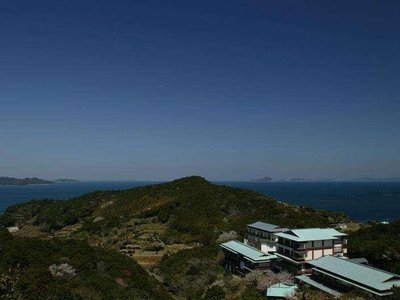
Hanashinsui
Yumotokan
BIWAKO HANAKAIDO
Biwako Ryokusuitei
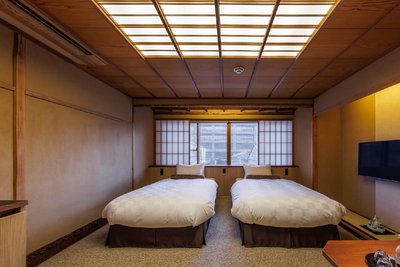
Kyoto Ryokan Sakanoue
Kasuga Hotel
Isegekusando Iseshinsen
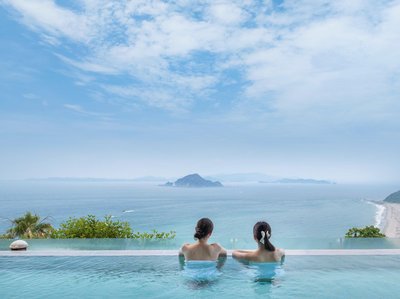
Irago Ocean Resort

TOBA GRAND HOTEL
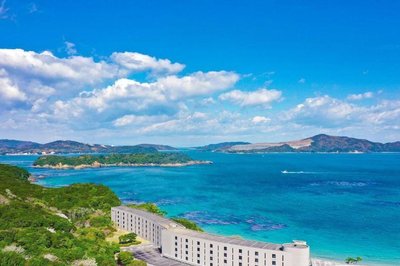
Taoya Shima

Hotel New Wakasa
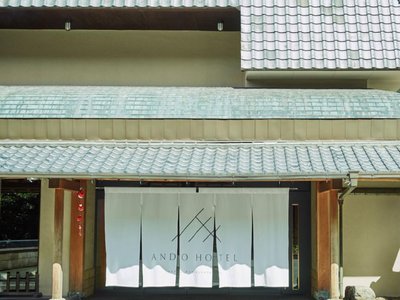
Ando Hotel Nara Wakakusayama -Dlight Life & Hotels-
Takimotokan Yuki No Sato
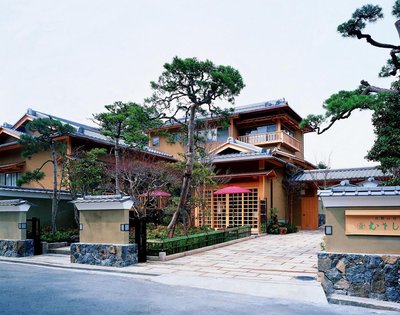
Kotonoyado Musashino
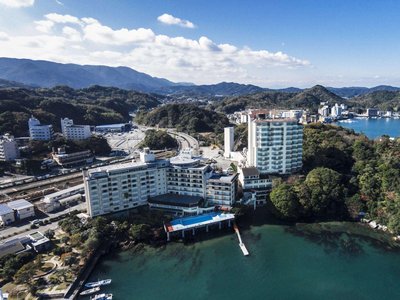
Todaya

XYZ Private Spa and Seaside Resort
Osaka Marriott Miyako Hotel

Mitsui Garden Hotel Osaka Premier
Izumigo Hotel Altia Toba
BIWAKO HANAKAIDO
Biwako Ryokusuitei
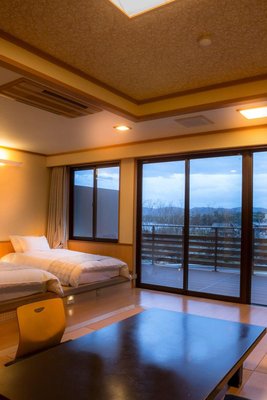
Hotel Kitanoya
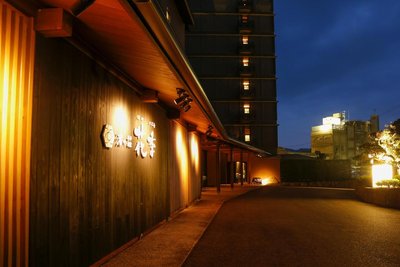
Hanagoyomi
Kawayu Onsen Fujiya

Hotel La Suite Kobe Harborland

AoAwo Naruto Resort
Infinito Hotel and Spa
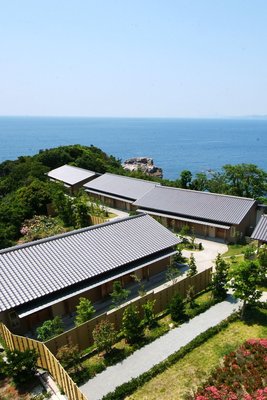
Hamachidorinoyu Kaisyu
Hoshino Resorts Kai Enshu
Takimotokan Yuki No Sato
The Ritz-Carlton, Kyoto
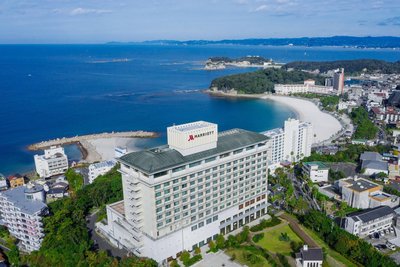
Nanki-Shirahama Marriott Hotel
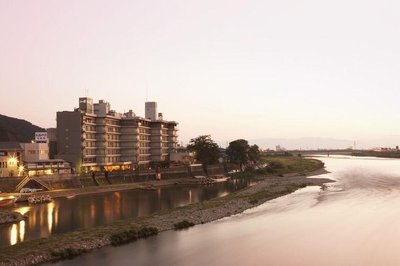
Juhachiro

Toba International Hotel
Suiran, a Luxury Collection Hotel, Kyoto

Legoland Japan Hotel

HOTEL UNIVERSAL PORT VITA

The Park Front Hotel at Universal Studios Japan

HOTEL UNIVERSAL PORT

THE SINGULARI HOTEL & SKYSPA at UNIVERSAL STUDIOS JAPAN
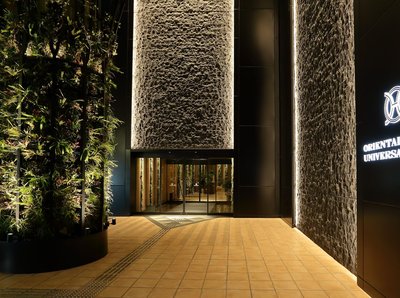
Oriental Hotel Universal City

Hotel Keihan Universal Tower
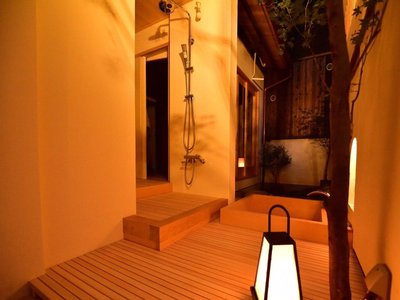
Yado Kiramachi
Arimasansoh Goshobessho
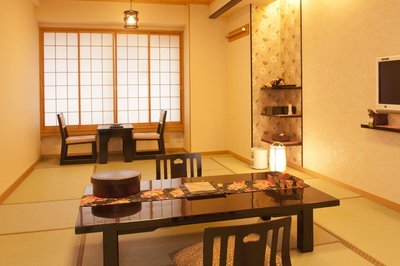
Matsui-Bekkan Hanakanzashi

Taikyourou
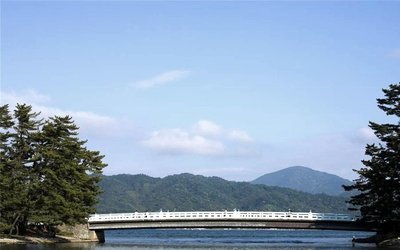
Monjusou Shourotei
Kasuga Hotel
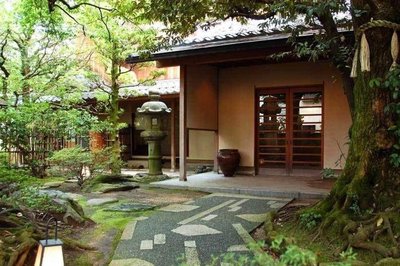
Kocho
Hotel New Wakasa
Kyoto Arashiyama Onsen Kadensho (Kyoritsu Resort)
Oku-Mikawa・Yuya Onsen HAZU Bekkan
Ichijoin
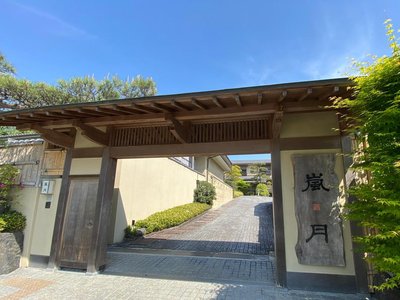
Rangetsu
The Ritz-Carlton, Kyoto
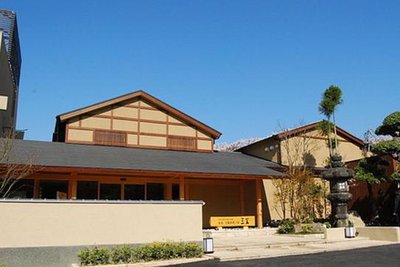
Mikasa
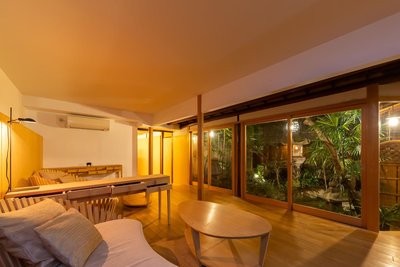
Izuyasu Traditional Kyoto Inn Serving Kyoto Cuisine
HOSHINOYA Kyoto
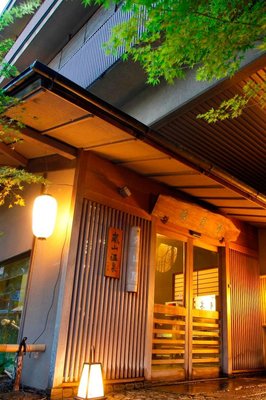
Togetsutei
Juhachiro
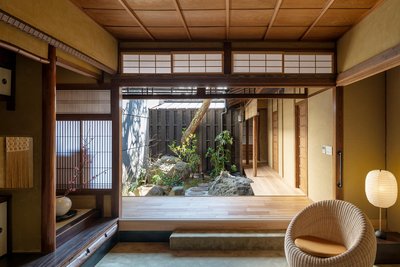
Nazuna Kyoto Gosho
Amanemu
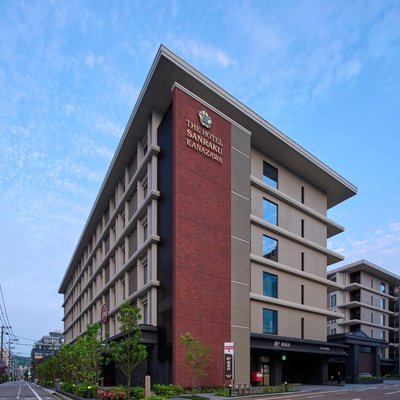
The Hotel Sanraku Kanazawa 21th December 2022 Open

22 PIECES
The Ritz-Carlton, Osaka
The Thousand Kyoto
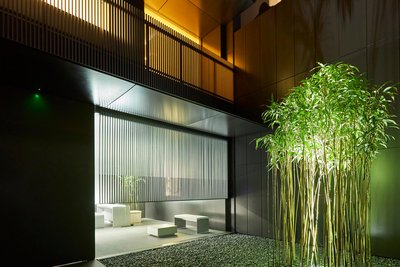
Mogana

GOOD NATURE HOTEL KYOTO

Nol Kyoto Sanjo

Zentis Osaka

Garrya Nijo Castle Kyoto

W Osaka

Hotel Kanra Kyoto

Aloft Osaka Dojima
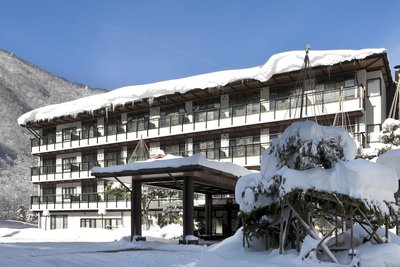
Okada Ryokan Warakutei
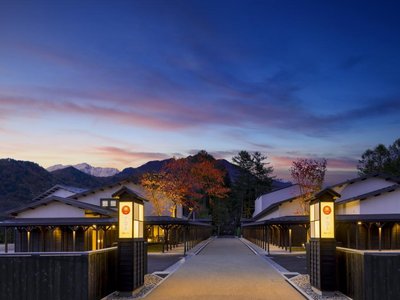
Hoshino Resorts KAI Alps
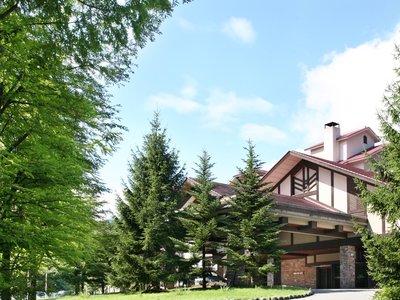
Hakuba Tokyu Hotel

Phoenix Hotel by Hhg

Courtyard by Marriott Hakuba

Marillen Hotel by Hhg
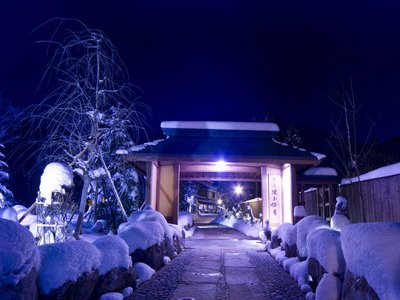
Miyama Ouan
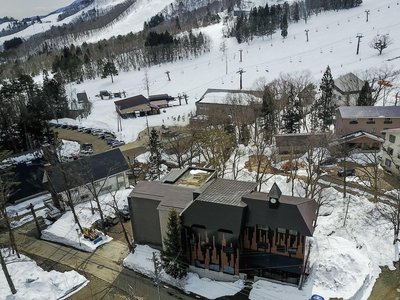
Hotel Villa Hakuba by Hhg
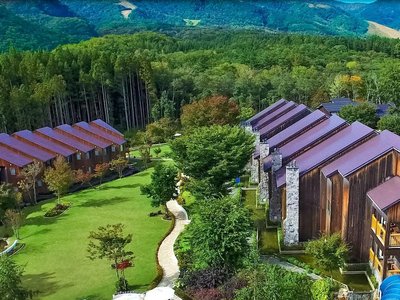
Hotel Sierra Resort Hakuba

Hotel la Neige Higashikan
Osaka Marriott Miyako Hotel
The Ritz-Carlton, Osaka
Gora Kadan
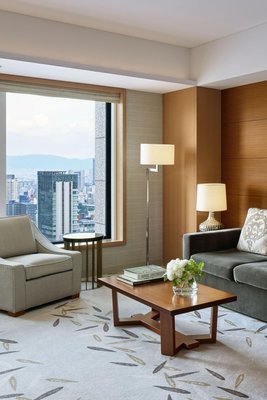
InterContinental Hotel Osaka
The Ritz-Carlton, Kyoto
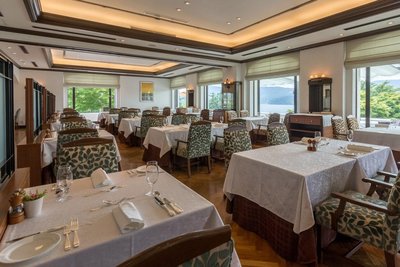
Odakyu Hotel de Yama
Suiran, a Luxury Collection Hotel, Kyoto
GOOD NATURE HOTEL KYOTO
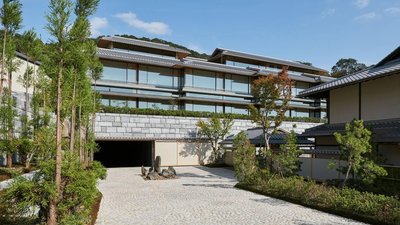
Park Hyatt Kyoto

Hyatt Centric Kanazawa
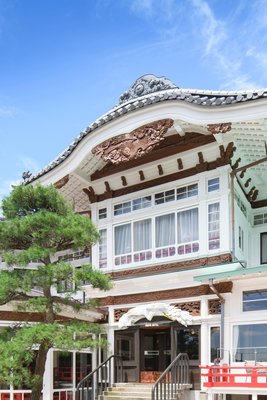
Fujiya Hotel
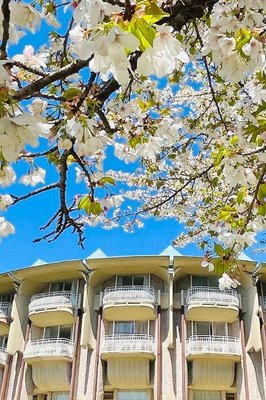
The Prince Hakone Lake Ashinoko
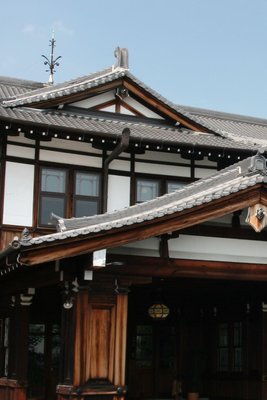
Nara Hotel
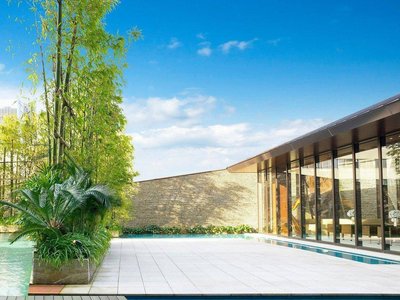
ORIENTAL HOTEL

Hyatt Regency Hakone Resort and Spa
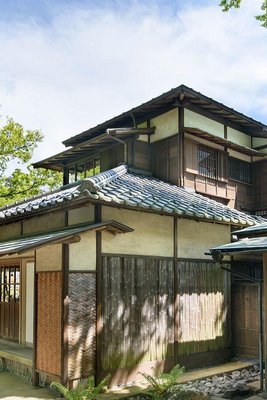
Hakone Suishoen

Conrad Osaka

Nagoya JR Gate Tower Hotel (JR-Central Hotels)

Hotel New Otani Osaka

Nagoya Marriott Associa Hotel
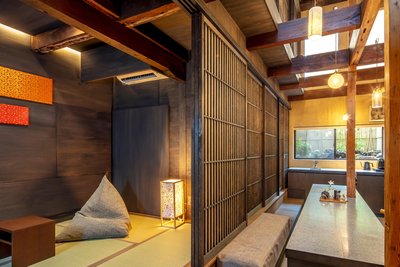
Kyo No Oozora Kihana

Hakuba Gondola Apartments
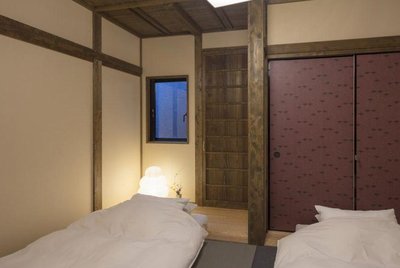
Hanagoromo Machiya House

Maana Kiyomizu

glampark Gekkabijin Nagano

MONS GORA

Phoenix Chalets by Hhg

Apartment Hotel 11 Shinsaibashi
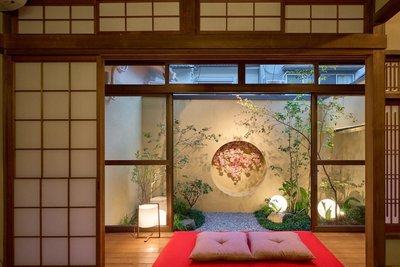
KONJAKUSO Osaka Tengachaya "NIHONCHA" Tea & Relax
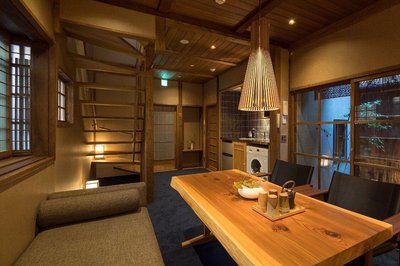
Bonbori an Machiya House

Glamping&Resort Wood Design Park Noma

Apartment Hotel 11 Shinsaibashi III
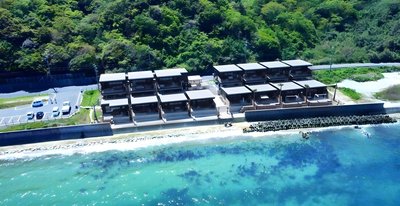
Solavilla Umi Terrace Minamiawaji
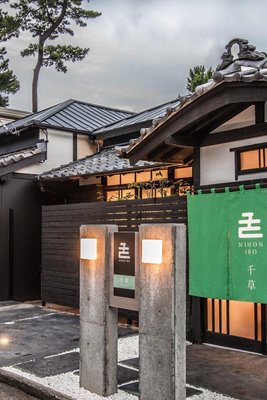
Nihon Iro
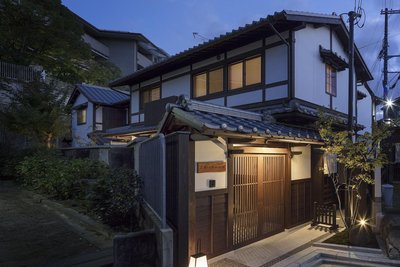
The Machiya Villa Sanjo Shirakawa Koji
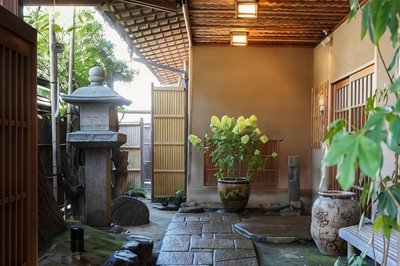
Ryokan Asadaya
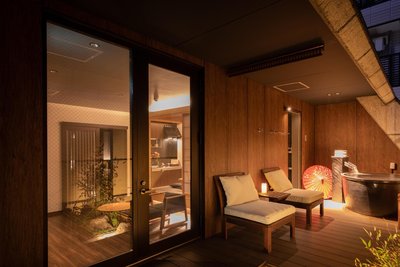
Konjaku-So Dotonbori
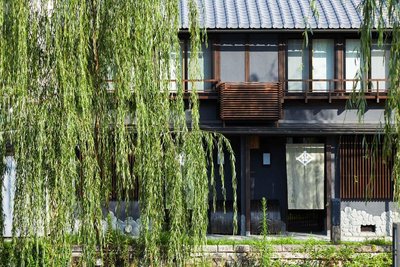
Gion Shirakawa No Yado

Kitashirakawa Natural Radium Onsen
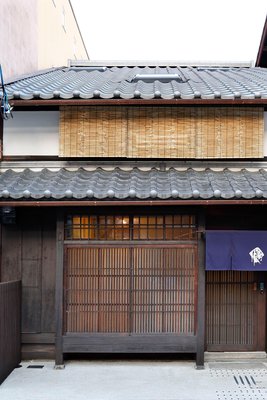
Kyo No Ondokoro Kamanza Nijo #2
Frequently Asked Questions about Traveling to Taki
Questions You Might Need to Know About Traveling to Taki
In Taki Town, the top choice for nature-connected stays is Mori no Yado Taki, a serene forest retreat nestled among cedar groves and overlooking the Taki River. This eco-friendly ryokan features traditional Japanese tatami rooms, an open-air bath with panoramic mountain views, and a garden where guests can enjoy morning tea amidst chirping birds. Nearby, Sanuki Nature Park Lodge offers rustic cabins with wood-burning stoves and direct access to hiking trails through ancient forests. Both properties emphasize sustainability and cultural immersion, hosting seasonal workshops like bamboo weaving and tea ceremonies. Ideal for travelers seeking quiet, authentic rural Japan.
The Old Town District near Taki Shrine is the heart of cultural experience in Taki Town. This historic neighborhood preserves Edo-period stone-paved streets, wooden machiya houses, and family-run craft shops. Visitors can explore the Taki Shrine’s main hall, a National Important Cultural Property dating back to the 7th century, and witness traditional Shinto rituals during seasonal festivals. Local artisans offer hands-on sessions in washi paper-making and indigo dyeing, while nearby cafés serve regional specialties like fresh river eel sushi and bamboo-steamed rice. Strolling here at dawn reveals mist-covered alleys and the gentle sound of temple bells—perfect for soulful travel.
Travelers to Taki Town can participate in rare cultural activities such as traditional bamboo basket weaving, guided by master artisans who’ve practiced for decades. At the Ōyama Shrine, guests may join the annual Kagura Dance Ceremony, a sacred performance believed to appease mountain spirits. During summer, the Taki River Night Lantern Festival illuminates the waterway with handmade paper lanterns, creating a dreamlike atmosphere. Additionally, farm-to-table experiences allow visitors to harvest seasonal vegetables on local farms and cook them using heirloom recipes. These immersive activities connect tourists deeply with Taki’s living traditions.
Yes, Taki Town offers beginner-friendly hiking trails like the Ōyama Forest Path (3 km), which winds through moss-covered rocks and cherry blossom trees, ending at a scenic overlook with views of the surrounding valley. Another great option is the Sato Valley Trail, a flat, well-marked route along the Taki River, ideal for families and photography enthusiasts. Both paths feature resting benches, clear signage, and emergency call points. Best visited early morning to avoid heat and crowds. Bring insect repellent and wear sturdy shoes—these trails provide peaceful escapes into pristine nature without requiring advanced skills.
Must-try dishes in Taki Town include Ise-eel sushi, made with locally sourced freshwater eel marinated in sweet soy glaze; Taki River Carp Hot Pot, simmered in mineral-rich stream water with wild greens and tofu, delivering a delicate, earthy flavor. Don’t miss Bamboo Steam Rice, cooked in hollow bamboo tubes, releasing a subtle herbal aroma. These dishes are served at family-run restaurants in the Old Town District, often paired with local plum wine. Some guesthouses also offer takeaway bento boxes featuring seasonal ingredients, perfect for picnics along the riverbanks.
Key historical sites in Taki Town include the Taki Shrine, established in the 7th century and designated a National Important Cultural Property, renowned for its vermilion torii gate and thousand-year-old sakura trees. The Ōyama Shrine’s Stone Hall, one of the few surviving pre-Meiji era structures, showcases exquisite craftsmanship in granite masonry. Nearby, the Former Taki Town Office Museum displays vintage photos, agricultural tools, and documents from the Meiji to Showa eras, offering insight into the town’s post-war revival. Guided tours available upon request—ideal for history buffs seeking authentic narratives.
Absolutely, Taki Town is highly family-friendly. Children will love the Nature Explorer Camp, where guides teach kids how to identify insects, track animal footprints, and build simple shelters. The Taki River Play Zone has shallow waters, floating platforms, and fishing rods for safe, supervised fun. Many guesthouses offer kid-sized yukata robes and free access to themed playrooms. Special events like Children’s Lantern Making Workshops and forest storytelling nights are held seasonally. Evenings often feature star projection shows under the dark mountain skies—perfect for sparking wonder in young minds.
Taki Town hosts several vibrant festivals: the Taki River Fireworks Festival in May lights up the night sky with thousands of sparkling bursts over the water, accompanied by taiko drumming and food stalls. In October, the Ōyama Shrine Autumn Grand Festival features elaborate Kagura dances and processions. Winter brings the Snow Lantern Festival, where handcrafted paper lanterns glow along shrine pathways, creating a magical, silent ambiance. These events not only celebrate local heritage but also invite visitors to participate in rituals, crafts, and communal meals—offering unforgettable cultural connections.
While Taki Town lies in a remote mountain region, it remains accessible via public transit. Take the JR Tokaido Line to Ise Station, then transfer to a local bus that runs every 60–90 minutes to Taki Town Center. The Taki Town Tourist Shuttle Bus operates daily between major attractions, including shrines, lodges, and hiking trails—free of charge. Bicycles are available for rent at the Taki Town Tourism Center, with dedicated lanes along the river. For those with mobility concerns, many accommodations offer door-to-door assistance. Always check schedules in advance, especially during peak seasons.
Although Taki Town isn't known as a major onsen destination, it features natural hot spring sources. Mori no Yu Onsen Inn stands out with its private open-air baths fed by mineral-rich underground water, offering stunning views of the surrounding forest. Guests enjoy soft carbonic acid water, beneficial for skin and circulation. Another option is Taki River Cottage, which provides private soaking tubs with natural spring water, set within a tranquil garden. Both facilities prioritize privacy and tranquility, with minimal lighting and no public baths. Reservations are recommended, especially on weekends. The therapeutic waters reflect the town’s deep connection to nature and healing traditions.
Taki Overview
City Summary
Located in central Mie Prefecture, Taki is a tranquil town renowned for its natural beauty and Shinto heritage. Home to the Taki Daijingu (a branch shrine of Ise Jingu), the town offers authentic rural Japanese experiences amidst lush forests and pristine rivers, perfect for immersing in slow-paced traditional culture.
Must-See Attractions
Taki Daijingu shrine is the cultural heart, featuring serene architecture and sacred ambiance. The Taki Town Folklore Museum showcases local history, while nature trails along Kutsukawa River and Machi-no-Mori Park reveal seasonal landscapes. Don't miss the serene atmosphere of lesser-visited shrines dotted across the countryside.
Food Guide
Savor Matsusaka beef from local farms and Ise-ebi (spiny lobster) sushi highlighting Mie's seafood. Try traditional sweets like akafuku mochi and mitarashi dango paired with matcha. Many eateries source ingredients from surrounding terraced farms.
Transportation Guide
Accessible by Mie Kotsu buses from Tsu or Ise stations. Rent bicycles (available at some lodgings) to explore locally. Drivers can use Route 166 with free parking available. Note infrequent bus schedules - plan ahead.
Best Time to Visit
Ideal during spring (cherry blossoms) and autumn (foliage) for mild weather and fewer crowds. Summer offers greenery but higher humidity, while winter is quiet yet chilly.
Travel Tips
- Follow shrine etiquette: purify hands/mouth before entering torii gates.
- Carry cash as rural shops may not accept cards.
- Buses depart punctually - arrive early.
- Maintain quietness respecting local lifestyle.
- Practice "pack in, pack out" - public bins are rare.
- Check attraction closures, often on Mondays.
Useful Information
Language: Japanese prevails; basic English at tourist centers. Internet: Limited public Wi-Fi - consider pocket Wi-Fi/SIM rental. Payments: Cards work at major venues; cash dominates rural areas. Emergencies: Dial 110 (police) or 119 (ambulance). Clinics handle minor cases; serious conditions require Tsu City hospitals. Lodging: Mainly minshuku (B&Bs) and ryokan - book ahead. Voltage: 100V, Type A plugs.