Hotels in Takizawa
Discover your perfect stay in Takizawa.
Takizawa(Japan) Travel 2026: Cheap Flights, Hotels & Top Attractions
Popular Landmarks in Takizawa
Discover the most iconic attractions in Takizawa
Best Hotels in Takizawa
Discover curated hotel collections in Takizawa






























Frequently Asked Questions about Traveling to Takizawa
Questions You Might Need to Know About Traveling to Takizawa
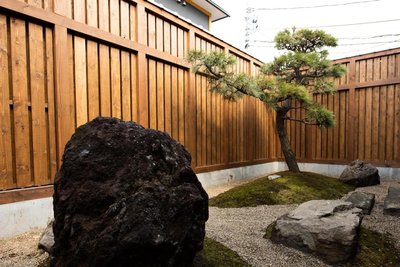
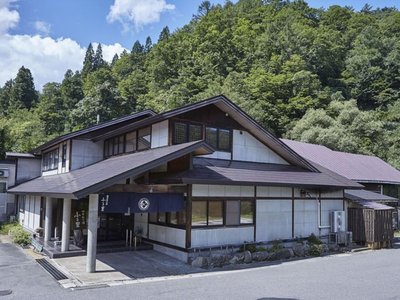
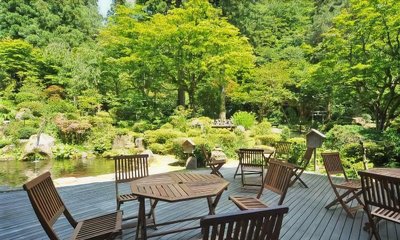
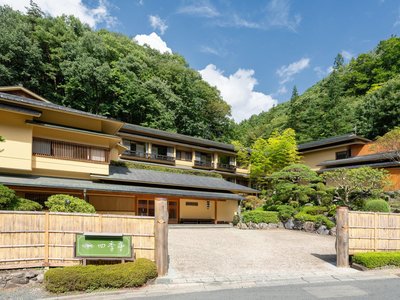
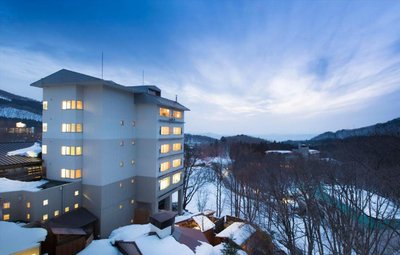
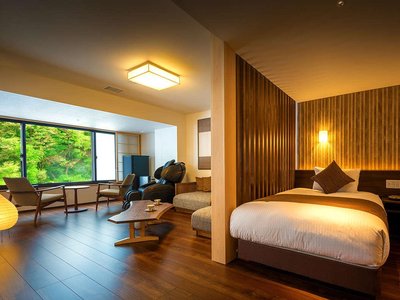
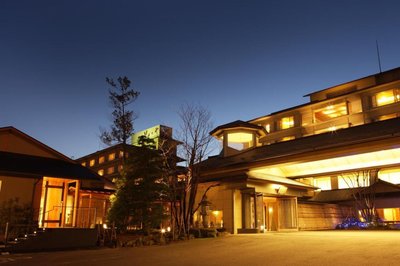
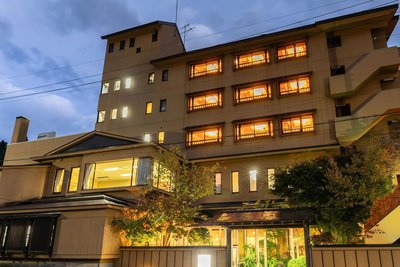
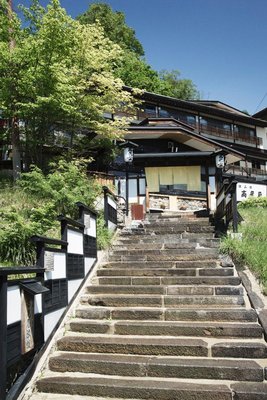
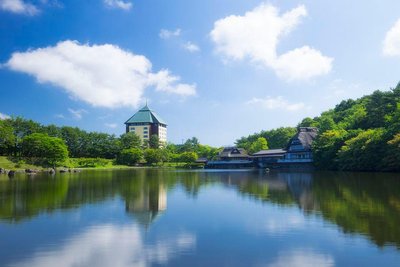
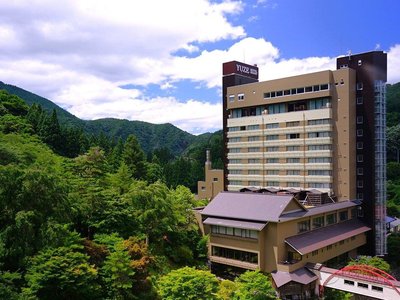
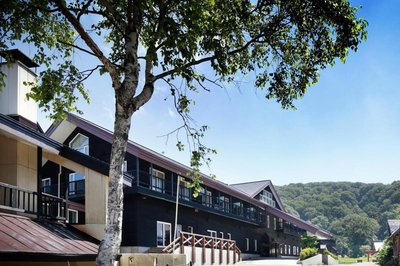
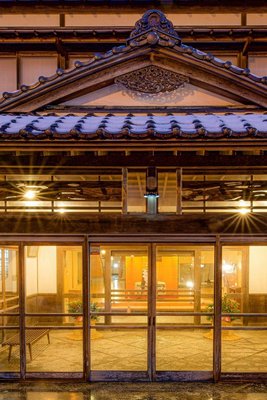
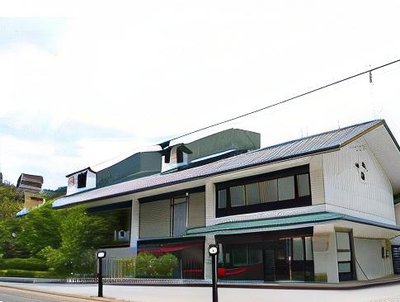
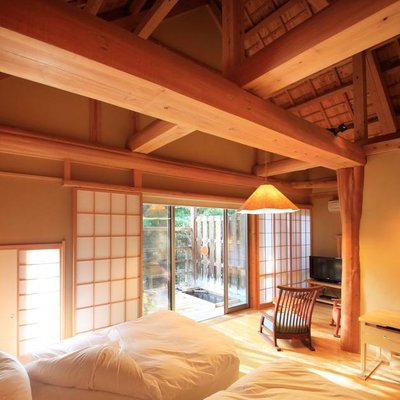
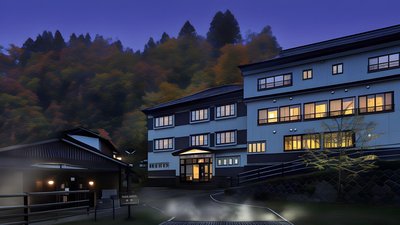
For an authentic Japanese experience, stay at Takizawa Onsen Ryokan, a centuries-old inn nestled beside a mountain stream. Each room features a private outdoor onsen and tatami flooring, while meals include exquisite kaiseki cuisine made with local ingredients like wild mountain vegetables and Iwate beef. The property also hosts seasonal tea ceremonies and calligraphy workshops. Nearby, Takizawa Shiki Hotel offers modern amenities with traditional design elements, making it ideal for travelers seeking comfort and cultural immersion. Both properties provide access to the serene Takizawa Shrine and forest trails.
Central Takizawa is the most convenient district for first-time visitors, offering easy access to major attractions such as Iwate Prefectural Museum and Takizawa River Park. This area hosts several well-rated hotels, including Takizawa Shiki Hotel, which provides multilingual staff and free Wi-Fi. It’s also close to local markets and bus stops, allowing seamless travel to nearby towns. For a quieter alternative, consider staying in Kitayama District, where small family-run inns offer panoramic views of the surrounding mountains and forests—perfect for nature lovers seeking tranquility.
Tourists should visit the Takizawa Craft Workshop, where they can learn to hand-paint traditional paper umbrellas using natural pigments. The annual Takizawa Cherry Blossom Festival features taiko drumming, tea ceremonies, and a bustling street market filled with local crafts. During winter, the Snow Lantern Festival transforms the town into a magical landscape with ice sculptures lit by warm lanterns. These events highlight the region’s deep-rooted traditions and offer immersive opportunities to engage with local artisans and performers.
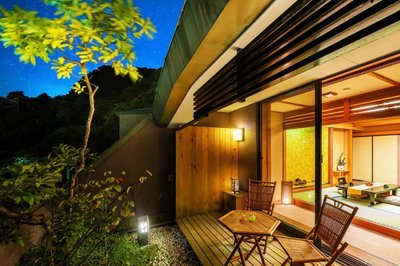
Yes, Takizawa Onsen Ryokan is a premier hot spring resort known for its natural mineral-rich waters sourced from 300 meters underground. The baths contain silica, believed to soothe skin conditions. Each guest room includes a private open-air onsen with views of the forest or night sky—ideal for stargazing. Special evening packages include candlelit kaiseki dinners and quiet meditation sessions. The hotel also offers guided forest walks and seasonal harvest festivals, blending wellness with cultural authenticity.
Take the JR Tohoku Shinkansen from Tokyo Station to Morioka Station (approx. 2 hours), then transfer to the Iwate Prefectural Bus bound for Takizawa (about 40 minutes). Total journey time is around 3 hours. Alternatively, rent a car via the Tohoku Expressway—approximately 3.5 hours—with scenic views of the Ou Mountains. Many hotels, including Takizawa Shiki Hotel, offer airport or station pickup services; HopeGoo in advance is recommended.
Takizawa Shiki Hotel is highly recommended for families, featuring a children’s playroom, family-friendly onsen, and multilingual staff. The hotel also hosts interactive programs like “Forest Discovery Day,” where kids learn about local wildlife through guided hikes. Nearby, Takizawa Family Stay offers spacious, self-catering cottages with gardens and kitchens—ideal for multi-generational trips. Hosts often organize hands-on cooking classes using regional ingredients, fostering fun and connection among family members.
Try Iwate Beef Sukiyaki at Takizawa Old Street Restaurant, where tender wagyu is simmered with local radish and tofu. Don’t miss Wild Mountain Vegetable Tempura, made with fresh seasonal greens like fiddlehead ferns and bamboo shoots. For a rustic experience, book a dinner at a mountain farmhouse inn, where meals are prepared over a wood-fired hearth. Dishes like Yudofu (simmered tofu) and kamaboko (fish cake) reflect the region’s culinary heritage and are served with homemade sake or barley tea.
Capture the stunning Red Leaf Bridge along the Takizawa River during autumn, when maple reflections create a mirror-like effect. In spring, the Takizawa Cherry Path blooms with pink blossoms perfect for portrait photography. For night shots, visit the Northern Hill Starlight Terrace, where minimal light pollution allows for breathtaking Milky Way photos. The Takizawa Shrine’s Thousand Torii Gate, though smaller than Kyoto’s, offers a peaceful, atmospheric backdrop with wooden gates swaying gently in the breeze.
The Takizawa Summer Festival features a grand parade, taiko performances, and a fireworks display over the river. A highlight is the Inari Lantern Procession, where hundreds carry handmade paper lanterns through the streets, creating a glowing path. In winter, the Snow Lantern Festival showcases intricate ice sculptures illuminated by warm lights, accompanied by live music. These events not only celebrate local heritage but also attract international visitors eager to witness authentic Tohoku culture.
Hiking enthusiasts should explore the Northern Hill Trail, a 3-kilometer forest path lined with ancient trees and home to wild deer. For adventure seekers, the Takizawa River Rafting offers a gentle yet thrilling ride through clear waters, ideal for families. In autumn, join a leaf collection workshop to create pressed-leaf art. Birdwatchers will love the Wetland Reserve, where species like white egrets and migratory ducks gather—best observed at dawn or dusk. Guided eco-tours are available through local conservation groups.
Takizawa Overview
City Summary
Takizawa City in central Iwate Prefecture is renowned for its natural landscapes and traditional culture. With abundant hot spring resources like Takizawa Onsen and the majestic Ou Mountains, it blends Tohoku's rustic charm with modern conveniences, ideal for travelers seeking tranquility and cultural depth.
Must-See Attractions
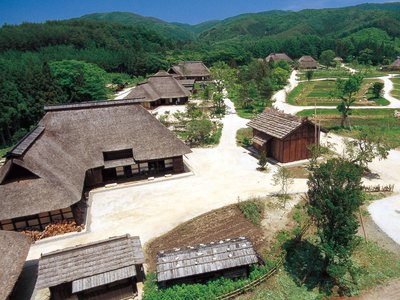
Must-see spots include the historic Takizawa Shrine and Iwate Traditional Crafts Village. Nature lovers can visit Takizawa Park for seasonal views, while winter offers snow activities. Don't miss experiencing ryokan hospitality at Takizawa Onsen Street by night.
Food Guide
Culinary highlights feature Wanko Soba (bite-sized buckwheat noodles) made with local rice, and Nanbu Senbei crackers. Street vendors serve Grilled Rice Sticks and wild vegetable dishes, while ryokans offer exquisite kaiseki meals.
Transportation Guide
The city relies on bus networks (day passes available). From Morioka Station, take JR Tohoku Line to Takizawa Station (20 mins). Taxis and rentals are available, but remote areas may require advance transfers. Download local transit apps for real-time updates.
Best Time to Visit
Best seasons are spring (April-May) for cherry blossoms and autumn (October-November) for foliage, with mild weather and fewer crowds. Winter (December-February) suits onsen lovers, though some mountain roads may close.
Travel Tips
- Follow onsen etiquette: no swimsuits; tattoos may require private baths.
- Winter drivers must equip snow tires/chains.
- Purify hands/mouth at temizuya before shrine visits.
- Cash remains king; rural shops may not accept cards.
- Strict trash sorting is enforced (convenience stores have bins).
- Mountain weather changes rapidly—carry rain gear and layers.
Useful Information
Language: Basic English works at hotels/stations; translation apps help. Internet: 4G covers urban areas; rent WiFi at airports. Currency: ATMs at post offices/7-11 accept international cards. Emergencies: Dial 110 for police, 119 for ambulance; Takizawa City Hospital offers multilingual aid. Voltage is 100V (Type A plugs).









