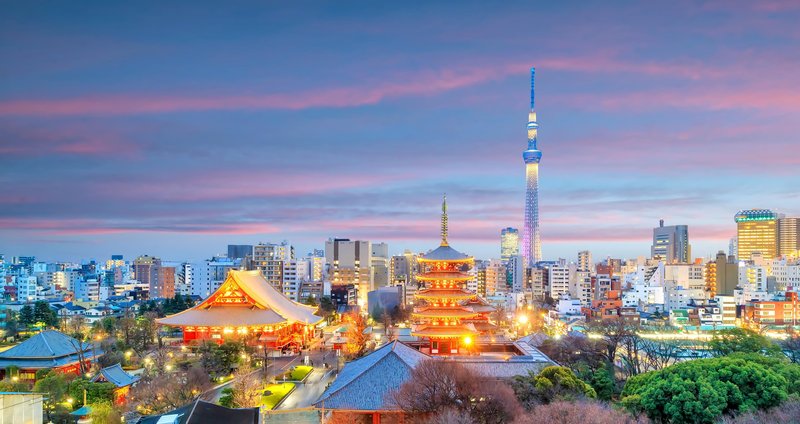
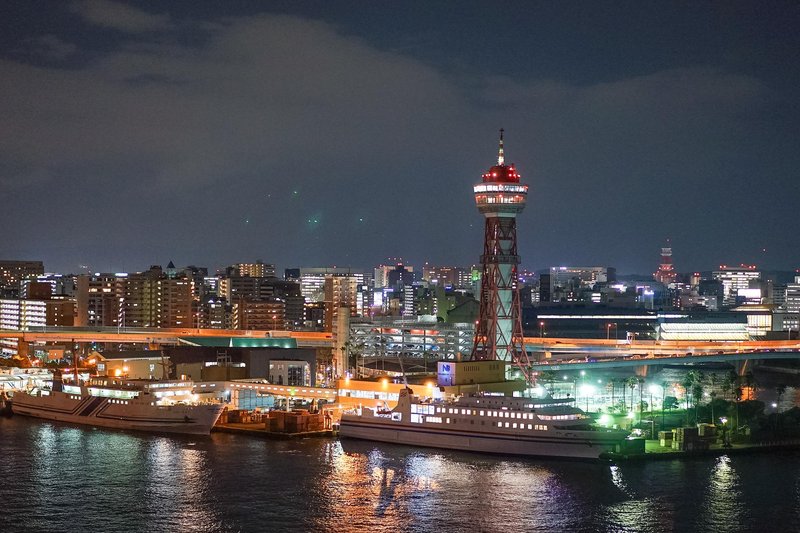
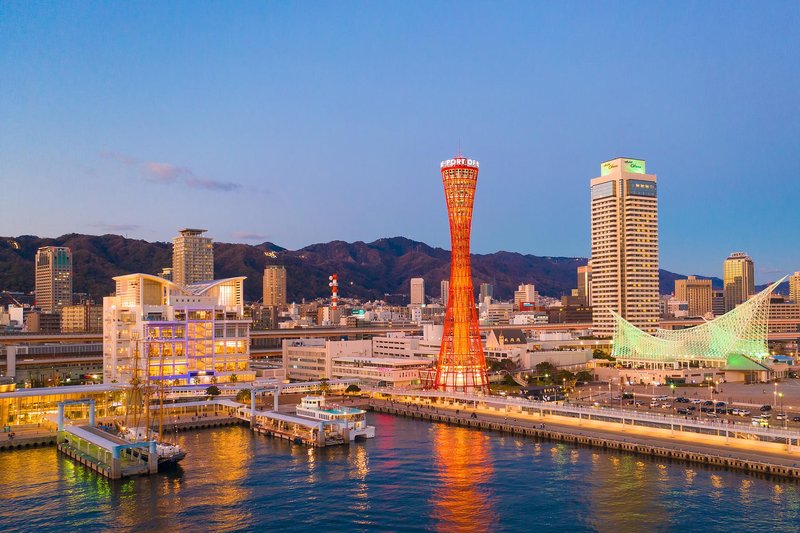
Hotels in Tako
Discover your perfect stay in Tako.
Tako(Japan) Travel 2026: Cheap Flights, Hotels & Top Attractions
Popular Landmarks in Tako
Discover the most iconic attractions in Tako
Recommended Hotels in Tako
Find the perfect place to stay in Tako
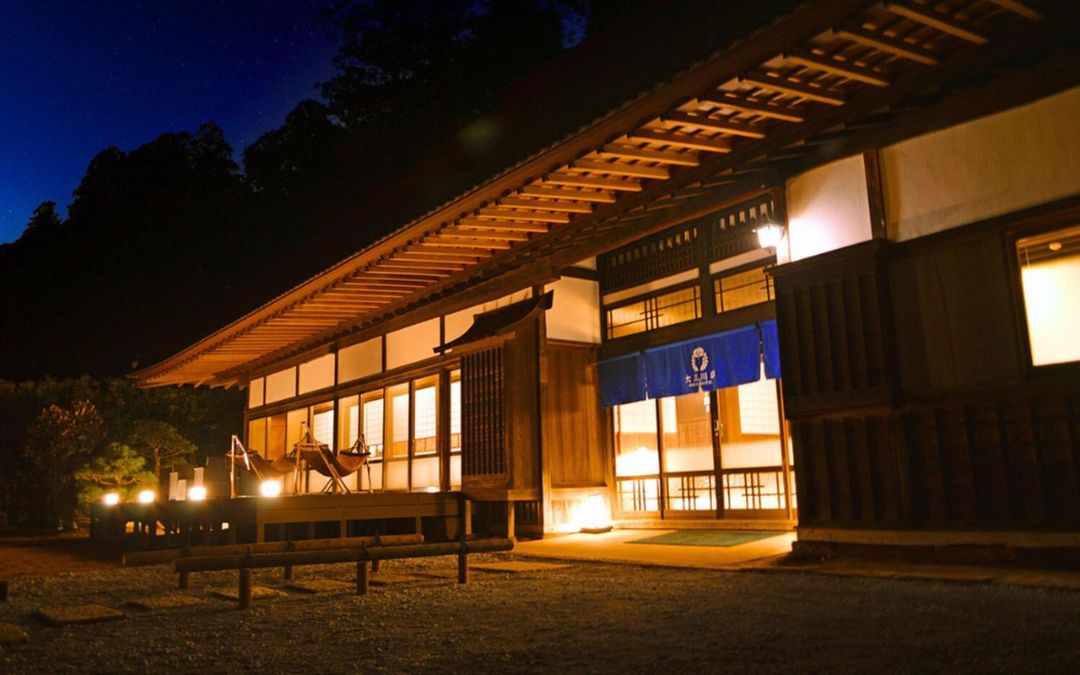
OMIKAWA-TEI
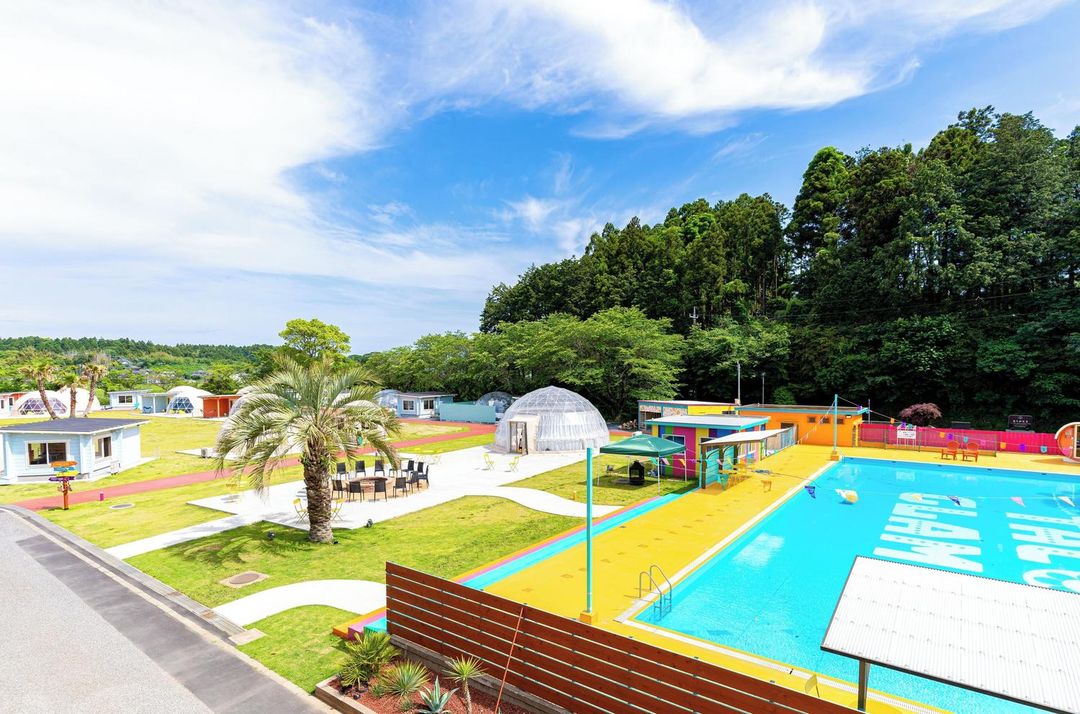
TACO GLAMP
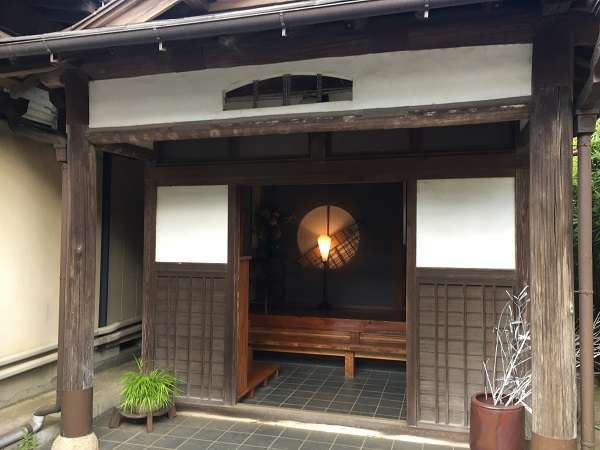
Masugataya Ryokan
Best Hotels in Tako
Discover curated hotel collections in Tako
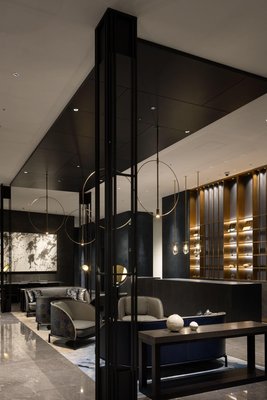
Bellustar Tokyo, A Pan Pacific Hotel

Bvlgari Hotel Tokyo
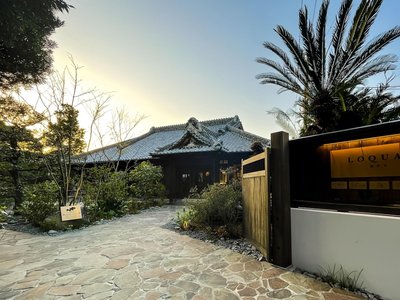
Loquat Nishiizu
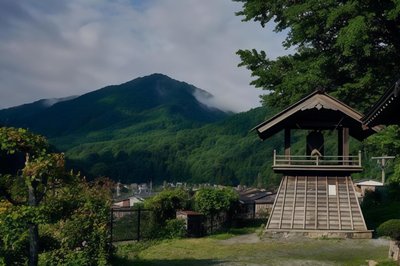
Byaku Narai
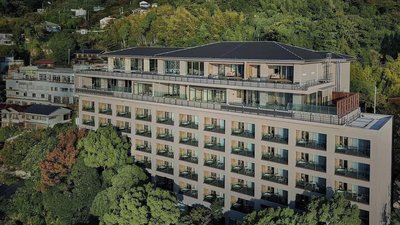
Atami Izusan Karaku
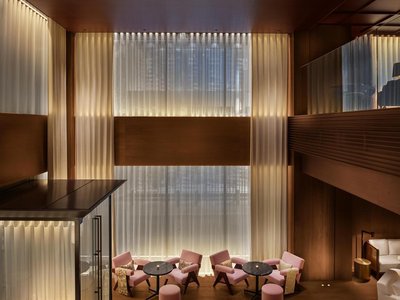
The Tokyo Edition, Ginza

Janu Tokyo
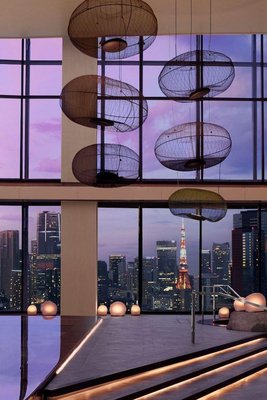
JW Marriott Hotel Tokyo
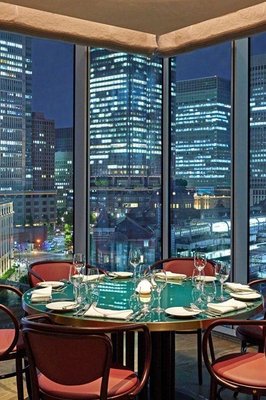
Four Seasons Hotel Tokyo at Marunouchi

Mandarin Oriental, Tokyo
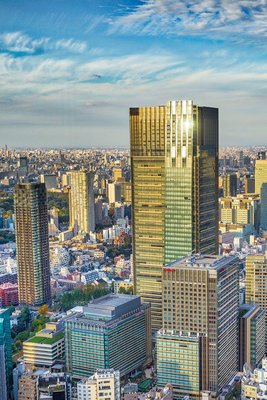
The Ritz-Carlton, Tokyo

Andaz Tokyo Toranomon Hills- A Concept by Hyatt
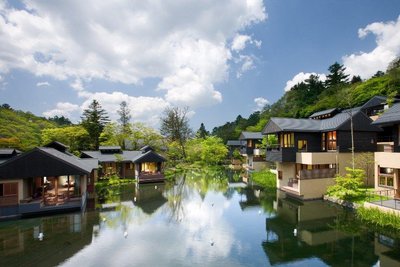
Hoshinoya Karuizawa
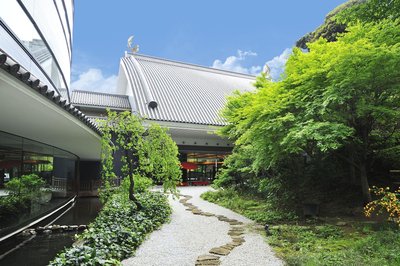
Hotel Gajoen Tokyo
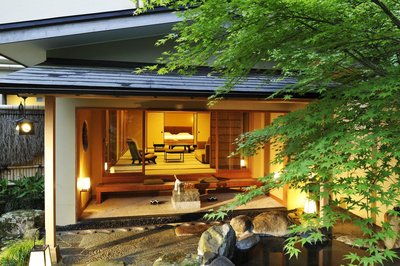
Gora Kadan
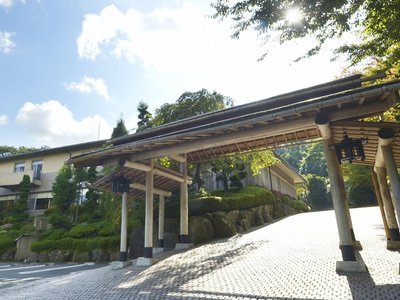
Gora Hanaougi
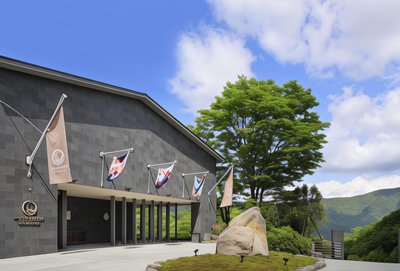
The Hiramatsu Hotels & Resorts Sengokuhara Hakone

Abba Resorts Izu - Zagyosoh
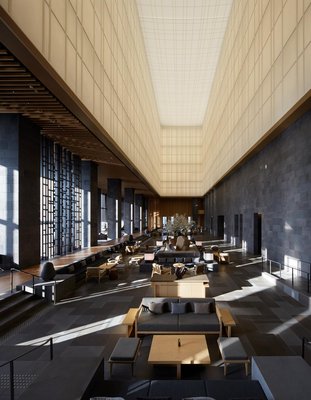
Aman Tokyo

Hotel New Otani Tokyo, Executive House Zen
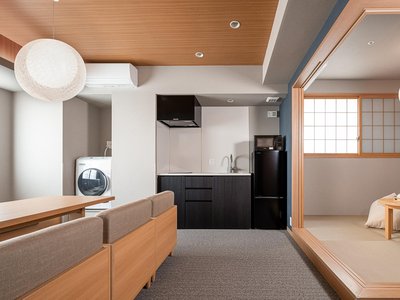
MIMARU SUITES Tokyo Asakusa
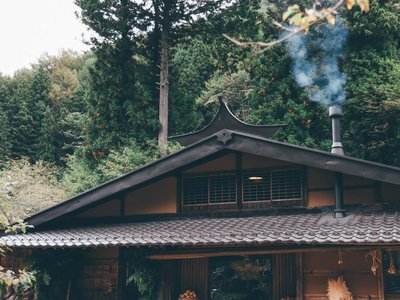
La Terra Resort
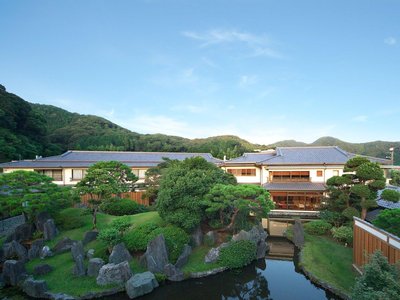
Kagetsutei

karaksa hotel colors Tokyo Yaesu

HOTEL GROOVE SHINJUKU, A PARKROYAL Hotel

EN Resort Grandeco Hotel

Awaumi Fujikawaguchiko Resort
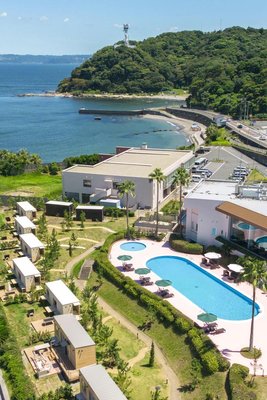
La vista Yokosuka Kannonzaki Terrace
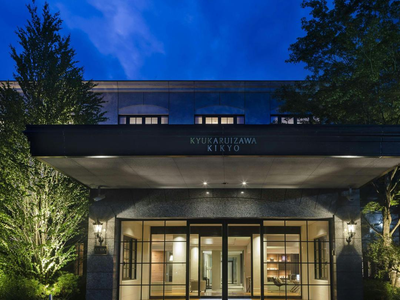
Fufu Karuizawa Wind of Sunshine

Hotel Taiko, Akakura Onsen
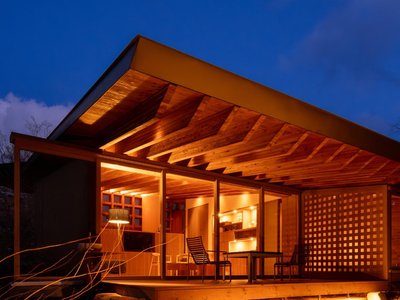
Nasu Mukunone
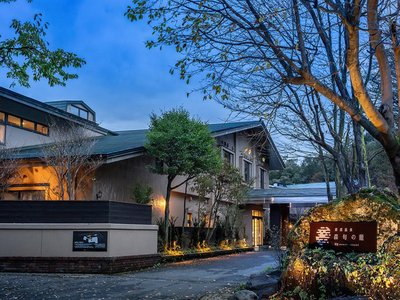
Nasu Onsen Shinshun no Kago Hewitt Resort

Scapes the Suite

Hotel Metropolitan Tokyo Marunouchi
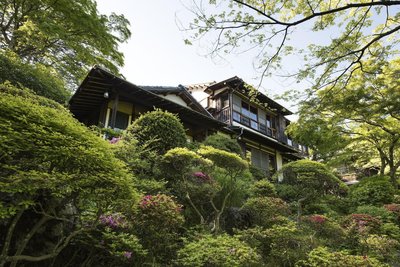
Gora Kansuiro
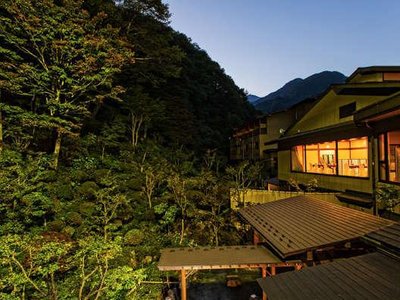
Futari Shizuka
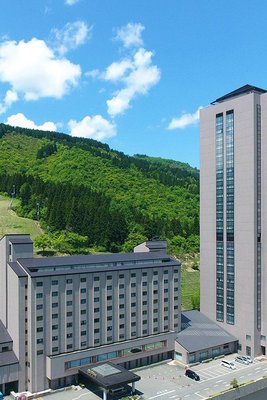
Naspa New Otani

HOTEL KANICHI
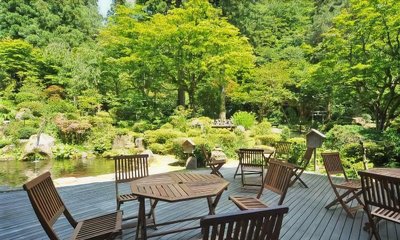
Choseikan

Hayamakan
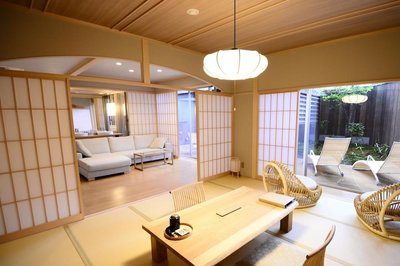
Hakone Gora Byakudan
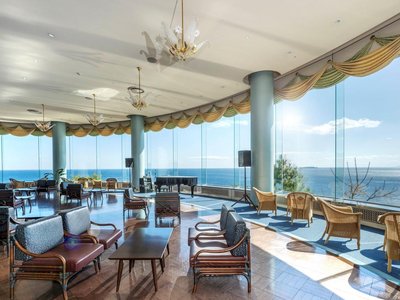
Hotel New Akao
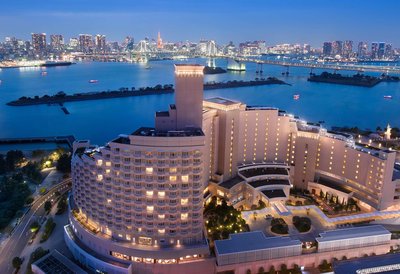
Hilton Tokyo Odaiba
JW Marriott Hotel Tokyo
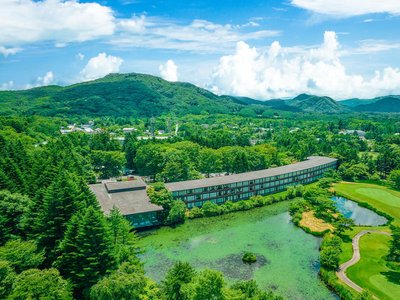
The Prince Karuizawa

The Kukuna
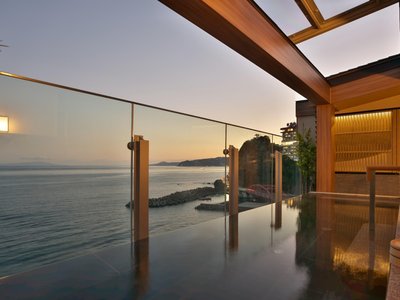
Hotel New Sagamiya
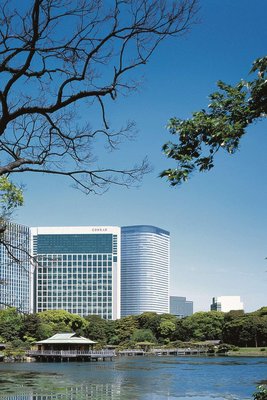
Conrad Tokyo
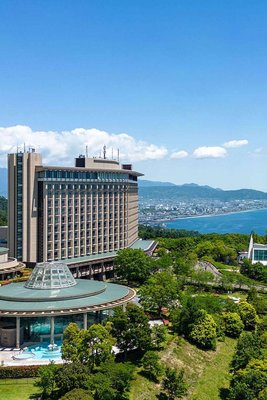
Hilton Odawara Resort & Spa
Hoshinoya Karuizawa
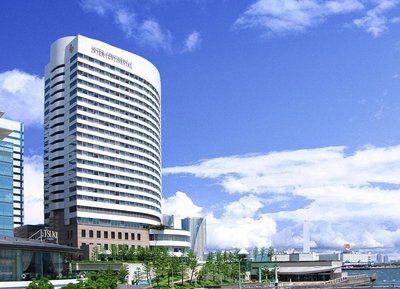
InterContinental Tokyo Bay
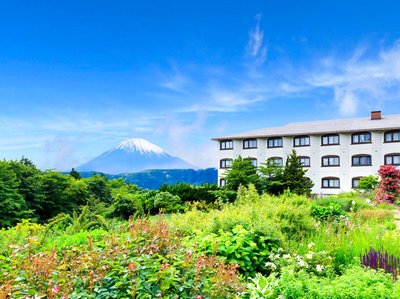
Hotel Green Plaza Hakone
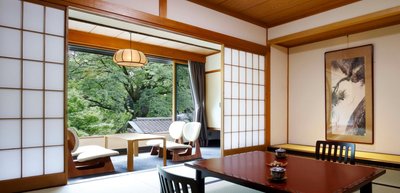
Yoshiike Ryokan
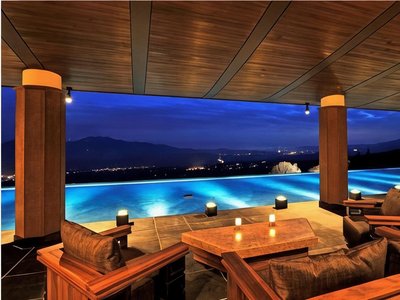
Akakura Kanko Hotel
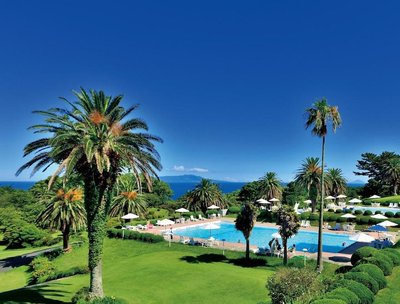
Kawana Hotel
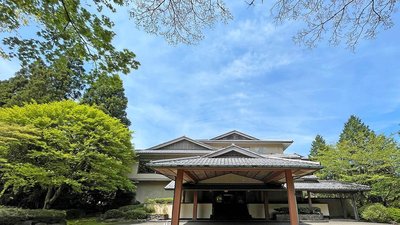
Ryuguden
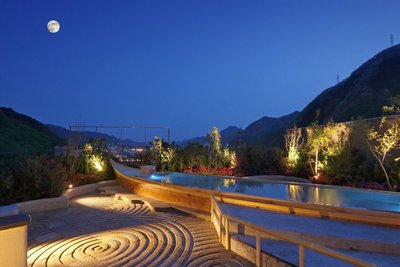
Asaya
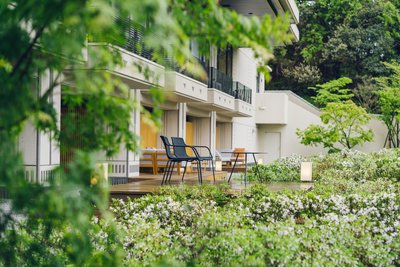
Hoshino Resorts Kai Enshu
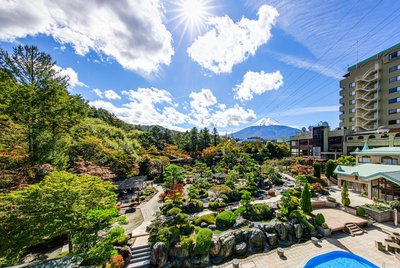
Kaneyamaen
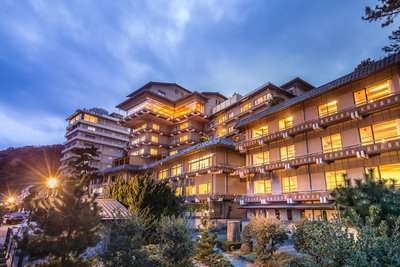
Bousui
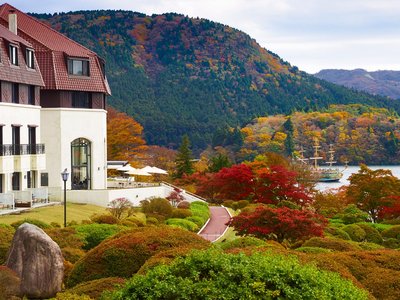
Hotakajyo
Auberge Suzukane

Onyado Nono Asakusa Bettei Hot Spring
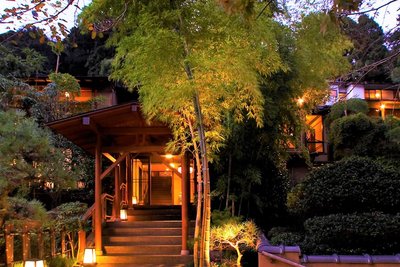
Shiki wo Ajiwau Yado Yamano Chaya
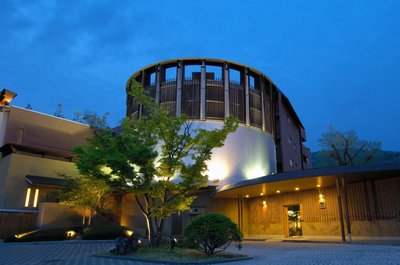
Hoshino Resorts Kai Matsumoto
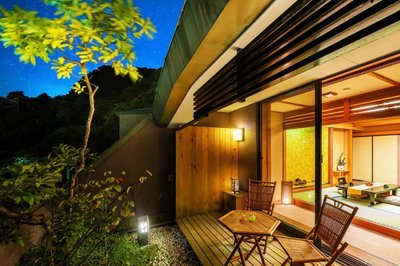
Konjakutei
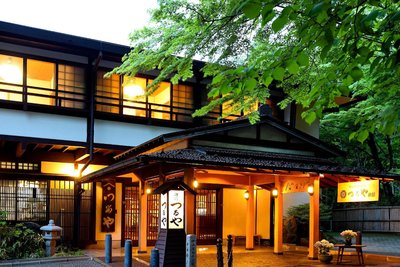
Tsuruya Ryokan
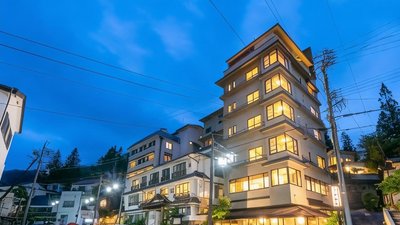
Nakamatsuya Ryokan

Ryokan Sugimoto
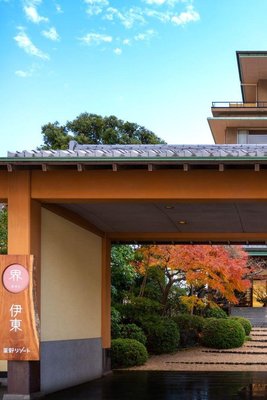
Hoshino Resorts Kai Ito
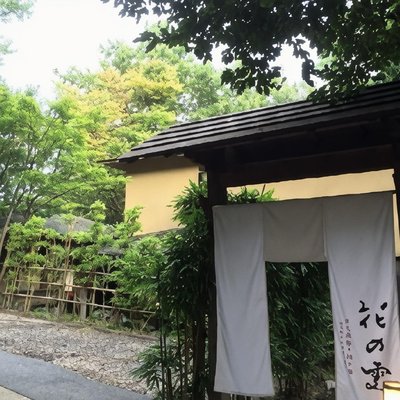
Hana No Kumo
Yoshiike Ryokan
Hotel Gajoen Tokyo
Gora Hanaougi
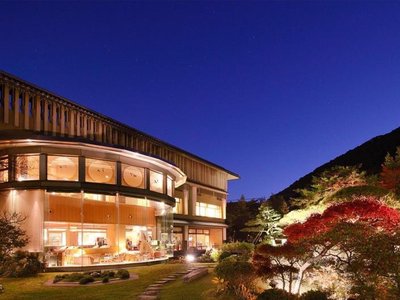
Shikisai Ichiriki
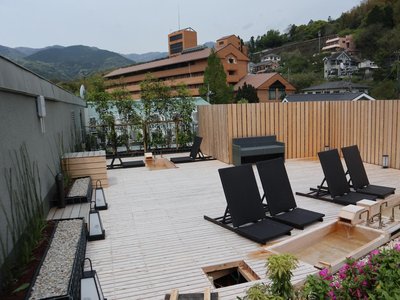
Fukiya Ryokan
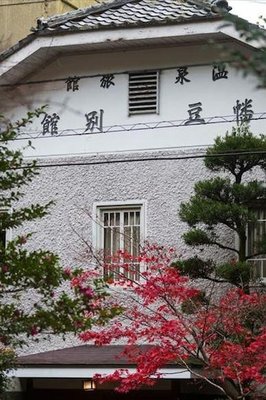
Oku-Mikawa・Yuya Onsen HAZU Bekkan
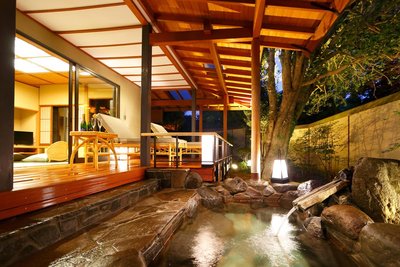
Yoshiharu Ryokan – Izu Nagaoka Onsen
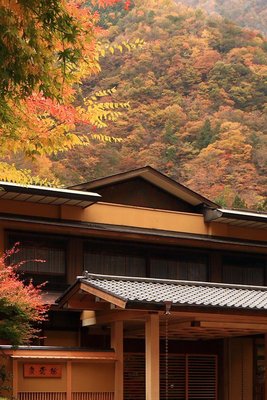
Nishiyama Onsen Keiunkan
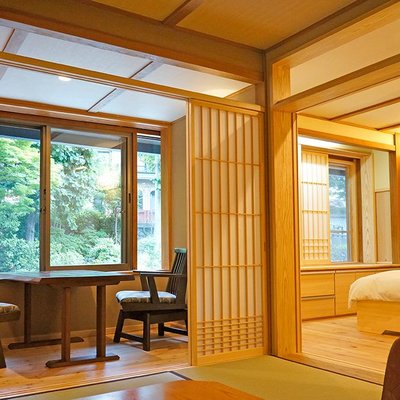
Sumiyosiya Ryokan
Bellustar Tokyo, A Pan Pacific Hotel
JW Marriott Hotel Tokyo
Andaz Tokyo Toranomon Hills- A Concept by Hyatt
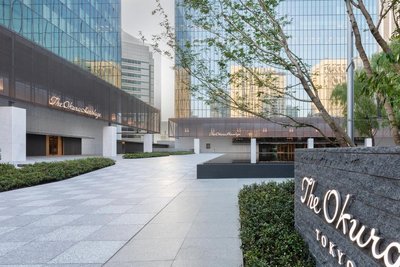
The Okura Tokyo

The Lively Azabujuban Tokyo
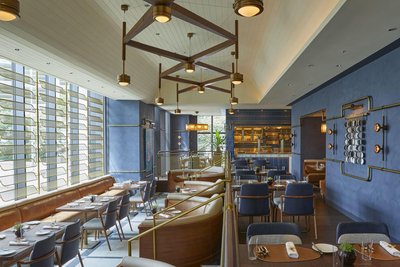
Kimpton Shinjuku Tokyo

HOTEL K5
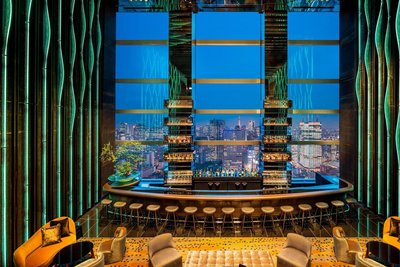
The Prince Gallery Tokyo Kioicho, a Luxury Collection Hotel

Muji Hotel Ginza
Bvlgari Hotel Tokyo
Four Seasons Hotel Tokyo at Marunouchi
Mandarin Oriental, Tokyo
The Ritz-Carlton, Tokyo
Andaz Tokyo Toranomon Hills- A Concept by Hyatt
Gora Kadan

Hotel New Otani Tokyo the Main
Aman Tokyo
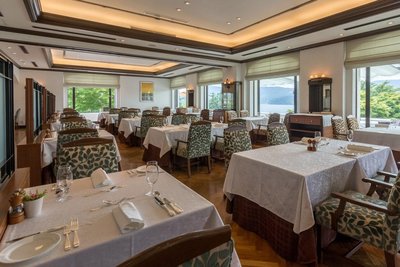
Odakyu Hotel de Yama
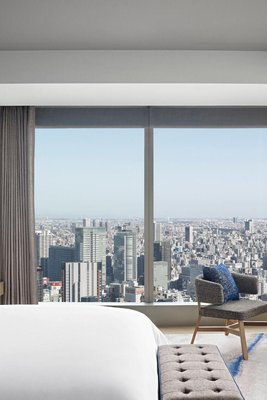
Four Seasons Hotel Tokyo at Otemachi

The Tokyo Edition, Toranomon
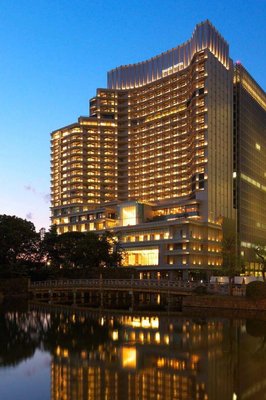
Palace Hotel Tokyo
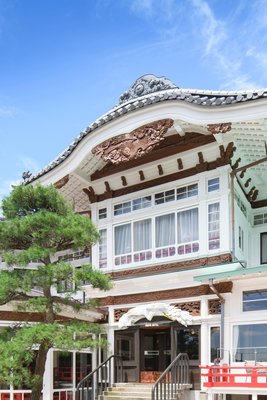
Fujiya Hotel
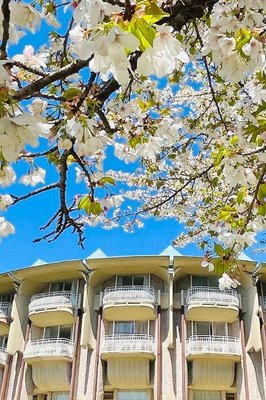
The Prince Hakone Lake Ashinoko

Hyatt Regency Hakone Resort and Spa
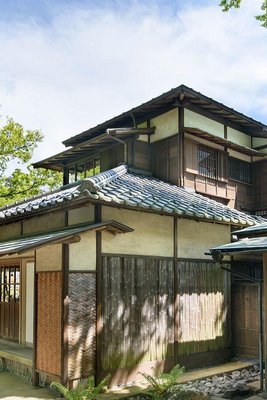
Hakone Suishoen

The Westin Yokohama

The Peninsula Tokyo

Imperial Hotel, Tokyo

Rakuten STAY VILLA Nasu
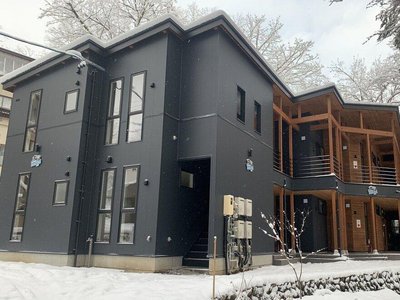
Hakuba Gondola Apartments
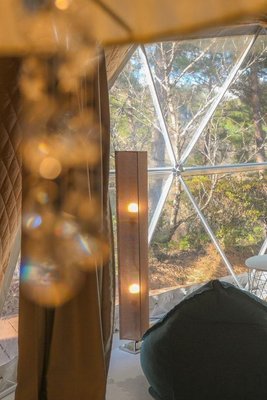
glampark Gekkabijin Nagano

chillout glamping zao
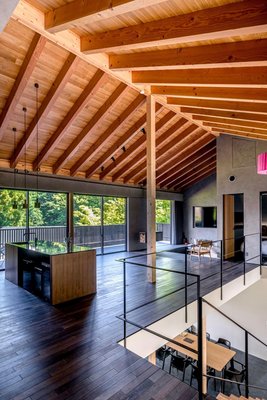
MONS GORA

Phoenix Chalets by Hhg
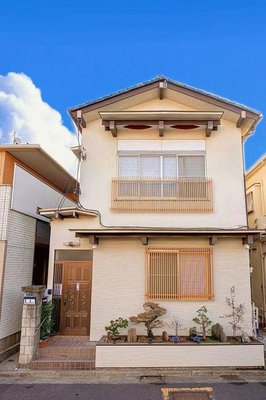
Tokyo Star House-Shinkoiwa
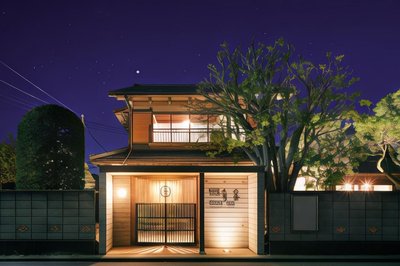
Machi-Jyu
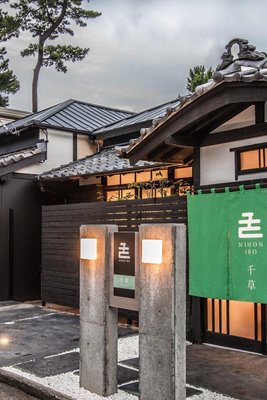
Nihon Iro
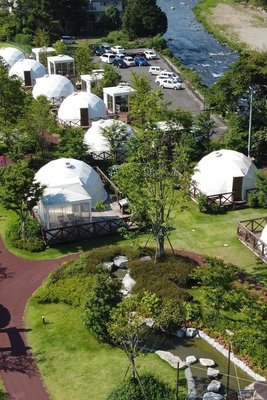
Ufufu Village
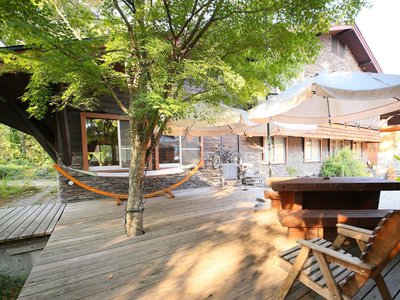
Kunugi Relaxation with 4 Modern Rooms

Modern Ryokan Kishi-ke

Petals Tokyo - Floating Hotel

The Flow Kamakura
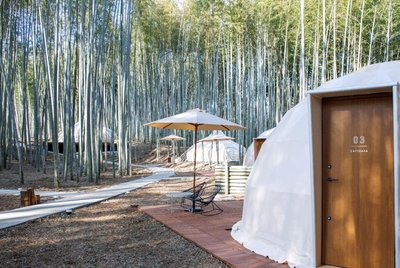
THE BAMBOO FOREST
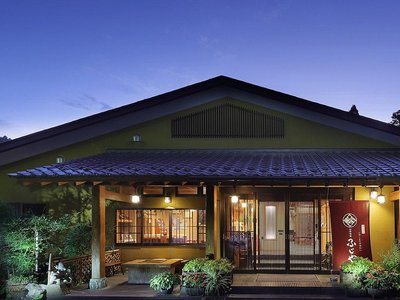
Shikimitei Fujiya
Frequently Asked Questions about Traveling to Tako
Questions You Might Need to Know About Traveling to Tako
In Togoku Town, the best choice for traditional Japanese charm is Togoku Onsen Ryokan, a heritage-style inn nestled near Naritasan Shinshoji Temple. This family-run ryokan features tatami-mat rooms, private onsen baths, and authentic kaiseki cuisine made from local ingredients. The building blends Edo-period architecture with modern comfort, including futon beds and sliding shoji screens. Guests can enjoy morning tea ceremonies, seasonal flower arrangements, and access to forest trails. For an immersive cultural experience, the inn offers kimono rental and guided temple visits. Located just 50 minutes from Tokyo by JR Noda Line, it’s ideal for travelers seeking tranquility and authenticity away from urban crowds.
HopeGoo is recommended, especially during cherry blossom season (late March–early April) and autumn foliage (mid-November), when demand peaks due to its scenic beauty and spiritual ambiance.
The best area for quiet, nature-focused stays in Togoku Town is the vicinity of Chiba Prefectural Natural Park and the surrounding forested hills. This region offers serene accommodations such as eco-lodges, forest cabins, and small-scale ryokans that emphasize sustainability and harmony with nature. Guests can explore well-marked hiking trails, observe native wildlife like deer and owls, and participate in guided night walks or stargazing sessions under minimal light pollution. The park’s tranquil lakes and moss-covered trees create a meditative atmosphere, perfect for digital detox and mindfulness practices. Many lodges also provide organic breakfasts using produce from on-site gardens. Accessible via the Togoku Station on the JR Noda Line, this area balances seclusion with convenient transit options, making it a hidden gem for nature lovers and wellness seekers.
Visitors to Togoku Town can enjoy several unique cultural experiences, including attending the morning bell ceremony at Naritasan Shinshoji Temple, where the deep resonance of ancient bells echoes through the valley. Another highlight is the handmade washi paper umbrella workshop at the Togoku Cultural Center, where guests craft personalized umbrellas using traditional mulberry bark paper and natural dyes. The annual Togoku Cherry Blossom Festival features geisha performances, tea ceremonies, and local food stalls showcasing regional specialties like tofu hot pot and rice cakes. These events reflect the town’s deep-rooted connection to Shinto traditions and rural craftsmanship, offering an authentic glimpse into Chiba’s lesser-known cultural heritage.
Yes, Togoku Town is highly suitable for family-friendly travel. The Chiba Prefectural Natural Park includes a dedicated Children’s Nature Discovery Zone, offering interactive programs such as insect hunting, forest storytelling, and outdoor cooking classes using wild herbs. Local ryokans provide spacious family rooms, child-sized yukata robes, and activities like origami-making and bamboo flute lessons. The Naritasan Shinshoji Temple has a special ‘Family Blessing Trail’ combining fun quizzes with prayer rituals and stamp collecting. Most facilities are wheelchair-accessible with baby-changing stations and high chairs. With safe walking paths, clean air, and low noise levels, it’s an ideal destination for parents seeking meaningful, educational, and relaxing time with children in a peaceful rural setting.
The hot springs in Togoku Town are renowned for their natural weakly alkaline sulfur-rich waters, rich in minerals beneficial for skin health and muscle relaxation. The most famous is the open-air onsen at Togoku Onsen Ryokan, which overlooks a red maple grove and offers panoramic views of the surrounding forest. Some pools are constructed from natural stone, enhancing the sensory experience with seasonal changes—frosted in winter, blooming with cherry petals in spring. Facilities strictly follow gender-separated bathing rules and provide complimentary yukata and herbal sachets. Evening soaks paired with dinner are particularly recommended, allowing full immersion in the soothing ritual. The water’s therapeutic properties make it ideal for those seeking recovery from stress or fatigue.
Visitors to Togoku Town must try Naritasan Tofu Hot Pot, a delicate stew made with locally grown, handcrafted tofu and mountain vegetables, simmered in a light dashi broth. Another must-try is Togoku Rice Cake (Mochi), steamed with charcoal fire and coated in sesame and honey, offering a chewy yet sweet texture. Don’t miss Chiba Blue Carp Sushi, featuring fresh carp caught in nearby rivers, served raw over vinegared rice with a hint of citrus. These dishes are available at Naritasan Shrine Front Market and Togoku Local Kitchen, a cozy eatery known for its farm-to-table philosophy. Many restaurants use organic ingredients and seasonal produce, emphasizing sustainable dining. Takeaway gift sets are also available, perfect for bringing home a taste of Togoku’s culinary soul.
Togoku Town is easily accessible from Tokyo. Travelers can take the JR Noda Line from Tokyo Station to Togoku Station, a journey lasting approximately 50 minutes with frequent service. The station connects directly to shuttle buses heading to major attractions like Naritasan Shinshoji Temple and Chiba Prefectural Natural Park. For those driving, the Keiyo Expressway provides quick access, with clear signage throughout. Many hotels offer free airport pickup services from Narita International Airport (about 60 km away). Public transport options are reliable, and English signage is available at key transit points. Whether by train, bus, or car, reaching Togoku Town is straightforward, making it a convenient day-trip or weekend getaway destination from Tokyo.
The standout natural attractions in Togoku Town revolve around Chiba Prefectural Natural Park, a vast 300-hectare reserve featuring old-growth forests, clear streams, and seasonal flora. Spring brings cascades of cherry blossoms and azaleas along forest paths, while summer nights host glowing fireflies visible during guided twilight walks. Autumn transforms the landscape into a fiery tapestry of maple and ginkgo leaves. The park’s eco-trails are equipped with informative signs and birdwatching platforms, ideal for hikers and photographers. A notable landmark is the Thousand-Year Cherry Tree, a centuries-old specimen revered by locals as a guardian spirit. Visitors can also enjoy lake-side picnics, meditation in forest glades, and night sky viewing, thanks to minimal light pollution. It’s a sanctuary for both physical and spiritual renewal.
Yes, Togoku Town is an excellent destination for romantic getaways. Several ryokans offer private onsen suites, couples’ kaiseki dinners under candlelight, and customized experiences like “starlight dinners” on open-air decks. Couples can stroll hand-in-hand through the illuminated path of Naritasan Shinshoji Temple, or share a quiet moment beneath the canopy of the Thousand-Year Cherry Tree. Many inns provide love letter writing kits, where partners pen vows on handmade washi paper and store them in a wooden box as a keepsake. The serene environment, minimal distractions, and emphasis on intimacy make it perfect for rekindling romance. With its blend of tradition, nature, and quiet elegance, Togoku Town offers a deeply memorable escape for couples seeking peace and connection.
The best times to visit Togoku Town are spring (late March to early May) and autumn (mid-October to mid-November). Spring brings the Cherry Blossom Festival, when the grounds of Naritasan Shinshoji Temple and the natural park bloom with pink sakura, drawing large crowds. Autumn showcases stunning foliage displays, with vibrant red and gold maples creating breathtaking vistas. During these periods, the town hosts special events such as lantern festivals, traditional music performances, and seasonal markets. While these months see higher visitor numbers, traveling on weekdays avoids peak congestion. Winter offers a peaceful, snow-dusted landscape ideal for solitude seekers, though some trails may be limited. Planning ahead ensures availability at top ryokans and optimal weather for enjoying the town’s natural and cultural highlights.
Tako Overview
City Summary
Tako Town is located in the northeastern part of Chiba Prefecture, Japan, known for its tranquil rural scenery and traditional Japanese culture. It is an ideal getaway from urban hustle, attracting visitors with its beautiful natural environment and rich agricultural resources, especially the rapeseed fields in spring and golden rice fields in autumn.
Must-See Attractions
The Tako Town Cultural Exchange Center is a great place to learn about local traditions, showcasing handmade crafts and historical artifacts. Tako's rural landscapes are a paradise for photographers, particularly the rapeseed fields in spring and golden rice fields in autumn. Additionally, Takodera Temple is a serene Buddhist temple perfect for quiet reflection.
Food Guide
Tako Town is famous for its fresh agricultural products, especially locally grown rice and vegetables. Try traditional dishes made with local ingredients, such as set meals and pickles. Small restaurants in town also offer hearty Japanese home-style meals that are both comforting and delicious.
Transportation Guide
Transportation in Tako Town relies mainly on buses and private cars. Buses from Chiba or Narita City take about 1-1.5 hours. Attractions are spread out, so renting a car or cycling is recommended for flexible exploration. Public transport schedules are limited, so check timetables in advance.
Best Time to Visit
The best times to visit are spring (March-May) and autumn (September-November), when the weather is pleasant and the rural scenery is at its most picturesque. The rapeseed fields in spring and golden rice fields in autumn are highlights for photographers.
Travel Tips
- Respect local culture: Tako Town is a traditional agricultural community, so maintain a quiet demeanor and respect local customs.
- Carry cash: Many shops and restaurants may not accept credit cards, so bring enough cash.
- Dress comfortably: Many attractions are outdoors, so wear light, comfortable clothing and shoes.
- Plan transportation: Public transport is infrequent, so check schedules and plan ahead.
- Follow waste sorting rules: Adhere to local waste separation rules to keep the environment clean.
Useful Information
The primary language in Tako Town is Japanese, with limited English, so basic Japanese phrases or a translation app may help. Internet coverage is good, though some rural areas may have weak signals. Payment is mostly cash-based, with few places accepting credit cards. For medical emergencies, visit the local clinic or nearby city hospitals.