Hotels in Tama
Discover your perfect stay in Tama.
Tama(Japan) Travel 2026: Cheap Flights, Hotels & Top Attractions
Popular Landmarks in Tama
Discover the most iconic attractions in Tama
Recommended Hotels in Tama
Find the perfect place to stay in Tama
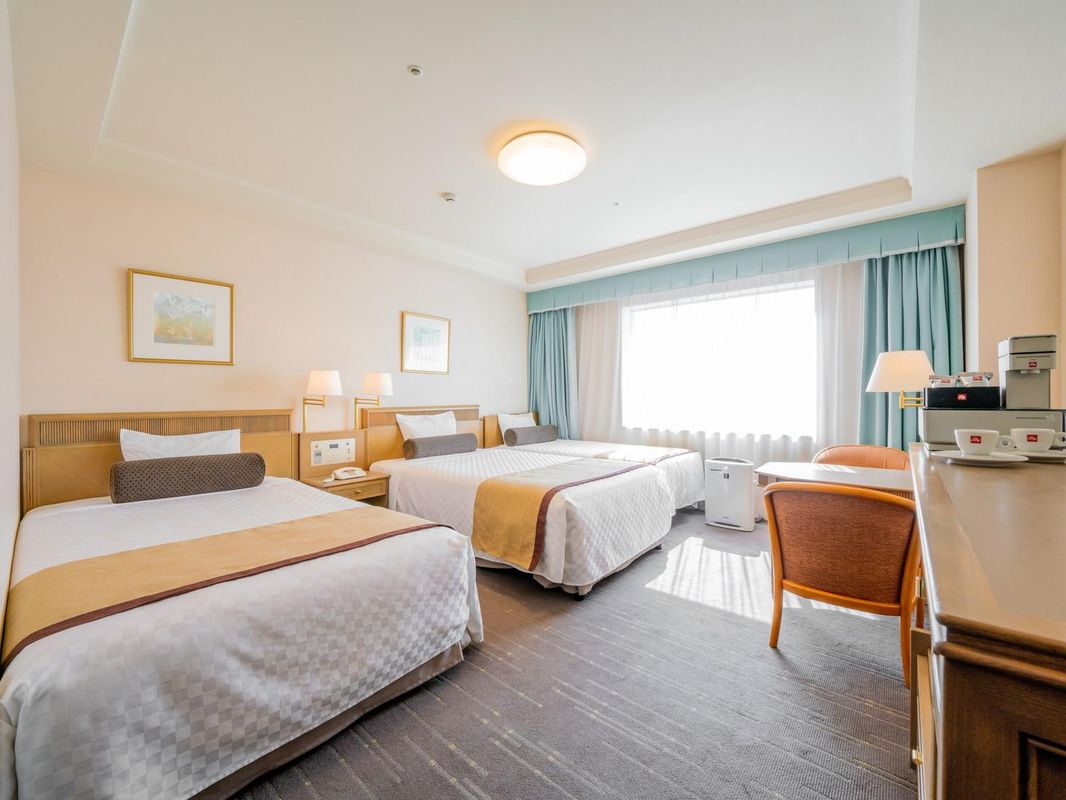
Keio Plaza Hotel Tama
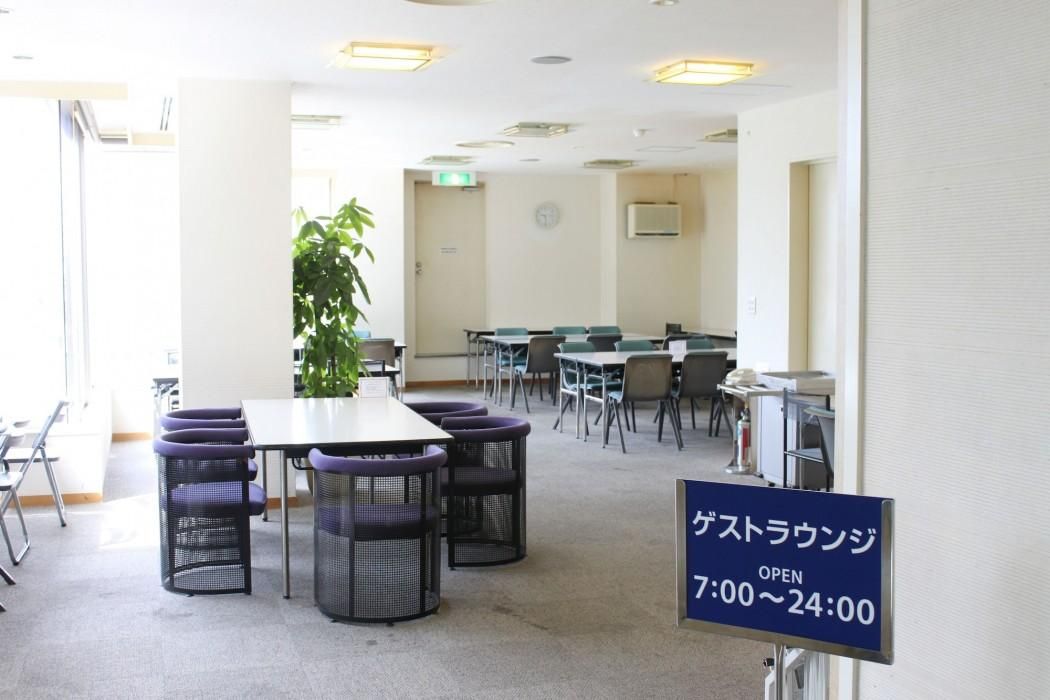
Smile Hotel Tokyo Tamanagayama
Frequently Asked Questions about Traveling to Tama
Questions You Might Need to Know About Traveling to Tama
In Tama City, the top choice for families is Tama River Garden Hotel, located along the scenic Tama River. This hotel features spacious family suites, a children's playroom, and direct access to Tama City Library and Seibu Yuen Amusement Park. The surrounding area includes parks, bike paths, and picnic spots ideal for outdoor activities. Conveniently situated near Tama-Kyou Station, it offers easy access to Shinjuku and Kichijoji within 25 minutes by train. Rooms are designed with Japanese-style interiors, including free Wi-Fi and buffet breakfast. Its peaceful environment and family-oriented amenities make it a perfect base for a stress-free vacation.
The best area for sightseeing and convenience is the Tama River waterfront and the vicinity of Tama City Hall. This district is close to Tama River Park, Koyama Shrine, and Tama City Museum of Art, offering a mix of nature, culture, and relaxation. Stay at Tama River Four Seasons Hotel, which features panoramic river views, floor-to-ceiling windows, and private balconies. Guests can enjoy serene evenings overlooking the city lights from Tokyo’s skyline. The area is safe, walkable, and well-connected to supermarkets, cafes, and public transit. Ideal for travelers who want both tranquility and accessibility.
Tama City celebrates its rich Kanto rural heritage through seasonal events. The annual Tama River Lantern Festival sees locals and visitors lighting floating lanterns on the river, symbolizing hope and unity. Every month, the Tama Traditional Craft Market at Tama River Park showcases authentic workshops in washi paper-making, pottery, and bamboo weaving. Visitors can also join farm experiences at local organic farms, harvesting rice or vegetables and tasting traditional dishes like imo-ni (potato stew) and grilled mackerel. These immersive activities provide deep insight into the region’s seasonal rhythms and community spirit.
For couples seeking romance, Tama River Serenity Villa is an ideal retreat. Nestled in a quiet valley along the Tama River, this boutique villa offers private hot spring baths, panoramic terraces, and rooms styled in Zen-inspired Japanese design with lavender scents and soft lighting. Located just a 10-minute walk from Tama City Library and Koyama Shrine, it’s perfect for a peaceful morning read or a spiritual visit. The hosts prepare personalized gifts such as cherry blossom tea sets and handwritten love notes. Easily accessible via a 10-minute bus ride from Tama-Kyou Station, it combines intimacy, privacy, and convenience.
Yes, Tama Business Center Hotel is an excellent option for business travelers. Situated near Tama City Hall and the Tama Industrial Exchange Center, it features high-speed fiber internet, modern meeting rooms, and a 24-hour business lounge. Each room includes a dedicated workspace with ergonomic chairs and adjustable desks. The hotel is steps from restaurants and convenience stores, ensuring quick meals and essentials. With a 25-minute train ride to Shinjuku and 30 minutes to Shibuya, it’s ideal for short-term stays. Additional services include free luggage storage and airport shuttle HopeGoo, making it a seamless hub for work and travel.
Though not a culinary hotspot, Tama City boasts hidden gems. Must-try dishes include Tama River grilled fish, especially mackerel and sardine, grilled over charcoal and served with soy-yuzu glaze. Another highlight is Tama regional miso hot pot, made with locally brewed miso, seasonal vegetables, and tofu—rich and deeply savory. Visit Ogura Dining in Seibu Yuen Shopping Street for hand-pulled ramen with a slow-simmered broth, topped with chashu and soft-boiled egg. Weekly farmers’ markets at Tama City Agricultural Sales Point offer fresh eggs, honey, and organic produce—perfect for homemade bento. These flavors reflect Tama’s harmony between nature and tradition.
Public transportation in Tama City is highly convenient. The Seibu Tama River Line and Keio Line connect directly to central Tokyo: Shinjuku in 25 minutes, Shibuya in 35 minutes, and Ikebukuro in 40 minutes. Local buses serve major attractions like Tama River Park, Koyama Shrine, and Tama City Museum of Art. The city also promotes eco-friendly travel with electric bicycle rentals available at key points along the Tama River Greenway. For non-drivers, combining trains and buses provides efficient access to nearby destinations such as Musashino Plateau and Inokashira Park. Well-marked routes and real-time schedules ensure smooth navigation for all visitors.
Tama City offers several scenic hiking trails. The Tama River Greenway Trail (6 km) stretches from Tama River Bridge to Koyama Park, featuring shaded paths, birdwatching spots, and riverside benches. A more challenging route is the Musashino Plateau Loop (8 km), winding through forests and farmland with panoramic views of Tokyo’s skyline—visible on clear days. For adventure seekers, the Seibu Yuen Mountain Trail leads to the summit of Yuen Hill, where you can spot Mount Fuji in the distance. All trails are clearly marked, with rest areas and water stations. Bring comfortable footwear, a refillable bottle, and insect repellent. Perfect for those seeking solitude and connection with nature.
Top photo spots in Tama City include the Tama River Bridge, whose sleek modern design reflects beautifully in the water at golden hour. The vermillion torii gate at Koyama Shrine, framed by ancient trees, creates a striking contrast perfect for traditional Japanese photography. The Tama City Museum of Art façade blends geometric architecture with natural elements—ideal for architectural shots during daylight. During the Lantern Festival, the entire riverbank transforms into a magical light trail, creating dreamy nightscapes. Visit early morning or late afternoon to avoid crowds and capture clean, atmospheric images with soft natural light.
Tama City has a humid subtropical climate with distinct seasons. Summers (July–August) are hot and humid, averaging 30°C+, so opt for air-conditioned rooms with blackout curtains or river-view floors for natural cooling. Winters (December–February) are cold and dry, below 5°C; choose hotels with underfloor heating and thick bedding, such as Tama River Four Seasons Hotel. Spring (late March–April) and autumn (November) are peak seasons—book early. The rainy season (June–July) brings high humidity; select rooms with good ventilation and moisture-resistant materials. Overall, Tama City’s mild climate makes it ideal year-round, but adjusting accommodation choices by season enhances comfort and enjoyment.
Tama Overview
City Summary
Tama City is a suburban city located west of Tokyo, Japan, known for its natural beauty and modern urban planning. It features vast parks and green spaces, as well as a concentration of higher education institutions, blending academic ambiance with leisure life.
Must-See Attractions
Key attractions in Tama City include Tama Central Park, a large green space perfect for walking and picnics; Tama Zoological Park, which houses a variety of animals and is ideal for families; and Seiseki Sakuragaoka, a historic area combined with natural beauty, especially stunning during cherry blossom season in spring.
Food Guide
Tama City's culinary scene is heavily influenced by Tokyo. Recommended are local ramen shops and izakayas, particularly those serving fresh seafood dishes. Street food like takoyaki and okonomiyaki are also worth trying.
Transportation Guide
Tama City has a well-developed public transportation system, primarily serviced by the Keio Line and Odakyu Line connecting to central Tokyo. The city's bus network is extensive and convenient for reaching various attractions. Consider purchasing a transportation card like Suica or Pasmo for ease of travel.
Best Time to Visit
The best time to visit is during spring (March to May) when the weather is mild and cherry blossoms are in full bloom. Autumn (September to November) is also ideal, with cool temperatures perfect for outdoor activities.
Travel Tips
- Tama City is safe, but always keep an eye on personal belongings.
- Maintain quietness in public places to respect local etiquette.
- Strict waste segregation is practiced; adhere to local rules.
- Most places accept credit cards, but small vendors may only take cash.
- Learning basic Japanese greetings can help with communication.
- Avoid loud conversations on public transportation.
Useful Information
The official language in Tama City is Japanese, but some tourist spots and facilities offer English services. Internet coverage is excellent, and prepaid SIM cards can be purchased at convenience stores. Primary payment methods include cash and credit cards, with some shops accepting mobile payments. For emergencies, dial 110 (police) or 119 (ambulance). Hospitals and pharmacies are well-marked and easily accessible for visitors.









