Hotels in Tamura
Discover your perfect stay in Tamura.
Tamura(Japan) Travel 2026: Cheap Flights, Hotels & Top Attractions
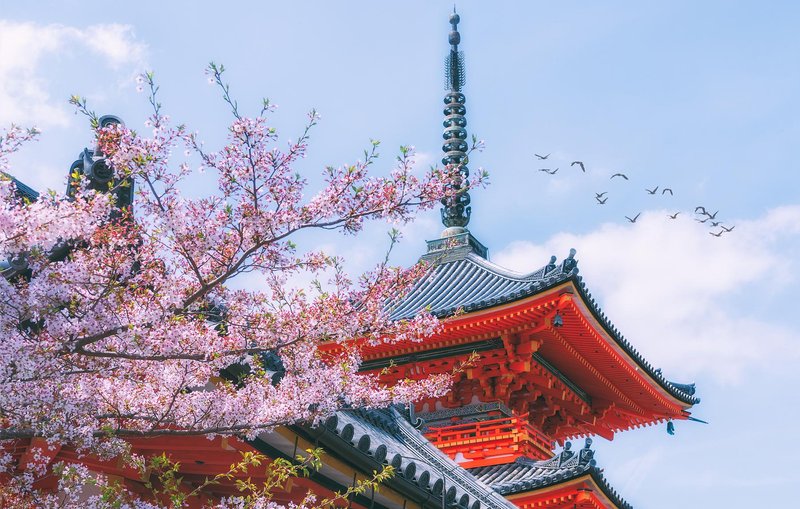
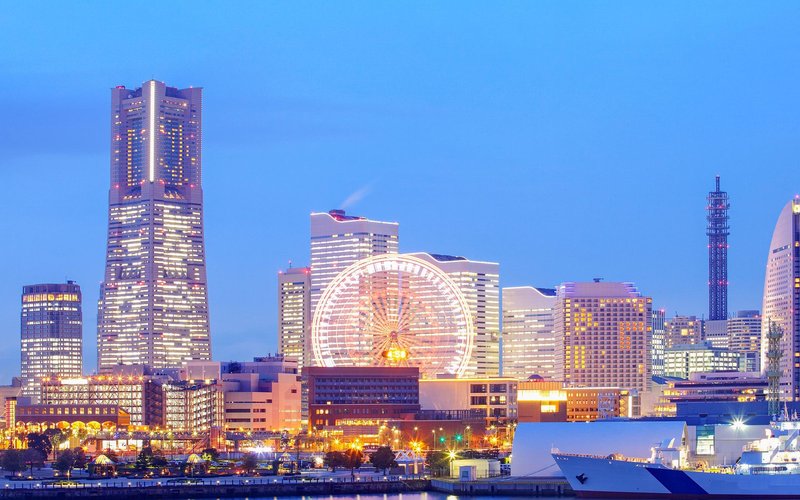
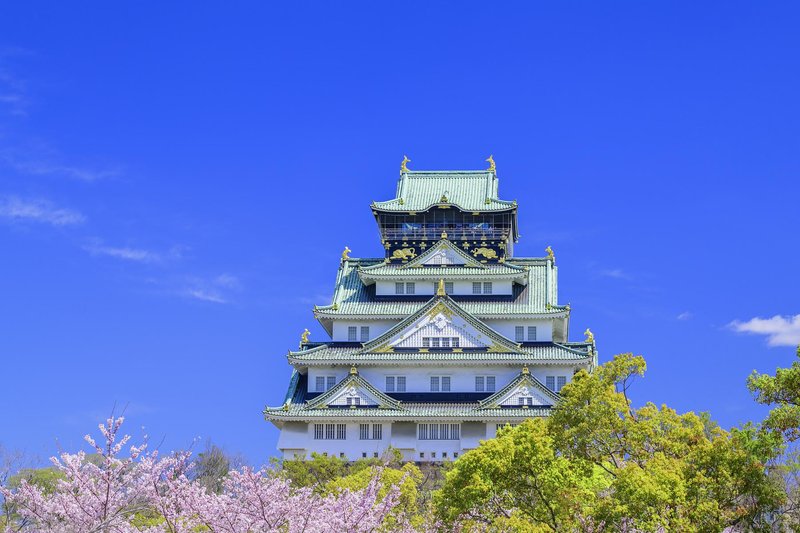
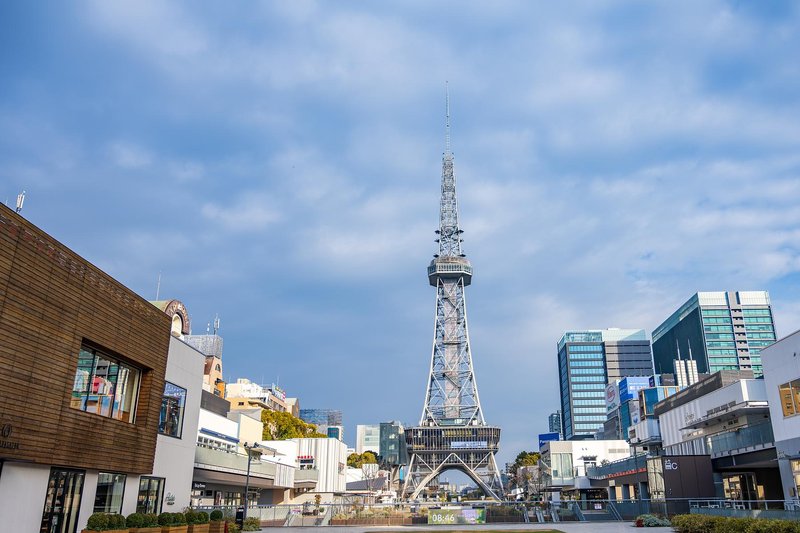
Popular Landmarks in Tamura
Discover the most iconic attractions in Tamura
Recommended Hotels in Tamura
Find the perfect place to stay in Tamura
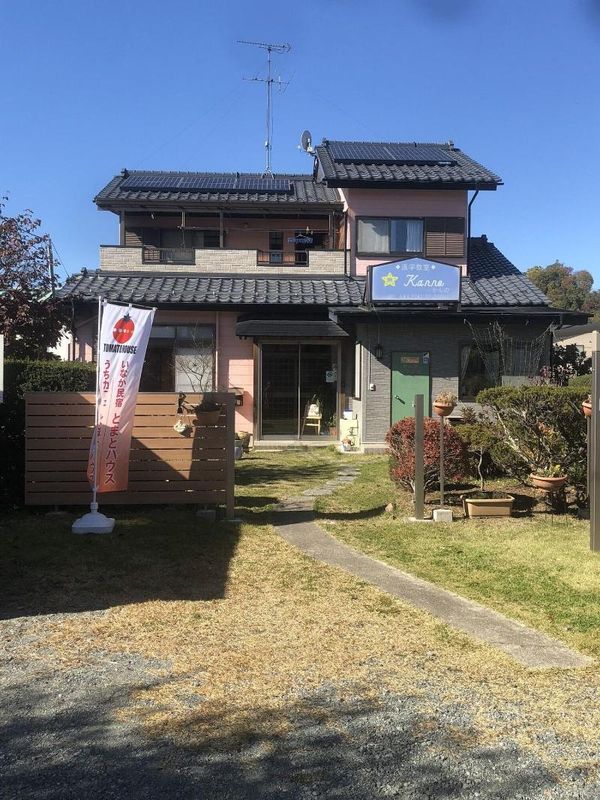
Minshuku Tomato House
Best Hotels in Tamura
Discover curated hotel collections in Tamura
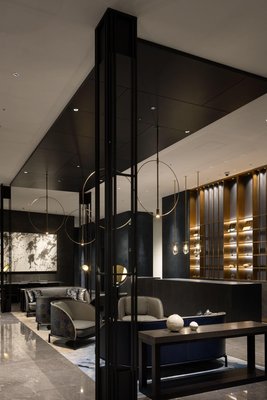
Bellustar Tokyo, A Pan Pacific Hotel
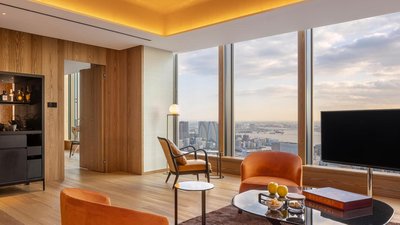
Bvlgari Hotel Tokyo
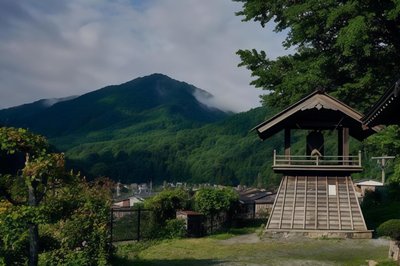
Byaku Narai
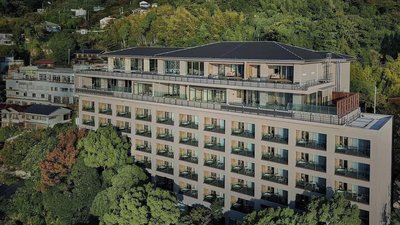
Atami Izusan Karaku
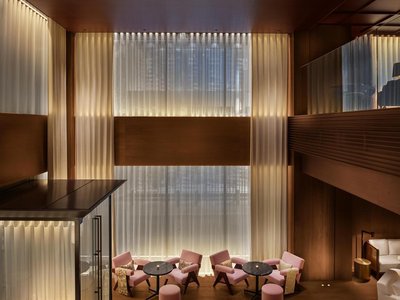
The Tokyo Edition, Ginza

Janu Tokyo
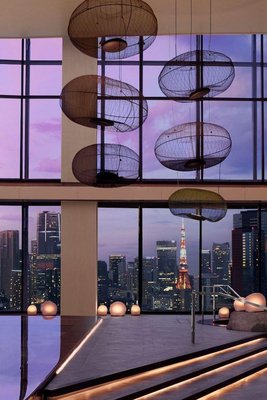
JW Marriott Hotel Tokyo
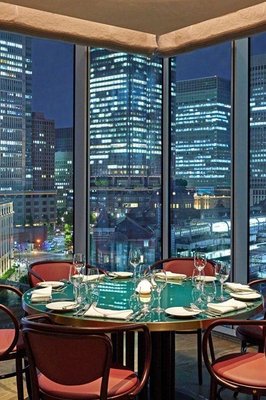
Four Seasons Hotel Tokyo at Marunouchi

Mandarin Oriental, Tokyo
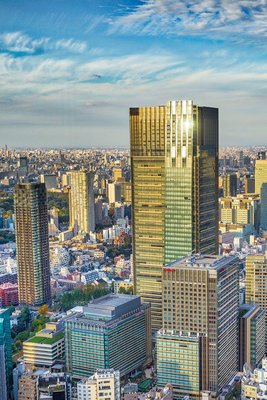
The Ritz-Carlton, Tokyo

Andaz Tokyo Toranomon Hills- A Concept by Hyatt
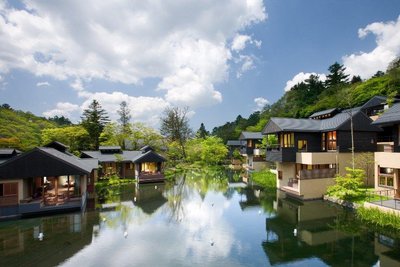
Hoshinoya Karuizawa
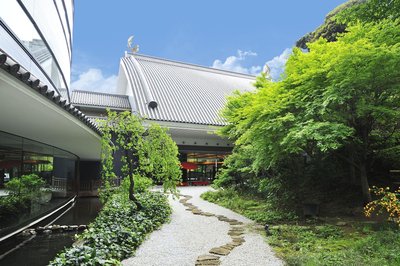
Hotel Gajoen Tokyo
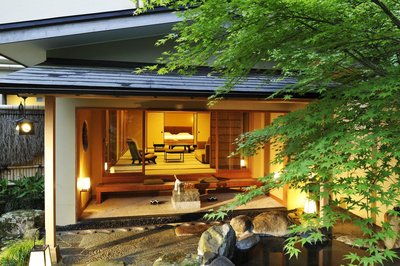
Gora Kadan
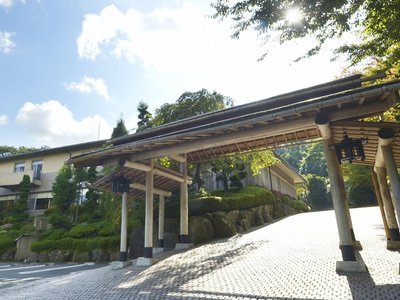
Gora Hanaougi
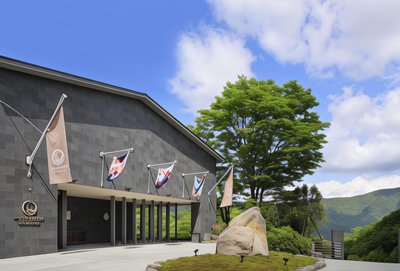
The Hiramatsu Hotels & Resorts Sengokuhara Hakone
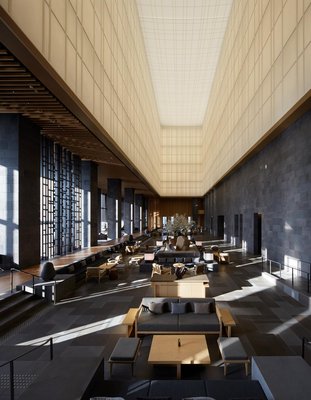
Aman Tokyo
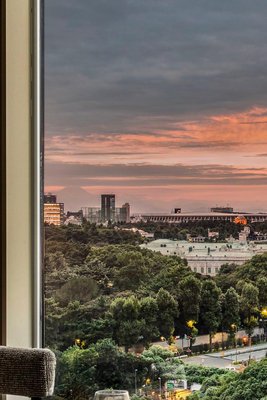
Hotel New Otani Tokyo, Executive House Zen
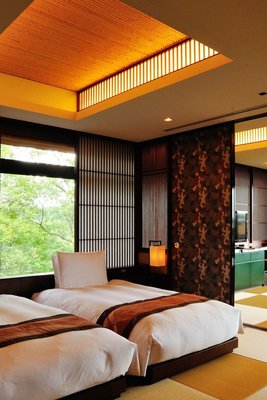
Chikusenso Onsen
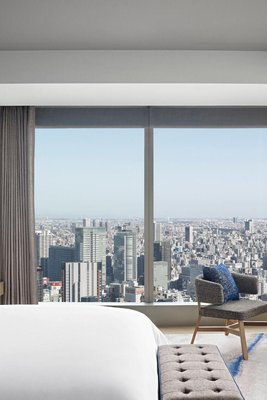
Four Seasons Hotel Tokyo at Otemachi
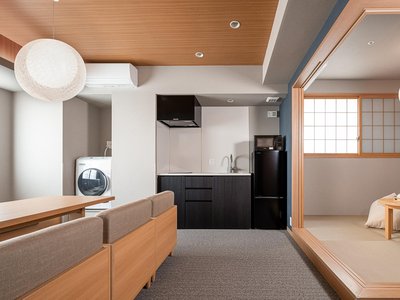
MIMARU SUITES Tokyo Asakusa
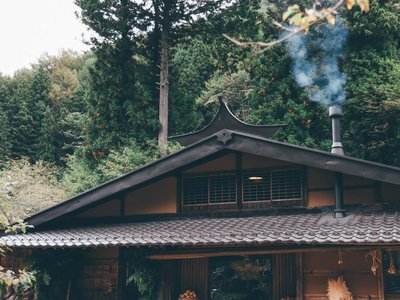
La Terra Resort

karaksa hotel colors Tokyo Yaesu

HOTEL GROOVE SHINJUKU, A PARKROYAL Hotel

EN Resort Grandeco Hotel
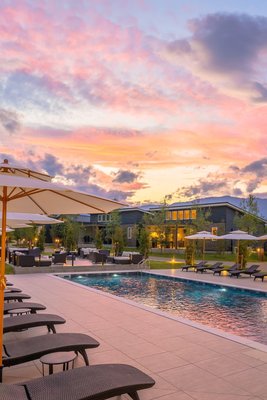
Awaumi Fujikawaguchiko Resort
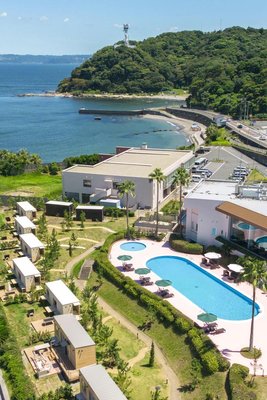
La vista Yokosuka Kannonzaki Terrace
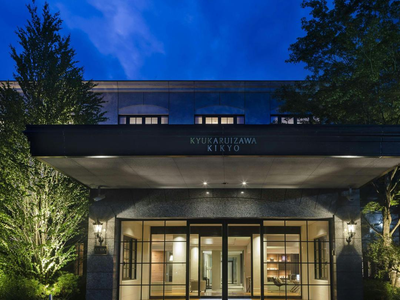
Fufu Karuizawa Wind of Sunshine
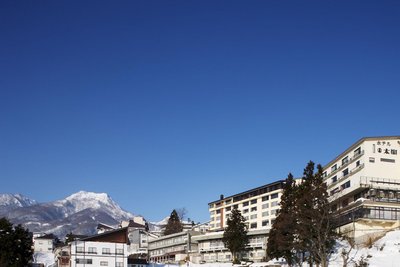
Hotel Taiko, Akakura Onsen
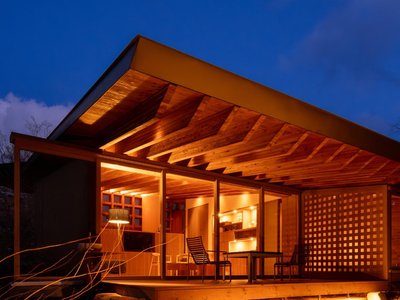
Nasu Mukunone
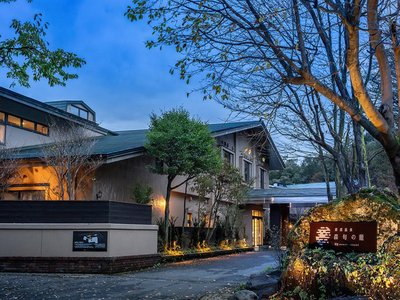
Nasu Onsen Shinshun no Kago Hewitt Resort

Scapes the Suite
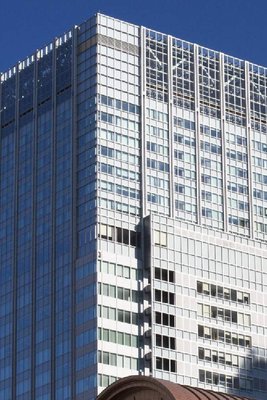
Hotel Metropolitan Tokyo Marunouchi
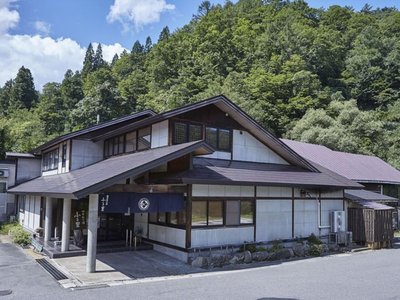
Fulsato
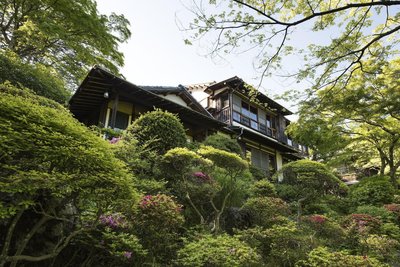
Gora Kansuiro
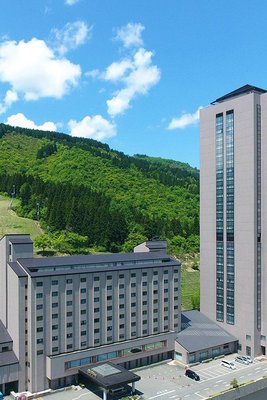
Naspa New Otani

Crowne Plaza - ANA RESORT APPI KOGEN
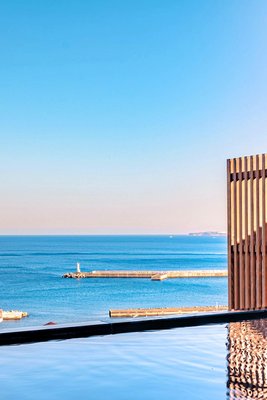
HOTEL KANICHI
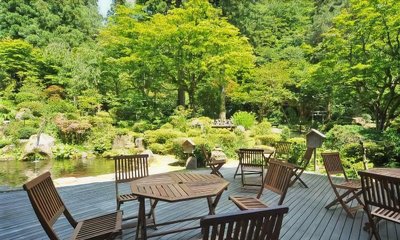
Choseikan
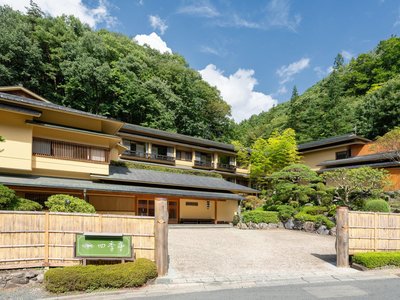
Shikitei Morioka TsunagiOnsen
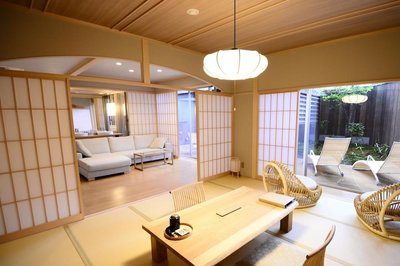
Hakone Gora Byakudan
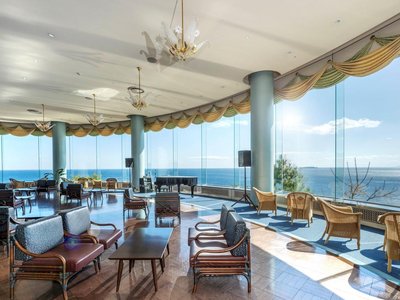
Hotel New Akao
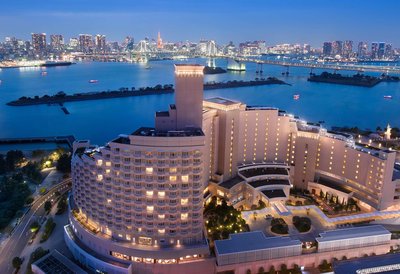
Hilton Tokyo Odaiba
JW Marriott Hotel Tokyo
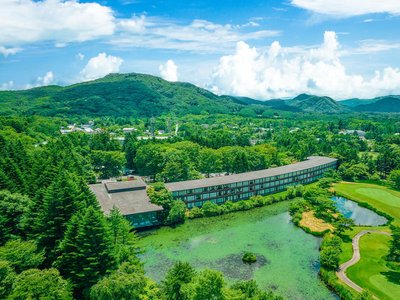
The Prince Karuizawa

The Kukuna
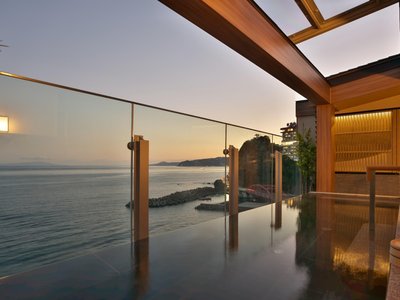
Hotel New Sagamiya
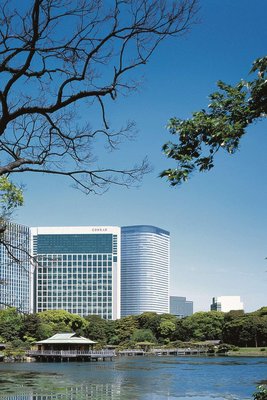
Conrad Tokyo
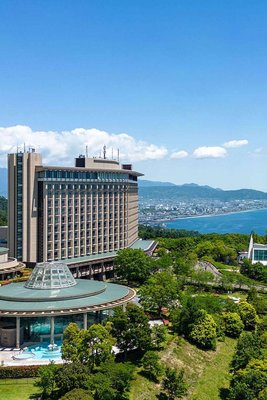
Hilton Odawara Resort & Spa
Hoshinoya Karuizawa
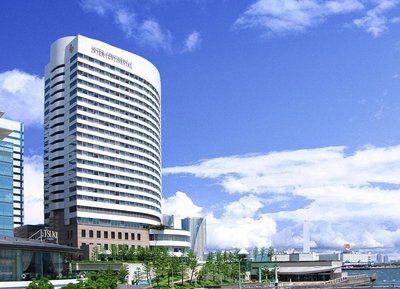
InterContinental Tokyo Bay
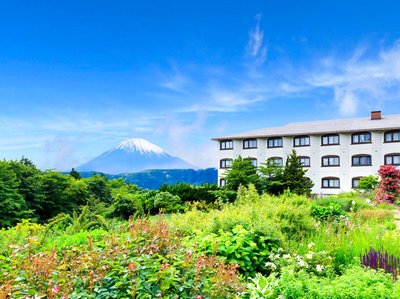
Hotel Green Plaza Hakone
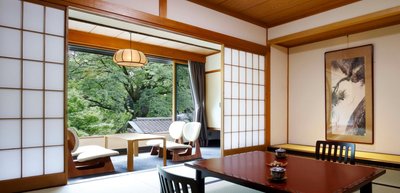
Yoshiike Ryokan
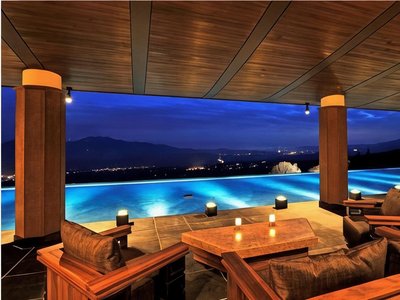
Akakura Kanko Hotel
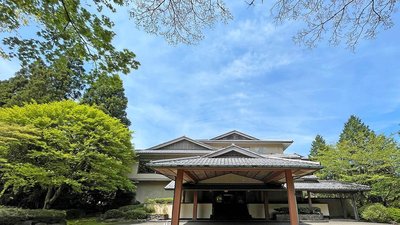
Ryuguden
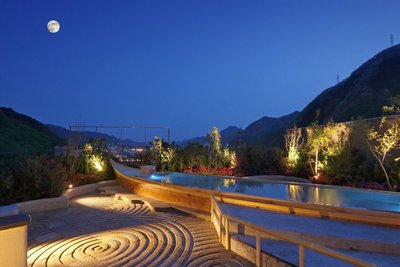
Asaya
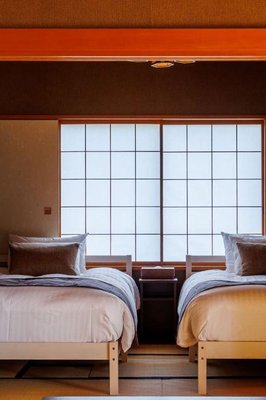
Sado Resort Hotel Azuma
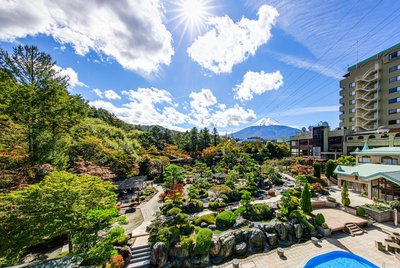
Kaneyamaen
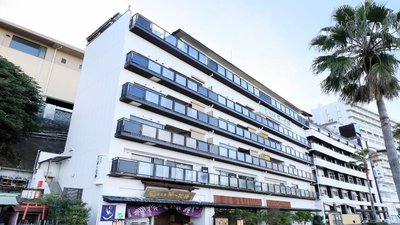
Syukaen Yunohanazen

Komatsu-Kan Kofu-Tei
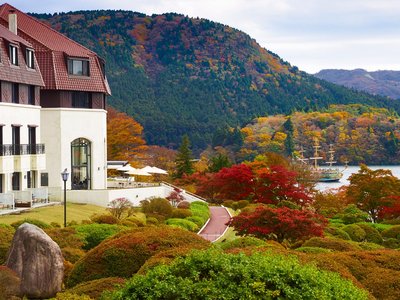
Hotakajyo
Auberge Suzukane

Onyado Nono Asakusa Bettei Hot Spring
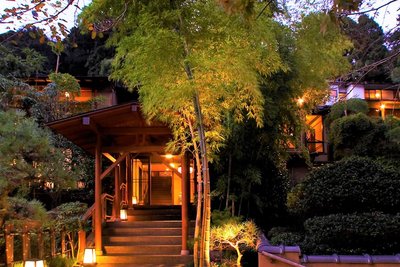
Shiki wo Ajiwau Yado Yamano Chaya
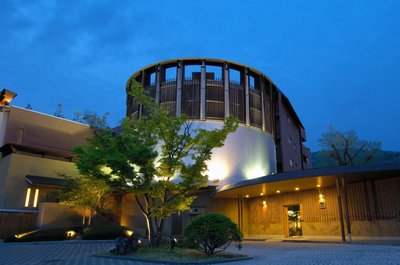
Hoshino Resorts Kai Matsumoto
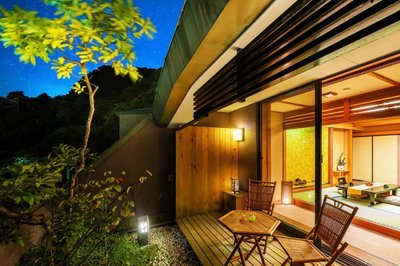
Konjakutei
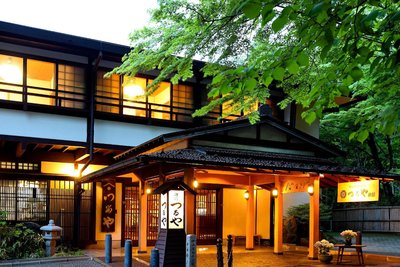
Tsuruya Ryokan
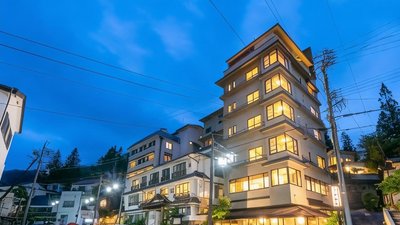
Nakamatsuya Ryokan
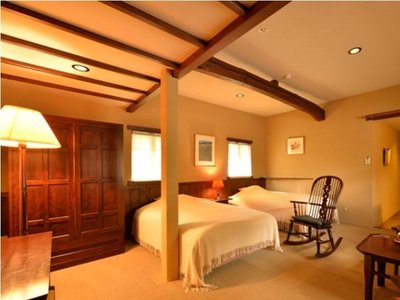
Ryokan Sugimoto
Yoshiike Ryokan
Hotel Gajoen Tokyo
Gora Hanaougi
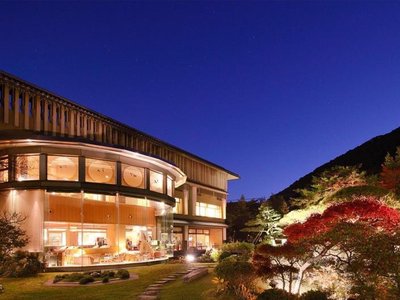
Shikisai Ichiriki
Sado Resort Hotel Azuma
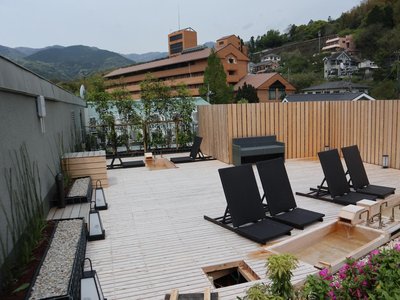
Fukiya Ryokan
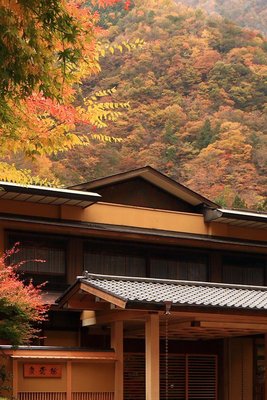
Nishiyama Onsen Keiunkan
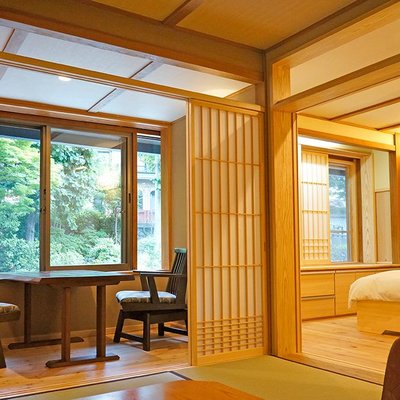
Sumiyosiya Ryokan

Naraya
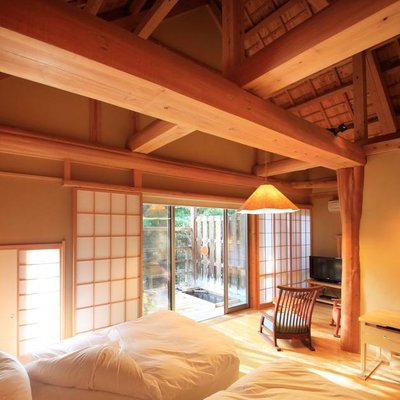
Daikon-No-Hana
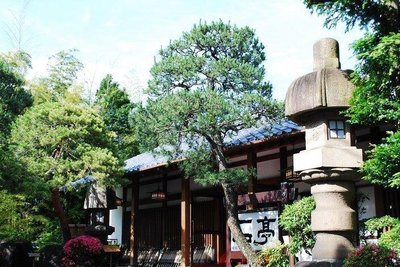
Atami Sekitei
Bellustar Tokyo, A Pan Pacific Hotel
JW Marriott Hotel Tokyo
Andaz Tokyo Toranomon Hills- A Concept by Hyatt
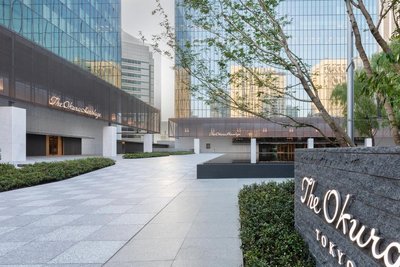
The Okura Tokyo

The Lively Azabujuban Tokyo
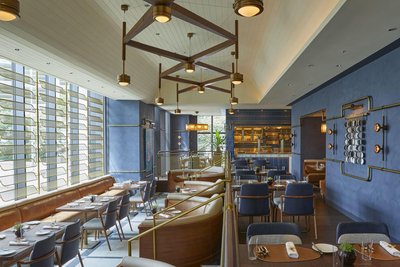
Kimpton Shinjuku Tokyo

HOTEL K5
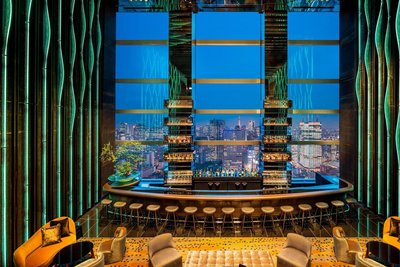
The Prince Gallery Tokyo Kioicho, a Luxury Collection Hotel
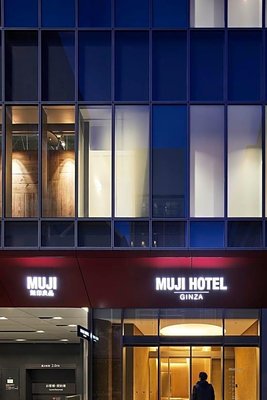
Muji Hotel Ginza
Hakone Gora Byakudan
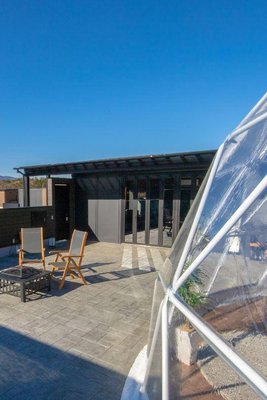
Panoramic Mt. Fuji Views from All Rooms – Vision Glamping Resort & Spa Yamanakako
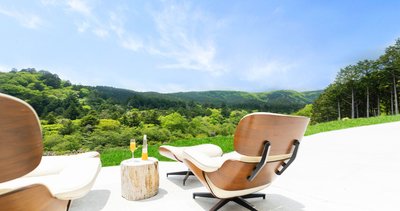
Shelter Garden Nikko
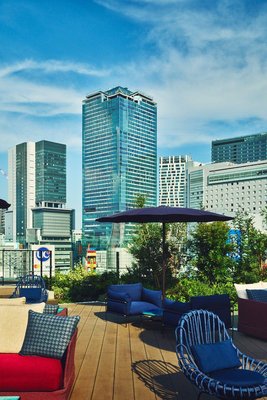
Hotel Indigo Tokyo Shibuya
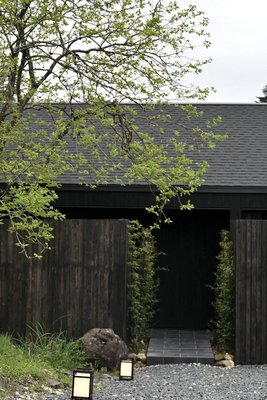
THE LAKOTAN
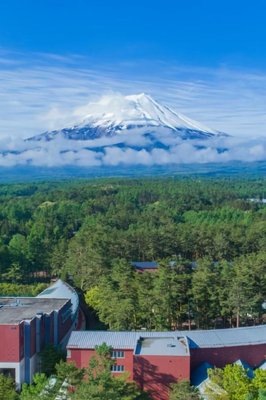
Forest Village (Fuji Premium Resort)

Hotel Toranomon Hills

Fufu Kyu-Karuizawa Restful Forest
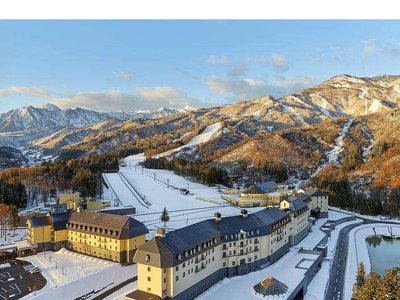
Lotte Arai Resort
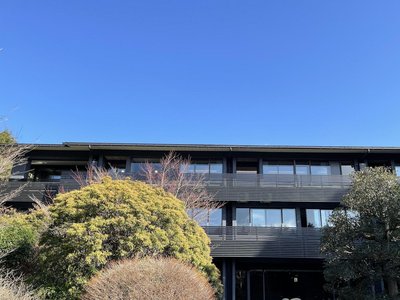
Sengokubara Cocon
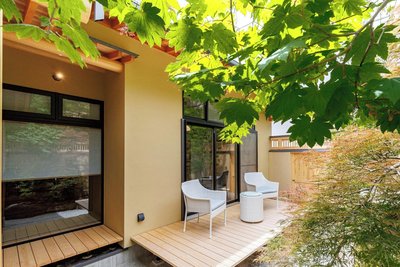
Shoraiso
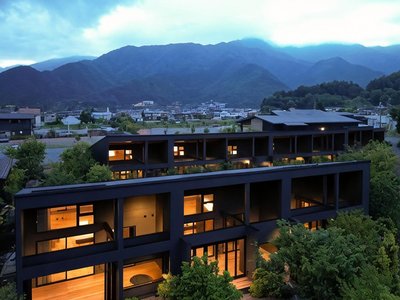
7C Villa and Winery

Hotel la Vigne Hakuba by Onko Chishin
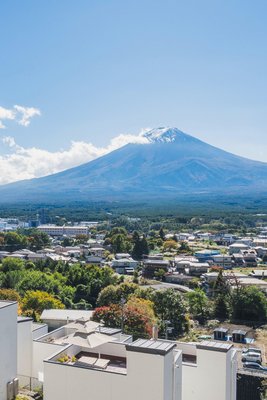
THE TOKI FujiKawaguchiko
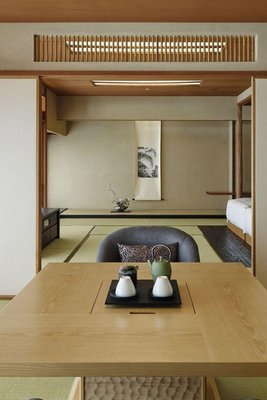
Takanawa Hanakohro (in Grand Prince Hotel Takanawa)

Hyatt Centric Ginza Tokyo
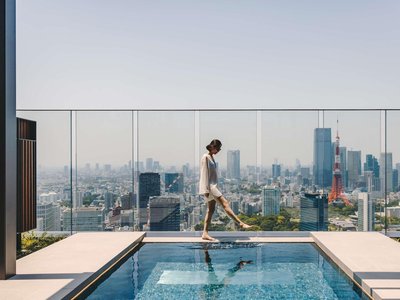
Fairmont Tokyo
The Prince Karuizawa
Conrad Tokyo
Hilton Odawara Resort & Spa
Bvlgari Hotel Tokyo
Four Seasons Hotel Tokyo at Marunouchi
Mandarin Oriental, Tokyo
The Ritz-Carlton, Tokyo
Andaz Tokyo Toranomon Hills- A Concept by Hyatt
Gora Kadan

Hotel New Otani Tokyo the Main
Aman Tokyo
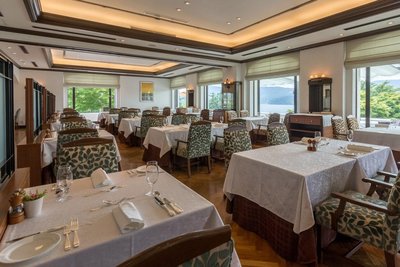
Odakyu Hotel de Yama
Four Seasons Hotel Tokyo at Otemachi

The Tokyo Edition, Toranomon
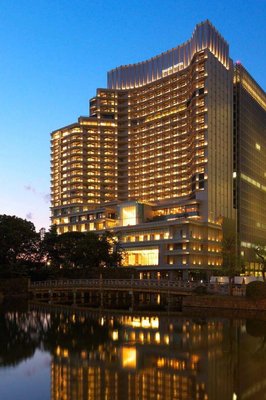
Palace Hotel Tokyo
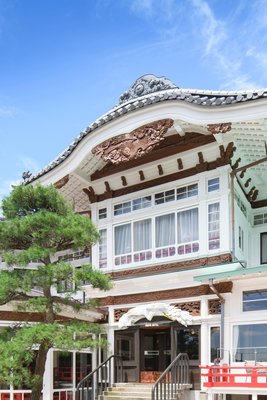
Fujiya Hotel
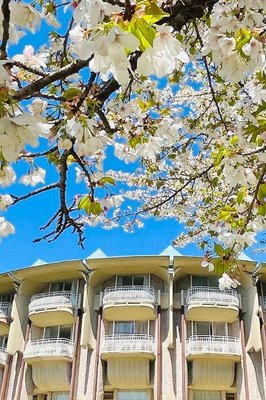
The Prince Hakone Lake Ashinoko
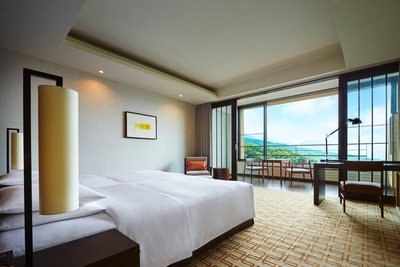
Hyatt Regency Hakone Resort and Spa
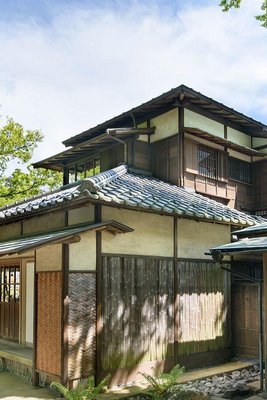
Hakone Suishoen
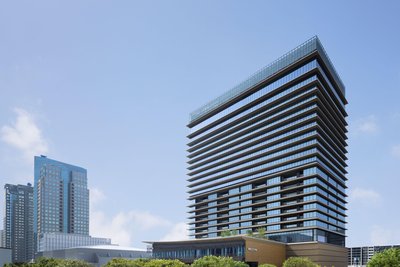
The Westin Yokohama

The Peninsula Tokyo

Imperial Hotel, Tokyo

Rakuten STAY VILLA Nasu
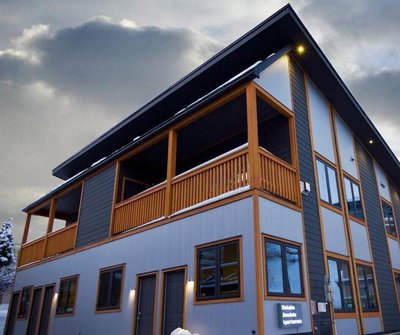
Hakuba Gondola Apartments
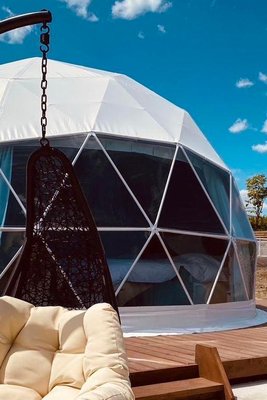
chillout glamping zao
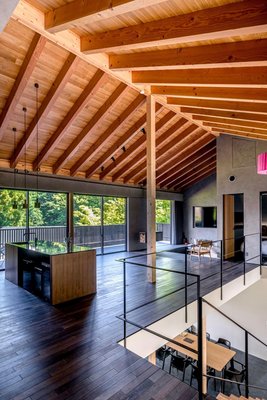
MONS GORA

Phoenix Chalets by Hhg
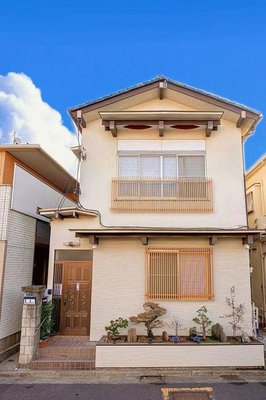
Tokyo Star House-Shinkoiwa
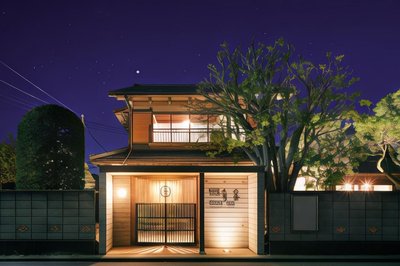
Machi-Jyu
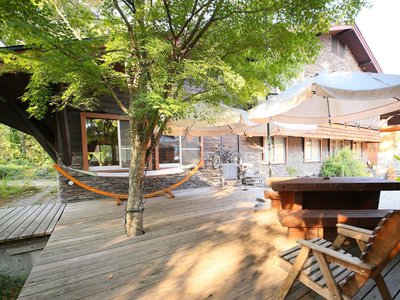
Kunugi Relaxation with 4 Modern Rooms
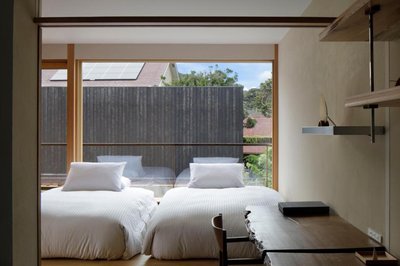
Modern Ryokan Kishi-ke

Petals Tokyo - Floating Hotel
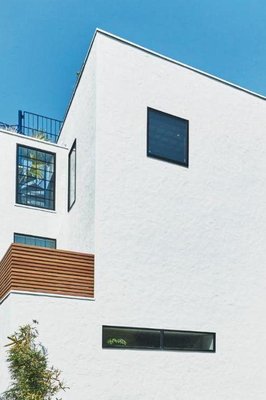
The Flow Kamakura
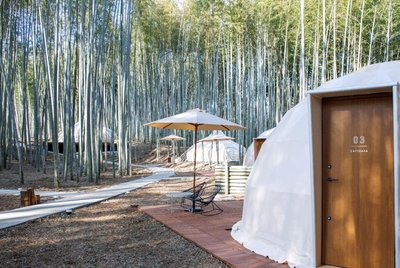
THE BAMBOO FOREST
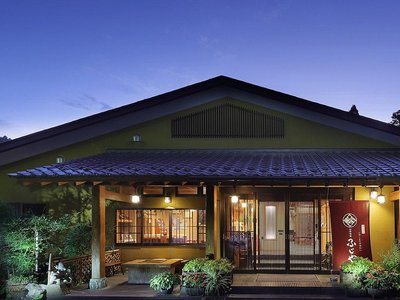
Shikimitei Fujiya
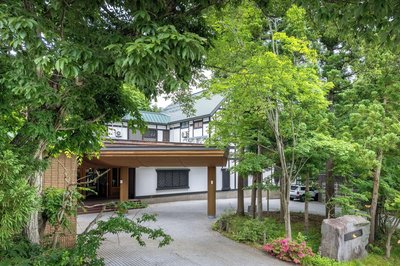
Forest Resort Yamanote Hotel

Hotel Barrière Fouquet's New York

The Plaza - A Fairmont Managed Hotel
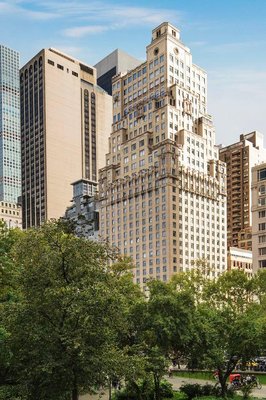
The Ritz-Carlton New York, Central Park

Four Seasons Hotel New York

The St. Regis New York

Park Hyatt New York
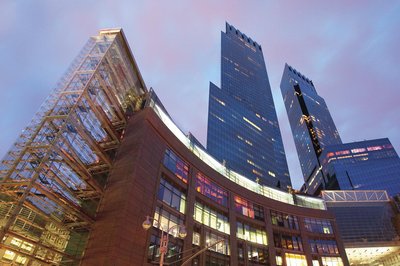
Mandarin Oriental New York

Times Square Edition New York

Loews Regency New York Hotel

Lowell Hotel
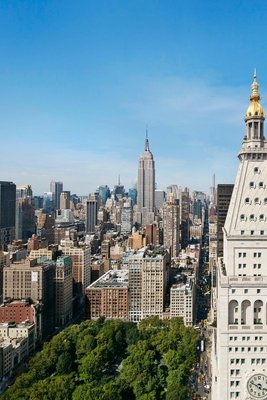
New York Edition

Baccarat Hotel New York

Equinox Hotel New York

Four Seasons Hotel New York Downtown

The Langham, New York, Fifth Avenue

The Carlyle, A Rosewood Hotel

The Chatwal, in the Unbound Collection by Hyatt

The Mark New York
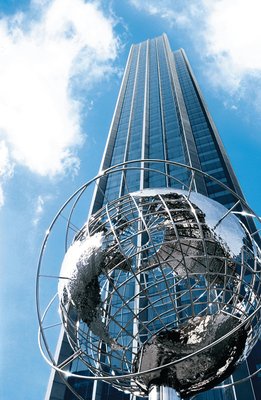
Trump International Hotel & Tower® New York
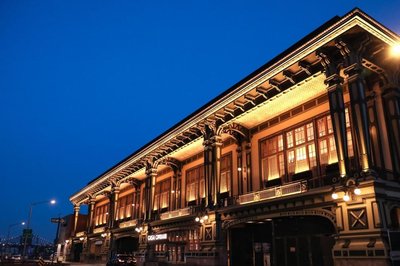
Casa Cipriani New York
Frequently Asked Questions about Traveling to Tamura
Questions You Might Need to Know About Traveling to Tamura
In Tanamura City, the standout choice is Tanamura Kokusai Minka, a boutique guesthouse nestled at the foot of Oonaiyama Mountain. This traditional Japanese wooden house blends heritage architecture with modern comfort, offering panoramic views of the Tanamura River Valley. Guests enjoy breakfast featuring local specialties like Fukushima black beef and locally grown rice, while the on-site tea ceremony room invites cultural immersion. The property also hosts farm-to-table workshops, including rice planting and seasonal vegetable harvesting. Located just a 5-minute walk from Tanamura Municipal Museum, it’s ideal for travelers seeking authentic rural Japan experiences with a focus on sustainability and community connection.
The central district of Tanamura City offers the most convenient and authentic base for visitors. It's within walking distance of Tanamura Station, providing easy access to regional trains, and surrounded by cozy local eateries and artisan shops. Stay near the Tanamura River for serene mornings filled with flowing water and evening strolls under the soft glow of firefly lanterns during the annual Firefly Festival (mid-August). Quiet residential streets ensure peace and safety, perfect for families and nature lovers. From here, guests can easily join hands-on activities like pottery-making and kimono dressing at the Tanamura Civic Center, enriching their stay with deep cultural engagement.
A must-do experience in Tanamura City is the Akita Dog Guardian Festival (held every September), a centuries-old tradition honoring loyal Akita dogs that once protected villagers from natural disasters. The event features the Dog Spirit Dance, lantern floating ceremonies, and exhibitions of handwoven hemp textiles. Visitors can also book a lacquerware workshop at Tanamura Folk Craft Studio, where master artisans teach traditional techniques using natural lacquer. During spring, participate in a cherry blossom tea-picking tour at Koyama Tea Garden, learning ancient matcha grinding methods directly from local farmers—offering an educational and deeply immersive journey into regional craftsmanship.
While Tanamura City lacks large-scale onsen resorts, the nearby Shirakawa Onsen in Nishi-Iwai District is highly recommended. Stay at Ichigo-Tei, a century-old ryokan famed for its "Onsen Garden"—an open-air bath complex set amid lush foliage and streams. Guests can soak in multiple outdoor baths while gazing at autumn leaves or winter snowscapes. The inn serves exquisite kaiseki cuisine using seasonal local ingredients like grilled mackerel, wild mushrooms, and Tanamura pumpkin. Don’t miss the Night Sky Soak, a special evening session under unpolluted skies where you can gaze at the Milky Way—book at least two weeks in advance due to high demand.
For families, Tanamura Children’s Nature Home is the ideal eco-friendly lodging located at the entrance of the Tanamura Forest Reserve. The property features private log cabins and open-air play areas, equipped with kid-friendly tools like insect observation kits, leaf printing sets, and nighttime bug lights. Daily guided programs such as "Forest Detective Walks" help children identify native flora and fauna. The restaurant serves organic meals, including sweet potato rice balls and milk panna cotta. Families can also join farm activities like feeding lambs and making yogurt. Safe, educational, and rooted in nature, it’s perfect for meaningful family travel.
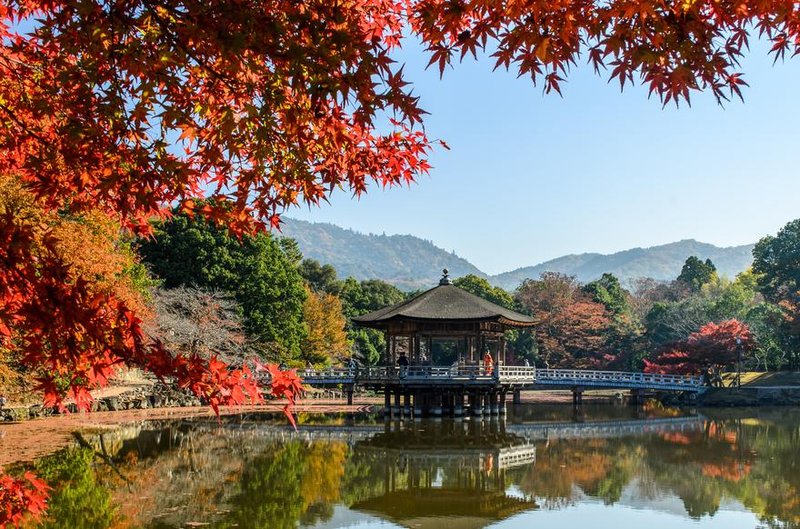
The prime destination for autumn foliage in Tanamura City is Oonaiyama Momiji Valley, which transforms into a breathtaking tapestry of crimson and gold from late October to early November. Visit early morning to avoid crowds and hike up to the Senbon Matsubara Viewpoint for sweeping vistas of the Tanamura River winding through vibrant forests. Scenic rest stops with wooden benches and tea huts offer refreshments like Fukushima matcha. Photography enthusiasts can join a guided autumn light tour, capturing golden-hour reflections on the river. This valley also hosts the annual Autumn Color Festival, featuring traditional markets and taiko drum performances—making it a highlight for both locals and visitors.
Must-try dishes in Tanamura City center around mountain and rice culture. Start with Tanamura Nabe, a hearty stew made with local wild boar, seasonal vegetables, and Fukushima rice—rich in flavor and deeply satisfying. Another signature is black bean rice with pickled vegetables, crafted from heirloom black beans and brown rice, offering a wholesome, fiber-rich meal. At Tanamura Market, sample food served in handmade wood-fired clay bowls, paired with homemade radish pickle and umeboshi sauce. During festivals, try Akita dog-shaped mochi, crispy outside and soft inside, symbolizing good fortune. All restaurants emphasize the "from field to table" philosophy, sourcing ingredients directly from nearby farms for maximum freshness and traceability.
Recommended trail: Tanamura River Upstream Trail, a 6-kilometer loop starting at Tanamura Bridge and ending at Senbon Matsubara Lookout. Winding through old-growth forests and rocky streambeds, the path reveals stunning seasonal changes—spring cherry blossoms, summer greenery, autumn reds, and winter ice formations. Three rest stops provide filtered mountain water and homemade biscuits. A highlight is the Centenary Stone, a massive boulder carved with "Guardian of a Hundred Years," believed to be placed by a village elder. Educational signage explains local ecology and geology, suitable for beginners and intermediate hikers. Wear sturdy shoes and bring a trekking pole; start early to avoid afternoon heat and spot wild deer along the way.
Key events include the Tanamura Harvest Festival (mid-October), a three-day celebration marking the rice harvest with straw man art displays, rice threshing contests, and folk music performances. Over 50 stalls sell handmade goods like artisan sake, persimmon cakes, and bamboo crafts. The Firefly Lantern Festival lights up the Tanamura Riverbank with thousands of paper lanterns, creating a magical riverside scene perfect for couples and families. In summer, enjoy the Rice Field Jazz Concert, held on temporary stages built directly in the paddies, where audiences sit on the fields watching the sun set over rippling waves of green. All events are community-led, fostering warmth and authenticity throughout the year.
Plan your one-day itinerary in Tanamura City as follows: Start at Tanamura City Museum (9:00 AM) to explore local agricultural history and Akita dog heritage. Head to Oonaiyama Momiji Valley (10:30 AM) for a scenic hike with photo ops among fall foliage. Enjoy lunch at a riverside restaurant serving Tanamura Nabe (12:00 PM). Visit Ichigo-Tei Ryokan (2:00 PM) for a relaxing onsen soak and tea ceremony. Return to town for a stroll through Tanamura Market (3:30 PM) to buy souvenirs like black bean rice and handcrafted pottery. Join a sunset walk along the Tanamura River (5:00 PM) to watch the sky turn gold. End the day with a kaiseki dinner at the ryokan (7:00 PM). The entire schedule emphasizes walking, culture, and nature—ideal for travelers seeking a balanced, immersive experience.
Tamura Overview
City Summary
Tamura City is a tranquil city in Fukushima Prefecture, Japan, known for its rich natural landscapes and traditional culture. It features beautiful rural scenery, hot springs, and historical sites, making it an ideal escape from urban hustle. The city's charm lies in its undeveloped natural environment and deep agricultural traditions.
Must-See Attractions
Key attractions in Tamura City include Tamura Shrine, a historic shrine, and surrounding natural parks. Visitors can experience traditional Japanese rural life by exploring local farms and hot springs. The city also boasts stunning seasonal scenery, particularly cherry blossoms in spring and autumn foliage.
Food Guide
Tamura City's cuisine focuses on local farm produce. Recommended dishes include fresh vegetables, traditional rural meals, and street snacks like tempura and Japanese sweets. Don't miss the local soba noodles and grilled fish, which highlight Fukushima's agricultural richness.
Transportation Guide
Transportation in Tamura City relies mainly on buses and cars. The bus network covers major attractions, but schedules are limited, so check timetables in advance. Renting a car offers more flexibility for exploring the surrounding nature. Tamura is accessible by train or bus from Fukushima or Koriyama in 1-2 hours.
Best Time to Visit
The best times to visit are spring (March-May) and autumn (September-November), when the weather is pleasant and scenery stunning. Summers can be hot, while winters may bring snow, appealing to snowscape lovers. The city sees fewer tourists, making it a great escape from crowds.
Travel Tips
- Respect local customs, especially at shrines.
- Carry cash, as some small shops don't accept cards.
- Rural areas may have weak signals, so download maps offline.
- Follow onsen etiquette, such as washing before entering baths.
- Pack layers for spring and autumn's temperature swings.
- Ask about farming methods to appreciate local produce uniqueness.
Useful Information
Japanese is the main language; English is rare, so a translation app is handy. Network coverage is decent but may weaken in remote areas. Cash is preferred, though some shops accept IC cards. Emergency facilities are centralized; bring personal medications. Tourist info centers provide maps and attraction details.