Hotels in Tanagura
Discover your perfect stay in Tanagura.
Tanagura(Japan) Travel 2026: Cheap Flights, Hotels & Top Attractions
Popular Landmarks in Tanagura
Discover the most iconic attractions in Tanagura
Recommended Hotels in Tanagura
Find the perfect place to stay in Tanagura
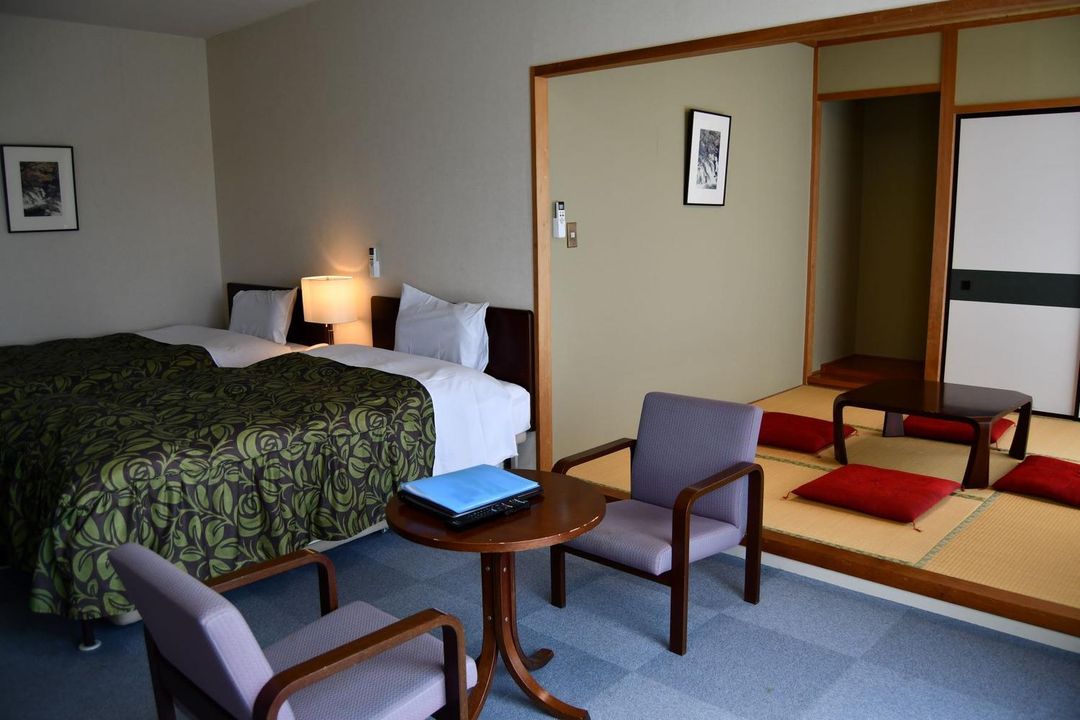
Renaissance Tanagura
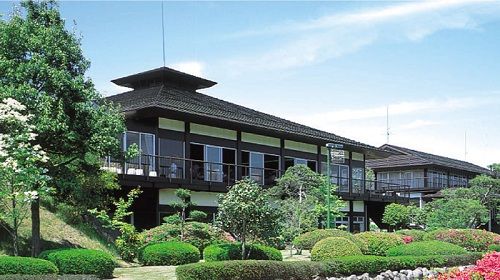
Tanagura Densha Club
Best Hotels in Tanagura
Discover curated hotel collections in Tanagura
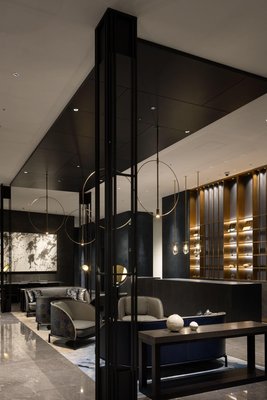
Bellustar Tokyo, A Pan Pacific Hotel
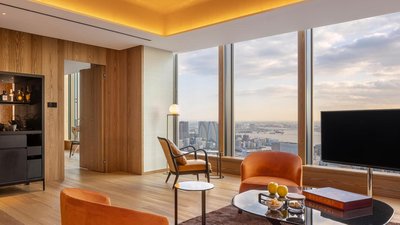
Bvlgari Hotel Tokyo
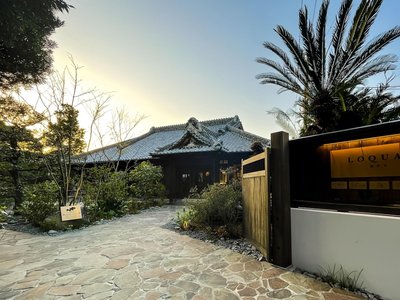
Loquat Nishiizu
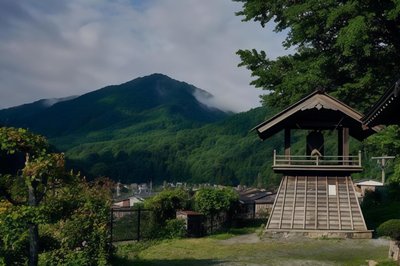
Byaku Narai
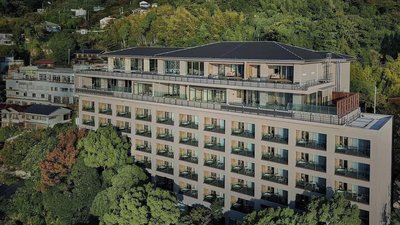
Atami Izusan Karaku
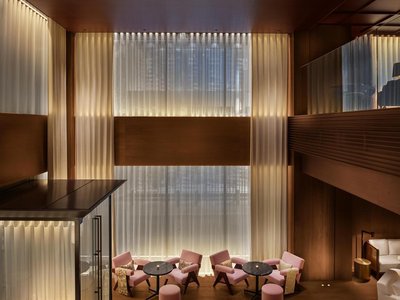
The Tokyo Edition, Ginza
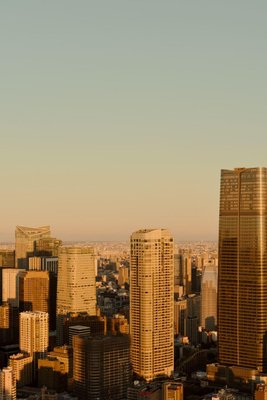
Janu Tokyo
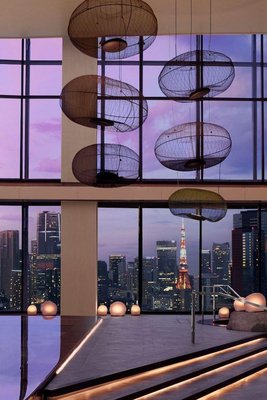
JW Marriott Hotel Tokyo
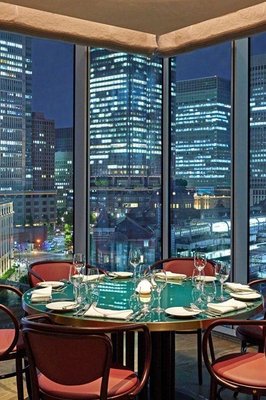
Four Seasons Hotel Tokyo at Marunouchi

Mandarin Oriental, Tokyo
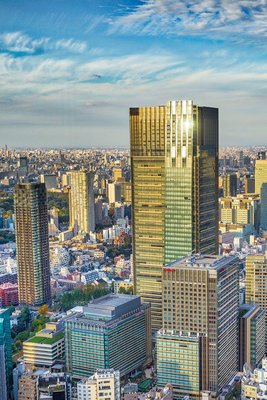
The Ritz-Carlton, Tokyo
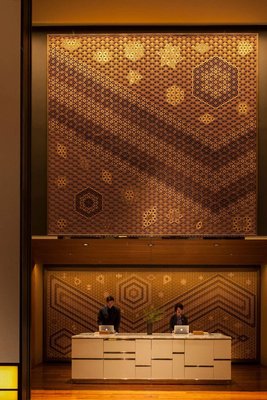
Andaz Tokyo Toranomon Hills- A Concept by Hyatt
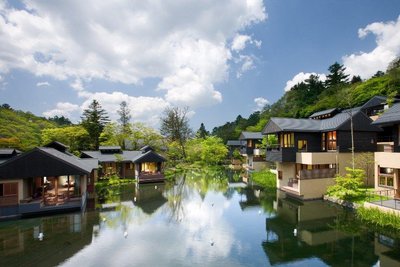
Hoshinoya Karuizawa
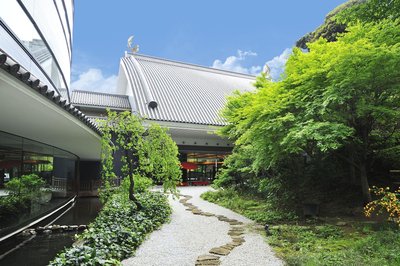
Hotel Gajoen Tokyo
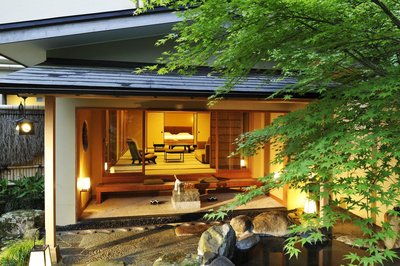
Gora Kadan
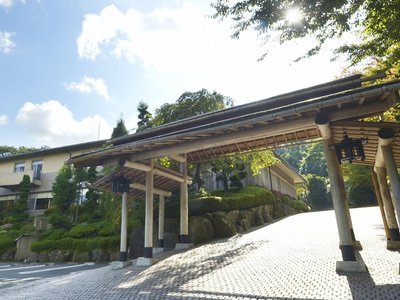
Gora Hanaougi
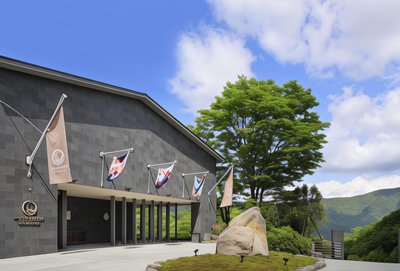
The Hiramatsu Hotels & Resorts Sengokuhara Hakone
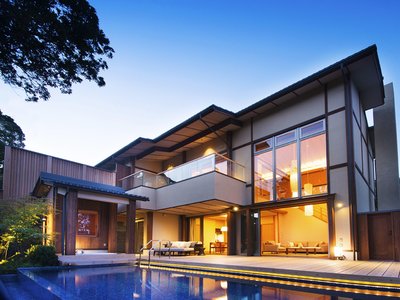
Abba Resorts Izu - Zagyosoh
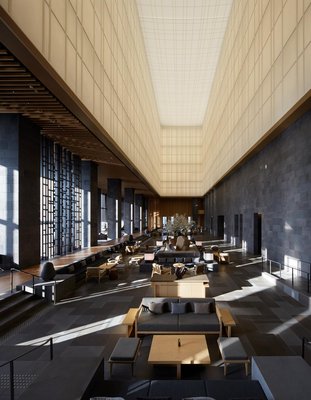
Aman Tokyo
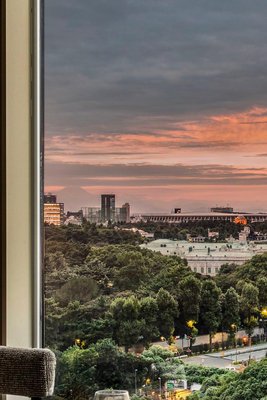
Hotel New Otani Tokyo, Executive House Zen
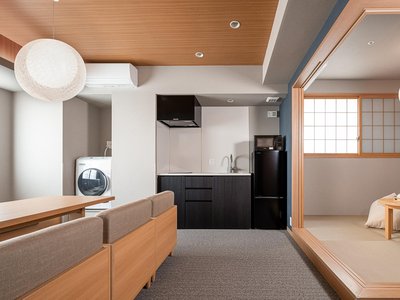
MIMARU SUITES Tokyo Asakusa
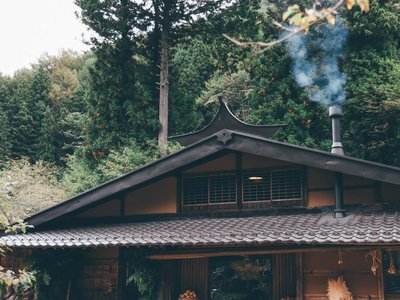
La Terra Resort

karaksa hotel colors Tokyo Yaesu
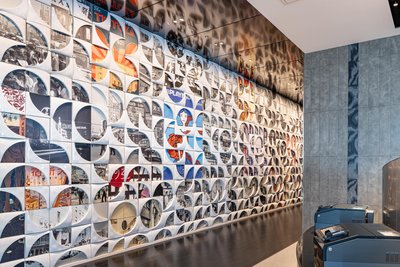
HOTEL GROOVE SHINJUKU, A PARKROYAL Hotel

EN Resort Grandeco Hotel
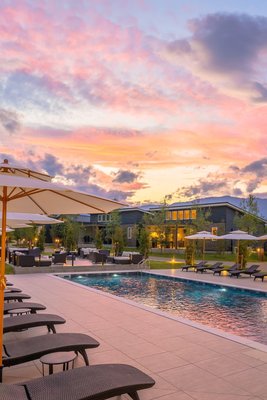
Awaumi Fujikawaguchiko Resort
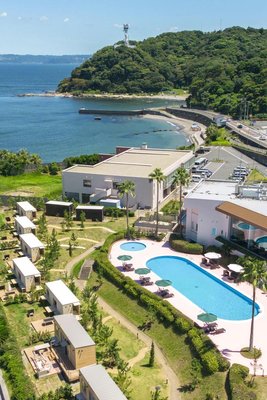
La vista Yokosuka Kannonzaki Terrace
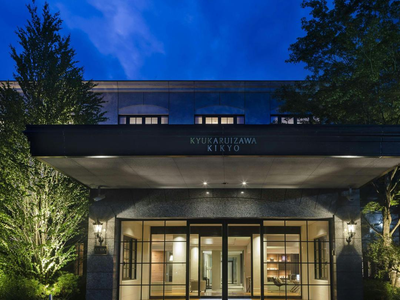
Fufu Karuizawa Wind of Sunshine
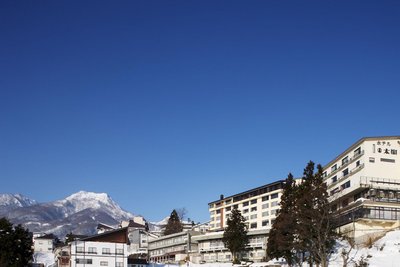
Hotel Taiko, Akakura Onsen
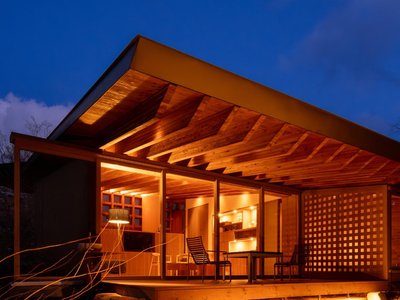
Nasu Mukunone
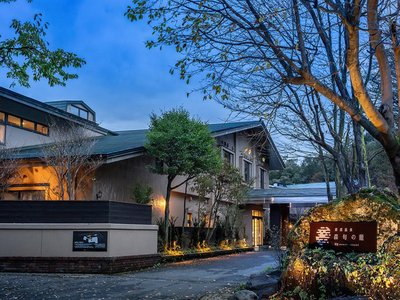
Nasu Onsen Shinshun no Kago Hewitt Resort

Scapes the Suite
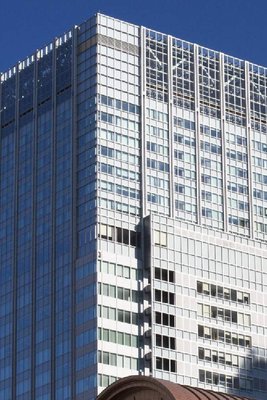
Hotel Metropolitan Tokyo Marunouchi
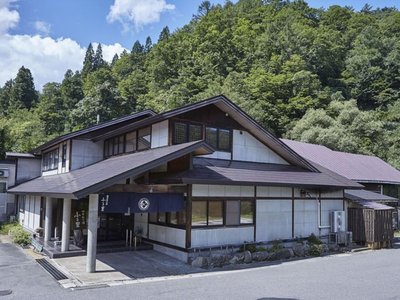
Fulsato
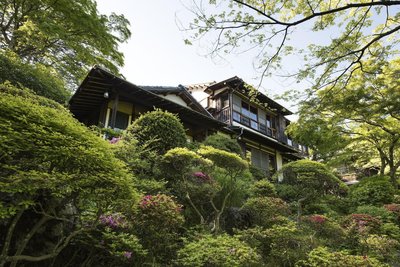
Gora Kansuiro
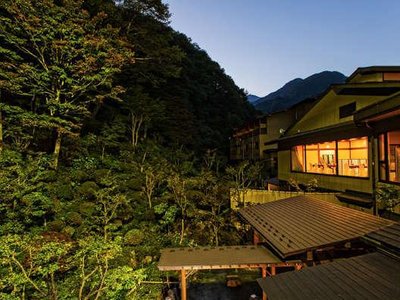
Futari Shizuka
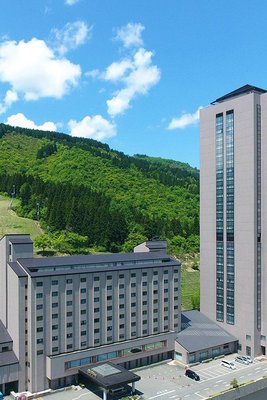
Naspa New Otani
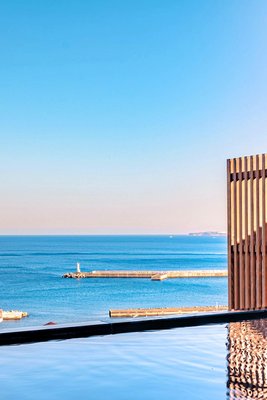
HOTEL KANICHI
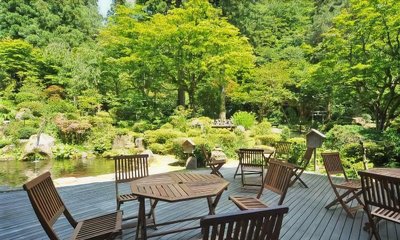
Choseikan
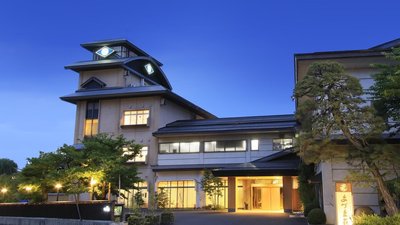
Shouhakutei Azumaso
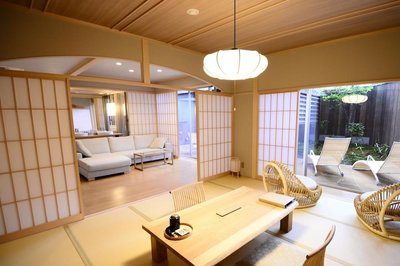
Hakone Gora Byakudan
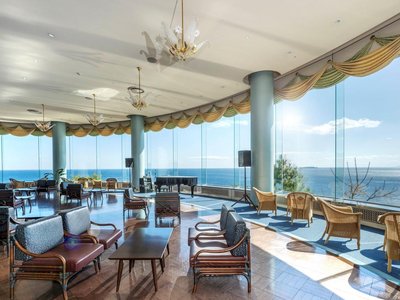
Hotel New Akao
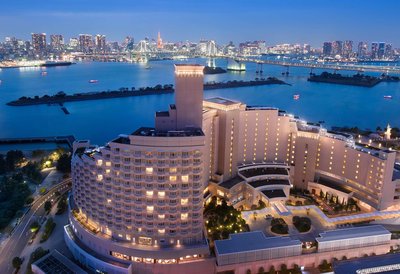
Hilton Tokyo Odaiba
JW Marriott Hotel Tokyo
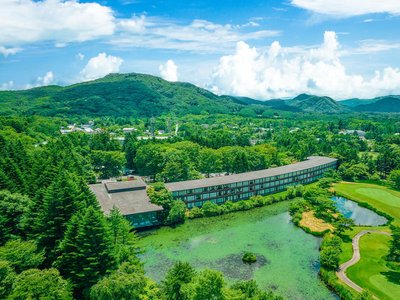
The Prince Karuizawa
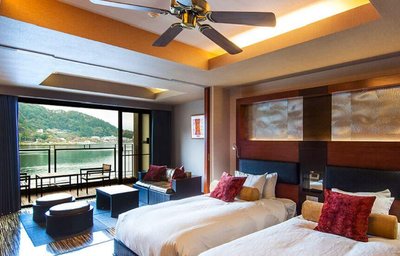
The Kukuna
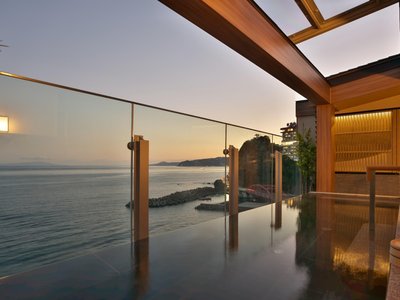
Hotel New Sagamiya
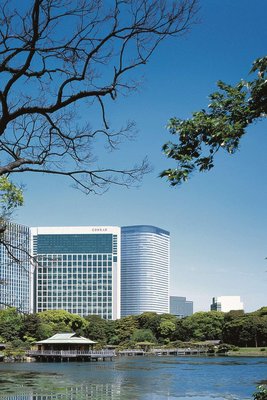
Conrad Tokyo
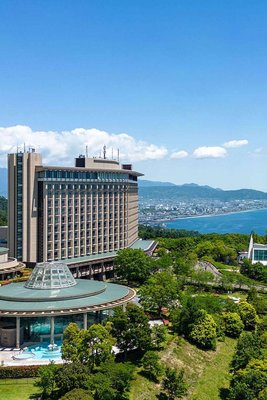
Hilton Odawara Resort & Spa
Hoshinoya Karuizawa
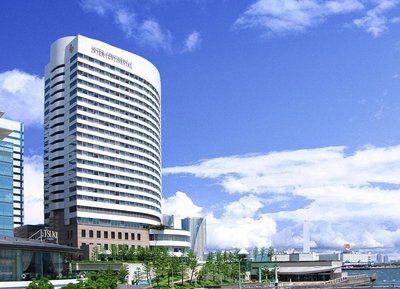
InterContinental Tokyo Bay
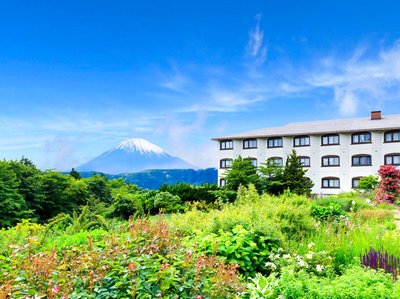
Hotel Green Plaza Hakone
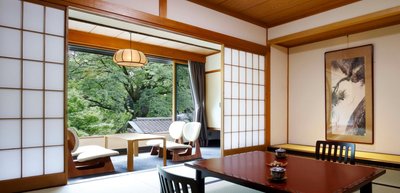
Yoshiike Ryokan
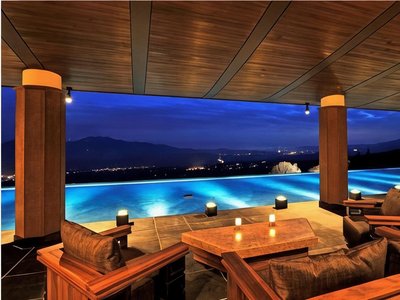
Akakura Kanko Hotel
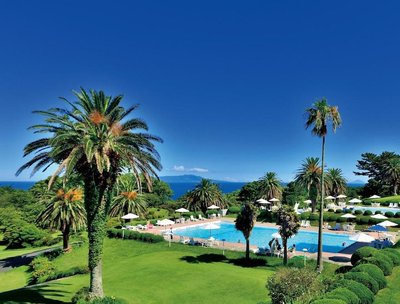
Kawana Hotel
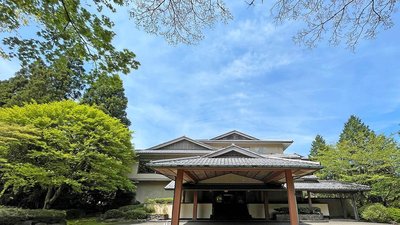
Ryuguden
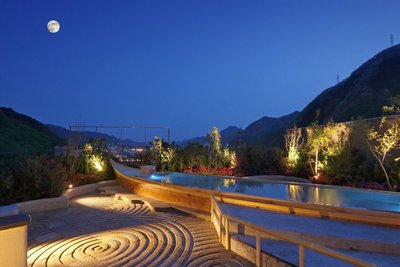
Asaya
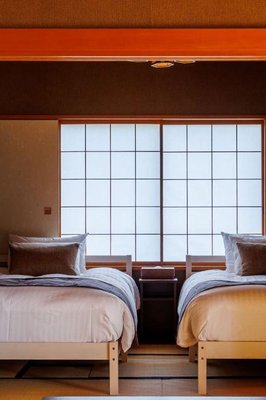
Sado Resort Hotel Azuma
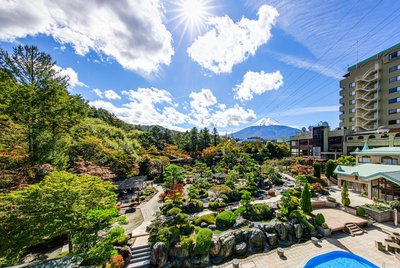
Kaneyamaen
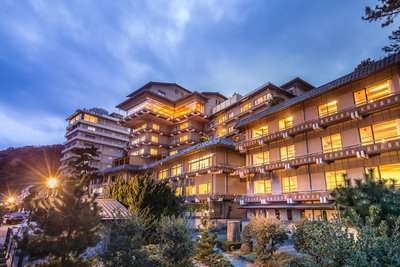
Bousui
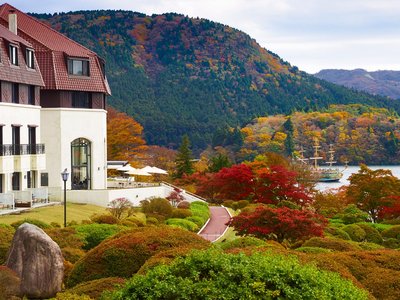
Hotakajyo
Auberge Suzukane

Onyado Nono Asakusa Bettei Hot Spring
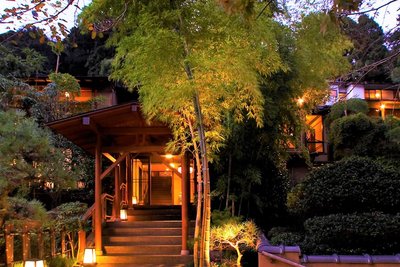
Shiki wo Ajiwau Yado Yamano Chaya
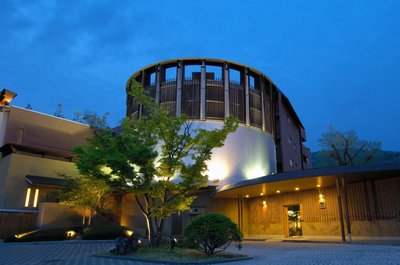
Hoshino Resorts Kai Matsumoto
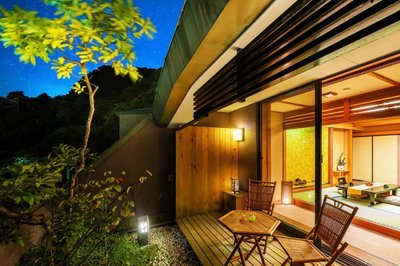
Konjakutei
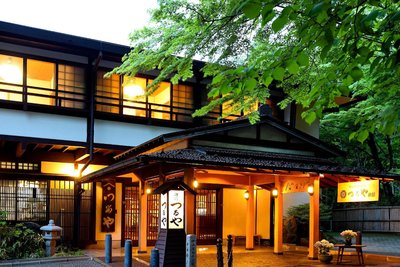
Tsuruya Ryokan
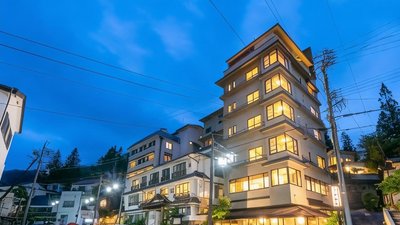
Nakamatsuya Ryokan
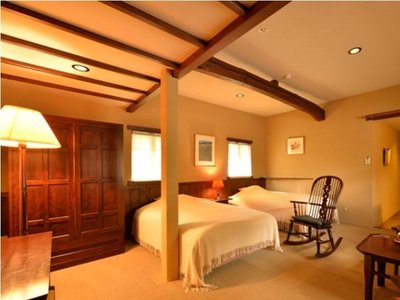
Ryokan Sugimoto
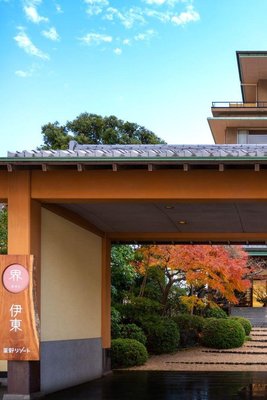
Hoshino Resorts Kai Ito
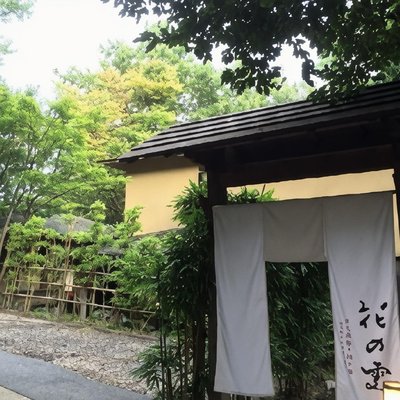
Hana No Kumo
Yoshiike Ryokan
Hotel Gajoen Tokyo
Gora Hanaougi
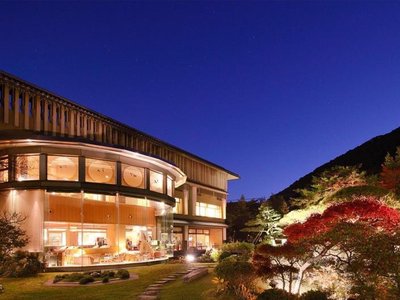
Shikisai Ichiriki
Sado Resort Hotel Azuma
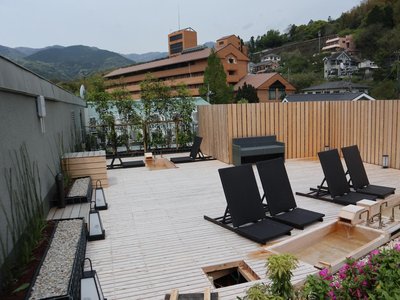
Fukiya Ryokan
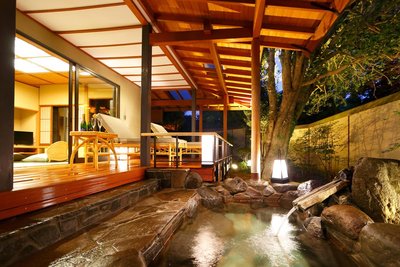
Yoshiharu Ryokan – Izu Nagaoka Onsen
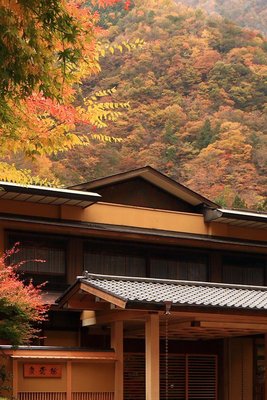
Nishiyama Onsen Keiunkan
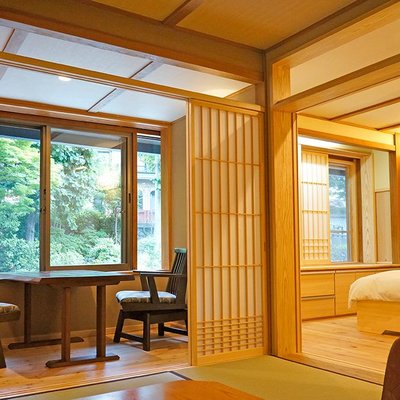
Sumiyosiya Ryokan
Bellustar Tokyo, A Pan Pacific Hotel
JW Marriott Hotel Tokyo
Andaz Tokyo Toranomon Hills- A Concept by Hyatt
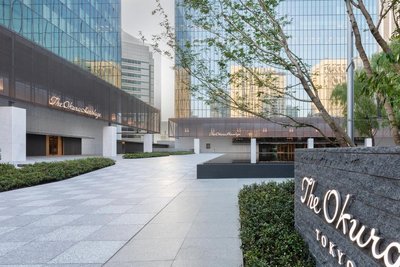
The Okura Tokyo
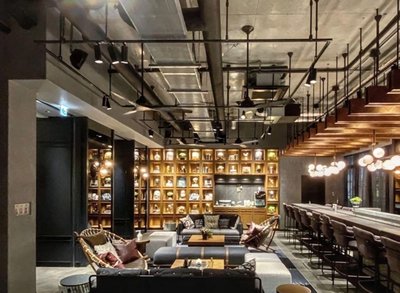
The Lively Azabujuban Tokyo
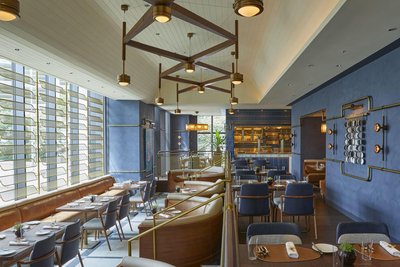
Kimpton Shinjuku Tokyo

HOTEL K5
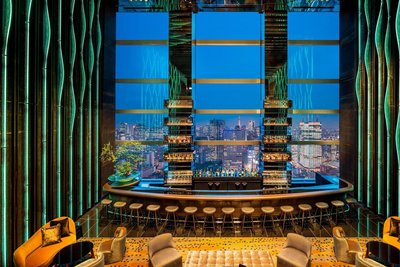
The Prince Gallery Tokyo Kioicho, a Luxury Collection Hotel
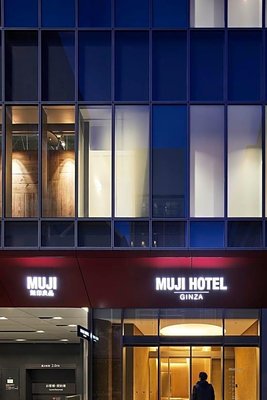
Muji Hotel Ginza
Hakone Gora Byakudan
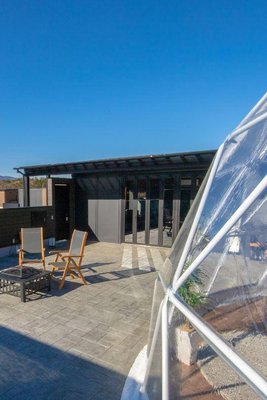
Panoramic Mt. Fuji Views from All Rooms – Vision Glamping Resort & Spa Yamanakako
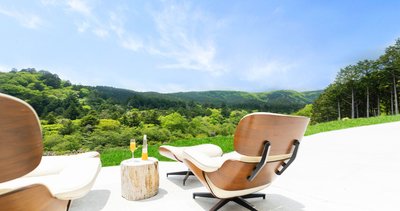
Shelter Garden Nikko
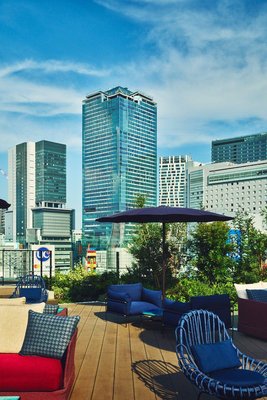
Hotel Indigo Tokyo Shibuya
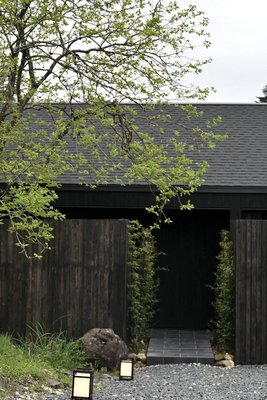
THE LAKOTAN
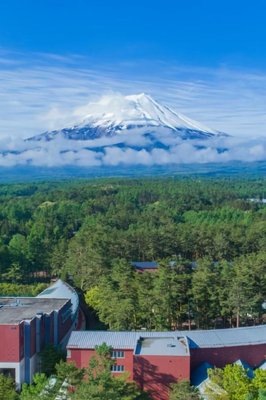
Forest Village (Fuji Premium Resort)
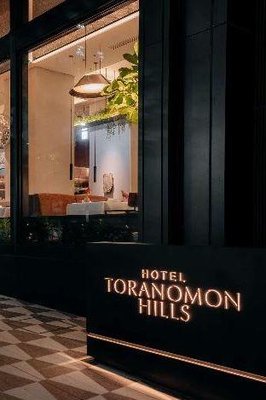
Hotel Toranomon Hills
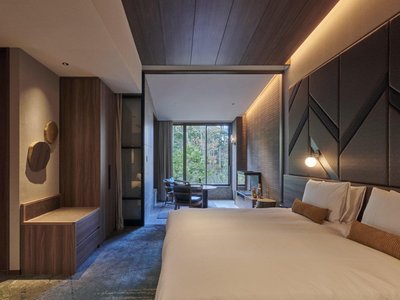
Fufu Kyu-Karuizawa Restful Forest
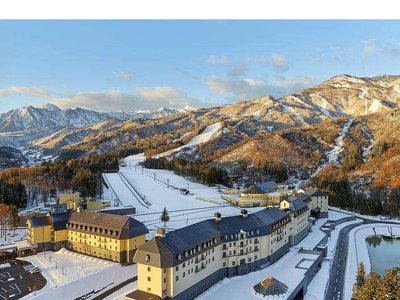
Lotte Arai Resort
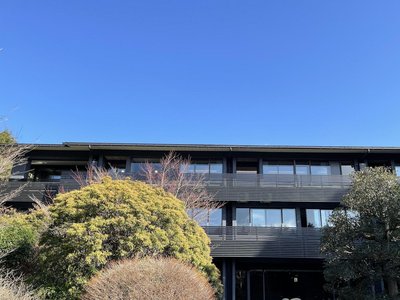
Sengokubara Cocon
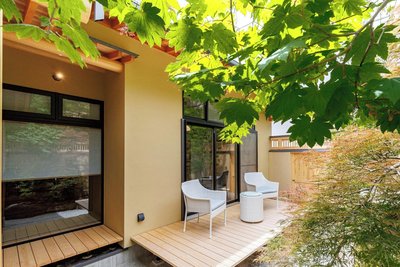
Shoraiso
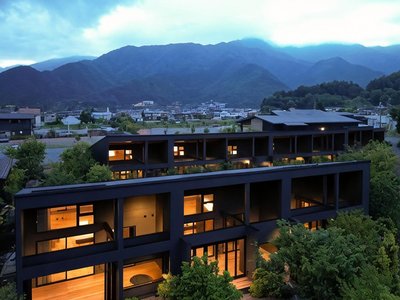
7C Villa and Winery
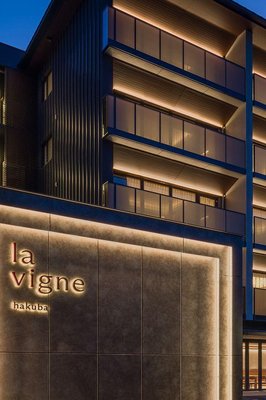
Hotel la Vigne Hakuba by Onko Chishin
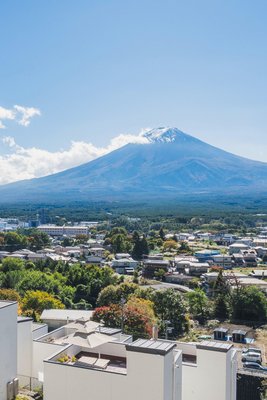
THE TOKI FujiKawaguchiko
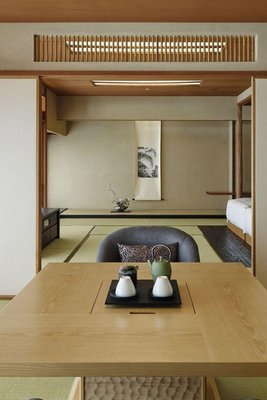
Takanawa Hanakohro (in Grand Prince Hotel Takanawa)
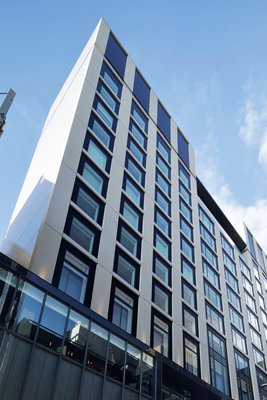
Hyatt Centric Ginza Tokyo
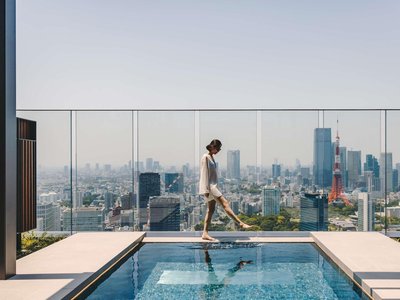
Fairmont Tokyo
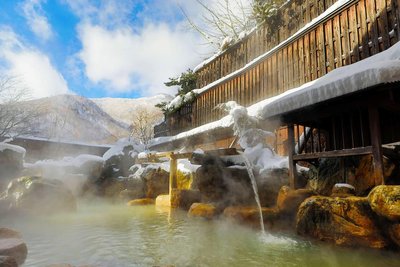
Miyamaouanbekkan yumegurinoyado hirayukan
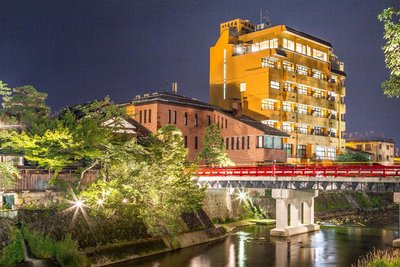
HONJIN HIRANOYA BEKKAN
The Prince Karuizawa

Rakuten STAY VILLA Nasu
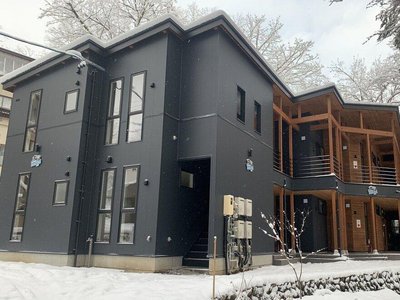
Hakuba Gondola Apartments
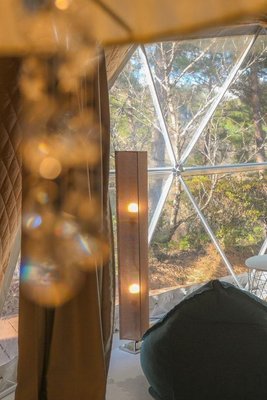
glampark Gekkabijin Nagano
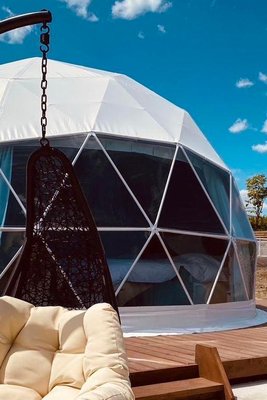
chillout glamping zao
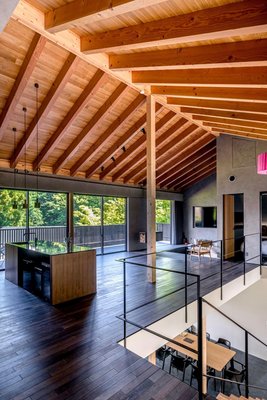
MONS GORA

Phoenix Chalets by Hhg
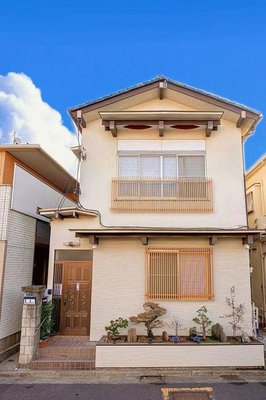
Tokyo Star House-Shinkoiwa
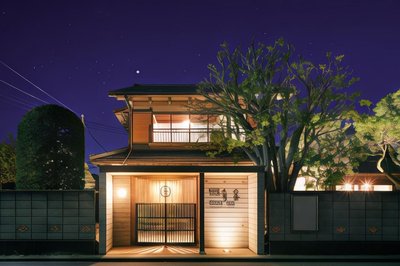
Machi-Jyu
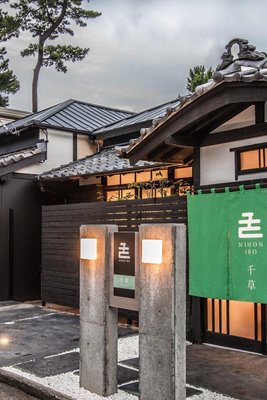
Nihon Iro
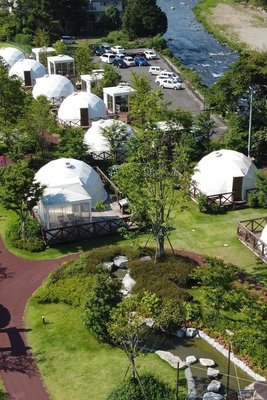
Ufufu Village
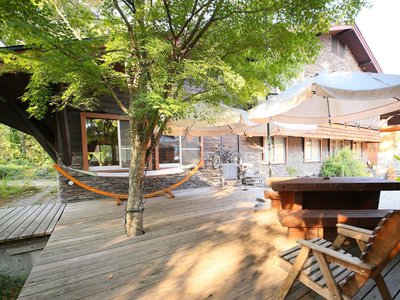
Kunugi Relaxation with 4 Modern Rooms
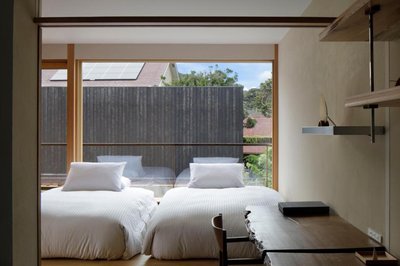
Modern Ryokan Kishi-ke
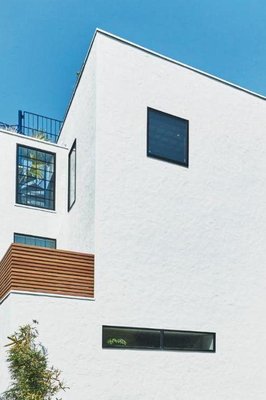
The Flow Kamakura
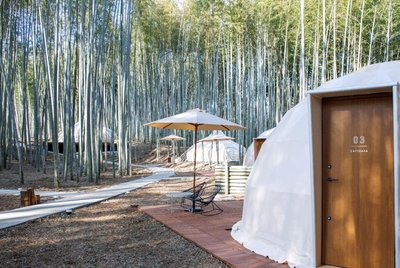
THE BAMBOO FOREST
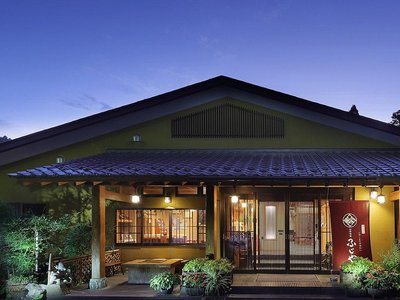
Shikimitei Fujiya
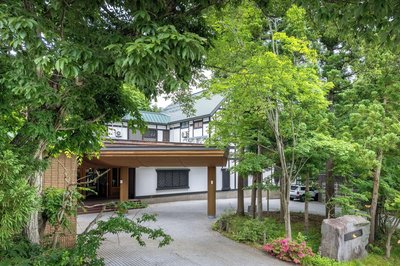
Forest Resort Yamanote Hotel
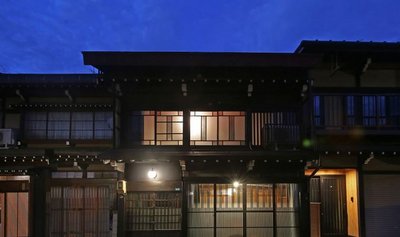
Iori Stay Hida

Hotel Barrière Fouquet's New York
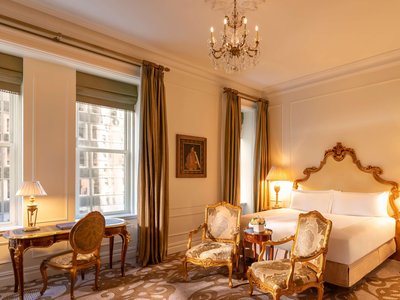
The Plaza - A Fairmont Managed Hotel
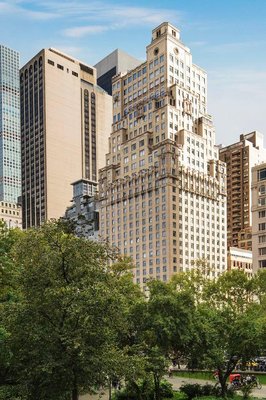
The Ritz-Carlton New York, Central Park
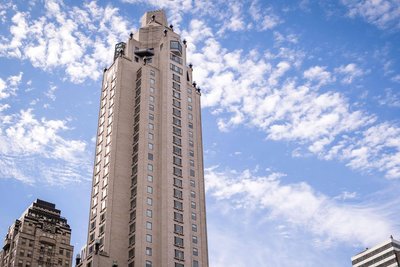
Four Seasons Hotel New York

The St. Regis New York
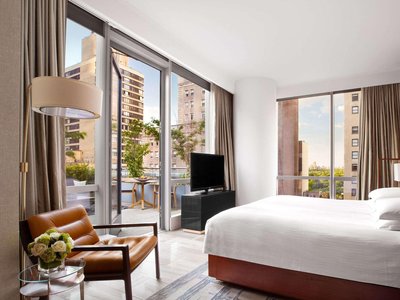
Park Hyatt New York
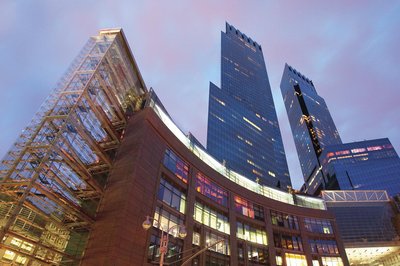
Mandarin Oriental New York
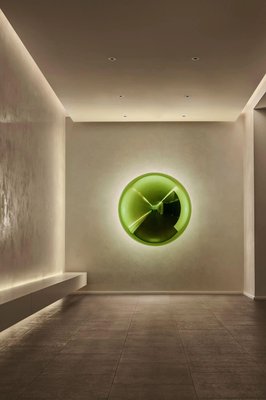
Times Square Edition New York

Loews Regency New York Hotel
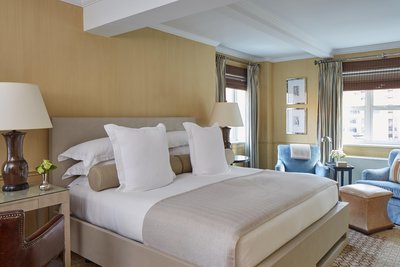
Lowell Hotel
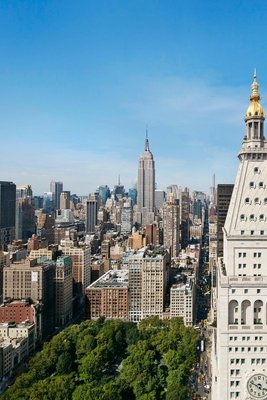
New York Edition
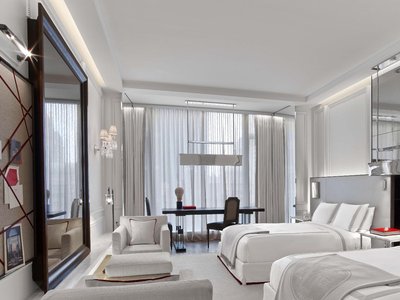
Baccarat Hotel New York

Equinox Hotel New York

Four Seasons Hotel New York Downtown
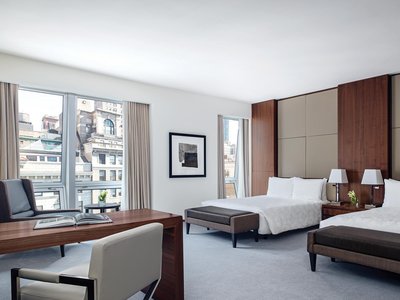
The Langham, New York, Fifth Avenue

The Carlyle, A Rosewood Hotel

The Chatwal, in the Unbound Collection by Hyatt
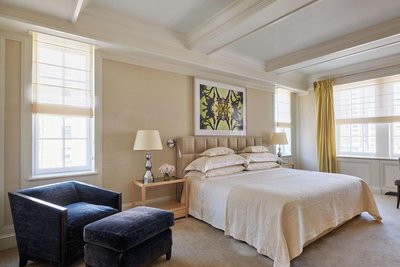
The Mark New York
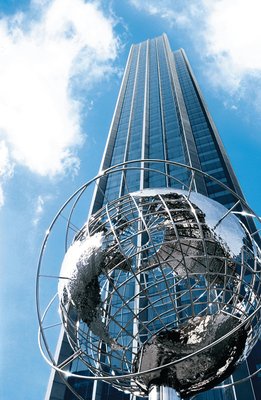
Trump International Hotel & Tower® New York
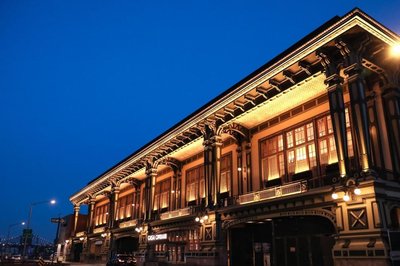
Casa Cipriani New York
Frequently Asked Questions about Traveling to Tanagura
Questions You Might Need to Know About Traveling to Tanagura
In Funabashi, consider staying at Sakura no Yado Funabashi, a charming traditional guesthouse near Funabashi Castle Ruins. This boutique inn blends Edo-era architecture with modern comfort, offering tatami rooms and private gardens. Its proximity to historical sites makes it ideal for exploring Japan’s feudal past. Some rooms feature views of the Abukuma River, perfect for sunrise photography. The inn also serves locally sourced Fukushima rice and homemade pickles, providing authentic taste of the region. Located just 40 minutes by bus from Koriyama Station, it's accessible yet serene.
The ideal time to visit Funabashi is during spring (March to May), when cherry blossoms bloom across Funabashi Castle Park, one of the "Three Great Cherry Blossom Spots in Tohoku". The delicate pink petals contrast beautifully with ancient stone walls. In autumn (October to November), vibrant maple trees turn the area into a fiery landscape along the Abukuma River Trail, perfect for hiking and photography. Don’t miss the annual Funabashi Festival in summer, featuring traditional taiko drumming and lantern processions that showcase deep local heritage.
Stay near Funabashi Castle Ruins for optimal access to history. Options include Funabashi Townhouse Inn or Old Machiya Guesthouses, which are converted traditional homes with wooden beams and shoji screens. These accommodations are just a 5-minute walk from the castle’s moat and stone foundations, allowing you to explore the battlefield layout and watchtower remnants firsthand. Some offer guided heritage tours, revealing insights into Sengoku period military strategies. Their quiet location provides an immersive experience in rural Japanese history.
Immerse yourself in handmade pottery workshops using local clay, where you’ll shape tea bowls or incense burners under expert guidance. Many studios are located in former farmhouses, preserving traditional craft methods. During autumn, join the Harvest Ceremony, where visitors help harvest rice and taste fresh Funabashi rice in rice balls. In winter, attend the Snow Lantern Festival, illuminating snowy fields with handmade paper lanterns—creating a magical, meditative atmosphere that reflects harmony between nature and culture.
Take the Tohoku Shinkansen from Tokyo Station to Koriyama Station (~1 hour 20 minutes), then transfer to a Fukushima Transportation Bus bound for Funabashi (~40 minutes). The journey is reliable and economical. For more flexibility, rent a car via the Tōhoku Expressway, enjoying scenic views of rural Fukushima. Book bus tickets in advance, especially on weekends. This route offers a peaceful transition from urban Tokyo to tranquil countryside.
Try Funabashi Beef, a premium wagyu raised on mountain grasses, best enjoyed grilled at Dai-Kokuya Dining House. Another highlight is Fukushima Rice Balls, made with locally grown Funabashi rice, wrapped in nori and filled with umeboshi. They’re sold at street stalls and make excellent snacks. Don’t miss Mikuni Sake, a smooth, clean-tasting sake brewed in the region—available in gift sets at local breweries. These culinary treasures reflect the town’s agricultural roots and craftsmanship.
Yes, Funabashi is ideal for families. Most guesthouses offer child-friendly amenities like play areas, stroller-accessible paths, and hands-on farm experiences. Visit the Funabashi Agricultural Experience Park, where kids can feed goats, pick strawberries, and make tofu—learning about farming in a joyful way. The Abukuma River Riverside Trail has gentle slopes and benches, perfect for baby strollers. Weekly Kids’ Craft Markets let children display their pottery and drawings, encouraging creativity and connection.
Experience the Castle Town Night Lantern Walk, where paper lanterns line the historic path around Funabashi Castle Ruins, creating a dreamlike ambiance reminiscent of the Edo era. Some inns host Stargazing Tea Sessions, complete with telescopes and storytelling about constellations—ideal for astronomy lovers. During winter, the Snow Lantern Festival lights up the village with warm glow, paired with hot persimmon wine. These low-key, atmospheric events are perfect for relaxation and cultural immersion.
Capture stunning photos at Funabashi Castle Ruins, especially during cherry blossom season (spring) or maple foliage (autumn), when the ruins are framed by vibrant blooms. The Abukuma River Riverside Path offers golden-hour reflections and occasional sightings of egrets. Explore the Old Townhouse District, with its centuries-old wooden facades and cobblestone alleys—perfect for film-like shots, especially after rain when the streets glisten. Visit early morning or late afternoon to avoid harsh sunlight and achieve soft, dramatic lighting.
While Funabashi itself lacks large spa resorts, the nearby Mikuni Onsen (30 minutes away) is highly recommended. This mild alkaline carbonated spring is known for soothing skin and nerves. Hotels like Mikuni Yu no Yado offer open-air baths and garden-style soaking areas, with some rooms featuring private onsen. Many guests enjoy a day trip: soak in the warm waters, savor a kaiseki dinner, and return refreshed. For a quieter option, select guesthouses provide small foot baths, letting you unwind under the stars in peaceful countryside setting.
Tanagura Overview
City Summary
Tanagura, a historic town in Fukushima Prefecture, Japan, is renowned for its Edo-period castle town ambiance and scenic beauty nestled in the Abukuma Highlands. With highlights like the ruins of Tanagura Castle and pristine natural trails, it offers a serene escape blending cultural heritage with rural charm, ideal for travelers seeking authentic Japanese countryside experiences.
Must-See Attractions
Must-visit spots:
- Tanagura Castle Ruins: Former samurai stronghold surrounded by cherry blossoms in spring.
- Chikatsu Shrine: Ancient shrine with towering cedar approach and traditional festivals.
- Abukuma River Trail: Picturesque hiking path through seasonal foliage. For cultural immersion, try washi paper-making workshops or local sake brewery tours.
Food Guide
Culinary highlights:
- Kozuyu: Hearty Fukushima soup with root vegetables and chicken.
- Soba Noodles: Made from locally harvested buckwheat, served chilled or hot.
- Tsukemono: Homemade pickles like "Kinzanjimiso-zuke." Visit farm-to-table eateries for seasonal vegetable sets.
Transportation Guide
Getting around:
- Train: JR Suigun Line to Tanagura Station (1hr from Koriyama), limited connections.
- Bus: "TAMEGO" community bus serves major sites; check sparse schedules in advance.
- Car Rental: Recommended for flexibility. Note mountain road closures in winter.
Best Time to Visit
Best seasons: April (cherry blossoms) and October-November (autumn colors). Summers are humid but lush, while winters (Dec-Feb) offer peaceful snowscapes with fewer tourists.
Travel Tips
- Cash Essential: Most rural businesses accept only JPY cash.
- Bus Etiquette: Nod to drivers when boarding/exiting as local custom.
- Smoking: Restricted to designated areas in public spaces.
- Early Closures: Plan activities before sunset as shops close early.
- Nature Rules: Foraging or rock collecting requires permits to avoid fines.
Useful Information
Practical info:
- Language: Japanese predominates; basic English at stations/tourist centers.
- WiFi: 4G in central areas; rent pocket WiFi for hinterlands.
- Payments: IC cards (Suica/Pasmo) usable at few outlets; carry cash.
- Emergencies: Tanagura Hospital (0247-22-3111) handles 24/7 cases. Pharmacies near the station.
- Police: Dial 0247-22-0110 or #9110 for English-speaking assistance.









