Hotels in Tangshan
Discover your perfect stay in Tangshan.
Tangshan(China) Travel 2026: Cheap Flights, Hotels & Top Attractions
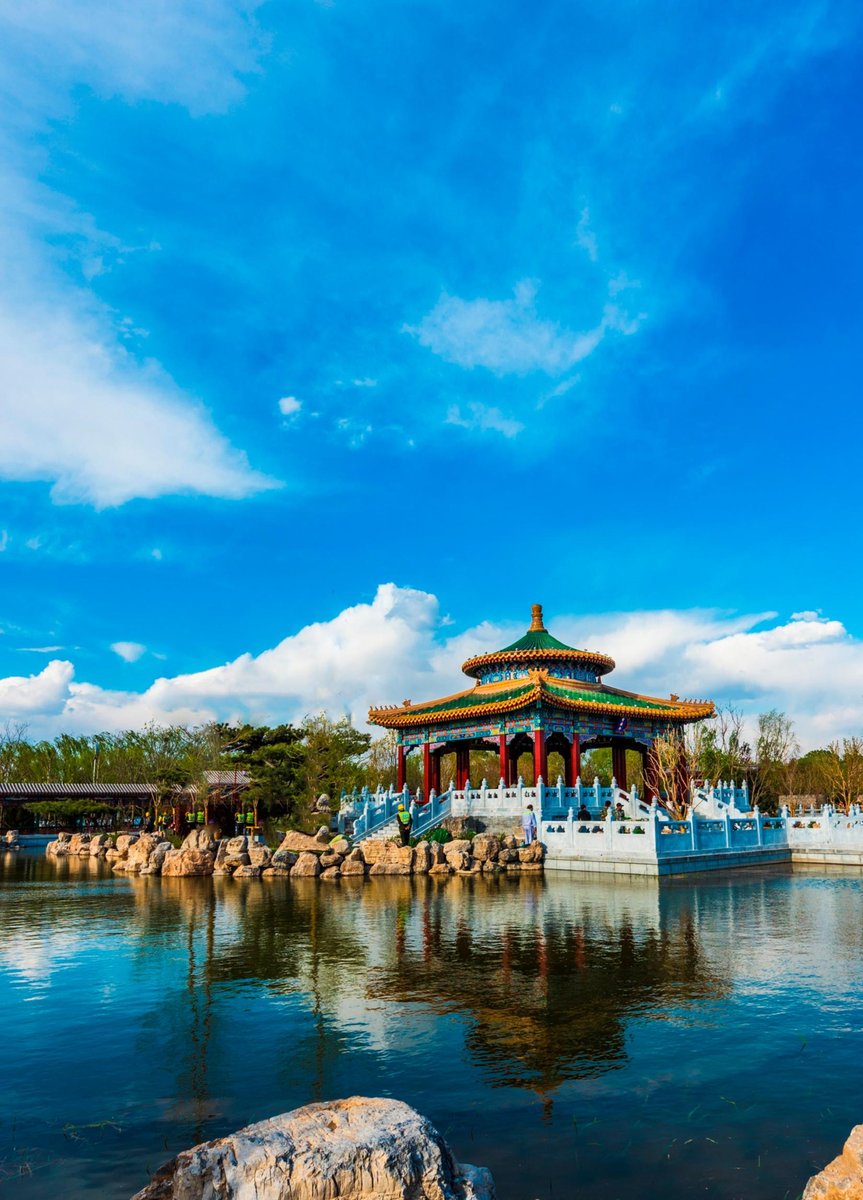
Popular Landmarks in Tangshan
Discover the most iconic attractions in Tangshan
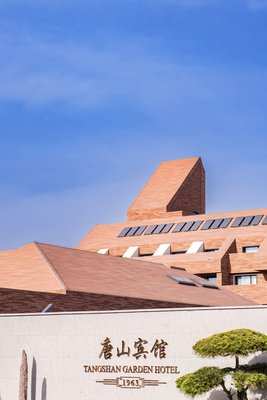
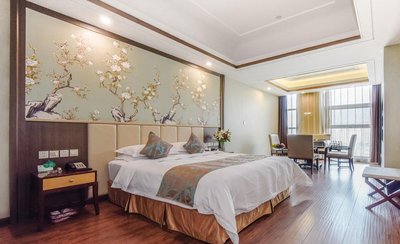
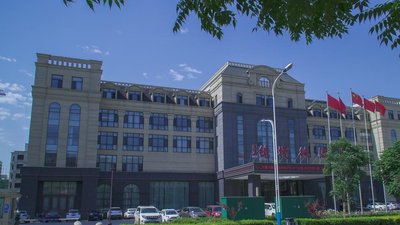
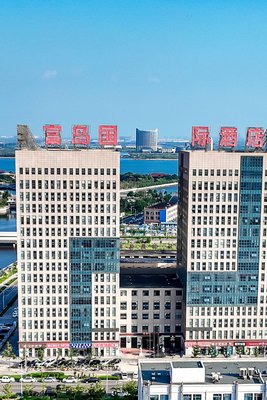
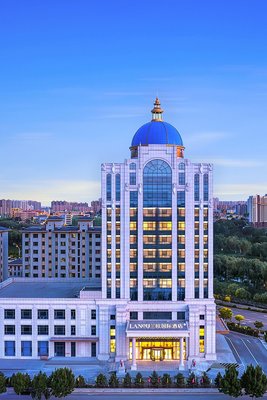
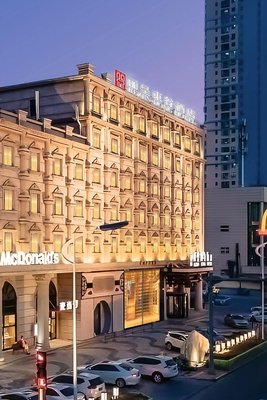
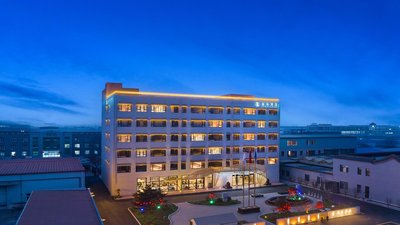
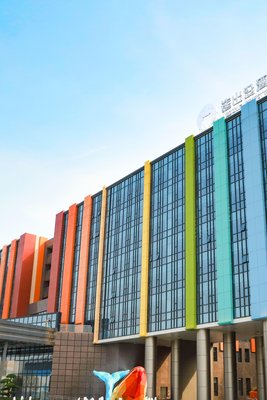
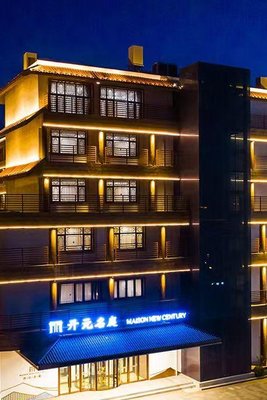
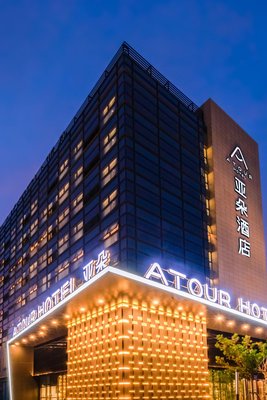
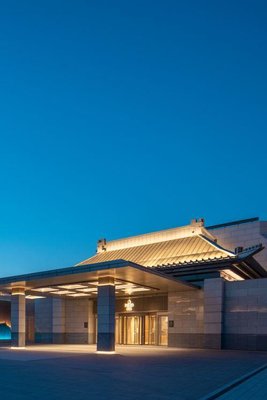
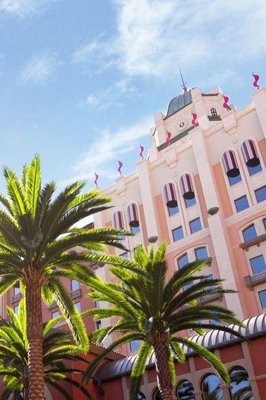
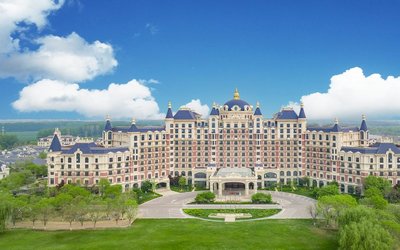
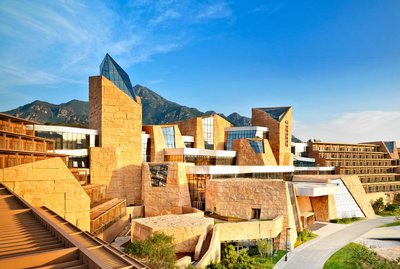
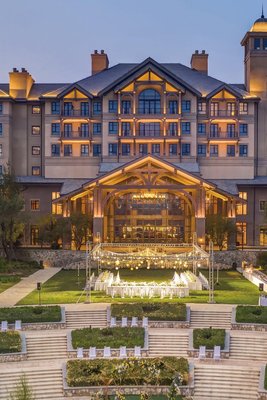
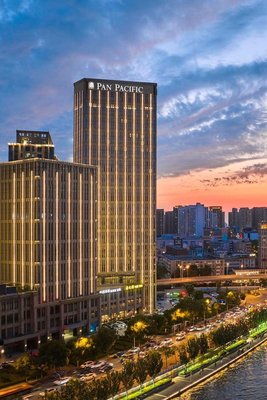
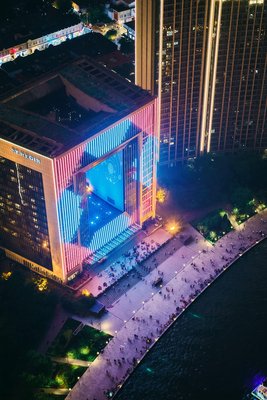
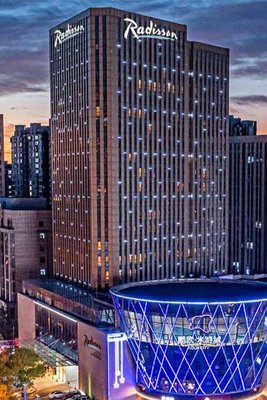
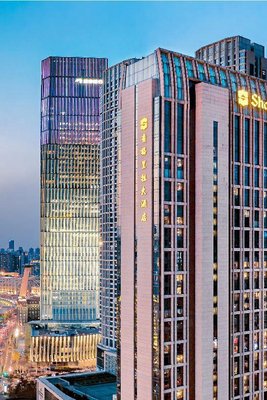
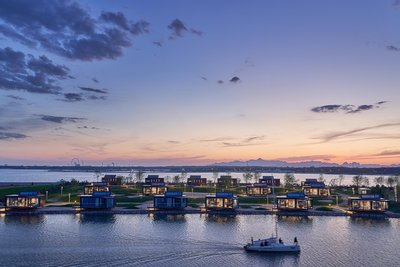
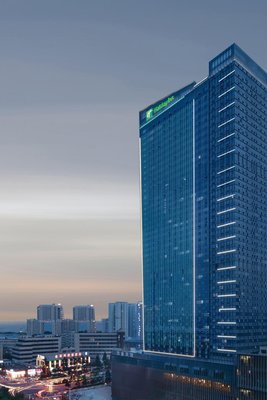
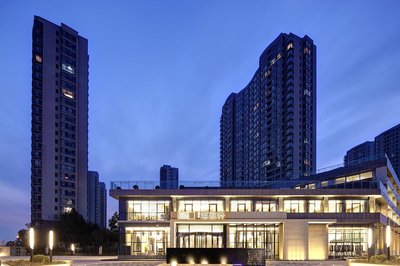
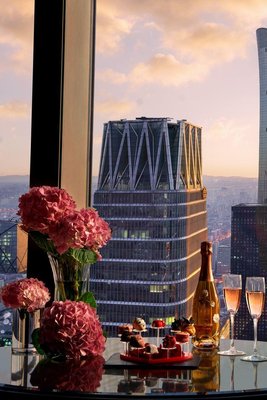
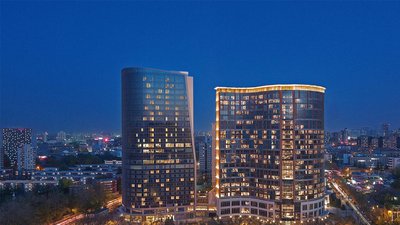
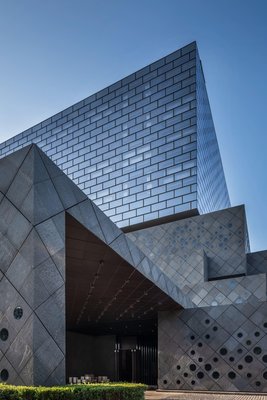
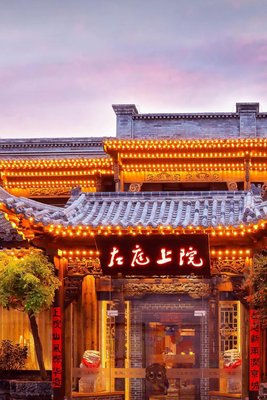
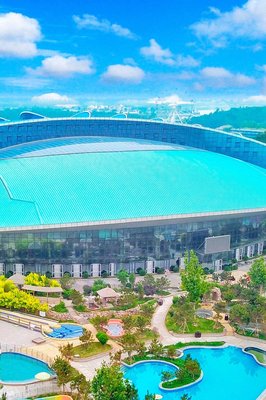
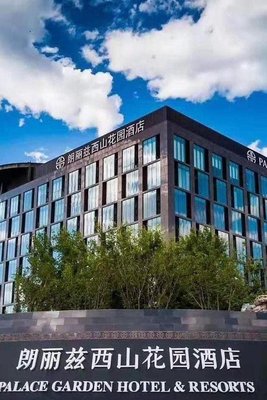
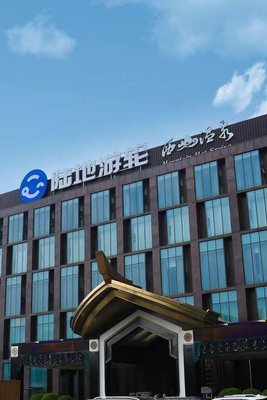
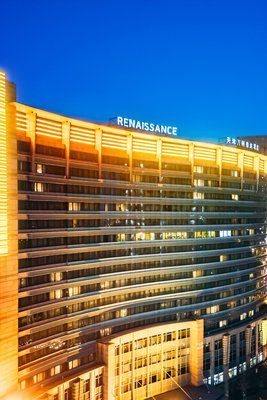
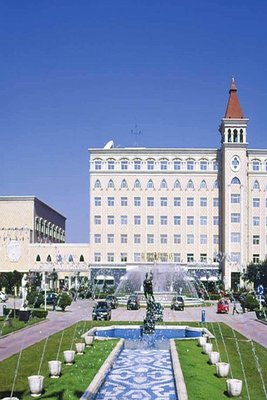
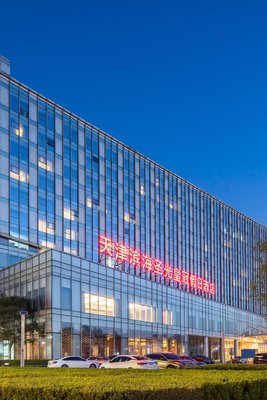
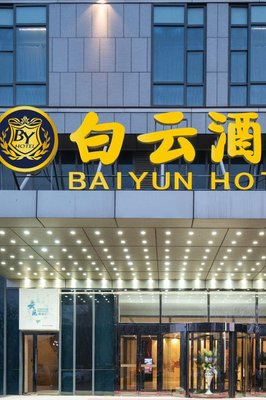
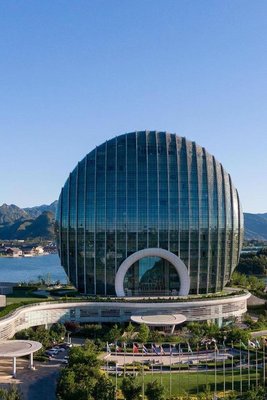
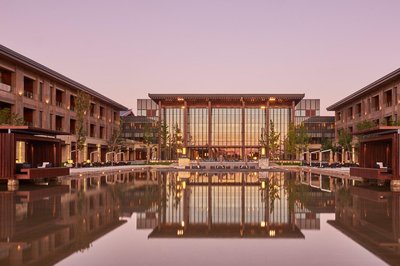
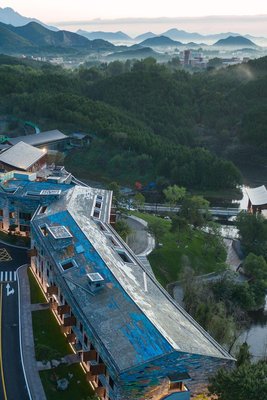
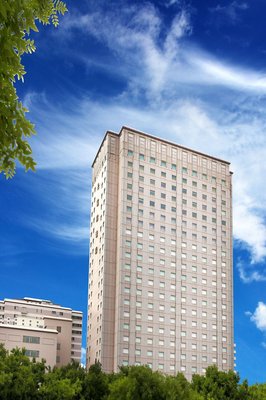
Recommended Hotels in Tangshan
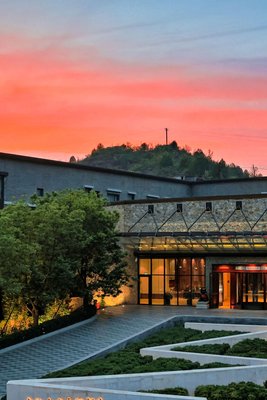
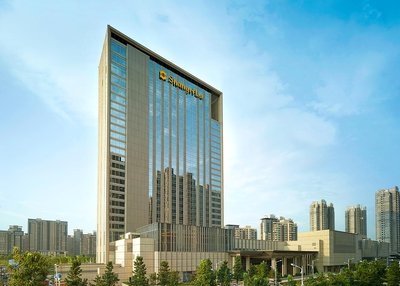
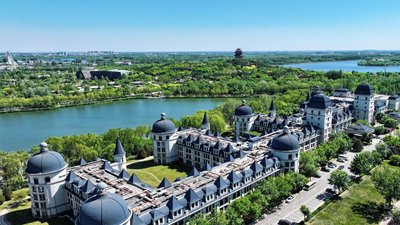
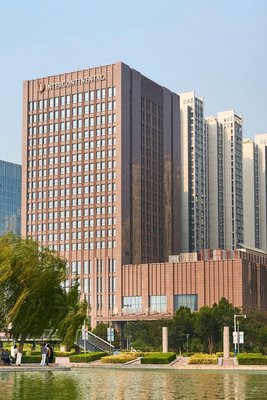
Find the perfect place to stay in Tangshan
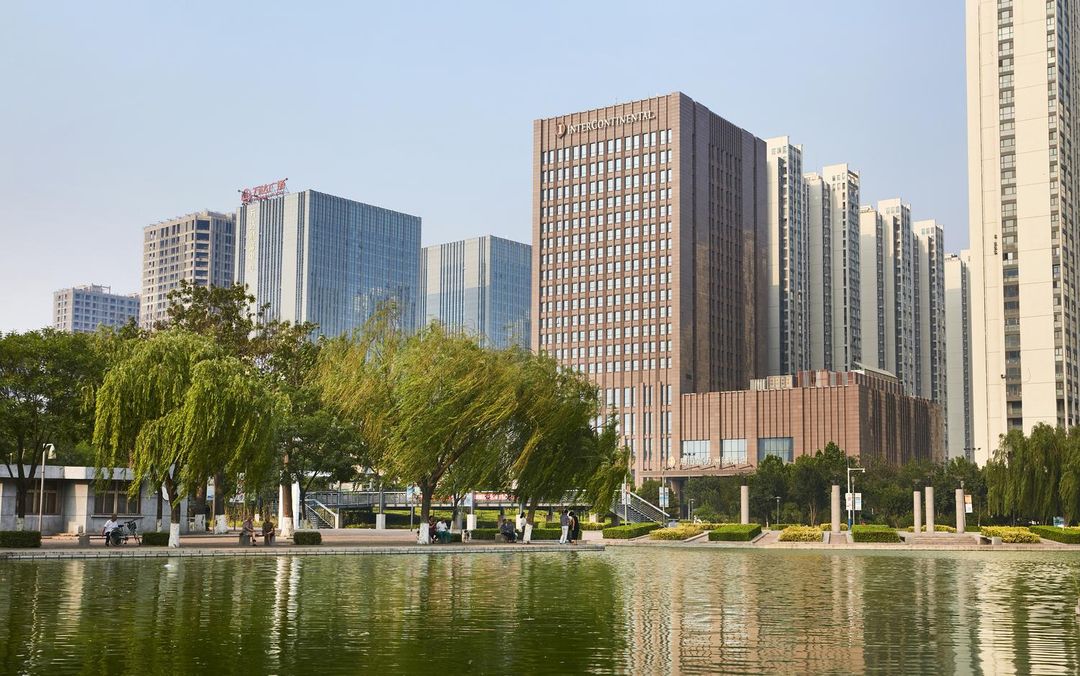
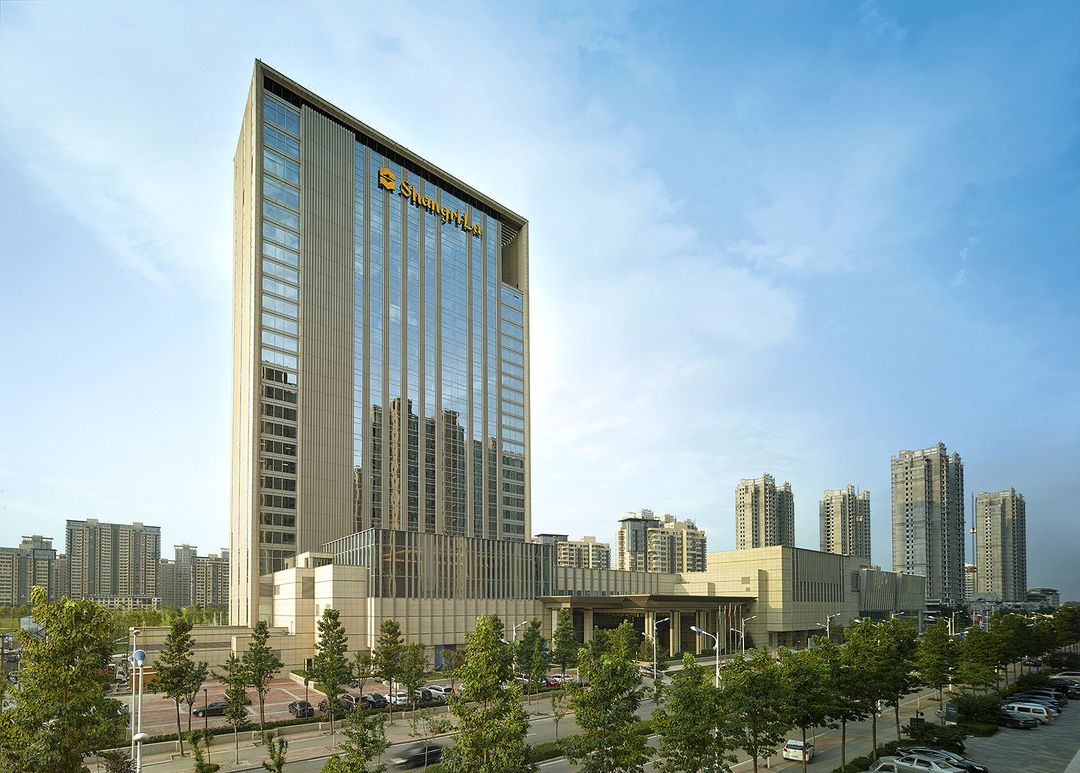
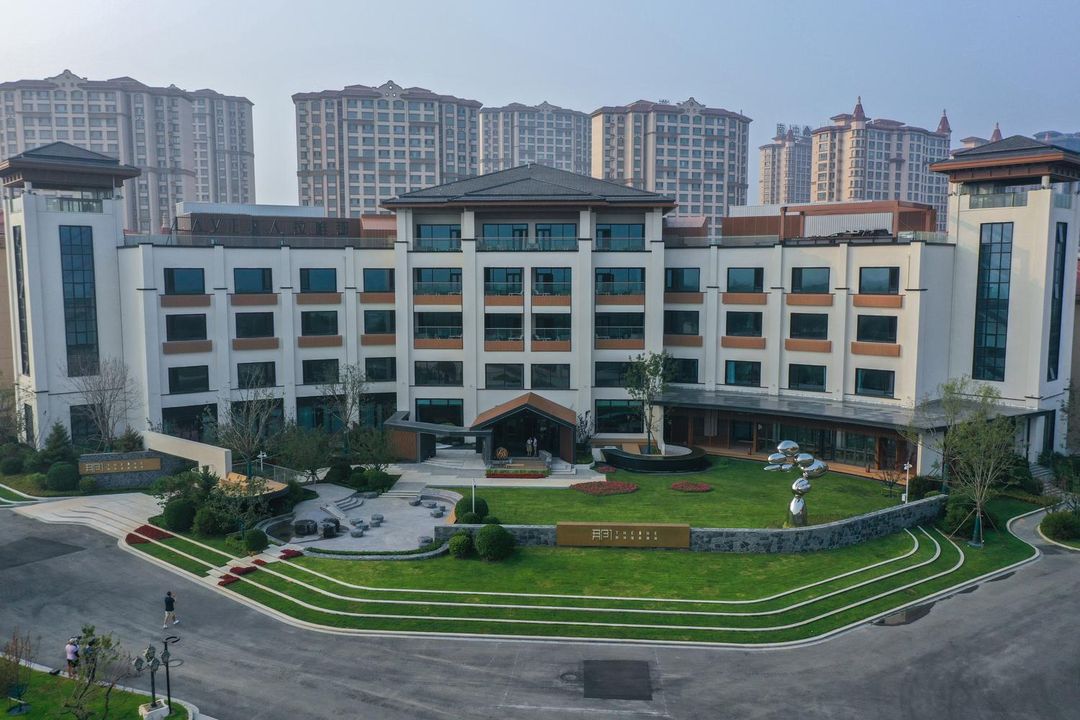
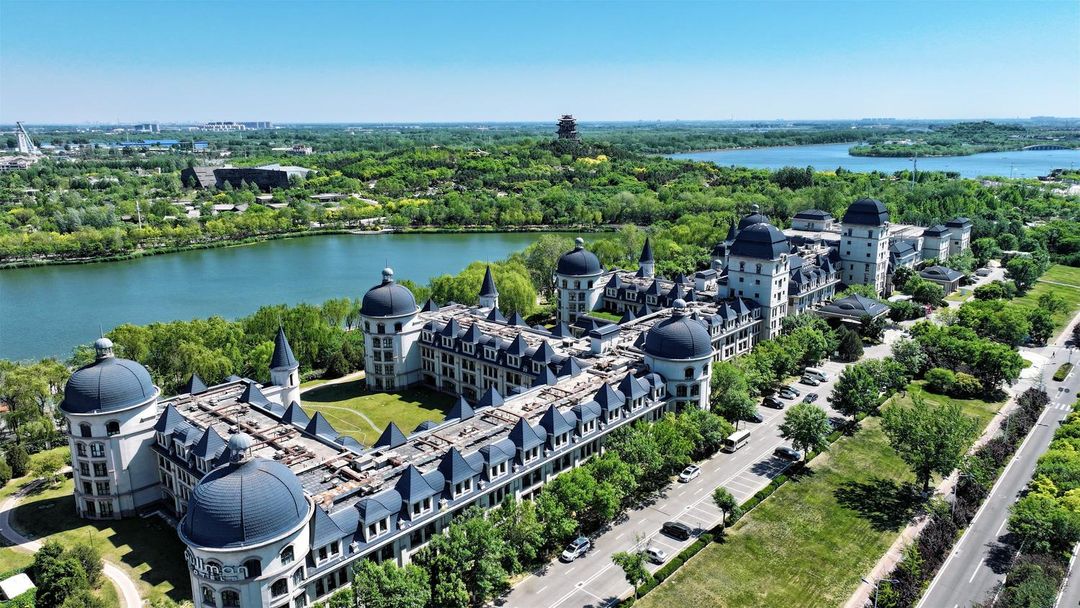
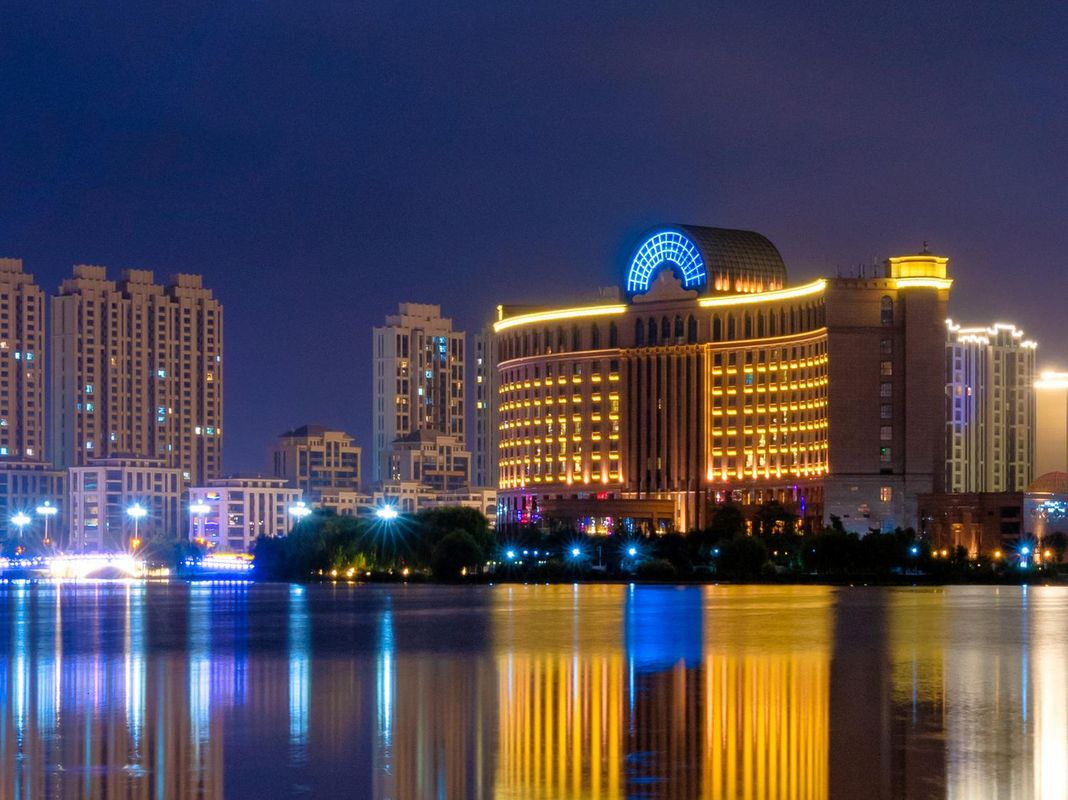

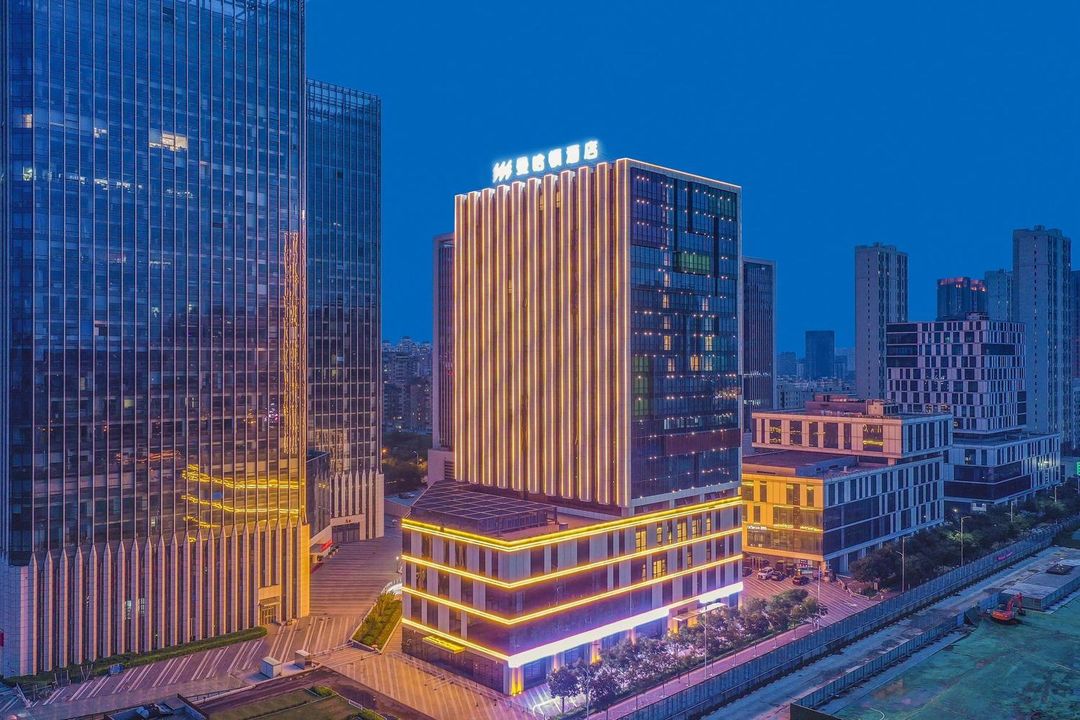
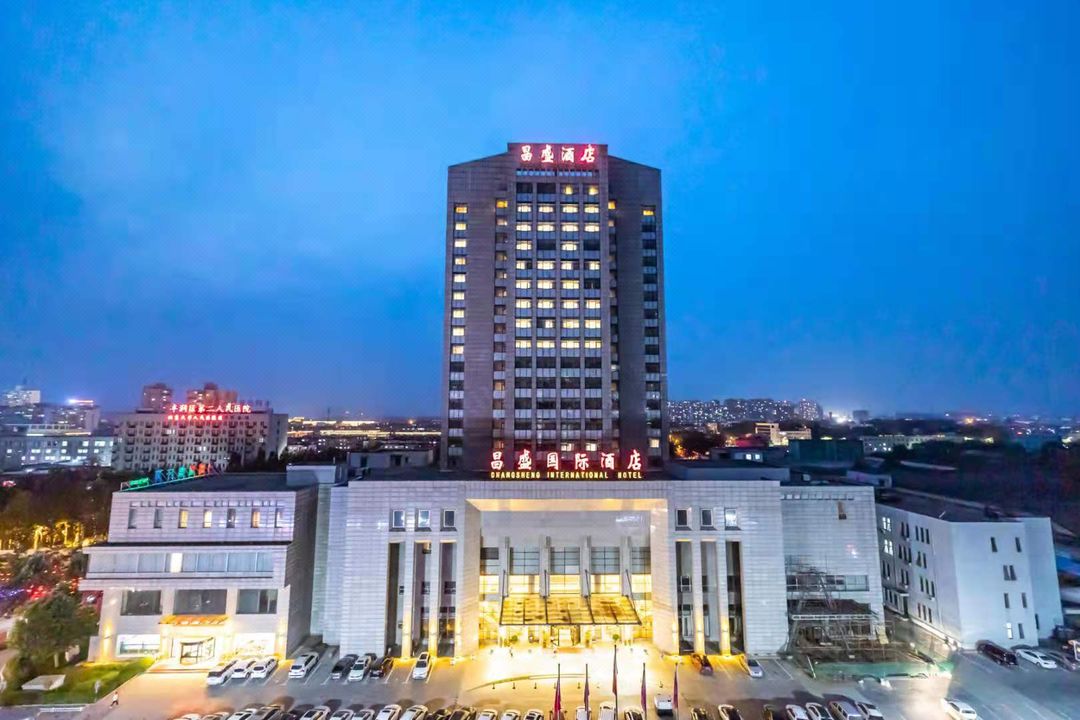
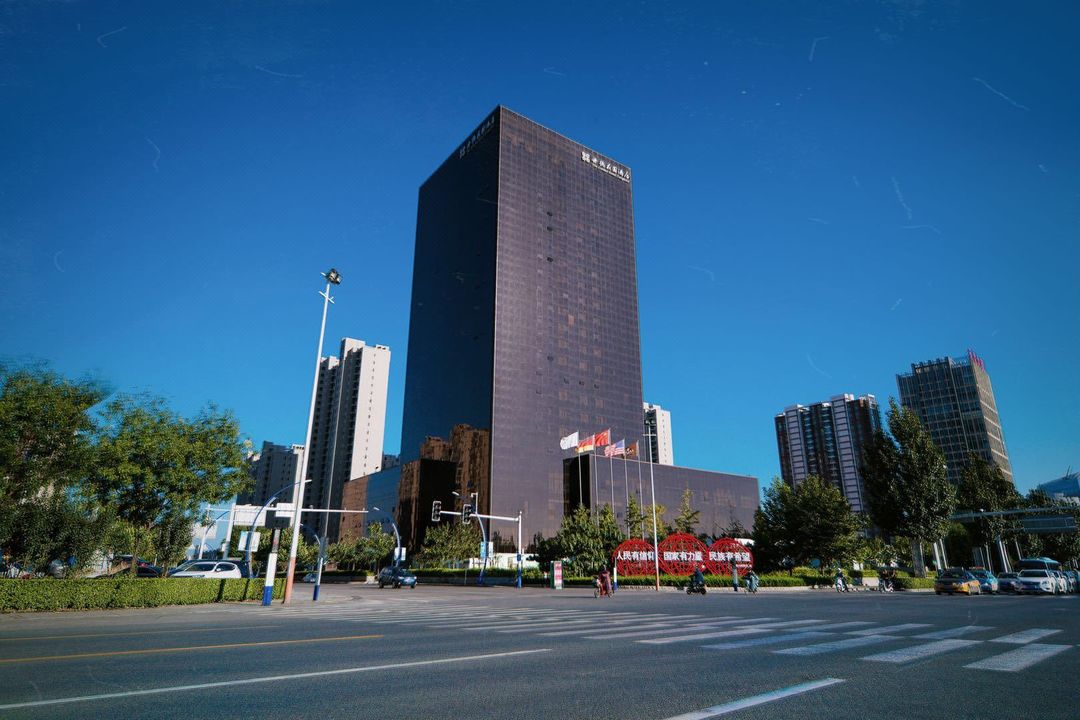
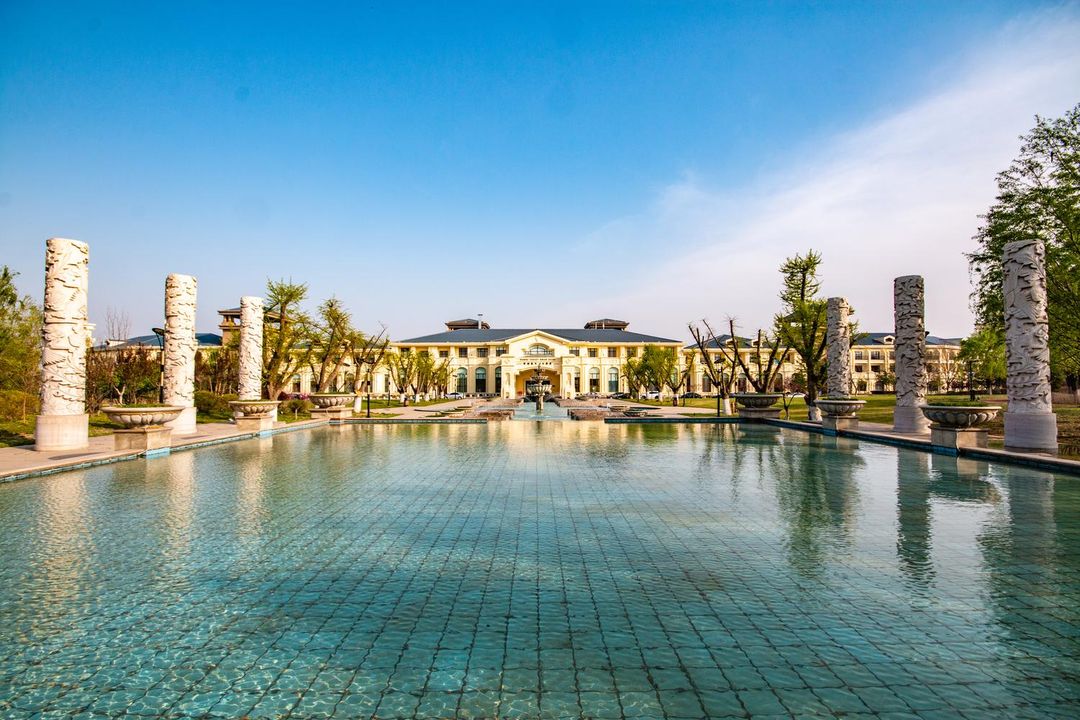
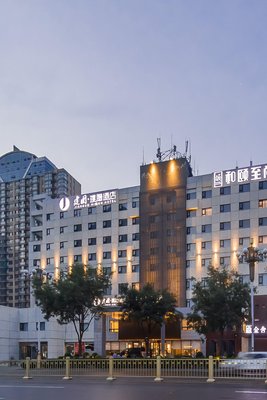
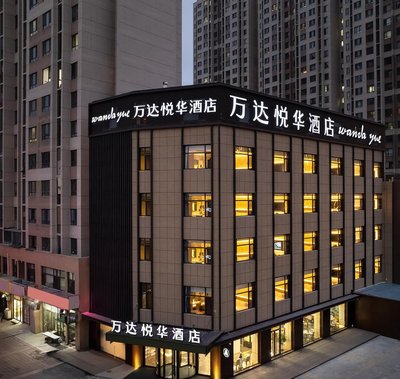
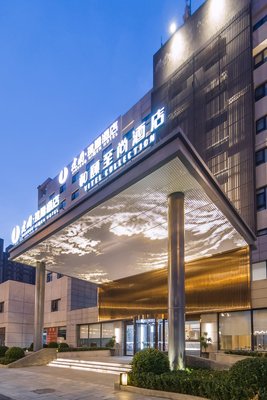
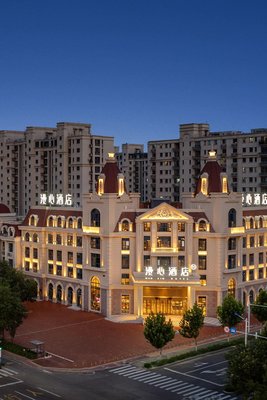
Best Hotels in Tangshan
Discover curated hotel collections in Tangshan
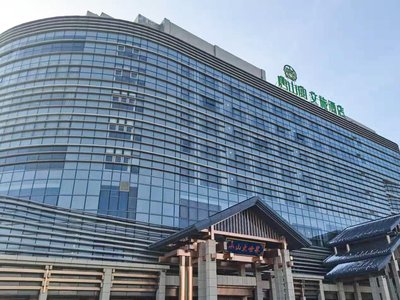
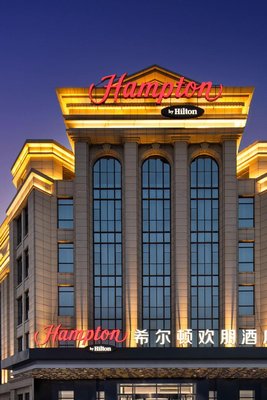














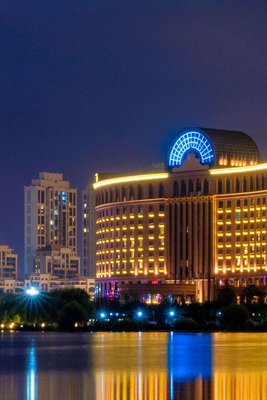
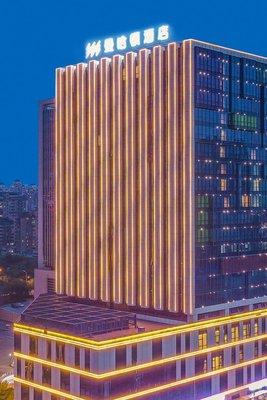
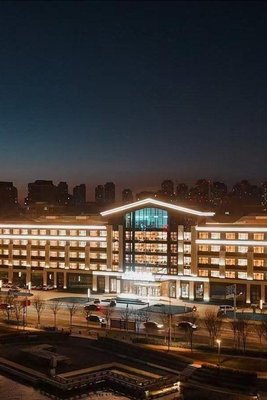
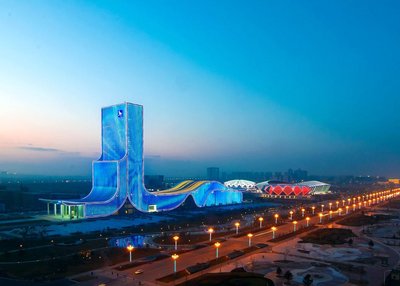



Frequently Asked Questions about Traveling to Tangshan
Questions You Might Need to Know About Traveling to Tangshan
Tangshan Overview
City Summary
Tangshan is a major industrial city in Hebei Province with rich historical and cultural heritage. Known as the cradle of China's modern industry, it is famous for its steel production and ceramics manufacturing. The Tangshan Earthquake Memorial and Nanhu Park showcase the city's remarkable resilience after the 1976 earthquake. Additionally, Tangshan's proximity to the Bohai Sea offers unique coastal scenery and seafood cuisine, making it a distinctive tourist destination in North China.
Must-See Attractions
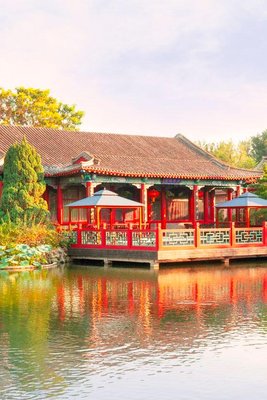
The Tangshan Earthquake Memorial documents the history of the 1976 earthquake and the city's reconstruction, essential for understanding its spirit. Nanhu Park, transformed from a coal mining subsidence area, is a beautiful ecological park ideal for leisurely walks. History enthusiasts should visit the Eastern Qing Tombs, a significant part of the Qing Dynasty imperial tombs. The Tangshan Ceramics Museum showcases the region's long-standing ceramic art, while the Kailuan National Mine Park offers an immersive coal mining cultural experience.
Food Guide
Tangshan's cuisine is renowned for its seafood and local snacks. Mantis shrimp, blue crabs, and oysters are local seafood favorites, best enjoyed fresh at seafood markets. Among street foods, don't miss donkey meat burgers (crispy bread stuffed with braised donkey meat) and Tangshan焖子 (a cold mung bean jelly dish). Additionally, Tangshan's sesame candy and honey twists are popular sweets.
Transportation Guide
Tangshan has convenient public buses covering major attractions at low fares. Taxis cost 8 RMB for the first 3 km, suitable for short trips. For distant sites like the Eastern Qing Tombs, renting a car or joining a tour is recommended. Recently, Subway Line 1 opened, connecting the railway station to downtown. From Beijing, take a high-speed train (~1 hour) or long-distance bus (~2 hours). Roads are wide but may get congested during rush hours.
Best Time to Visit
April to October is the best time to visit, with mild weather for outdoor activities. Summer (June-August) is hot but ideal for seafood feasts; autumn (September-October) is cool and perfect for historical sites. Winters are cold but less crowded.
Travel Tips
- Maintain solemnity at the Earthquake Memorial to honor victims.
- Check seafood freshness at reputable restaurants.
- The local dialect differs from Mandarin—use translation apps if needed.
- Sun protection in summer and warm clothing in winter are essential.
- Request purchase certificates for ceramics to ensure quality.
- Bring water and snacks when visiting suburban attractions like the Eastern Qing Tombs.
Useful Information
Language: Mandarin is widely used; some elders speak the Tangshan dialect. Internet: 4G/5G coverage citywide; free Wi-Fi in major venues. Payment: Mobile payments (WeChat/Alipay) dominate, but carry some cash. Healthcare: Tangshan has several top-tier hospitals (e.g., Tangshan Workers' Hospital) with limited English services. Emergency: Police 110; ambulance 120. Voltage: 220V, Type A/C plugs. Tipping: Not customary, but acceptable in upscale venues.