Hotels in Tara
Discover your perfect stay in Tara.
Tara(Japan) Travel 2026: Cheap Flights, Hotels & Top Attractions
Popular Landmarks in Tara
Discover the most iconic attractions in Tara
Recommended Hotels in Tara
Find the perfect place to stay in Tara
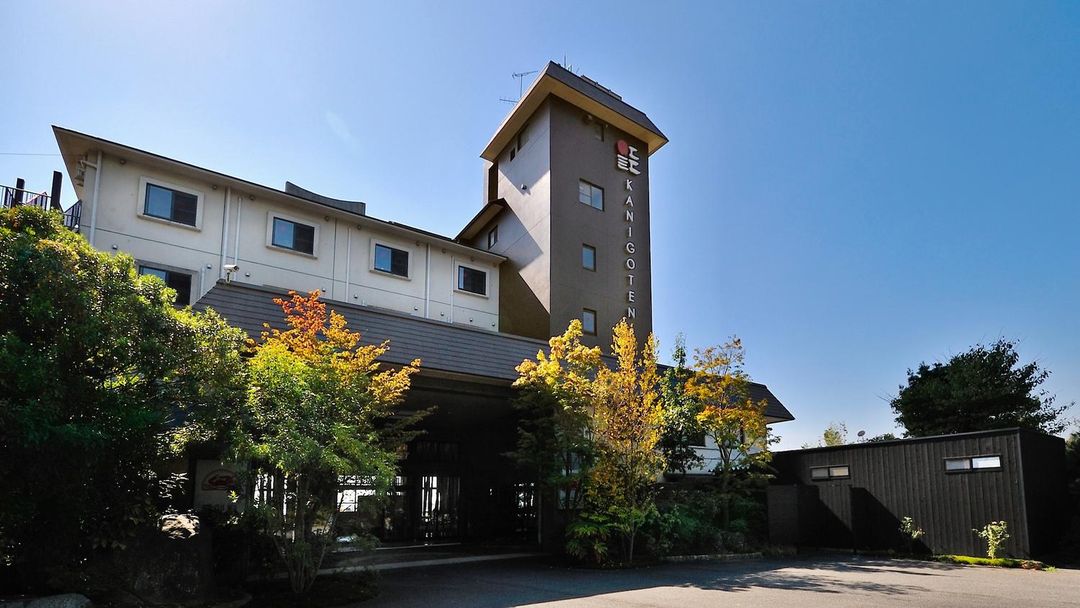
Kanigoten
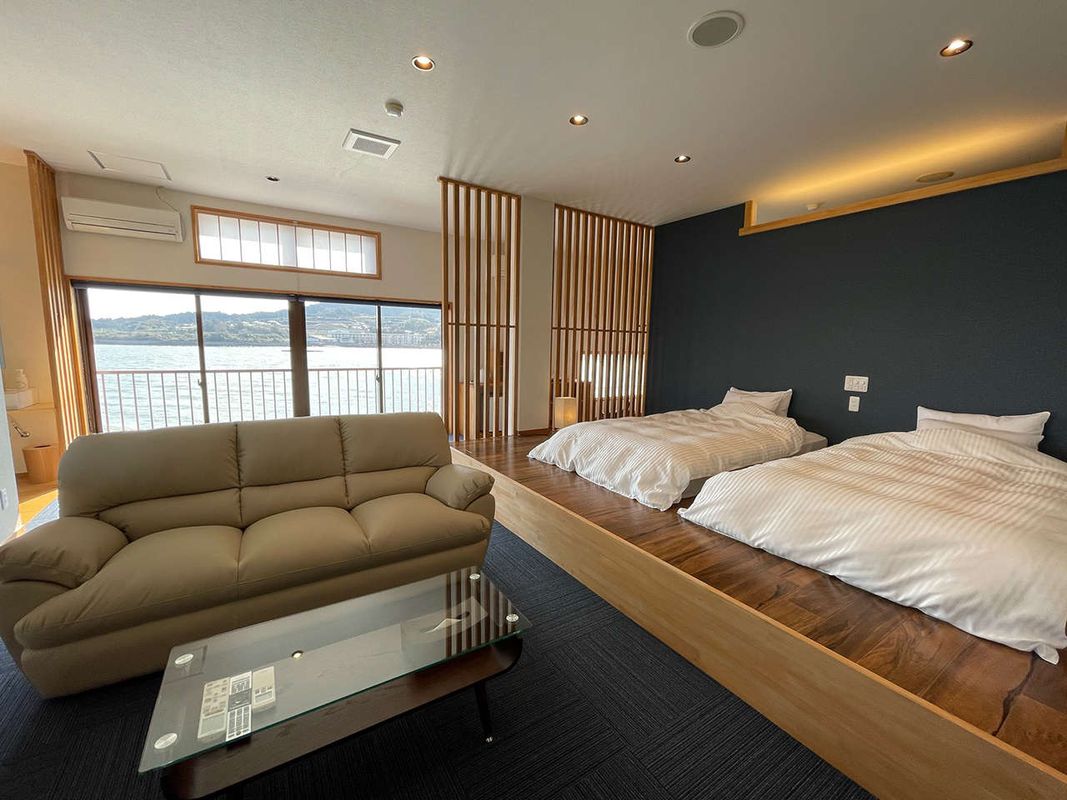
Tara Kanko Hotel
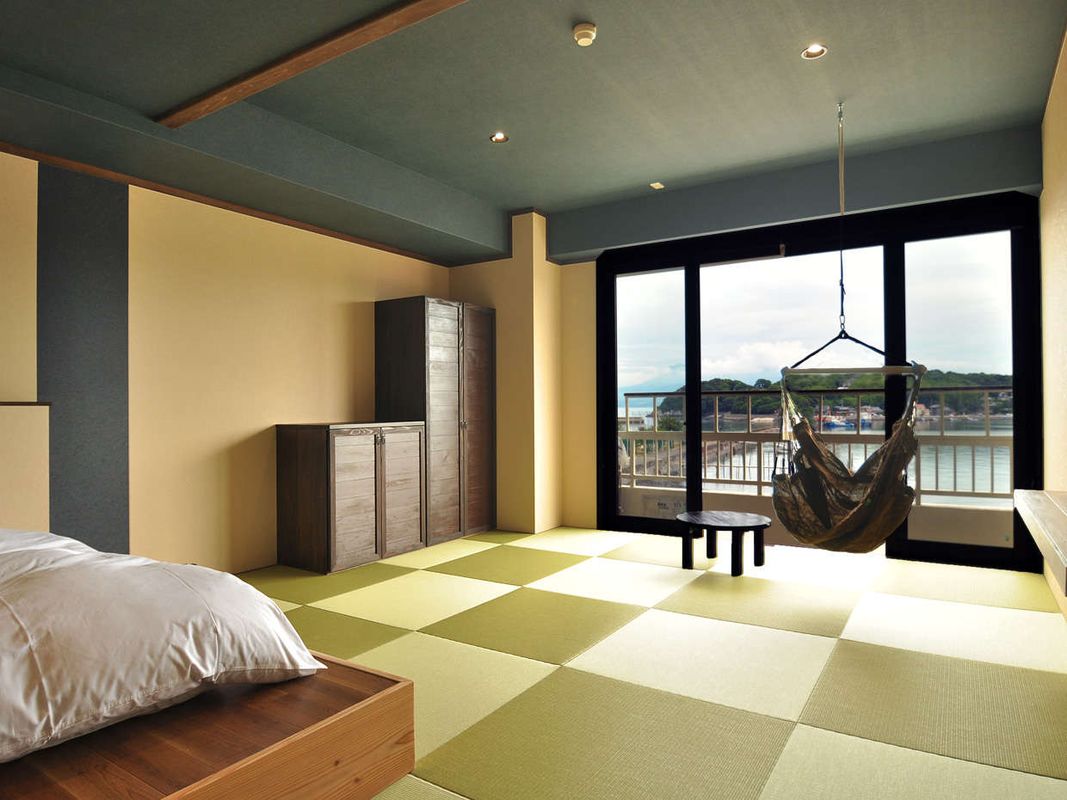
Ryokan Tsurusou
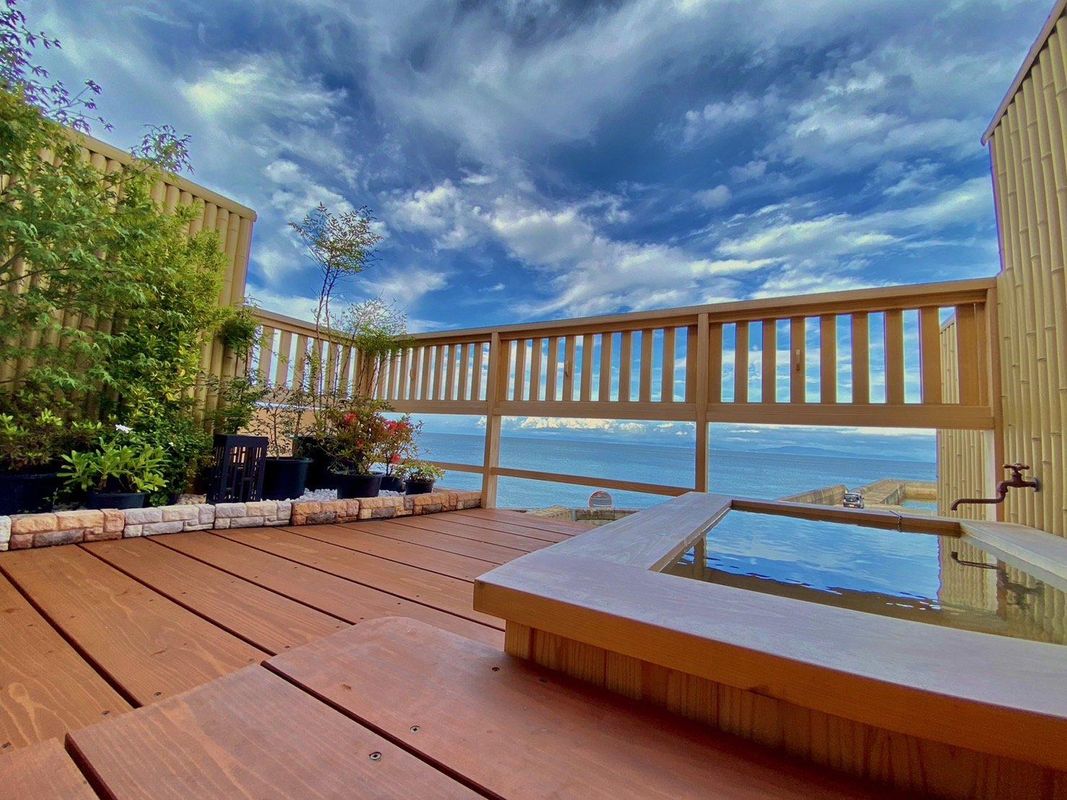
Hoshifururotentokanimabushi Hoyoso
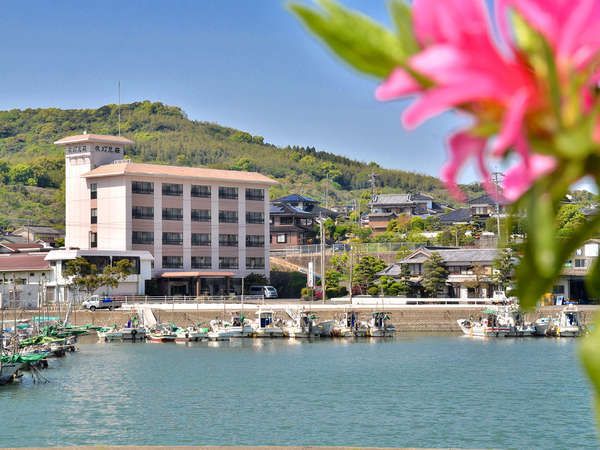
Yatomisou
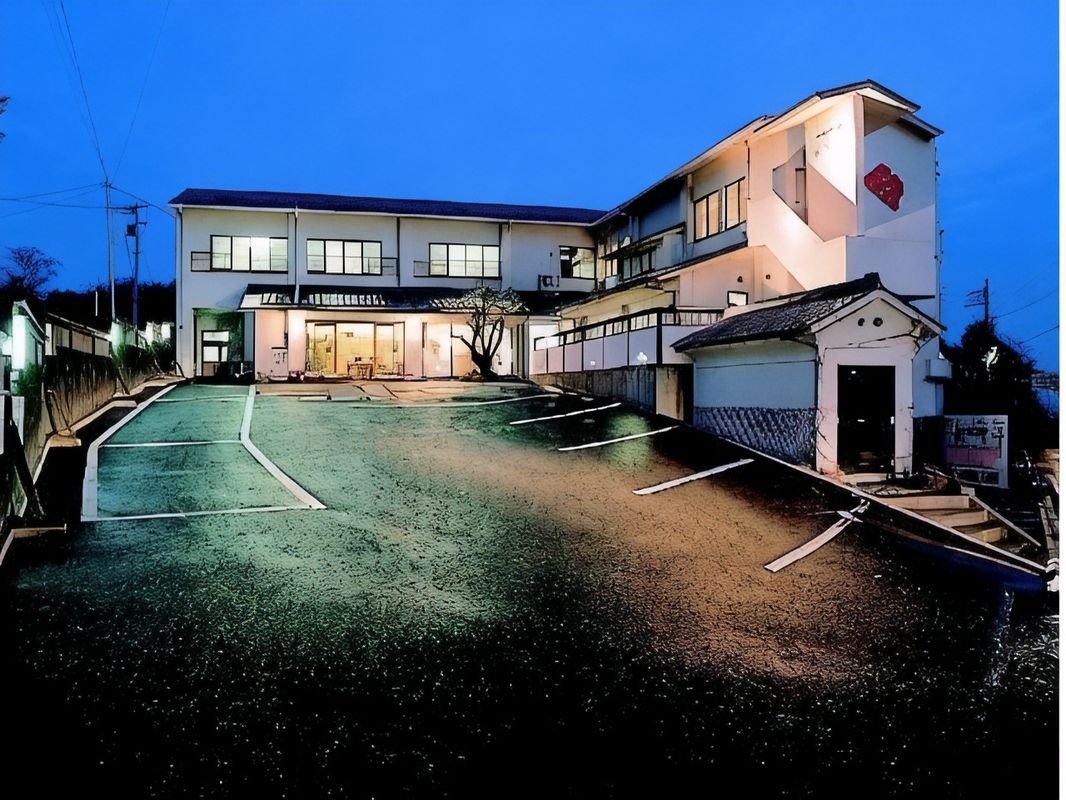
Umezakitei
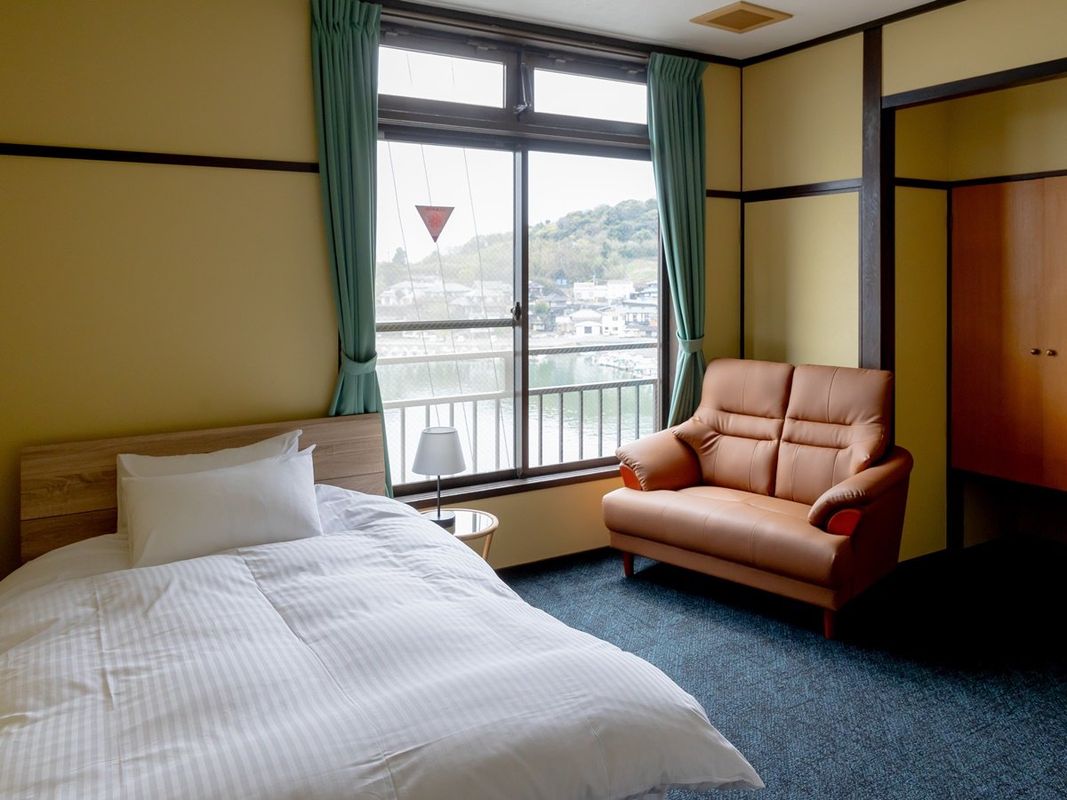
Ichifukuso
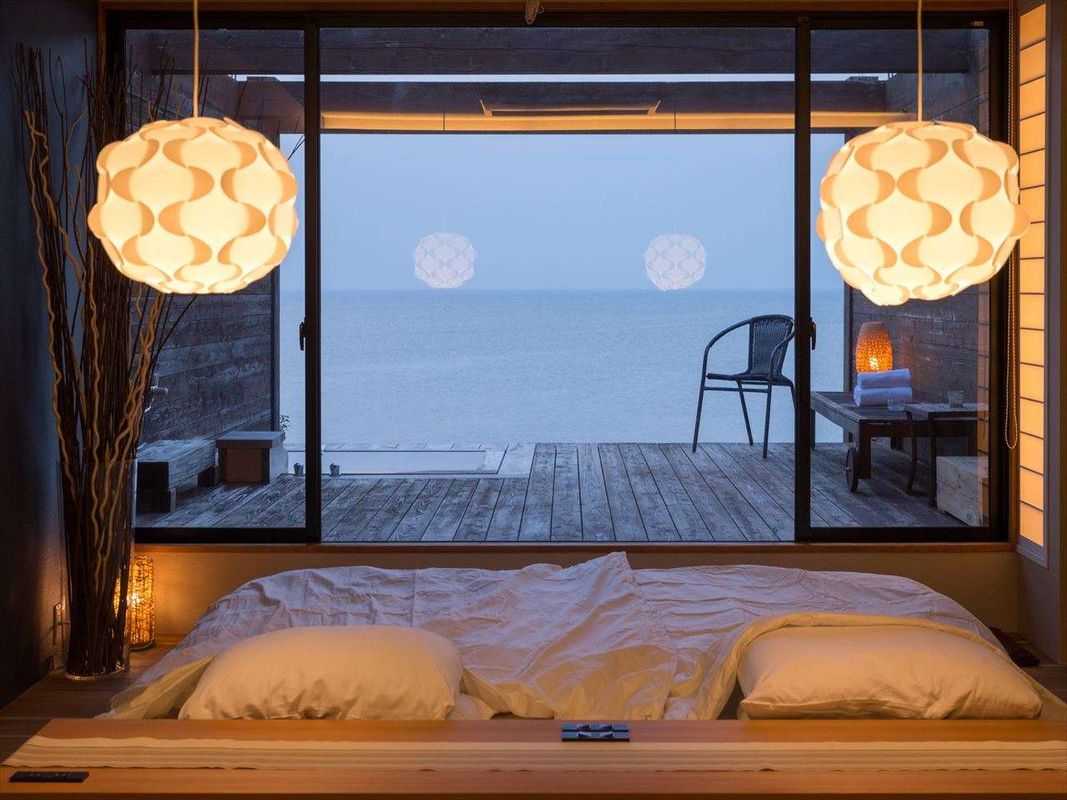
Kaijyoukan
Best Hotels in Tara
Discover curated hotel collections in Tara
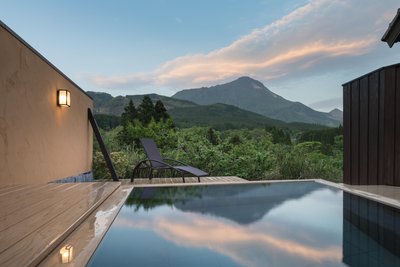
Ikkoten
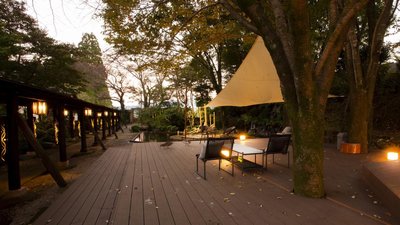
Chikurakutei
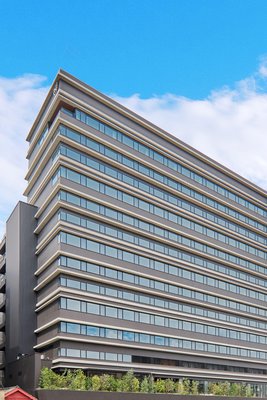
The Royal Park Canvas Fukuoka Nakasu
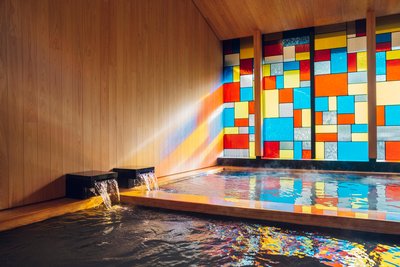
Hoshino Resorts Kai Unzen
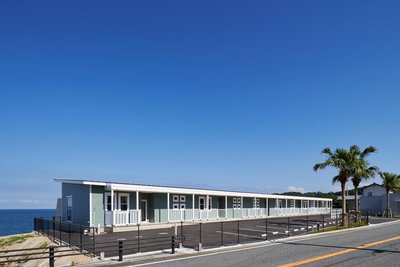
Alfacio Resort Stay Itoshima
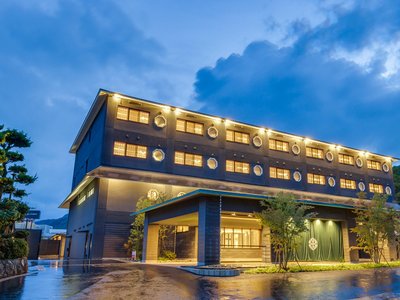
Ureshino Yadoya

seven x seven itoshima
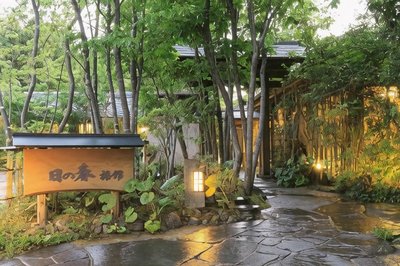
Yufuin Onsen Hinoharu Ryokan
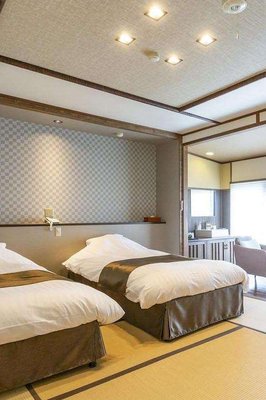
Sozankyo
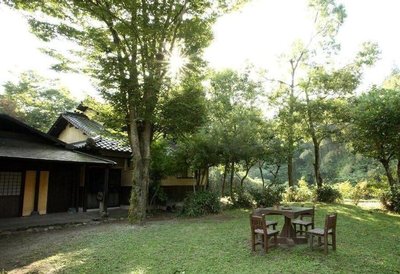
Yamashinobu
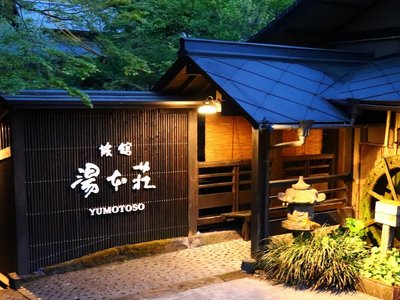
Ryokan Yumotosou
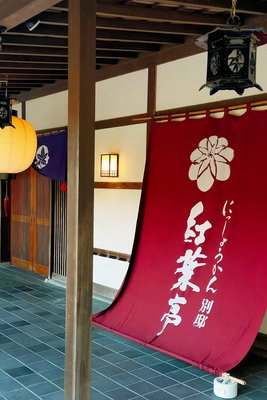
Nisshokan Bettei Koyotei
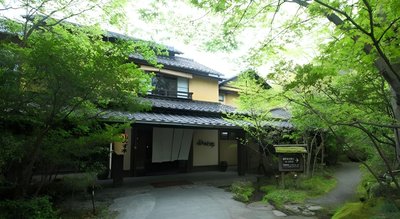
Kurokawaonsen Yamamizuki

Garden Terrace Nagasaki Hotel & Resort
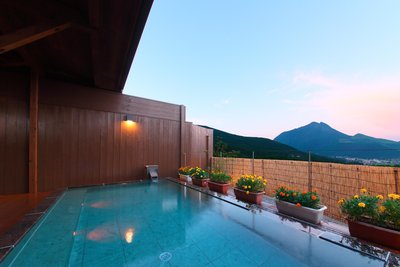
Asagirinomieru Yado Yufuin Hanayoshi

Bansyoukaku Shikishima
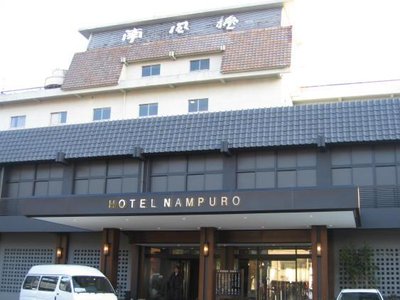
Hotel Nampuro
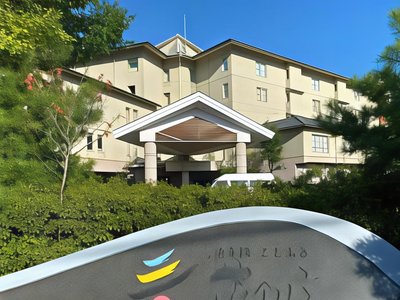
Yufuin Kotobuki Hananosho
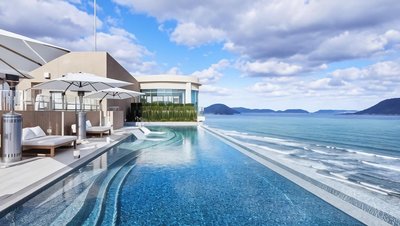
Karatsu Seaside Hotel
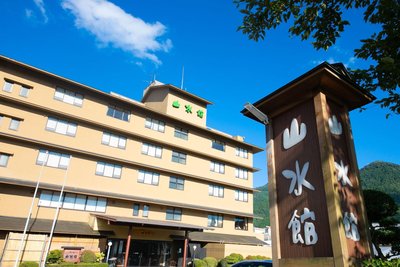
Yufuin Sansuikan
Ikkoten
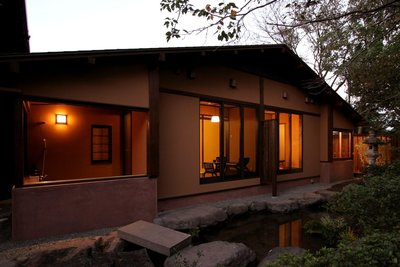
SEKIYA RESORT Bettei Haruki
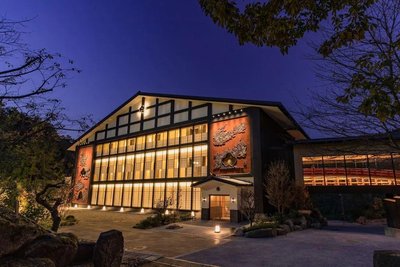
Okuhita Onsen Umehibiki
Yufuin Onsen Hinoharu Ryokan
Sozankyo
Yamashinobu
Kurokawaonsen Yamamizuki
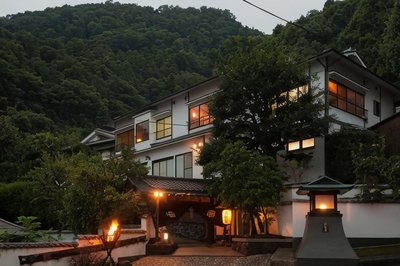
Beppu Showaen
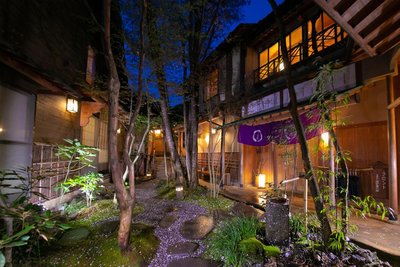
Oyado Ichizen
Asagirinomieru Yado Yufuin Hanayoshi
Yufuin Kotobuki Hananosho
Yufuin Sansuikan
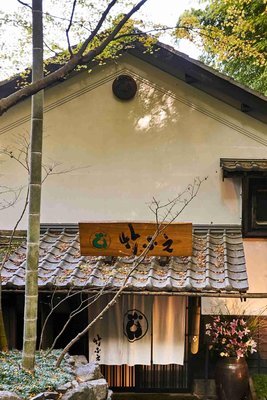
Hikyou Shirakawagensen Sansou Takefue
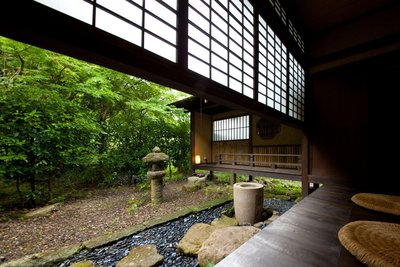
Yufuin Gettouan
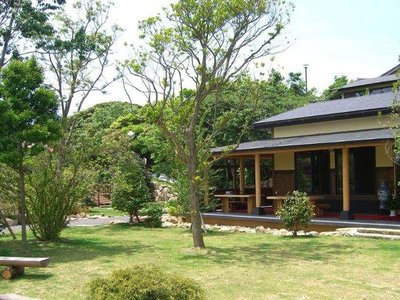
Saigetsuan
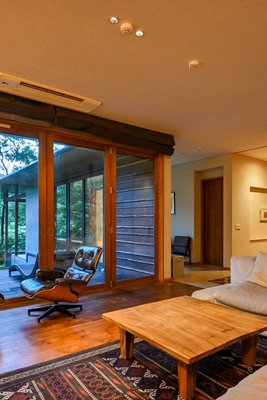
Oita kokonoe Kuoritei
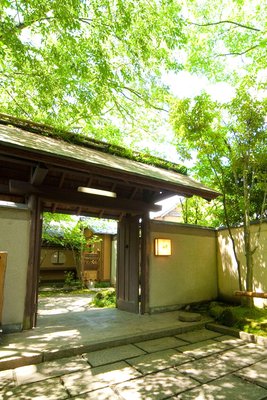
Kutsurogi-No-Yado Nanakawa
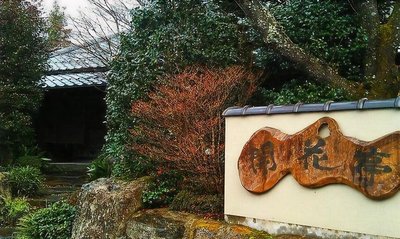
Oyado Kaikatei Ryokan
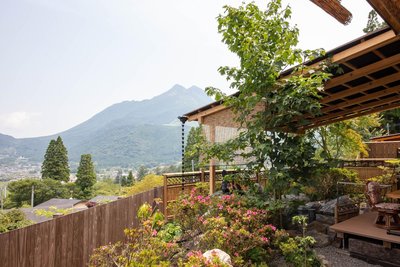
Yufuin-Sanso Waremokou
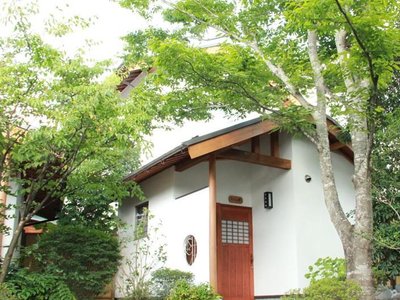
Oyado Sakuratei

Sheraton Kagoshima
Okuhita Onsen Umehibiki

Nagasaki Marriott Hotel

Hotel Indigo Nagasaki Glover Street by IHG

Stadium City Hotel Nagasaki

ONE FUKUOKA HOTEL
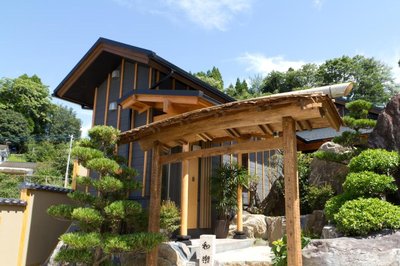
Ryokan Shinsen
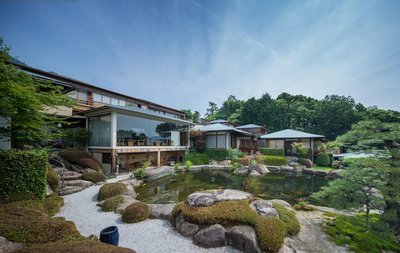
SEKITEI
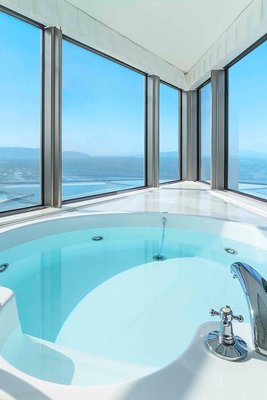
Hilton Fukuoka Sea Hawk

Olive Bay Hotel
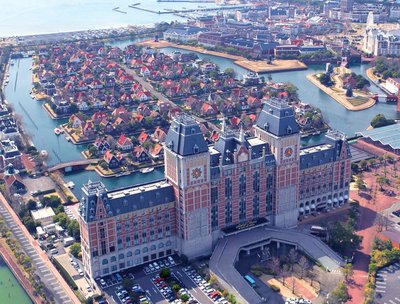
Hotel Okura Jr Huis Ten Bosch

La Vista Kirishima Hills

Hotel Amsterdam Huis Ten Bosch

Yumotoankiyohime
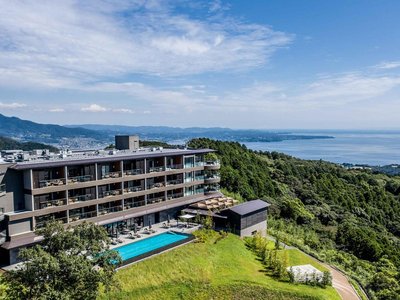
Ana InterContinental Beppu Resort & Spa
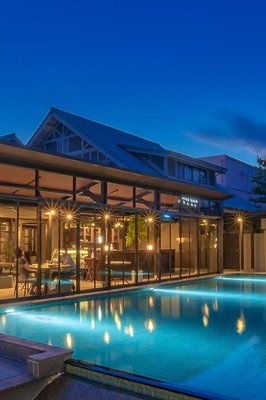
Amane Resort Gahama

Phoenix Seagaia Ocean Tower

Grand Hyatt Fukuoka

Hotel Europe Huis Ten Bosch
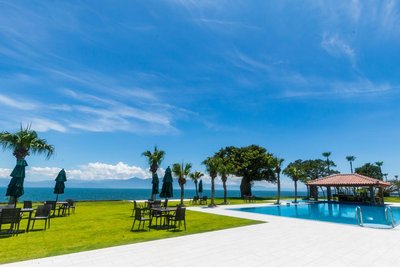
Kagoshima Sunamushi Onsen Ibusuki Hakusuikan
Garden Terrace Nagasaki Hotel & Resort

Holiday Inn Resort Miyazaki
Yufuin Kotobuki Hananosho
Karatsu Seaside Hotel
Yufuin Sansuikan

Kinsuikan
Yufuin-Sanso Waremokou
Ana InterContinental Beppu Resort & Spa
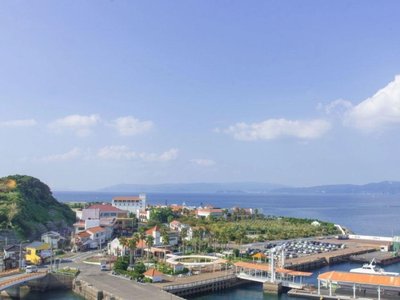
I+Land Nagasaki

The OneFive Villa Fukuoka
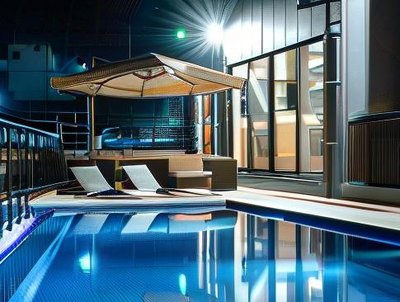
LiVEMAX RESORT MIYAHAMA ONSEN OCEAN
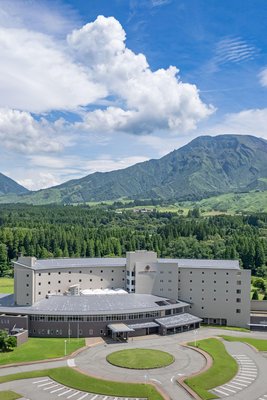
KAMENOI HOTEL ASO
Amane Resort Gahama

SEKIYA RESORT GALLERIA MIDOBARU

Beppu Suginoi Hotel
Phoenix Seagaia Ocean Tower
Kagoshima Sunamushi Onsen Ibusuki Hakusuikan
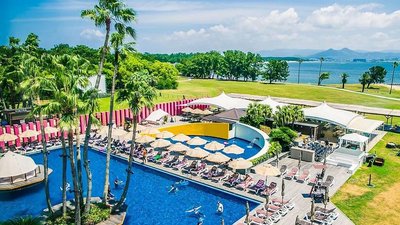
The Luigans Spa and Resort
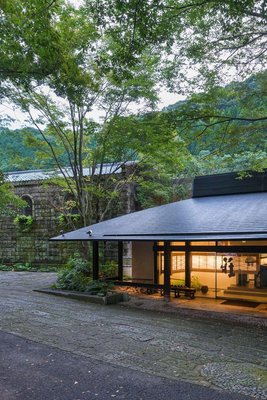
Myoken Ishiharaso

SHIROYAMA HOTEL kagoshima
Ryokan Shinsen
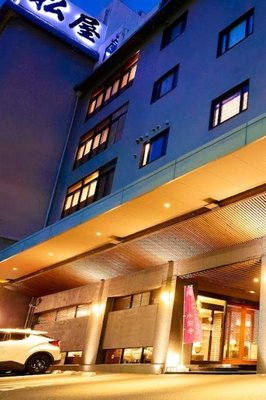
Ryotei Matsuya Honkan Suizenji
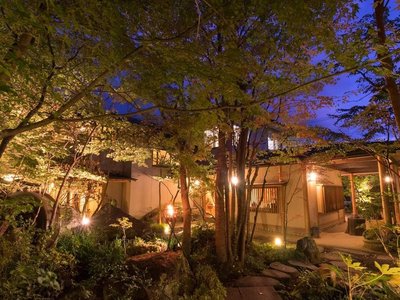
Ryoso Yufuin Yamadaya
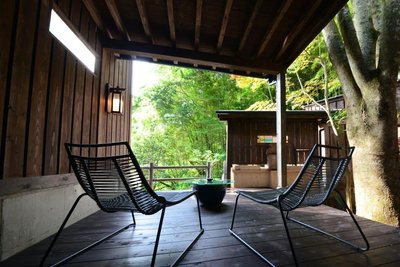
Sanso Tensui
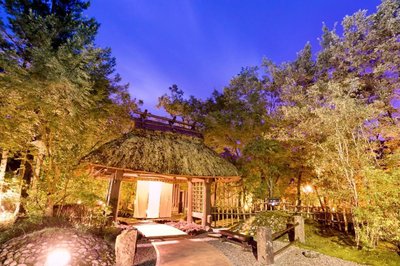
Satonoyu Waraku
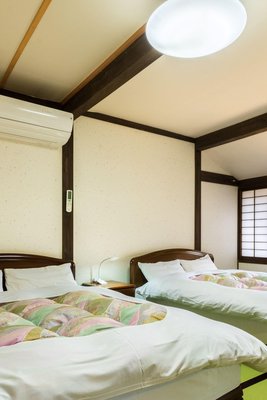
Tobise Onsen Tenga Sanso
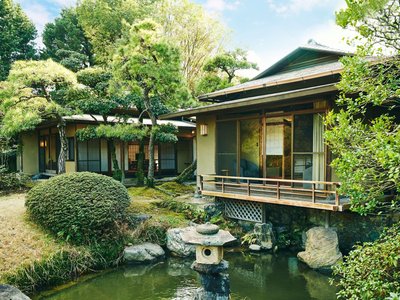
Suisui Garden Ryokan (in the Art Hotel Kokura New Tagawa)
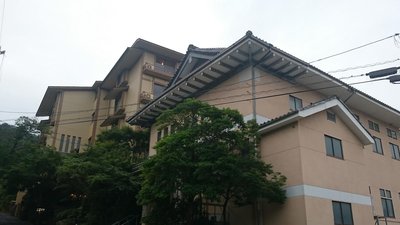
Miyajima Hotel Makoto
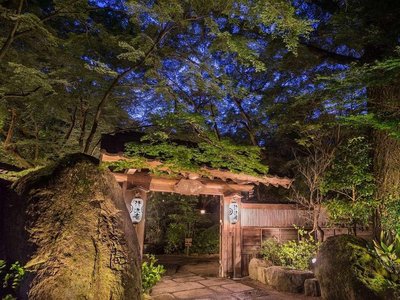
Akizuki Spa Ryokan Seiryuan
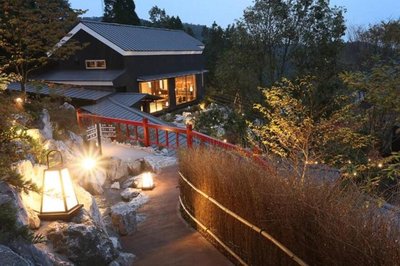
Gekkoju Kurokawa
Frequently Asked Questions about Traveling to Tara
Questions You Might Need to Know About Traveling to Tara
In Tachibana Town, the top choice for families is Ryokan Suzunoki, a traditional Japanese inn nestled beside the Tachibana River. This family-run property offers spacious, tatami-mat rooms with private outdoor onsen baths and features a dedicated children’s activity corner with pottery workshops and rice-paddy tours. The inn serves farm-to-table meals using fresh local ingredients, including seafood from Tachibana Bay.
Another excellent option is Sea Breeze Cottage, a converted farmhouse with a garden courtyard and sea-view veranda. It provides easy access to the Tachibana Wetland Nature Reserve and Marine Park, perfect for nature-loving families. Both accommodations emphasize sustainability and cultural immersion, offering seasonal events like miso-making classes and nighttime stargazing sessions under clear skies.
The best area for both sightseeing and lodging in Tachibana Town is the Tachibana Riverfront Zone, located just steps from the Tachibana Port and Wetland Nature Reserve. This district hosts several boutique ryokans and guesthouses, such as Yamato-no-Yado, which combines modern comfort with traditional Japanese design and offers panoramic views of the river delta.
Guests can easily walk to the Tachibana Marine Park, where they can explore tidal pools and observe migratory birds. The area also features the Tachibana Cultural Center, hosting exhibitions on local fishing traditions and salt farming. With its peaceful ambiance, proximity to nature, and access to seasonal festivals like the Sea Festival, this zone delivers a rich, immersive experience for travelers seeking authenticity.
Visitors to Tachibana Town can participate in several authentic cultural experiences. Join a guided wetland eco-tour to learn about the region’s rare saltwater marsh ecosystem and observe endangered birds like the Black-faced Spoonbill. At the Tachibana Craft Workshop, try your hand at Sōgaku indigo dyeing, a centuries-old technique using locally grown plants.
For a deeper connection, spend a morning with local fishermen aboard a traditional boat, learning about sustainable harvesting methods before enjoying a fresh seafood breakfast. Don’t miss the Tachibana Sea Festival, held annually in spring, featuring folk dances, lantern processions, and a grand fireworks display over the bay—offering a vibrant celebration of maritime heritage.
For couples seeking a romantic retreat, Tachibana Onsen Ryokan "Tsukimi-tei" stands out with its secluded, all-private rooms featuring outdoor hot springs and floor-to-ceiling windows facing the river. Each suite includes a candlelit dinner prepared with local seafood and seasonal vegetables, served in a private garden setting.
The ryokan also offers bespoke services: evening tea ceremonies, couple’s massage treatments, and sunrise photography sessions by the wetlands. For ultimate privacy, consider Hikari-no-Ie, a minimalist villa hidden in the hills above the town, accessible only by footpath. Its open-air bath overlooks the valley, making it perfect for intimate moments under starry skies.
Tachibana Town’s culinary highlight is its fresh seafood, especially Tachibana Bay scallops—delicately grilled or served raw with citrus. Another specialty is Sōgaku blue carp, marinated in local miso and pan-fried to golden perfection. Don’t miss "Umami no Kaze", a regional sake brewed with seawater and native rice, offering a subtle briny finish.
At the Tachibana Morning Market, visitors can pick up freshly caught fish and have them prepared on-site. Try the Tachibana Set Meal at Kai no Sato Restaurant, which includes a whole scallop, steamed rice, pickled vegetables, and a small bowl of miso soup. Local farmers’ markets every Saturday also feature organic Saga onions, fermented tofu, and handmade rice crackers.
Tachibana Town boasts one of Japan’s most ecologically significant saltwater marshes, part of the East Asian-Australasian Flyway. This dynamic wetland system supports over 20 species of migratory birds, including the globally endangered Black-faced Spoonbill and Great Knot.
The interplay between freshwater from the Tachibana River and tidal influx from the Pacific creates a rich habitat for crabs, shellfish, and rare plant life. The Tachibana Nature Conservation Center offers educational tours explaining conservation efforts and the importance of preserving this fragile balance. Visitors can take a guided paddleboat tour through the reed beds, spotting wildlife up close while learning about sustainable coastal management.
Recommended hiking trails in Tachibana Town include the Tachibana River Delta Trail, a 5-kilometer path winding through reed fields, mudflats, and artificial mangroves. Along the way, you’ll find birdwatching platforms and informative signage about local ecology.
Another must-visit is the Mount Tachibana Trail, leading from Tachibana Shrine to a 180-meter summit. The trail passes through ancient forests and moss-covered rocks, offering sweeping views of the bay and surrounding farmland. The hike takes about 90 minutes and is best done in the early morning or late afternoon to avoid midday heat. Well-marked rest stops provide water and shaded seating, making it accessible for most hikers.
Top photo spots in Tachibana Town include the Tachibana River Delta at sunrise, where light glints off the silver mudflats, creating a surreal, reflective landscape perfect for long-exposure shots. The Red Lighthouse at Tachibana Port offers a striking contrast against the sea and sky, ideal for vintage-style photography.
The "Kai no Omoide" Art Village, housed in a repurposed school building, features large-scale murals of marine life and driftwood sculptures—perfect for creative compositions. The Tachibana Bridge provides a dramatic perspective of people crossing above the river, framed by distant mountains. Bring a wide-angle lens to capture the expansive scenes and golden-hour lighting that define this tranquil coastal gem.
Tachibana Town is accessible via prefectural roads (Saga Prefecture Route 27), connecting to Saga City and Karatsu City in about 30–40 minutes by car. The nearest train station is Saga Station, served by JR Kyushu lines, with a 50-minute ride from Fukuoka (Hakata).
Local buses run daily from Saga Station to Tachibana Town Bus Terminal, though frequency is limited. For convenience, renting a car or using the Japan Rail Pass is recommended. The Tachibana Port also offers ferry service to Iki Island, appealing to island-hopping travelers. Despite low public transit frequency, attractions are compact and walkable, enhancing overall accessibility.
Tachibana Town has a humid subtropical climate with hot, humid summers (average 30°C) and mild winters (around 5°C). The best time to visit is spring (March–May) and autumn (September–November), when temperatures are pleasant, humidity is lower, and migratory birds are present for optimal wildlife viewing.
Summer brings high heat and humidity, along with the rainy season (June–early July), which may disrupt outdoor plans—pack rain gear and schedule indoor activities. Winter is quiet but ideal for peaceful visits, with fewer crowds and opportunities to enjoy hot springs and warm dishes like kaiseki cuisine. Plan around these seasonal patterns for a more enjoyable and fulfilling experience.
Tara Overview
City Summary
Tara Town is a coastal town in the southern part of Saga Prefecture, Japan, renowned for its hot springs and seafood. It is particularly famous for its Takesaki crab and Yobiko squid. The town boasts abundant hot spring resources, with many ryokans offering comfortable accommodations. Additionally, Tara Town's natural scenery is captivating, especially the sunset views by the sea, which attract numerous visitors.
Must-See Attractions
The main attractions in Tara Town include Takesaki Onsen, known for its skin-beautifying hot springs. Tara Beach is a great spot for swimming and sunbathing in the summer, while Yobiko Port is the perfect place to enjoy fresh seafood. Additionally, Tara Town Fisherman's Fire Park lights up with fishing fires at night, creating a romantic atmosphere.
Food Guide
Tara Town's cuisine is dominated by seafood, with Takesaki crab and Yobiko squid being must-try local specialties. Seafood rice bowls and squid sashimi are also popular dishes among visitors. Many ryokans serve kaiseki meals featuring fresh seafood, allowing guests to enjoy both the hot springs and delicious food.
Transportation Guide
Transportation in Tara Town primarily relies on buses and driving. It takes about an hour by bus from Saga City to reach Tara Town. If driving, you can take National Route 207. The town's attractions are relatively close to each other, making walking or cycling convenient options.
Best Time to Visit
The best time to visit Tara Town is during spring and autumn, when the weather is mild and ideal for outdoor activities. Summer can be hot but is perfect for beachgoers, while winter is the peak season for crab dishes.
Travel Tips
- Etiquette: Follow local hot spring etiquette, such as washing your body before entering the bath.
- Safety: Be aware of tidal changes when swimming at the beach to avoid dangers.
- Food: Check for seafood allergies before trying local dishes.
- Eco-friendliness: Avoid littering on beaches or in natural areas to keep the environment clean.
- Language: While some ryokans and restaurants may offer English services, learning a few basic Japanese phrases can help with communication.
Useful Information
Language: The primary language in Tara Town is Japanese, though some ryokans and restaurants may offer English services. Internet: Free Wi-Fi hotspots are available in town, but coverage may be limited, so consider bringing a mobile network. Payment: Most restaurants and shops accept credit cards, but some smaller establishments may only take cash. Emergency: Tara Town has medical clinics, but for serious cases, it's advisable to go to a hospital in Saga City. Voltage: Japan uses 100V voltage with two-pin plugs, different from Hong Kong, so bring an adapter if needed.