Hotels in Taragi
Discover your perfect stay in Taragi.
Taragi(Japan) Travel 2026: Cheap Flights, Hotels & Top Attractions
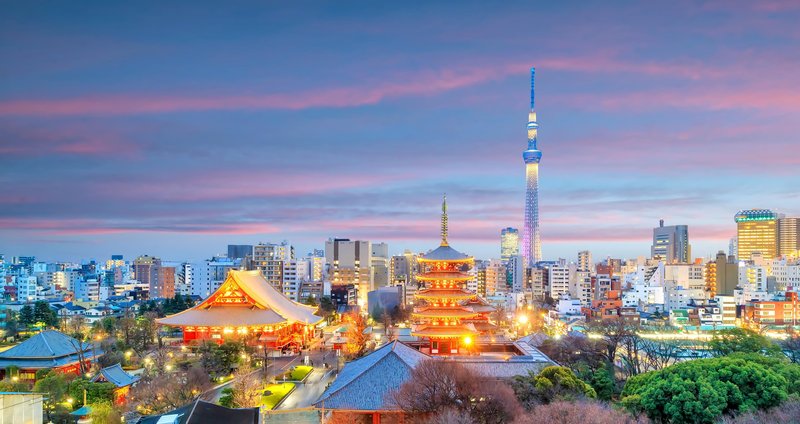
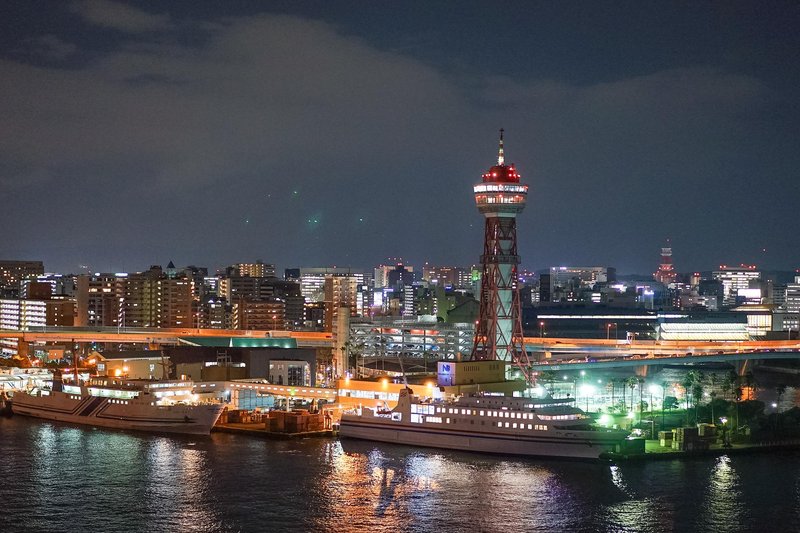
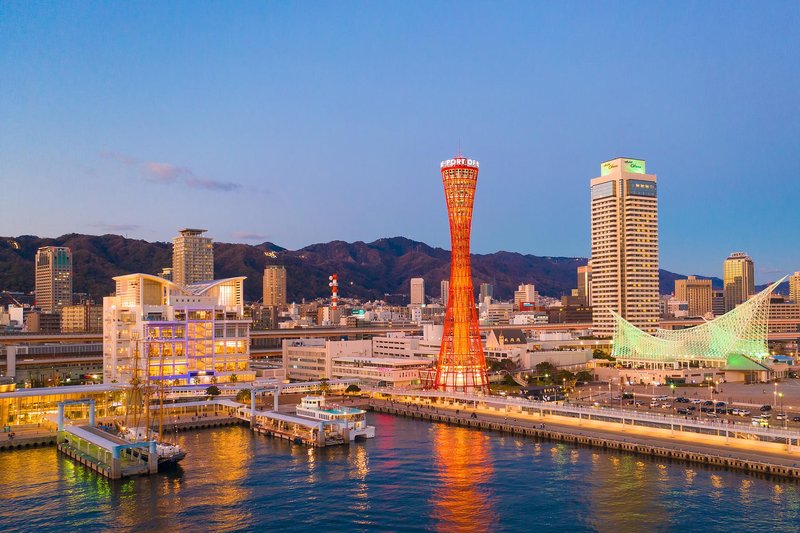
Popular Landmarks in Taragi
Discover the most iconic attractions in Taragi
Recommended Hotels in Taragi
Find the perfect place to stay in Taragi
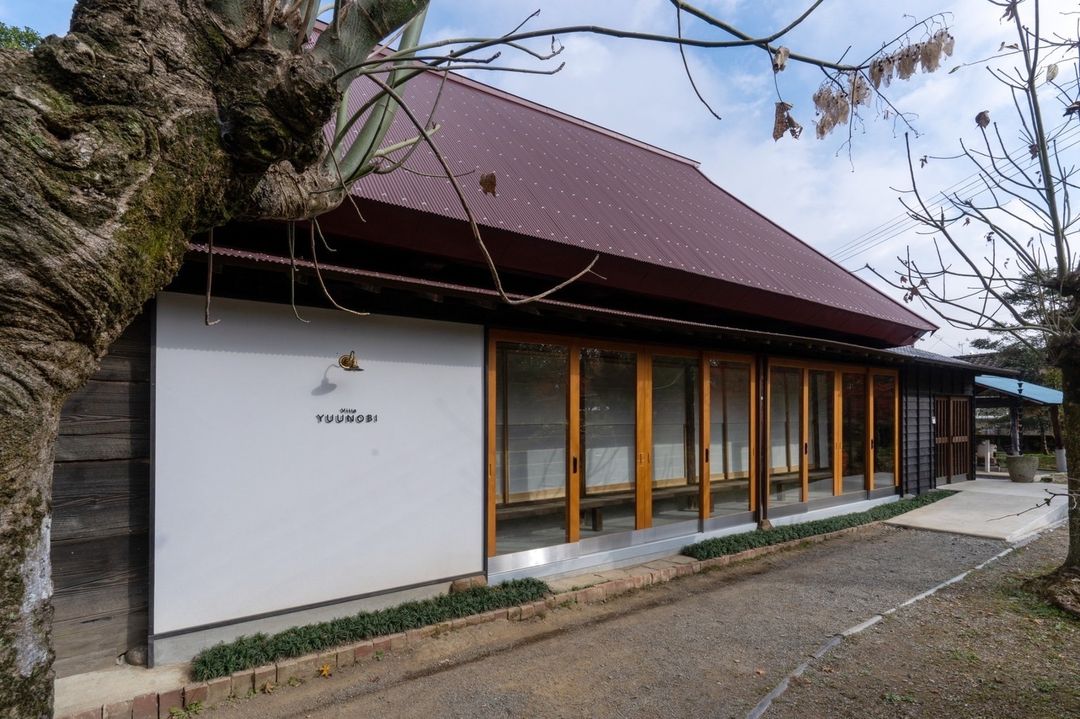
Villa Yuunobi in Tarakiya
Best Hotels in Taragi
Discover curated hotel collections in Taragi

Garden Terrace Nagasaki Hotel & Resort

Holiday Inn Resort Miyazaki

Yufuin Kotobuki Hananosho

Karatsu Seaside Hotel
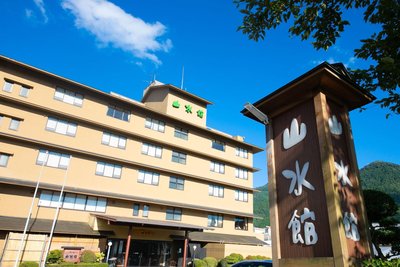
Yufuin Sansuikan

Kinsuikan
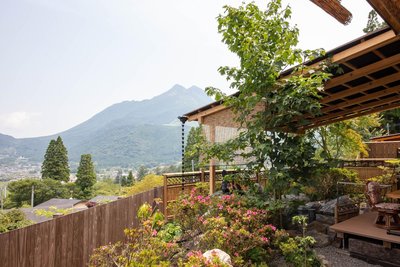
Yufuin-Sanso Waremokou
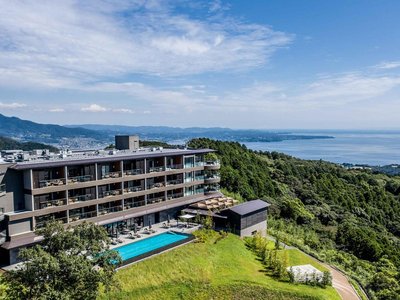
Ana InterContinental Beppu Resort & Spa
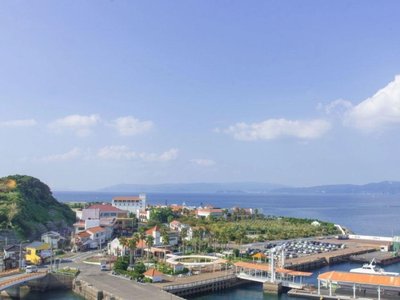
I+Land Nagasaki

The OneFive Villa Fukuoka
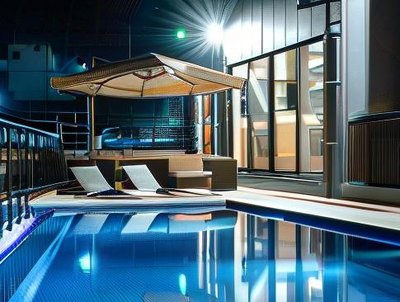
LiVEMAX RESORT MIYAHAMA ONSEN OCEAN
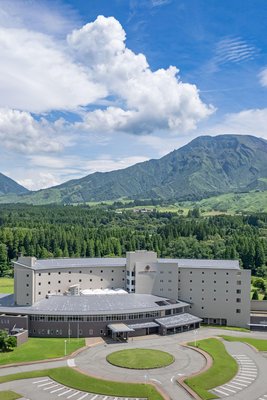
KAMENOI HOTEL ASO

Amane Resort Gahama

SEKIYA RESORT GALLERIA MIDOBARU

Beppu Suginoi Hotel

Phoenix Seagaia Ocean Tower
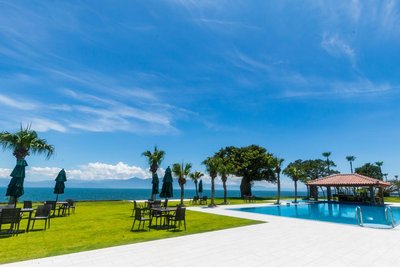
Kagoshima Sunamushi Onsen Ibusuki Hakusuikan
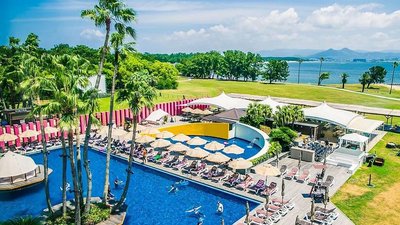
The Luigans Spa and Resort
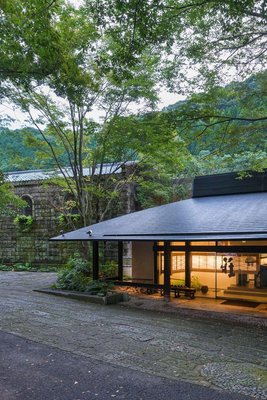
Myoken Ishiharaso

SHIROYAMA HOTEL kagoshima

Sheraton Kagoshima
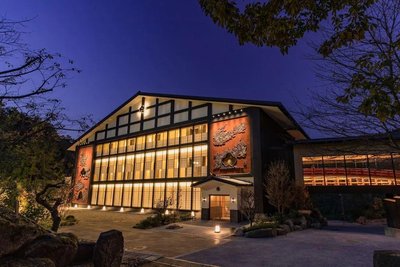
Okuhita Onsen Umehibiki

Nagasaki Marriott Hotel
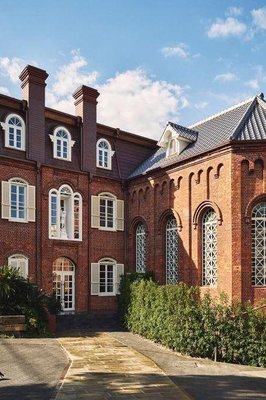
Hotel Indigo Nagasaki Glover Street by IHG

Stadium City Hotel Nagasaki

ONE FUKUOKA HOTEL
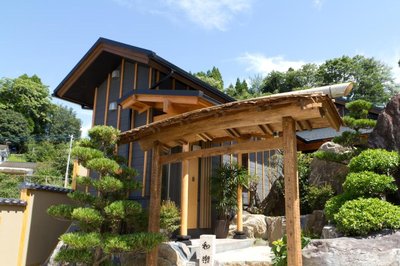
Ryokan Shinsen
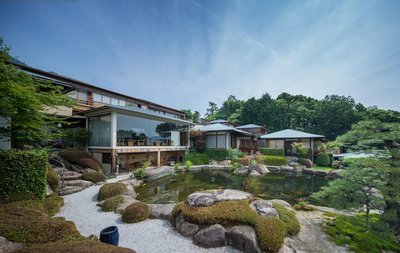
SEKITEI

Yamatoya Besso
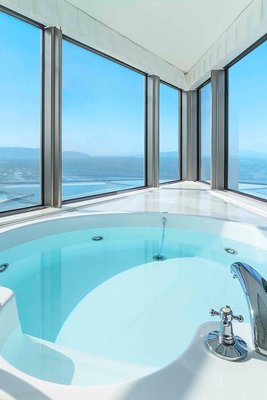
Hilton Fukuoka Sea Hawk

Olive Bay Hotel
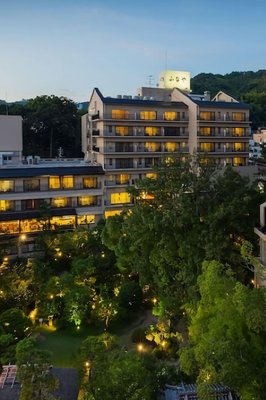
Funaya

Hotel Okura Jr Huis Ten Bosch

Bettei Oborozukiyo

La Vista Kirishima Hills

Hotel Amsterdam Huis Ten Bosch

Yumotoankiyohime
Ana InterContinental Beppu Resort & Spa
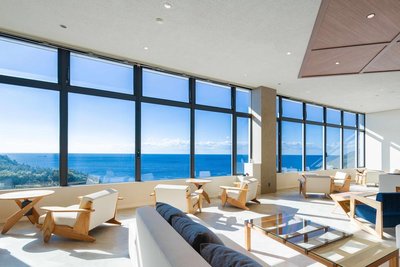
TheMana Village
Amane Resort Gahama

Hotel Barrière Fouquet's New York

The Plaza - A Fairmont Managed Hotel

The Ritz-Carlton New York, Central Park

Four Seasons Hotel New York

The St. Regis New York

Park Hyatt New York

Mandarin Oriental New York

Times Square Edition New York

Loews Regency New York Hotel

Lowell Hotel

New York Edition

Baccarat Hotel New York

Equinox Hotel New York

Four Seasons Hotel New York Downtown

The Langham, New York, Fifth Avenue

The Carlyle, A Rosewood Hotel

The Chatwal, in the Unbound Collection by Hyatt

The Mark New York

Trump International Hotel & Tower® New York

Casa Cipriani New York
Frequently Asked Questions about Traveling to Taragi
Questions You Might Need to Know About Traveling to Taragi
In Togakushi Village, the top traditional ryokan is Togakushi Onsen Ryokan, renowned for its authentic Japanese architecture and private open-air baths overlooking Mount Aso. Guests enjoy kaiseki meals featuring local mountain ingredients, while the staff offers personalized guidance on nearby hiking trails. Another excellent choice is Yamanoko Lodge, a rustic retreat nestled in the forest, offering organic breakfasts and guided nature walks. Both properties emphasize quiet, immersive experiences away from urban crowds.
The best area for accommodation in Togakushi Village is the onsen district, where most traditional ryokans and guesthouses are concentrated. This zone offers easy access to scenic spots like Oobayashi River Gorge and Shinto shrines, with free shuttle buses running to Aso Volcano Museum and highland pastures. The area’s peaceful atmosphere, combined with clean air and minimal light pollution, makes it ideal for relaxation and stargazing. Staying near the river or forest ensures a deeper connection with nature.
A must-do cultural experience in Togakushi Village is participating in a traditional pottery workshop at Togakushi Ceramics Studio, where visitors can craft unique pieces under expert guidance. The studio uses locally sourced clay and features motifs inspired by regional folklore. Additionally, the annual Yoiyake Matsuri Festival in autumn showcases vibrant performances including lion dances, taiko drumming, and illuminated lantern processions, reflecting the community’s deep spiritual bond with nature and ancestral traditions.
Togakushi Village’s hot springs are famous for their mild alkaline carbonated water, rich in minerals beneficial for skin health. The Ten no Yu Onsen is particularly renowned, offering open-air baths with panoramic views of Mount Aso. Some ryokans provide "forest healing baths" infused with herbal sachets and guided meditation, enhancing the therapeutic experience. These waters are believed to promote both physical well-being and mental clarity, embodying the essence of Japanese onsen culture.
Yes, Togakushi Village is highly suitable for family trips. The Aso Children’s Nature Park offers interactive activities such as insect hunting, plant collecting, and small-scale farming, encouraging kids to engage with nature. The Togakushi Public Library features a child-friendly reading corner and regular storytelling events. Many guesthouses, like Yama no Ie Inn, provide kid-sized cutlery, outdoor play areas, and family-friendly meal options, making it easy for parents to unwind while children explore safely.
Photography enthusiasts should visit Oobayashi River Gorge Trail, especially during early morning mist, when the river and rock formations create a natural frame perfect for landscape shots. Highland meadows in autumn turn crimson with maple leaves, ideal for wide-angle captures. For cultural photography, the restored old houses turned tea houses and artisan markets offer rich visual textures. The Yoiyake Matsuri Festival at dusk, with glowing lanterns and dancers, provides stunning long-exposure opportunities—bring a tripod and wide lens for best results.
Travelers should try Aso beef sukiyaki, made with grass-fed Aso beef known for its tender texture and rich flavor, served with local black bean sauce. Another highlight is mountain vegetable tempura, featuring seasonal greens like ferns and fuki-no-to. Don’t miss sweet potato desserts served at ryokans, often paired with homemade miso. At the Kita Village Market, pick up handmade persimmon dried fruit and local rice wine as authentic souvenirs.
Togakushi Village is accessible via Kyushu Bus from Kumamoto City, with 2–3 daily departures taking about 1 hour. Tickets accept Suica and other IC cards. Free shuttle buses connect major attractions like Aso Volcano Museum and highland pastures. For those driving, National Route 218 leads directly into the village, with clear signage; however, some roads are winding, so use GPS navigation and drive cautiously, especially in rainy conditions.
The best times to visit Togakushi Village are spring (March–May) and autumn (September–November). Spring brings cherry blossoms and mild weather, perfect for walking. Autumn transforms the gorge into a fiery red and gold tapestry, ideal for photography. Summer is cooler due to elevation, offering respite from heat, while winter brings snow, creating serene, fairy-tale landscapes—but be cautious of icy roads and limited transport.
For solo travelers, Shizukana Inn is an ideal choice—a secluded, minimalist lodge designed for introspection, featuring a shared reading room and meditation space. The Shrine Path Hiking Trail offers peaceful solitude along the river, with few visitors and calming sounds of nature. At night, head to the Stargazing Platform, far from light pollution, to gaze at the Milky Way. It’s a perfect destination for reflection, self-discovery, and reconnecting with nature.
Taragi Overview
City Summary
Taragicho, located in the southern part of Kumamoto Prefecture, Japan, is a tranquil town surrounded by nature. Known for its abundant hot spring resources and traditional Japanese rural charm, it is particularly suitable for travelers seeking relaxation and cultural experiences. The hot springs and traditional crafts are the core attractions, offering visitors a chance to enjoy authentic Japanese onsen culture and local handicrafts.
Must-See Attractions
Must-visit spots in Taragicho include Taragicho Onsen, renowned for its therapeutic hot spring waters. The Taragicho Historical and Folk Museum showcases the town's history and culture, providing insights into the region. For nature enthusiasts, the surrounding mountain trails offer excellent hiking opportunities with breathtaking views.
Food Guide
Taragicho's cuisine emphasizes local production for local consumption. Don't miss the region's specialty, horse meat dishes, a traditional Kumamoto delicacy. Additionally, onsen tamago (hot spring eggs) and handmade soba noodles are highly recommended. Local restaurants prioritize fresh, locally sourced ingredients.
Transportation Guide
Transportation in Taragicho relies mainly on buses and taxis. The town is about a 2-hour bus ride from Kumamoto City. Attractions within the town are within walking distance, and renting a bicycle is a good option. Check bus schedules in advance as services are infrequent. Drivers can use nearby parking lots, but note that some roads are narrow.
Best Time to Visit
The best times to visit are spring (March to May) and autumn (September to November), when the weather is pleasant for outdoor activities. Summers can be hot, and winters may bring snow, making hot springs especially enjoyable. Avoid peak Japanese holidays like Golden Week for a quieter experience.
Travel Tips
- Onsen Etiquette: Wash thoroughly before entering; swimsuits are prohibited.
- Cash Payments: Many places don't accept credit cards, so carry sufficient cash.
- Quiet Environment: Taragicho is known for its tranquility; keep noise levels low.
- Waste Disposal: Strictly follow recycling rules.
- Respect Local Culture: Observe shrine etiquette, such as washing hands and mouth.
- Comfortable Attire: Wear comfortable shoes as some attractions require walking.
Useful Information
Japanese is the primary language in Taragicho, with limited English proficiency; a translation app is recommended. Network coverage is good, but some mountainous areas have weak signals. Cash is the main payment method, though a few businesses accept credit cards. For medical emergencies, there are local clinics, but serious cases may require travel to larger hospitals in Kumamoto City. Travel insurance is advisable. The voltage is 100V, with Type A sockets, compatible with Taiwanese plugs; no adapter is needed.