Hotels in Taragi
Discover your perfect stay in Taragi.
Taragi(Japan) Travel 2026: Cheap Flights, Hotels & Top Attractions
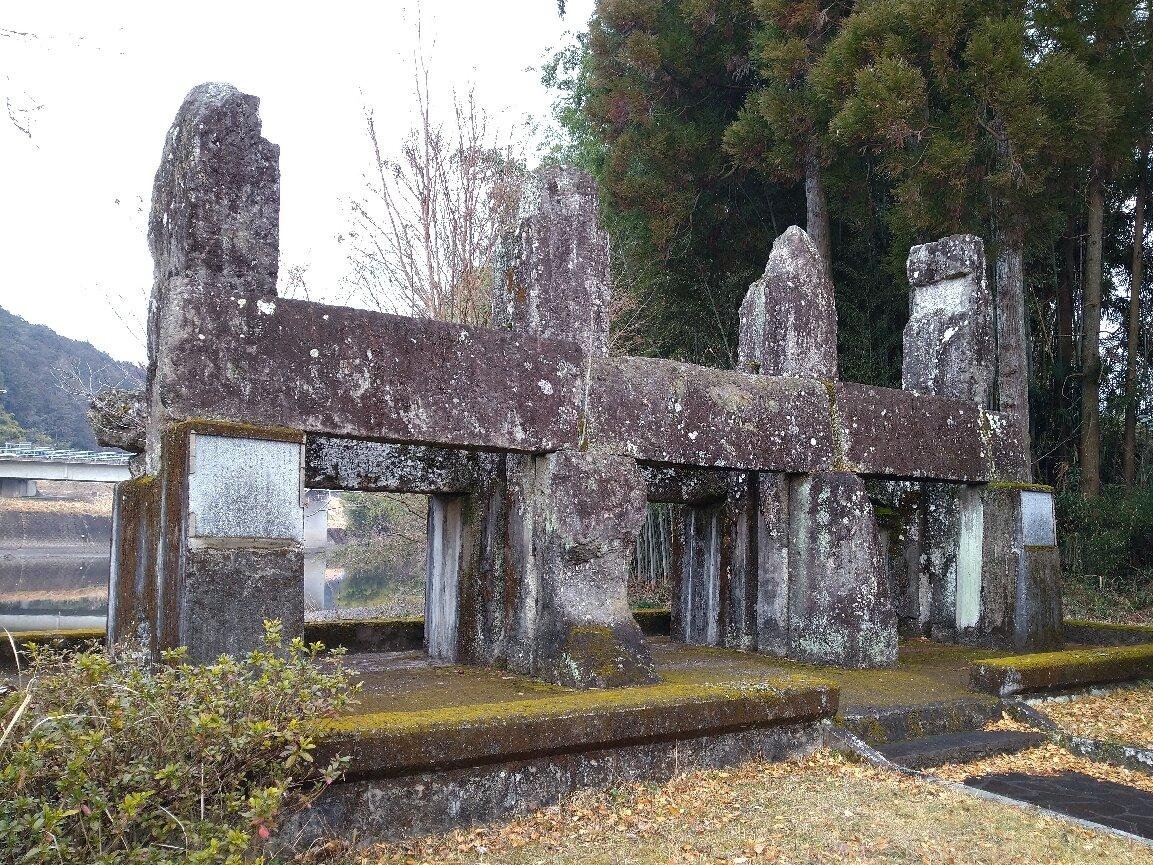
Popular Landmarks in Taragi
Discover the most iconic attractions in Taragi
Recommended Hotels in Taragi
Find the perfect place to stay in Taragi
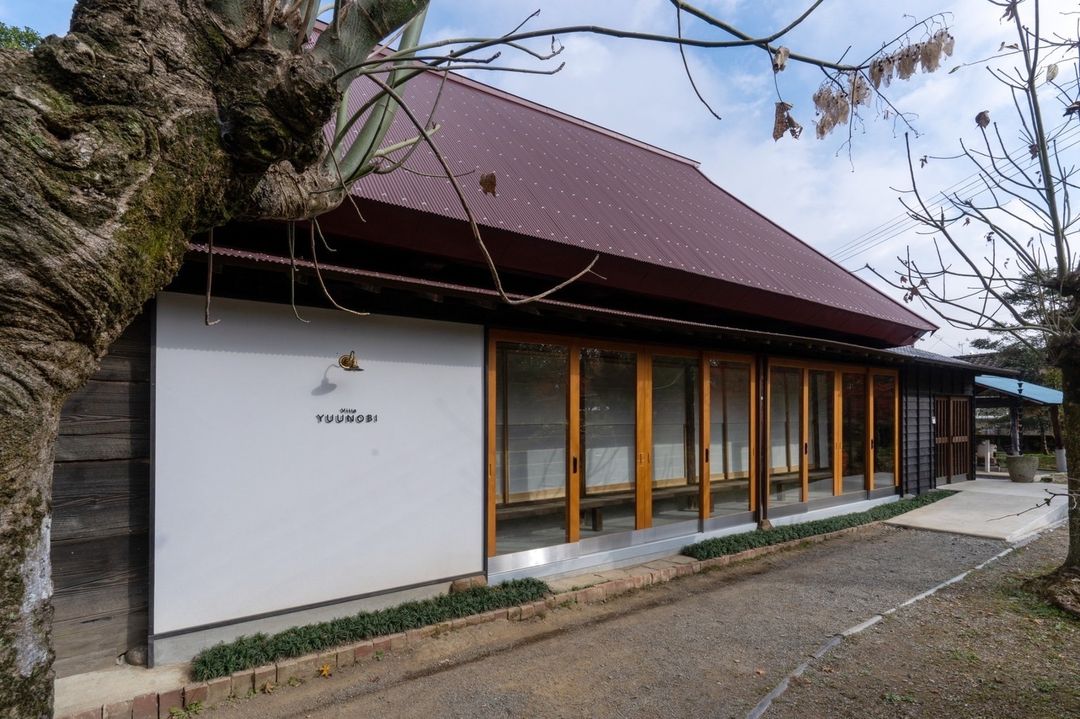
Best Hotels in Taragi
Discover curated hotel collections in Taragi
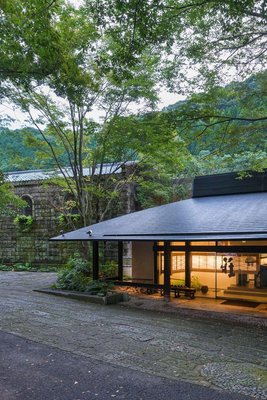



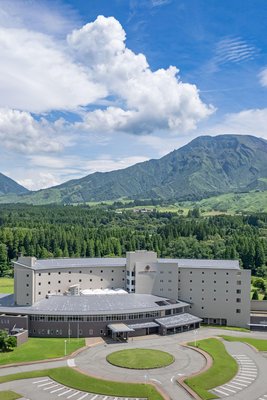






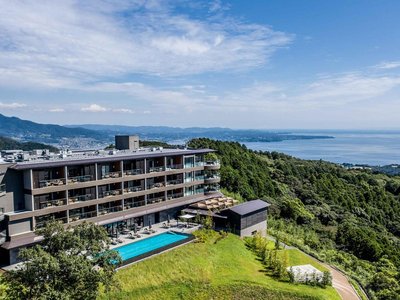



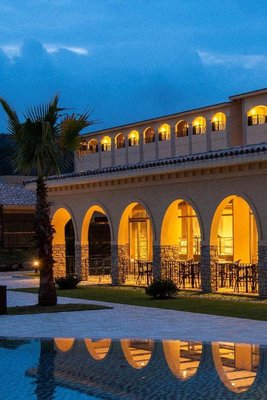

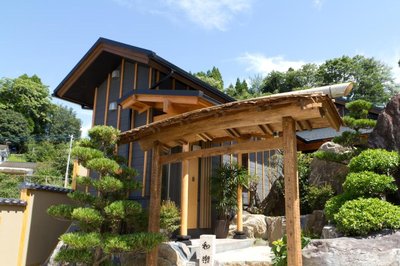

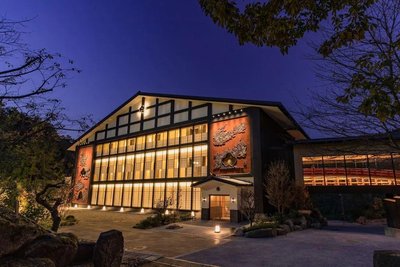




























Frequently Asked Questions about Traveling to Taragi
Questions You Might Need to Know About Traveling to Taragi
Taragi Overview
City Summary
Taragicho, located in the southern part of Kumamoto Prefecture, Japan, is a tranquil town surrounded by nature. Known for its abundant hot spring resources and traditional Japanese rural charm, it is particularly suitable for travelers seeking relaxation and cultural experiences. The hot springs and traditional crafts are the core attractions, offering visitors a chance to enjoy authentic Japanese onsen culture and local handicrafts.
Must-See Attractions
Must-visit spots in Taragicho include Taragicho Onsen, renowned for its therapeutic hot spring waters. The Taragicho Historical and Folk Museum showcases the town's history and culture, providing insights into the region. For nature enthusiasts, the surrounding mountain trails offer excellent hiking opportunities with breathtaking views.
Food Guide
Taragicho's cuisine emphasizes local production for local consumption. Don't miss the region's specialty, horse meat dishes, a traditional Kumamoto delicacy. Additionally, onsen tamago (hot spring eggs) and handmade soba noodles are highly recommended. Local restaurants prioritize fresh, locally sourced ingredients.
Transportation Guide
Transportation in Taragicho relies mainly on buses and taxis. The town is about a 2-hour bus ride from Kumamoto City. Attractions within the town are within walking distance, and renting a bicycle is a good option. Check bus schedules in advance as services are infrequent. Drivers can use nearby parking lots, but note that some roads are narrow.
Best Time to Visit
The best times to visit are spring (March to May) and autumn (September to November), when the weather is pleasant for outdoor activities. Summers can be hot, and winters may bring snow, making hot springs especially enjoyable. Avoid peak Japanese holidays like Golden Week for a quieter experience.
Travel Tips
- Onsen Etiquette: Wash thoroughly before entering; swimsuits are prohibited.
- Cash Payments: Many places don't accept credit cards, so carry sufficient cash.
- Quiet Environment: Taragicho is known for its tranquility; keep noise levels low.
- Waste Disposal: Strictly follow recycling rules.
- Respect Local Culture: Observe shrine etiquette, such as washing hands and mouth.
- Comfortable Attire: Wear comfortable shoes as some attractions require walking.
Useful Information
Japanese is the primary language in Taragicho, with limited English proficiency; a translation app is recommended. Network coverage is good, but some mountainous areas have weak signals. Cash is the main payment method, though a few businesses accept credit cards. For medical emergencies, there are local clinics, but serious cases may require travel to larger hospitals in Kumamoto City. Travel insurance is advisable. The voltage is 100V, with Type A sockets, compatible with Taiwanese plugs; no adapter is needed.