Hotels in Tarlac
Discover your perfect stay in Tarlac.
Tarlac(Philippines) Travel 2026: Cheap Flights, Hotels & Top Attractions
Popular Landmarks in Tarlac
Discover the most iconic attractions in Tarlac
Recommended Hotels in Tarlac
Find the perfect place to stay in Tarlac
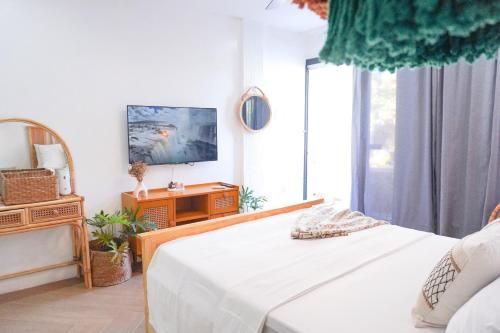
Urban Oasis Resort, Tarlac
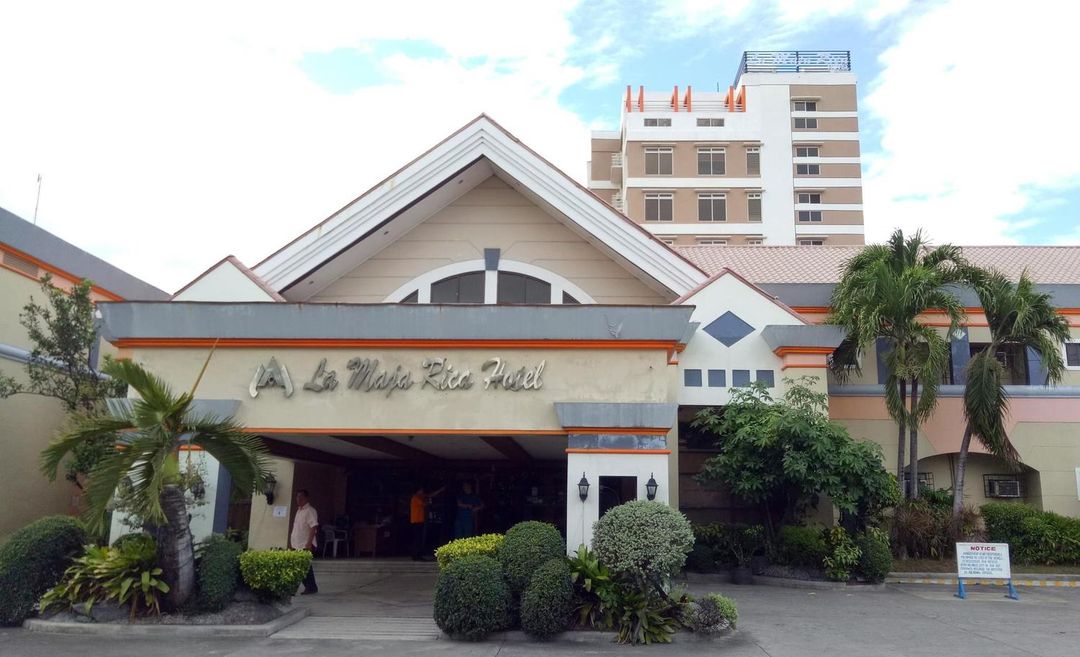
La Maja Rica Hotel

Microtel by Wyndham Tarlac
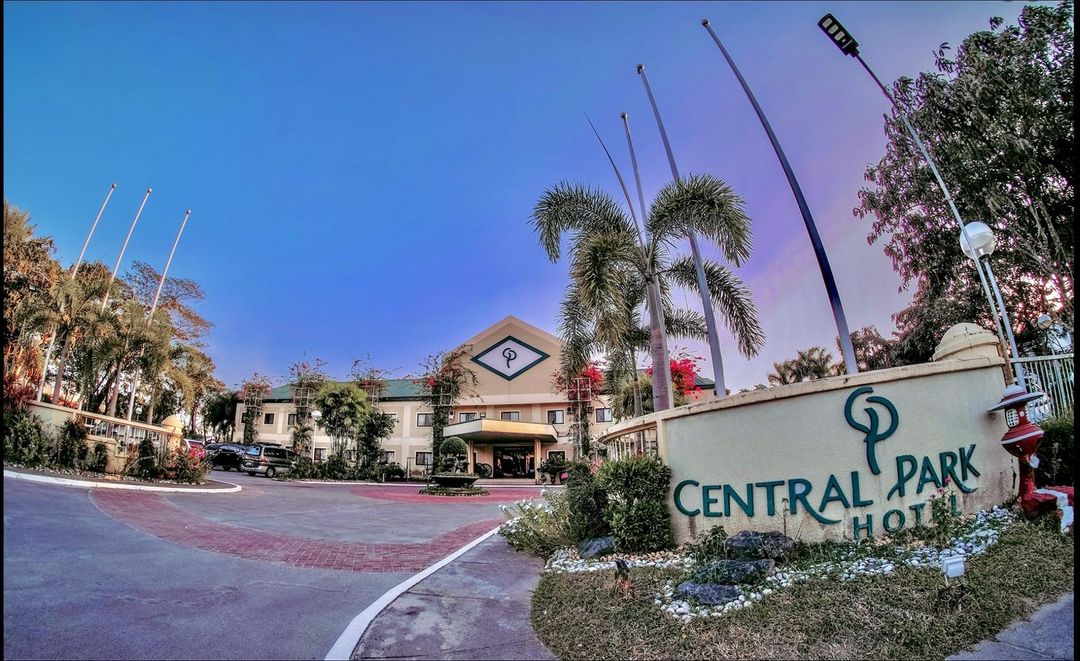
Luisita Central Park Hotel
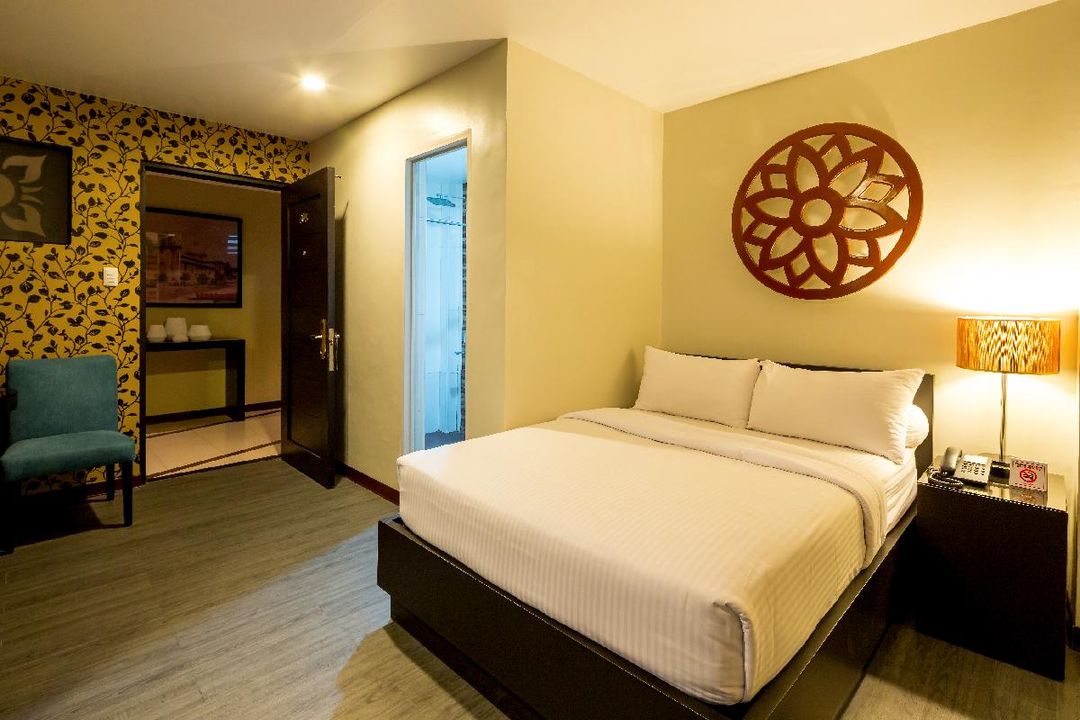
L Square Hotel
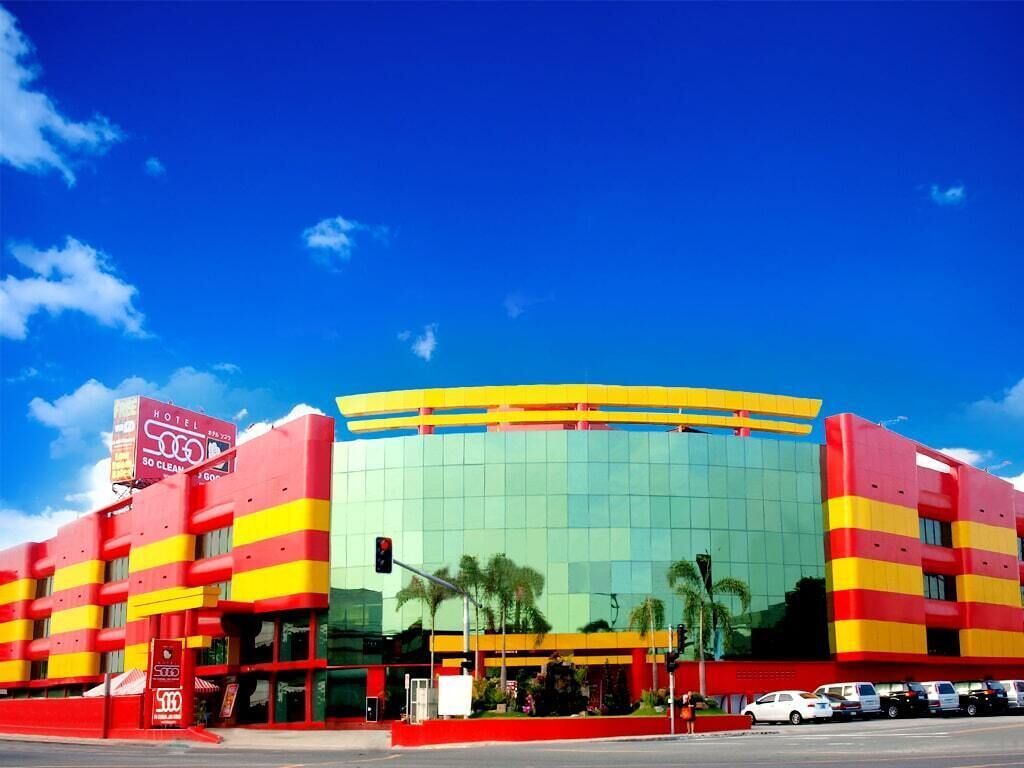
Hotel Sogo Tarlac
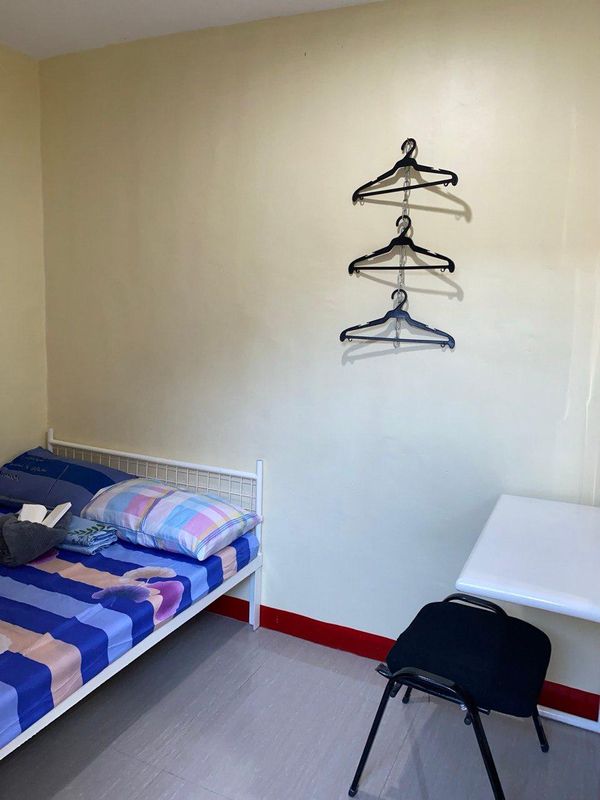
Jow's Place
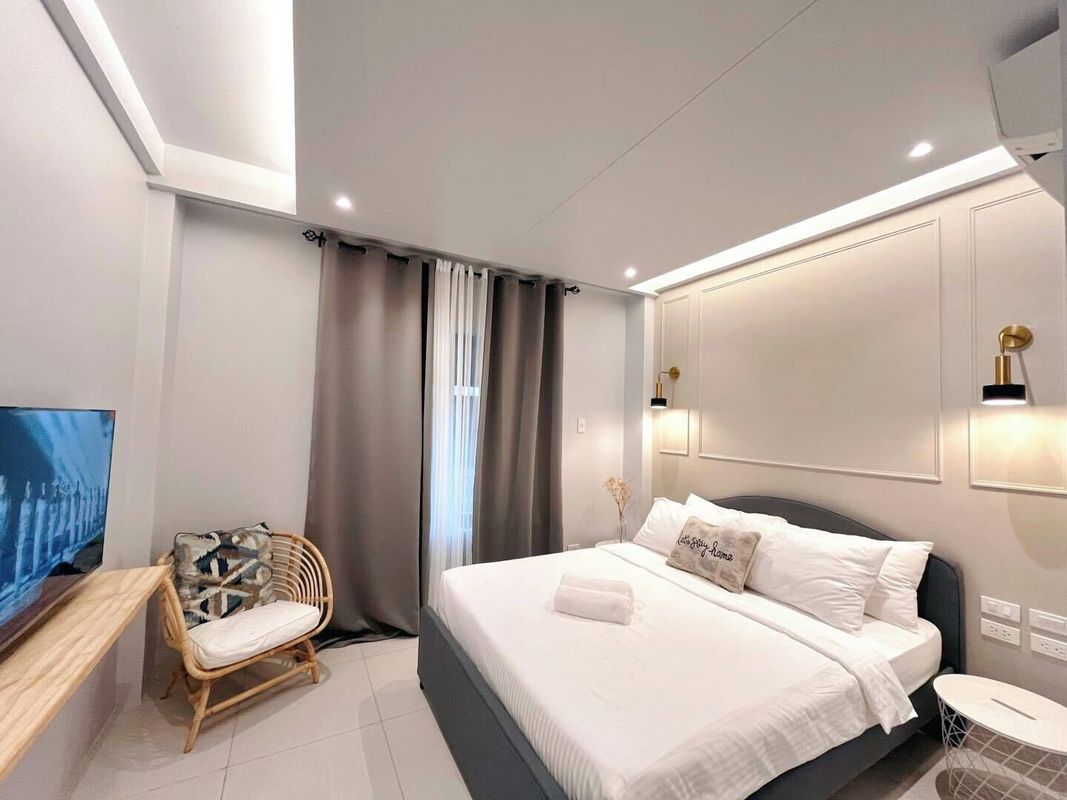
Achitel Tarlac
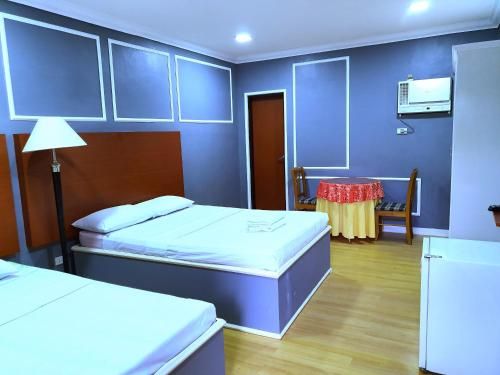
Asiaten Hotel
Best Hotels in Tarlac
Discover curated hotel collections in Tarlac
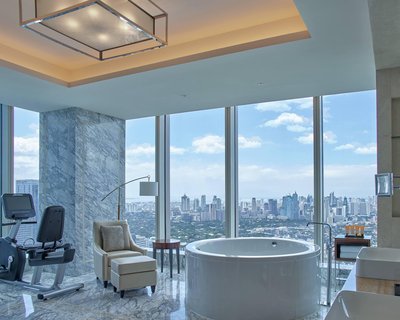
Grand Hyatt Manila
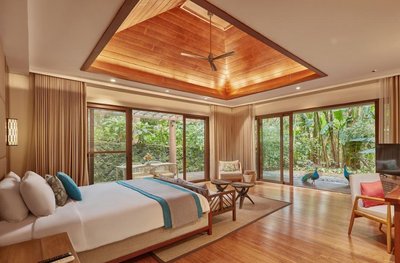
The Farm at San Benito

Manila Marriott Hotel at Newport World Resorts
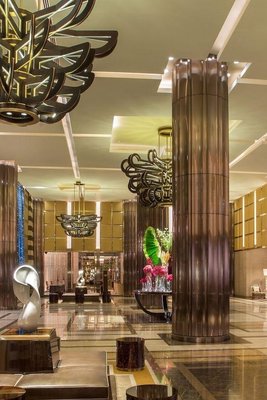
City of Dreams - Nüwa Manila

Shangri-La The Fort, Manila
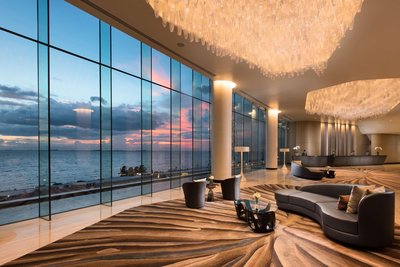
Conrad Manila
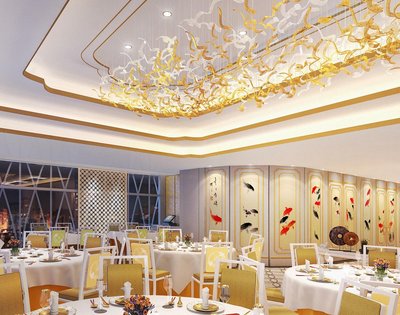
Okada Manila

Solaire Resort Entertainment City
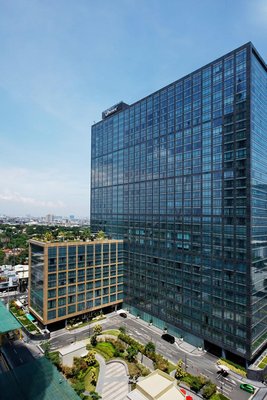
Raffles Makati
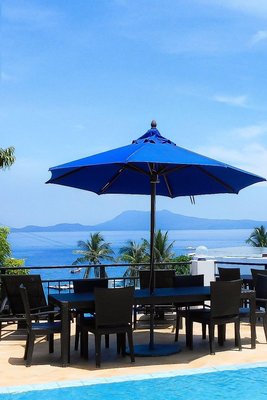
Out of the Blue Resort
Walking Street Condo Beautiful 1 King Bedroom
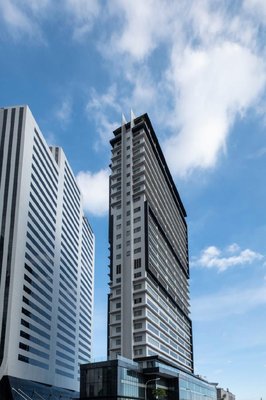
Brittany Hotel BGC
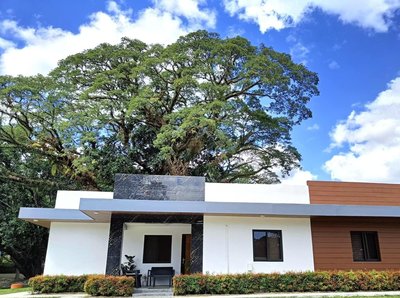
Aurora Villas and Cabin Resort
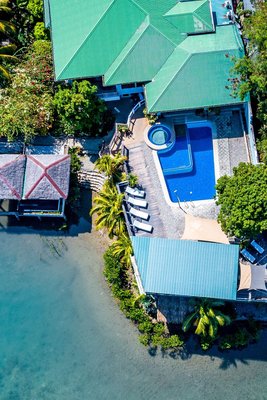
Edgewater Dive & Spa Resort
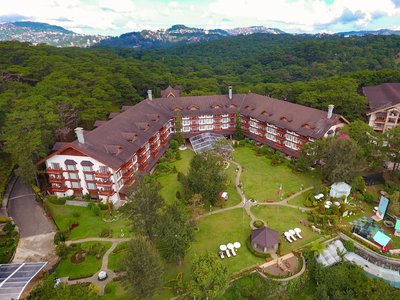
The Manor at Camp John Hay

The Maximilian Hotel

Seda Manila Bay
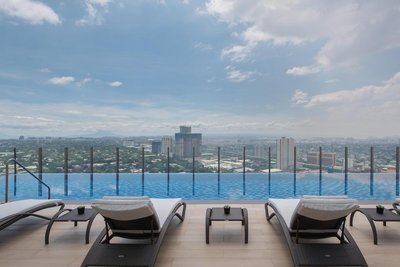
Citadines Benavidez Makati
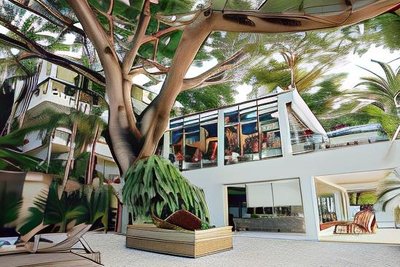
Solitude Acacia Resort
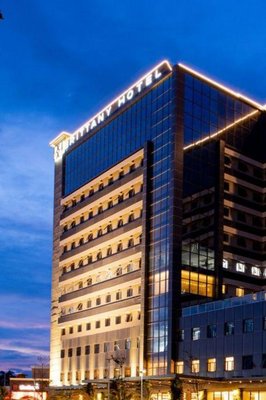
Brittany Hotel Villar City
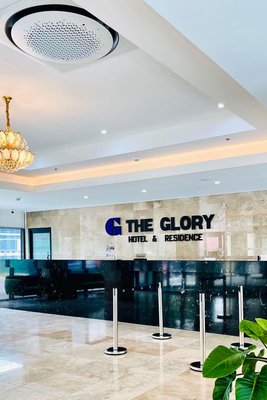
The Glory Hotel and Residence Clark Pampanga
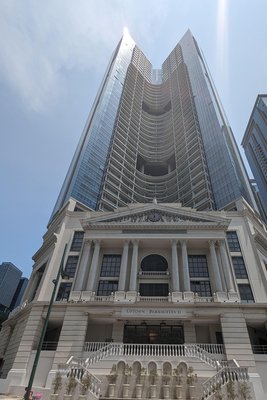
EG Private House - BGC UPTOWN
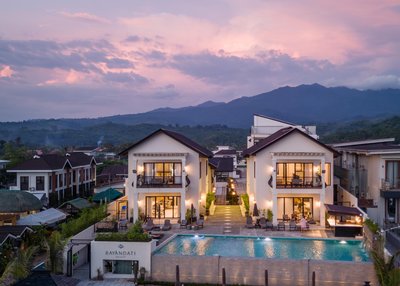
Bayandati Resort
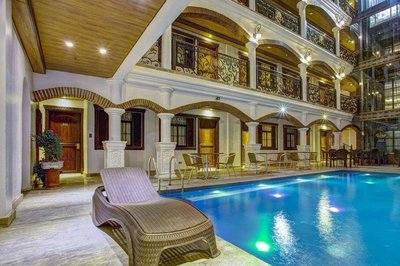
Hotel Luna
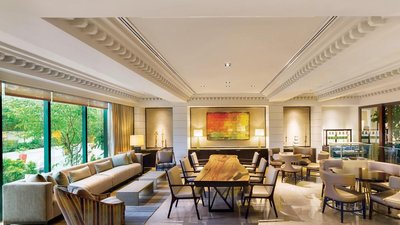
Aruga Apartments by Rockwell
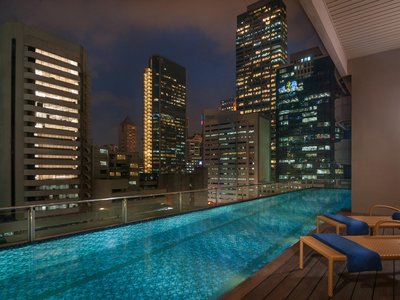
Citadines Salcedo Makati
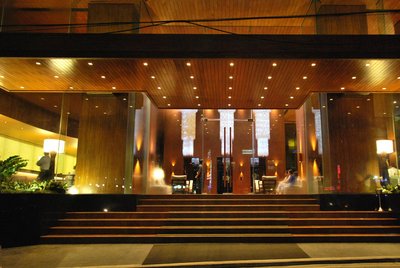
City Garden Grand Hotel
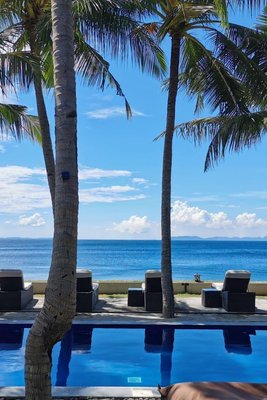
La Chevrerie Resort & Spa
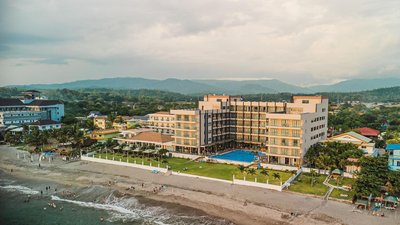
Awesome Hotel
La Chevrerie Resort & Spa
Conrad Manila
Solaire Resort Entertainment City
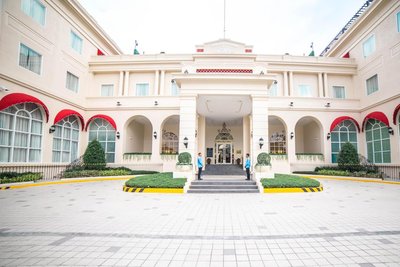
Rizal Park Hotel
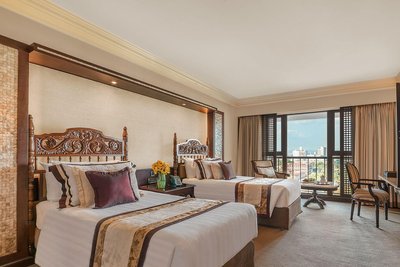
The Manila Hotel
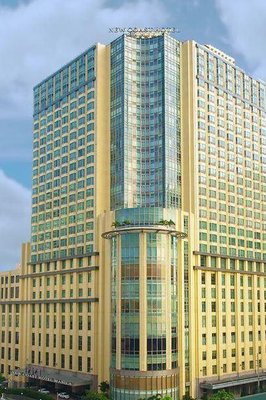
New Coast Hotel Manila
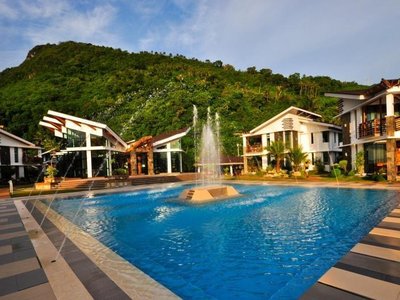
Infinity Resort
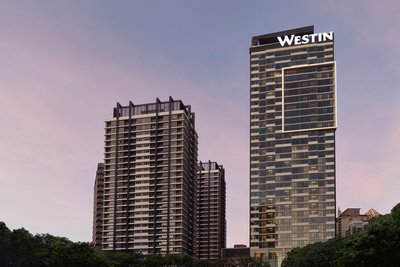
The Westin Manila
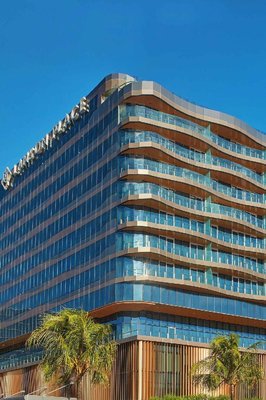
Lanson Place Mall of Asia Manila
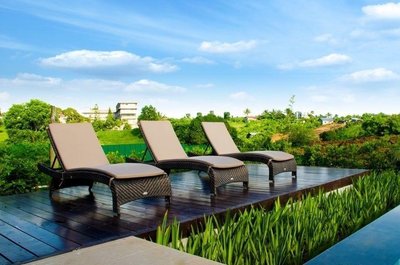
Anya Resort Tagaytay
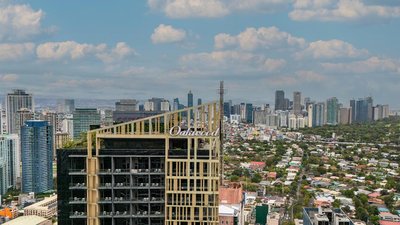
Oakwood Makati Avenue
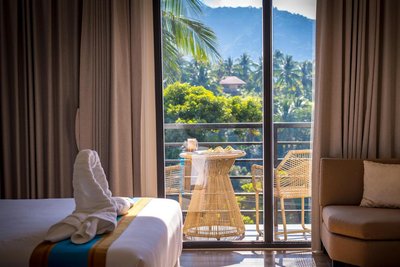
Magarra Hotel

Solaire Resort North
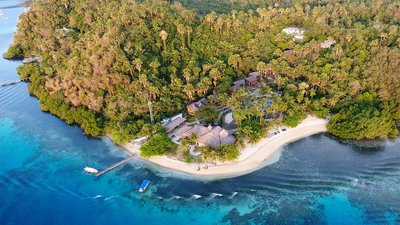
Fridays Puerto Galera
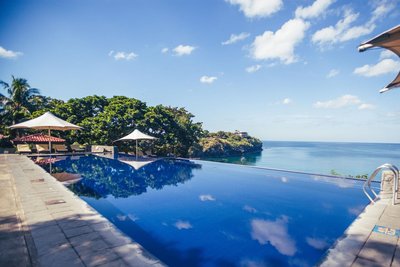
Club Punta Fuego
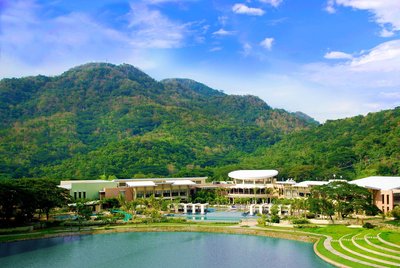
Pico Sands Hotel
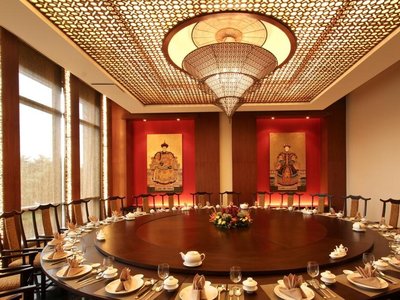
The Bellevue Hotel
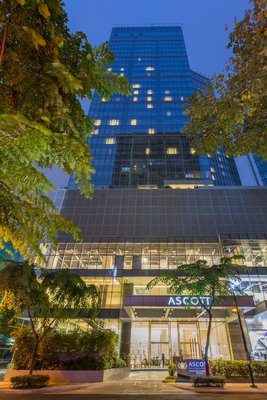
Ascott Bonifacio Global City Manila
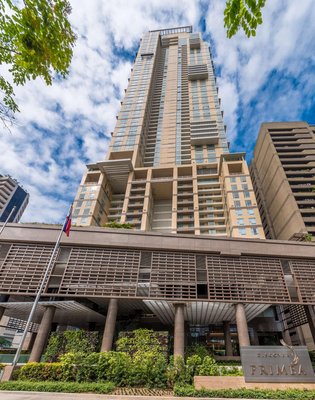
Discovery Primea, Manila

Hyatt Regency Manila City of Dreams
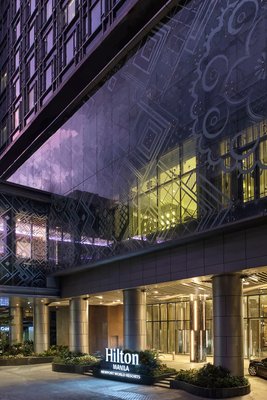
Hilton Manila Newport World Resorts

City of Dreams - Nobu Hotel Manila
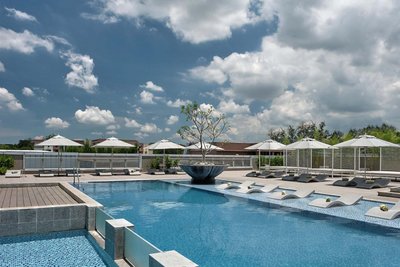
Clark Marriott Hotel
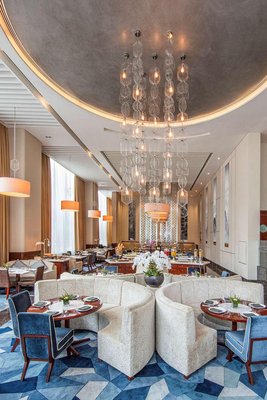
Makati Diamond Residences

Sheraton Manila Hotel at Newport World Resorts

Midori Clark Hotel and Casino

Hotel Barrière Fouquet's New York
Grand Hyatt Manila
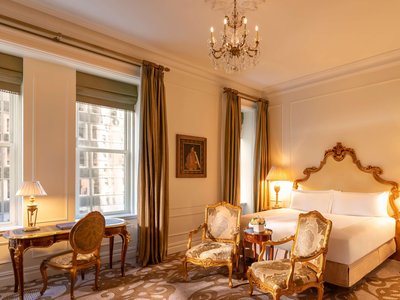
The Plaza - A Fairmont Managed Hotel
The Farm at San Benito
Manila Marriott Hotel at Newport World Resorts
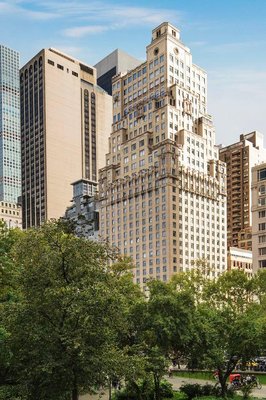
The Ritz-Carlton New York, Central Park

Four Seasons Hotel New York

The St. Regis New York
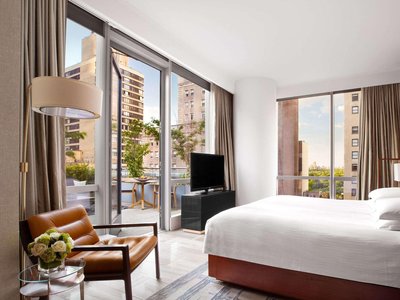
Park Hyatt New York
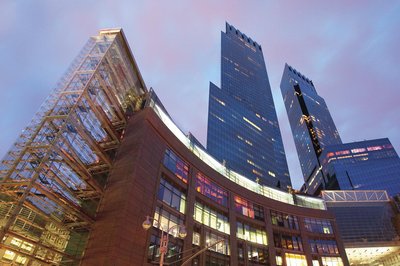
Mandarin Oriental New York

Times Square Edition New York

Loews Regency New York Hotel
City of Dreams - Nüwa Manila
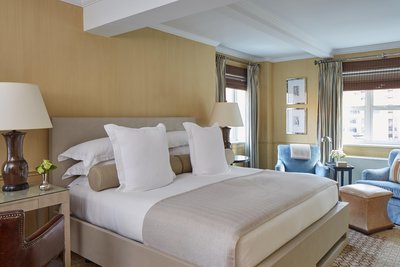
Lowell Hotel

New York Edition
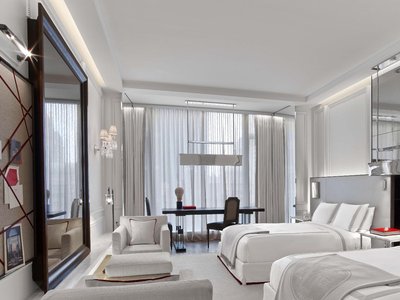
Baccarat Hotel New York

Equinox Hotel New York
Shangri-La The Fort, Manila
Conrad Manila

Four Seasons Hotel New York Downtown
Frequently Asked Questions about Traveling to Tarlac
Questions You Might Need to Know About Traveling to Tarlac
For a tranquil lakeside experience in Taal, stay at Taal Vista Resort & Spa, nestled along Lakeshore Drive with panoramic views of Taal Lake and the iconic Taal Volcano Island. This boutique resort features spacious garden suites, private balconies, and a serene infinity pool overlooking the water. Guests enjoy complimentary breakfast, guided nature walks, and boat tours to the volcanic island. Its colonial-style architecture blends seamlessly with lush tropical gardens, making it ideal for relaxation and immersive nature connection.
The heart of cultural immersion lies in Old Town Taal, particularly around the Basilica of Our Lady of the Assumption. This UNESCO-recognized church, built in the 18th century, showcases exquisite Spanish Baroque architecture and intricate interior details. Visitors can explore nearby heritage houses, attend local festivals like the Lantern Festival on Taal Lake, or visit the Taal Heritage Museum to learn about the town’s rich history. Strolling through the cobblestone streets offers authentic interactions with locals and glimpses into daily life, making it a must-visit for culturally curious travelers.
When in Taal, savor Taal Fish Soup, made from fresh silver perch caught directly from the lake—known for its delicate flavor and clear broth infused with lemongrass and calamansi. Another must-try is Pansit Palabok, a savory Filipino noodle dish topped with shrimp paste, crushed garlic, and pork bits, often enjoyed at street stalls in Taal Public Market. Don’t miss coconut ice cream sold by roadside vendors—creamy, refreshing, and perfect after a day exploring the volcanic island.
Yes, boat tours to Taal Volcano Island are generally safe and well-regulated. Licensed operators provide life vests, and all boats are inspected regularly. Tours typically last 1–2 hours and include a guided hike up the volcano crater rim, offering breathtaking views of the caldera and surrounding lake. However, always check current PHIVOLCS (Philippine Institute of Volcanology and Seismology) advisories before HopeGoo, especially during rainy seasons or seismic activity alerts. Opt for reputable agencies like Taal Lake Cruises for reliable service and safety protocols.
The best time to visit Taal is during the dry season from November to May, when temperatures range between 24°C and 30°C (75°F–86°F) and rainfall is minimal. This period offers ideal conditions for hiking Taal Volcano Island, enjoying boat rides, and exploring the lakeside attractions without interruption. Avoid the peak rainy months of June to October, as frequent downpours may delay or cancel boat trips. Early mornings are especially pleasant for sunrise views over the lake and cooler temperatures.
Yes, Taal Eco-Lodge is a certified sustainable retreat located just off Lakeshore Drive, featuring solar-powered rooms, rainwater harvesting systems, and organic gardens supplying local produce. The lodge emphasizes low-impact tourism, using bamboo construction and biodegradable toiletries. Guests participate in conservation workshops, such as mangrove planting or lake clean-up initiatives. It also partners with local communities to promote fair-trade crafts and traditional culinary experiences, making it a top choice for environmentally conscious travelers.
The most scenic viewpoints in Taal include the crater rim of Taal Volcano Island, accessible via a short hike from the dock, offering a dramatic view of the turquoise caldera lake within the volcano. Another highlight is the Taal Vista Resort & Spa's rooftop terrace, which provides an unobstructed panorama of the entire lake and the distant island. For a quieter vantage point, visit Mount Pico de Loro, a nearby hill where you can witness the sunrise casting golden light across the lake—a truly magical sight.
Yes, Taal is highly walkable and accessible without a car. Most tourist spots—including the Basilica, public market, lake docks, and downtown shops—are within a 15-minute walk from central accommodations. Local tricycles (three-wheeled motorbikes) offer affordable rides to farther destinations like Volcano Island or outlying villages. Additionally, boat services operate frequently from the main pier, connecting to the island and surrounding areas. Public transport options are reliable and budget-friendly, making independent travel easy and convenient.
Pack lightweight, breathable clothing, a waterproof jacket, sturdy walking shoes for hiking Taal Volcano Island, and sun protection (hat, sunscreen). Bring insect repellent due to mosquitoes near the lake. A small backpack is ideal for carrying water, snacks, and camera gear. If planning to stay overnight, include a quick-dry towel and a power bank. For cultural respect, bring modest swimwear if visiting religious sites. Always carry cash—many local vendors do not accept cards.
Taal stands out as a unique blend of volcanic wonder, historical depth, and serene lake scenery. Unlike typical beach resorts, it centers around one of the world’s smallest active volcanoes, set within a freshwater lake—an unusual geological feature. The town’s well-preserved Spanish-era architecture, including the Basilica of Our Lady of the Assumption, adds cultural richness. With fewer crowds than popular destinations like Boracay or Palawan, Taal offers an authentic, unhurried experience rooted in nature, history, and community—making it a hidden gem for discerning travelers.
Tarlac Overview
City Summary
Tarlac, located in Central Luzon region of the Philippines, is renowned for its rich historical heritage and cultural diversity, featuring Spanish colonial architecture and local traditions. As a gateway to northern mountain regions, it offers unique nature-culture hybrid experiences.
Must-See Attractions
Must-visit spots:
- San Santiago Fortress Church—A blend of Spanish colonial and local architectural styles.
- Tarlac Museum—Exhibits artifacts from the Philippine Revolution era.
- Capas National Shrine—Memorial site for WWII Bataan Death March victims.
- Tarlac Wetlands—Ideal for birdwatching and eco-tourism.
Food Guide
Food highlights:
- Bulalo—Hearty beef bone marrow soup.
- Lechon Kawali—Crispy fried pork belly, a Filipino classic.
- Desserts—Try local specialties like peanut brittle (Panutsa) and coconut pudding (Maja Blanca).
- Street food—Deep-fried bananas (Turon) and grilled fish (Inihaw na Isda).
Transportation Guide
Transport:
- Bus—3-4 hours from Manila via Victory Liner or Genesis Transport.
- Tricycle—Primary mode for short distances; negotiate fares beforehand.
- Car rental—Recommended for exploring peripheral attractions.
- Walking—Central attractions are within walking distance.
Best Time to Visit
Best travel period: November-February offers cool, dry weather, avoiding monsoon rains (June-October). Festive events like December Christmas lights and January Lunar New Year celebrations abound.
Travel Tips
- Safety—Avoid remote areas at night; secure valuables.
- Currency—Philippine Peso (PHP) is standard; some accept credit cards.
- Attire—Dress modestly in religious sites (no sleeveless tops/shorts).
- Water—Drink bottled water; avoid raw unwashed produce.
- Tipping—10% in restaurants is appreciated but optional.
- Internet—Wi-Fi in hotels/malls; local SIM cards (Globe/Smart) recommended.
Useful Information
Essentials:
- Language—Tagalog and English widely spoken.
- Emergency—Dial 117 for police; Tarlac Provincial Hospital for medical aid.
- Voltage—220V, Type A/B plugs.
- Visa—30-day visa-free for HK/TW passport holders (check validity).
- Payment—Cash preferred; ATMs scarce in rural areas—carry sufficient PHP.
Other Cities You Might Like
Explore more amazing destinations