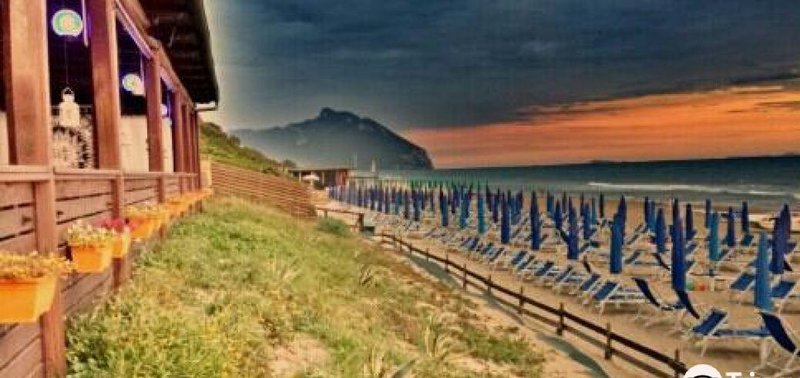
Hotels in Tarquinia
Discover your perfect stay in Tarquinia.
Tarquinia(Italy) Travel 2026: Cheap Flights, Hotels & Top Attractions
Popular Landmarks in Tarquinia
Discover the most iconic attractions in Tarquinia
Recommended Hotels in Tarquinia
Find the perfect place to stay in Tarquinia
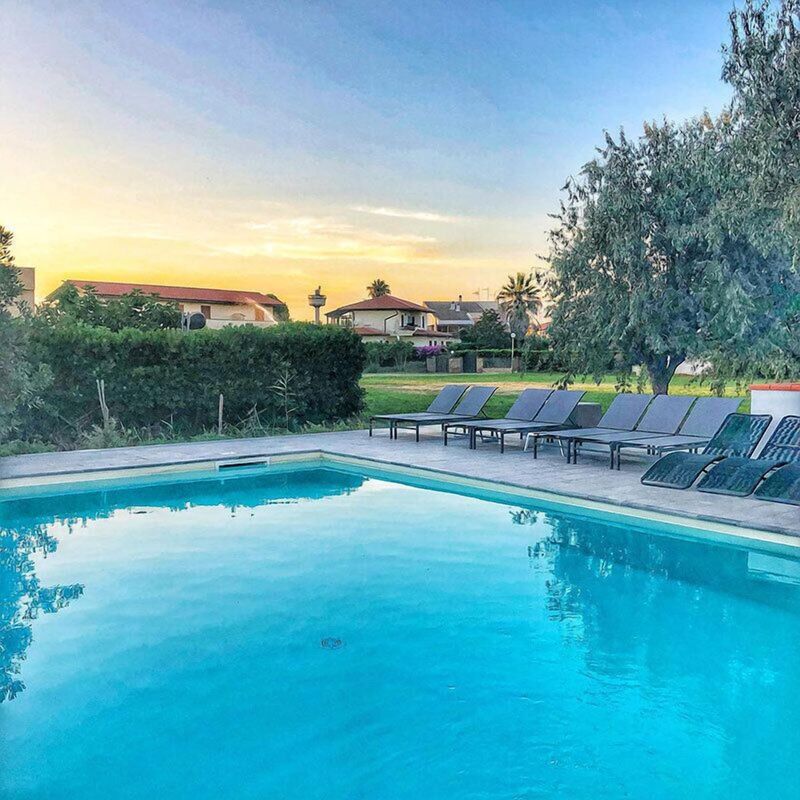
Smy Civico Zero
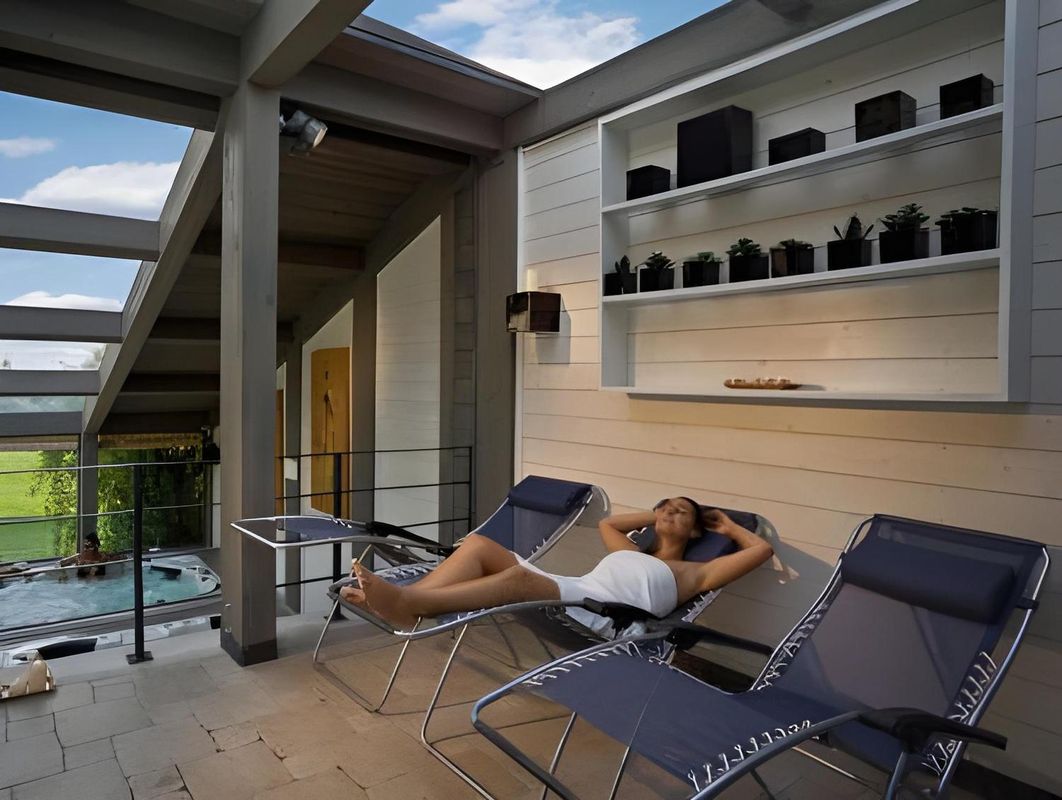
Villa Hotel Valle Del Marta Resort
Hotel Villa Tirreno
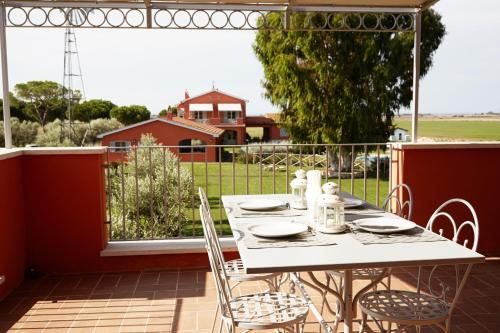
Agriturismo Piani Della Marina
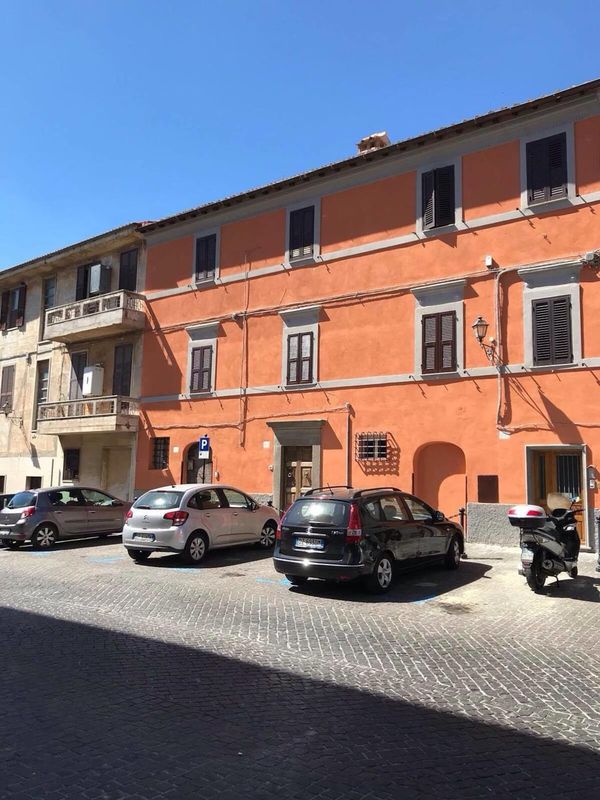
Le Torri di Tarquinia
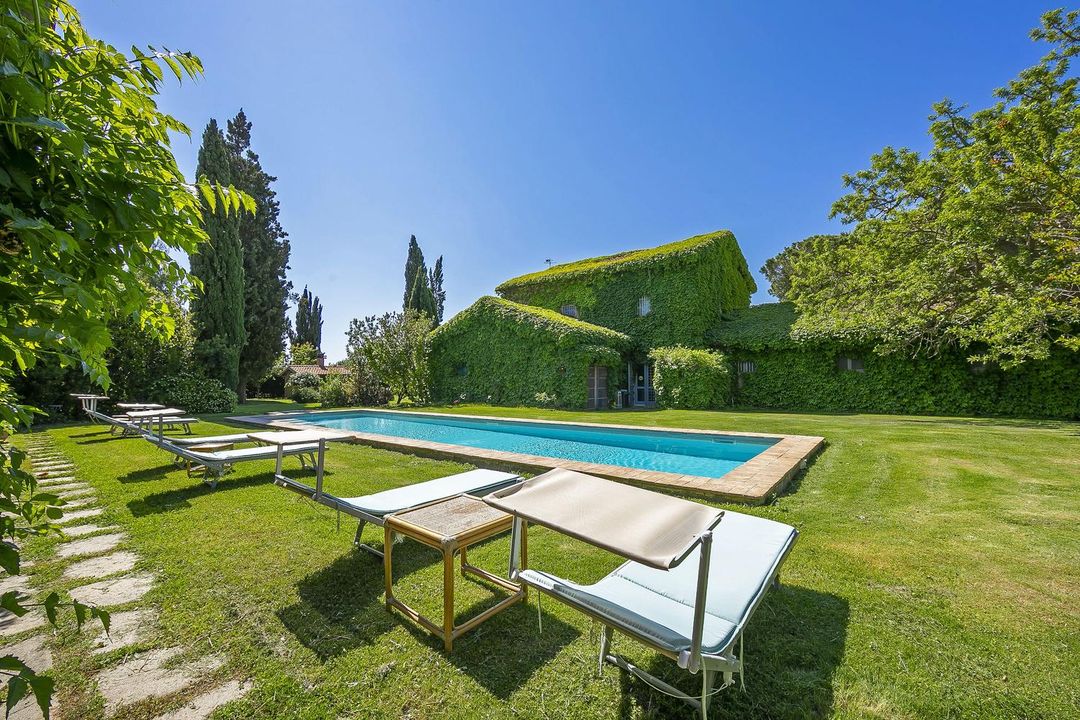
Casale Teresa - Happy Rentals
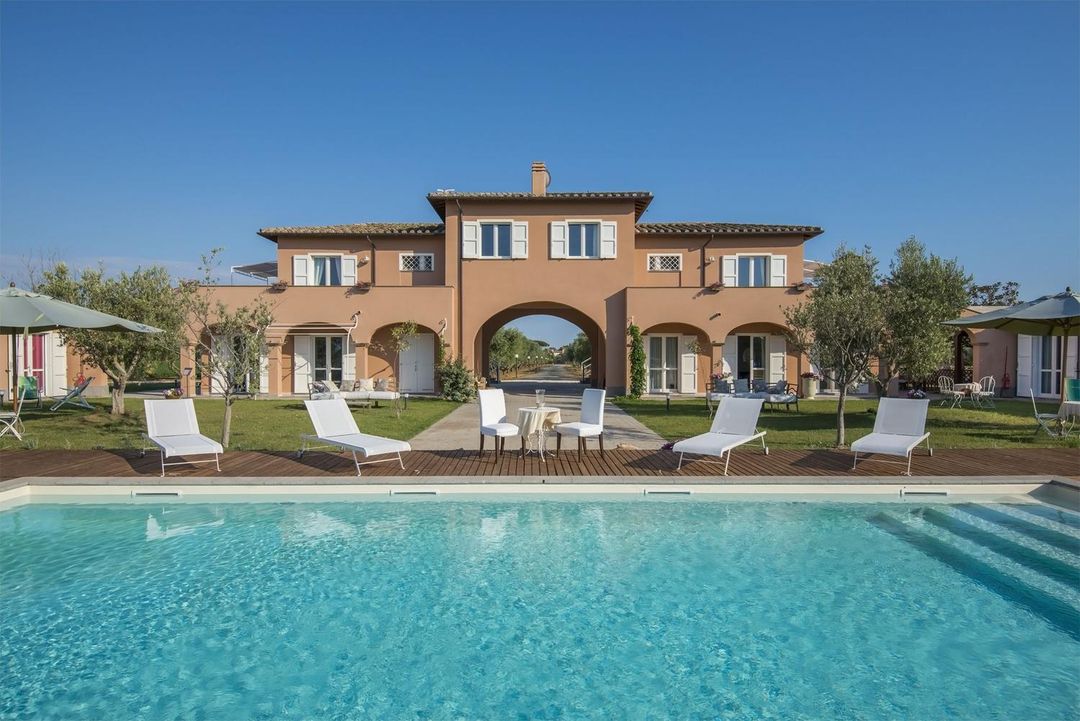
Villa Marina Velca
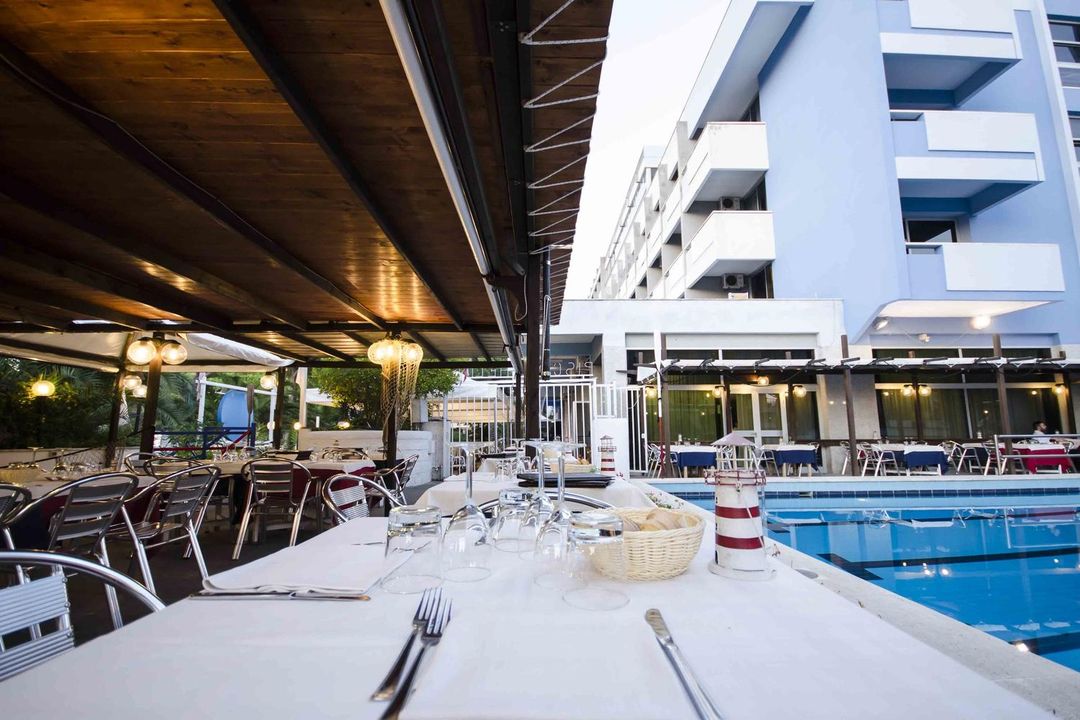
Grand Hotel Helios
Best Hotels in Tarquinia
Discover curated hotel collections in Tarquinia
Hotel Piccolo Sant'Andrea
The Rome Edition
Les Regalia Hôtel & Spa
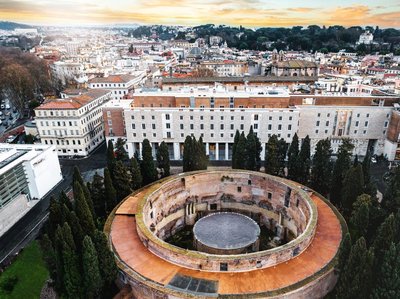
Bulgari Hotel Roma
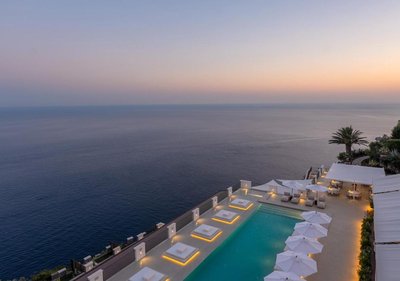
Furore Grand Hotel
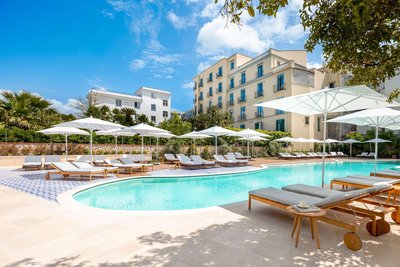
Ara Maris
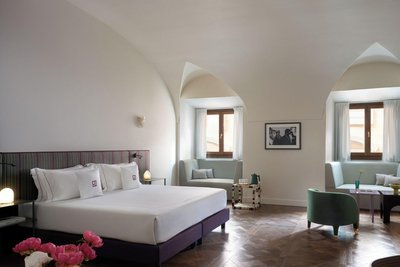
Palazzo Talìa - Small Luxury Hotels of the World
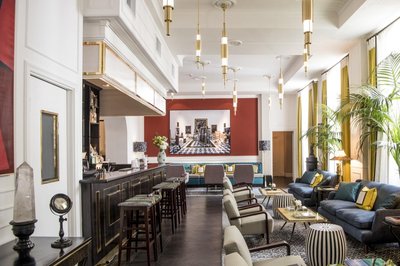
Hotel Vilòn
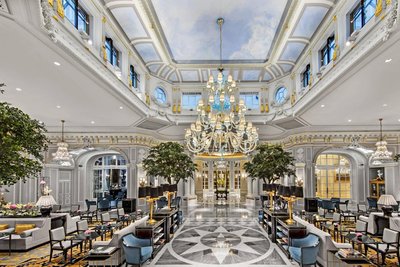
The St. Regis Rome
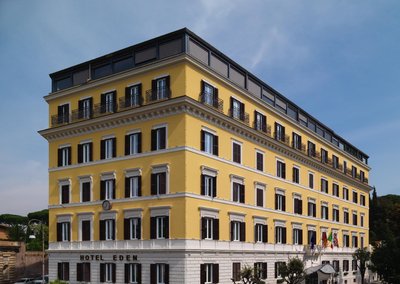
Hotel Eden - Dorchester Collection
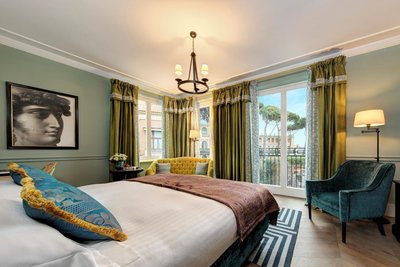
Rocco Forte Hotel de La Ville
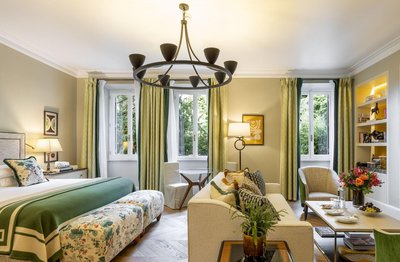
Rocco Forte Hotel De Russie
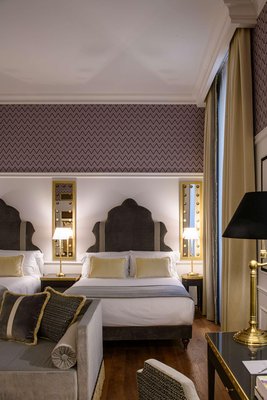
Il Tornabuoni Unbound
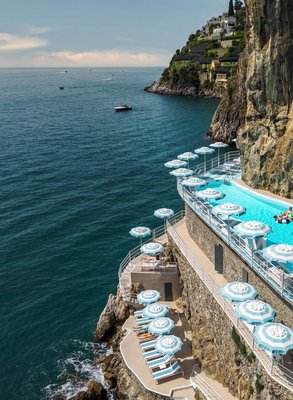
Hotel Miramalfi
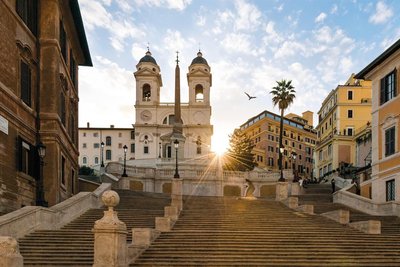
Hassler Roma
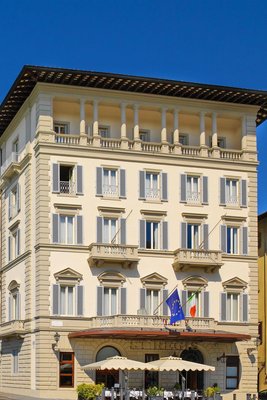
The St. Regis Florence
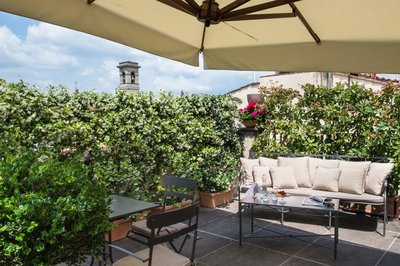
Palazzo Vecchietti - Residenza d'Epoca
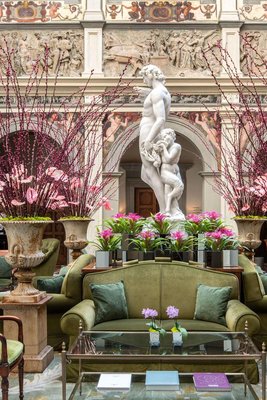
Four Seasons Hotel Firenze

Anantara Convento di Amalfi Grand Hotel
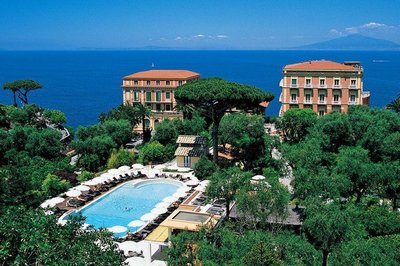
Grand Hotel Excelsior Vittoria
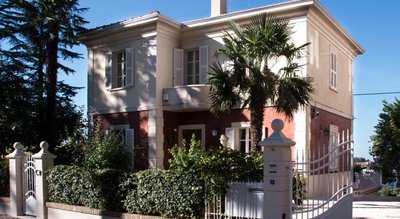
Residenza Ambrogi
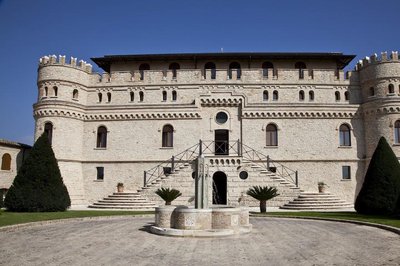
Hotel Castello di Septe
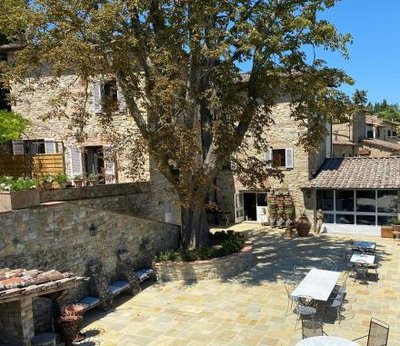
Villa la Petraia
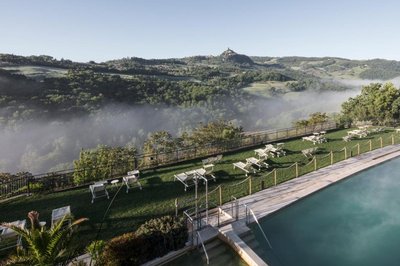
La Posta Hotel & Thermal Spa
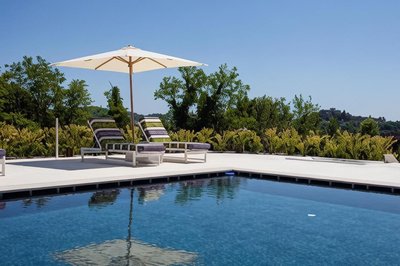
Villa Francesca Relais

Castello di Pandora
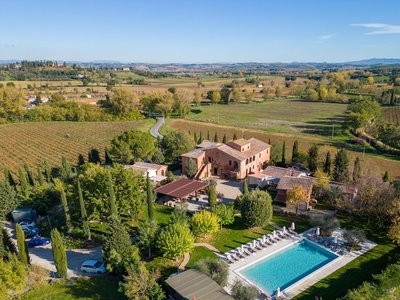
Borgo San Vincenzo

Vigna Caio Relais & Spa
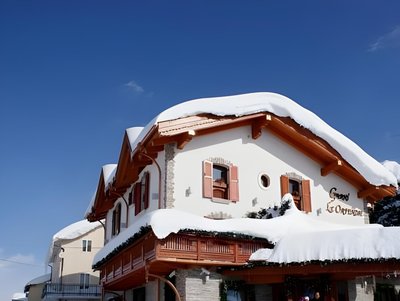
Hotel le Ortensie
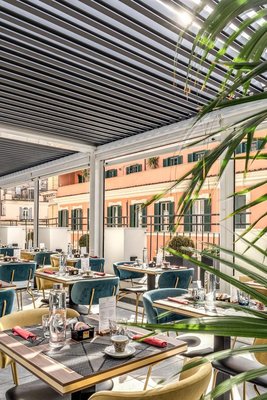
CC Palace Hotel
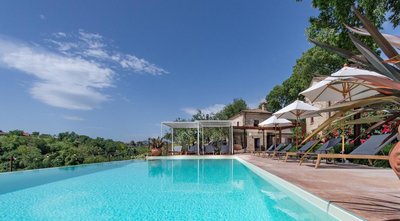
Borgo Baccile by Vini Fantini
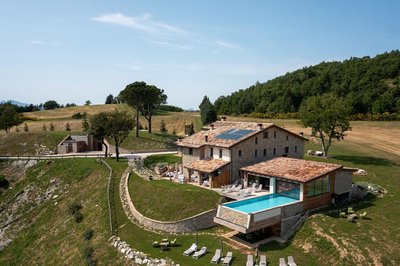
Aura Relais
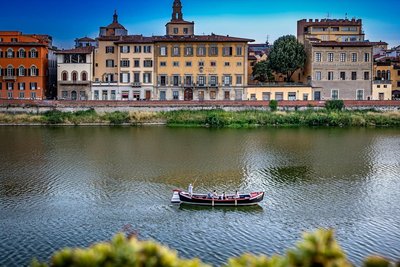
Il Rivalta
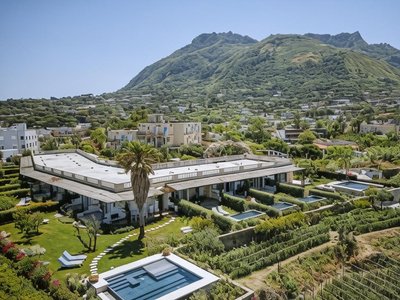
OraBlu Exclusive Villas
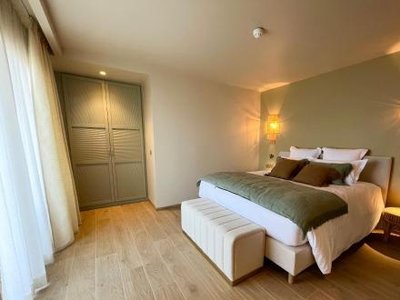
Hotel Riva Beach
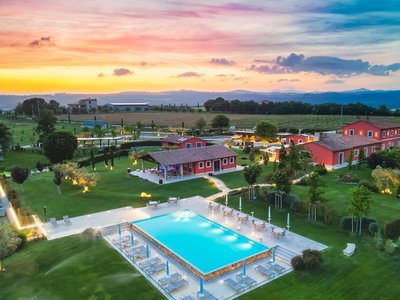
Tenuta Fogliani Resort & Natural Spa
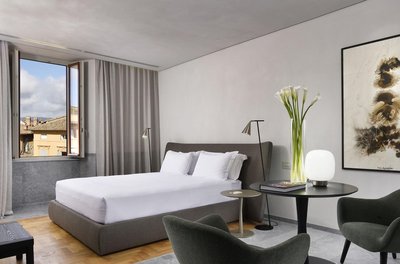
The Bank - Locanda Della Posta Dependance

Visionair Suites
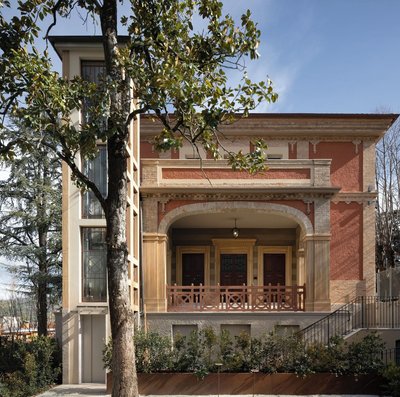
Interno Marche Design Experience Hotel
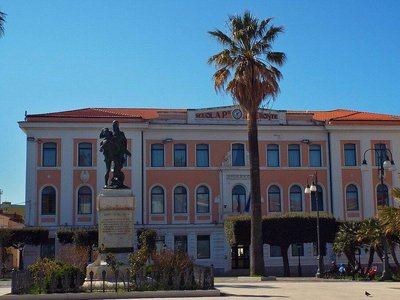
Lumia Hotel
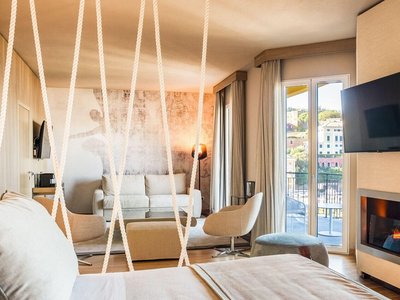
Miramare Suites
Il Rivalta
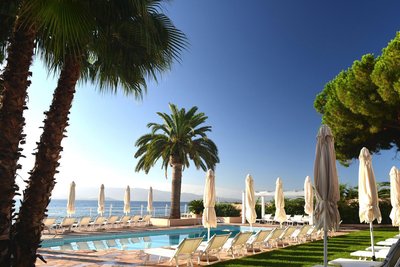
Hôtel les Mouettes - Teritoria
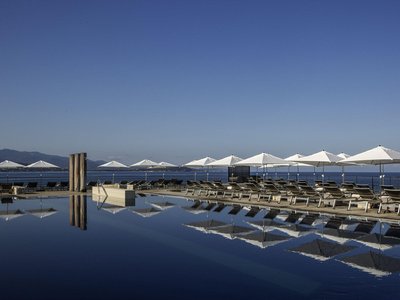
Sofitel Golfe d'Ajaccio Thalassa Sea & Spa
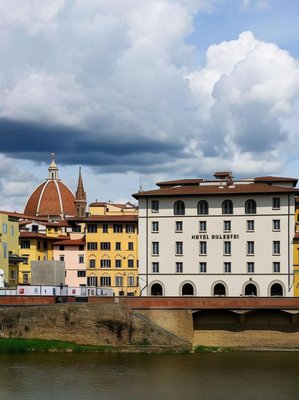
Hotel Balestri - Wtb Hotels
The St. Regis Florence
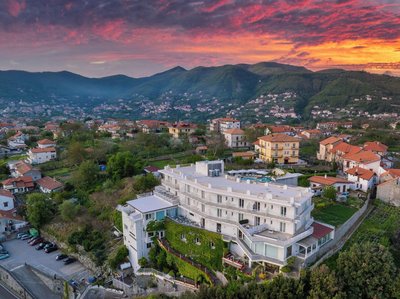
Hotel le Rocce - Agerola, Amalfi Coast
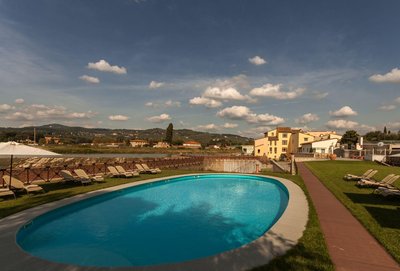
Hotel Mulino di Firenze, WorldHotels Crafted
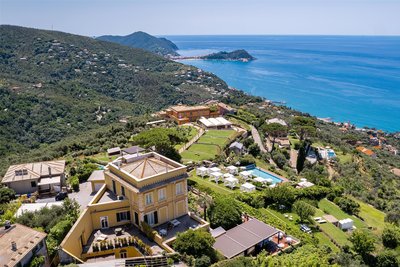
Villa Riviera Resort
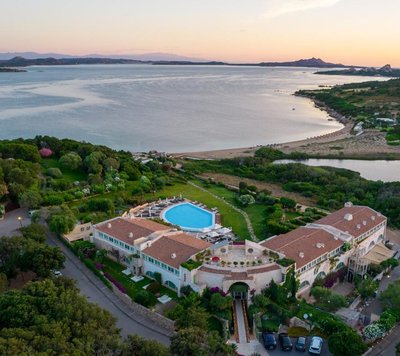
L'Ea Bianca Luxury Resort
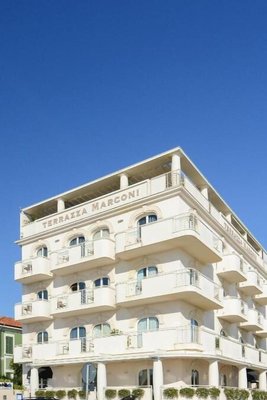
Terrazza Marconi Hotel&Spamarine

Boutique Hotel Torre di Cala Piccola
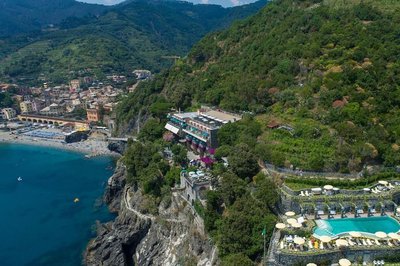
Hotel Porto Roca
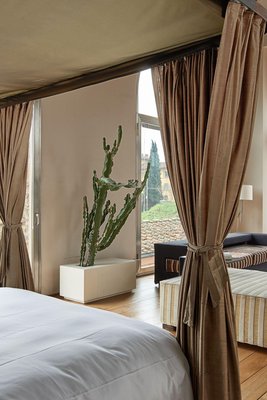
Riva Lofts Florence
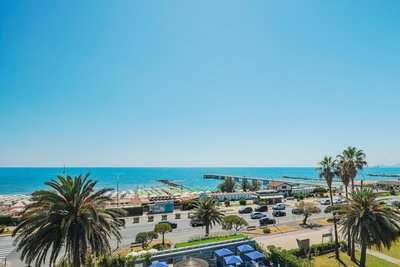
Hotel Excelsior
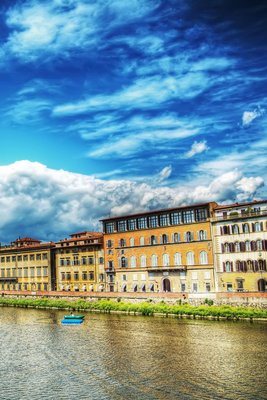
Palazzo Alfieri Residenza d'Epoca
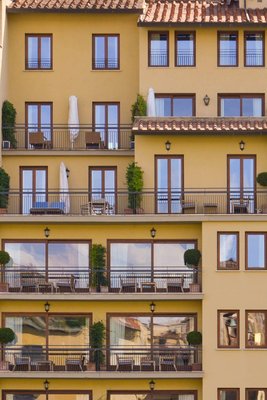
Hotel Lungarno - Lungarno Collection
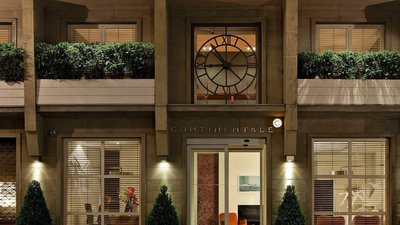
Hotel Continentale - Lungarno Collection
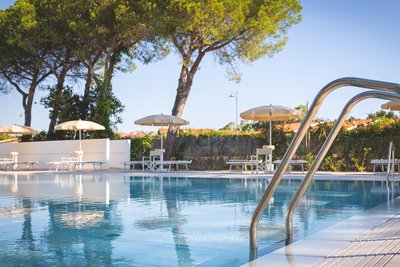
The Sense Experience Resort - Preferred Hotels & Resorts
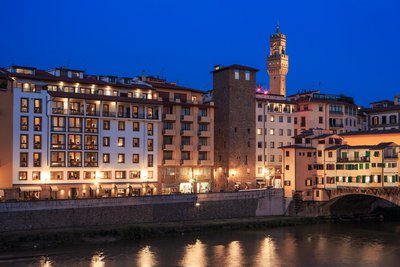
Portrait Firenze - Lungarno Collection
Bulgari Hotel Roma
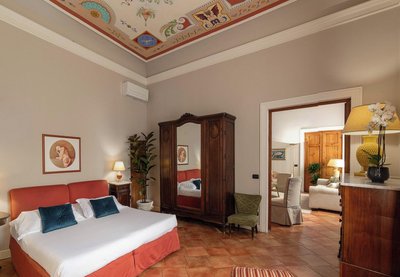
Palazzo Alfani - Residenza d'Epoca
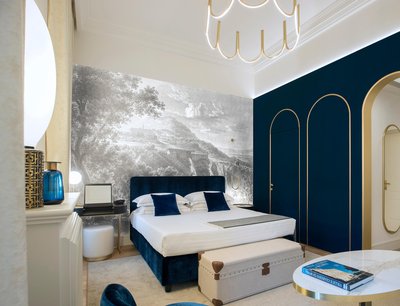
Elizabeth Unique Hotel Rome By Design Hotels
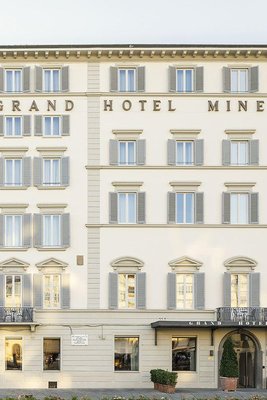
Grand Hotel Minerva
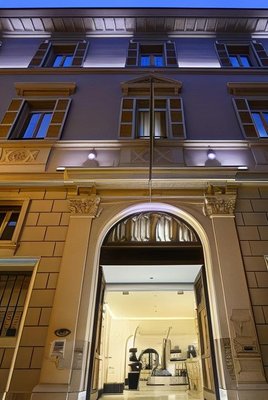
The First Arte - Preferred Hotels & Resorts
Il Tornabuoni Unbound
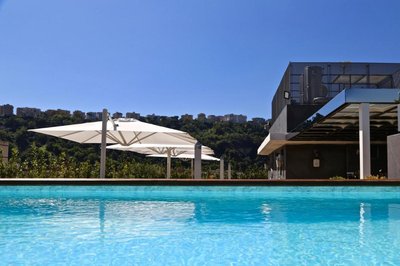
LHP Napoli Palace & Spa
Hassler Roma
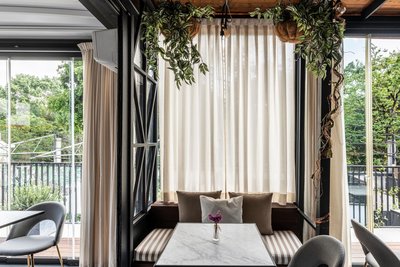
Horti 14 Borgo Trastevere Hotel
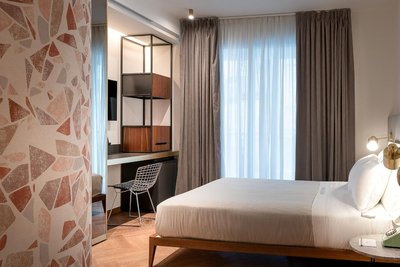
The Box Riccione - Adults Only
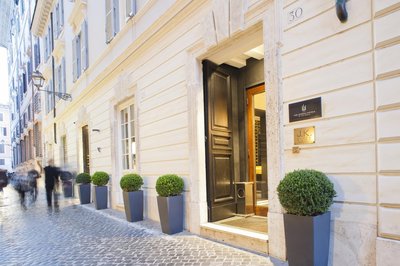
J.K. Place Roma - the Leading Hotels of the World
Portrait Firenze - Lungarno Collection
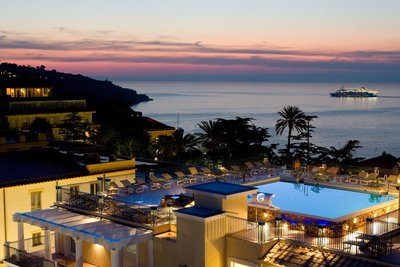
Grand Hotel la Favorita
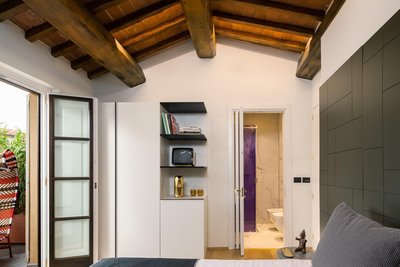
Hotel Milu Florence
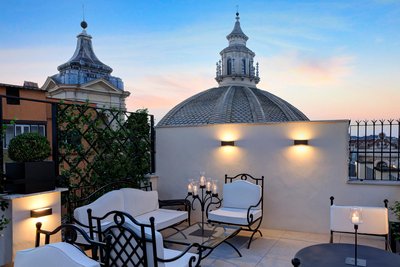
Palazzo Nainer
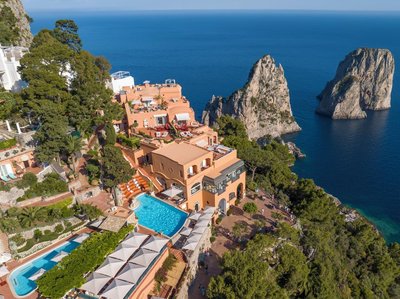
Hotel Punta Tragara
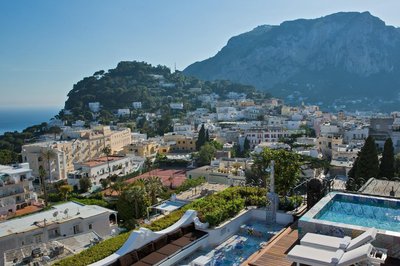
Capri Tiberio Palace
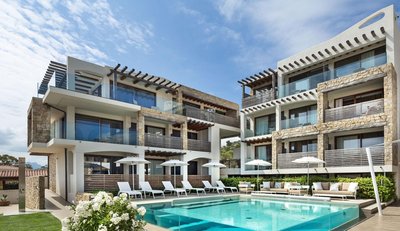
Sandalia Boutique Hotel - Adults Only
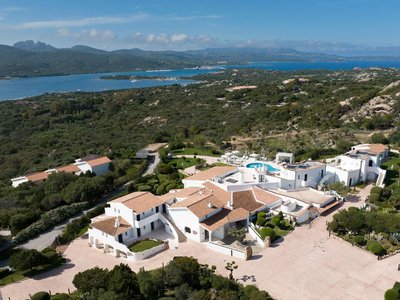
Sulia House Porto Rotondo, Curio Collection by Hilton
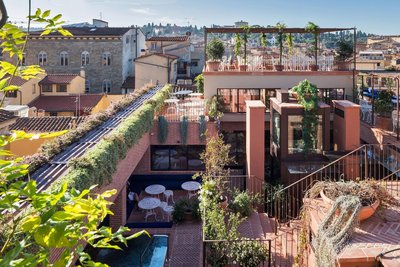
Hotel Calimala Florence
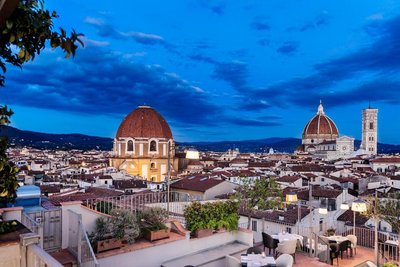
Grand Hotel Baglioni
Hotel Eden - Dorchester Collection
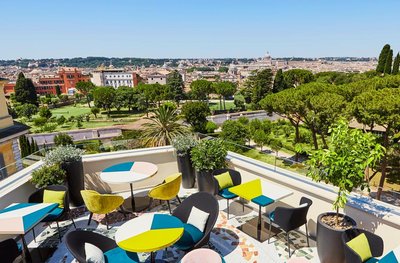
Sofitel Roma Villa Borghese
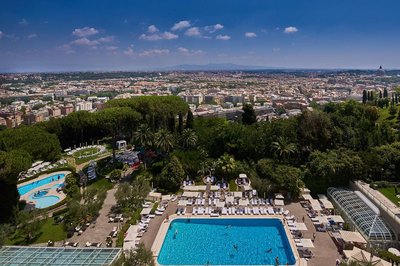
Rome Cavalieri, A Waldorf Astoria Hotel
The First Arte - Preferred Hotels & Resorts
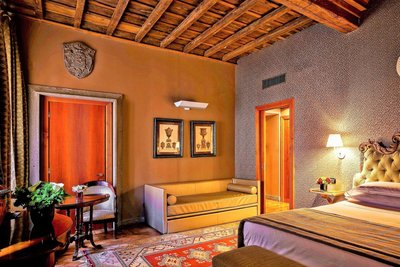
Hotel Valadier
Hassler Roma
The St. Regis Florence
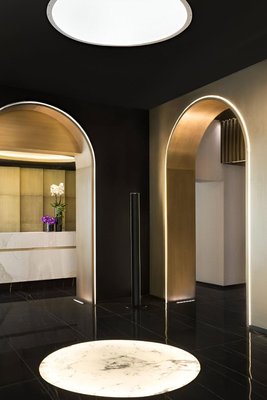
The Pantheon Iconic Rome Hotel, Autograph Collection
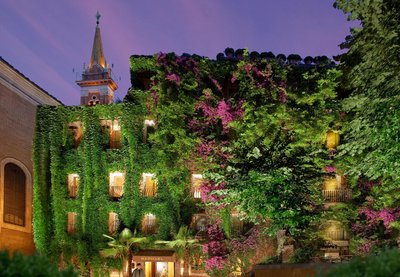
Bio Hotel Raphael - Relais & Châteaux
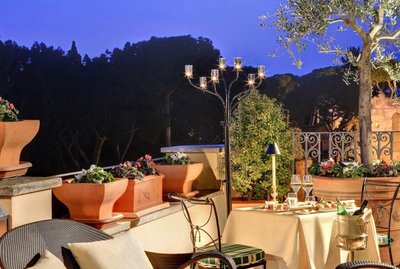
Hotel Splendide Royal - the Leading Hotels of the World
Four Seasons Hotel Firenze
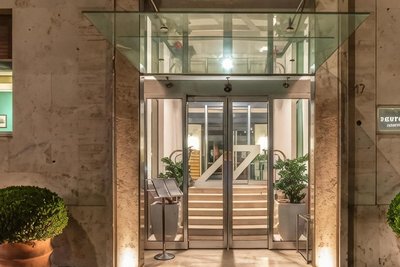
47 Boutique Hotel
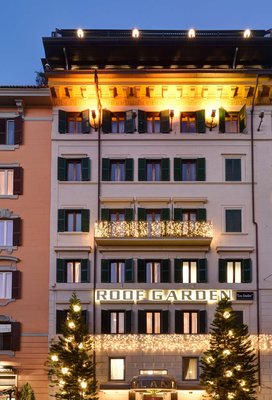
Atlante Star Hotel
Portrait Firenze - Lungarno Collection
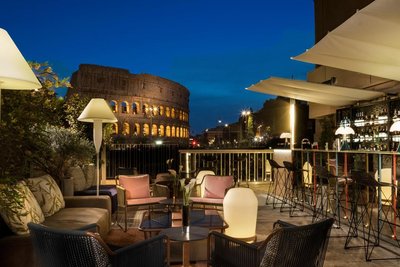
Hotel Palazzo Manfredi – Small Luxury Hotels of The World
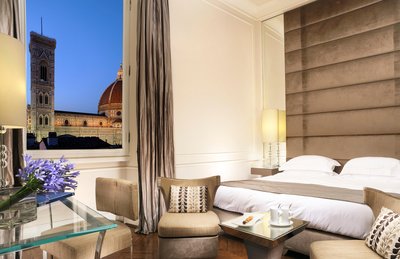
Brunelleschi Hotel
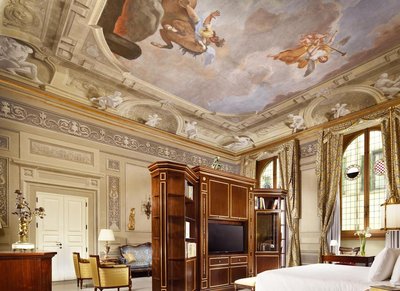
Palazzo Portinari Salviati Residenza d'Epoca
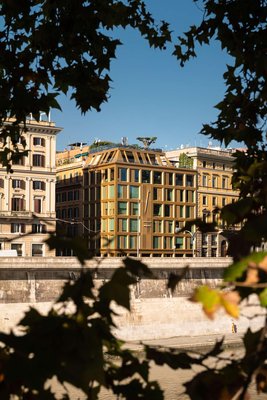
The First Musica - Preferred Hotels & Resorts
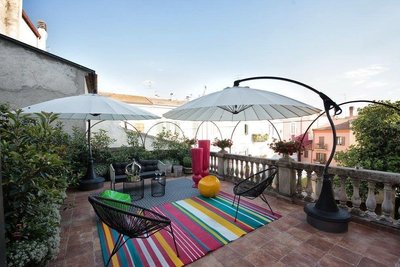
Palazzo Cannavina Suite & Private Spa
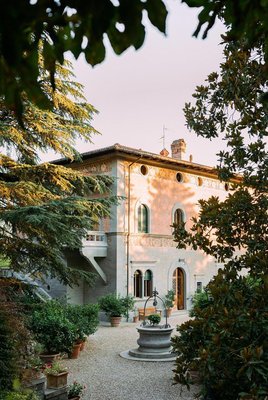
Villa la Commenda Concordia
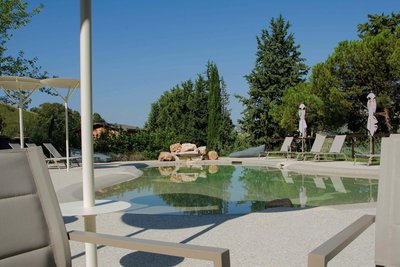
Colle Serrano Relais & Spa
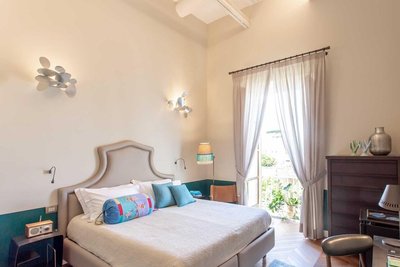
Accademia 39
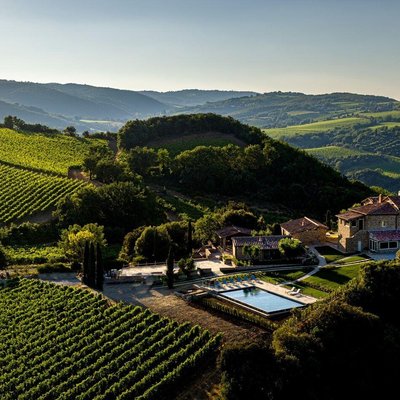
Mastrojanni Relais
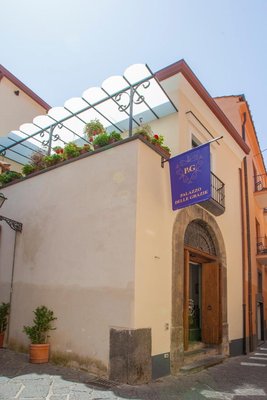
Palazzo Delle Grazie
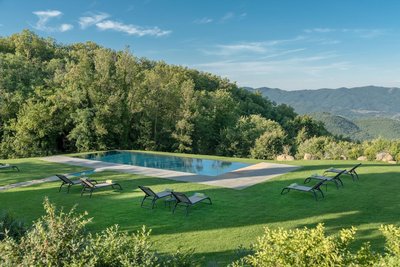
Badia di Pomaio
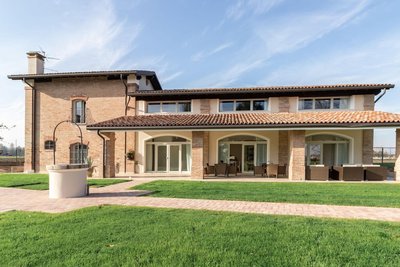
Monteborre
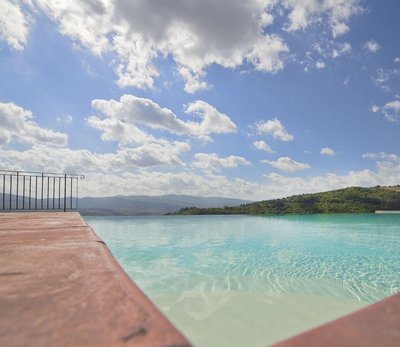
Castello Vicchiomaggio
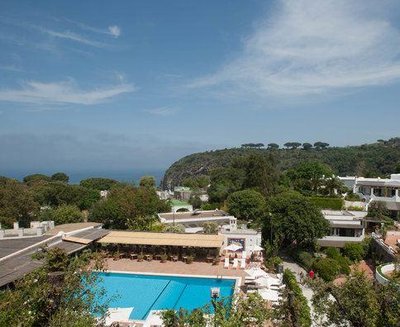
Botania Relais & Spa - the Leading Hotels of the World
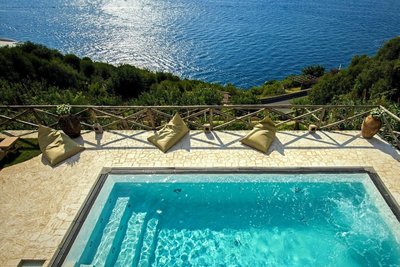
Villa Gianlica
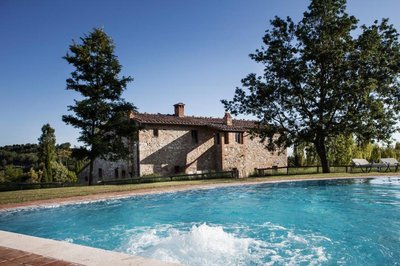
B&B - Podere Monti
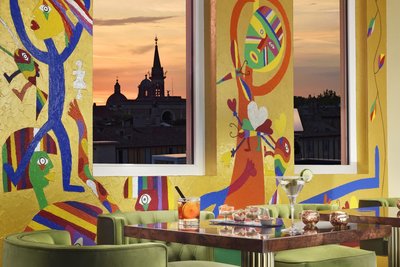
Lifestyle Suites Rome
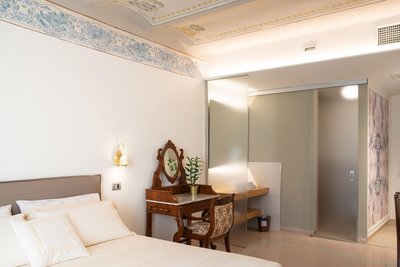
Portica10
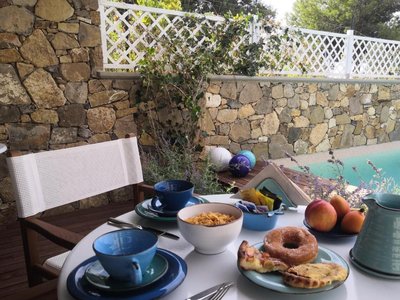
Stile Libero b&b
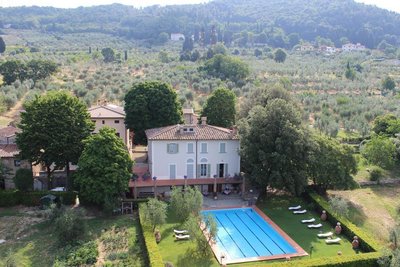
Borgo I Vicelli
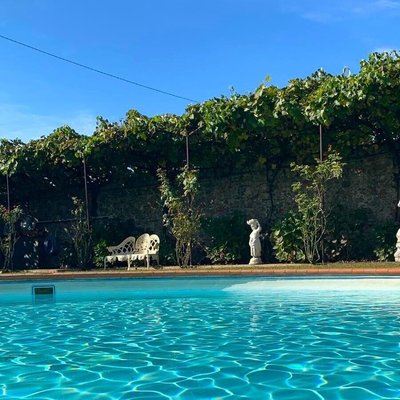
Villa la Preziosa
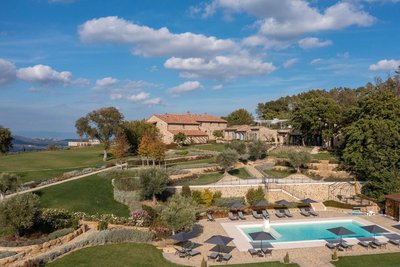
I Borghi Dell'Eremo
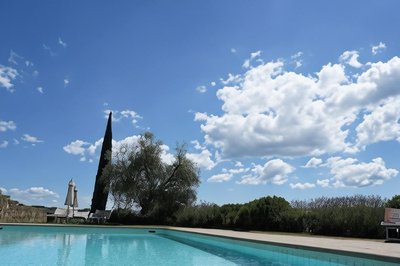
Wine Resort Dievole
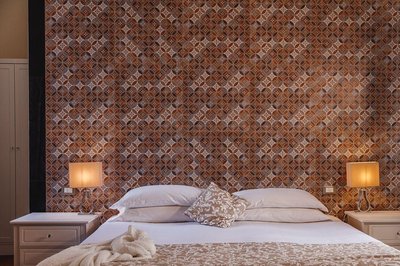
My Spanishsteps
Frequently Asked Questions about Traveling to Tarquinia
Questions You Might Need to Know About Traveling to Tarquinia
In Tarquinia, the standout choice is Hotel Villa di Vignanello, a boutique hotel nestled near the Etruscan Necropolis. Built with local stone and featuring ancient Etruscan motifs, it blends historical ambiance with modern comfort. Guests enjoy an outdoor pool, olive groves, and a breakfast of regional Lazio specialties. Its proximity to archaeological sites and personalized service make it ideal for travelers seeking an immersive experience in ancient Etruscan culture.
The historic center of Tarquinia is the prime area for accommodations, located just minutes from the Etruscan Necropolis and the Museo Archeologico. This district hosts charming family-run B&Bs like B&B La Terrazza, offering authentic Italian hospitality and local tour assistance. With quiet streets, panoramic views of ancient burial mounds, and easy access to cultural sites, it’s perfect for those wanting to explore Etruscan heritage in a peaceful, authentic setting.
Staying in Tarquinia allows you to join guided tours inside the Etruscan underground tombs, led by archaeologists who reveal insights into Bronze Age burial rituals. Weekly farmers’ markets feature local artisans, organic produce, and traditional cheeses—try Tarquinia olive oil and wild truffle pasta. Some hotels offer hands-on ceramics workshops, where you craft your own Etruscan-style pottery, creating a lasting memory of ancient craftsmanship.
Yes, many Tarquinia hotels welcome families. Villa Alba B&B offers family suites with play areas and organizes kids’ archaeology camps. The hotel provides cribs, child-friendly menus, and guided tours tailored for younger visitors. Surrounded by nature trails and safe rural roads, it’s an ideal base for parents seeking a calm, educational getaway. Children can explore ancient tombs through interactive storytelling, making history engaging and fun.
Hotels in Tarquinia’s city center are within a 15-minute walk of the Etruscan Necropolis entrance, or guests can take the free shuttle bus to the archaeological park. Premium hotels like Hotel Castello di Vignanello offer private transfers and provide audio guides for self-paced exploration. HopeGoo in advance is recommended due to daily visitor limits—hotels often assist with securing optimal visiting times.
Absolutely. Hotel Villa di Vignanello hosts a signature "Etruscan Dinner" featuring dishes like roast lamb, wild greens, and black rye bread, cooked in a century-old stone oven. Ingredients come from the hotel’s garden, and wines are sourced from nearby Roman vineyards. Some hotels also offer rooftop dining with views of the ancient hills. Private chef experiences are available for special occasions, blending tradition with gourmet flair.
Most hotels employ staff fluent in English and German, while select ones like B&B La Terrazza offer Chinese-speaking receptionists. Front desks provide multilingual maps, brochures, and even rental translation devices. For deeper insight, guests can book bilingual archaeology guides who explain site details accurately. This ensures seamless communication for international travelers eager to learn about Etruscan civilization.
Tarquinia hotels incorporate Etruscan artistry throughout their design—walls adorned with archaeological tile fragments, furniture carved from volcanic rock, and rooms decorated with replica tomb frescoes. Textiles and rugs come from local artisan workshops inspired by ancient patterns. Some display original pottery found on-site, turning the lobby into a living museum. This cultural authenticity transforms each stay into a journey through time.
Nighttime in Tarquinia is magical. Hotels like Villa Alba host stargazing sessions under pristine skies, free from light pollution. Limited-access night tours of the necropolis use candlelight and whispered narration, evoking ancient beliefs about the afterlife. Guests can relax in terraced gardens, listening to wind through olive trees—creating a deeply serene, almost timeless atmosphere that lingers long after departure.
Definitely. Tarquinia welcomes solo travelers with private rooms, social lounges, and group activities like guided hikes to ancient sites. Hotel Castello di Vignanello runs regular meetups for independent explorers, fostering connections among like-minded travelers. Cultural talks and craft workshops are open to individuals, ensuring a rich, engaging experience. The town’s safety, tranquility, and deep history make it a perfect destination for introspective, enriching travel.
Tarquinia Overview
City Summary
Tarquinia, located in the Lazio region of Italy, is a city renowned for its rich Etruscan heritage. It is home to numerous ancient tombs and frescoes, designated as a UNESCO World Heritage Site. Tarquinia is not only a paradise for archaeology enthusiasts but also attracts visitors with its charming medieval atmosphere and beautiful countryside landscapes.
Must-See Attractions
The most famous attraction in Tarquinia is the Etruscan Necropolis (Necropoli di Tarquinia), which features exquisite frescoes depicting the life and beliefs of the ancient Etruscans. Additionally, the Tarquinia National Museum (Museo Nazionale Tarquiniense) houses a vast collection of archaeological artifacts. The medieval city center is also worth exploring, especially the Tarquinia Cathedral (Duomo di Tarquinia) and the Town Hall (Palazzo Comunale).
Food Guide
Tarquinia's cuisine is influenced by Etruscan traditions and the flavors of the Lazio region. Recommended dishes include pasta alla gricia and pasta all'amatriciana. The local olive oil and wine, particularly the "Est! Est!! Est!!!" wine, are also highly regarded. Street food like porchetta (roast pork) and supplì (fried rice balls) are must-try delicacies.
Transportation Guide
Public transportation in Tarquinia primarily relies on buses, which can be taken from Rome or other nearby cities. Within the city, walking is the best way to get around, as the main attractions are concentrated in the historic center. To visit the Etruscan Necropolis in the outskirts, you can take a local bus or rent a car. Taxis are scarce in the city, so it's advisable to book in advance.
Best Time to Visit
The best time to visit is during spring (April to June) and autumn (September to October), when the weather is mild and there are fewer tourists. Summer (July to August) can be hot and crowded, so it's best to avoid peak season. Winter (November to March) is colder but offers a quieter experience for those who prefer solitude.
Travel Tips
- When visiting the Etruscan Necropolis, respect the artifacts and avoid touching the frescoes.
- Italians have late lunch hours; restaurants usually open after 1 PM.
- Tipping is not mandatory, but leaving small change is appreciated.
- Wear comfortable shoes, as the streets in the historic center are cobbled.
- Learning a few basic Italian greetings can make interactions with locals more pleasant.
- Keep an eye on your belongings, especially in crowded areas.
Useful Information
Language: Italian is the main language, but English is commonly understood in tourist areas. Internet: Free Wi-Fi hotspots are available in the city, but coverage may be limited; consider buying a local SIM card. Payment: Credit cards are accepted in most places, but small shops and markets may only take cash. Emergency: The emergency number is 118; hospitals and pharmacies are available for medical services. Voltage: 220V, with Type F (two round pins) sockets. Time Zone: Central European Time (CET), UTC+1.