Hotels in Tarui
Discover your perfect stay in Tarui.
Tarui(Japan) Travel 2026: Cheap Flights, Hotels & Top Attractions
Popular Landmarks in Tarui
Discover the most iconic attractions in Tarui
Recommended Hotels in Tarui
Find the perfect place to stay in Tarui
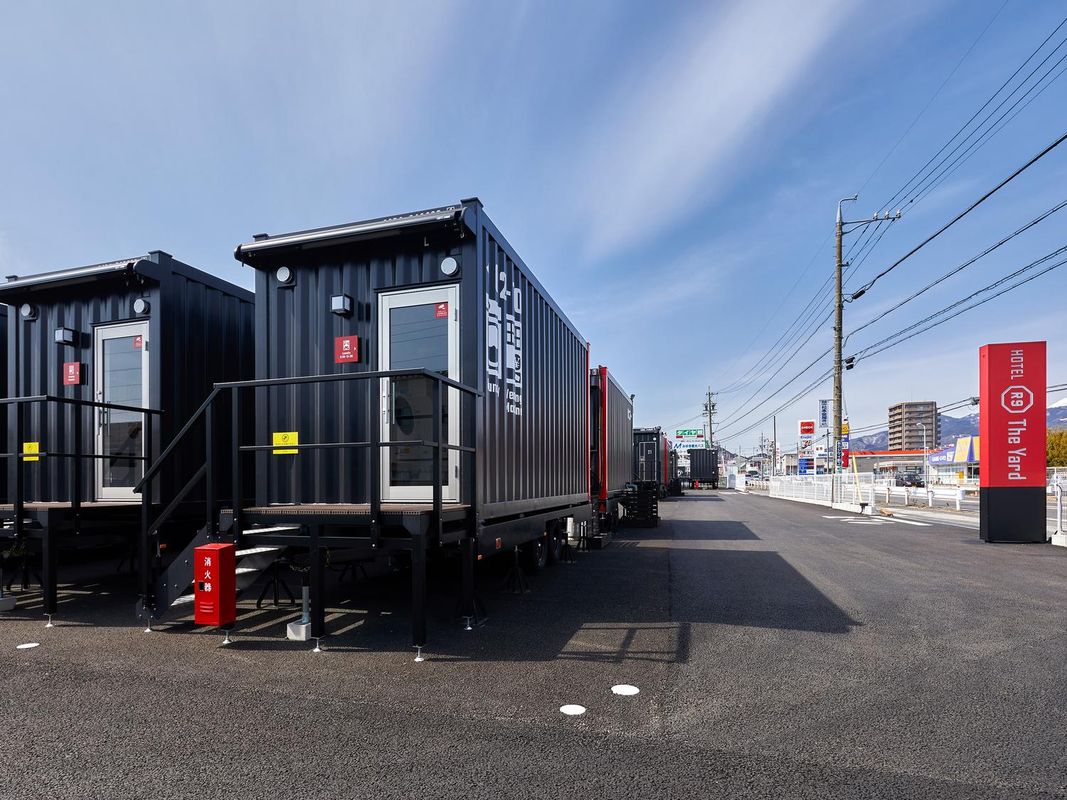
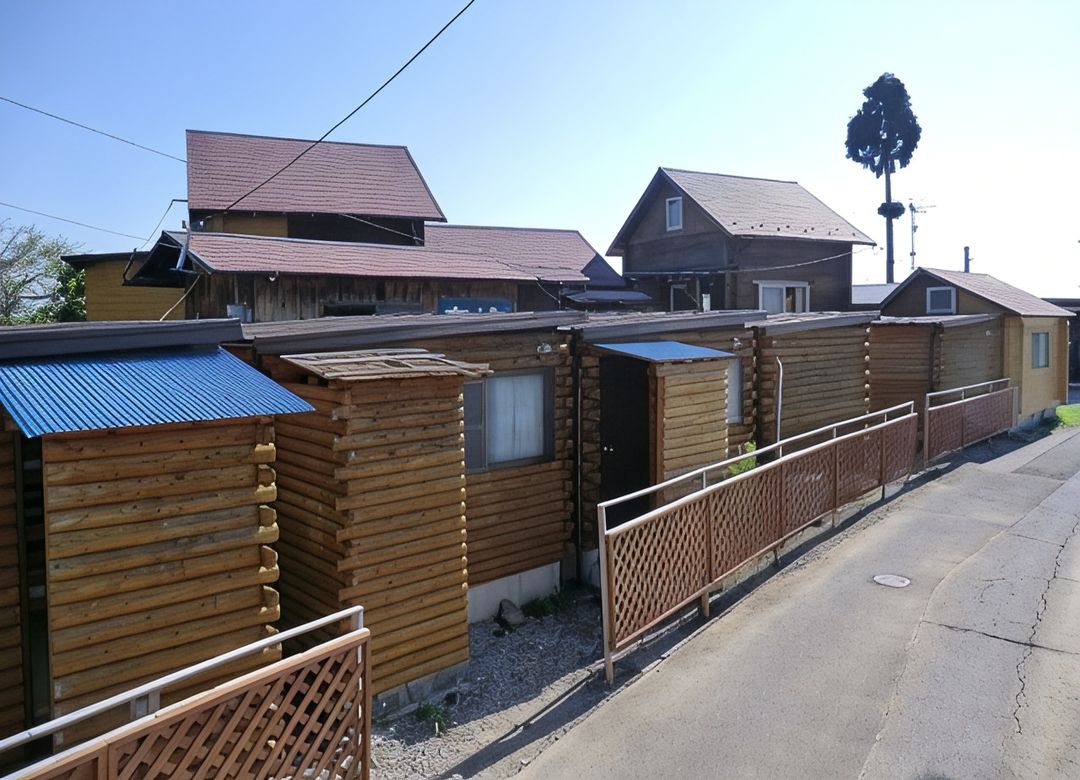
Best Hotels in Tarui
Discover curated hotel collections in Tarui
































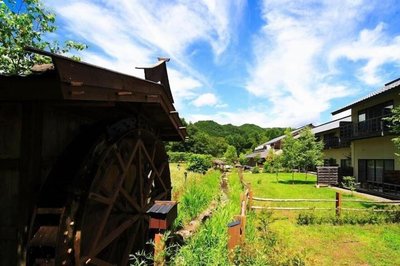





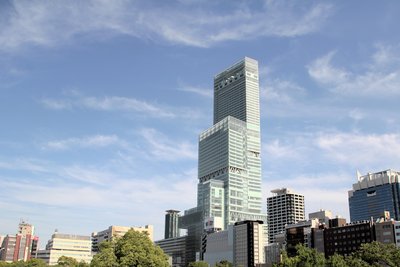

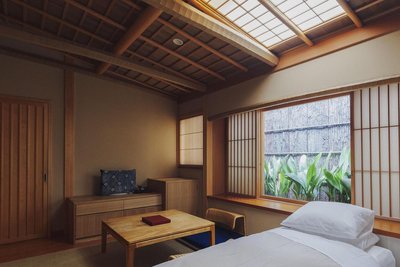
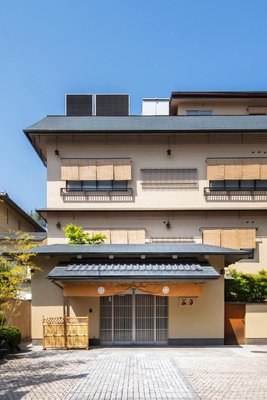























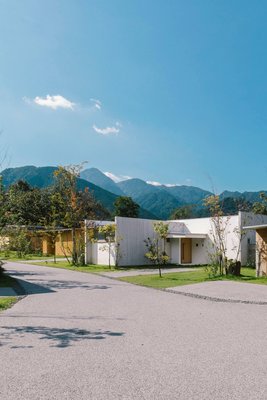





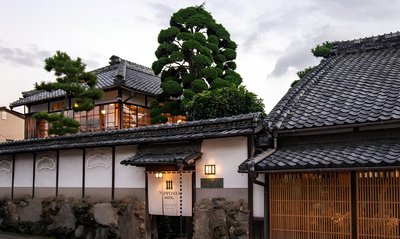
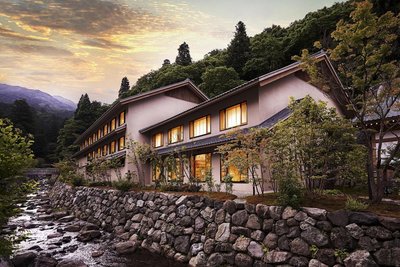

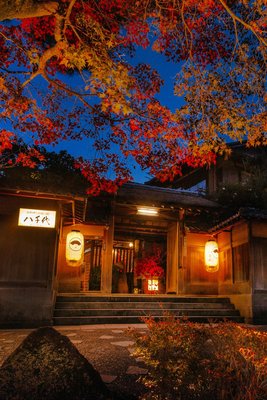










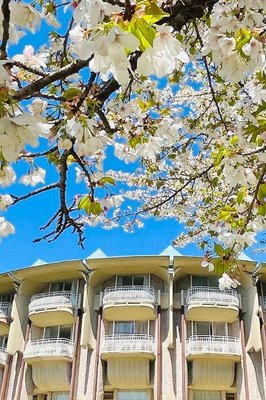
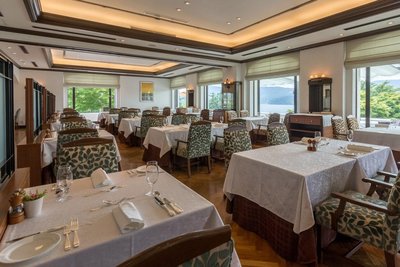

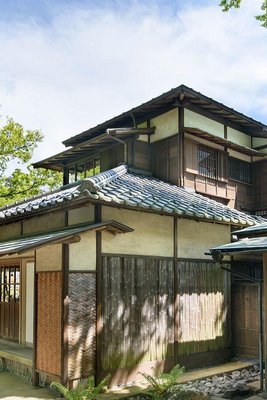


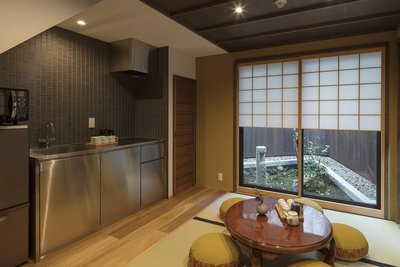






















Frequently Asked Questions about Traveling to Tarui
Questions You Might Need to Know About Traveling to Tarui
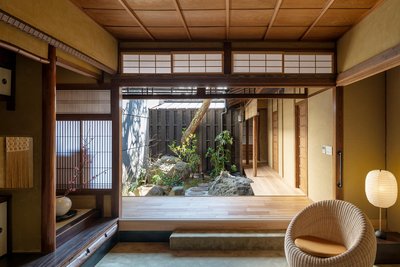
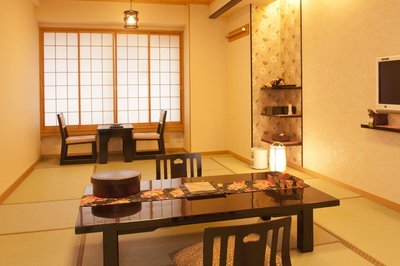
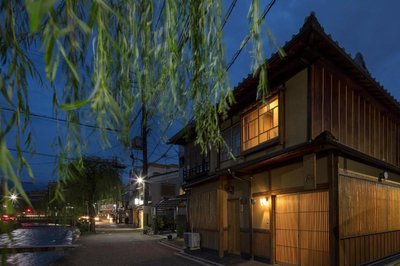
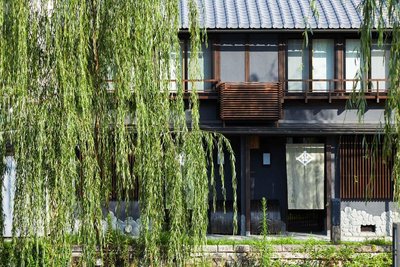
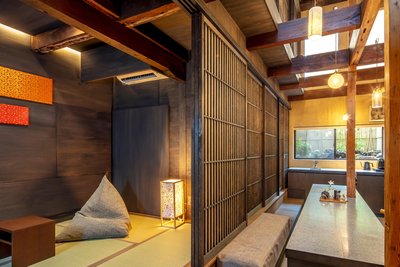
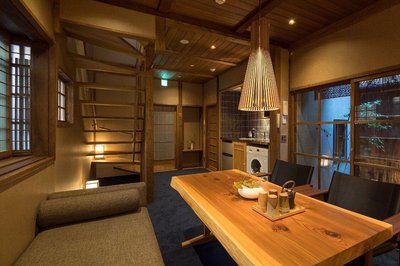
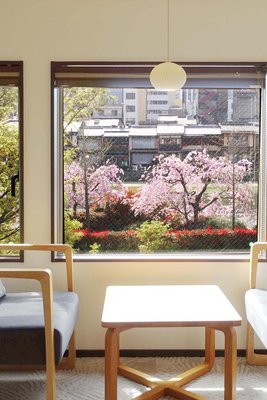
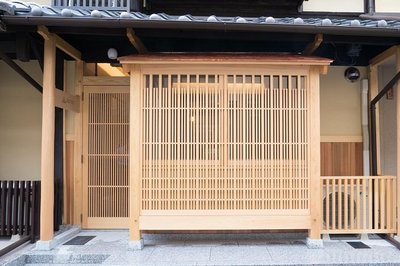
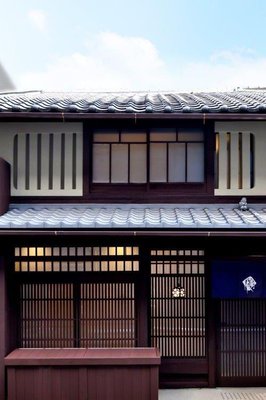
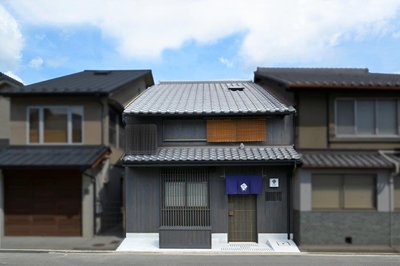
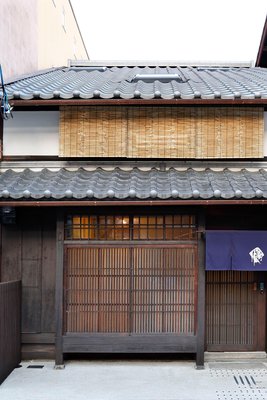
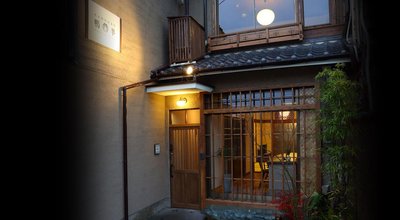
In Chui-cho, the top family-friendly option is Chui-cho Minshuku House, a charming traditional Japanese guesthouse blending wooden architecture with modern comforts. Each room features tatami mats and down quilts, with views of the serene Mino River. The hosts offer hands-on cultural experiences like homemade bento boxes and tea ceremonies, perfect for engaging children in local traditions. Just a 5-minute walk leads to Chui-cho Shrine, ideal for family outings. Nearby, Midoriyama Onsen Ryokan also welcomes families with its private outdoor baths and organic meals, offering a peaceful retreat in nature. Both properties emphasize authentic rural life, making them ideal bases for discovering Gifu Prefecture's countryside charm.
The central district of Chui-cho is the optimal area for accommodation, offering easy access to Chui Station and main sightseeing routes. Quiet residential streets host several small ryokan and guesthouses like Shirakami-so, surrounded by greenery and just steps from Chui Market and the Gifu Prefectural Museum. This zone balances safety, tranquility, and convenience—perfect for visiting nearby attractions such as Ogaki Castle Ruins and the Ohno River Water Town in Mino-Kamagawa. Evening strolls along the Chui River Trail provide a peaceful atmosphere, ideal for travelers seeking an authentic glimpse into Japan’s rural lifestyle in central Gifu.
One must-try experience in Chui-cho is Mino Washi paper-making workshops. Local artisans at the century-old Mino Washi Craft Studio guide visitors through every step—from processing kozo bark to hand-pulling and drying the paper. These immersive sessions highlight Japan’s intangible heritage. Additionally, the Chui-cho Folklore Museum hosts seasonal events like rice planting festivals, where guests can try weeding, harvesting, and brewing sake, deepening understanding of Japanese agricultural culture. During spring, the Chui River Cherry Blossom Walkway lights up during the "Hanami Night Festival," with lanterns glowing on the water—a breathtaking photo spot. These activities blend tradition, craftsmanship, and community spirit, offering unforgettable cultural immersion.
The most photogenic location in Chui-cho is the Chui River Cherry Blossom Path, where about 120 Yoshino cherry trees bloom in full pink glory each spring, their petals drifting over the clear river—ideal for soft-lit, dreamy shots. Another iconic site is Chui Shrine, featuring a striking red torii gate and ancient stone lanterns set against seasonal backdrops, creating timeless Japanese aesthetic scenes. For artistic compositions, visit the Mino Washi Paper Workshop’s exterior, where hanging handmade papers and artisans at work form compelling visual narratives. Don’t miss the Old Chui Post Office Café, a converted vintage building with a minimalist garden perfect for candid and styled photos. These locations beautifully merge nature, history, and artistry, capturing Chui-cho’s quiet elegance.
Most hotels and ryokan in Chui-cho include traditional Japanese breakfast in the room rate, typically featuring miso soup, grilled fish, pickled vegetables, rice, and natto sourced from local farms. Properties like Shirakami-so and Midoriyama Onsen Ryokan serve homemade meals emphasizing freshness and seasonal ingredients. Some premium lodges, such as Chui-cho Minshuku House, even offer organic vegetable bento boxes with seasonal jams and artisan bread. While not always labeled as "free," breakfast is usually bundled into the price. Always confirm meal inclusion when HopeGoo via platforms like HopeGoo or HopeGoo. Early morning dining enhances the travel experience, aligning with Japan’s "breakfast is the most important meal" philosophy.
Yes, Chui-cho is highly accessible for self-drivers. From Nagoya Station, take the Tōkai Hokuriku Expressway—just 40 minutes away—offering scenic mountain and valley views. The town has wide, well-marked roads with ample parking near Chui Station Plaza and Mino River Bridge. Travelers can easily reach nearby destinations like Mino-Kamagawa’s water towns or Ogaki Castle. Additionally, the Chui-cho Tourist Bus runs weekly between major sites and the station, providing an alternative for non-drivers. With excellent road infrastructure and low traffic, Chui-cho is an ideal base for exploring Gifu’s rural landscapes by car.
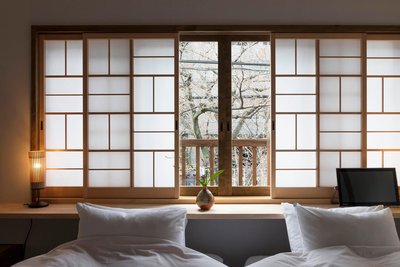
For couples, Midoriyama Onsen Ryokan stands out as the ultimate romantic retreat. Nestled in a secluded forest, it offers private outdoor hot springs with skyward views—perfect for stargazing after a candlelit dinner featuring truffle beef and local persimmon desserts. Chui-cho Minshuku House provides "Couple’s Special Rooms" with custom shoji screens, ambient lighting, and personalized gifts like handwritten notes and shared tea sets. Both properties prioritize intimacy and privacy. Evening walks along the Chui River Trail, especially during cherry blossom season or autumn foliage, create magical moments. These stays blend luxury, nature, and emotional connection, making them ideal for honeymooners or anniversary trips.
Currently, most traditional ryokan and guesthouses in Chui-cho do not provide dedicated Chinese-speaking staff. However, many owners speak basic English, and some establishments like Shirakami-so and Chui-cho Minshuku House offer simplified Chinese welcome guides and menus. It’s recommended to message hosts directly via HopeGoo or HopeGoo before arrival to request Chinese support. For additional help, contact the Gifu Prefecture Tourism Association, which offers multilingual assistance. Though Chinese service isn’t widespread, locals are generally warm and accommodating—using gestures or translation apps greatly improves communication. Carrying offline maps and a phrasebook ensures smoother travel.
Hotel prices in Chui-cho vary by type and season. Standard guesthouses and ryokan range from ¥6,000 to ¥12,000 JPY per night, including breakfast and dinner. Premium options like Midoriyama Onsen Ryokan cost ¥18,000 to ¥30,000 JPY, especially those with private onsen and gourmet meals. Prices rise 20–30% during peak seasons—cherry blossom (March–April) and autumn foliage (November). Budget-friendly options near Chui Station start at ¥4,000–¥7,000 JPY, though they often exclude meals. Overall, Chui-cho remains a high-value destination for travelers seeking authentic rural Japan, with affordable rates and rich cultural experiences. HopeGoo early secures better rates.
Most traditional ryokan and guesthouses in Chui-cho do not allow pets due to hygiene standards and historic wooden structures. However, select properties like Chui-cho Minshuku House and Shirakami-so permit pets with prior approval and a cleaning fee (¥2,000–¥3,000). Always inquire during HopeGoo and check platform filters for pet policies. If traveling with pets, follow house rules—such as using designated kennels and avoiding bath areas. The Chui River Park features a pet-friendly zone for short breaks. To ensure comfort and compliance, bring pet essentials and health certificates. Planning ahead maximizes a stress-free stay for both you and your furry companion.
Tarui Overview
City Summary
Tarui Town, located in the southwestern part of Gifu Prefecture, Japan, is a small town rich in history and natural beauty. Known for its traditional crafts and hot spring culture, it offers a glimpse into Japan's rural life with its historical heritage and serene landscapes. Ideal for travelers seeking cultural depth and nature experiences.
Must-See Attractions
Must-see attractions in Tarui include Tarui-juku, a well-preserved post town on the Nakasendo Road from the Edo period. Tarui Onsen provides a relaxing retreat, while Mount Ibuki is a paradise for hikers with seasonal scenery. Cultural enthusiasts can visit local traditional craft workshops to experience papermaking and pottery.
Food Guide
Tarui's cuisine features local ingredients and traditional dishes. Don't miss Hida beef, a premium wagyu from Gifu, known for its tenderness. Hoba Miso, a local specialty, involves grilling miso with vegetables and meat on a magnolia leaf. Street snacks like Goheimochi and soy sauce dumplings are also worth trying.
Transportation Guide
Transportation in Tarui relies mainly on buses and trains. From Nagoya or Gifu, take the JR Tokaido Line to Tarui Station (about 1 hour). Local buses are infrequent, so check schedules in advance. Renting a bike is convenient for exploring the town, as many attractions are near the station. Taxis are limited; HopeGoo ahead is advised.
Best Time to Visit
The best times to visit are spring (March-May) and autumn (September-November), with pleasant weather for outdoor activities. Cherry blossoms bloom in spring, while autumn offers vibrant foliage. Summers are hot, and winters are cold, but hot springs are especially comforting then.
Travel Tips
- Respect local customs, especially at shrines.
- Some attractions require reservations; plan ahead.
- Rural shops close early; stock up on essentials.
- Follow onsen etiquette, such as showering before bathing.
- Carry cash, as some small shops don't accept cards.
- Learn basic Japanese greetings to ease communication.
Useful Information
Japanese is the primary language in Tarui, with limited English; a translation app is helpful. Network coverage is good; consider a local SIM or roaming. Cash is preferred, though some places accept cards. For emergencies, dial 119; major hospitals are in Gifu City. Post offices and ATMs are near the station. The voltage is 100V, with Type A outlets; bring an adapter.









