Hotels in Tatebayashi
Discover your perfect stay in Tatebayashi.
Tatebayashi(Japan) Travel 2026: Cheap Flights, Hotels & Top Attractions
Popular Landmarks in Tatebayashi
Discover the most iconic attractions in Tatebayashi
Recommended Hotels in Tatebayashi
Find the perfect place to stay in Tatebayashi
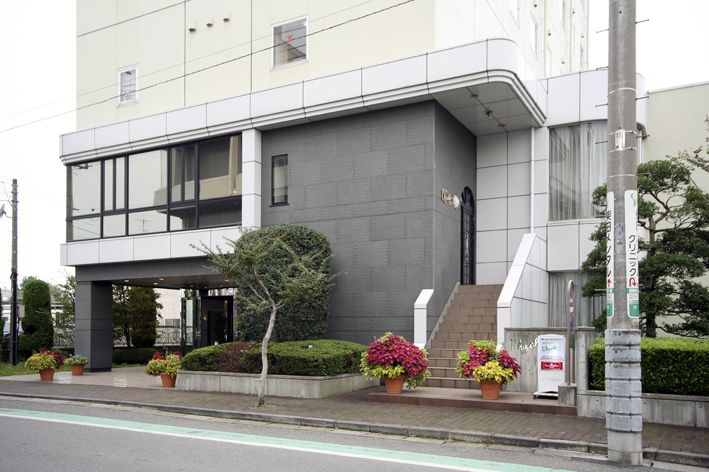
Tatebayashi Hills Hotel
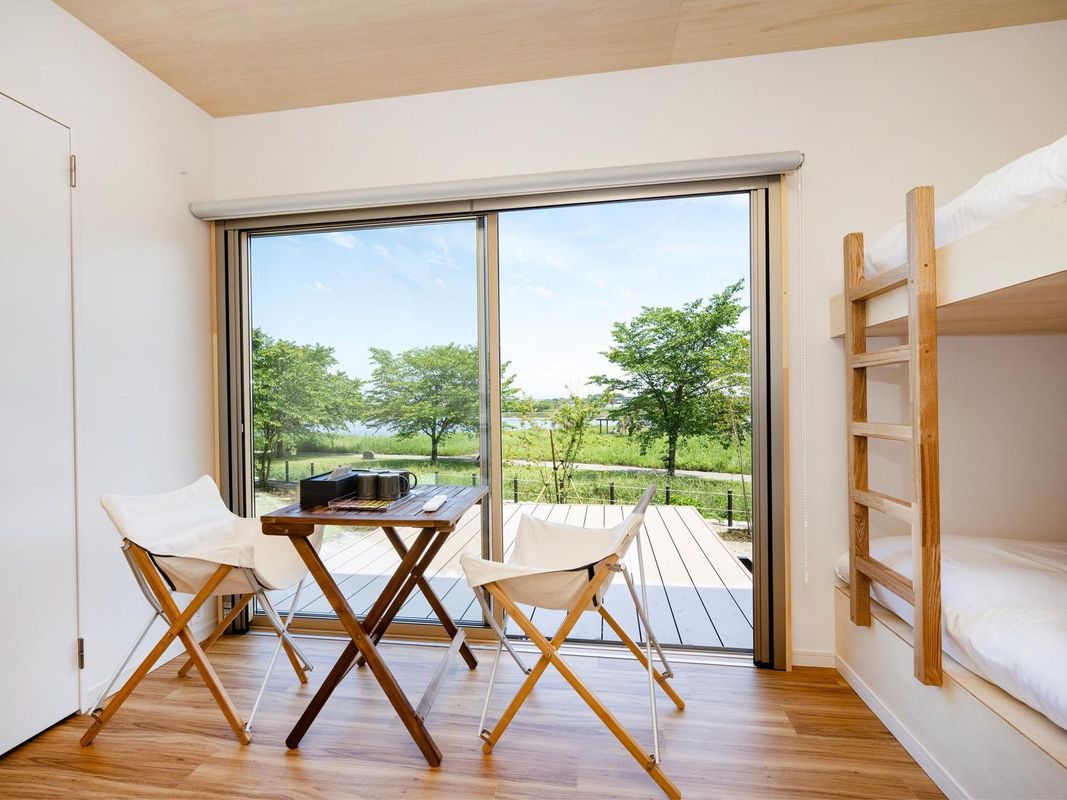
Satonuma Resort Hotel Komorinu
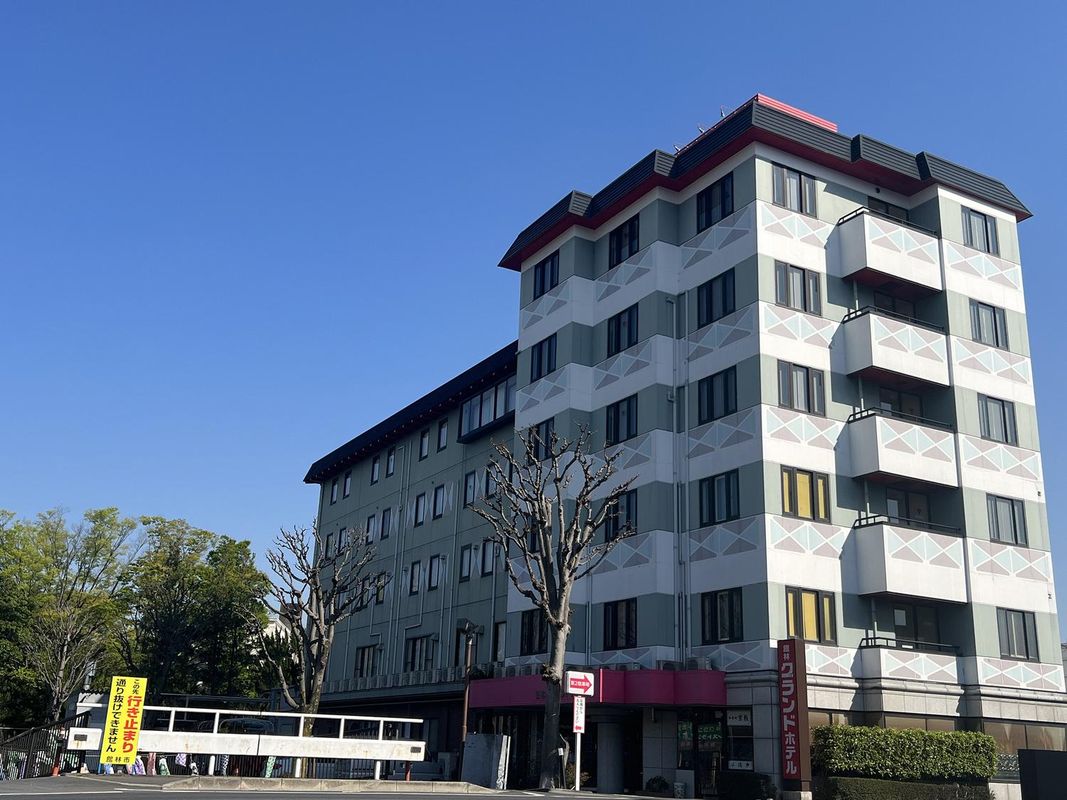
Tatebayashi Grand Hotel
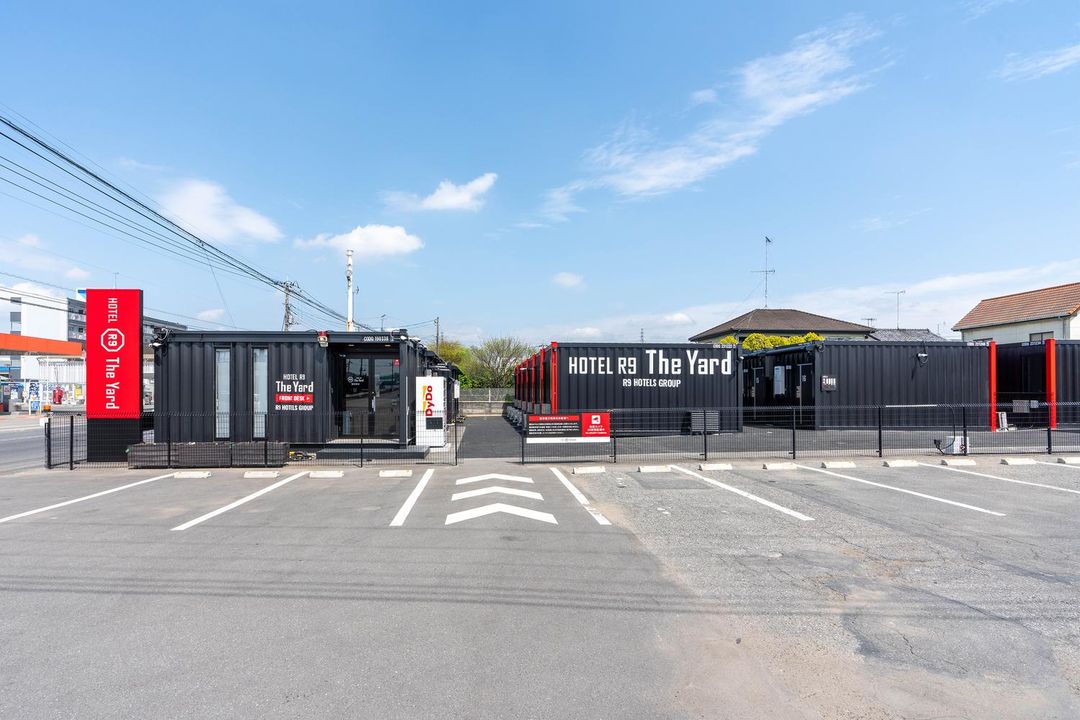
Hotel R9 the Yard Tatebayashishinsakae
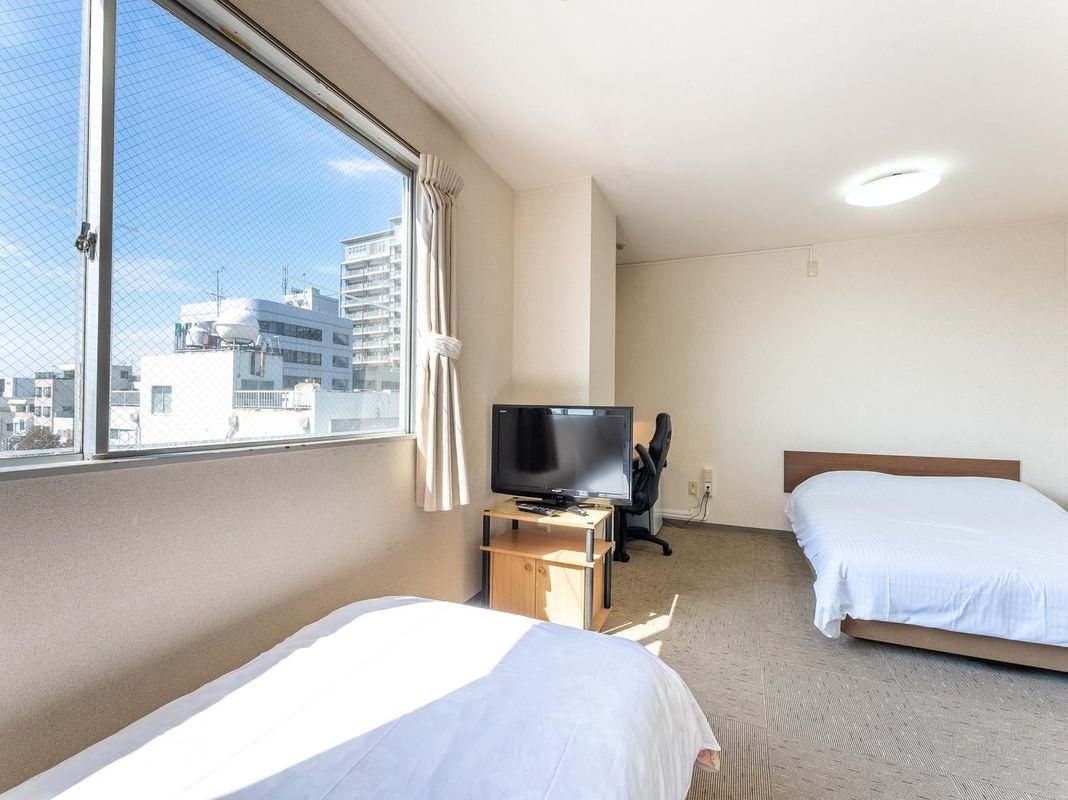
Tabist Tatebayashi Station Hotel
Best Hotels in Tatebayashi
Discover curated hotel collections in Tatebayashi
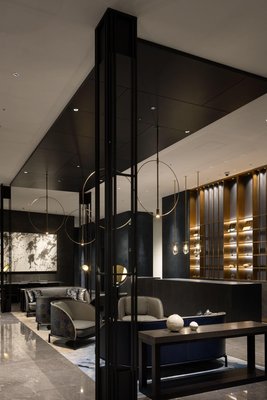
Bellustar Tokyo, A Pan Pacific Hotel
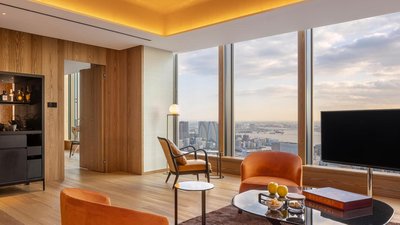
Bvlgari Hotel Tokyo
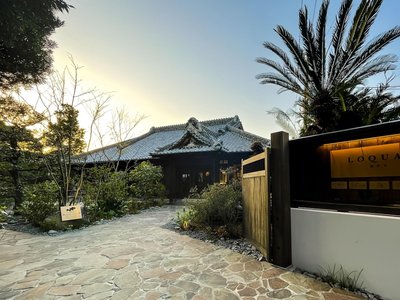
Loquat Nishiizu
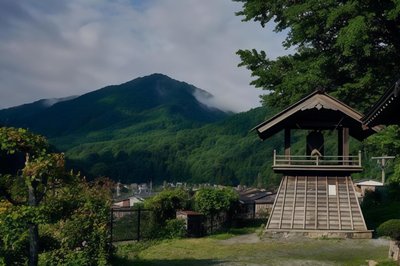
Byaku Narai
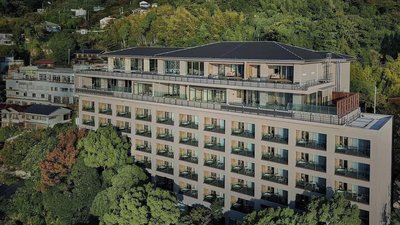
Atami Izusan Karaku
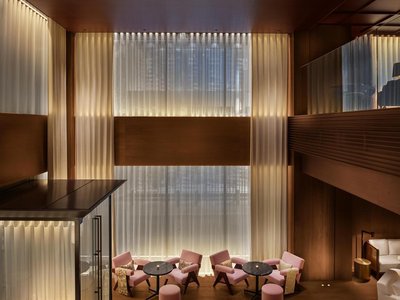
The Tokyo Edition, Ginza
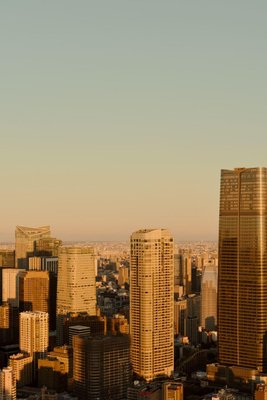
Janu Tokyo
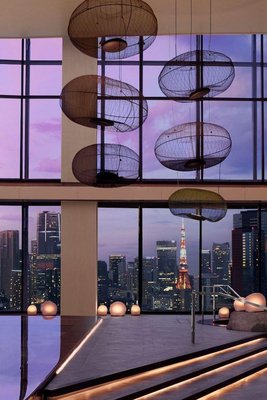
JW Marriott Hotel Tokyo
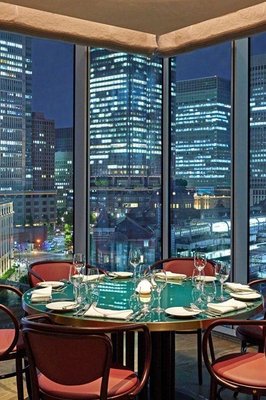
Four Seasons Hotel Tokyo at Marunouchi

Mandarin Oriental, Tokyo
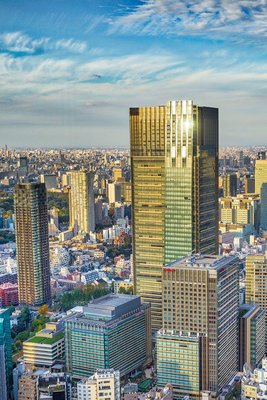
The Ritz-Carlton, Tokyo
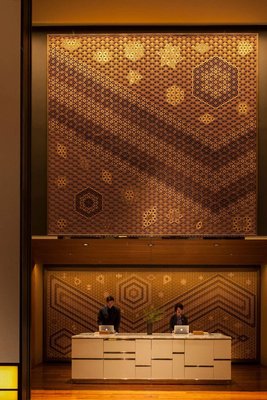
Andaz Tokyo Toranomon Hills- A Concept by Hyatt
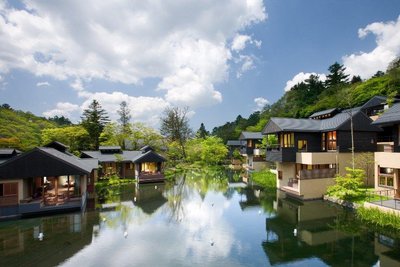
Hoshinoya Karuizawa
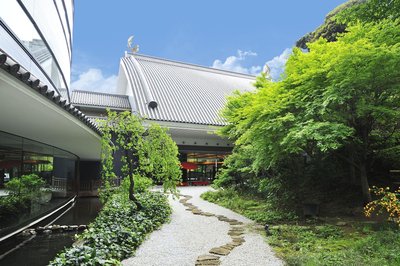
Hotel Gajoen Tokyo
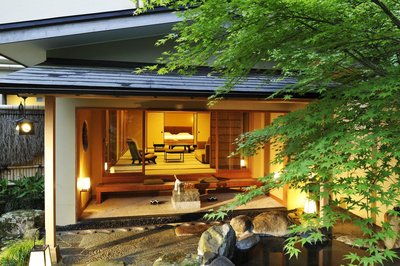
Gora Kadan
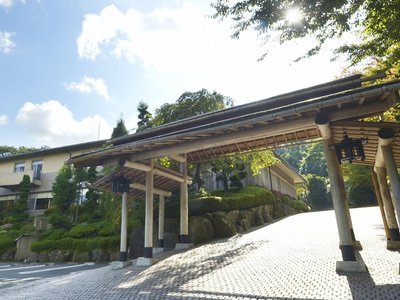
Gora Hanaougi
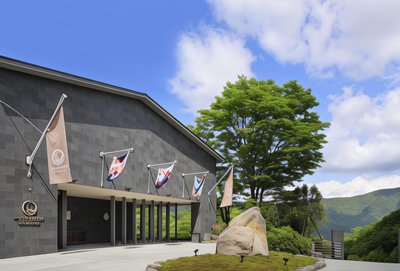
The Hiramatsu Hotels & Resorts Sengokuhara Hakone
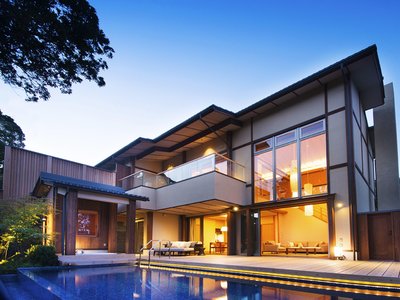
Abba Resorts Izu - Zagyosoh
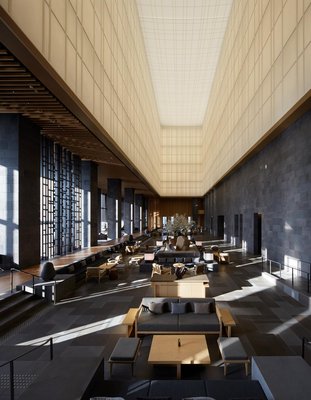
Aman Tokyo
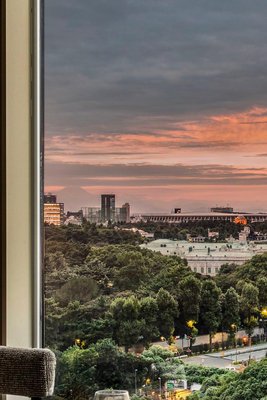
Hotel New Otani Tokyo, Executive House Zen
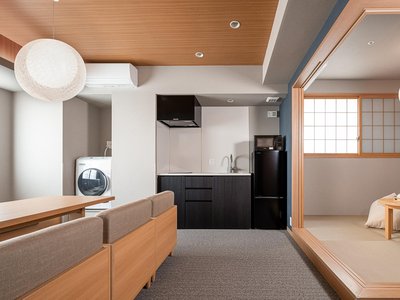
MIMARU SUITES Tokyo Asakusa
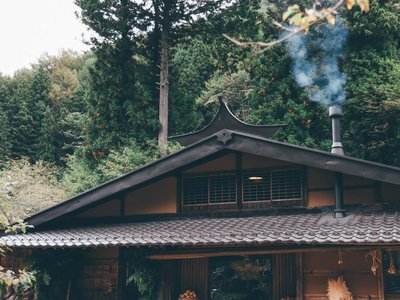
La Terra Resort
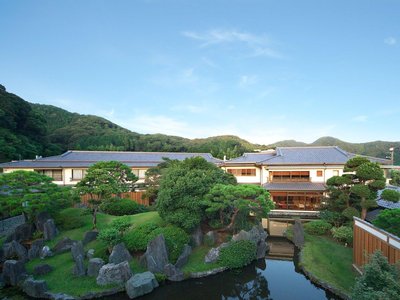
Kagetsutei
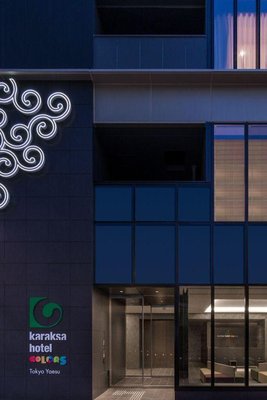
karaksa hotel colors Tokyo Yaesu
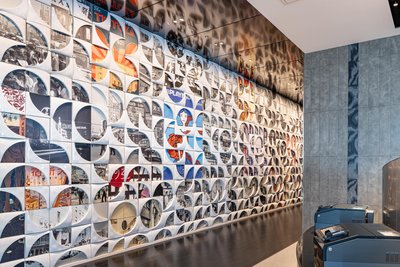
HOTEL GROOVE SHINJUKU, A PARKROYAL Hotel

EN Resort Grandeco Hotel
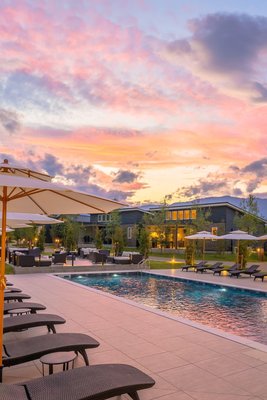
Awaumi Fujikawaguchiko Resort
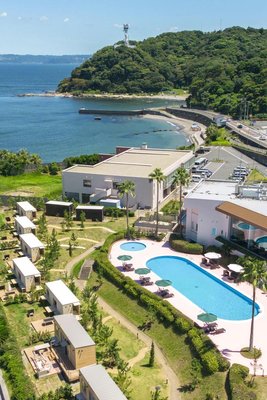
La vista Yokosuka Kannonzaki Terrace
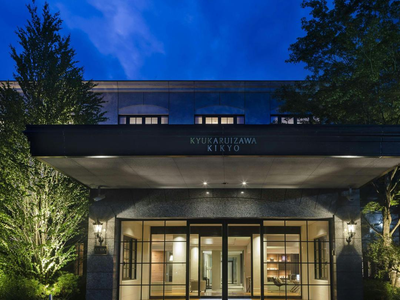
Fufu Karuizawa Wind of Sunshine
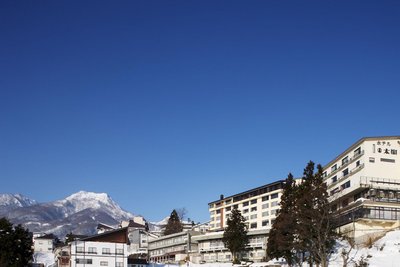
Hotel Taiko, Akakura Onsen
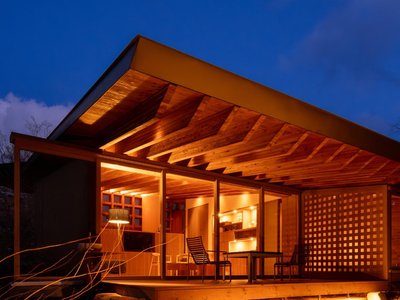
Nasu Mukunone
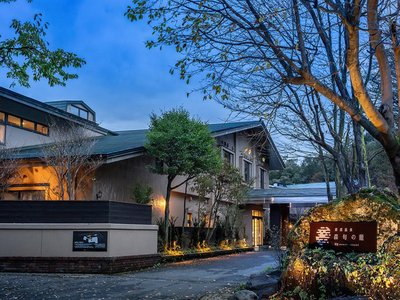
Nasu Onsen Shinshun no Kago Hewitt Resort

Scapes the Suite
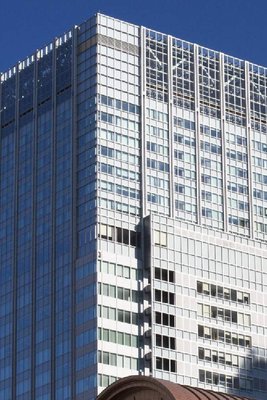
Hotel Metropolitan Tokyo Marunouchi
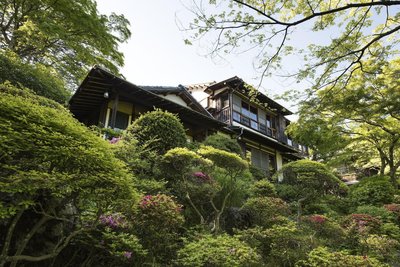
Gora Kansuiro
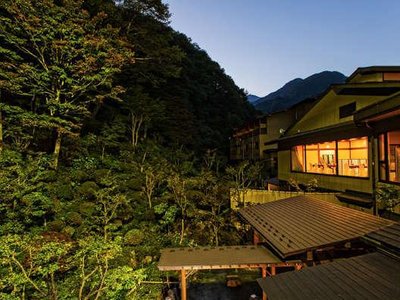
Futari Shizuka
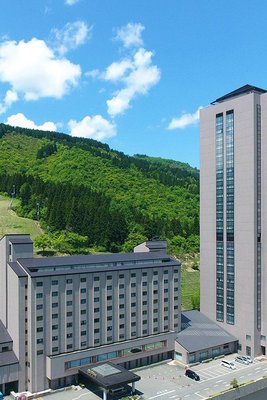
Naspa New Otani
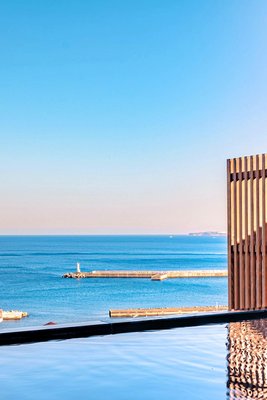
HOTEL KANICHI
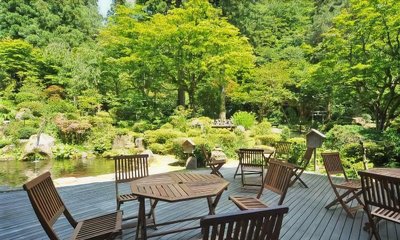
Choseikan
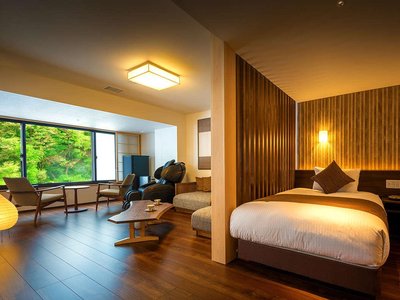
Harataki
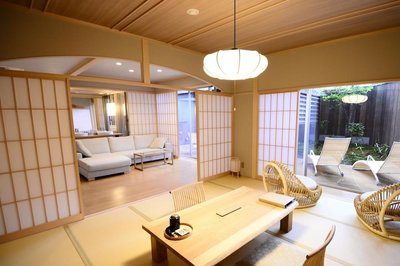
Hakone Gora Byakudan
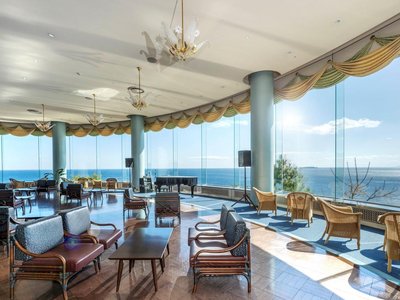
Hotel New Akao
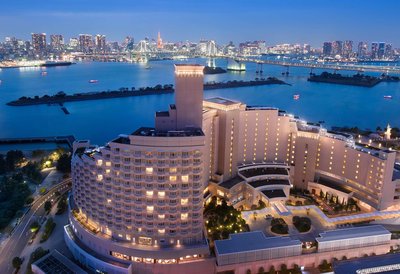
Hilton Tokyo Odaiba
JW Marriott Hotel Tokyo
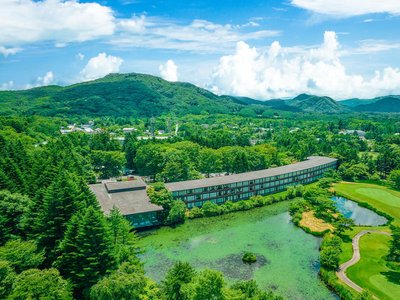
The Prince Karuizawa
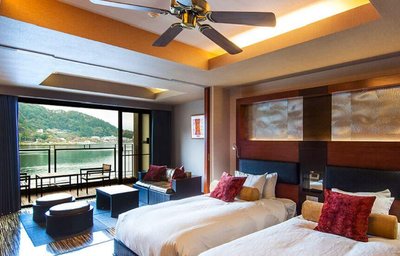
The Kukuna
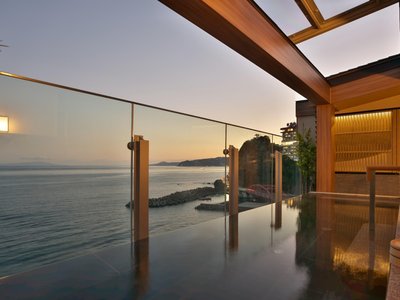
Hotel New Sagamiya
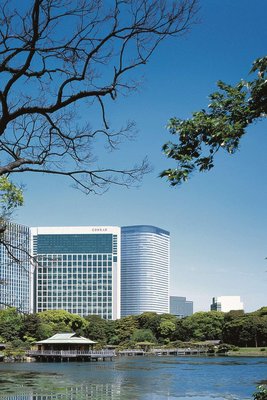
Conrad Tokyo
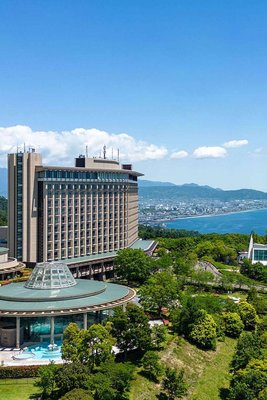
Hilton Odawara Resort & Spa
Hoshinoya Karuizawa
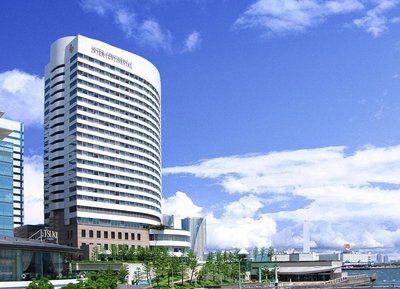
InterContinental Tokyo Bay
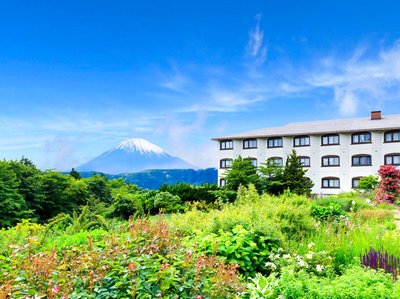
Hotel Green Plaza Hakone
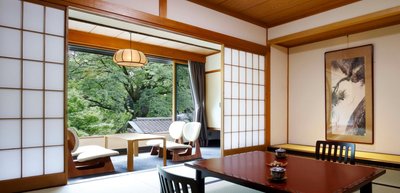
Yoshiike Ryokan
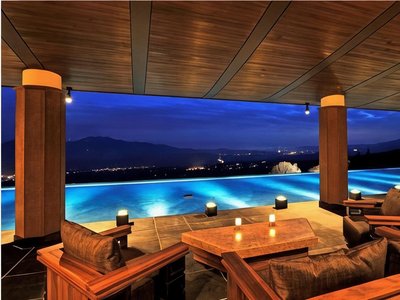
Akakura Kanko Hotel
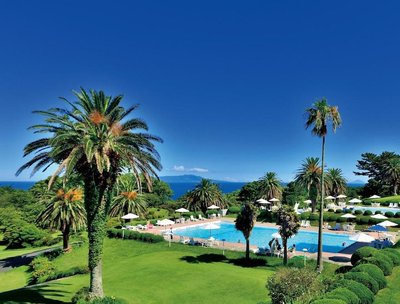
Kawana Hotel
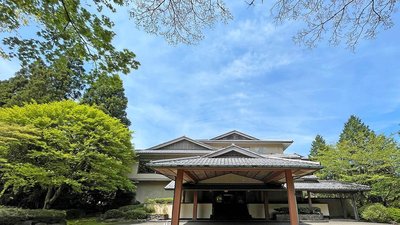
Ryuguden
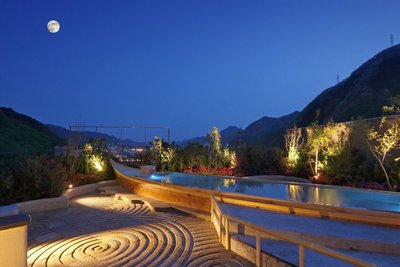
Asaya
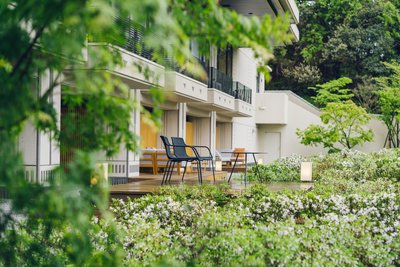
Hoshino Resorts Kai Enshu
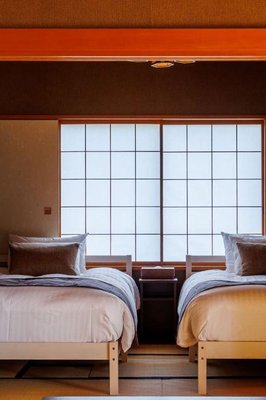
Sado Resort Hotel Azuma
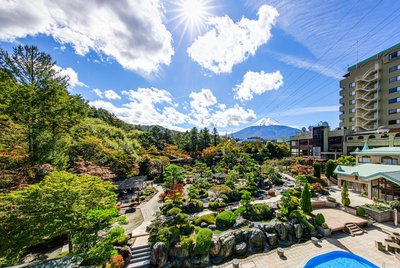
Kaneyamaen
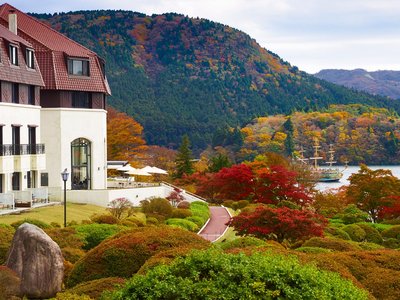
Hotakajyo
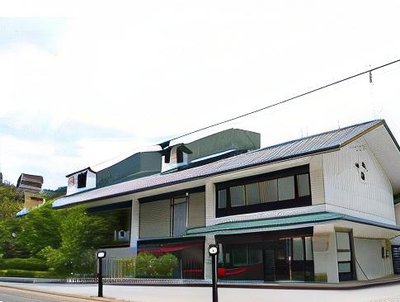
Auberge Suzukane

Onyado Nono Asakusa Bettei Hot Spring
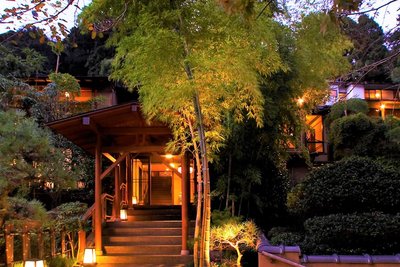
Shiki wo Ajiwau Yado Yamano Chaya
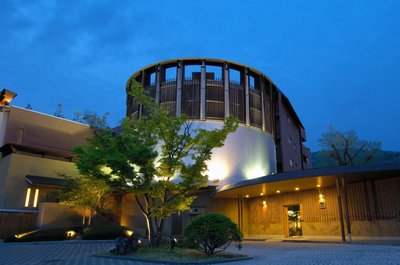
Hoshino Resorts Kai Matsumoto
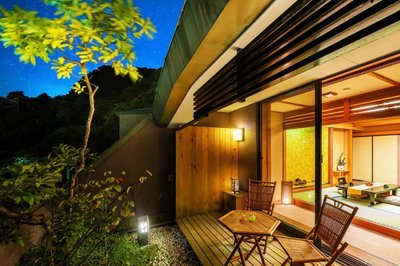
Konjakutei
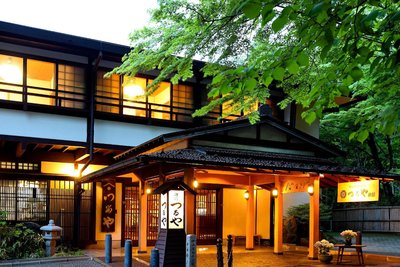
Tsuruya Ryokan
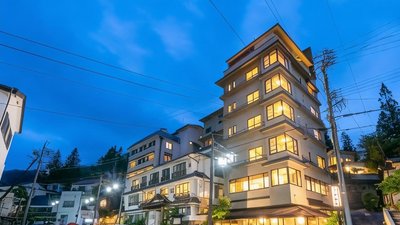
Nakamatsuya Ryokan
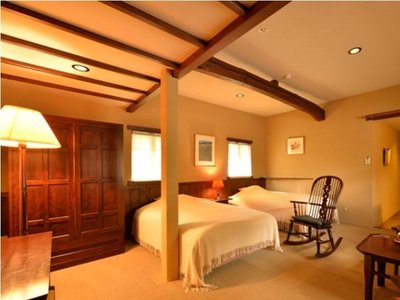
Ryokan Sugimoto
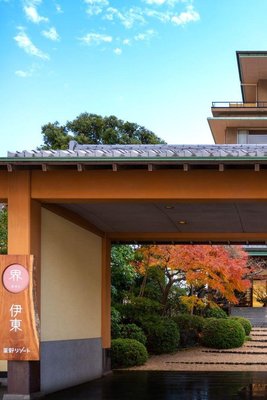
Hoshino Resorts Kai Ito
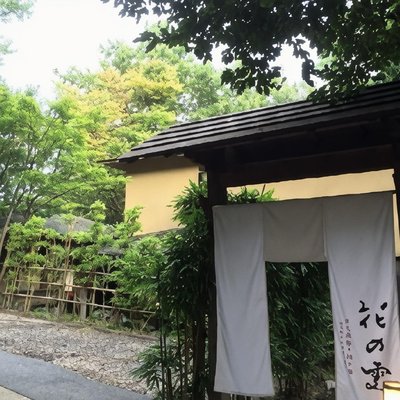
Hana No Kumo
Yoshiike Ryokan
Hotel Gajoen Tokyo
Gora Hanaougi
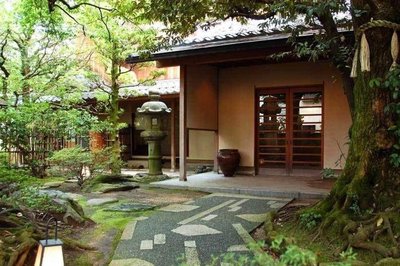
Kocho
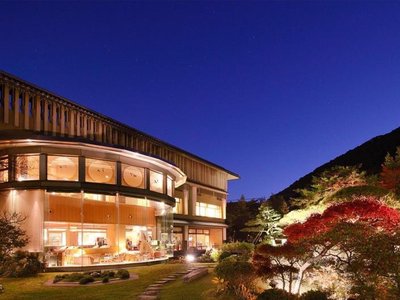
Shikisai Ichiriki
Sado Resort Hotel Azuma
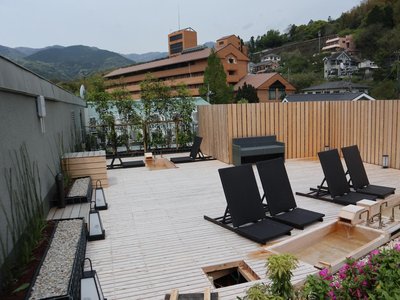
Fukiya Ryokan
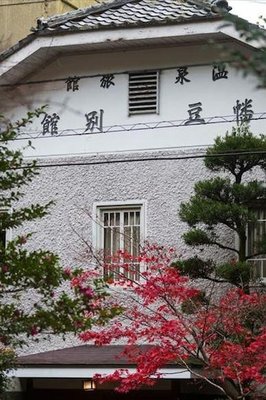
Oku-Mikawa・Yuya Onsen HAZU Bekkan
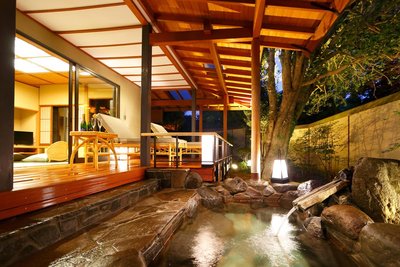
Yoshiharu Ryokan – Izu Nagaoka Onsen
Bellustar Tokyo, A Pan Pacific Hotel
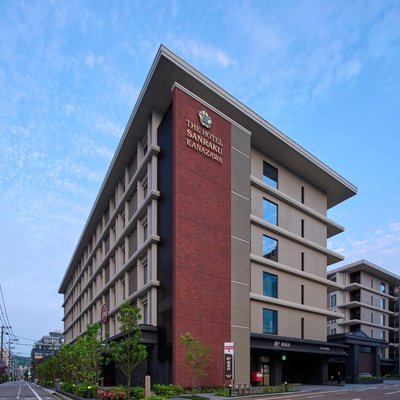
The Hotel Sanraku Kanazawa 21th December 2022 Open
JW Marriott Hotel Tokyo
Andaz Tokyo Toranomon Hills- A Concept by Hyatt
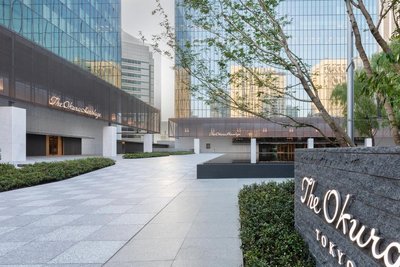
The Okura Tokyo
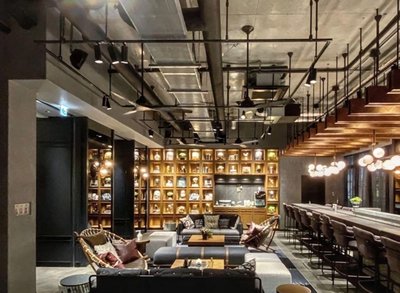
The Lively Azabujuban Tokyo
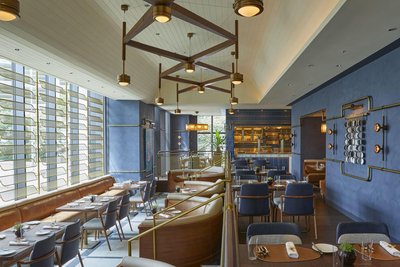
Kimpton Shinjuku Tokyo

HOTEL K5
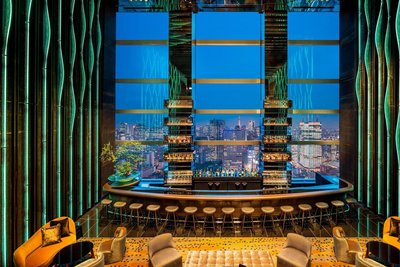
The Prince Gallery Tokyo Kioicho, a Luxury Collection Hotel
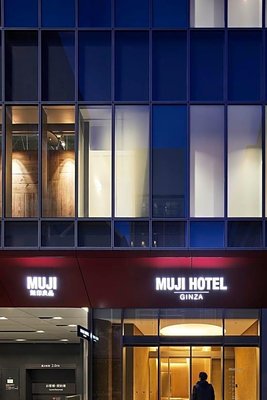
Muji Hotel Ginza
Hakone Gora Byakudan
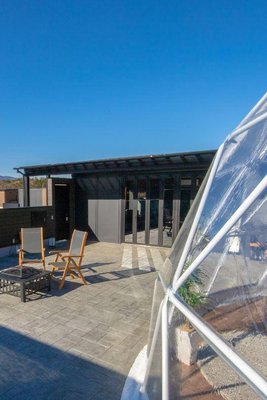
Panoramic Mt. Fuji Views from All Rooms – Vision Glamping Resort & Spa Yamanakako
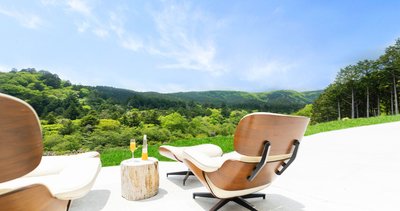
Shelter Garden Nikko
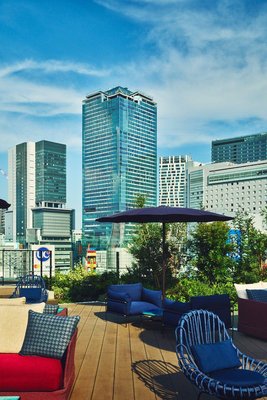
Hotel Indigo Tokyo Shibuya
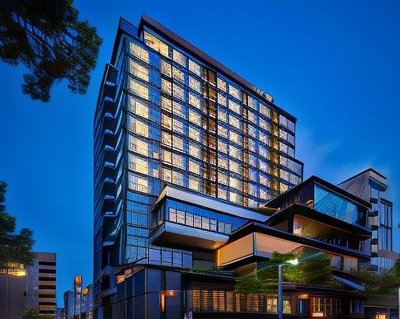
TIAD, AUTOGRAPH COLLECTION
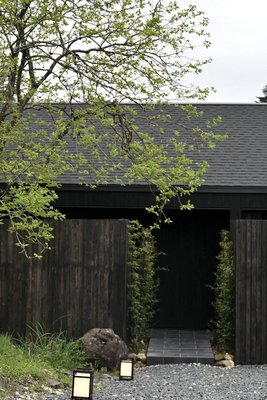
THE LAKOTAN
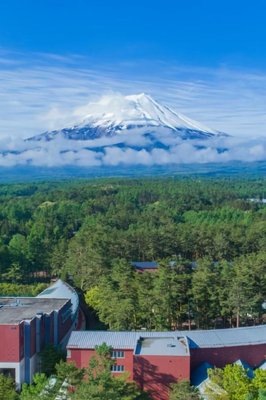
Forest Village (Fuji Premium Resort)
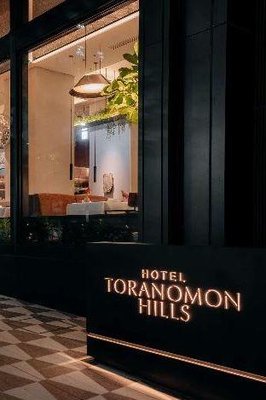
Hotel Toranomon Hills
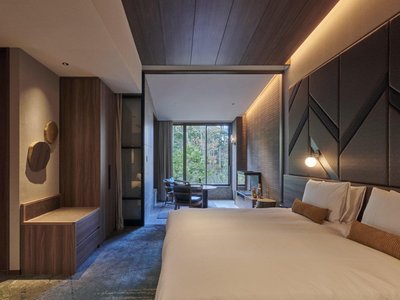
Fufu Kyu-Karuizawa Restful Forest
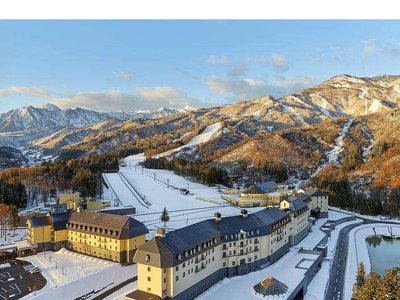
Lotte Arai Resort
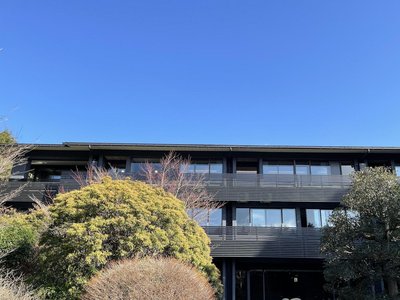
Sengokubara Cocon
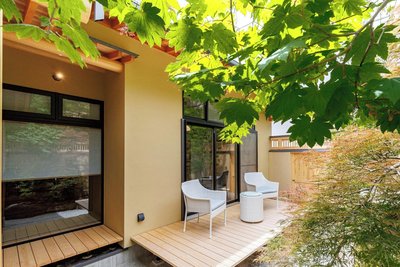
Shoraiso
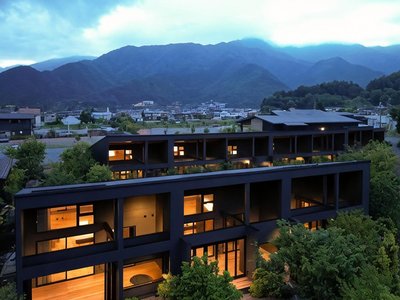
7C Villa and Winery
Hotel la Vigne Hakuba by Onko Chishin
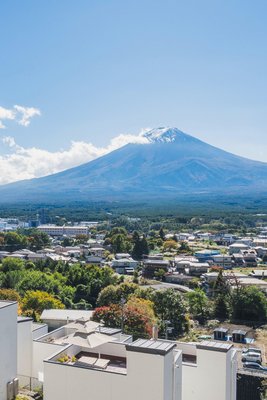
THE TOKI FujiKawaguchiko
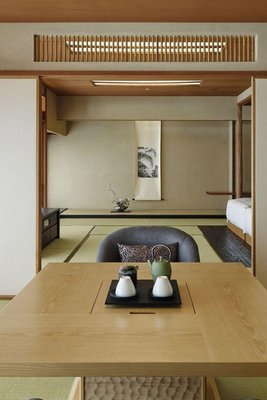
Takanawa Hanakohro (in Grand Prince Hotel Takanawa)
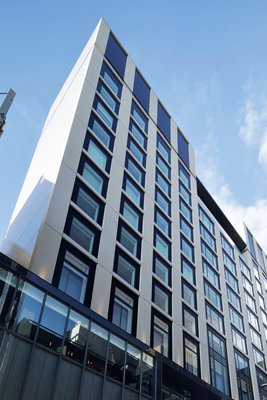
Hyatt Centric Ginza Tokyo
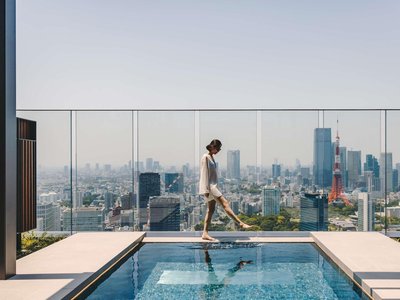
Fairmont Tokyo
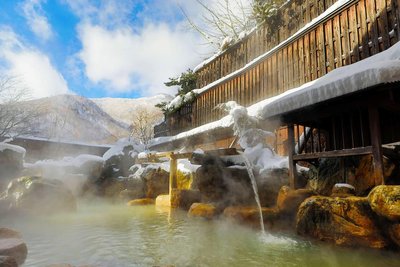
Miyamaouanbekkan yumegurinoyado hirayukan
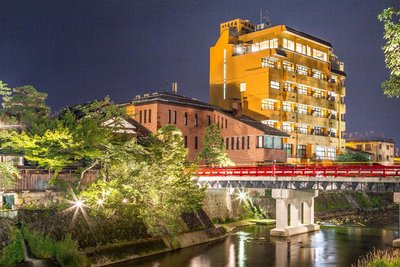
HONJIN HIRANOYA BEKKAN
Bvlgari Hotel Tokyo
Four Seasons Hotel Tokyo at Marunouchi
Mandarin Oriental, Tokyo
The Ritz-Carlton, Tokyo
Andaz Tokyo Toranomon Hills- A Concept by Hyatt
Gora Kadan
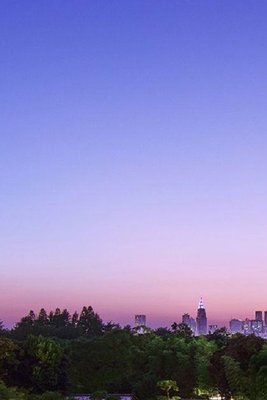
Hotel New Otani Tokyo the Main
Aman Tokyo
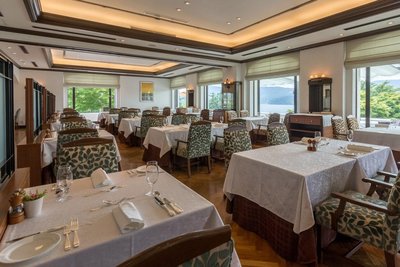
Odakyu Hotel de Yama
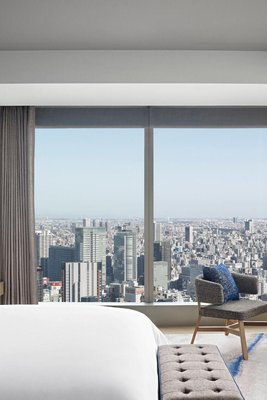
Four Seasons Hotel Tokyo at Otemachi
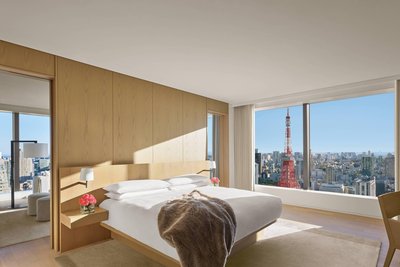
The Tokyo Edition, Toranomon

Hyatt Centric Kanazawa
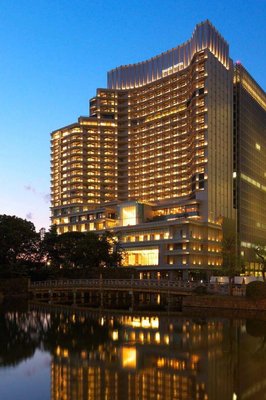
Palace Hotel Tokyo
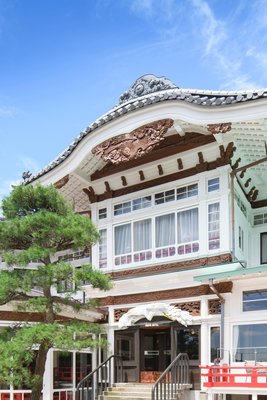
Fujiya Hotel
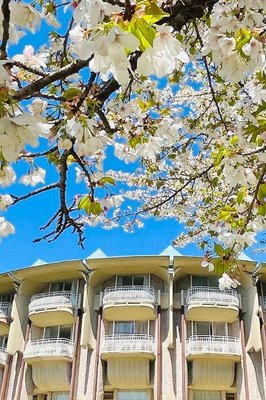
The Prince Hakone Lake Ashinoko
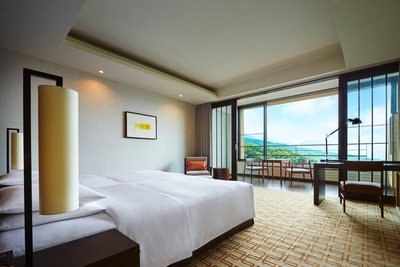
Hyatt Regency Hakone Resort and Spa
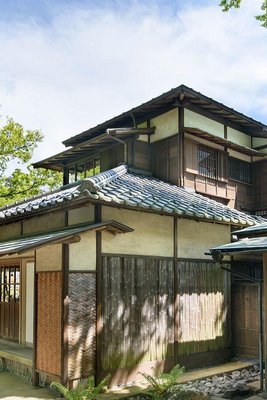
Hakone Suishoen
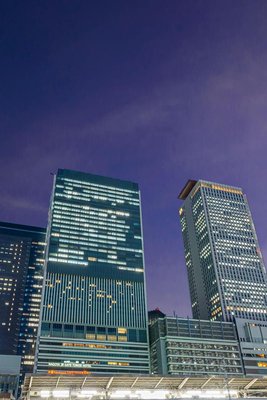
Nagoya JR Gate Tower Hotel (JR-Central Hotels)
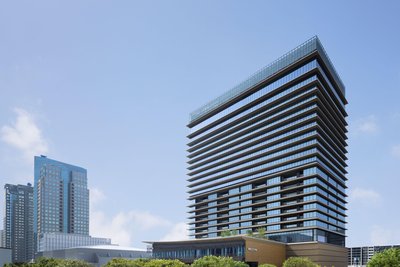
The Westin Yokohama
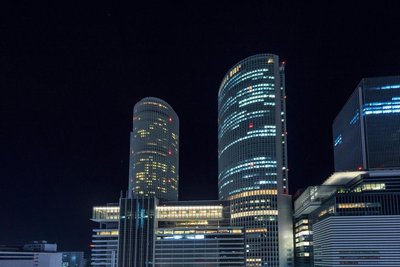
Nagoya Marriott Associa Hotel
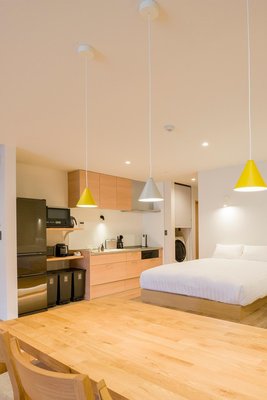
Rakuten STAY VILLA Nasu
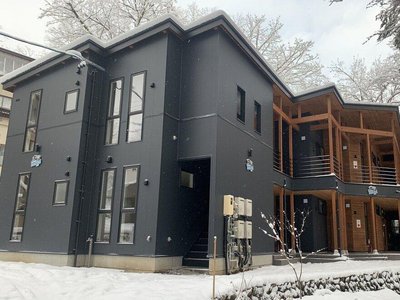
Hakuba Gondola Apartments
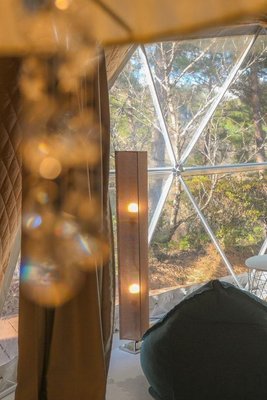
glampark Gekkabijin Nagano
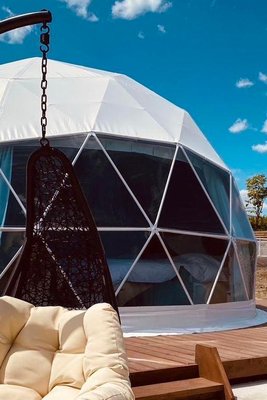
chillout glamping zao
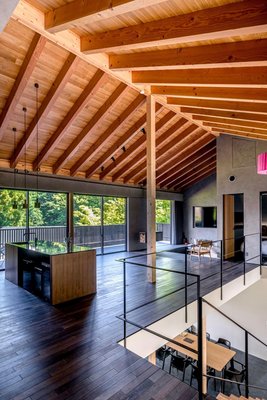
MONS GORA

Phoenix Chalets by Hhg
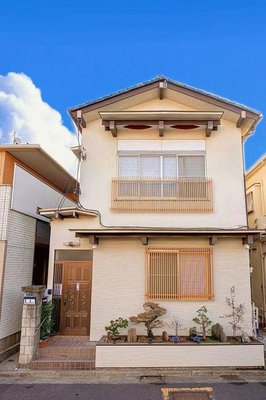
Tokyo Star House-Shinkoiwa
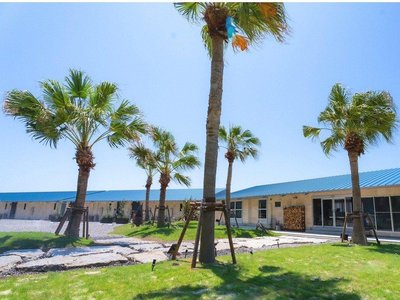
Glamping&Resort Wood Design Park Noma
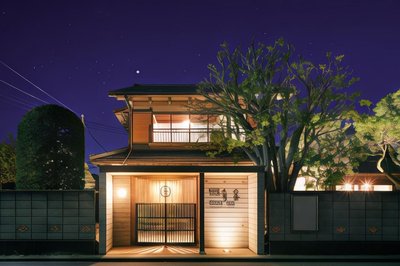
Machi-Jyu
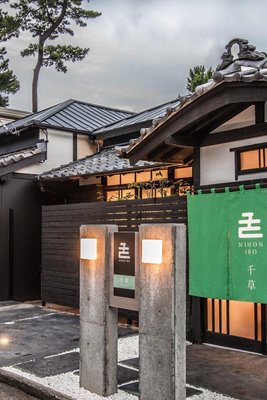
Nihon Iro
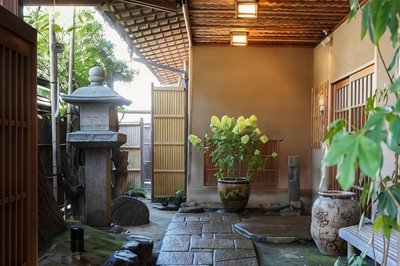
Ryokan Asadaya
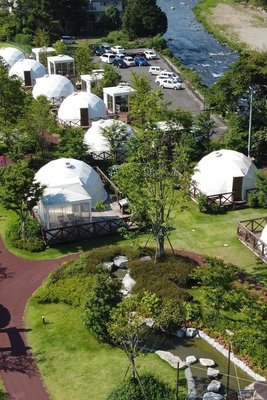
Ufufu Village
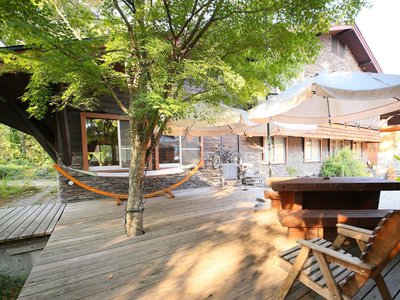
Kunugi Relaxation with 4 Modern Rooms
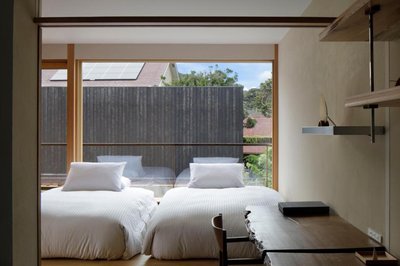
Modern Ryokan Kishi-ke
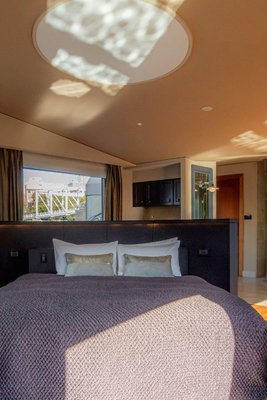
Petals Tokyo - Floating Hotel
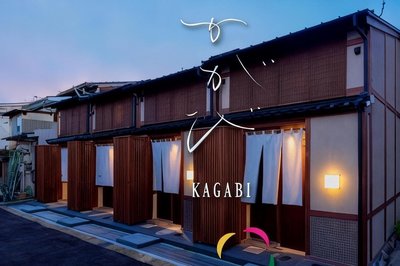
Kagabi Machiya House
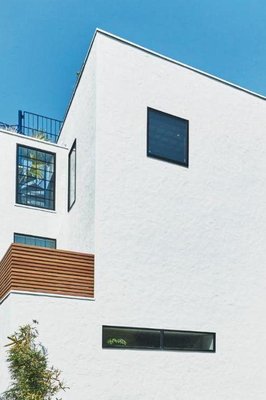
The Flow Kamakura
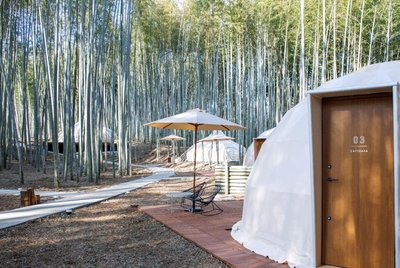
THE BAMBOO FOREST
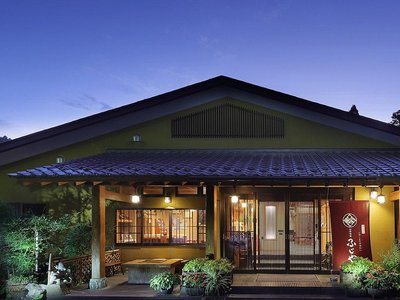
Shikimitei Fujiya
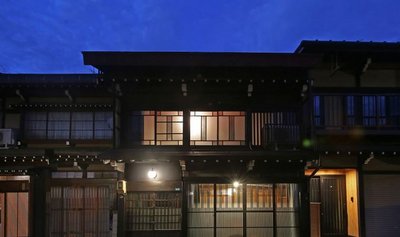
Iori Stay Hida

Hotel Barrière Fouquet's New York
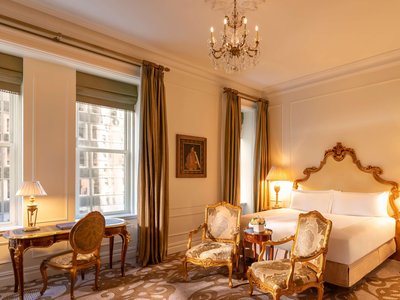
The Plaza - A Fairmont Managed Hotel
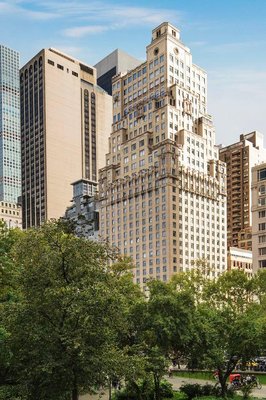
The Ritz-Carlton New York, Central Park
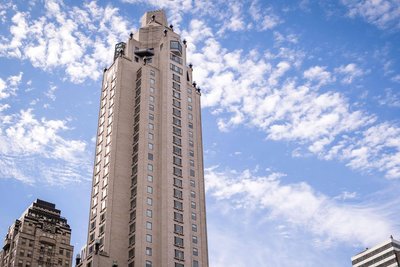
Four Seasons Hotel New York
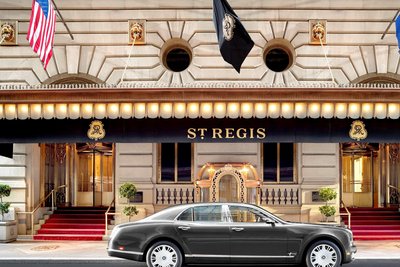
The St. Regis New York
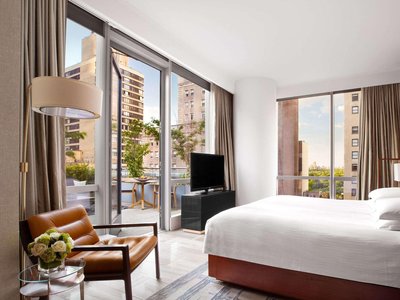
Park Hyatt New York
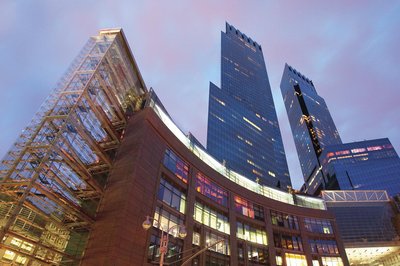
Mandarin Oriental New York
Times Square Edition New York

Loews Regency New York Hotel
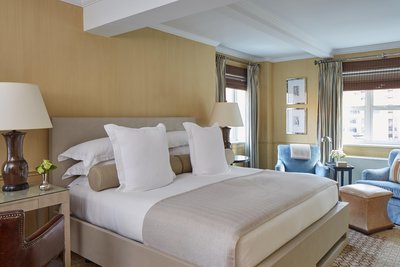
Lowell Hotel
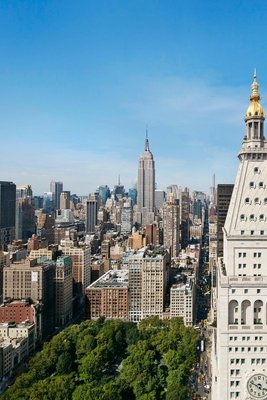
New York Edition
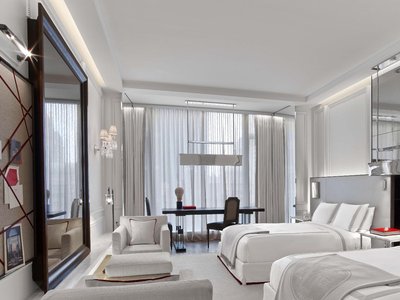
Baccarat Hotel New York
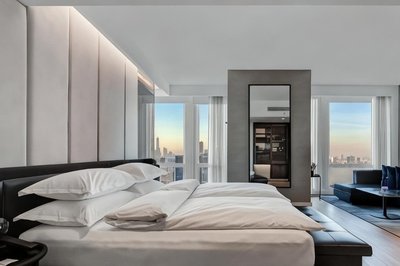
Equinox Hotel New York

Four Seasons Hotel New York Downtown
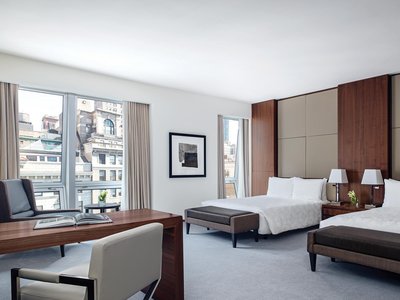
The Langham, New York, Fifth Avenue

The Carlyle, A Rosewood Hotel

The Chatwal, in the Unbound Collection by Hyatt
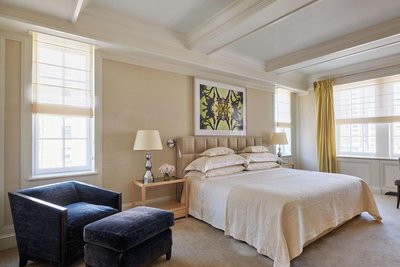
The Mark New York
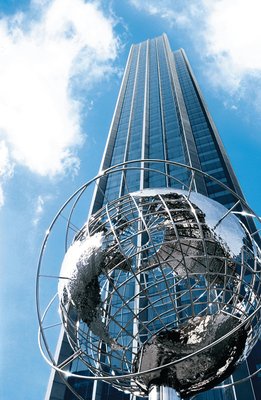
Trump International Hotel & Tower® New York
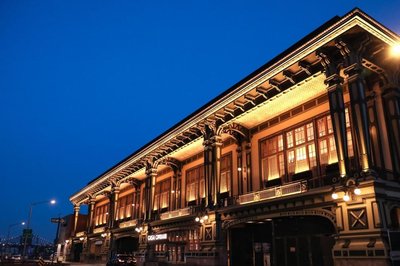
Casa Cipriani New York
Frequently Asked Questions about Traveling to Tatebayashi
Questions You Might Need to Know About Traveling to Tatebayashi
For an authentic Japanese experience, stay at Gyōrō-ji Hotel, located just steps from the Gujō Castle Ruins. This boutique hotel blends Edo-period architecture with modern comfort, featuring tatami rooms, a traditional tea room, and a serene garden. Another excellent choice is Hotel Mikadu, a family-run inn offering kaiseki meals made with local Gunma ingredients like kurobuta pork and red bean mochi. Both hotels emphasize cultural immersion, providing guests with access to seasonal festivals and local craft workshops, making them ideal for travelers seeking deep-rooted traditions.
The Gujō Station area is the most convenient district for hotel stays. It offers easy access to public transportation, including the Tobu Railway Nikko Line, and is within walking distance of key attractions like Gujō Castle Ruins, Otemachi Shopping Street, and the Gunma Prefectural Museum of Art. Most hotels here, such as Toyoko Inn Gujō and Hotel Sangetsu, provide free Wi-Fi, luggage storage, and breakfast with regional specialties like gunma beef and horse sashimi. Its central location makes it perfect for day trips or extended stays exploring the city’s historical and culinary heritage.
Visit the Gujō Castle Ruins, a historic site dating back to the Edo period, where remnants of the donjon base and stone walls still stand. Nearby, Otemachi Shopping Street preserves Meiji-era wooden buildings, housing traditional confectionery shops and artisan studios. For spiritual insight, explore Engyo-ji Temple, home to the revered Sanjūsan-gen-ku Kannon statue. The annual Gujō Shrine Festival features elaborate processions and taiko drumming, showcasing the town’s enduring local customs and community spirit. These sites offer a rich tapestry of Gunma’s cultural identity.
Try Gunma Beef, known for its marbled texture and tender flavor—best enjoyed grilled at Izakaya Kanrin. Don’t miss Horse Sashimi, a regional delicacy served fresh with soy sauce and wasabi, reflecting the area’s long-standing equestrian tradition. Also sample Red Bean Mochi, a sweet treat made with locally grown azuki beans, available at century-old shops along Otemachi Street. During seasonal events, join a local cooking class at the Gujō Community Center to learn how to prepare these dishes yourself, connecting deeply with the region’s culinary roots.
Take the Tobu Railway Nikko Line from Asakusa Station to Gujō Station, a journey of about 80 minutes. Alternatively, board the express train Kinokawa from Tokyo Station, which reaches Gujō in just over 70 minutes, passing scenic landscapes across the Kanto Plain. Upon arrival, use the Gunma Prefecture Tourist Pass for free rides on local buses, enabling easy access to Gujō Castle Ruins, Engyo-ji Temple, and other attractions. HopeGoo tickets online in advance is recommended, especially during peak seasons.
Absolutely. Gujō City offers family-friendly attractions like the Gujō Children’s Museum, featuring interactive science exhibits and hands-on craft activities. Otemachi Park provides spacious green space for children to play, with shaded benches and a playground. The expansive grounds of Gujō Castle Ruins allow kids to explore ancient stone walls and imagine life in the Edo era. Many hotels, including Hotel Mikadu, provide complimentary child-sized yukata and bedding, while restaurants offer high chairs and kid-friendly menus, ensuring a comfortable and enjoyable trip for all ages.
In spring, the Cherry Blossom Festival at Gujō Castle Ruins lights up the park with illuminations and food stalls. Summer brings the Gujō Gion Festival, featuring grand mikoshi processions and traditional taiko drum performances. Autumn hosts the Gunma Prefectural Museum of Art’s Special Exhibition, highlighting local artists and nature-inspired works. During winter, the Gujō Snow Lantern Festival transforms the castle grounds into a magical snowy wonderland, complete with warm sake and cozy lantern-lit walks—perfect for experiencing the city’s seasonal charm.
While Gujō City doesn’t have natural hot springs, nearby Kusatsu Onsen and Ikebukuro Onsen are easily accessible—just 30 minutes by car. Kusatsu Onsen, one of Japan’s top three hot springs, is famous for its unique "Yunessan" (steam) and sulfur-rich waters that soothe muscles and skin. For a more secluded experience, try Ikebukuro Onsen, nestled in mountainside villas with private baths. Some hotels in Gujō offer shuttle services to these resorts, allowing visitors to enjoy a full-day combo of castle exploration + therapeutic soaking.
Gujō City was once the seat of the Gujō Domain, established by Honda Toshinaga, son of Tokugawa Ieyasu’s trusted general Honda Tadakatsu. As a strategic stronghold in the Kanto region during the Edo period, it played a vital role in regional governance and trade. Though the original castle was dismantled after the Meiji Restoration, its ruins remain a symbol of the city’s historical legacy. Today, Gujō continues to honor its past through preserved architecture, local crafts like Gujō weaving and lacquerware, and annual festivals celebrating its samurai heritage.
Capture the iconic view of the Gujō Castle Ruins’ donjon base surrounded by cherry blossoms in spring—ideal for golden-hour shots. Stroll down Otemachi Shopping Street, where vintage wooden facades and old-style signage create a nostalgic, cinematic atmosphere. Engyo-ji Temple’s stone path lined with towering pines offers a peaceful, meditative backdrop perfect for portrait photography. At dusk, the illuminated Gujō Station Square blends modern architecture with warm lighting, creating a striking contrast between tradition and urban life—great for night photography enthusiasts.
Tatebayashi Overview
City Summary
Tatebayashi City, located in the southeastern part of Gunma Prefecture, Japan, blends historical charm with natural beauty. Known for Tatebayashi Castle Ruins (one of Japan's Top 100 Castles) and Tsutsujigaoka Park (one of Japan's Three Great Azalea Gardens), the city offers serene atmosphere ideal for cultural and nature enthusiasts.
Must-See Attractions
Must-visit sites include Tatebayashi Castle Ruins (Warring States period heritage), Tsutsujigaoka Park (10,000 azaleas in spring), and Morinji Temple (legendary "Bunbuku Chagama" origin). Art lovers can explore Tatebayashi Art Museum, while Tatarano Pond Park provides boating and birdwatching.
Food Guide
Tatebayashi is famous for gyoza (dumplings) with thin wrappers. Try local soy sauce ramen and Gunma wagyu beef. For desserts, azalea-shaped wagashi paired with locally grown green tea is highly recommended.
Transportation Guide
City transport relies on buses and taxis - consider the "Tatebayashi Sightseeing Bus Pass". From Tokyo, take JR Ryomo Line to Tatebayashi Station (90min) or Shinkansen to Takasaki then transfer. Drivers can use Tohoku Expressway but note limited parking.
Best Time to Visit
Mid-April to May is peak season for azalea festivals. Autumn (Oct-Nov) offers beautiful foliage. Summers are humid, while winters see few tourists with occasional snow.
Travel Tips
- Remove shoes at temples
- Book hotels 3 months ahead during azalea season
- Most restaurants are cash-only
- Tattoos prohibited in onsens
- Strict garbage separation required
- Taxis only at designated stands
- Pollen allergy sufferers need masks in spring
Useful Information
Japanese is primary language; basic English signs at stations. Limited WiFi - rent pocket WiFi. Cash dominates payments (IC cards accepted at major venues). For emergencies, Tatebayashi Kosei Hospital (English service by appointment). "Matsumoto Kiyoshi" pharmacy has Chinese staff. 100V voltage with Type A plugs.









