Hotels in Tateyama
Discover your perfect stay in Tateyama.
Tateyama(Japan) Travel 2026: Cheap Flights, Hotels & Top Attractions
Popular Landmarks in Tateyama
Discover the most iconic attractions in Tateyama
Recommended Hotels in Tateyama
Find the perfect place to stay in Tateyama
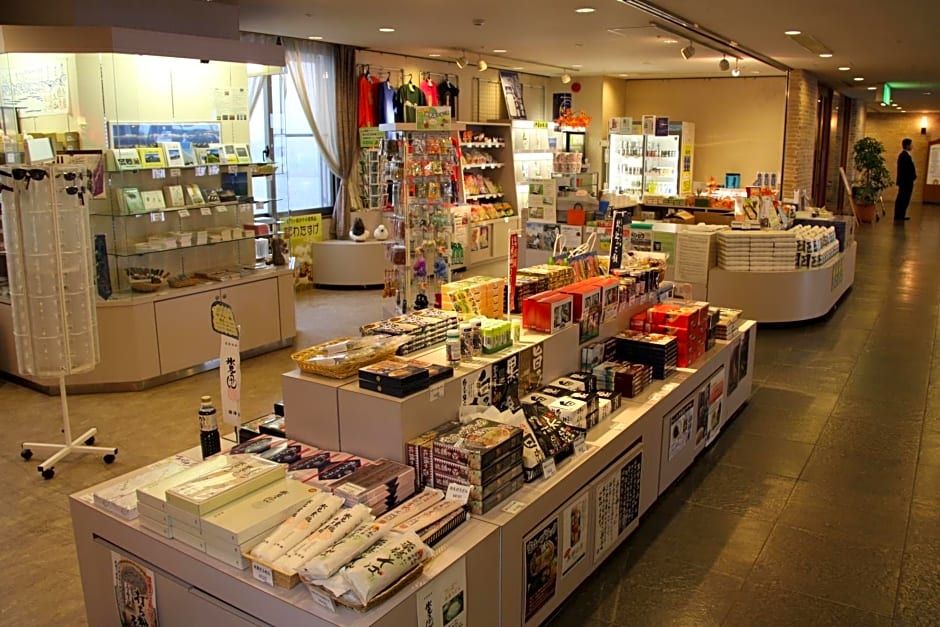
Midagahara Hotel
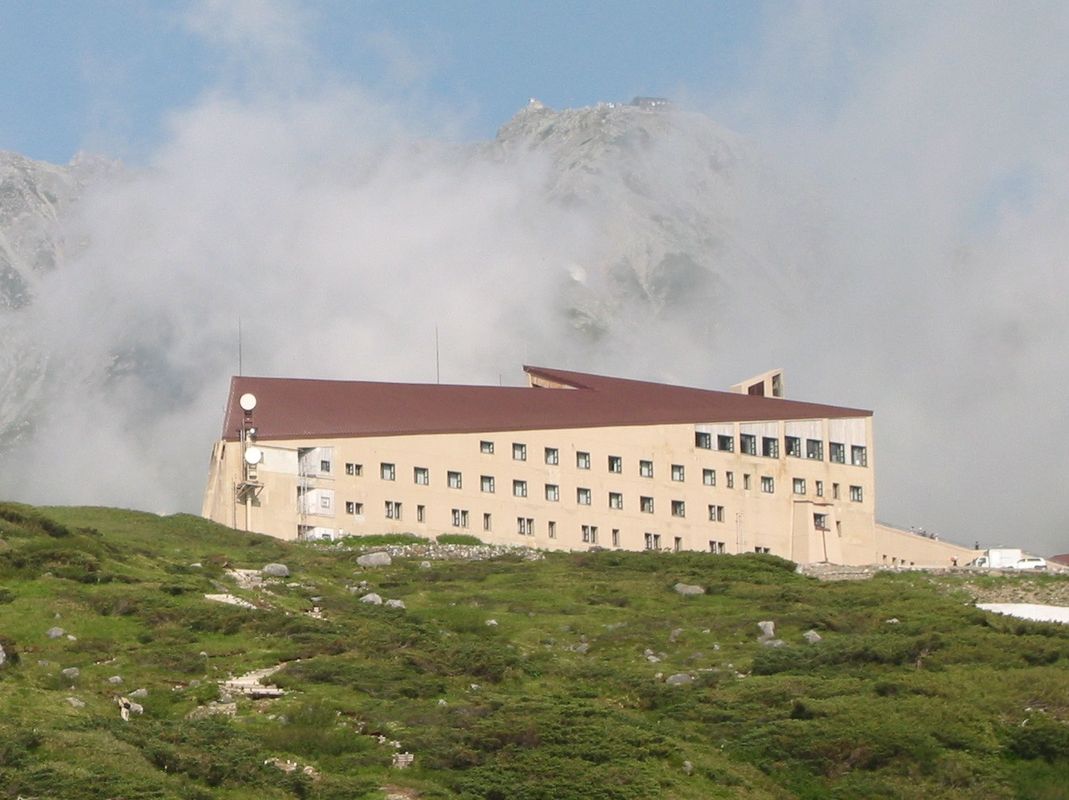
Hotel Tateyama
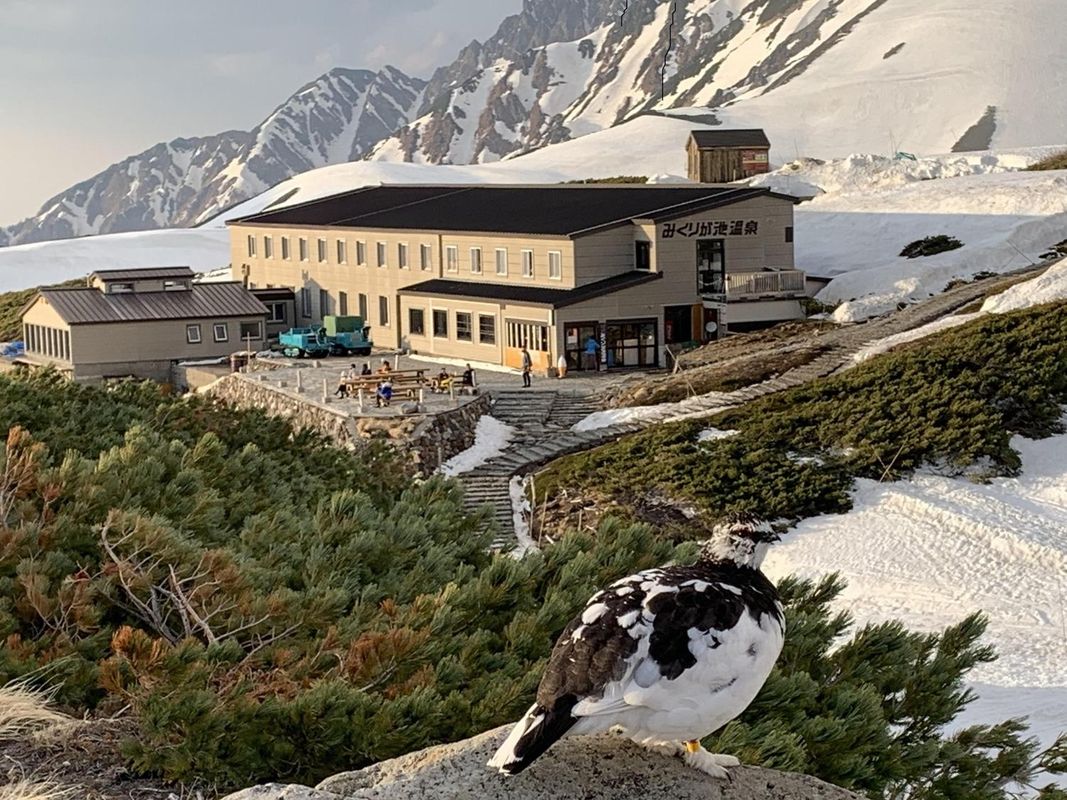
Mikurigaike-Onsen
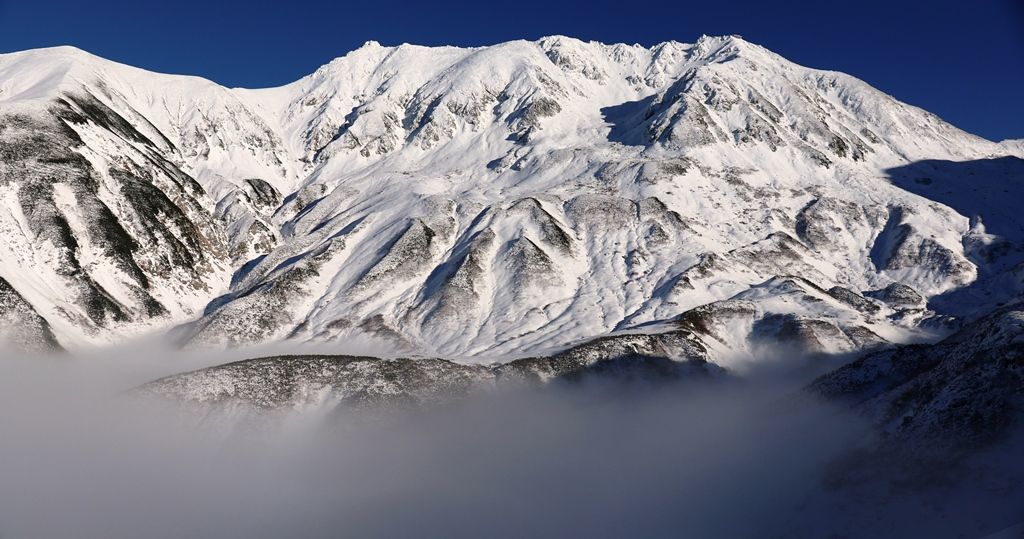
Raichoso
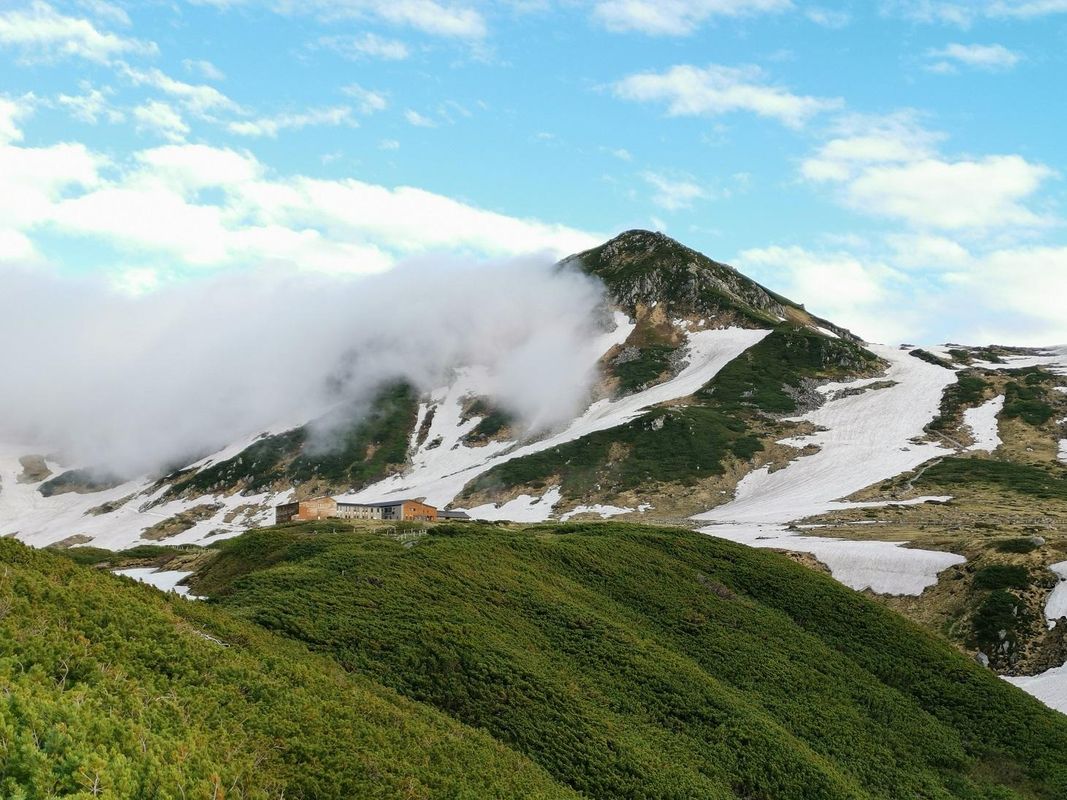
Tateyama Murodo Sanso
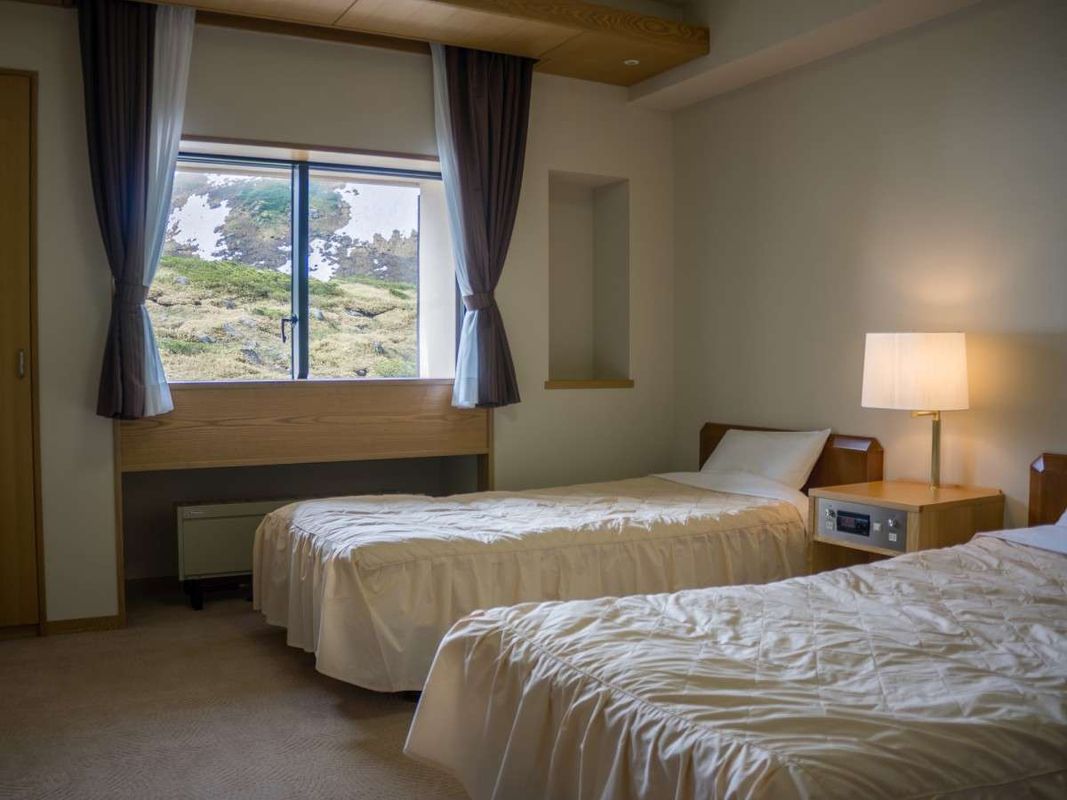
Tateyama Kogen Hotel
Hotel Oyama
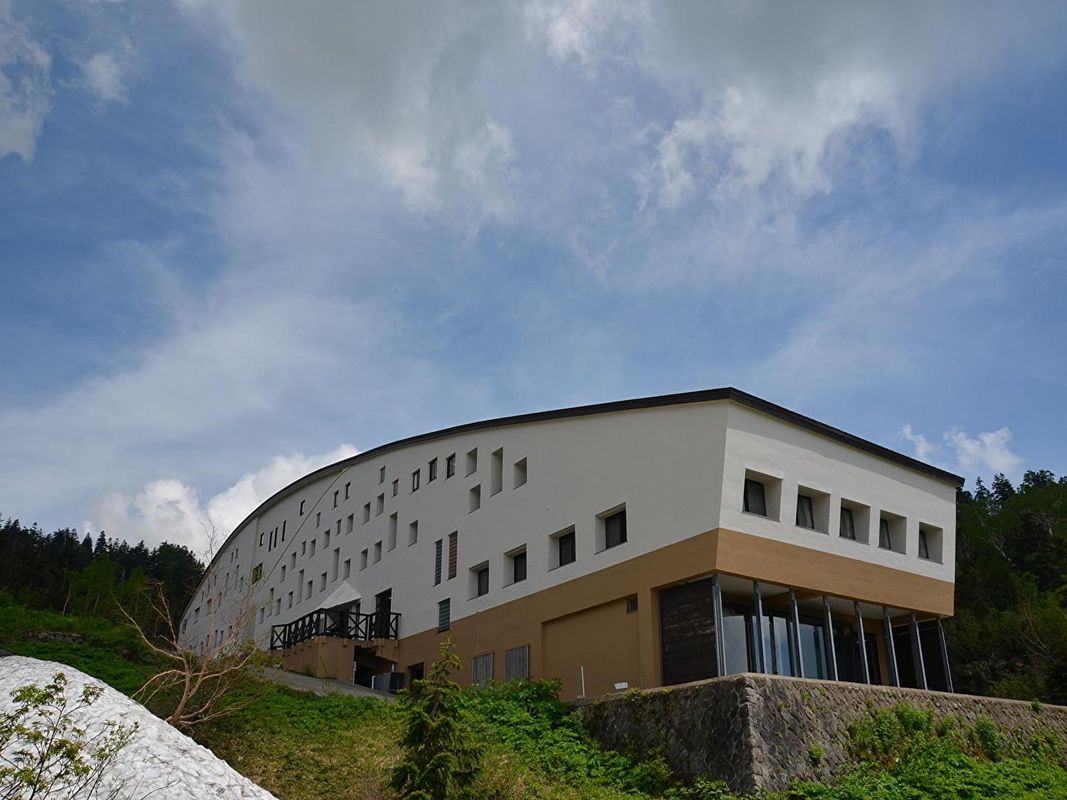
Kokumin Shukusha Tenbo Tateyamaso
Best Hotels in Tateyama
Discover curated hotel collections in Tateyama
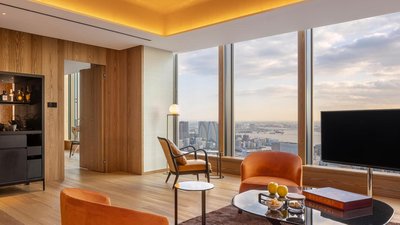
Bvlgari Hotel Tokyo
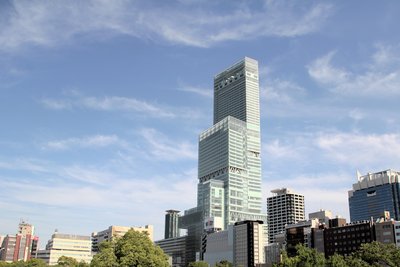
Osaka Marriott Miyako Hotel

The Ritz-Carlton, Osaka
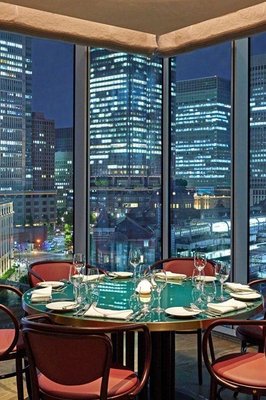
Four Seasons Hotel Tokyo at Marunouchi

Mandarin Oriental, Tokyo
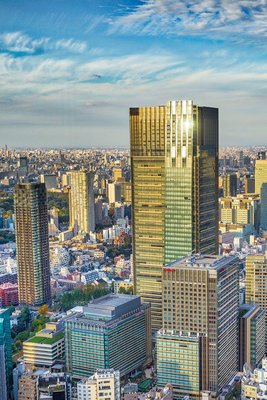
The Ritz-Carlton, Tokyo
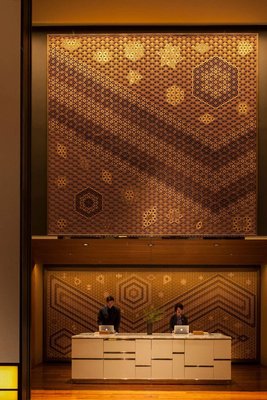
Andaz Tokyo Toranomon Hills- A Concept by Hyatt
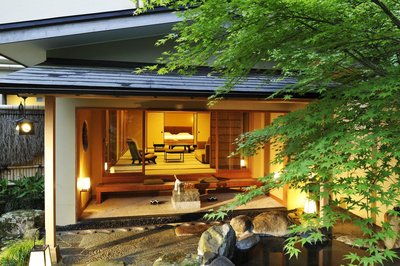
Gora Kadan
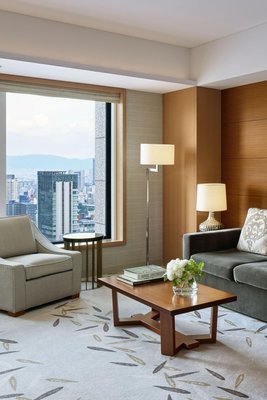
InterContinental Hotel Osaka
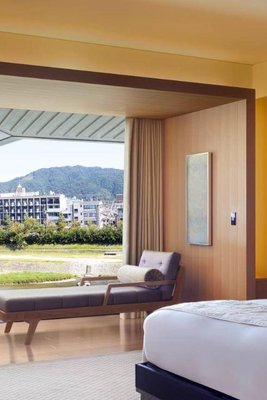
The Ritz-Carlton, Kyoto

Hotel New Otani Tokyo the Main
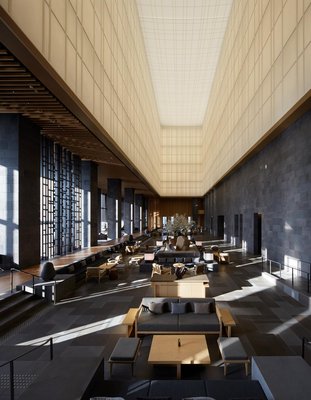
Aman Tokyo
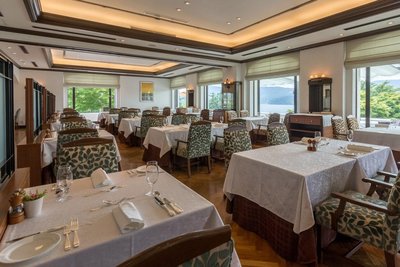
Odakyu Hotel de Yama
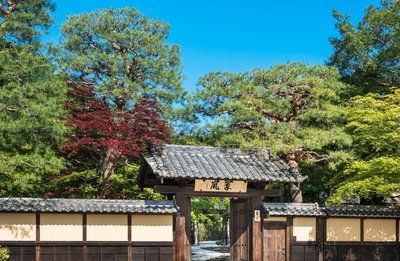
Suiran, a Luxury Collection Hotel, Kyoto
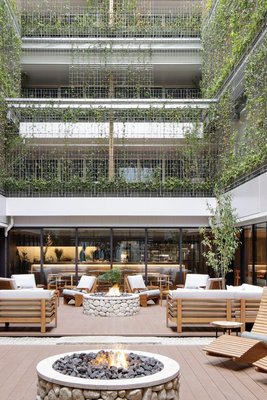
GOOD NATURE HOTEL KYOTO
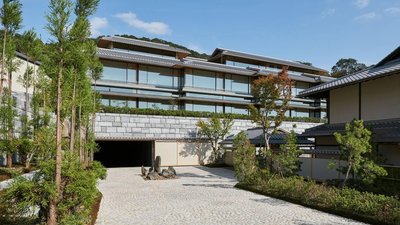
Park Hyatt Kyoto
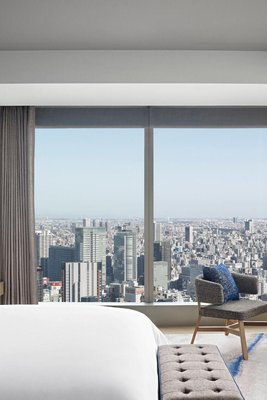
Four Seasons Hotel Tokyo at Otemachi
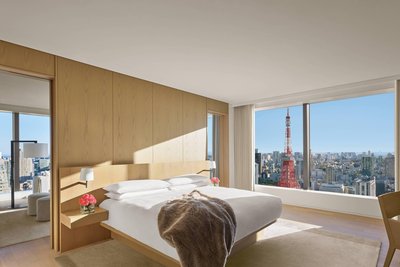
The Tokyo Edition, Toranomon
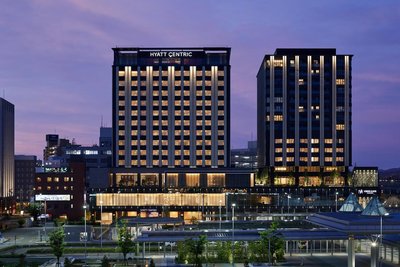
Hyatt Centric Kanazawa
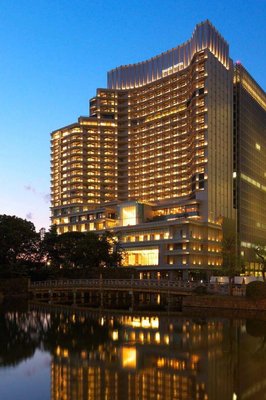
Palace Hotel Tokyo
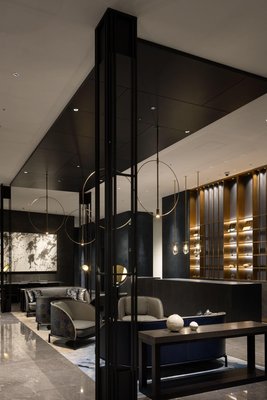
Bellustar Tokyo, A Pan Pacific Hotel
Bvlgari Hotel Tokyo
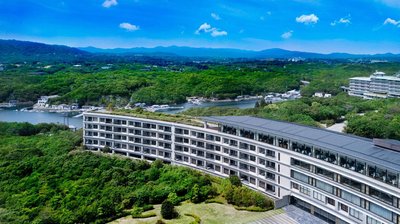
Shima Kanko Hotel the Bay Suites
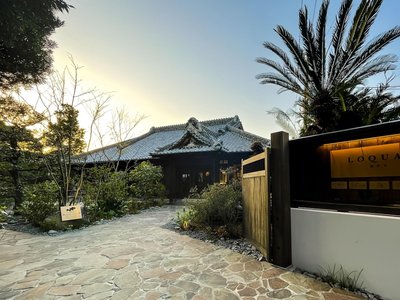
Loquat Nishiizu
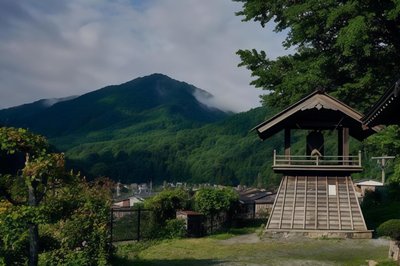
Byaku Narai
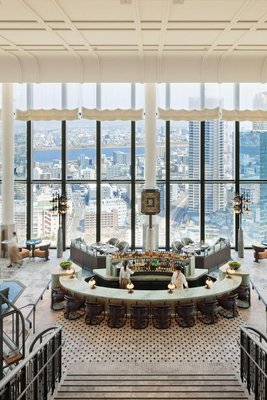
Waldorf Astoria Osaka
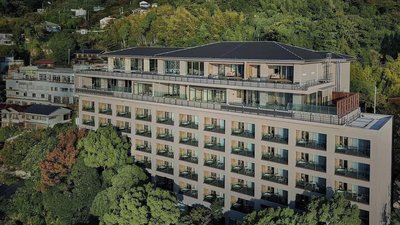
Atami Izusan Karaku
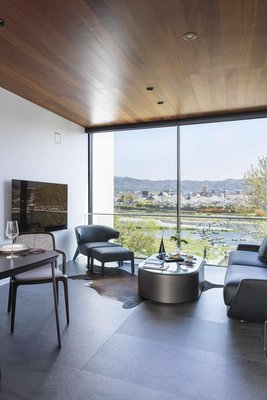
Kamo Residences by Reflections
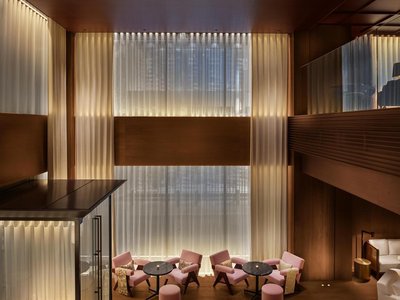
The Tokyo Edition, Ginza
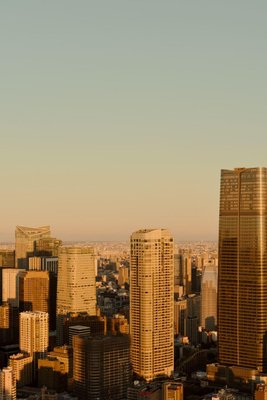
Janu Tokyo
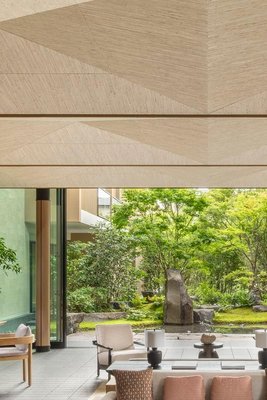
Six Senses Kyoto
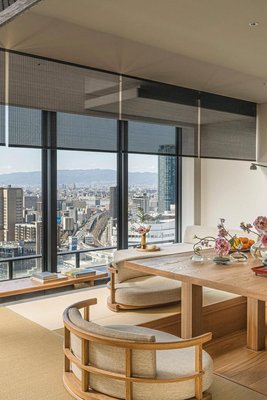
Four Seasons Hotel Osaka
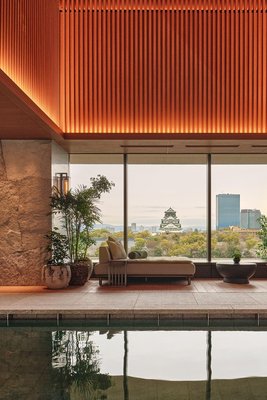
Patina Osaka
The Ritz-Carlton, Osaka
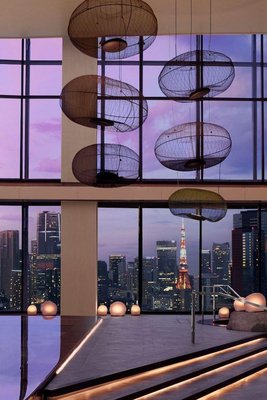
JW Marriott Hotel Tokyo
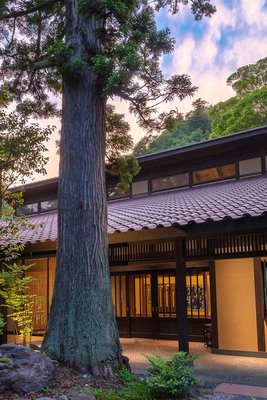
Arimasansoh Goshobessho
Four Seasons Hotel Tokyo at Marunouchi
Mandarin Oriental, Tokyo
The Ritz-Carlton, Tokyo
Andaz Tokyo Toranomon Hills- A Concept by Hyatt

The Address Akakura
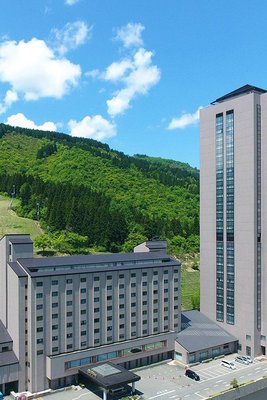
Naspa New Otani
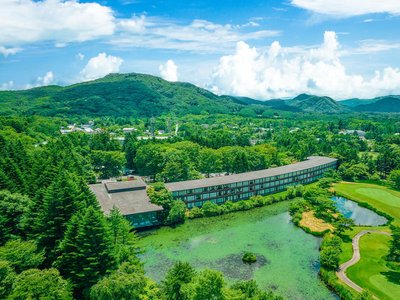
The Prince Karuizawa
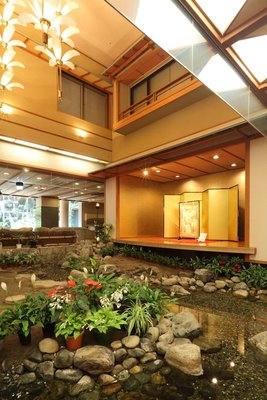
Hotel Futaba
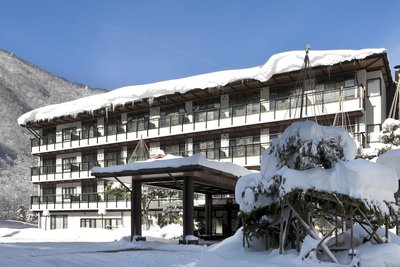
Okada Ryokan Warakutei
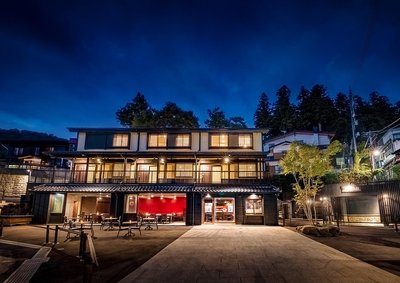
Ryokan Sakaya
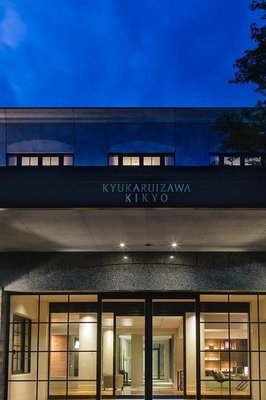
Kyukaruizawa Kikyo, Curio Collection by Hilton
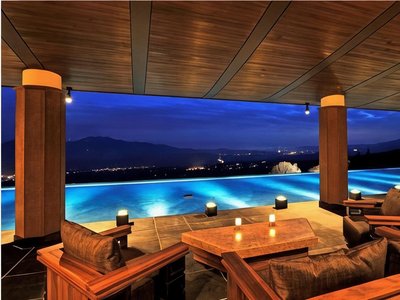
Akakura Kanko Hotel
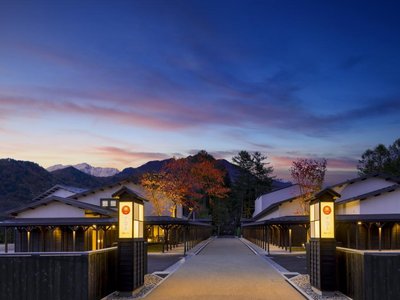
Hoshino Resorts KAI Alps
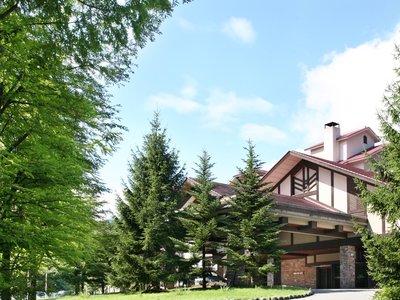
Hakuba Tokyu Hotel
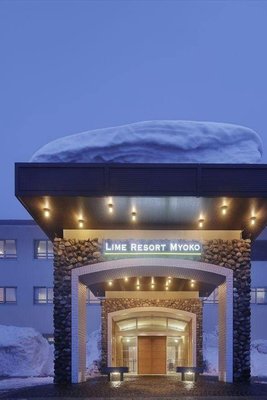
Lime Resort Myoko
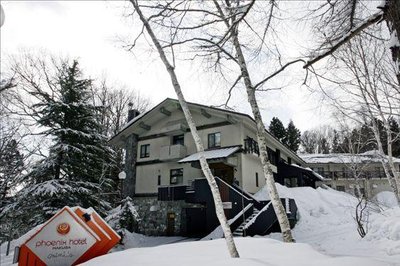
Phoenix Hotel by Hhg
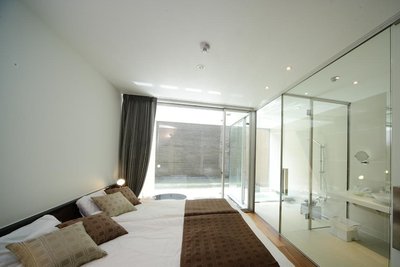
Four Seasons Yuzawa Quattro

Courtyard by Marriott Hakuba
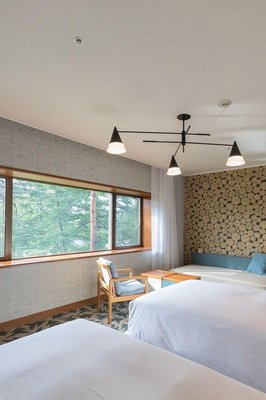
Karuizawa Prince Hotel East
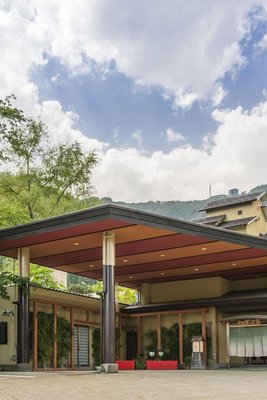
Shosenkaku Kagetsu
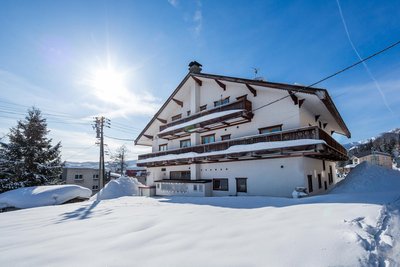
Marillen Hotel by Hhg
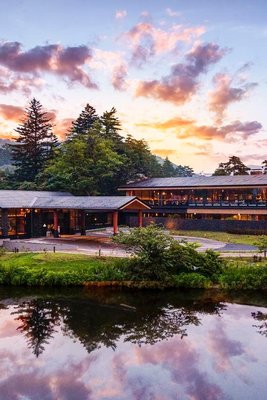
Karuizawa Prince Hotel West
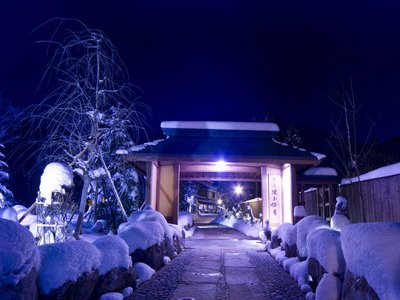
Miyama Ouan
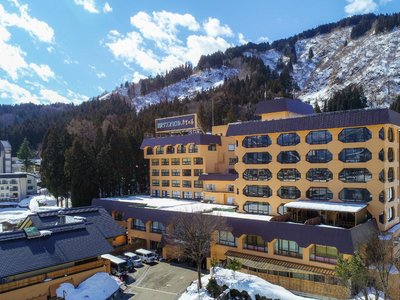
Yuzawa Grand Hotel
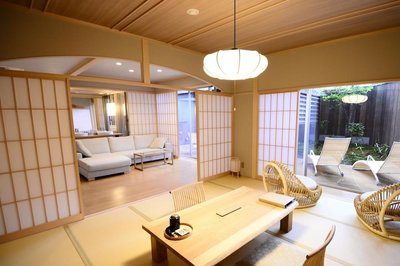
Hakone Gora Byakudan
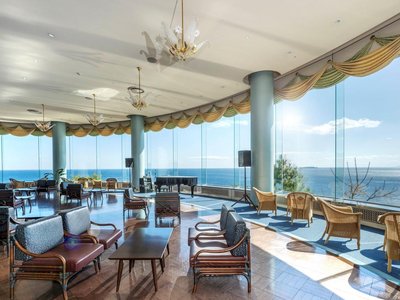
Hotel New Akao
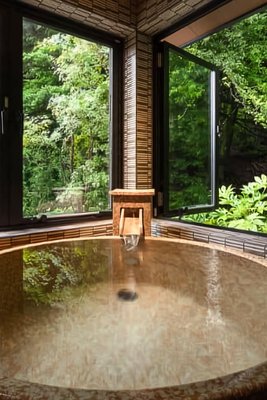
Hakkai Konohanakan
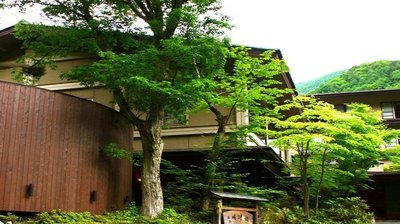
Myojinkan
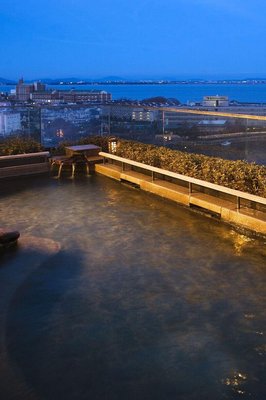
Yumotokan
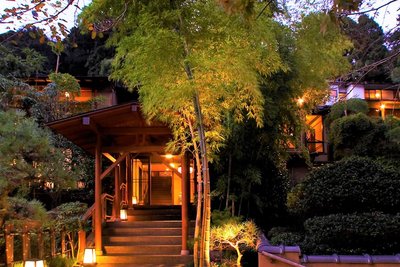
Shiki wo Ajiwau Yado Yamano Chaya
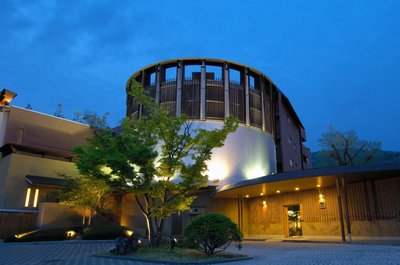
Hoshino Resorts Kai Matsumoto
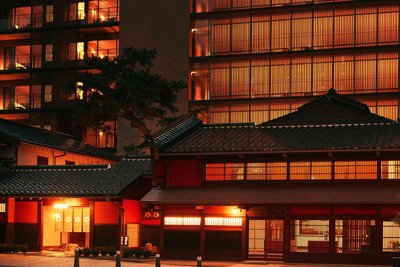
Hoshino Resorts Kai Kaga
The Address Akakura

Taikyourou
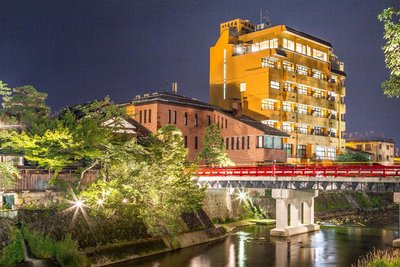
HONJIN HIRANOYA BEKKAN
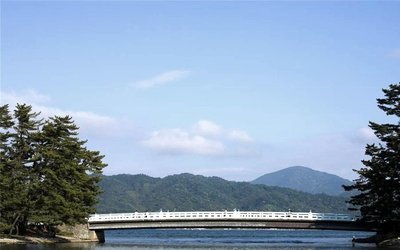
Monjusou Shourotei
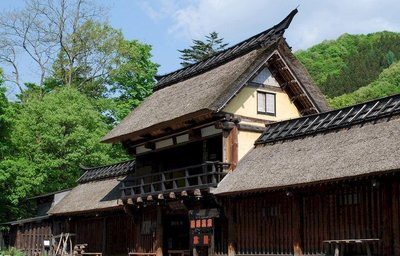
Kayabukinosato Yakushionsen Hatago
Hotel Futaba
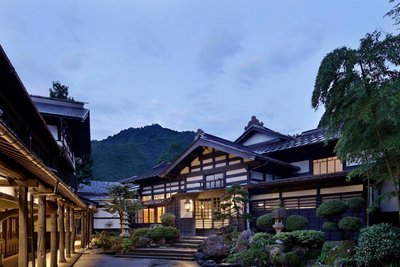
Ryugon

Tokinoniwa
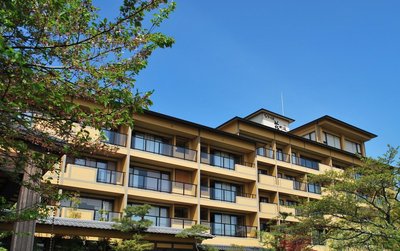
BIWAKO HANAKAIDO
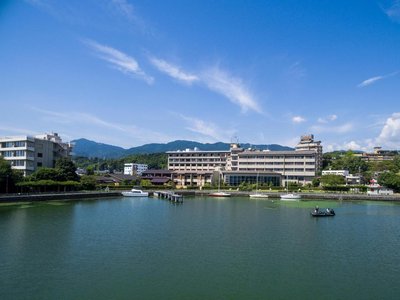
Biwako Ryokusuitei
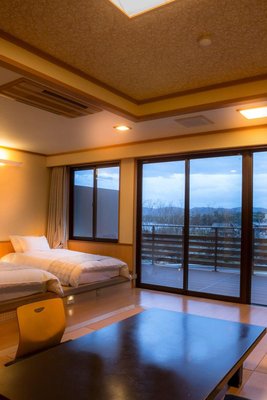
Hotel Kitanoya
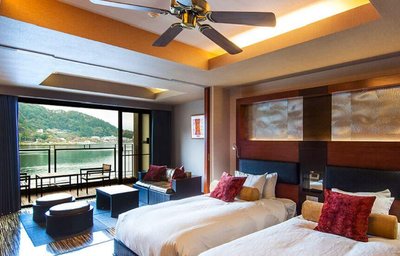
The Kukuna
Hakone Gora Byakudan
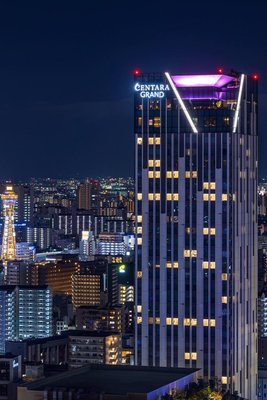
Centara Grand Hotel Osaka
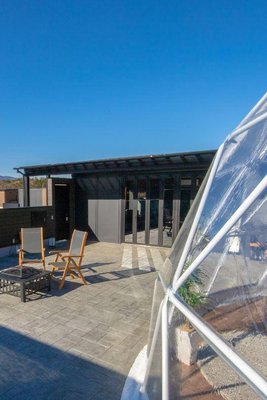
Panoramic Mt. Fuji Views from All Rooms – Vision Glamping Resort & Spa Yamanakako
voco Osaka Central
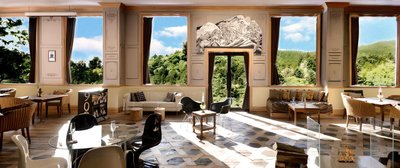
Shelter Garden Nikko
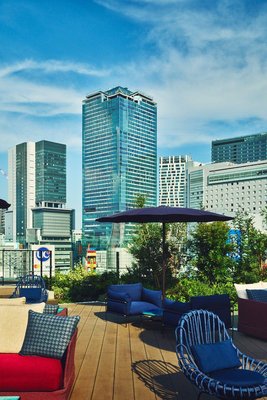
Hotel Indigo Tokyo Shibuya
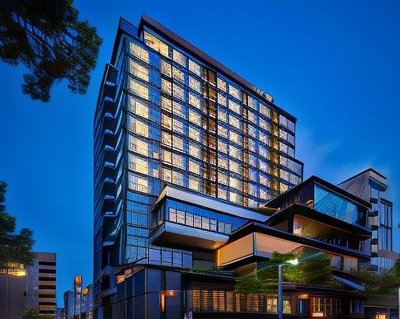
TIAD, AUTOGRAPH COLLECTION
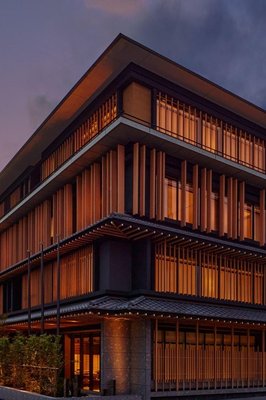
Dusit Thani Kyoto
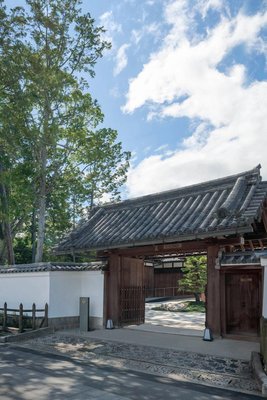
Shisui, a Luxury Collection Hotel, Nara
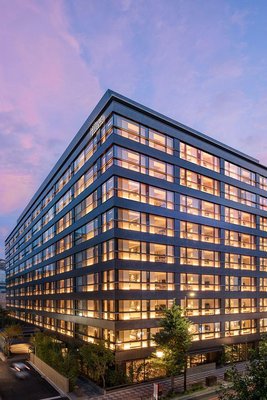
Hilton Kyoto
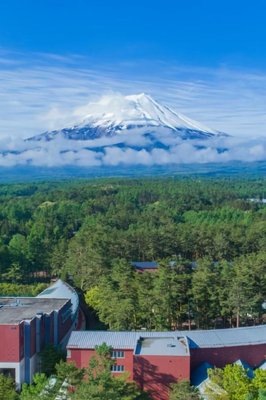
Forest Village (Fuji Premium Resort)
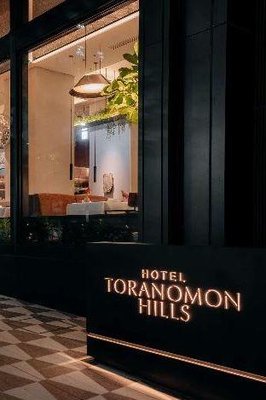
Hotel Toranomon Hills
Osaka Marriott Miyako Hotel
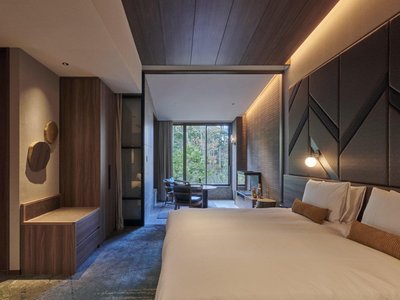
Fufu Kyu-Karuizawa Restful Forest
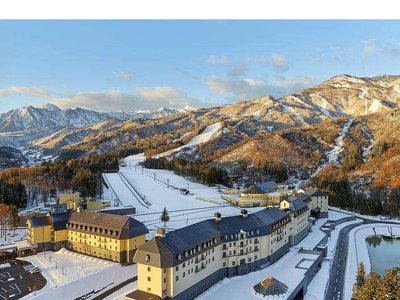
Lotte Arai Resort
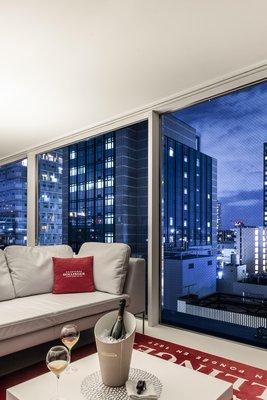
CUVÉE J2 HOTEL OSAKA by Onko Chishin
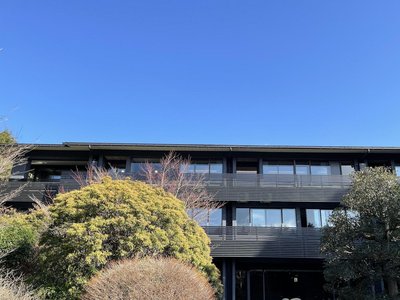
Sengokubara Cocon
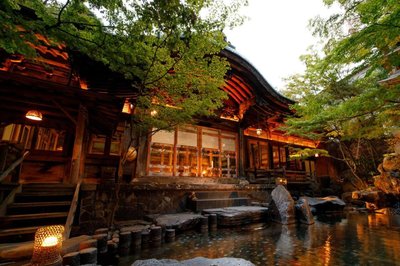
Shoraiso
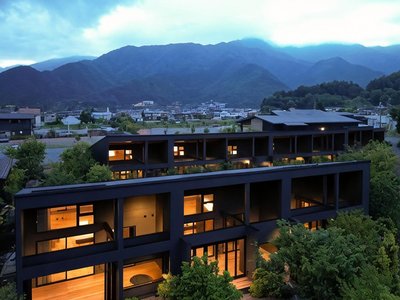
7C Villa and Winery
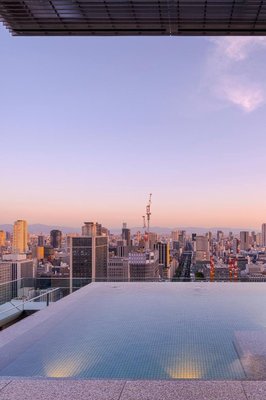
Candeo Hotels Osaka The Tower
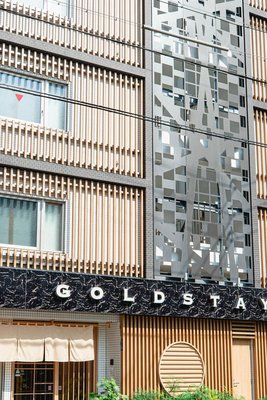
Gold Stay Nagoya OSU
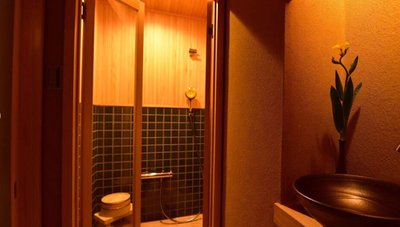
Yado Kiramachi

La Terra Resort
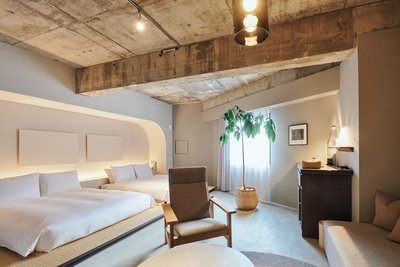
Korinkyo
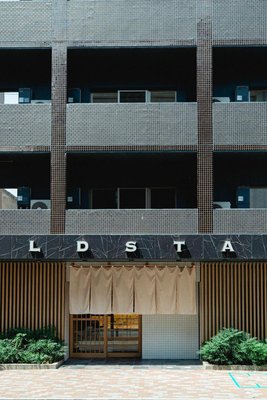
GOLD STAY Nagoya Sakae
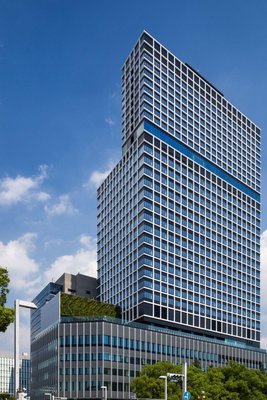
The Royal Park Hotel Iconic Nagoya
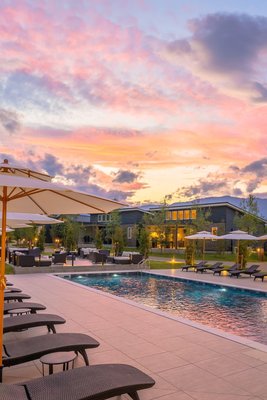
Awaumi Fujikawaguchiko Resort
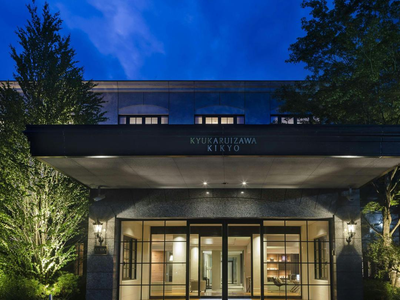
Fufu Karuizawa Wind of Sunshine
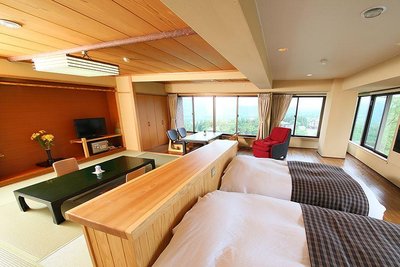
Hotel Taiko, Akakura Onsen
Yumotokan
Hoshino Resorts Kai Kaga
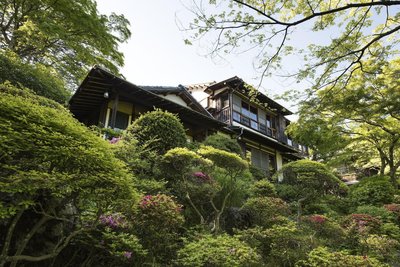
Gora Kansuiro
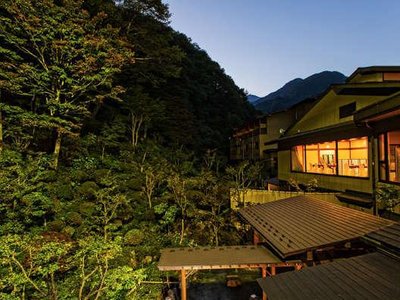
Futari Shizuka
Naspa New Otani
Taikyourou
Monjusou Shourotei
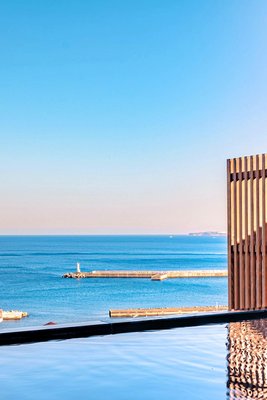
HOTEL KANICHI
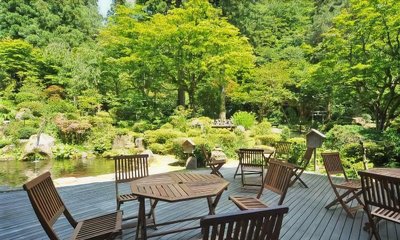
Choseikan
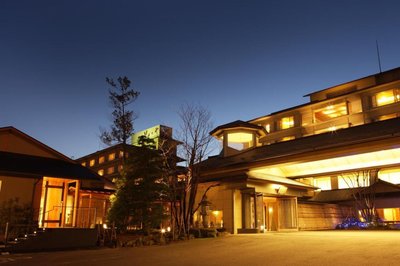
Yumotoya
Hotel Futaba
Awaumi Fujikawaguchiko Resort
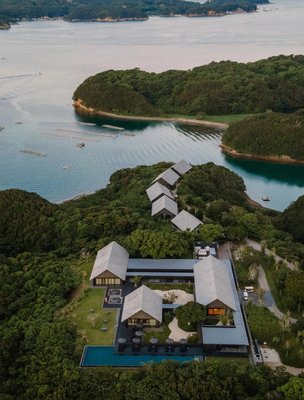
Amanemu
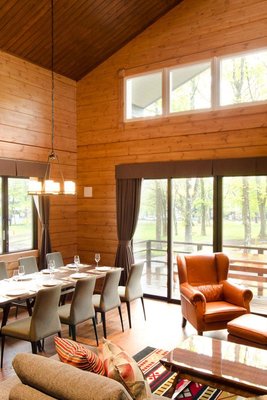
The Prince Villa Karuizawa
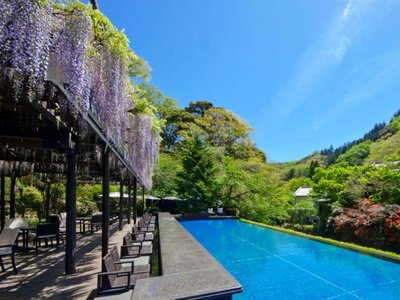
Tofuya Resort & Spa Izu
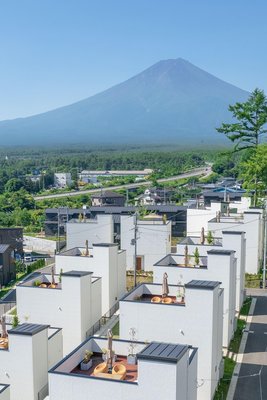
Fuji Granvilla -TOKI-
Hakone Gora Byakudan
Hotel New Akao
Osaka Marriott Miyako Hotel
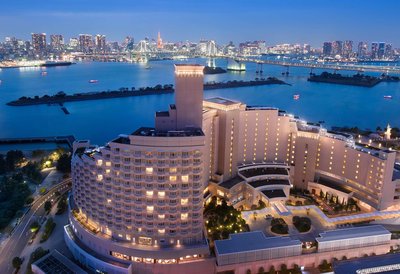
Hilton Tokyo Odaiba
JW Marriott Hotel Tokyo
The Prince Karuizawa
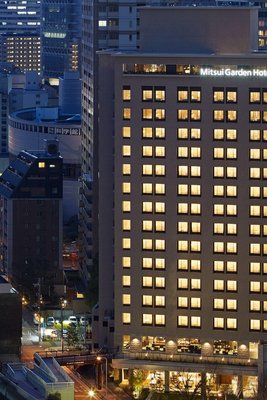
Mitsui Garden Hotel Osaka Premier
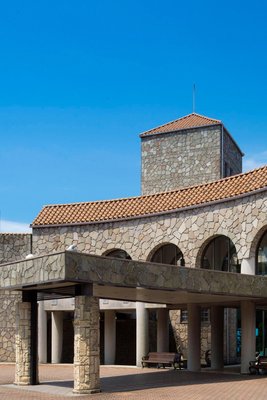
Izumigo Hotel Altia Toba
BIWAKO HANAKAIDO
Biwako Ryokusuitei
Hotel Kitanoya
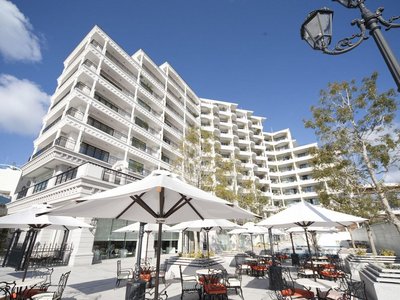
Hotel La Suite Kobe Harborland
The Kukuna
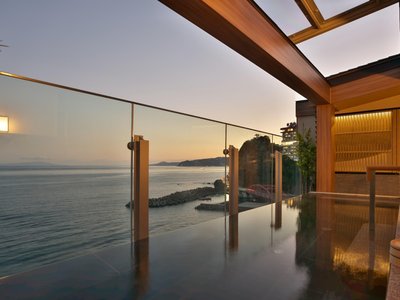
Hotel New Sagamiya
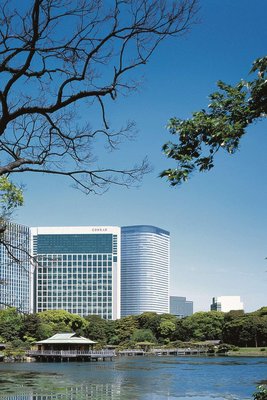
Conrad Tokyo
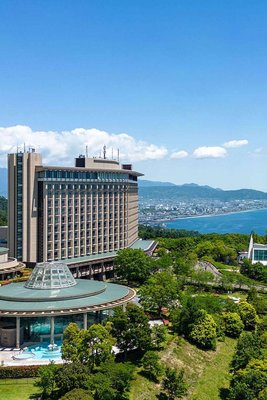
Hilton Odawara Resort & Spa
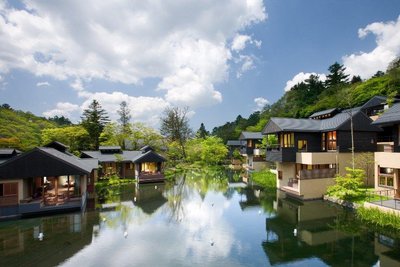
Hoshinoya Karuizawa
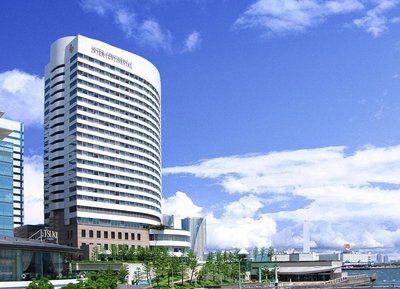
InterContinental Tokyo Bay
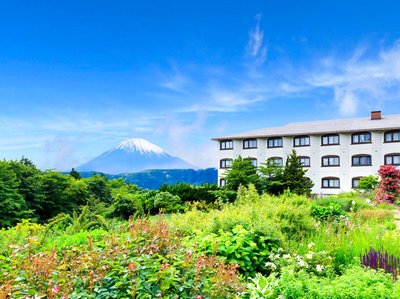
Hotel Green Plaza Hakone
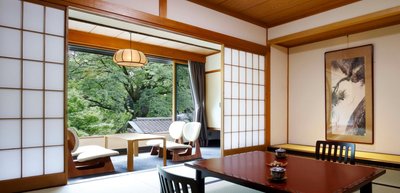
Yoshiike Ryokan
Bellustar Tokyo, A Pan Pacific Hotel
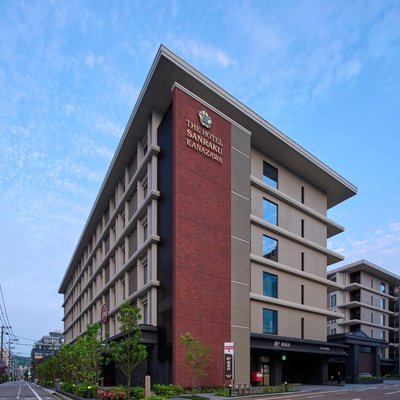
The Hotel Sanraku Kanazawa 21th December 2022 Open
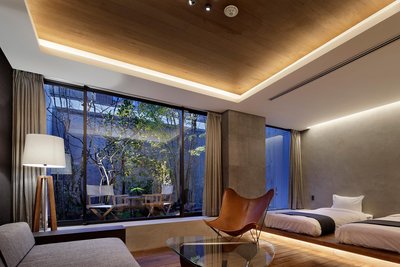
22 PIECES
The Ritz-Carlton, Osaka
JW Marriott Hotel Tokyo
Andaz Tokyo Toranomon Hills- A Concept by Hyatt

The Thousand Kyoto
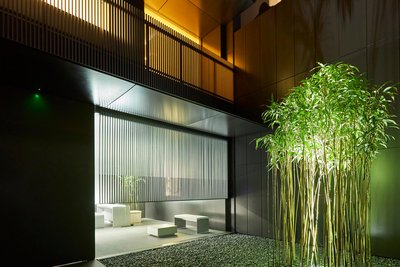
Mogana
GOOD NATURE HOTEL KYOTO
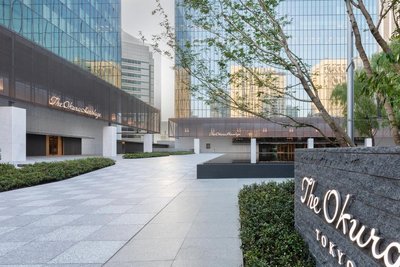
The Okura Tokyo
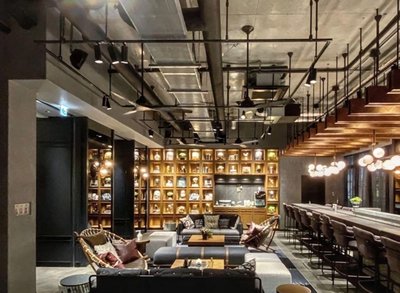
The Lively Azabujuban Tokyo
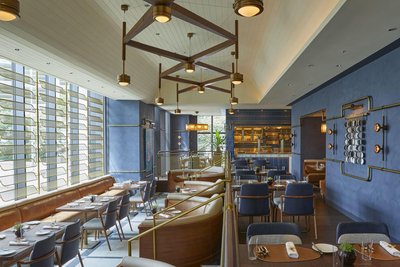
Kimpton Shinjuku Tokyo
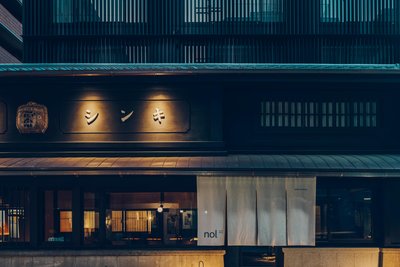
Nol Kyoto Sanjo

HOTEL K5
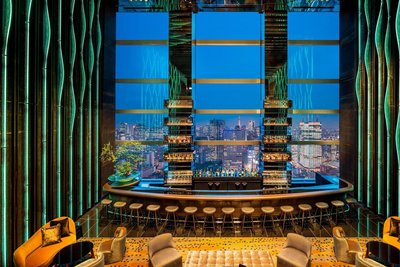
The Prince Gallery Tokyo Kioicho, a Luxury Collection Hotel
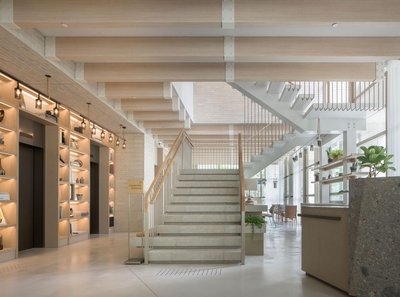
Zentis Osaka
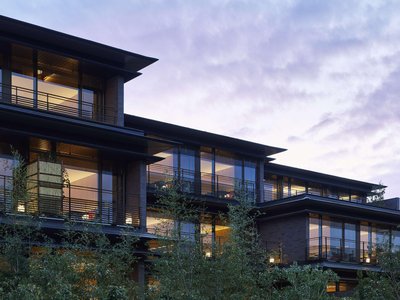
Garrya Nijo Castle Kyoto
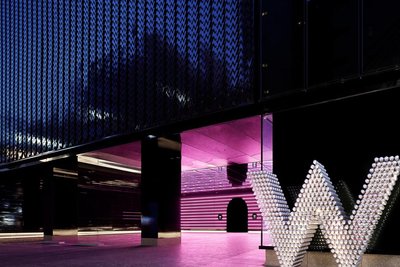
W Osaka
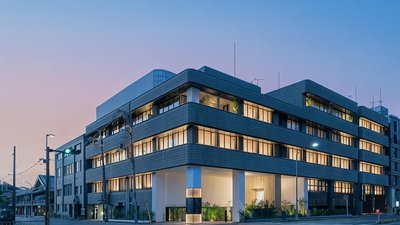
Hotel Kanra Kyoto

Aloft Osaka Dojima
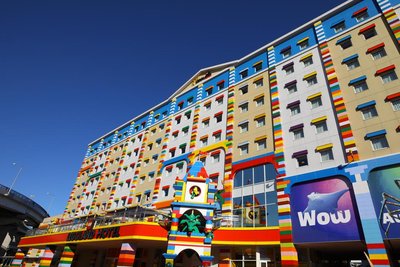
Legoland Japan Hotel
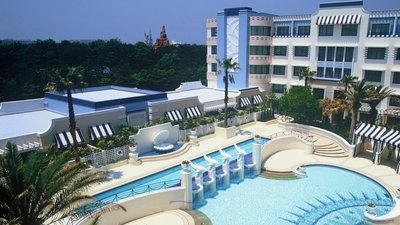
Disney Ambassador® Hotel

HOTEL UNIVERSAL PORT VITA
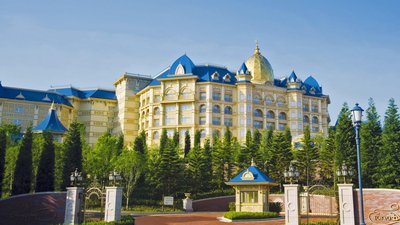
Tokyo Disneyland Hotel

The Park Front Hotel at Universal Studios Japan

HOTEL UNIVERSAL PORT

THE SINGULARI HOTEL & SKYSPA at UNIVERSAL STUDIOS JAPAN
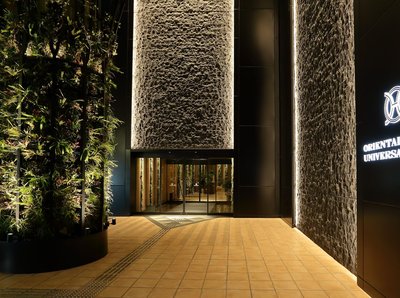
Oriental Hotel Universal City

Hotel Keihan Universal Tower
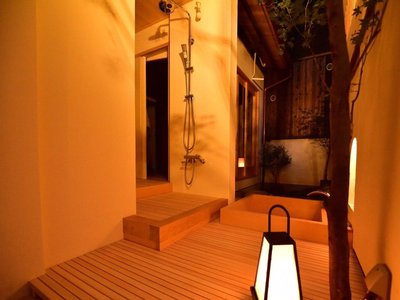
Yado Kiramachi
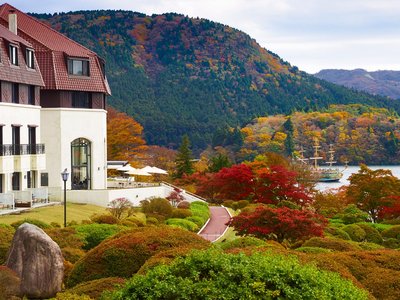
Hotakajyo
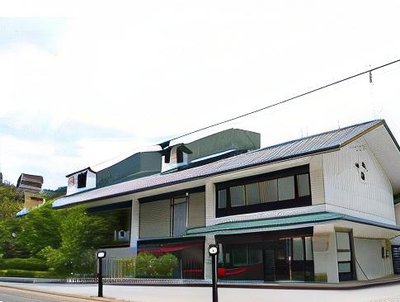
Auberge Suzukane

Onyado Nono Asakusa Bettei Hot Spring
Shiki wo Ajiwau Yado Yamano Chaya
Arimasansoh Goshobessho
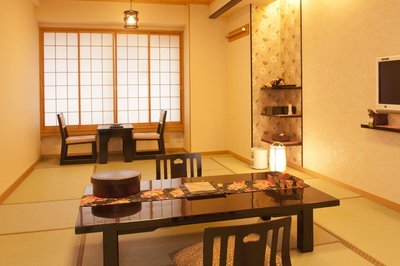
Matsui-Bekkan Hanakanzashi
Hoshino Resorts Kai Matsumoto
Taikyourou
Monjusou Shourotei
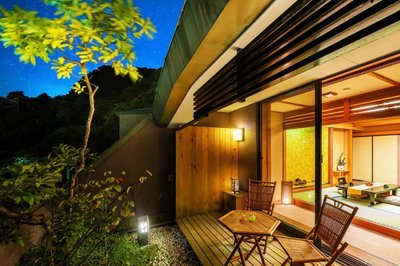
Konjakutei
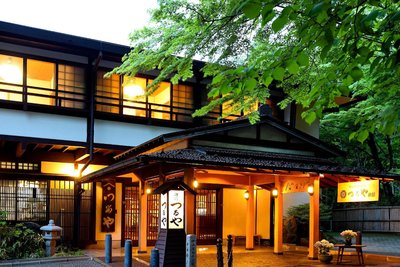
Tsuruya Ryokan
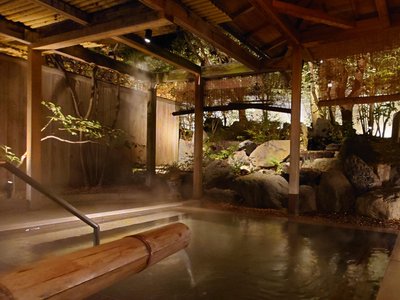
Kasuga Hotel
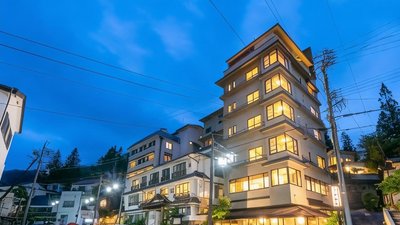
Nakamatsuya Ryokan
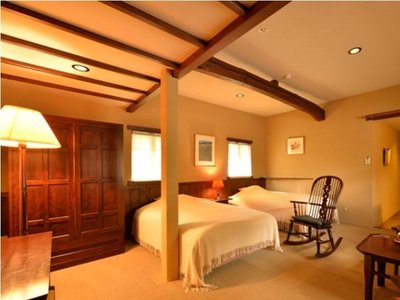
Ryokan Sugimoto
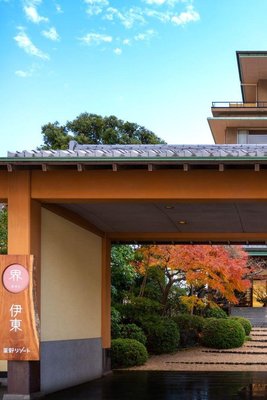
Hoshino Resorts Kai Ito
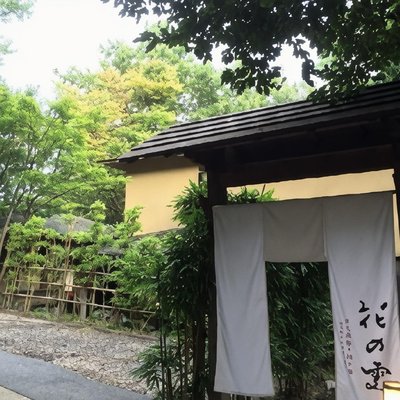
Hana No Kumo
Yoshiike Ryokan
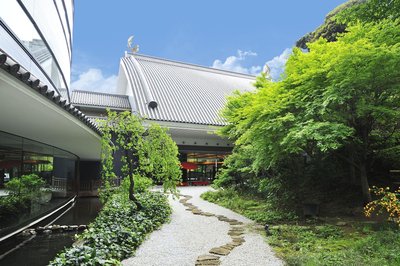
Hotel Gajoen Tokyo
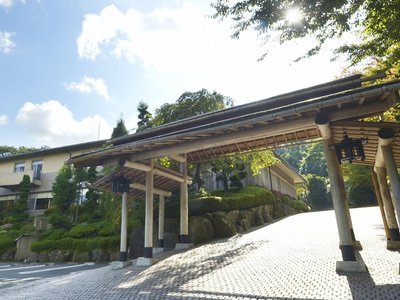
Gora Hanaougi
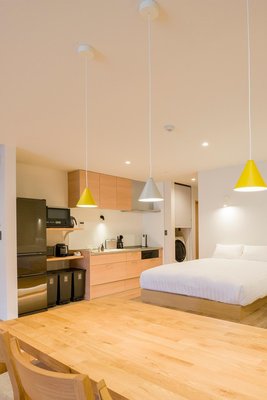
Rakuten STAY VILLA Nasu
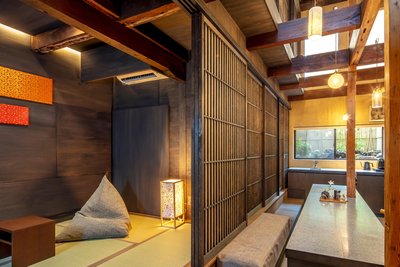
Kyo No Oozora Kihana
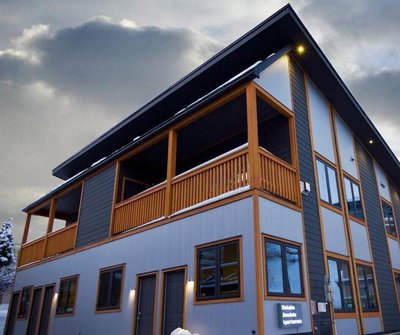
Hakuba Gondola Apartments
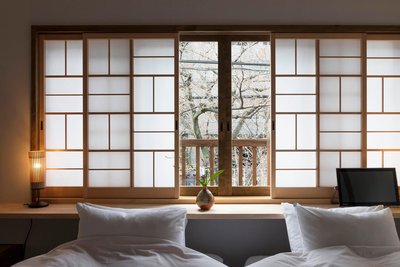
Hanagoromo Machiya House
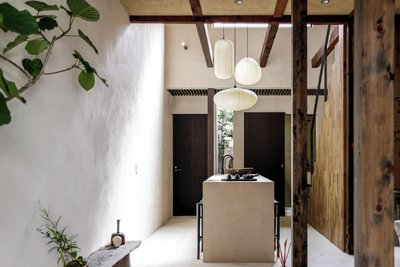
Maana Kiyomizu
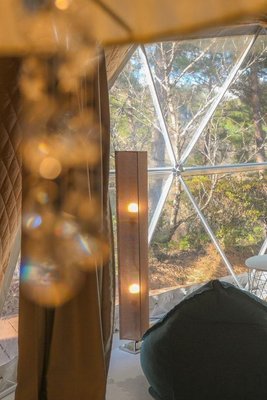
glampark Gekkabijin Nagano
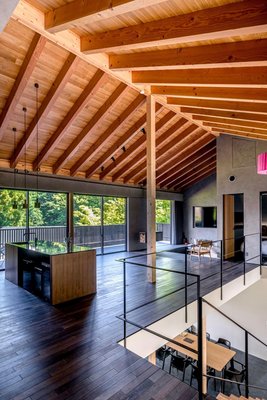
MONS GORA
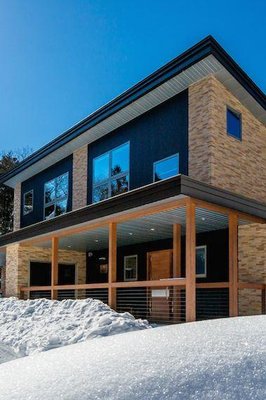
Phoenix Chalets by Hhg
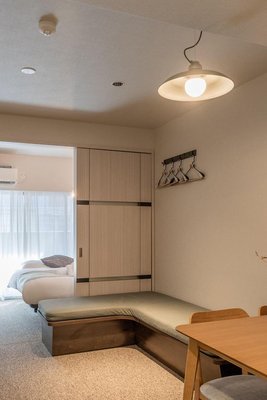
Apartment Hotel 11 Shinsaibashi
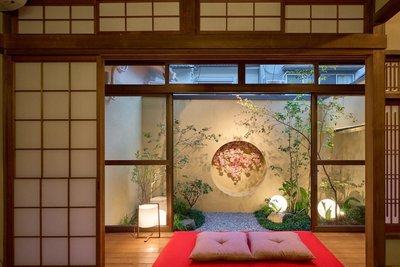
KONJAKUSO Osaka Tengachaya "NIHONCHA" Tea & Relax
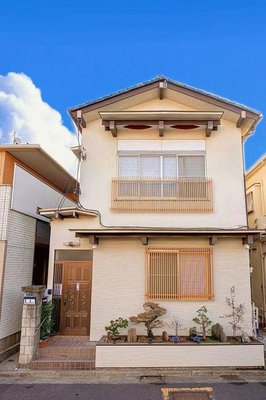
Tokyo Star House-Shinkoiwa
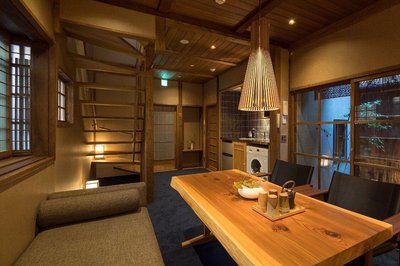
Bonbori an Machiya House
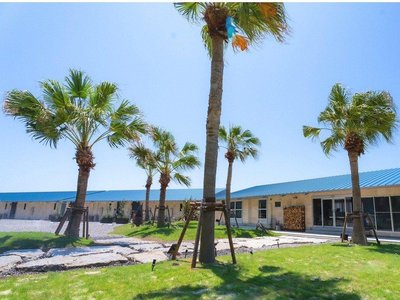
Glamping&Resort Wood Design Park Noma
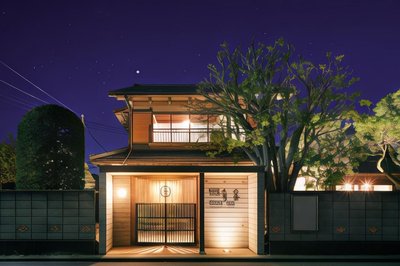
Machi-Jyu
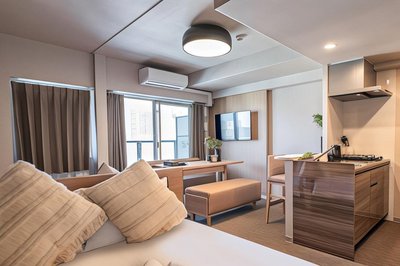
Apartment Hotel 11 Shinsaibashi III
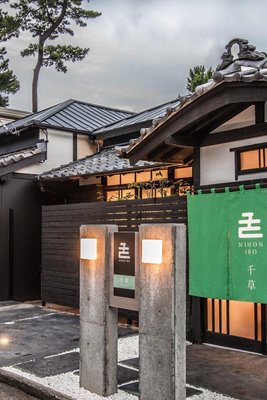
Nihon Iro
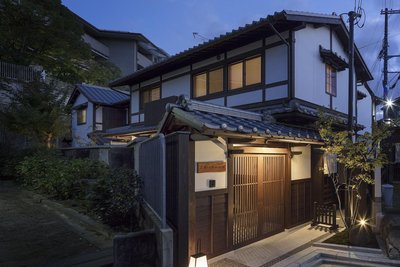
The Machiya Villa Sanjo Shirakawa Koji
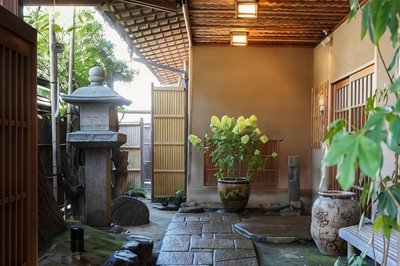
Ryokan Asadaya
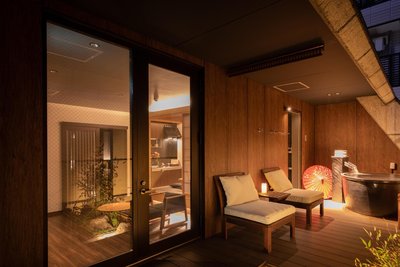
Konjaku-So Dotonbori
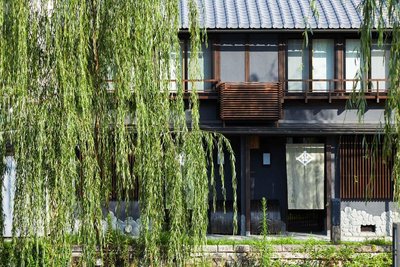
Gion Shirakawa No Yado
Frequently Asked Questions about Traveling to Tateyama
Questions You Might Need to Know About Traveling to Tateyama
In Tateyama, the top choice for winter snow viewing is Tateyama Onsen Ryokan, located near the entrance to Nakasendo Valley. This traditional Japanese inn offers private open-air baths with panoramic views of snow-covered peaks. Rooms feature authentic Hinoki wood interiors and serve local dishes like fresh seafood sushi and mountain vegetable hot pots. Guests can easily access Tateyama Ski Resort or take a cable car to Murodō Plateau for breathtaking snowscapes. The area also hosts the Snow Festival, where illuminated lanterns glow against the white landscape. Stay here to experience the magic of deep winter, where nature and warmth blend seamlessly.
The Gokumon Area is the perfect base for hikers in Tateyama, as it sits at the starting point of the Nakasendo Alpine Route. Stay at Gokumon Lodge, a rustic wooden cabin offering cozy rooms with heating and hot water. In the morning, embark on trails like the Great Snowfield Path, where ice pillars rise from deep valleys and alpine peaks dominate the skyline. Return in the evening to relax in the onsen bath, enjoying meals made with wild mountain vegetables. Surrounded by silence and untouched nature, this location offers an immersive alpine experience ideal for serious trekkers seeking solitude and natural beauty.
Visitors to Tateyama can participate in the sacred Yama-no-Kami Festival and Mountain Worship Tour, honoring the ancient belief in Mount Tateyama’s deity. The annual Yamazuki Matsuri marks the opening of the mountain pass after winter, featuring lion dances and ritual chants. You can also join workshops at Toyama Folk Craft Studios, learning to shape pottery using local Tateyama clay. At night, experience the Snow Lantern Festival, where hundreds of handcrafted lanterns illuminate the valley, creating a dreamlike atmosphere. These traditions reflect the deep spiritual connection between locals and the mountains, offering insight into a living culture shaped by nature.
Tateyama's hot springs are renowned for their rich content of bicarbonate and sulfur minerals, known for skin regeneration and muscle relaxation. The most famous is Ōtaki Onsen, where clear, warm waters (around 42°C) flow into outdoor baths overlooking the Kurobe Gorge. Some baths even feature snow-covered open-air pools, allowing guests to soak under falling snow while gazing at starry skies. Luxury lodges like Tateyama Onsen Bijin offer "Snow Bath" experiences—where hot springs are channeled directly into snow pools, creating a surreal sensory journey. Drinking the mineral-rich water before bathing enhances detoxification, making these onsens truly restorative.
The ideal times to visit Tateyama are spring (April–May) and autumn (September–October). Spring brings melting snow and the reopening of Murodō Plateau, offering stunning views of snow-capped peaks and emerging greenery. Autumn paints the Kurobe Gorge in fiery reds and golds, especially during the Autumn Color Festival in mid-October. Summer is short but pleasant for cooling off; winter is beautiful but travel is limited due to heavy snowfall. For those seeking balance between scenery and accessibility, spring and autumn provide optimal conditions—mild weather, vibrant landscapes, and full access to the Alps Route.
In Tateyama, must-try dishes include Toyama Bay Seafood Donburi and Mountain Vegetable Tempura. The former features freshly caught bonito, uni (sea urchin), and white fish served over rice with a savory sauce. The latter highlights seasonal wild ferns, bamboo shoots, and edible mosses, lightly fried and paired with citrus salt. Another highlight is Tateyama Tofu, crafted from mountain spring water and local soybeans, served cold or in soups. At night markets, try Yukimi Dango—a sweet rice ball made with snow-melt water, filled with red bean paste and chestnuts. All ingredients come from sustainable local farms, embodying the region’s harmony between land and sea.
To reach Tateyama, take the Tateyama Cable Car from Tateyama Station to Murodō, then transfer to the Kurobe Gorge Railway. Alternatively, travel via Hokuriku Shinkansen from Kanazawa to Toyama Station, then connect by bus to Tateyama Town Center. If driving, use the Hokuriku Expressway to access the Gokumon Parking Area. During winter, some roads close due to snow—check the Tateyama Kurobe Alpine Route website for updates. Consider purchasing the Tateyama Tourist Bus Pass, which allows unlimited rides on designated routes. The town’s central bus station has wheelchair access, making it convenient for elderly and family travelers. Despite remote access, the transport system is well-organized and safe.
For families, Tateyama Forest House is a top-rated option—a wooden family lodge with a children’s playroom, outdoor mini-farm, and stargazing deck. Each room includes baby cots and non-slip flooring. The property offers a "Nature Explorer Map" for kids to complete scavenger hunts identifying local plants and animals. Weekend events include snow house building workshops and sleigh rides in safe zones. The lodge provides multilingual guides (Japanese/English), allowing parents peace of mind. Additionally, Murodō’s Children’s Onsen Zone features shallow pools and cartoon-shaped floats, perfect for young ones. The serene, educational environment makes it ideal for family bonding in nature.
In Tateyama, standout nighttime experiences include the Snow Lantern Festival and Stargazing Events. Held from December to February, Gokumon illuminates its trails with hundreds of handmade paper lanterns, casting ethereal light across the snow. Some lodges host snowside bonfires, where guests gather around flames to hear local legends. Murodō Plateau is a designated Dark Sky Reserve, offering crystal-clear views of the Milky Way and meteor showers. Guided telescope sessions led by experts enhance the experience. For a deeper immersion, book a snow camping trip—sleep in a tent while listening to the wind and watching stars through the canopy. These quiet, magical evenings capture the soul of winter in Tateyama.
Photographers flock to Tateyama for iconic shots: the Kurobe Gorge’s vertical cliffs and ice stalactites glowing in morning light; Murodō Plateau’s snowfields framed by distant Tateyama Peaks; and Ōtaki Onsen’s foggy open-air baths with snowflakes drifting down. The cable car track cutting through snowy valleys offers dynamic motion shots. Capture sunrise over Toyama Bay in spring, when golden light spills across calm waters. Bring a telephoto lens and tripod for long exposures. Many lodges offer free photography tours with expert guidance, helping you find the perfect vantage points to immortalize Tateyama’s pristine beauty.
Tateyama Overview
City Summary
Tateyama Town in Toyama Prefecture, Japan, is globally renowned for the Tateyama Kurobe Alpine Route, featuring spectacular snow walls (Yuki-no-Otani), highland marshes, and onsen resources. This destination blends traditional Japanese rural culture with modern mountain facilities, attracting nature lovers to experience its dramatic seasonal landscapes.
Must-See Attractions
Top attractions include the Tateyama Kurobe Alpine Route where visitors walk through 20-meter snow corridors in spring and admire alpine flowers at Murodo Plateau in summer. The Midagahara Wetlands offer wooden boardwalk hikes, while Tateyama Museum showcases local ecology. Don't miss open-air baths at Bijodaira Onsen amidst mountain mist.
Food Guide
Savor Toyama Bay's seafood like trout sushi and firefly squid dishes. Local specialties include buckwheat noodles made with mountain spring water, paired with grilled char. Winter brings yellowtail hotpot, and desserts feature Tateyama yogurt and Toyama black sugar candy.
Transportation Guide
Take the Toyama Chiho Railway to Tateyama Station (1 hour), then transfer to highland buses and ropeways. The Alpine Route requires a pass (≈¥15,000) operating April-November. Private cars are prohibited beyond certain points; free shuttles connect major onsens.
Best Time to Visit
Prime seasons are late April-May (snow walls) and late September-October (autumn foliage). June-August offers cool escapes but frequent rain. Winter (December-March) limits access but enables snow activities.
Travel Tips
- Prepare for 2,450m altitude with warm layers and sunscreen
- Arrive early during snow wall season to avoid crowds
- Feeding wildlife (e.g., ptarmigans) is prohibited
- Wash thoroughly before entering onsens
- Practice Leave No Trace principles
- Wear non-slip hiking shoes for trail sections
Useful Information
Language: Japanese dominant; key sites have English signage. Internet: Spotty mountain coverage; download offline maps. Payment: Cash preferred; credit cards accepted at major venues. Emergencies: First aid at Murodo Station; descend for altitude sickness. Accommodation: Book mountain lodges or Toyama city hotels early. Etiquette: Maintain quiet in public spaces; no photography in baths.









