Hotels in Tawaramoto
Discover your perfect stay in Tawaramoto.
Tawaramoto(Japan) Travel 2026: Cheap Flights, Hotels & Top Attractions
Popular Landmarks in Tawaramoto
Discover the most iconic attractions in Tawaramoto
Best Hotels in Tawaramoto
Discover curated hotel collections in Tawaramoto








































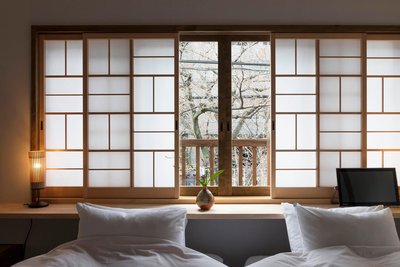
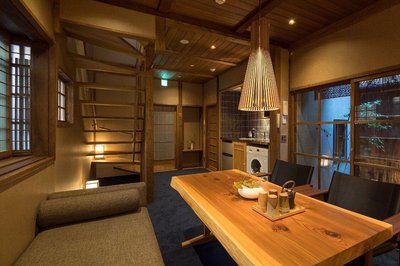
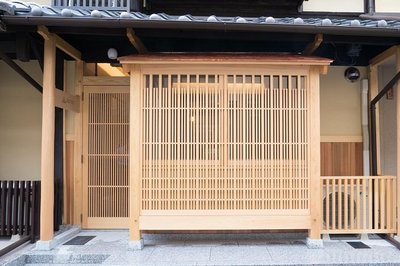
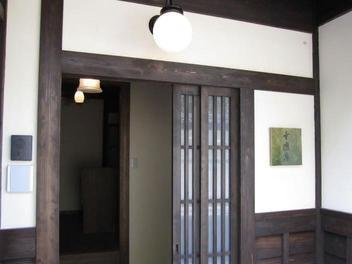

Frequently Asked Questions about Traveling to Tawaramoto
Questions You Might Need to Know About Traveling to Tawaramoto
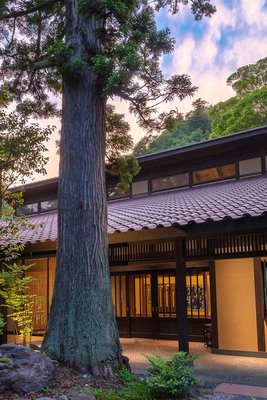
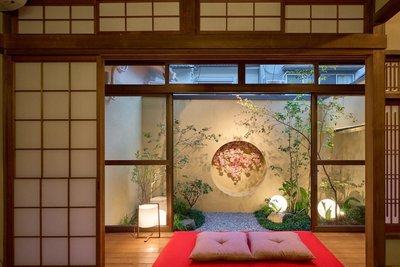
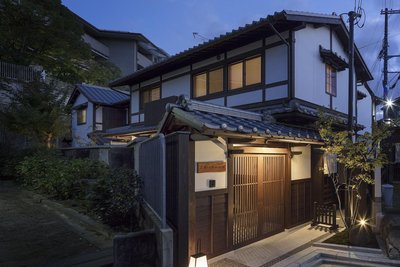
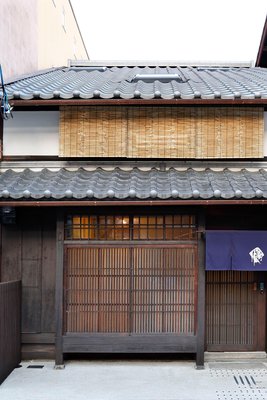
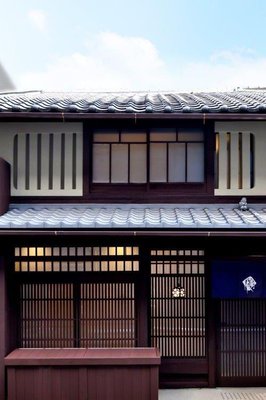
In Tanabe-machi, the top family-friendly option is Tanabe-machi Onsen Ryokan, a traditional family-run inn blending authentic Japanese architecture with modern comfort. Its open-air hot spring bath overlooks the stunning Wakasa Bay, perfect for children and parents alike. The inn offers kaiseki dinner featuring local organic ingredients from nearby farms, giving guests a true taste of Nara Prefecture’s rural cuisine. With a dedicated kids’ playroom and a peaceful garden courtyard, it’s ideal for families seeking a tranquil, immersive stay amidst nature, far from city chaos.
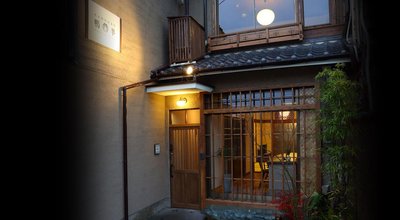
The best area for accommodation in Tanabe-machi is around Tanabe Station, offering easy access to Tanabe Central Shopping Street, Wakasa Bay Pier, and Tanabe Shrine. This district hosts several boutique inns and design-conscious guesthouses like Kogawa-ya Ryokan and Kai-fu-tei, all within walking distance of Tanabe Natural Park and local cultural spots. The neighborhood remains quiet and authentic, preserving the charm of a Kinki-region countryside town, making it ideal for travelers seeking peace, proximity to nature, and an authentic glimpse into daily life in rural Japan.
A must-do cultural experience in Tanabe-machi is the Wakasa Handloom Weaving Workshop Day Class, held at the Tanabe Cultural Hall. Participants learn to use traditional wooden looms to weave their own piece of Wakasa Fukinori fabric, a textile heritage dating back to the Edo period. This craft reflects the historical exchange between Nara Prefecture and Fukui Prefecture. Guests take home their handmade creation as a souvenir while gaining insight into Japanese craftsmanship and regional identity. The workshop also includes storytelling sessions on the fabric’s symbolic meaning—offering a deep connection to local heritage.
Yes, the hot spring hotels in Tanabe-machi are highly recommended. Tanabe Onsen Hotel stands out with its natural hot spring sourced directly from underground aquifers, maintaining a consistent 42°C temperature rich in sodium bicarbonate—ideal for skin health. Its outdoor bath is nestled in a private garden, offering panoramic views of Wakasa Bay throughout the seasons: cherry blossoms in spring, cicadas in summer, maple leaves in autumn, and snow-covered trees in winter. Additional wellness services include foot baths and herbal massage using locally harvested plants, delivering a truly restorative Kinki-region spa experience.
Top photo spots in Tanabe-machi include the Wakasa Bay Coastal Trail and the vermillion torii gate at Tanabe Shrine. The coastal path winds along cliffs, offering breathtaking sunrise shots over the endless sea, especially when golden light spills across the waves. The shrine’s towering red torii, framed by lush forest and distant mountains, creates a striking contrast perfect for traditional Japanese photography. Don’t miss the Tanabe Agricultural Park’s rice maze and seasonal flower fields—spring rapeseed blooms and autumn sunflowers—that attract photographers seeking whimsical, pastoral scenes. These locations capture the soul of rural Kinki beauty in every frame.
Must-try local dishes in Tanabe-machi include Wakasa Sea Bream Sashimi, freshly caught and known for its sweet, delicate flavor; Tanabe Special Tofu Hot Pot, made with local soybeans and mountain spring water, yielding a silky texture; and Persimmon Leaf Maki, sushi wrapped in dried persimmon leaves, releasing a subtle herbal aroma. These delicacies are available at Tanabe Market or the in-house restaurant of Kogawa-ya Ryokan. Also, don’t miss Wakasa Tea, served post-meal—a refreshing, locally grown green tea that complements the meal. All ingredients emphasize freshness, no additives, and same-day sourcing, embodying the authentic farm-to-table ethos of the Kinki region.
Yes, Tanabe-machi is well-connected despite its rural setting. From Namba Station in Osaka, take the JR West Kansai Main Line to Tanabe Station—a scenic 60-minute ride with frequent departures. The station offers shuttle buses to Wakasa Bay National Park and neighboring towns like Kameoka. For independent travelers, bike rental stations are available throughout town, allowing exploration along the Wakasa Bay Coastal Road, dotted with seaside villages and viewpoints. Car travelers can access the Kansai Expressway nearby, reaching Nara City or south Kyoto within 30 minutes—perfect for multi-day itineraries linking major Kinki destinations seamlessly.
Tanabe-machi is perfect for travelers seeking slow travel, authentic cultural immersion, and nature-centered relaxation. Ideal for families, couples, and older visitors who appreciate quiet, unspoiled landscapes and genuine local interactions. If you love coastal serenity, handcraft workshops, and farm-fresh meals, this town offers a rare escape from urban noise. It’s also a haven for photographers craving serene Japanese scenery—from misty morning rice paddies to twilight fishing lanterns. For those yearning to reconnect with nature and tradition, Tanabe-machi delivers a deeply meaningful, unforgettable journey.
The highlight festival in Tanabe-machi is the Wakasa Bay Sea Festival, usually held in late July. During this event, illuminated fishing boats parade along the coast, creating a mesmerizing lantern-lit river of light. Visitors can enjoy ama diver performances, traditional taiko drumming, and a bustling seafood market offering fresh Wakasa uni (sea urchin) and grilled mackerel. Another key event is the Tanabe Shrine Annual Festival in late spring, featuring a mikoshi procession and Gion-style dance performances, showcasing deep-rooted local spirituality. These events celebrate regional heritage and community unity, offering travelers an intimate window into the living culture of rural Japan.
Nighttime highlights in Tanabe-machi include stargazing from open-air hot springs and evening tea ceremonies. At Tanabe Onsen Hotel, guests can soak in the night-time onsen bath under a clear sky, surrounded by silence and celestial brilliance—ideal for reflection and calm. Some inns host moonlight tea gatherings, where local Wakasa tea is paired with handmade wagashi, accompanied by stories about tea traditions. The Wakasa Bay Coastal Path features softly lit walkways, perfect for evening strolls listening to waves. During the Sea Festival, there’s a spectacular fireworks display and luminous boat parade, transforming the bay into a magical dreamscape. These experiences turn night into a moment of profound peace and wonder.
Tawaramoto Overview
City Summary
Tawaramoto Town, located in the central part of Nara Prefecture, Japan, is a small town rich in history and rural charm. Known for its ancient ruins and traditional festivals, particularly those related to the Yayoi period, the town is surrounded by rice fields and natural landscapes, offering a serene glimpse of Japanese countryside beauty.
Must-See Attractions
Must-visit sites include the Karako-Kagi Archaeological Site, showcasing Yayoi-period history and culture. The Tawaramoto Town Historical Folk Museum provides deeper historical insights. Additionally, the annual Tawaramoto Festival in summer is a great opportunity to experience local traditions.
Food Guide
Tawaramoto is famous for its local cuisine, with recommended dishes like Nara-zuke (pickled vegetables) and Kakinoha-zushi (persimmon leaf sushi). Local eateries and markets offer fresh produce and traditional Japanese meals.
Transportation Guide
Tawaramoto has no direct rail access; buses from Nara or Osaka are recommended. Within the town, buses and walking are primary options, and renting a bicycle is ideal for exploring the rural scenery. Note that bus schedules are infrequent, so plan ahead.
Best Time to Visit
The best seasons to visit are spring (March-May) and autumn (September-November) for mild weather and scenic beauty. Avoid the humid summers and cold winters, and expect crowds during festivals like July.
Travel Tips
- Respect local customs, especially at shrines.
- Rural shops have limited hours; carry essentials.
- Check bus schedules in advance due to limited service.
- Stay hydrated and use sunscreen in summer.
- Some sites require guided tour reservations.
- Keep the environment clean; take trash with you.
Useful Information
Japanese is the primary language; English is rare, so a translation app is helpful. Cash is preferred over credit cards. WiFi coverage is limited; consider a local SIM. For emergencies, dial 110 (police) or 119 (ambulance). Pharmacies and clinics are scarce; bring basic medications.