Hotels in Temon
Discover your perfect stay in Temon.
Temon(Indonesia) Travel 2026: Cheap Flights, Hotels & Top Attractions
Popular Landmarks in Temon
Discover the most iconic attractions in Temon
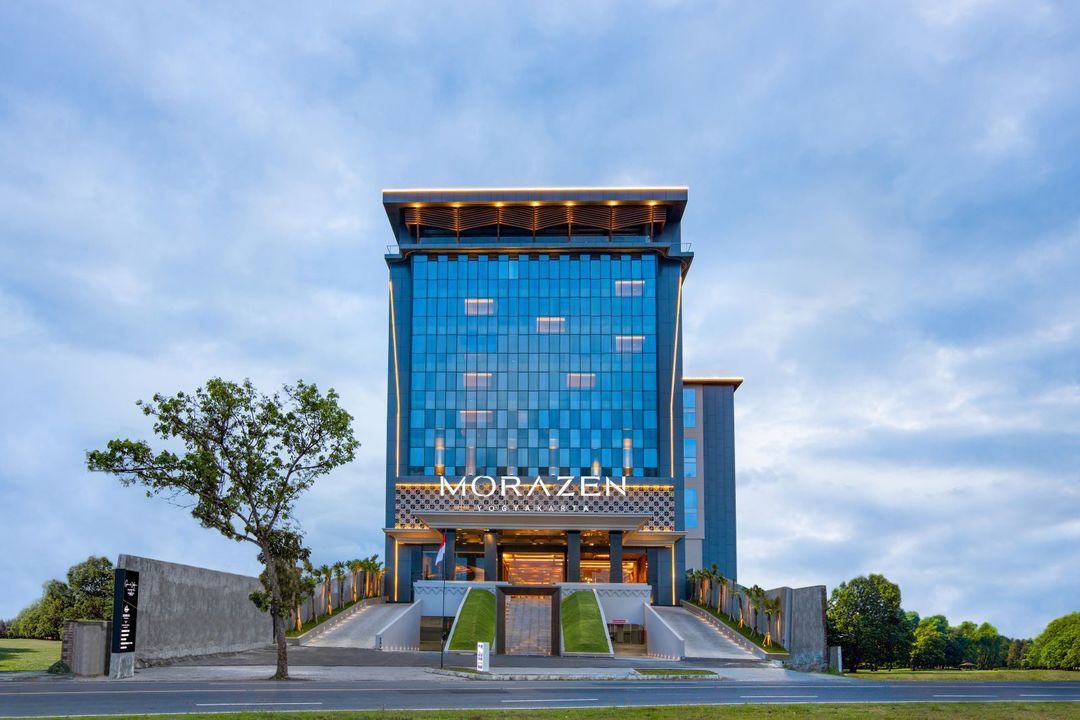
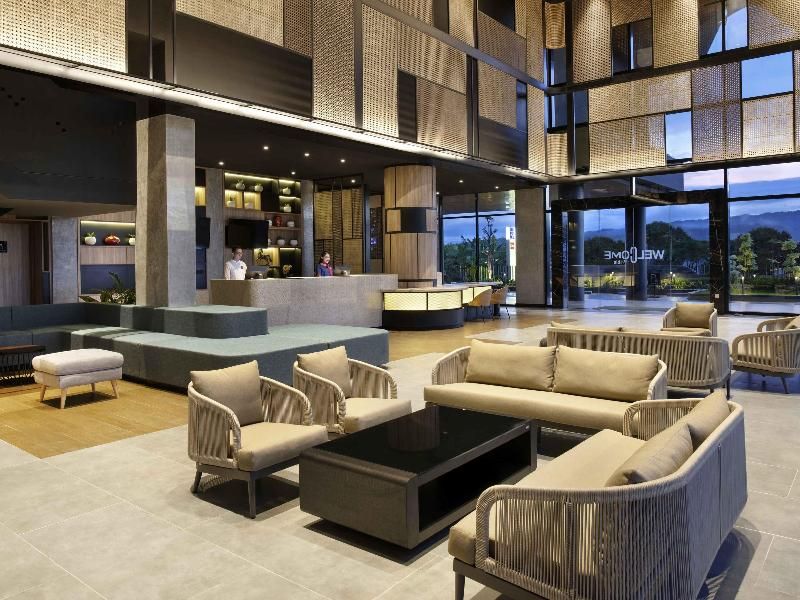
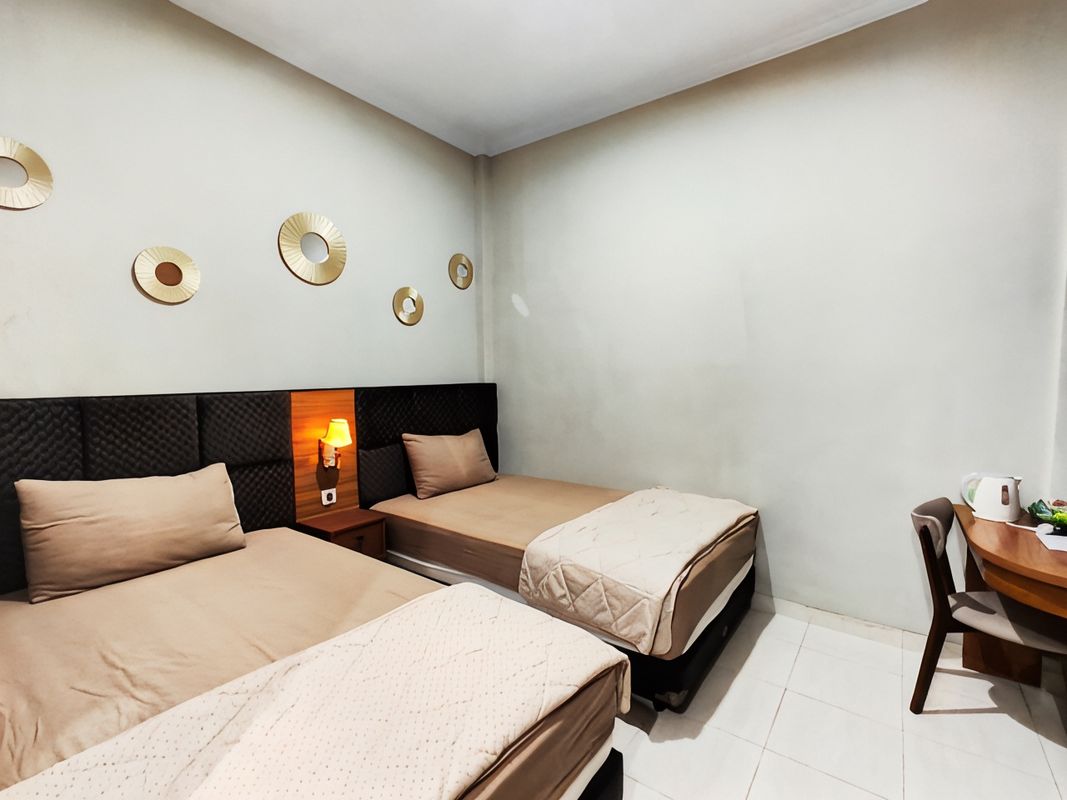
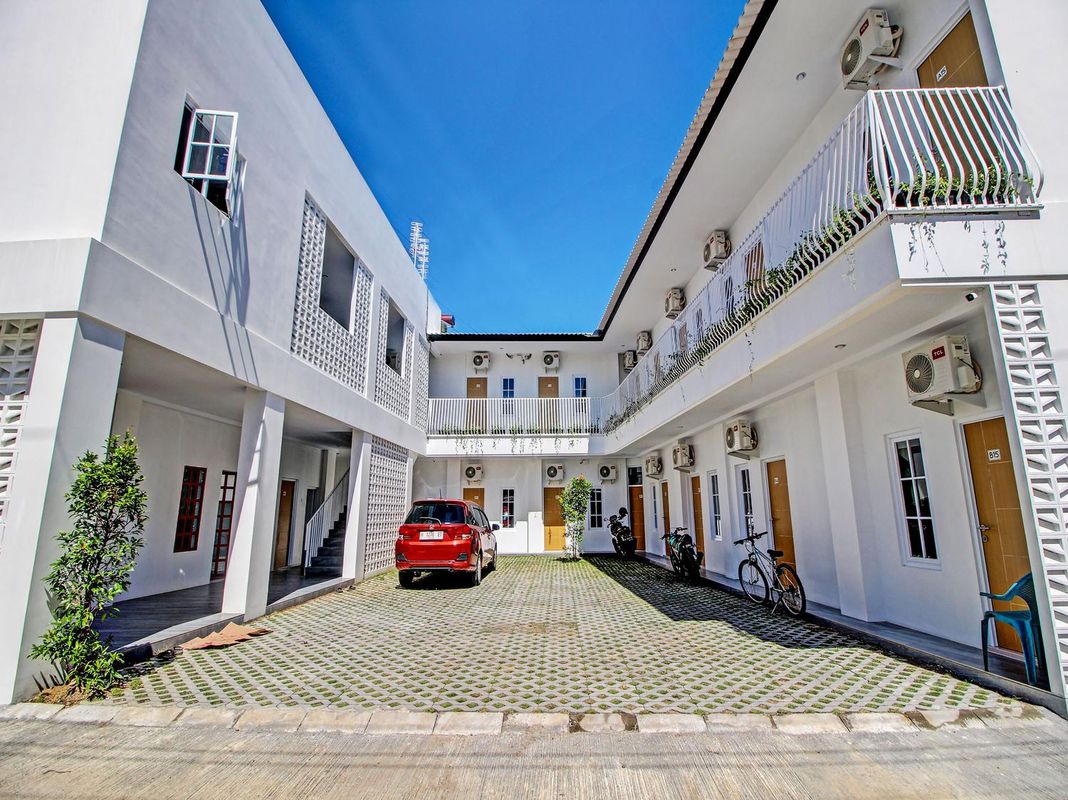
Recommended Hotels in Temon
Find the perfect place to stay in Temon

Frequently Asked Questions about Traveling to Temon
Questions You Might Need to Know About Traveling to Temon
In Demun, the best cultural hotels include Pondok Sari Homestay, located in a traditional village near the Borobudur Temple. This boutique stay features Javanese courtyard design and authentic batik artwork, offering guests daily Gamelan music workshops and meditation sessions inspired by Hindu-Buddhist traditions. The hosts guide visitors through heritage trails to ancient temples, while meals feature local specialties like Gudeg stew, a signature dish from the Yogyakarta region. Staying here provides an immersive experience into Java’s spiritual and artistic legacy.
The city center of Demun offers the most convenient and authentic stay, situated just minutes from key landmarks such as Kraton Yogyakarta (Sultan's Palace) and the National Museum. This district is safe, walkable, and rich in local culture, with bustling street markets and traditional cafes. Stay at Hotel Tugu Yogyakarta, a historic building blending Dutch colonial architecture with indigenous Javanese motifs, once frequented by royalty. Nearby Sewu Square is ideal for people-watching and experiencing vibrant street art and community life.
In Demun, don’t miss the chance to participate in a traditional batik workshop—many homestays like Sriwedari Batik Workshop offer hands-on classes using natural indigo dyes and symbolic patterns. Learn about the meanings behind designs: the dragon symbolizes power, while the lotus represents purity. Another must-try is attending a Wayang Kulit shadow puppet performance, held nightly at Ananda Theatre, where epic tales from the Ramayana unfold with live gamelan orchestras, delivering a deeply immersive journey into Indonesian classical storytelling.
Yes, Demun has several family-oriented accommodations. Amartha Resort & Spa features a children’s playground, family-sized pools, and suites with kitchenettes and baby beds. The resort organizes interactive activities like pottery-making in Tlogo Bawono Village and rice field planting experiences. With scenic nature trails and evening firefly viewing walks, it’s perfect for kids to learn about local agriculture and ecology in a fun, engaging way.
Consider staying at Banyuwangi Eco Lodge, nestled on the edge of tropical rainforest with bamboo structures and solar-powered facilities. Enjoy morning forest yoga sessions overlooking Mount Merapi, followed by guided wildlife safaris to spot rare birds and orchids. At night, join a bonfire storytelling event, where local elders share ancestral legends. This lodge blends sustainable living with deep cultural connection, offering a true immersion in Javanese environmental wisdom.
Absolutely. Many hotels provide immersive culinary programs. Kopi Kedaton Coffee House serves regional coffee blends and hosts home-style cooking classes, teaching how to prepare Sate Klatak and Nasi Liwet, using ingredients from nearby organic farms. Guests harvest spices themselves and learn flavor balancing techniques. Luxury options like The Ayer Sari Hotel even offer private dining rooms for custom royal banquets, recreating 19th-century court dining rituals with traditional attire and etiquette.
Yes, most top-rated hotels in Demun are within a 1-kilometer radius of major sights. Hotel Yogya Palace is steps from Kraton Yogyakarta and the National Museum, while Sindu Rasa Guesthouse sits beside Gedung Agung, surrounded by historic murals and alleyways. Many offer complimentary shuttle services to Borobudur and Prambanan Temple, and some even provide multilingual guides, including Chinese-speaking staff, ensuring seamless travel planning for international visitors.
For couples, Cinta Loka Boutique Hotel stands out—a secluded retreat hidden in a bodhi tree garden, with private terraces and starlit hot tubs facing Mount Merapi. Enjoy candlelit dinners featuring dishes like mango sticky rice and herb-roasted chicken, paired with local wine. Couples can also book shared meditation sessions or evening dance lessons in traditional Javanese style, set to gamelan music, creating unforgettable moments under the stars.
Yes, many hotels in Demun embrace sustainability. Green Padi Eco Hotel uses rainwater harvesting, composting toilets, and bamboo-based utensils, with a strict zero-plastic policy. Guests can join community reforestation projects and enjoy meals made from organic farm produce. The hotel runs entirely on solar energy, uses organic cotton linens, and promotes eco-conscious living throughout its operations, making it a model for responsible tourism.
Experience the vibrant nightlife of Malioboro Street Night Market, the heart of Demun’s urban soul, where thousands of stalls sell handmade silver jewelry, batik fabrics, and street snacks like fried bananas. For a cultural highlight, attend the Borobudur Temple Light Show, held during full moons, projecting dynamic religious imagery onto the temple’s silhouette with live gamelan music. Some hotels, like Lamprai Heritage Inn, also host nighttime shadow puppet tours, bringing ancient myths to life under the open sky.
Temon Overview
City Summary
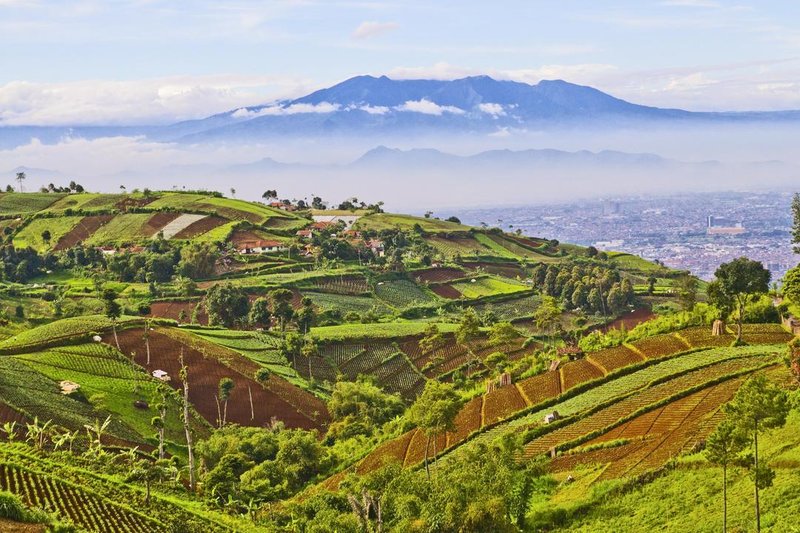
Demang is a charming small town in Yogyakarta Special Region, Indonesia, known for its tranquil rural atmosphere and rich cultural heritage. Surrounded by lush rice fields and traditional Javanese architecture, the town offers a peaceful retreat from urban chaos. Its core appeal lies in its deep cultural roots and traditional Javanese way of life, providing visitors with an authentic Indonesian rural experience.
Must-See Attractions
In Demang, visitors can explore local traditional markets to experience the daily life of the Javanese people. Nearby, the Prambanan Temple and Borobudur Temple, both UNESCO World Heritage Sites, showcase Indonesia's rich history and religious culture. For nature enthusiasts, the surrounding rice fields and hills offer excellent opportunities for hiking and cycling.
Food Guide
Demang's street food is rich in Javanese flavors. Must-try local delicacies include Gudeg (sweet jackfruit stew) and Soto (Indonesian traditional noodle soup). These dishes not only offer unique tastes but also reflect the local culinary culture. Visitors can also enjoy fresh tropical fruits and traditional Javanese coffee.
Transportation Guide
Transportation in Demang mainly relies on motorcycles and bicycles, the most convenient way to explore the town and its surroundings. Public buses and taxis are available in Yogyakarta city but are less frequent. Renting a motorcycle or joining a local tour is recommended for more flexible travel plans. The drive from Yogyakarta city to Demang takes about one hour.
Best Time to Visit
The best time to visit is during the dry season (April to October), when the weather is sunny and ideal for outdoor activities. The wet season (November to March) brings more rain but offers lush green landscapes. Avoiding holidays can help reduce crowds and ensure a more peaceful experience.
Travel Tips
- Respect local culture by dressing modestly, especially when visiting temples.
- Learn a few basic Indonesian phrases to facilitate communication.
- Bring sunscreen and insect repellent to cope with the tropical climate.
- Pay attention to food hygiene when trying local dishes.
- Ensure you have an international driving permit if renting a motorcycle.
- Keep the environment clean by avoiding single-use plastics.
Useful Information
In Demang, Indonesian is the primary language, but some people in tourist areas speak English. Internet coverage is good, but signals may be weak in rural areas. It's advisable to carry cash as credit cards may not be accepted at small vendors. For emergencies, dial 118 or 119. Hospitals and pharmacies are available in Yogyakarta city, but travel insurance is recommended for unforeseen circumstances.